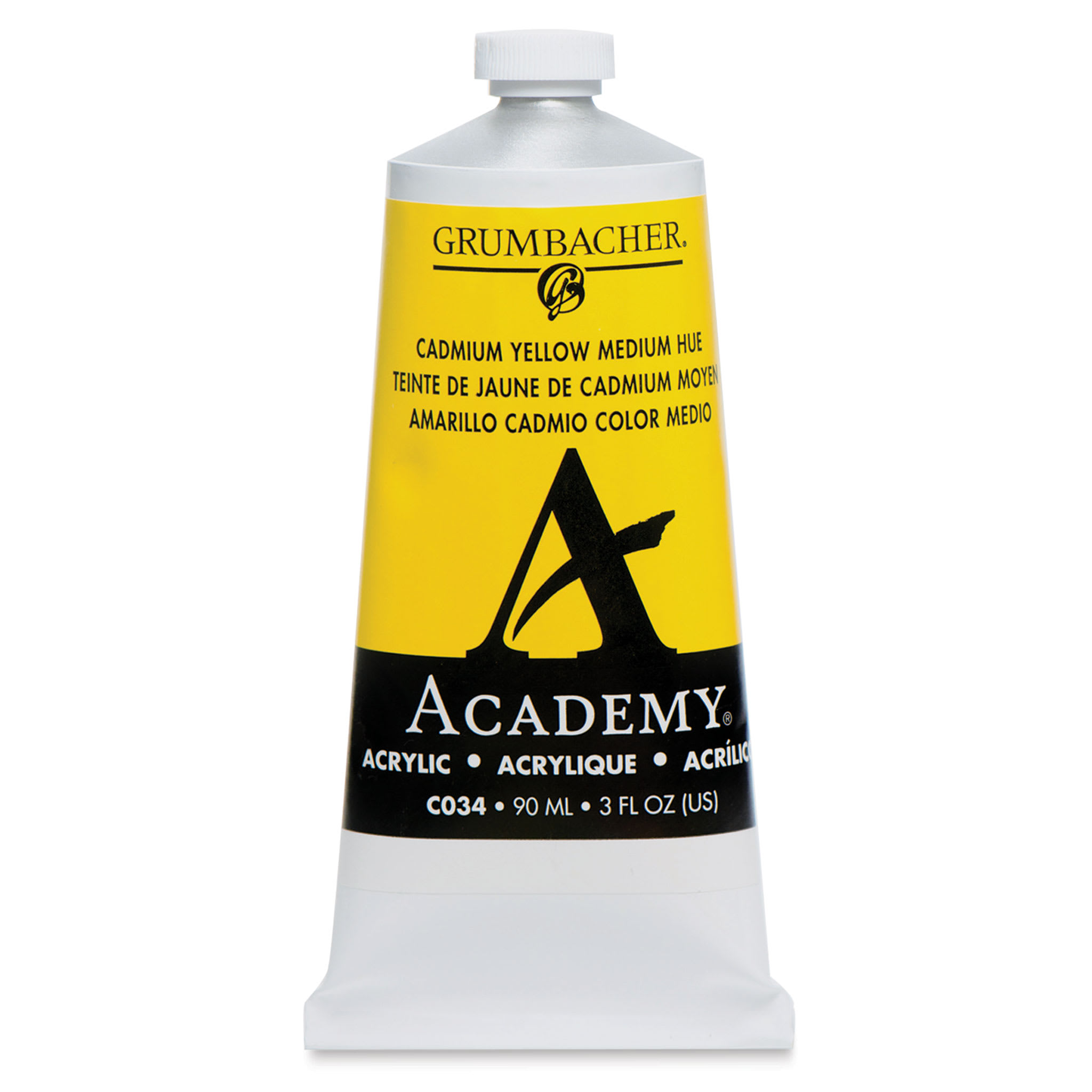
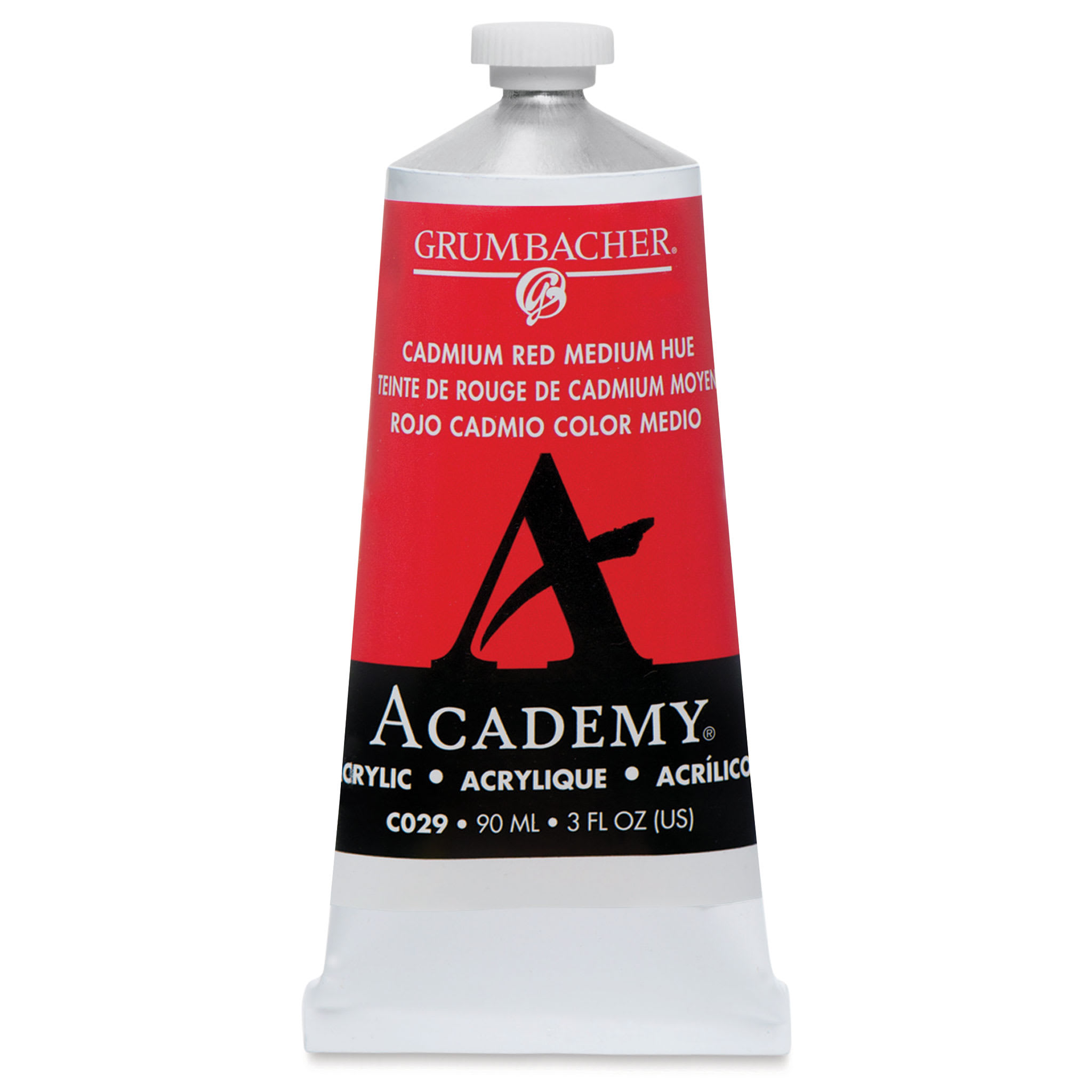
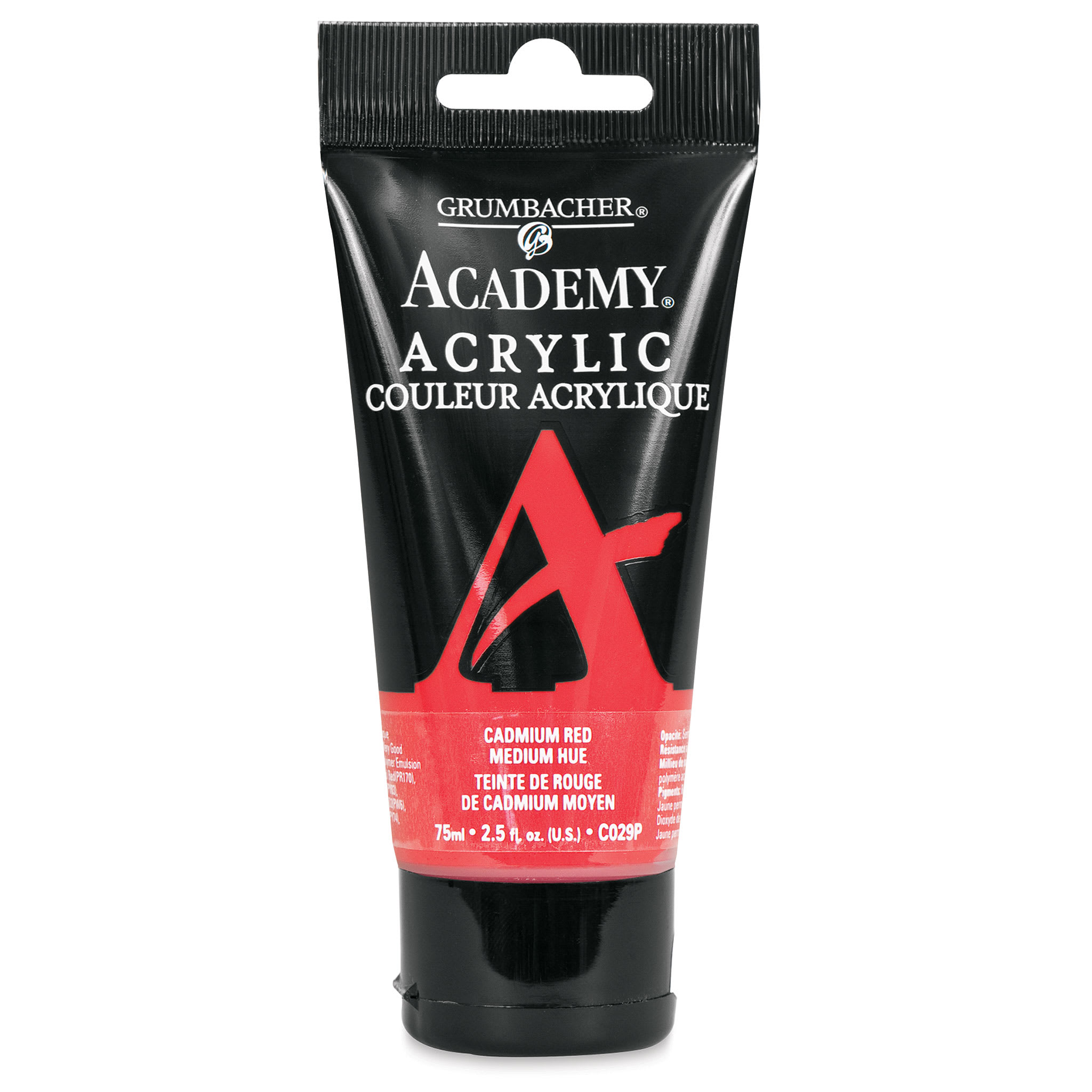
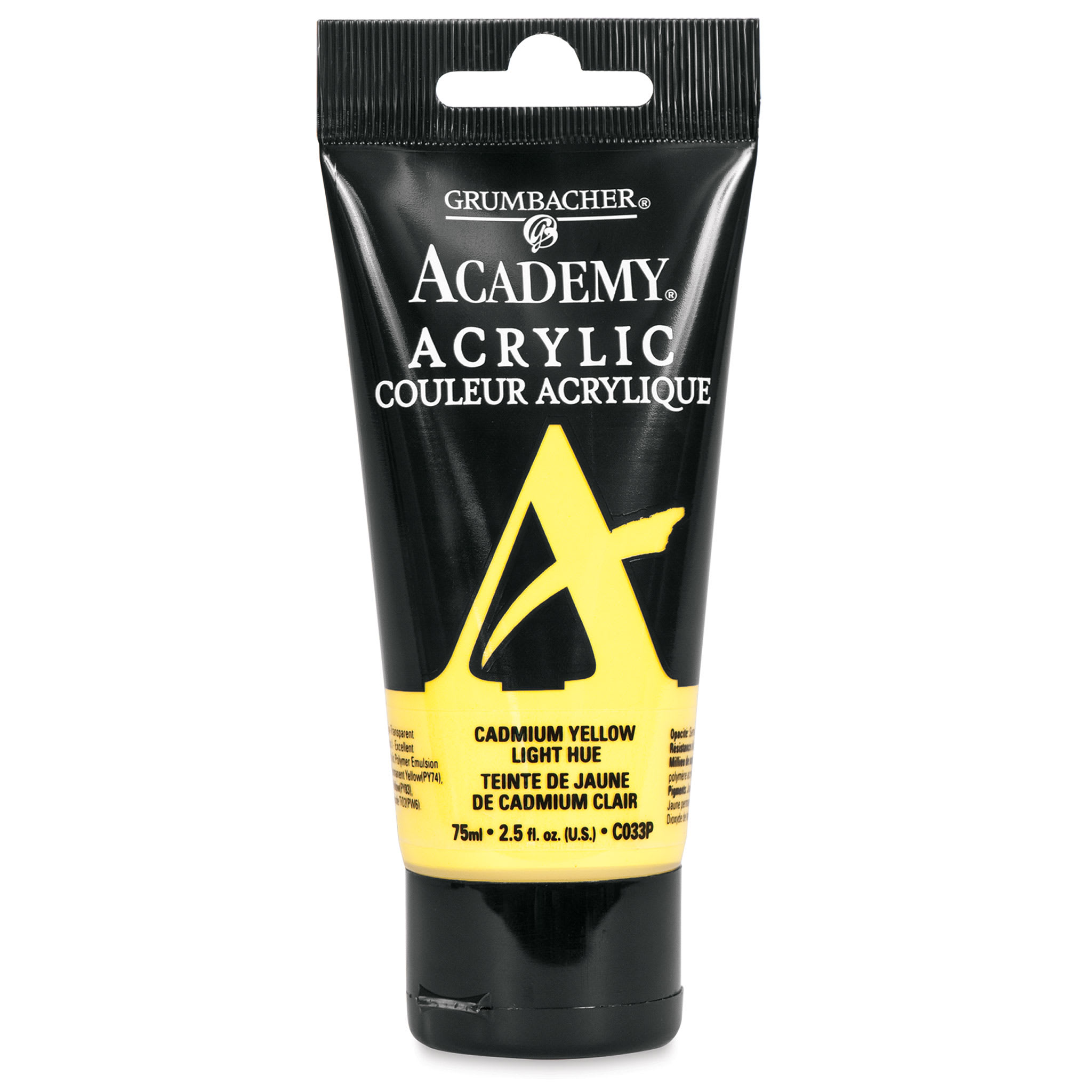
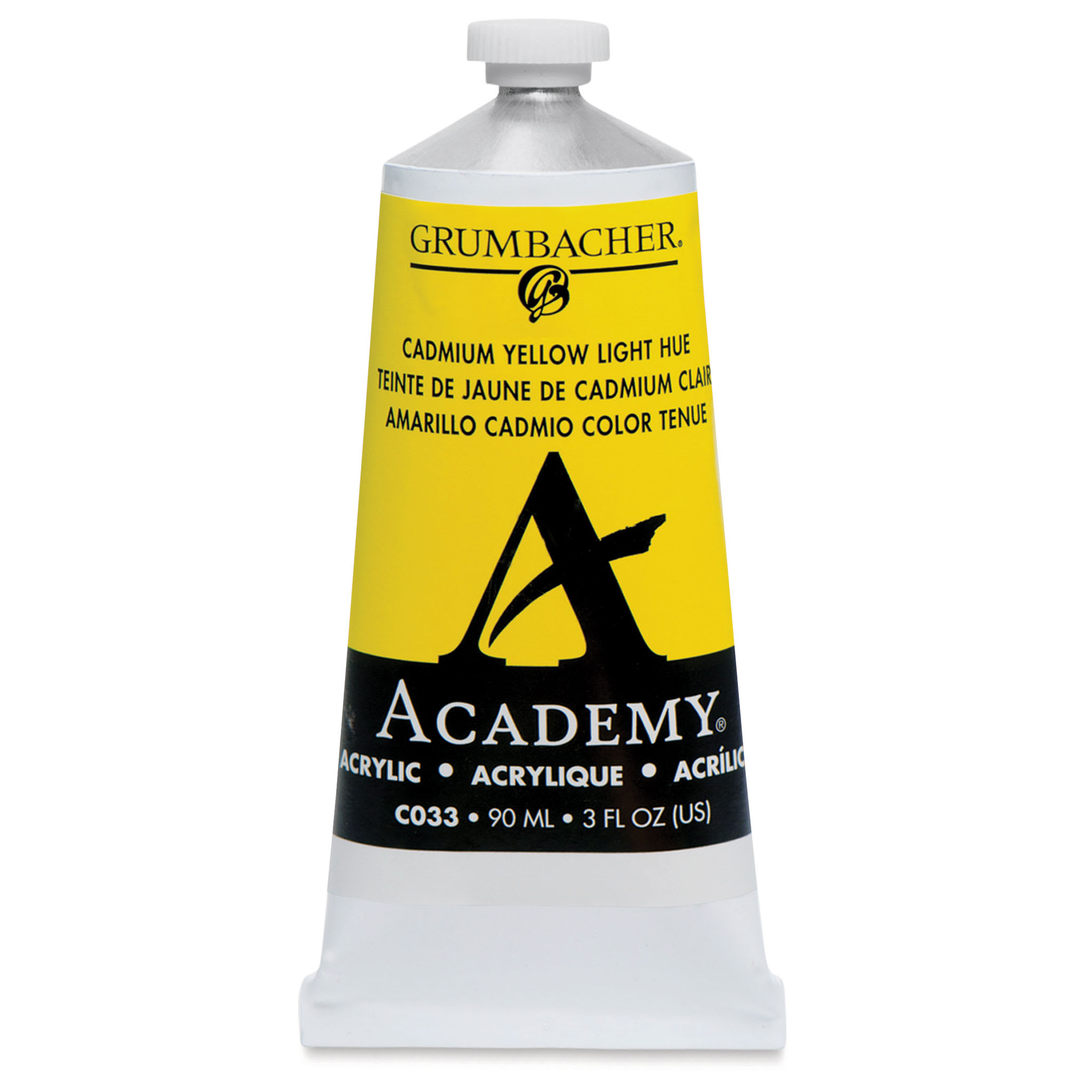
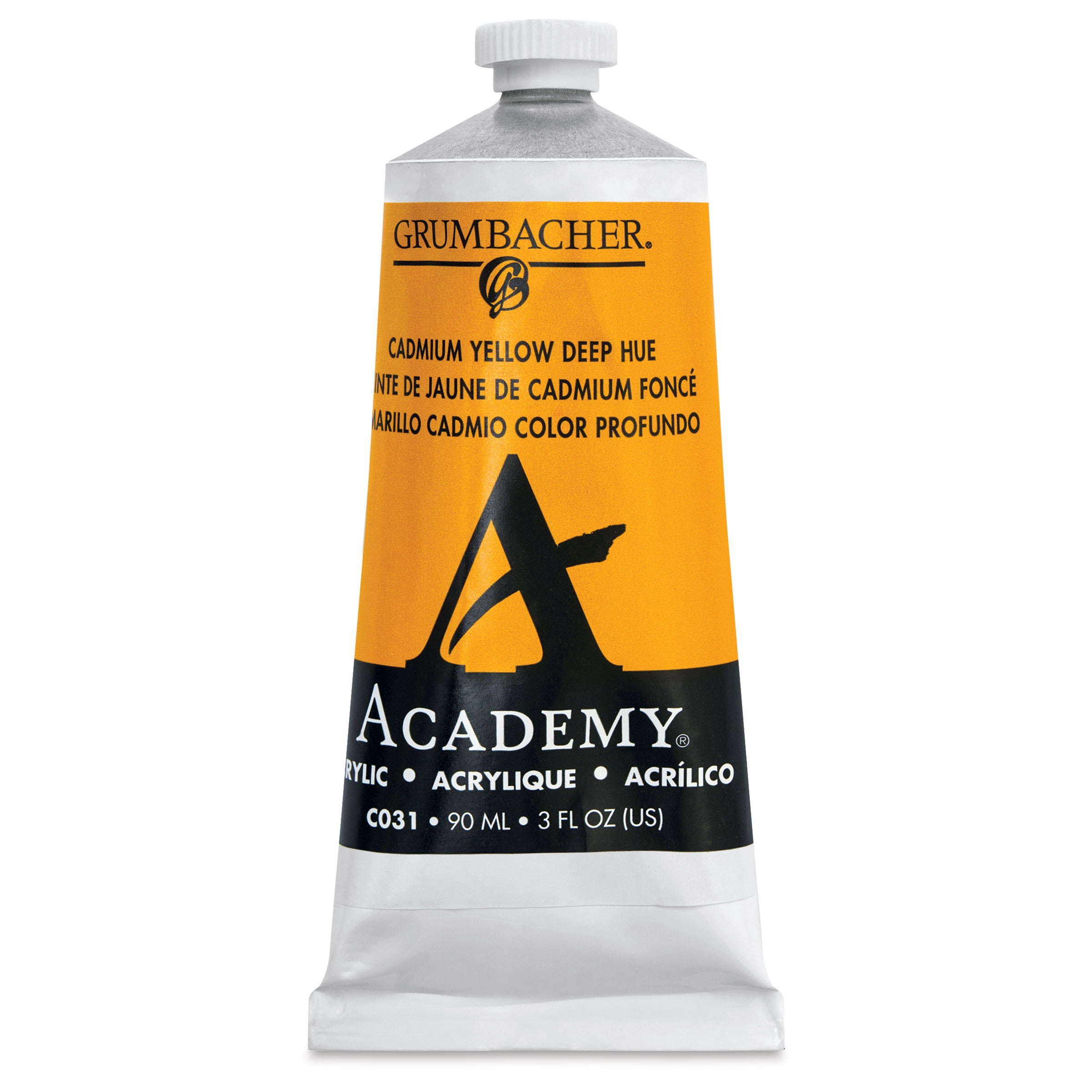
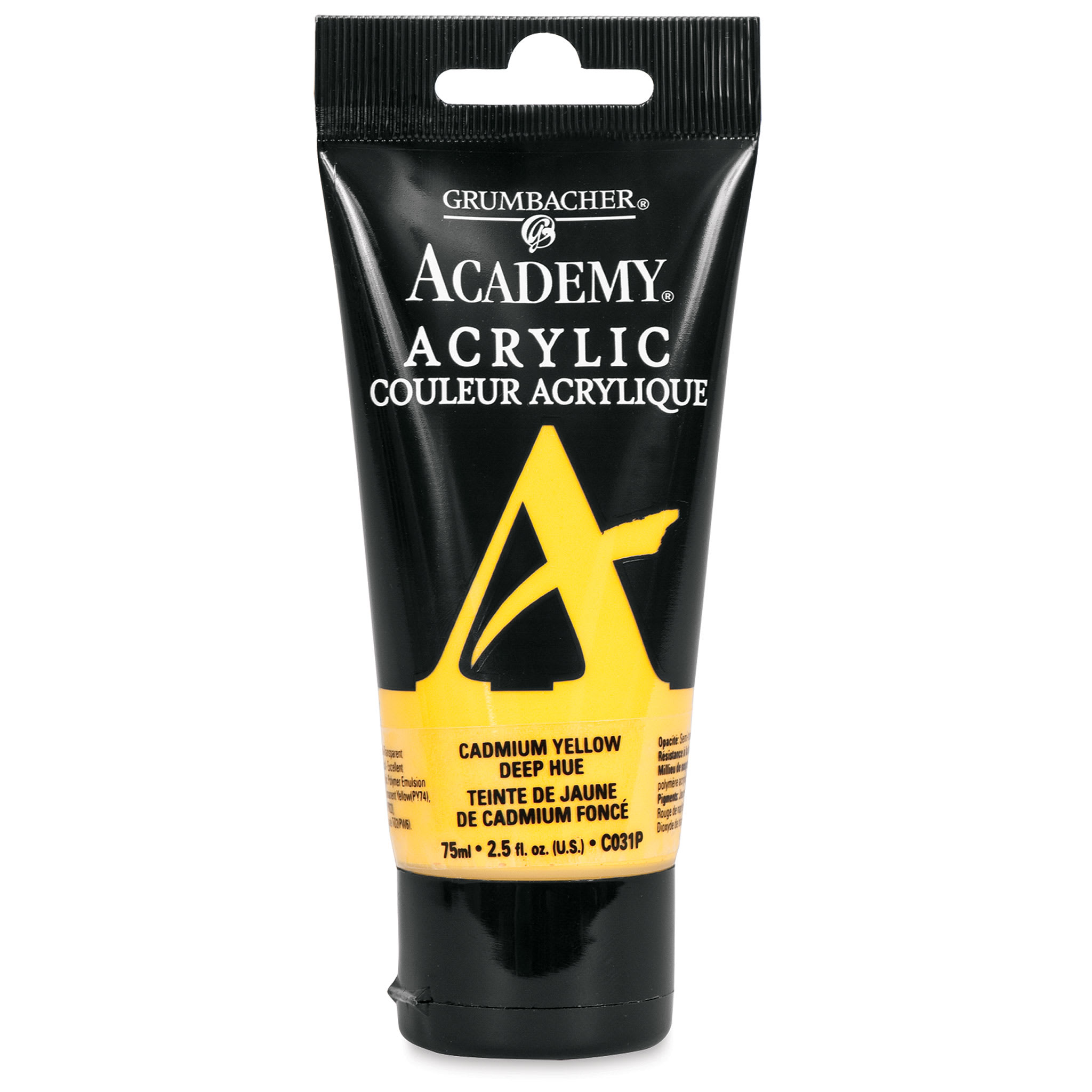
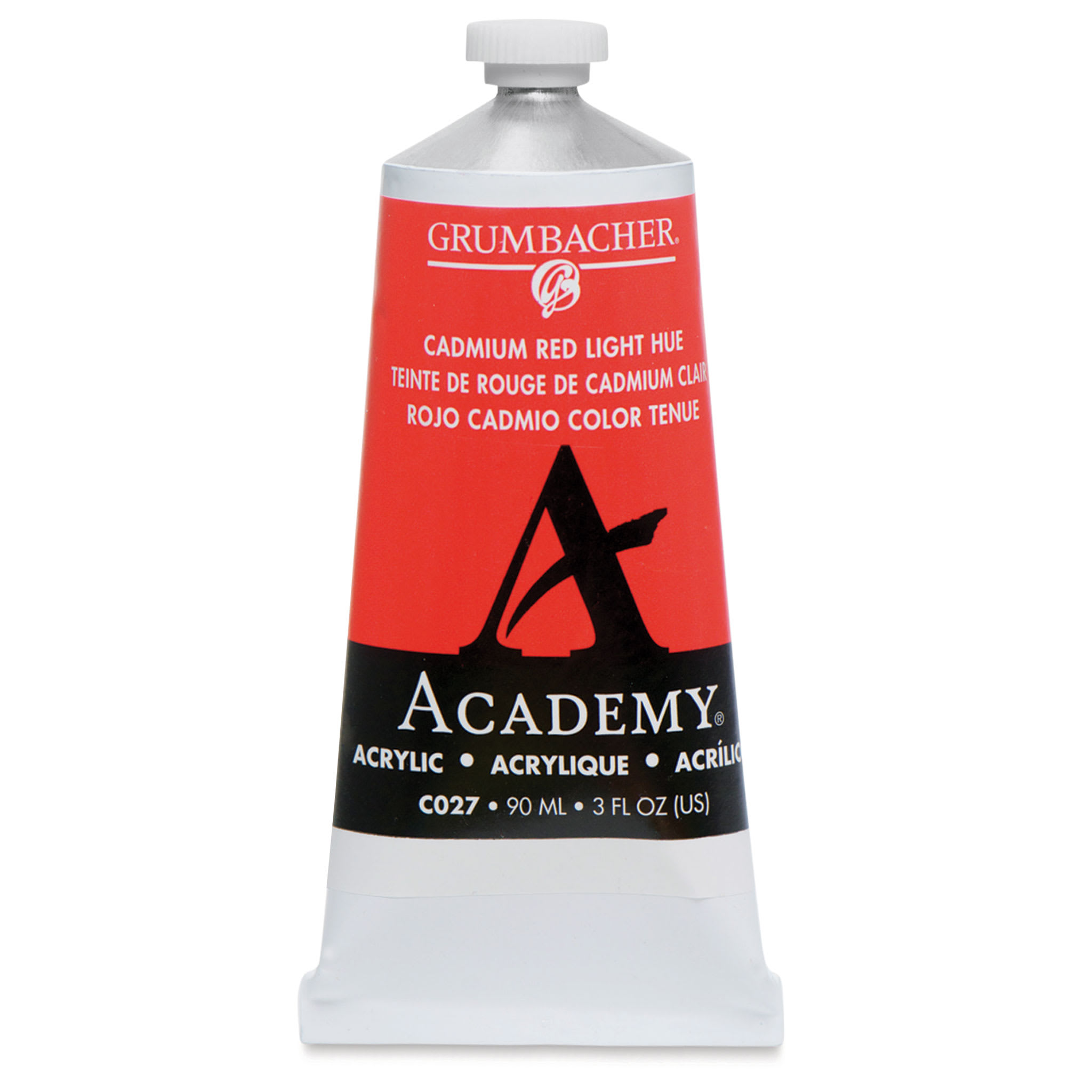
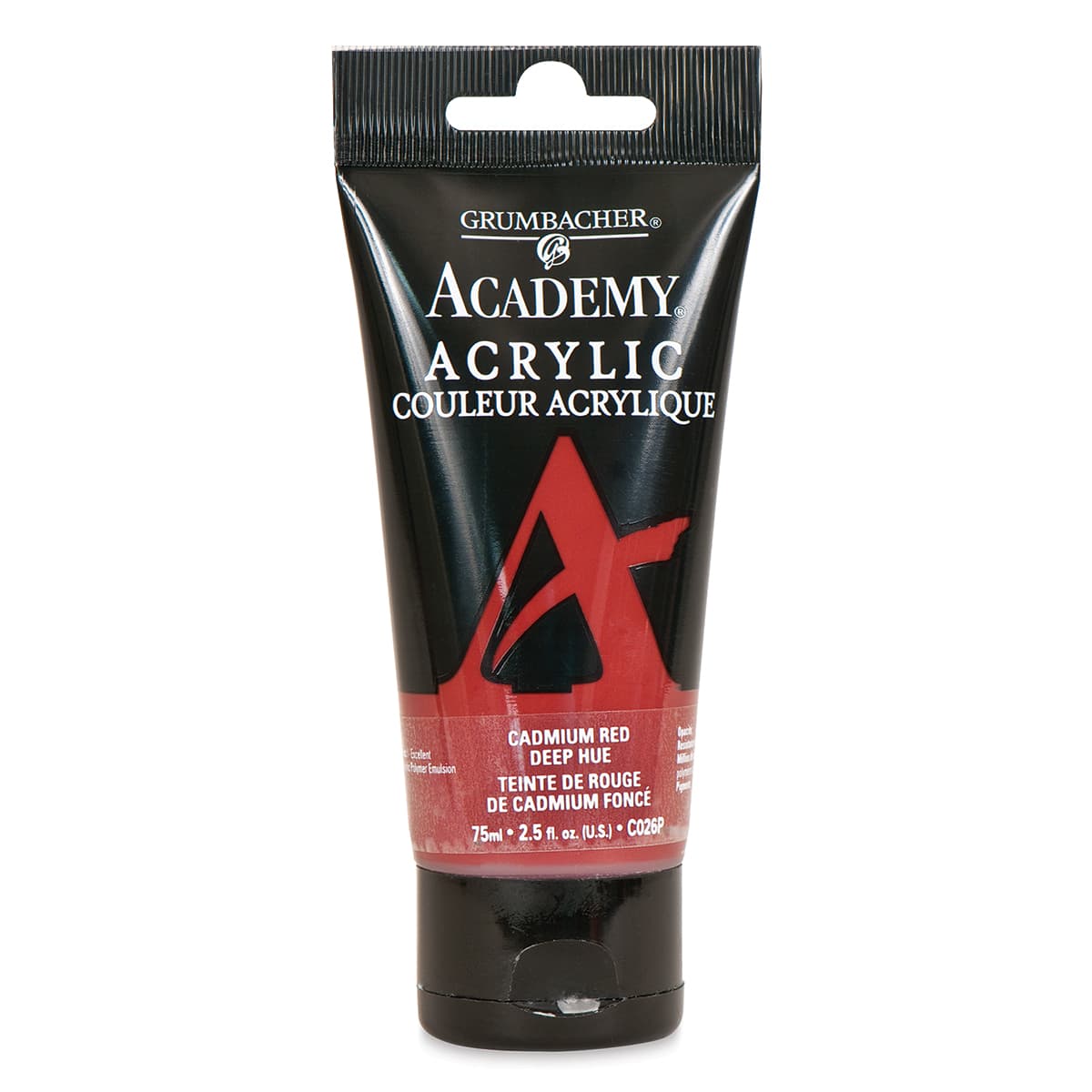
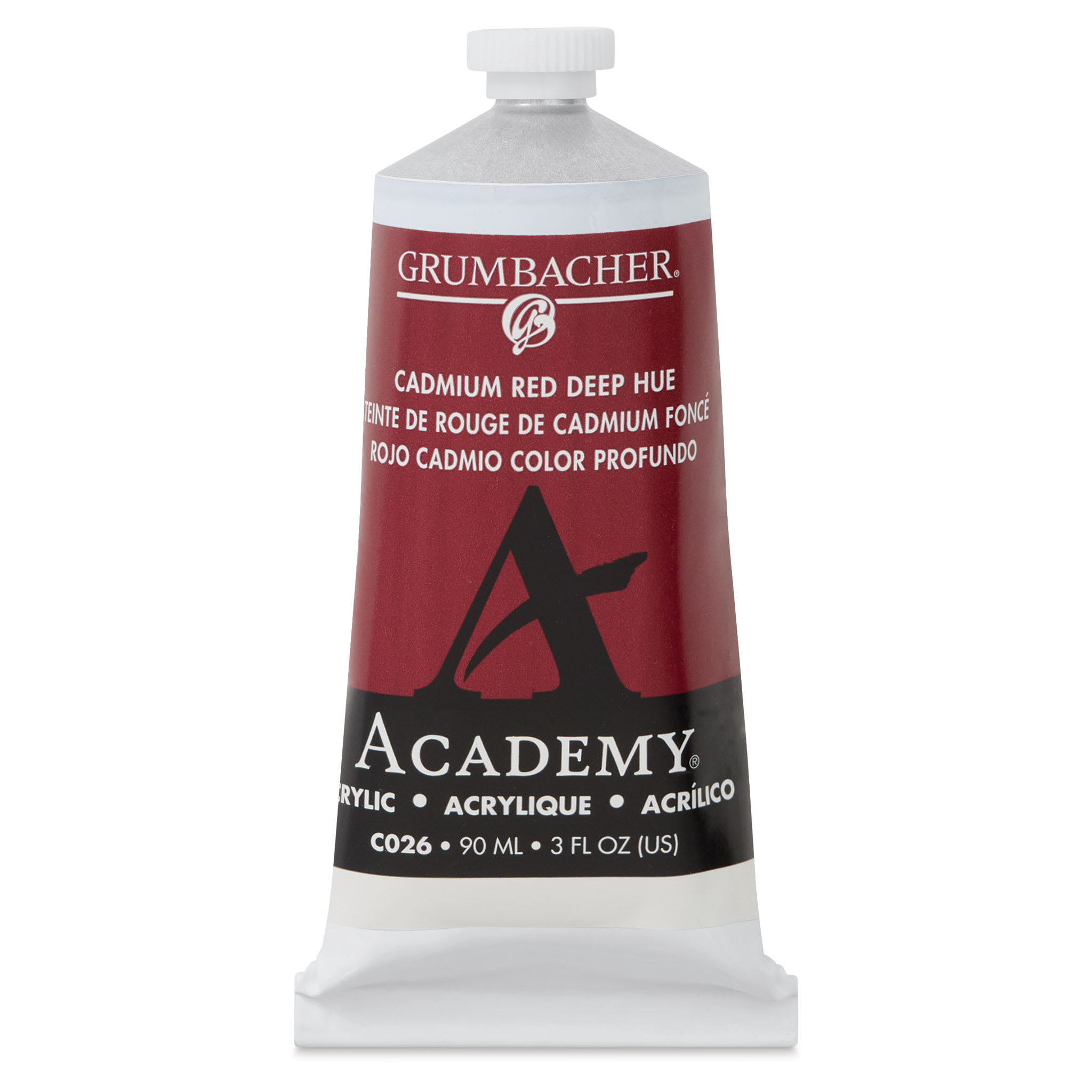
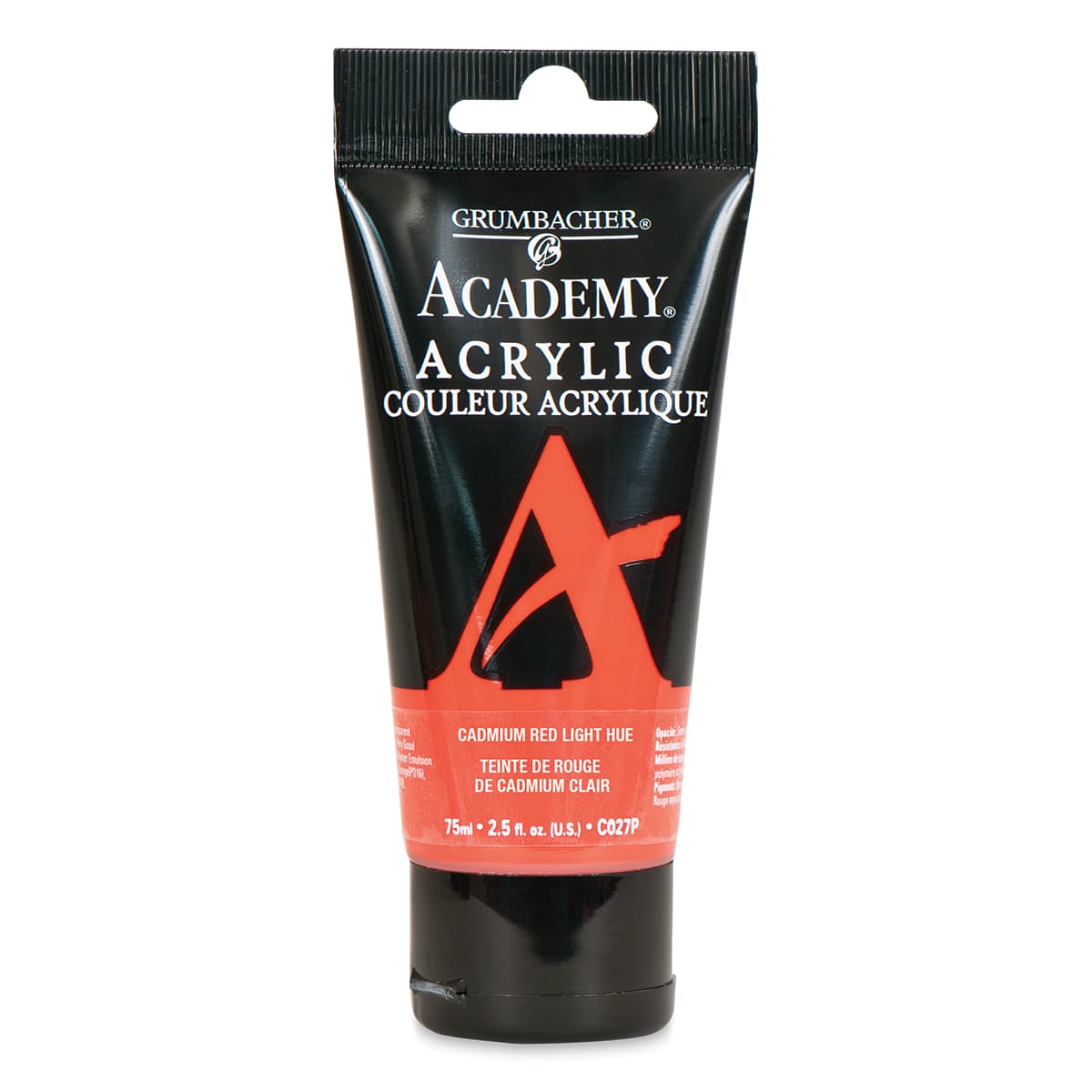
General reference notes about pigments can describe other media (such as oil). They do not verify this product’s exact formulation or behavior.
Diarylide Yellow 83
- Pigment code
- PY83
- Type
- organic, disazo
- Chemical formula
- C36H32Cl4N6O8
- Properties
- Diarylide Yellow is a semi-opaque, moderately staining, intense deep reddish yellow pigment with good tinting strength.
- Permanence
- Diarylide Yellow 83 has very good lightfastness and permanence. However, it can fade in tints, so some artists do not consider it suitable as an artists' color. Many other diarylide yellow pigments are reported to have fair to poor lightfastness, and some are completely fugitive. Diarylide Yellow 83 is reputed to be one of the most permanent of the entire group.
- Toxicity
- Diarylide Yellow has no significant acute hazards, but chronic hazards have not been well studied.
- History
- Diarylide Yellow comes from a family of azo pigments called Diarylide. These yellow hued pigments were developed around 1940 and are very important in printing inks.
- Description
- Benzidine Yellow, Diazo Yellow.
Hansa Yellow
- Pigment code
- PY74
- Type
- monoazo
- Chemical formula
- C18H18N4O6
- Properties
- Pigment PY74 is one of the most commercially important pigments of the Hansa Yellow group, considered superior to many others in its class based on both tinting strength and lightfastness. Several PY74 grades with different particle sizes are available. Grades with finer particle size are more brilliant and transparent. Pigment PY74 ranges from reddish yellow to greenish yellow, with temperature shifts from cool to warm hues. It has high tinting strength and average to slow drying time.
- Permanence
- This Hansa Yellow has better lightfastness that other yellow monoazo pigments, particularly in the darker shades.
- Toxicity
- Hansa Yellow has no significant acute hazards, though its chronic hazards have not been well studied.
- History
- Hansa Yellows were first made in Germany just before WW1 from a series of synthetic dyestuffs called Pigment Yellow. They were intended to be a synthetic replacement for Cadmium Yellow.
- Description
- Arylide, Arylide Yellow, Azo, Brilliant Yellow, Monoazo, Monolite Yellow, Permanent Yellow.
Titanium White
- Pigment code
- PW6
- Type
- inorganic
- Chemical name
- titanium dioxide
- Chemical formula
- TiO2
- Properties
- Titanium White is the most brilliant of the white pigments. It is considered an all purpose oil color useful in all techniques and the best all around white. Its masstone is neither warm nor cool, placing it somewhere between Lead White and Zinc White. It is less prone to cracking and yellowing than Lead White, but it still yellows easily. Titanium White dries slowly in oil form, more slowly than Lead White but more quickly than Zinc White. It is opaque in oil and acrylic forms and semi-opaque in watercolor form. This pigment has good chemical stability, and its tinting strength is superior to both Lead White and Zinc White.
- Permanence
- Titanium White has excellent permanence and lightfastness.
- Toxicity
- Titanium dioxide is highly stable and is regarded as non-toxic.
- History
- Titanium is the ninth most abundant element in the Earth's crust, however mineral deposits that are economical to mine are less common. Titanium dioxide was first discovered in 1821, although it could not be mass produced until 1919. Widespread use of the pigment began in the 1940s. Since that time, it has become the most commonly used white pigment. The name comes from the Latin word Titan, the name for the elder brother of Kronos and ancestor of the Titans, and from the Greek word tito, meaning day or sun.
 Blick Art Materials