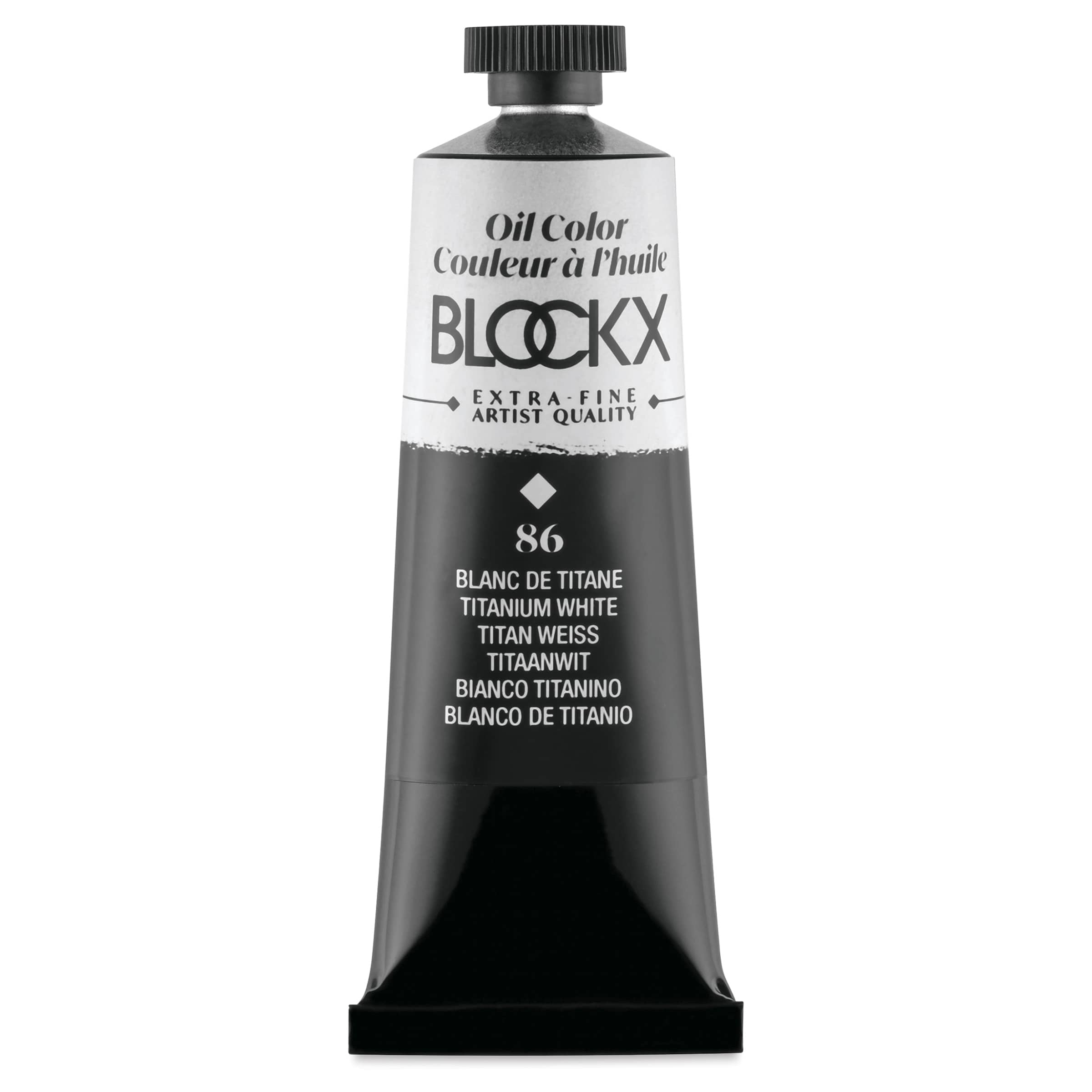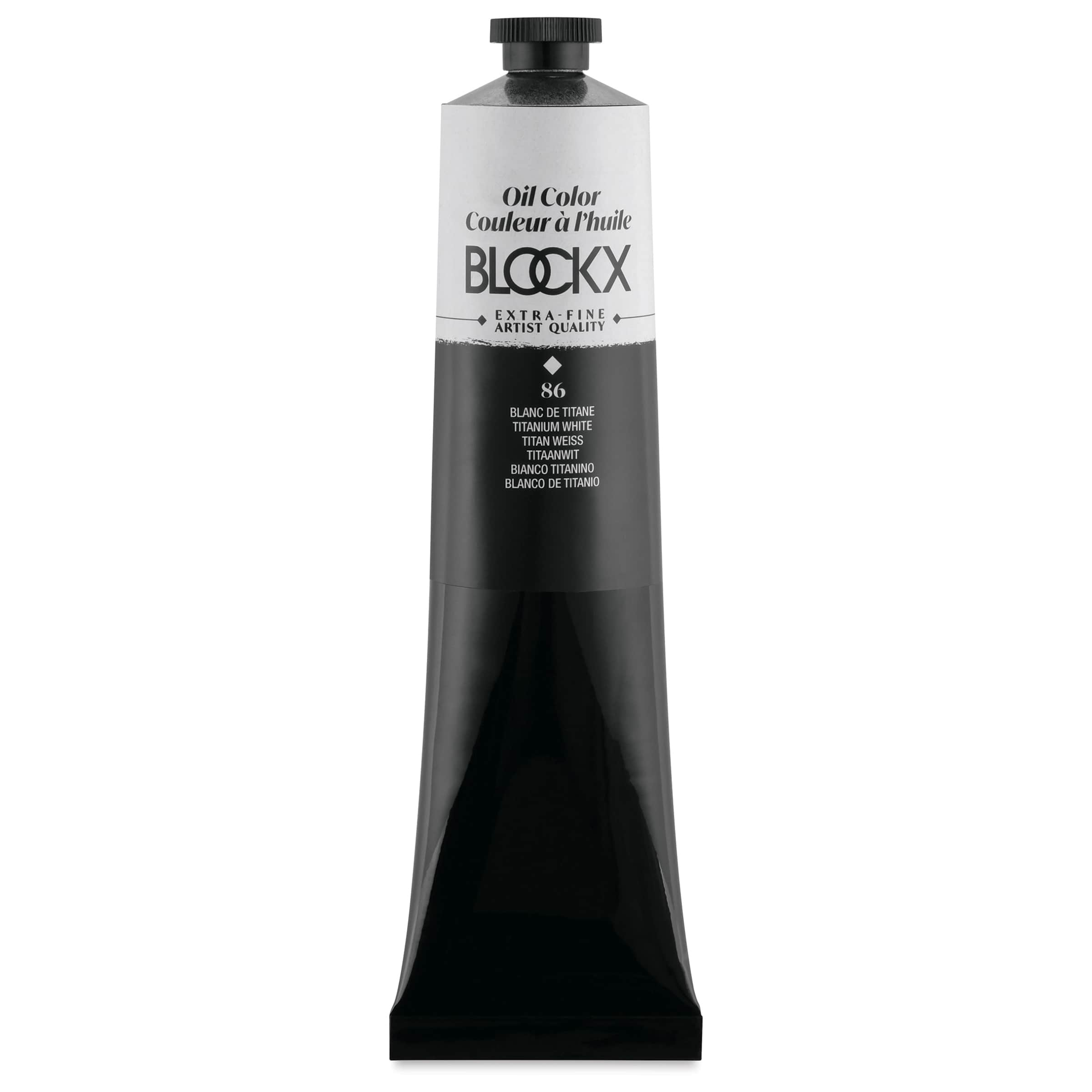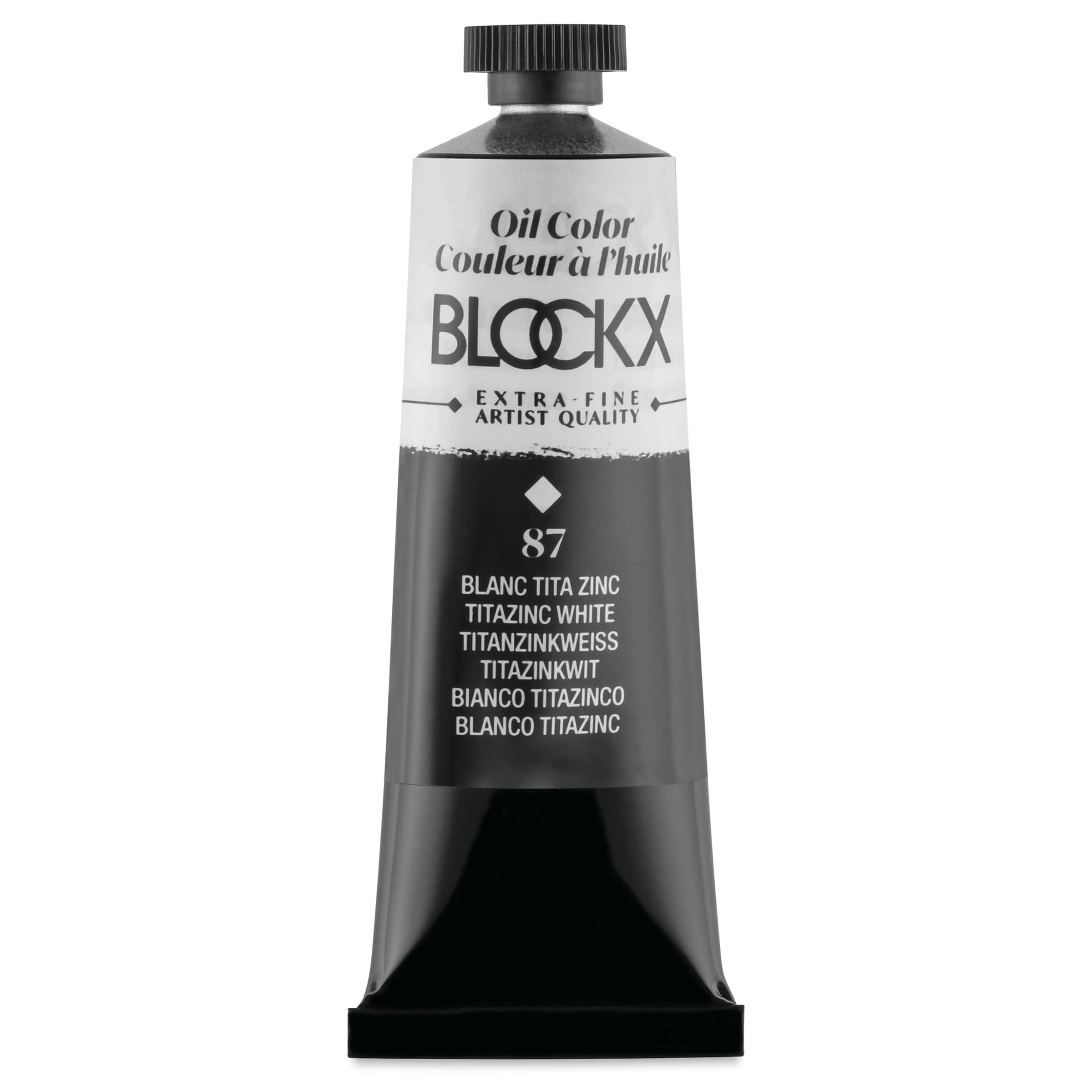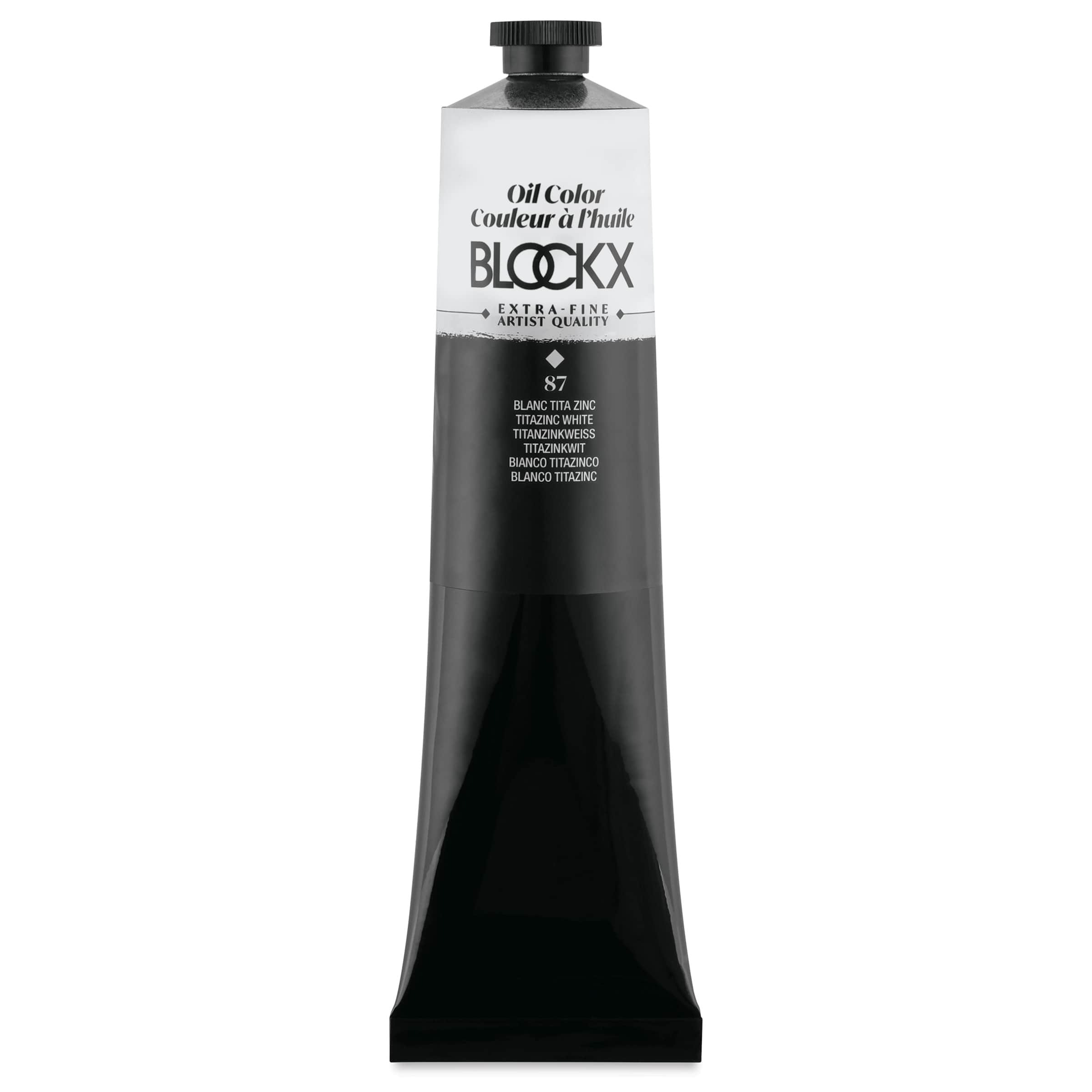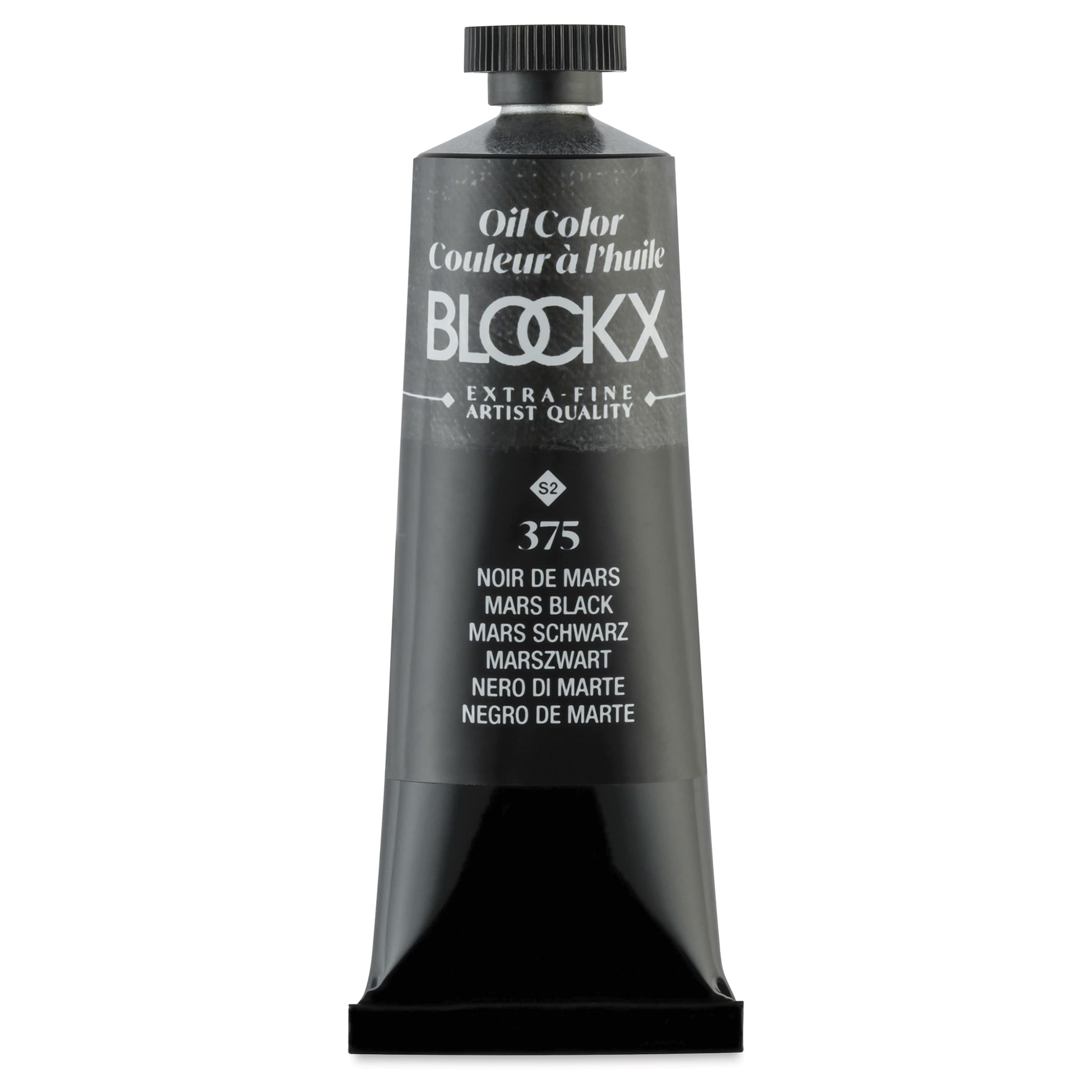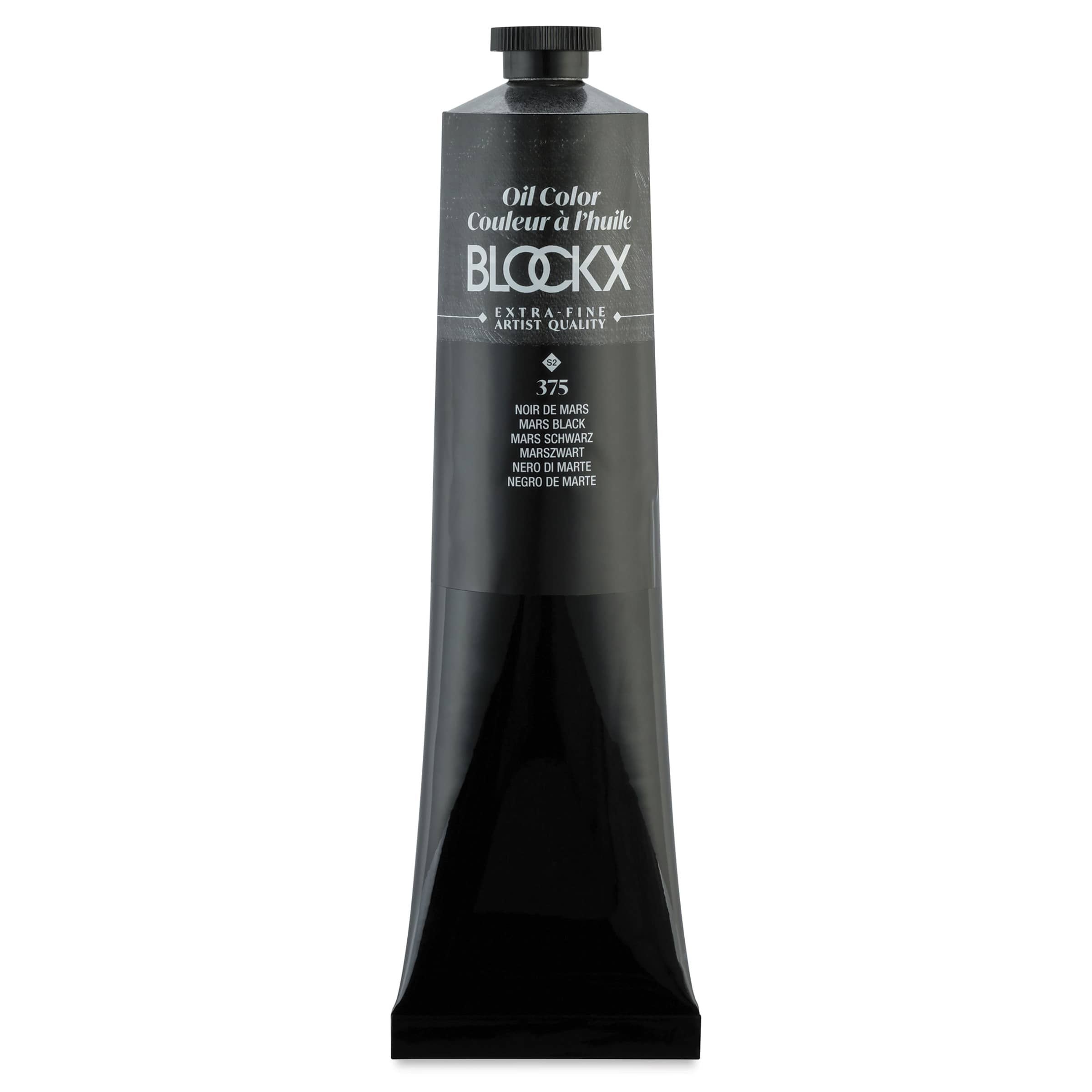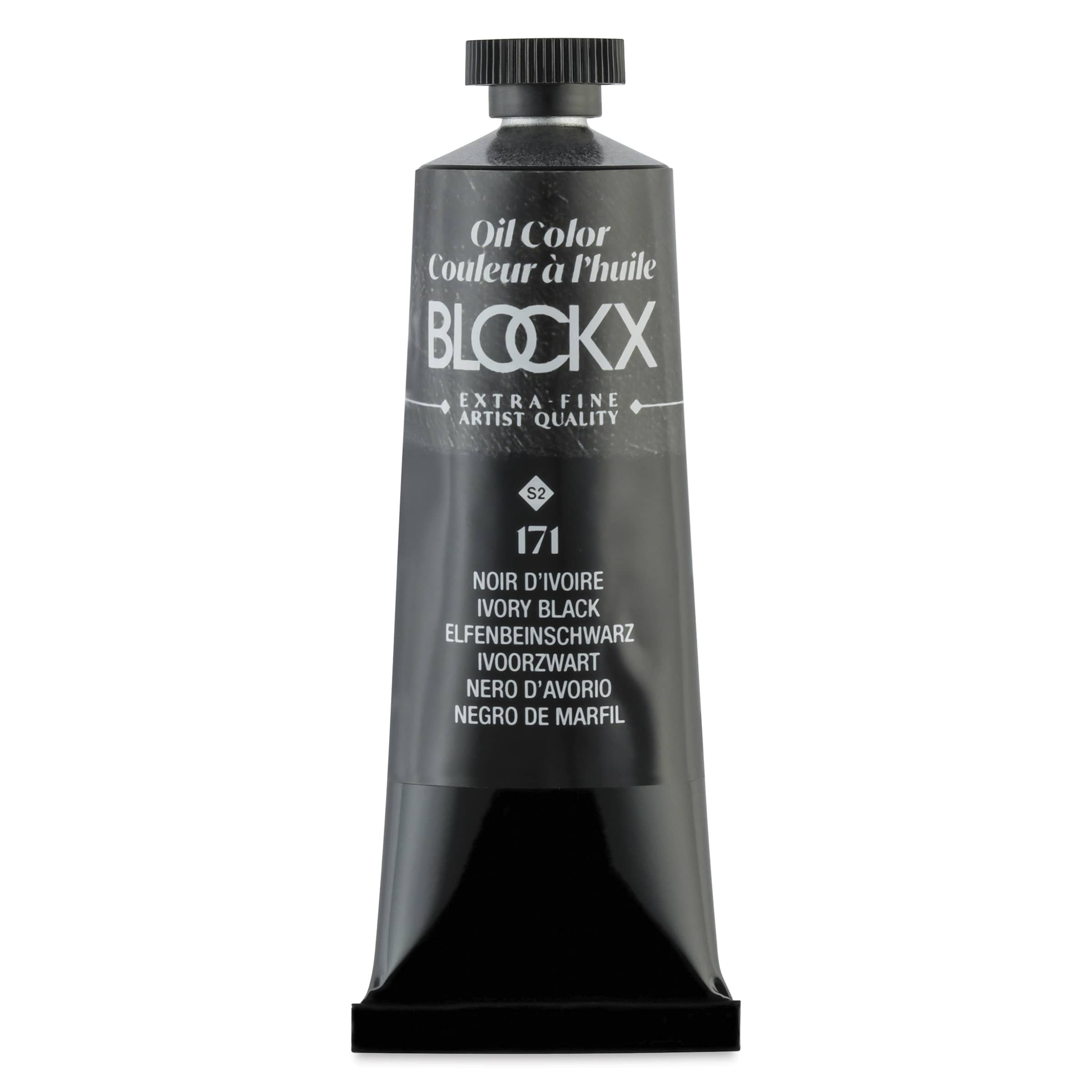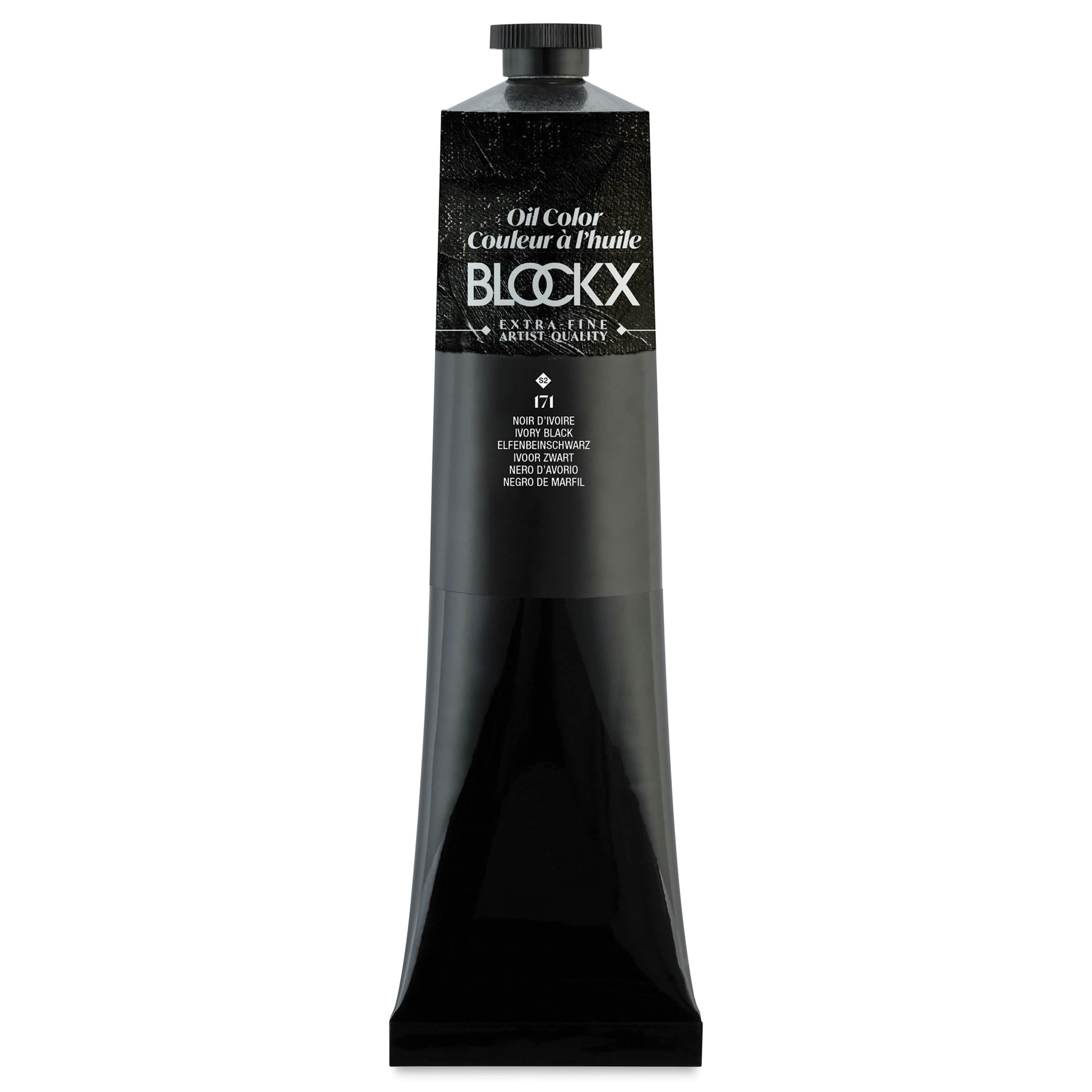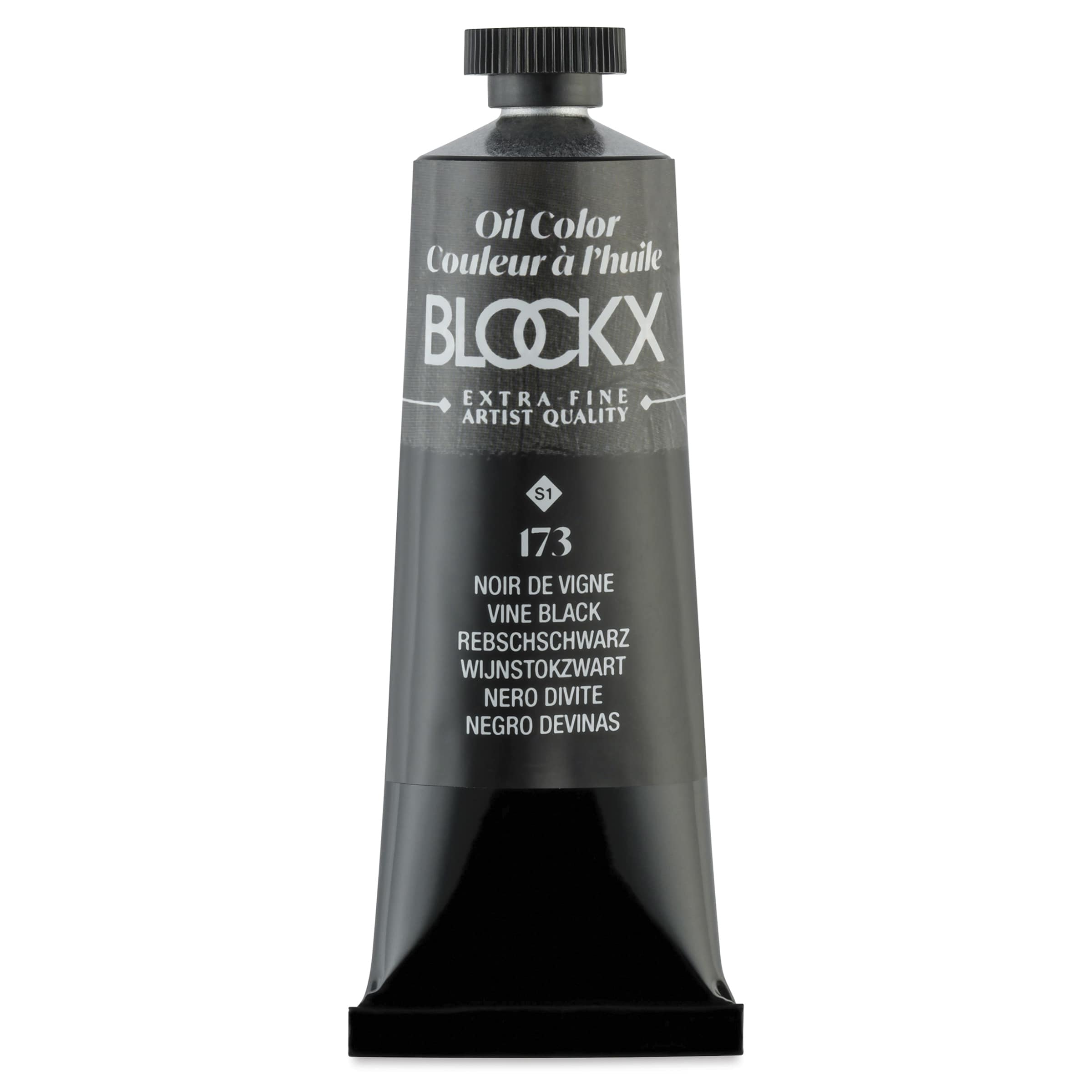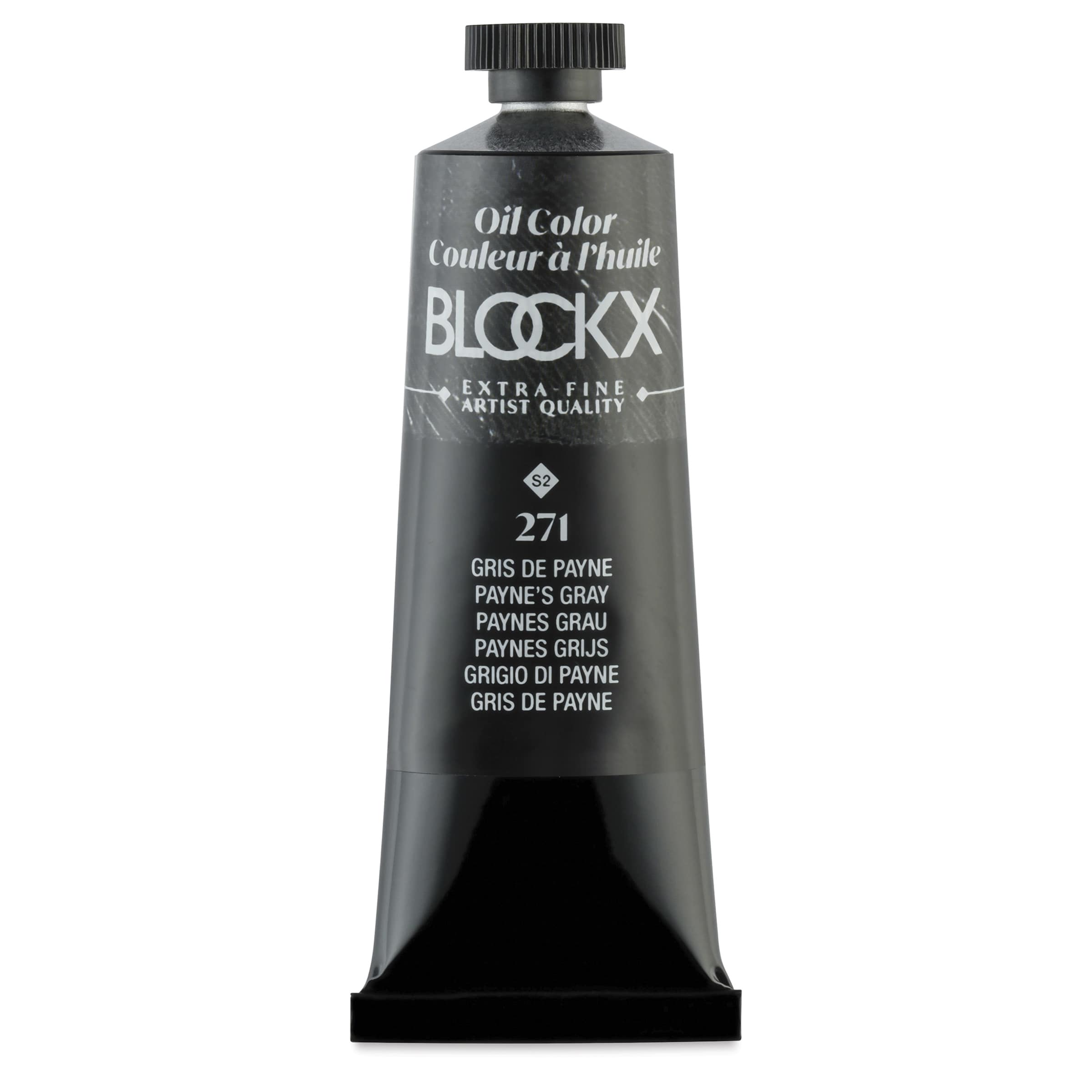
Blockx Artist Oil Color - Payne's Gray, 200 ml tube

OIl Color

Store price

Listed prices, not live quotes. Check delivery, tax and stock at the shop.

  • Blick Art Materials
    $61.95 USDShop
    Older record · Recorded Oct 21, 2026, 9:38 AM UTC

Saving an item to My Stash does not start price monitoring.

Product details
Size
200 ml
Blick SKU
01574-2564
About this product range
  • Legendary professional-quality oil colors
  • Majority of range is mono-pigment
  • High pigment loads and the finest linseed/poppyseed oils
  • Maximum tint strength and lightfastness
  • Stone ground for optimal pigment integrity

Family-made in Belgium for over 140 years, Blockx Oil Colors are hand-ground up to four times on slowly rotating stone mills for perfect pigment integrity and the purest possible color experience. This time-honored production method results in a range of luminous, ultra-smooth oil colors that rank among the world’s very best.

Still crafted using Jacques Blockx’s original formulas, maximum concentrations of the purest pigments guarantee unparalleled brilliance. Iron oxides, earths, and blacks are ground with linseed oil — the rest of the range is ground with non-yellowing poppyseed oil, which results in noticeably brighter, more intense color and cleaner mixtures.

Entirely free of additives or fillers, Blockx Oil Colors carry the highest possible lightfastness ratings. The range consists primarily of single-pigment colors, and each is meticulously tested to uphold the legendary quality that has attracted artists like René Magritte, Salvador Dalí, and Frank Stella. Historical pigments — including Vermilion, Naples Yellow (Light and Dark), and Lapis Lazuli — expand the range for those seeking timeless hues.

An investment in Blockx means investing in the very finest materials for your art, safeguarding its integrity for generations to come.

Pigment information

General reference notes about pigments can describe other media (such as oil). They do not verify this product’s exact formulation or behavior.

Mars Black

Pigment code
PBk11
Type
earth
Chemical name
iron oxides
Chemical formula
FeO or Fe2O3
Properties
Mars Black is an opaque black with a strong and cool masstone, a slightly warm tint, and a warm brown undertone. It is not as black as Ivory Black, but it dries more quickly and has three times the tinting strength. Mars Black is normally the only black available in acrylic form and that is safe to over paint. It can be used in all media without reservation and is widely used as an alternative to Lamp Black and Ivory Black.
Permanence
Mars Black is very lightfast with excellent permanence.
Toxicity
Mars Black has no significant hazards and is the only major black pigment considered non-toxic.
History
The word Mars refers to the Roman god of iron and war. Mars Black was developed in the early 20th century from inorganic, synthetic iron oxide.
Description
Black Iron Oxide, Iron Black, Magnetic Oxide, Mapico Black, Mineral Black. Sometimes labeled as Vine Black.

Ultramarine [Blue]

Pigment code
PB29
Type
inorganic
Chemical name
complex silicate of sodium and aluminum with sulfur
Chemical formula
Na8-10Al6Si6O24S2-4 or Na6-8Al6Si6O24S2-4
Properties
Ultramarine is the standard warm blue, a brilliant blue pigment that has the most purple and least green in its undertone. It has a moderate to high tinting strength and a beautiful transparency. Synthetic Ultramarine is not as vivid a blue as natural Ultramarine. Ultramarine dries slowly in oil and tends to produce clean, though granular, washes in watercolor. French Ultramarine mixes well with Alizarin colors in oil and watercolor form to create a range of purples and violets. It can dull when mixed with white in acrylic form, but mixes well with other colors. The shade varies based on manufacturer. Considered a great color for glazes, it is not suitable for frescoing.
Permanence
Ultramarine has excellent permanence, although synthetic Ultramarine is not as permanent as natural Ultramarine. It may discolor if exposed to acid because of its sulfuric content.
Toxicity
Ultramarine has no significant hazards.
History
The name for this pigment comes from the Middle Latin ultra, meaning beyond, and mare, meaning sea, because it was imported from Asia to Europe by sea. It is a prominent component of lapis lazuli and was used on Asian temples starting in the 6th century. It was one of the most expensive pigments in 16th century Europe, worth twice its weight in gold, and so was used sparingly and when commissions were larger. Ultramarine is currently imitated by a process invented in France in 1826 by Jean Baptiste Guimet, making blue affordable to artists and extending the range of colors on their palettes.
Description
Artificial Ultramarine, French Blue, French Ultramarine, Gmelin's Blue, Guimet's Blue, Permanent Blue, Royal Blue, Synthetic Ultramarine. New Blue describes particular shades of Ultramarine. Armenian Blue and Lazuline Blue are names for genuine Lapiz Ultramarine. Sky Blue is a pale tone of Ultramarine.

Track this price

New lows for this exact package, across matched retailers.

Loading your account…

Price history

More to explore

Related supplies from the catalog.