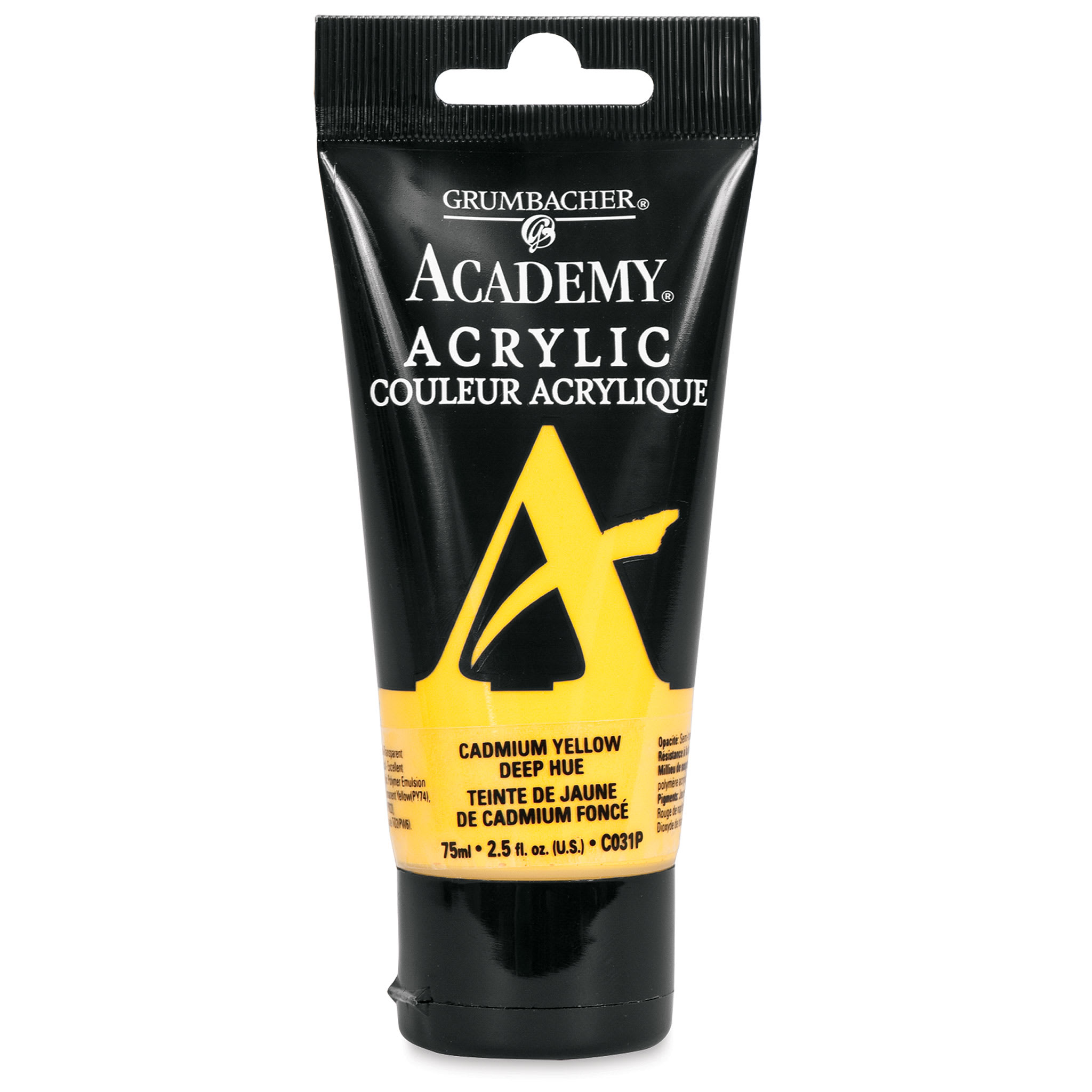
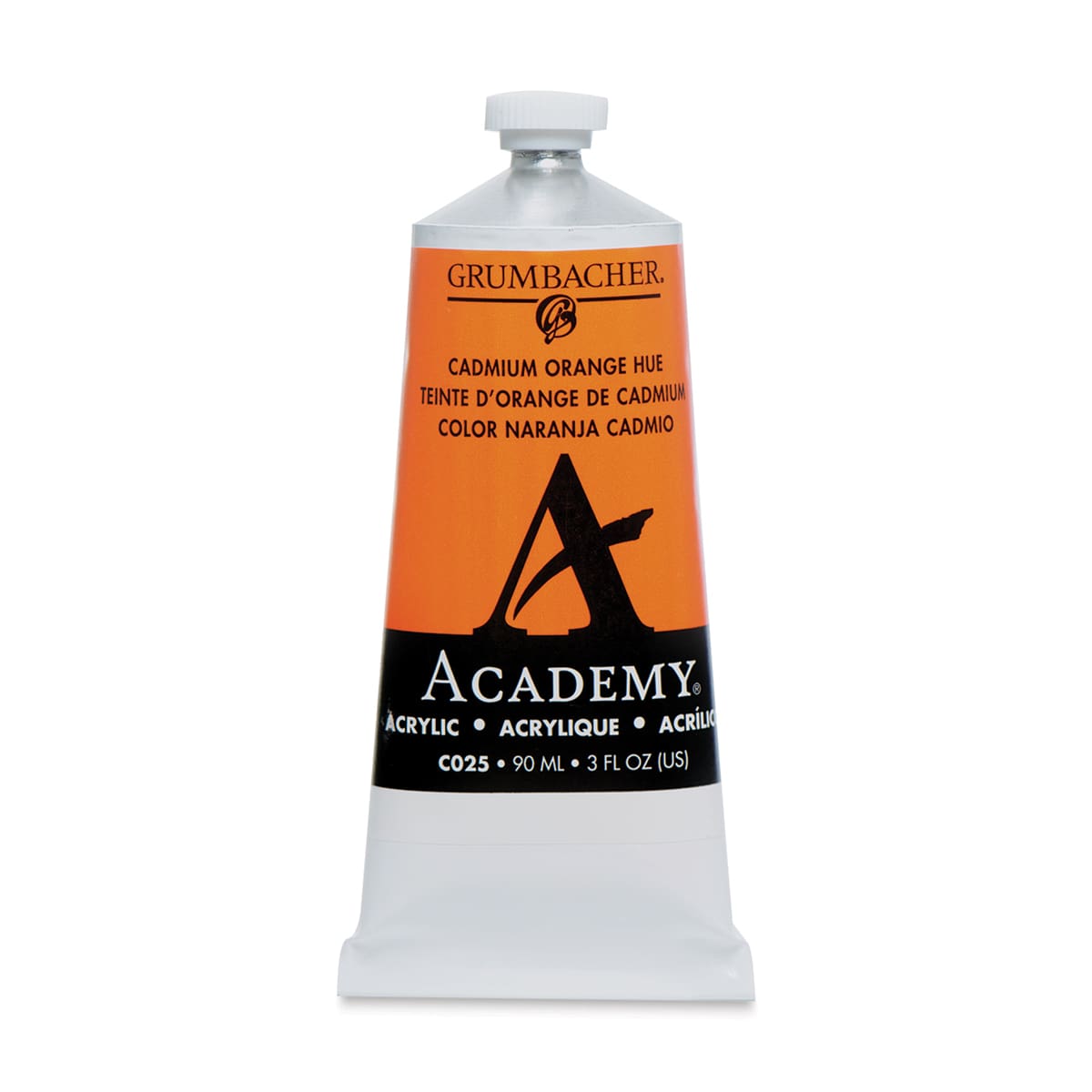
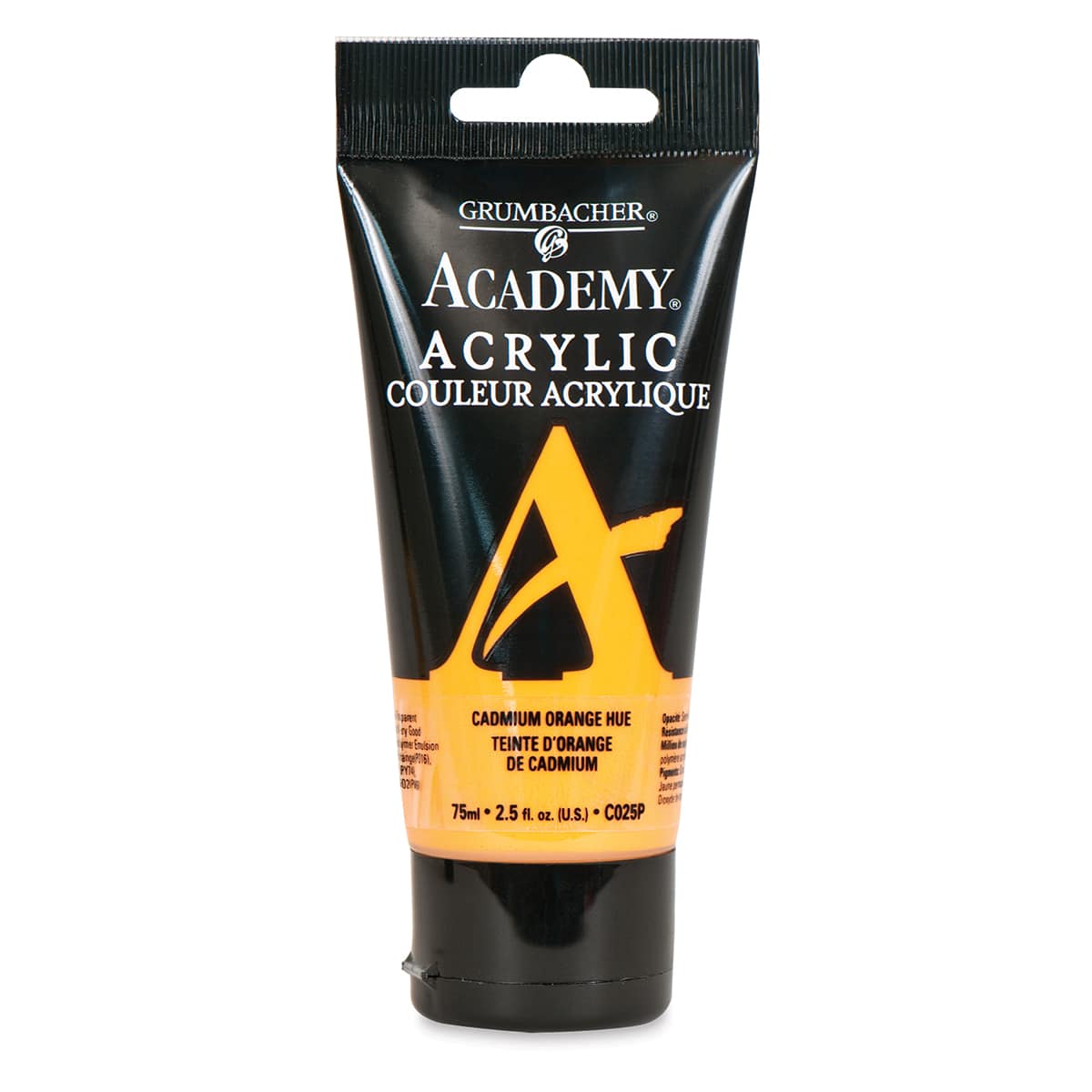
General reference notes about pigments can describe other media (such as oil). They do not verify this product’s exact formulation or behavior.
Buff Titanium
- Pigment code
- PW6:1
- Type
- inorganic
- Chemical name
- titanium dioxide
- Chemical formula
- TiO2
- Properties
- Buff Titanium is an warm, reddish, off-white pigment that shares the properties of Titanium White, including opacity and slow drying time.
- Permanence
- Buff Titanium is lightfast and permanant.
- Toxicity
- Titanium dioxide and iron oxide are naturally occuring and are abundant in the Earth's crust. Both are considered non-toxic. Particle sizes tend to be larger in Unbleached Titanium than for titanium dioxide pigments used in white paints.
- History
- Titanium dioxide often occurs in nature with iron oxide. Buff or unbleached titanium is a natural mineral form of titanium dioxide. A variety of processes are used to produce buff or unbleached titanium. Some manufacturers may add synthetic iron oxides to a titanium base, while others use naturally occuring titanium ores that contain impurities. In this respect, Buff Titanium or Unbleached Titanium is a color that that may vary from one manufacturer to another.
- Description
- Off-White, Unbleached Titanium.
Phthalo Blue
- Pigment code
- PB15
- Type
- organic
- Chemical name
- copper phthalocyanine
- Chemical formula
- C32H16CuN8
- Properties
- Phthalo Blues are pure and clean primary blues with superior covering power. They have a very high tinting strength and tend to overwhelm other pigments, but if color strength can be controlled, they make predictable mixed colors. In oil form, blues are very deep and slow drying. When mixed with other colors or if chlorine is added, Phthalo Blue quickly tends towards green. When using alone, mix with some white, as Phthalo Blue can be semi-transparent and almost black on its own. It is among the most compatible of modern colors with mineral colors and is considered more reliable than Prussian Blue, while sharing the same physical and color properties. Phthalo Blue is a good color for glazing.
- Permanence
- Phthalo Blues are completely lightfast and stable and are permanent for all paint uses. They are currently used in inks, coatings, and many plastics due to their stability and are considered a standard pigment in printing ink and the packaging industry.
- Toxicity
- Phthalo Blues have no significant hazards, although those made before 1982 contained some PCBs (polychlorinated biphenyls).
- History
- Developed by chemists using the trade name Monastral Blue, the organic blue dyestuff now known as Phthalo Blue was presented as a pigment in November 1935 in London. Its discovery was accidental. The dark color was observed in a kettle where a dye was being made from a British dyestuff plant. The demand for such a pigment came from commercial printers who wanted a cyan to replace Prussian Blue.
- Description
- Bocour Blue, Cyan Blue, Helio Blue, Heliogen Blue, Intense Blue, Monastral Blue, Phthalocyanine Blue, Rembrandt Blue, Thalo Blue, Winsor Blue, Phthalo Blue (RS).
Ultramarine [Blue]
- Pigment code
- PB29
- Type
- inorganic
- Chemical name
- complex silicate of sodium and aluminum with sulfur
- Chemical formula
- Na8-10Al6Si6O24S2-4 or Na6-8Al6Si6O24S2-4
- Properties
- Ultramarine is the standard warm blue, a brilliant blue pigment that has the most purple and least green in its undertone. It has a moderate to high tinting strength and a beautiful transparency. Synthetic Ultramarine is not as vivid a blue as natural Ultramarine. Ultramarine dries slowly in oil and tends to produce clean, though granular, washes in watercolor. French Ultramarine mixes well with Alizarin colors in oil and watercolor form to create a range of purples and violets. It can dull when mixed with white in acrylic form, but mixes well with other colors. The shade varies based on manufacturer. Considered a great color for glazes, it is not suitable for frescoing.
- Permanence
- Ultramarine has excellent permanence, although synthetic Ultramarine is not as permanent as natural Ultramarine. It may discolor if exposed to acid because of its sulfuric content.
- Toxicity
- Ultramarine has no significant hazards.
- History
- The name for this pigment comes from the Middle Latin ultra, meaning beyond, and mare, meaning sea, because it was imported from Asia to Europe by sea. It is a prominent component of lapis lazuli and was used on Asian temples starting in the 6th century. It was one of the most expensive pigments in 16th century Europe, worth twice its weight in gold, and so was used sparingly and when commissions were larger. Ultramarine is currently imitated by a process invented in France in 1826 by Jean Baptiste Guimet, making blue affordable to artists and extending the range of colors on their palettes.
- Description
- Artificial Ultramarine, French Blue, French Ultramarine, Gmelin's Blue, Guimet's Blue, Permanent Blue, Royal Blue, Synthetic Ultramarine. New Blue describes particular shades of Ultramarine. Armenian Blue and Lazuline Blue are names for genuine Lapiz Ultramarine. Sky Blue is a pale tone of Ultramarine.
Ivory Black
- Pigment code
- PBk9
- Type
- charred animal bone
- Chemical name
- carbon + calcium phosphate
- Chemical formula
- C + Ca3(PO4)2 or C x CaPO4
- Properties
- Ivory Black is a cool, semi-transparent blue-black with a slight brownish undertone and average tinting strength. It mixes well with any color, and creates a range of dull greens when mixed with yellow. It has good properties for use in oil, can be slow to dry in oil form, and should never be used in underpainting or frescoing. Ivory Black is denser than Lamp Black.
- Permanence
- Ivory Black is very lightfast and has good permanence, though it is considered the least permanent of the major black pigments.
- Toxicity
- Ivory Black has no significant hazards.
- History
- Ivory Black is a carbon based black first named as Elephantium, and described in the 4th century BCE as produced by heating ivory scraps in clay pots to reduce the ivory or bone to charcoal. The deviation in names is because the more expensive varieties of this pigment were made by burning ivory, and the less expensive ones by burning animal bone. In the 19th century, the name Ivory Black was finally permitted to be applied to Carbon Black pigments made from bone. True Ivory Black is rare in modern times due to the protection of ivory, and the synthetic variety produced today was discovered in 1929. Bone Black is produced as an industrial pigment.
- Description
- Animal Black, Blue Black, Bone Black. Paris Black is an inferior grade of Ivory Black. Incorrectly labeled as Frankfort Black.
 Blick Art Materials