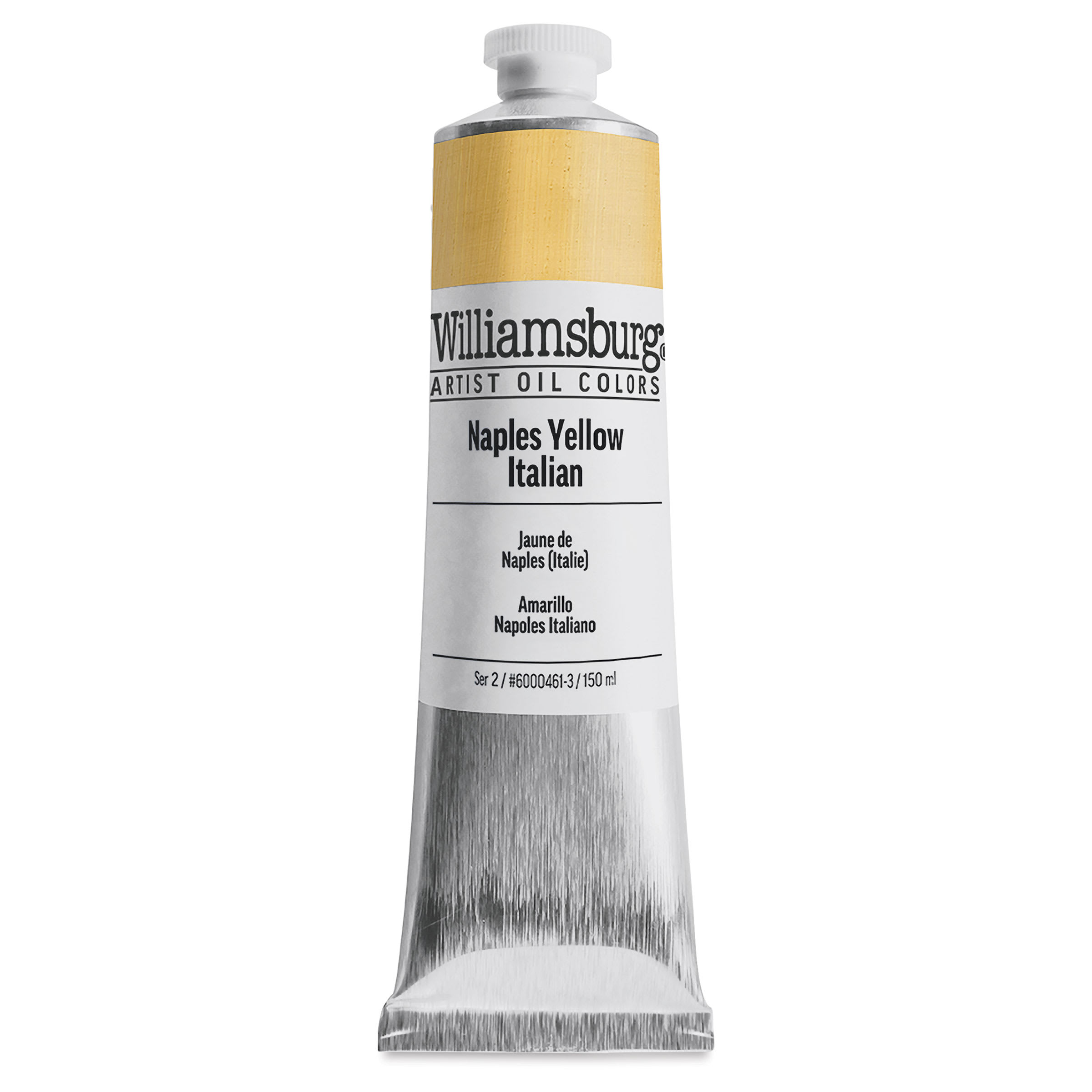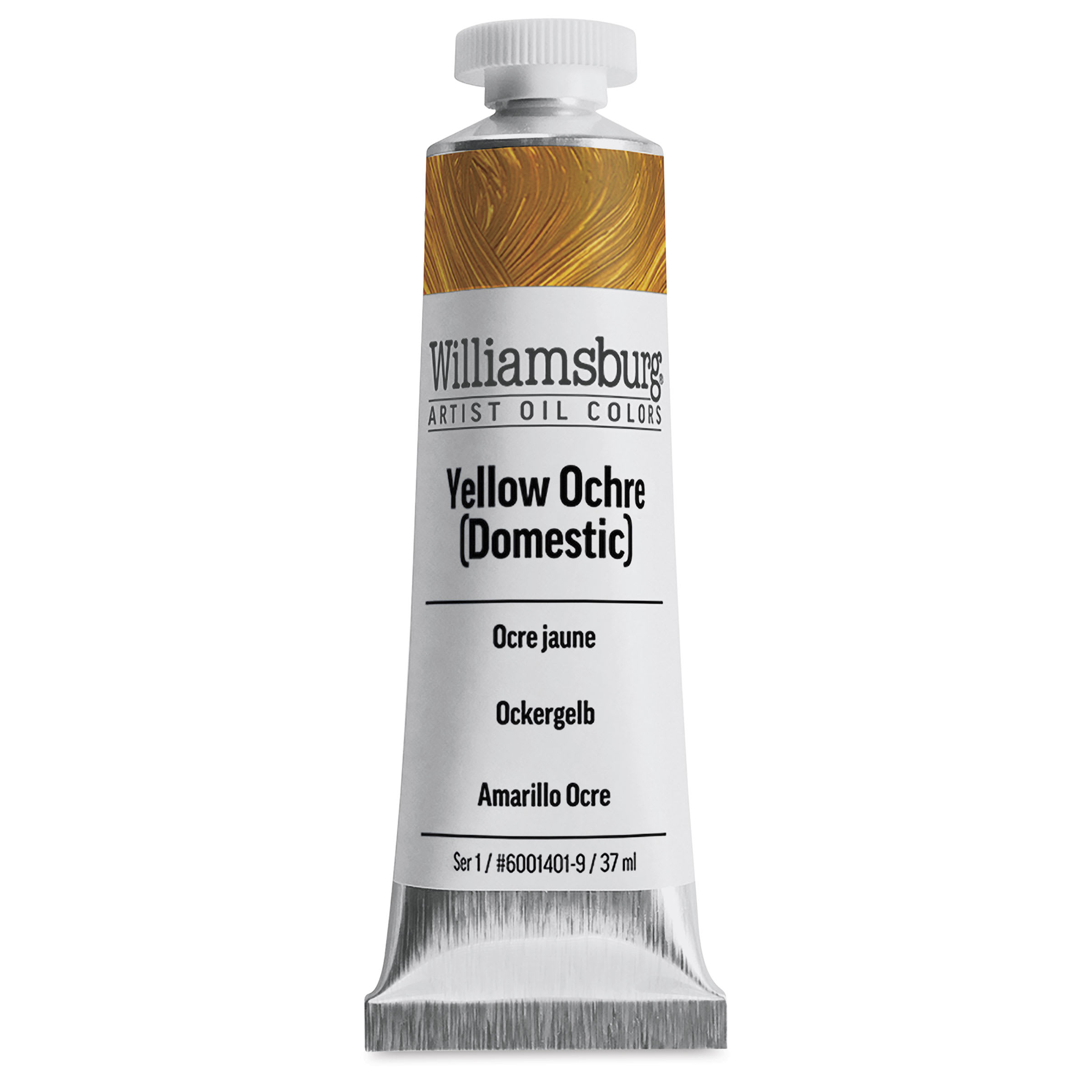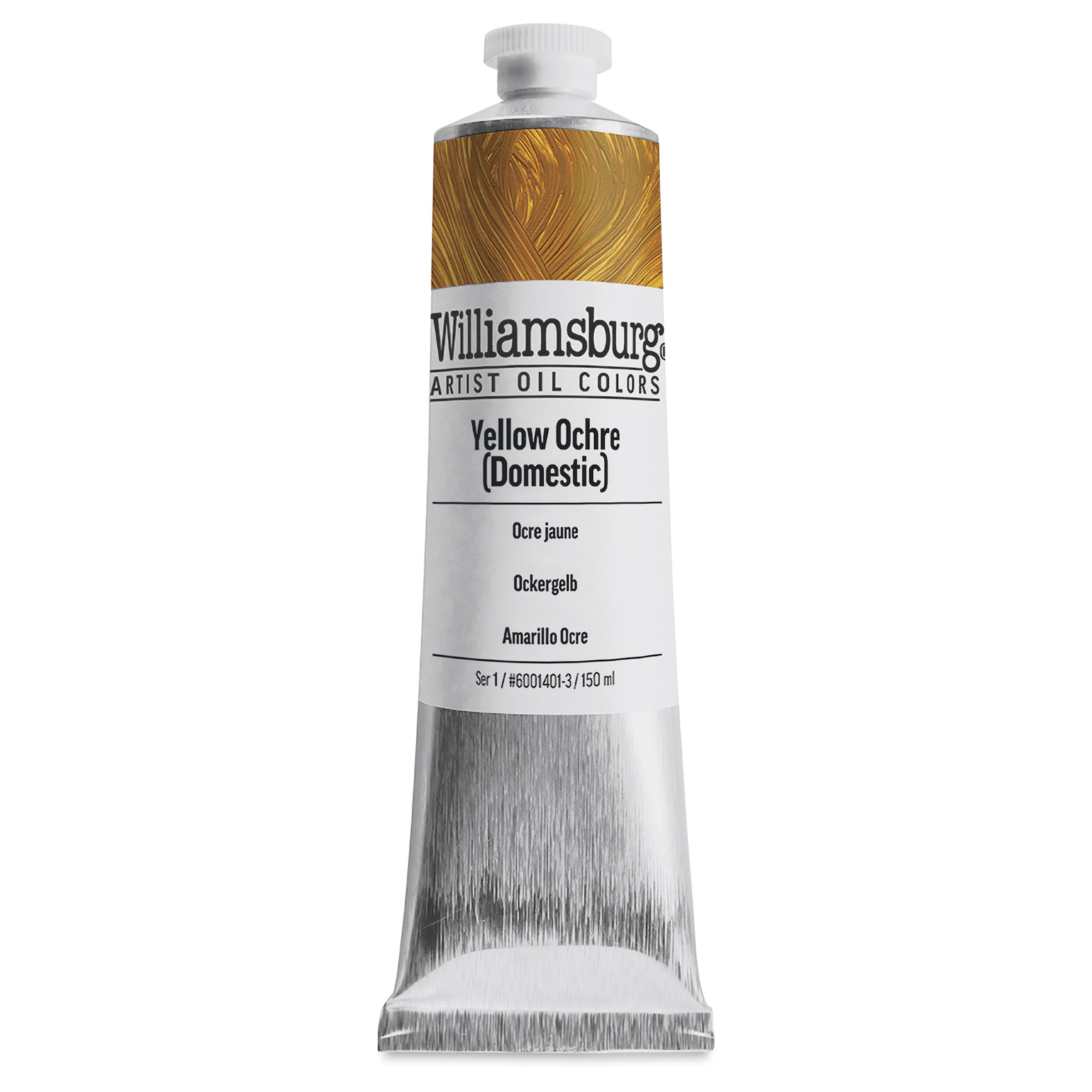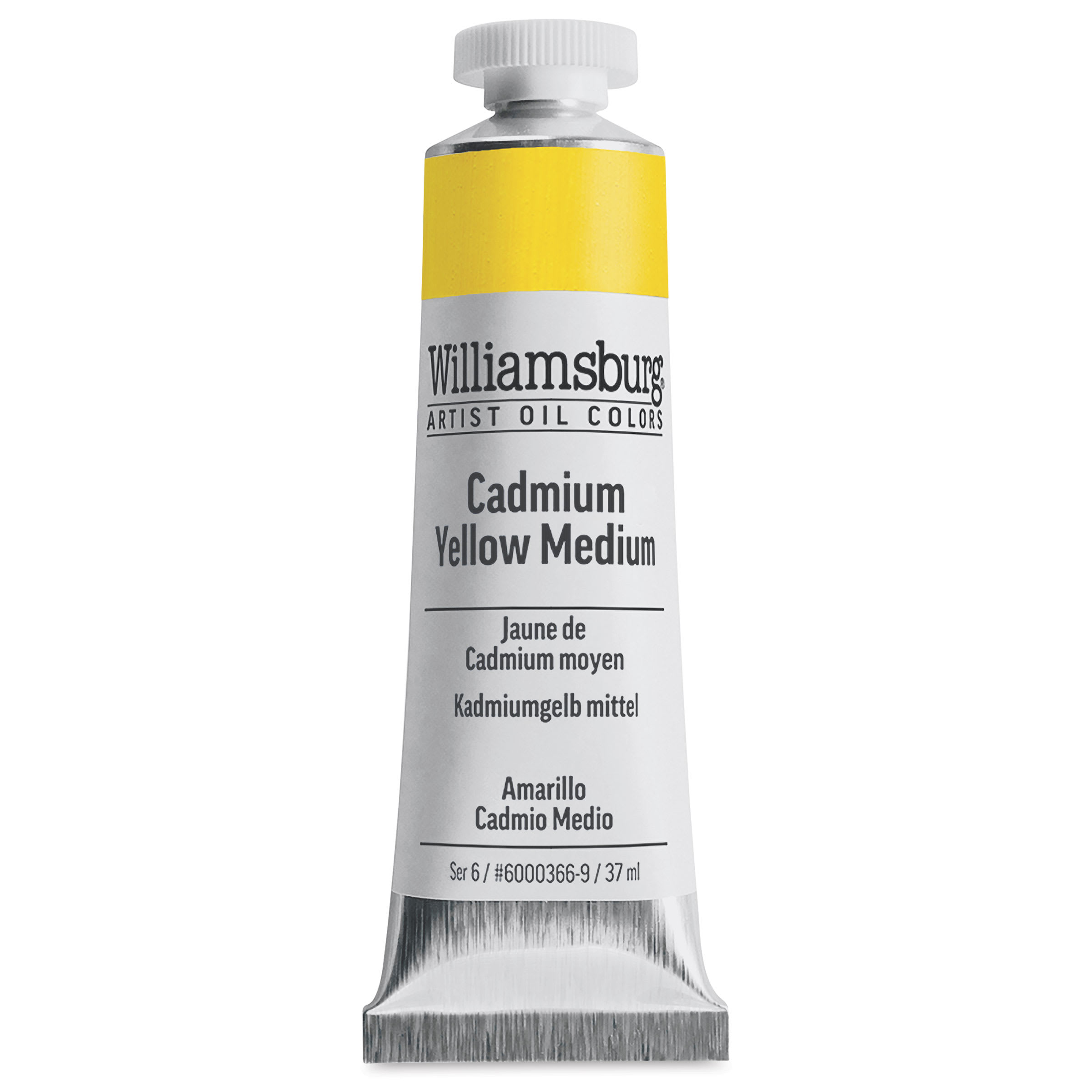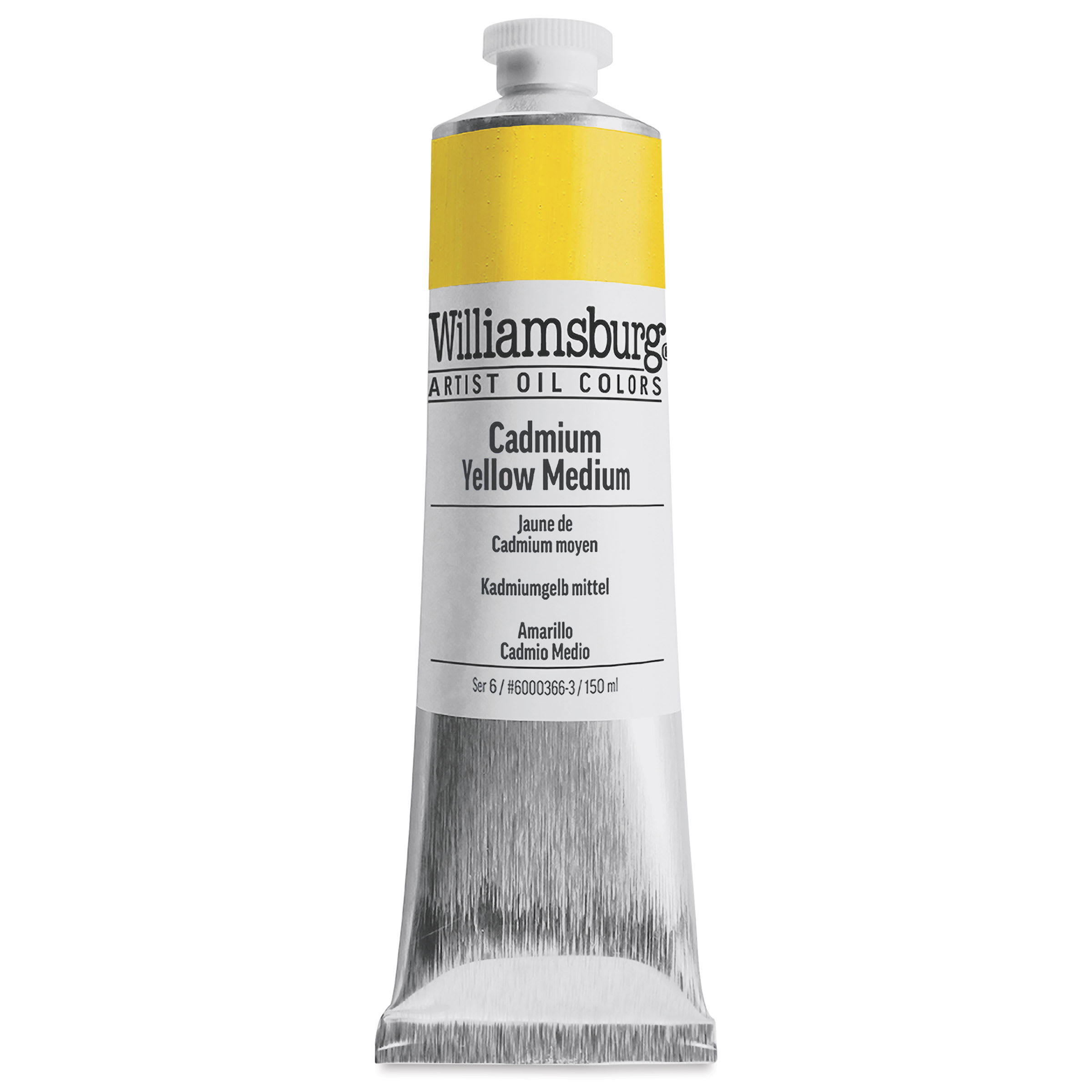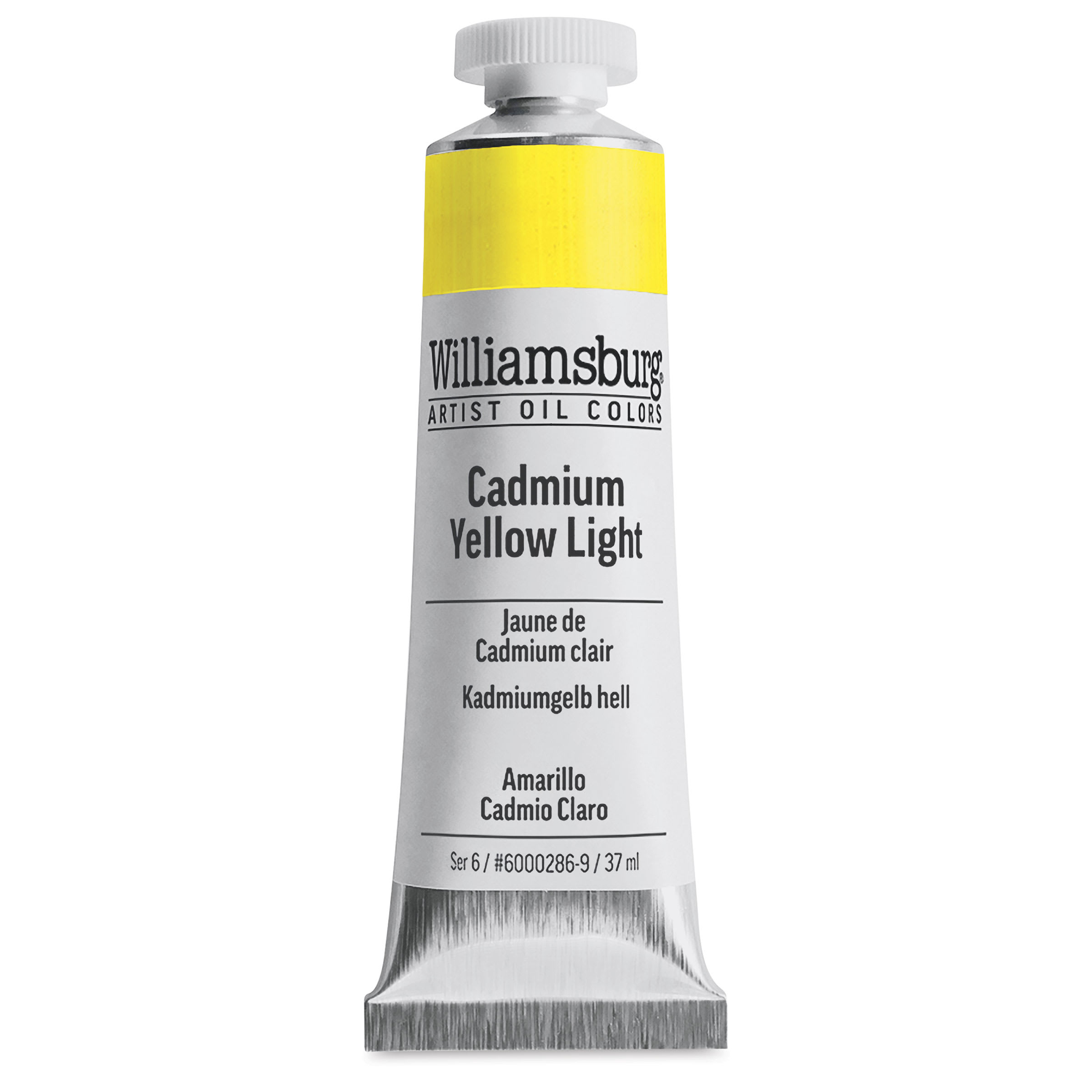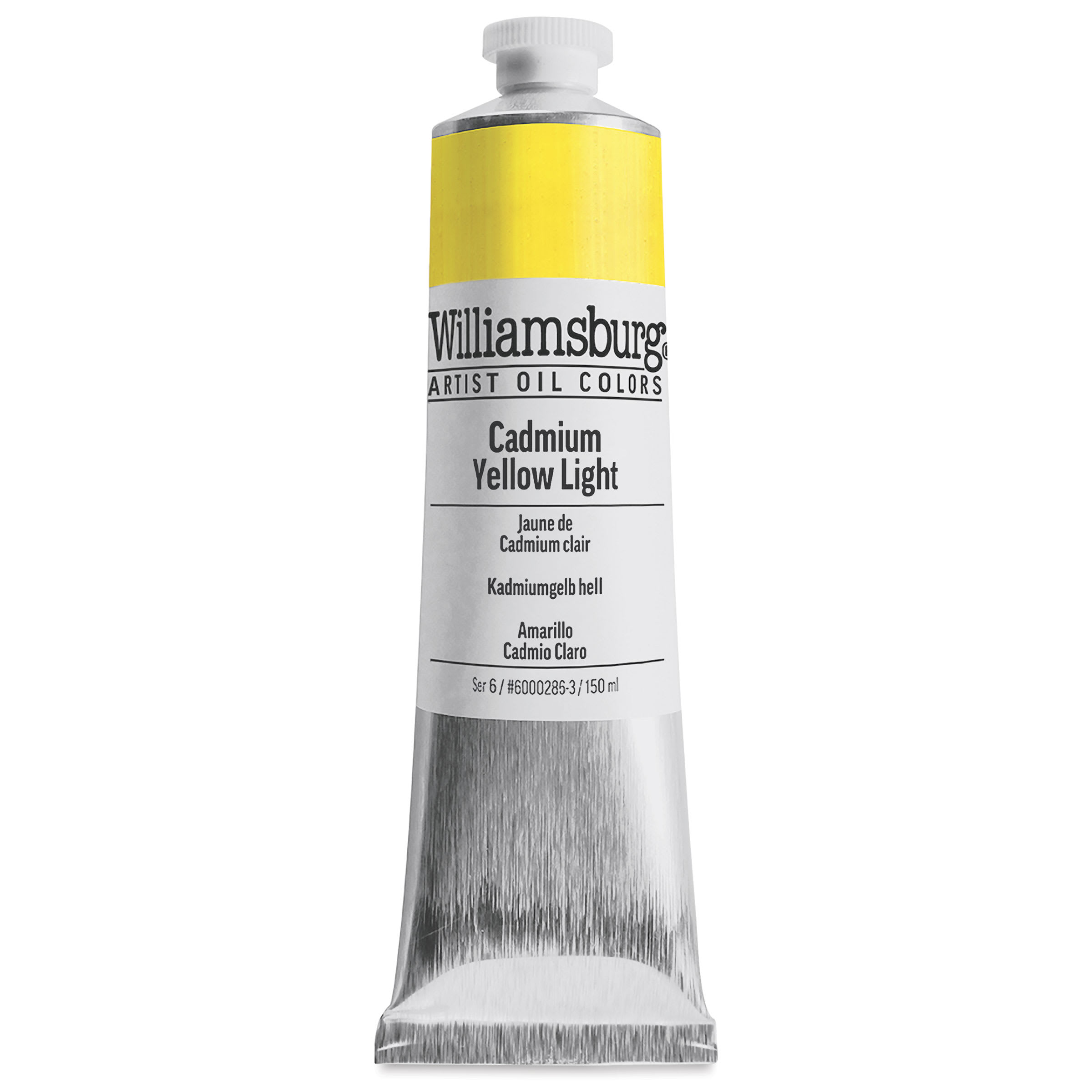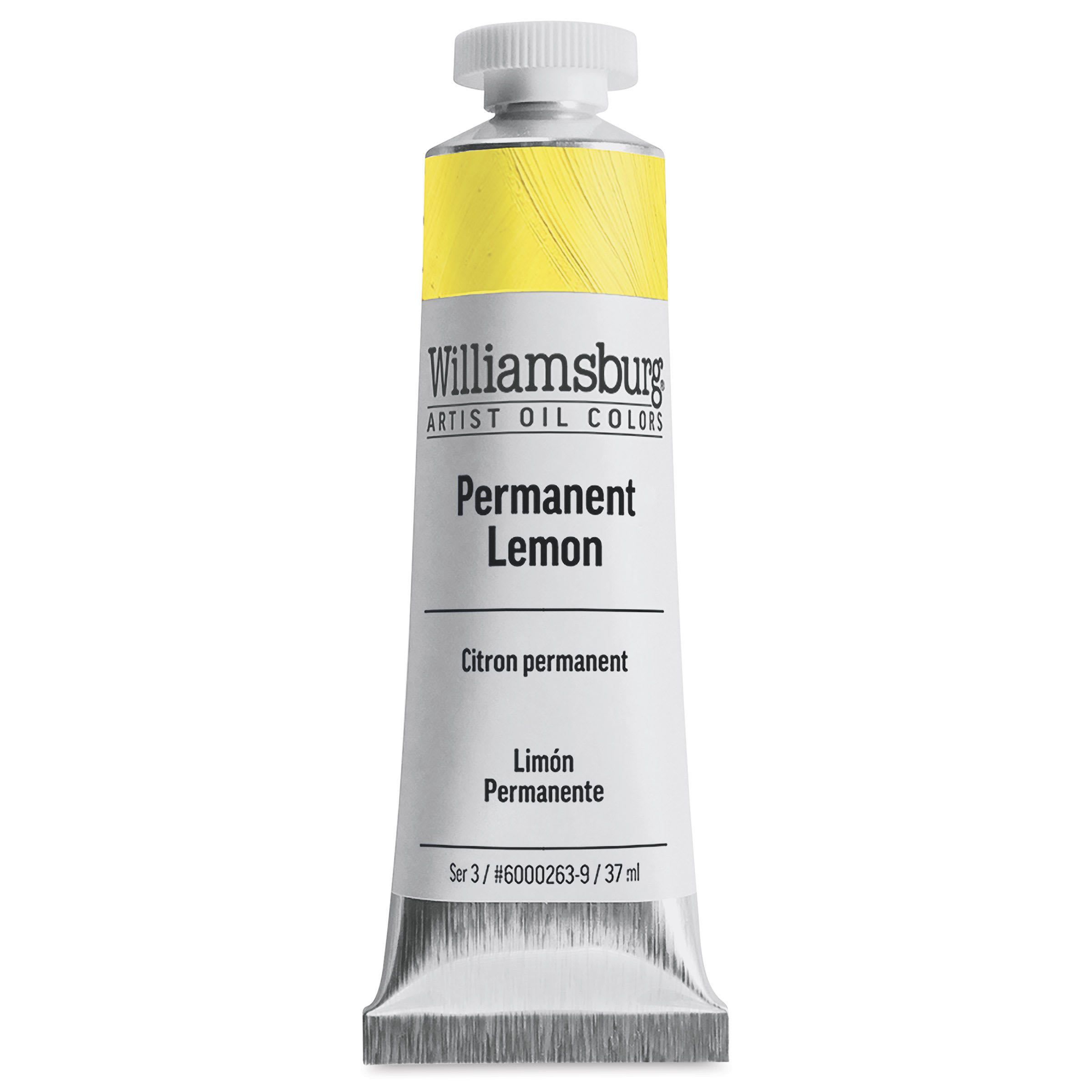
Williamsburg Handmade Oil Paint - Permanent Lemon, 150 ml tube

Handmade Oil Paint

Store price

Listed prices, not live quotes. Check delivery, tax and stock at the shop.

  • Blick Art Materials
    $47.03 USDShop
    Recorded Oct 22, 2026, 3:57 AM UTC

Saving an item to My Stash does not start price monitoring.

Product details
Size
150 ml
Blick SKU
01571-4394
About this product range

Dedicated to handmade integrity, Williamsburg Handmade Oils are crafted by skilled American artisans using top-quality pigments from around the world. Each of the more than 140 colors in the line possesses a unique consistency and texture — some are slightly gritty, while others are extremely smooth. This is what makes Williamsburg Handmade Oils so unique and prized by the painters who choose them.

Colors are made in small batches no larger than five gallons at a time to ensure the highest level of control. Pigments are carefully ground to enhance the beauty and luminosity specific to each, and then combined with pure, premium, alkali-refined and pH-balanced linseed oil. Every ingredient is hand-measured, and every batch is scrutinized for quality.

Most Williamsburg Oils are considered to have excellent lightfastness (LF I), with the exception of Alizarin Crimson and Van Dyke Brown, which have very poor lightfastness (LFIII).

__Special Edition Colors__ — Williamsburg offers four Special Edition iron oxide colors that utilize the same pigments as standard Williamsburg colors, but are milled to a finer consistency to make them suitable for glazing. Transparent Yellow Iron Oxide is based on Stil De Grain, with a dark yellow-brown masstone that gives way to amber and light ochre when glazing. Transparent Orange Iron Oxide is based on Italian Pink, and produces a very deep red-orange masstone that results in rich orange-red glazes. Transparent Brown Iron Oxide has its origins in Dutch Brown, and results in translucent brown glazes reminiscent of coffee or tanned leather. Transparent Red Oxide is a finer version of Brown Pink, and results in red tones reminiscent of stained cherry wood when glazing.

Pigment information

General reference notes about pigments can describe other media (such as oil). They do not verify this product’s exact formulation or behavior.

Titanium White

Pigment code
PW6
Type
inorganic
Chemical name
titanium dioxide
Chemical formula
TiO2
Properties
Titanium White is the most brilliant of the white pigments. It is considered an all purpose oil color useful in all techniques and the best all around white. Its masstone is neither warm nor cool, placing it somewhere between Lead White and Zinc White. It is less prone to cracking and yellowing than Lead White, but it still yellows easily. Titanium White dries slowly in oil form, more slowly than Lead White but more quickly than Zinc White. It is opaque in oil and acrylic forms and semi-opaque in watercolor form. This pigment has good chemical stability, and its tinting strength is superior to both Lead White and Zinc White.
Permanence
Titanium White has excellent permanence and lightfastness.
Toxicity
Titanium dioxide is highly stable and is regarded as non-toxic.
History
Titanium is the ninth most abundant element in the Earth's crust, however mineral deposits that are economical to mine are less common. Titanium dioxide was first discovered in 1821, although it could not be mass produced until 1919. Widespread use of the pigment began in the 1940s. Since that time, it has become the most commonly used white pigment. The name comes from the Latin word Titan, the name for the elder brother of Kronos and ancestor of the Titans, and from the Greek word tito, meaning day or sun.

Viridian

Pigment code
PG18
Type
inorganic
Chemical name
chromium(III)-oxide dehydrate
Chemical formula
Cr2O3 • 2 H2O or Cr2(OH3)
Properties
Viridian is the standard green and is stable, powerful, and cold with an emerald green undertone. It has a transparent hue, good tinting strength, a dark masstone that can be almost black at full strength, and a slow drying time in oil form. Viridian is commonly replaced by the darker, more saturated, and staining Phthalo Greens, but its properties make it a necessary part of the palette of an experienced landscape painter.
Permanence
Viridian has excellent permanence, except in high-temperature work, and is highly valued as a glazing color.
Toxicity
Viridian is slightly toxic.
History
Viridian’s name comes from the Latin viridis, meaning green. The process for manufacturing Viridian, or Transparent Oxide of Chromium, was patented by Guignet in Paris in 1859. However, it had actually been discovered by Pannetier and Binet in 1838. Viridian replaced Verdigris, which was reactive and unstable, and Emerald Green, which was a poisonous copper aceto-arsenite used as a rat poison in the sewers of Paris.
Description
Emerald Chromium Oxide, Emeraude Green, French Veronese Green, Guignet’s Green, Pannetier's Green, Permanent Green, Smaragd Green, Transparent Oxide of Chromium, Vert Emeraude. Casali's Green and Mittler's Green are varieties of Viridian. Viridian has historically been sold under the name Emerald Green, but they are currently considered to be and are marketed as two different pigments.

Hansa Yellow 10G

Pigment code
PY3
Type
organic, monoazo
Chemical formula
C16H12CL2N4O2
Properties
This Hansa yellow is a transparent yellow. It has great brightness and tinting strength and its drying time ranges from average to slow. Hansa Yellow makes more intense tints and cleaner secondaries than Cadmium Yellows, especially when mixed with other organic or modern colors like Phthalo Blue and Green. Because they are more transparent, they have great value as glazing colors.
Permanence
This Hansa Yellow has fair to good permanence, particularly in the lighter shades.
Description
Arylamide Yellow, Arylide, Arylide Yellow, Azo, Brilliant Yellow, Monoazo, Monolite Yellow, Permanent Yellow.

Track this price

New lows for this exact package, across matched retailers.

Loading your account…

Price history

More to explore

Related supplies from the catalog.