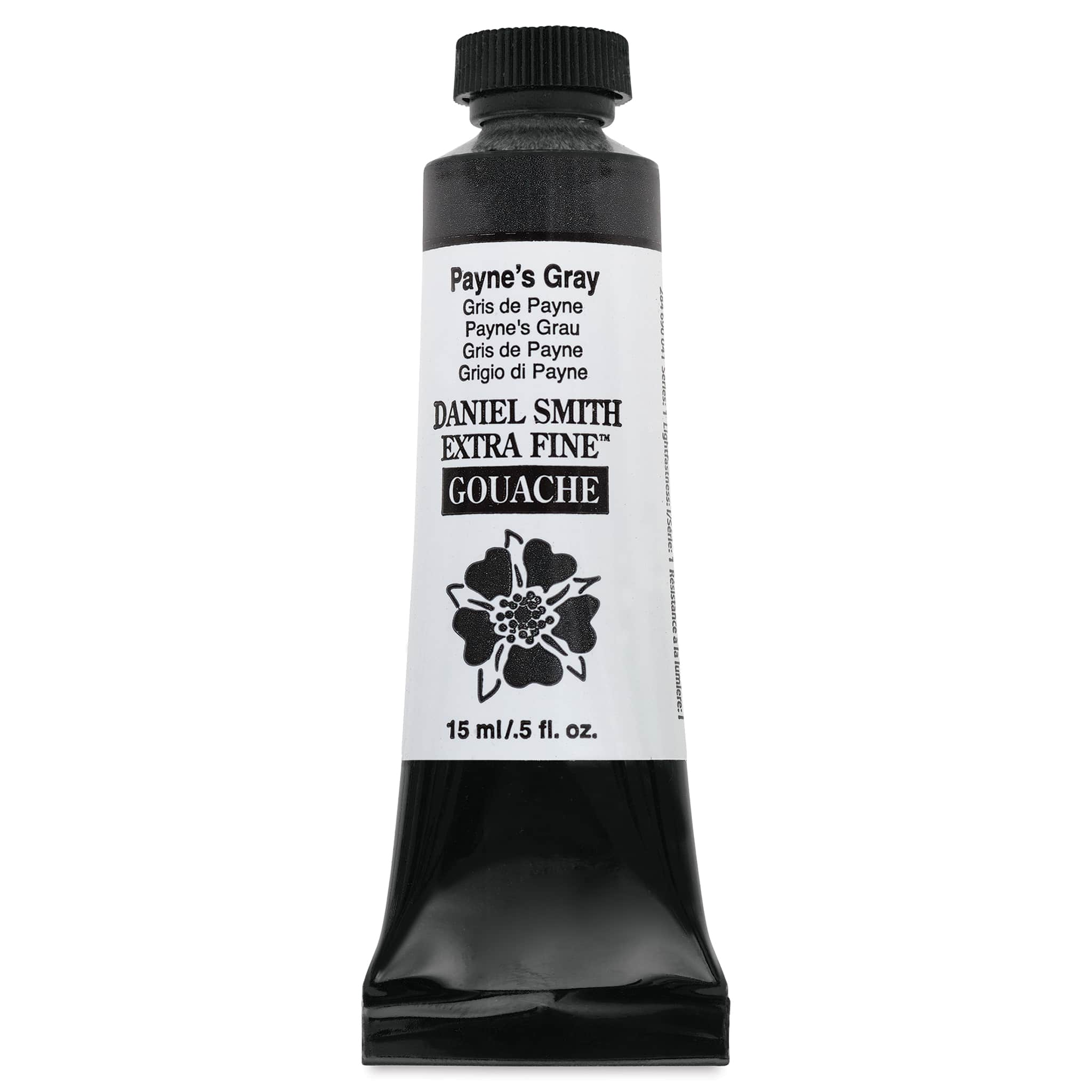
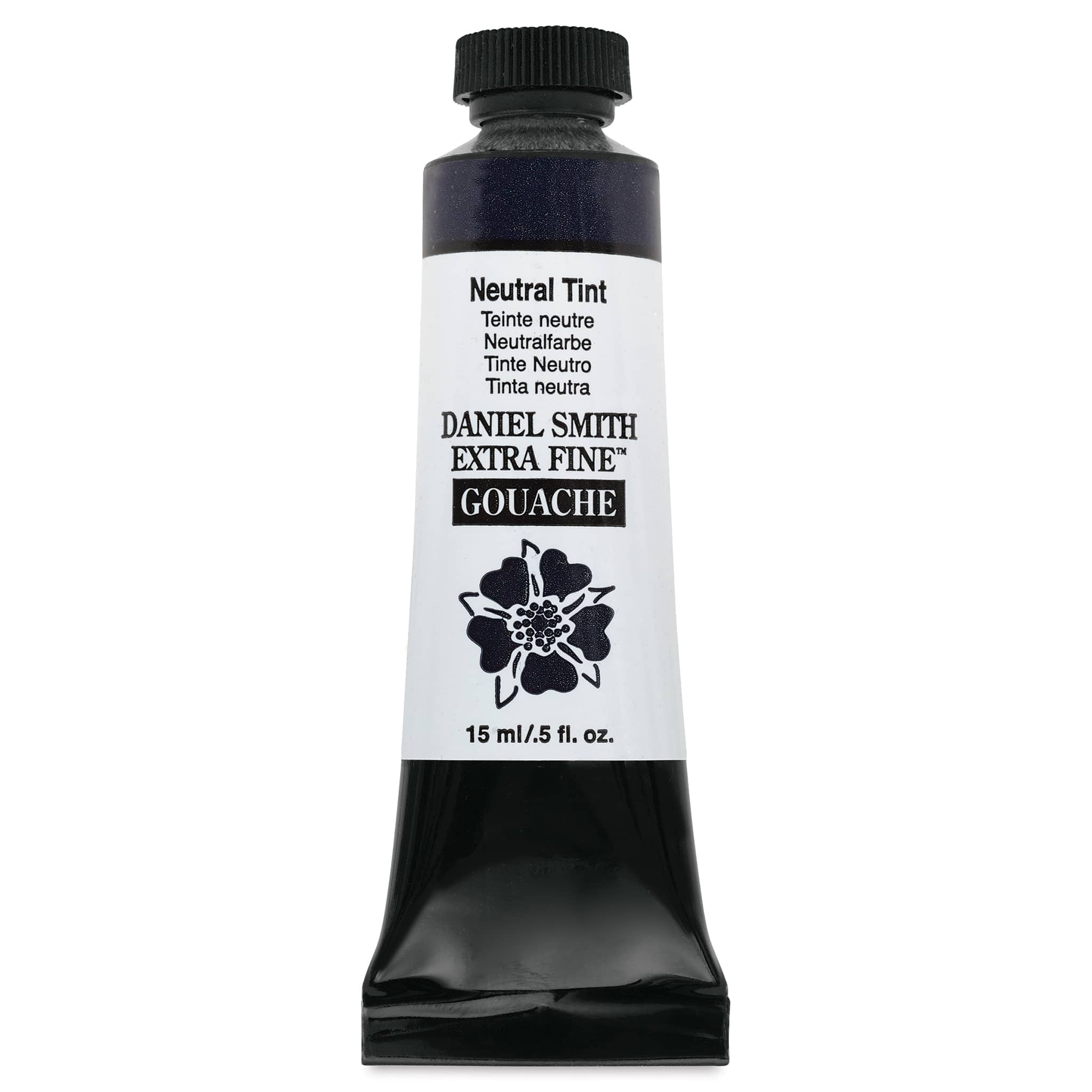
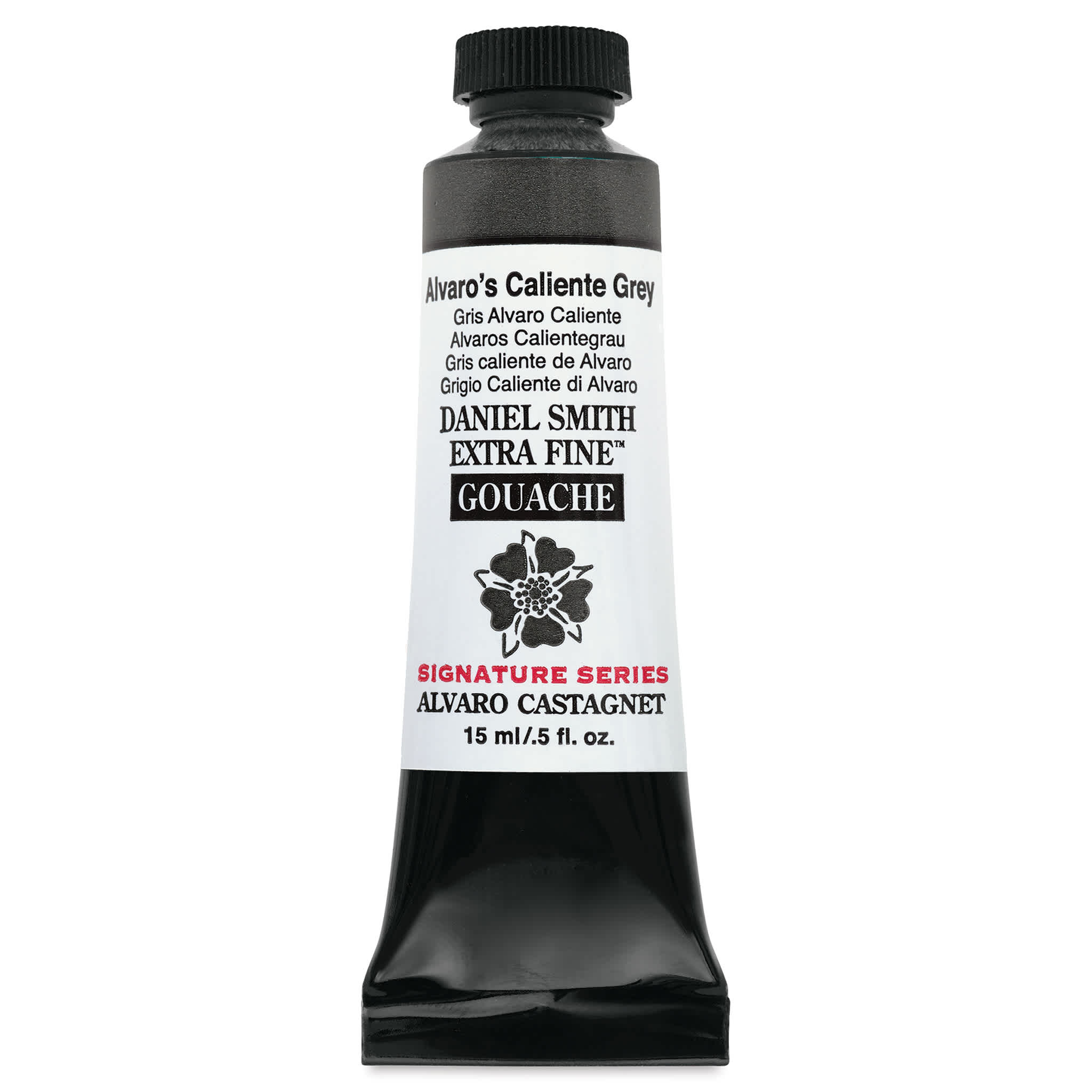
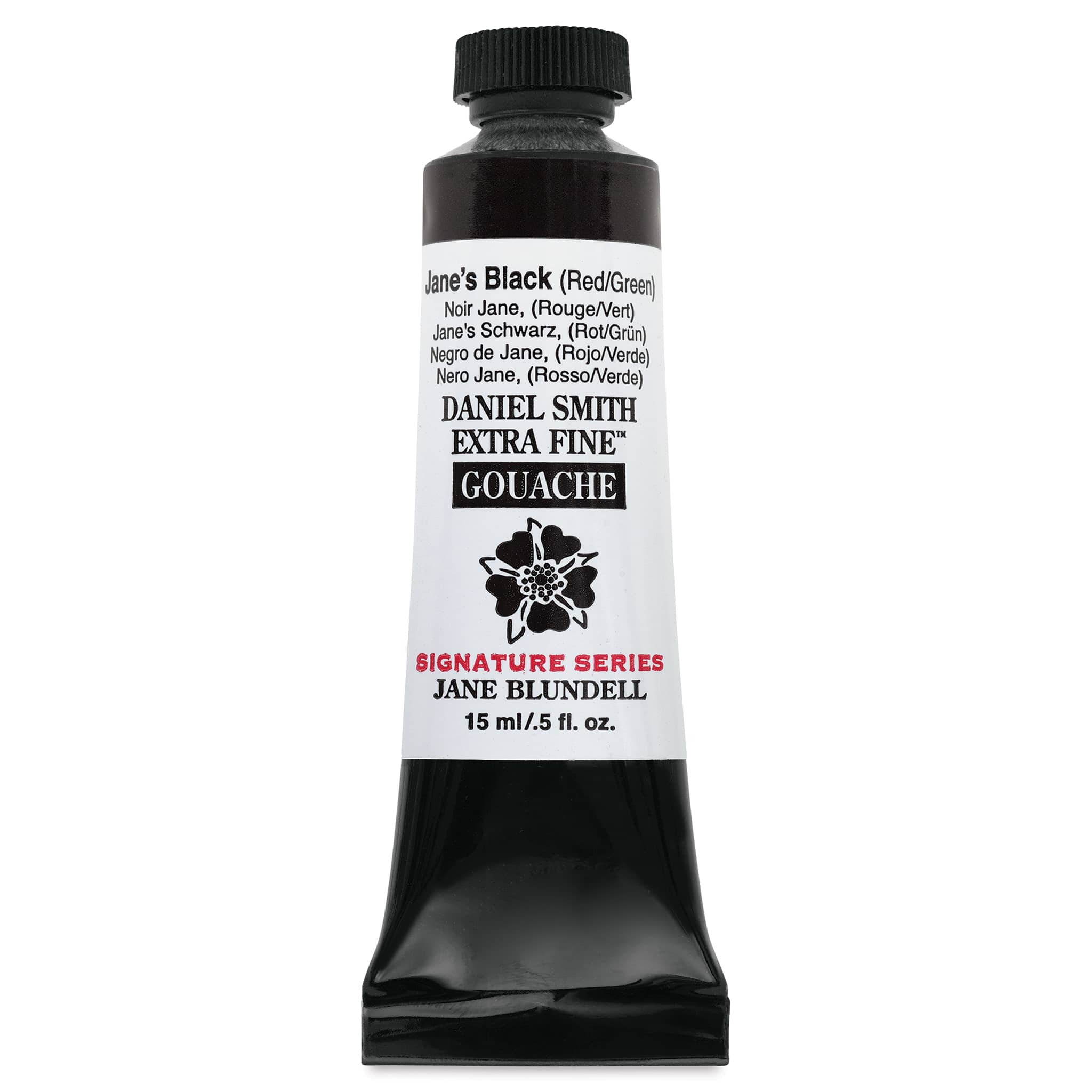
General reference notes about pigments can describe other media (such as oil). They do not verify this product’s exact formulation or behavior.
Phthalo Blue
- Pigment code
- PB15:6
- Type
- organic
- Chemical name
- epsilon copper phthalocyanine
- Chemical formula
- C32H16CuN8
- Properties
- Phthalo Blue PB15:6 is a structural variant of Phthalo Blue PB15 that produces more yellowish tones.
- Permanence
- Phthalo Blues are completely lightfast and stable and are permanent for all paint uses. They are currently used in inks, coatings, and many plastics due to their stability and are considered a standard pigment in printing ink and the packaging industry.
- Toxicity
- Phthalo Blues have no significant hazards, although those made before 1982 contained some PCBs (polychlorinated biphenyls).
- History
- Developed by chemists using the trade name Monastral Blue, the organic blue dyestuff now known as Phthalo Blue was presented as a pigment in November 1935 in London. Its discovery was accidental. The dark color was observed in a kettle where a dye was being made from a British dyestuff plant. The demand for such a pigment came from commercial printers who wanted a cyan to replace Prussian Blue.
Naphthol Red
- Pigment code
- PR188
- Type
- organic monoazo
- Chemical formula
- C33H24Cl2N2O6
- Properties
- This Naphthol Red is yellowish, with a high tinting strength and average drying time. It produces warmer shades and tints.
- Permanence
- This Naphthol Red has excellent lightfastness, though it is generally not considered adequate for exterior use.
- Toxicity
- Naphthol Reds are not considered toxic. They may cause eye, skin, or respiratory irritation. Contact with dry pigment should be avoided.
- History
- Naphthol pigments are actually dyes that are "laked" to form pigments. First developed by the German chemical company Hoechst A.G. before World War I, their use in artist paints began in the 1920s.
- Description
- Naphthal, Naphthol Bordeaux, Naphthol Carbamide, Naphthol Carmine, Permanent Carmine, Permanent Red.
Pyrrole Orange
- Pigment code
- PO71
- Type
- organic, diketopyrrolo
- Chemical name
- diketo-pyrrolo pyrrole orange
- Properties
- Pyrrole Orange PO71 is a transparent pigment with average or moderate tinting strength. It produces cleaner mixtures than cadmium-based colors.
- Permanence
- Pyrrole Orange PO71 has been reported to have excellent lightfastness, and better weather fastness than comparable cadmium pigments.
- Toxicity
- Pyrrole Orange PO71 has not been reported to be hazardous. In art materials, diketopyrrolo-pyrrole pigments are often promoted as non-hazardous alternatives to cadmiums.
- History
- Pyrrole Orange is one of the most popular diketopyrrolo-pyrrole pigments (DPP), discovered and marketed since the 1980s by Ciba-Geigy. It is used mainly in printing inks and plastics. It has also been used in automotive and industrial paints. In art materials, it has become most widely used in acrylics.
- Description
- Translucent Orange
 Blick Art Materials