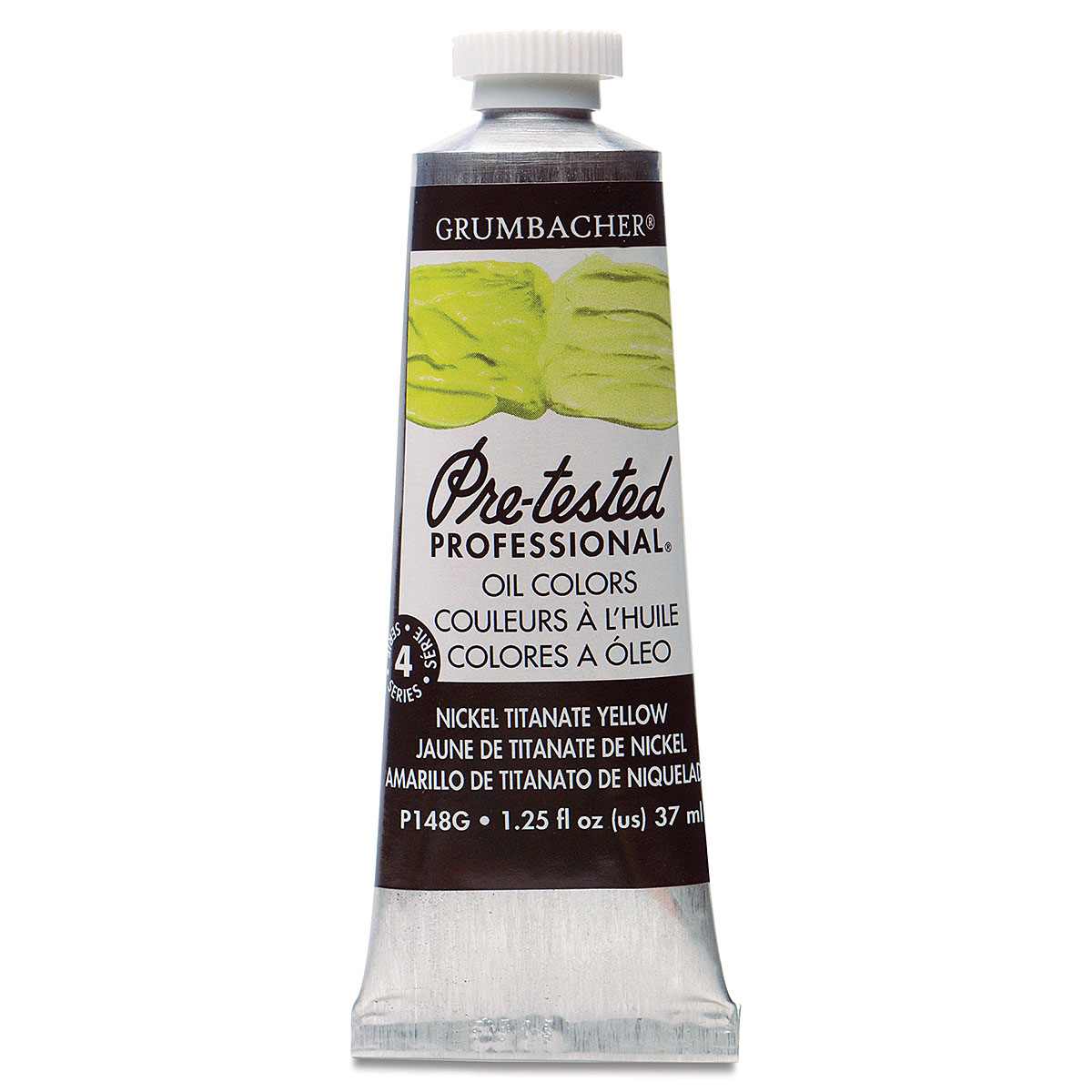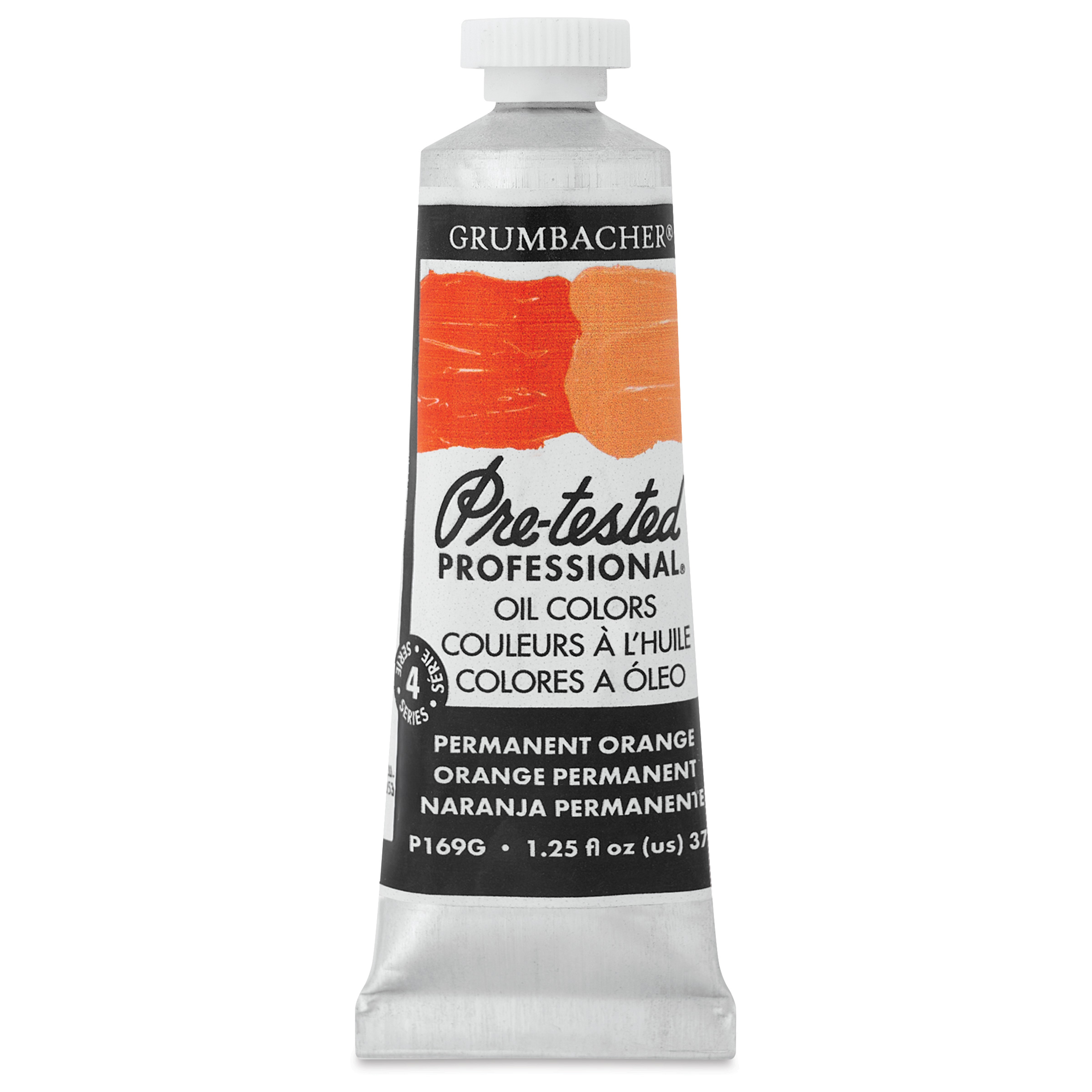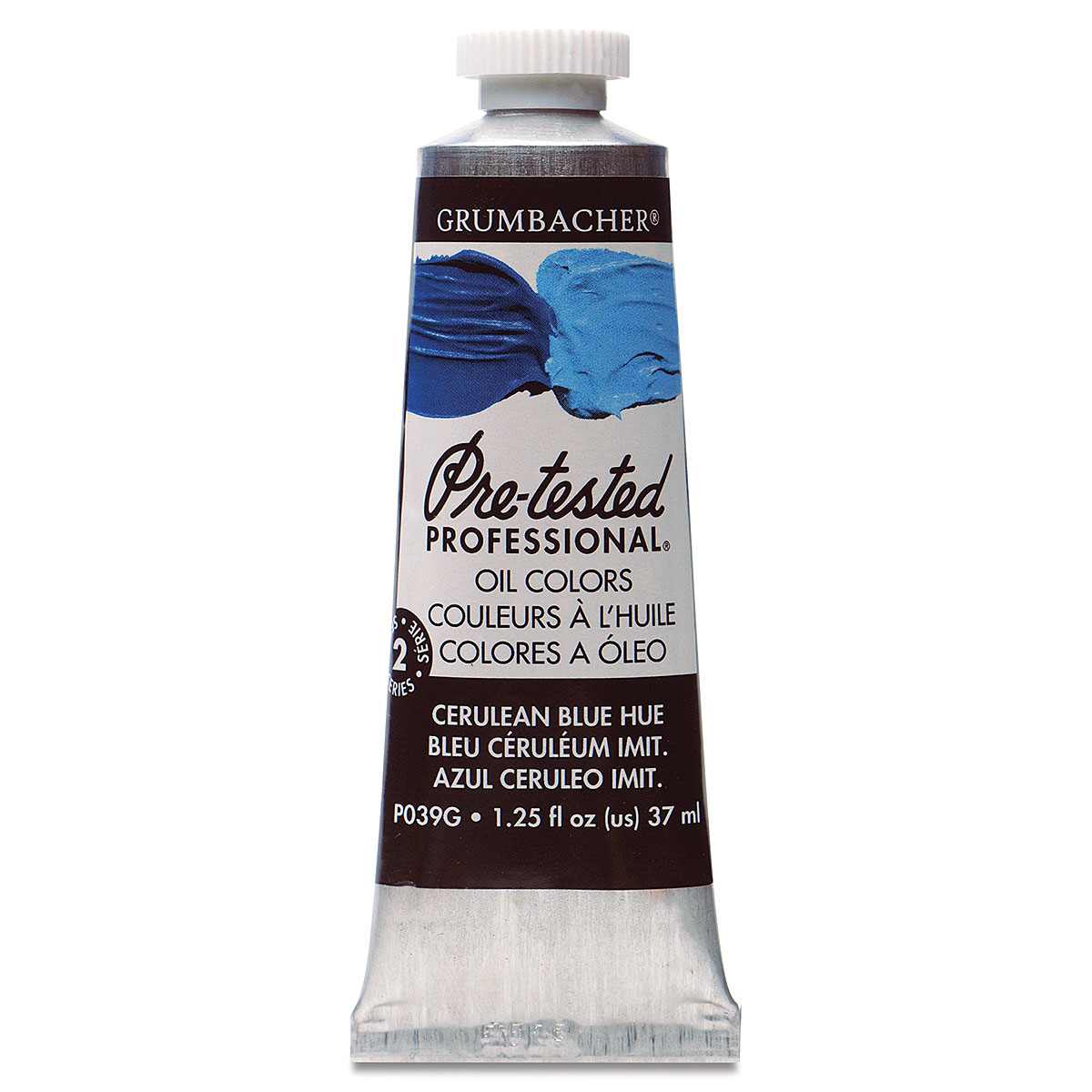
Grumbacher Pre-Tested Artists' Oil Color - Cobalt Violet Hue, 1.25 oz tube
Pre-Tested Artists' Oil Color
Store price
Listed prices, not live quotes. Check delivery, tax and stock at the shop.

Blick Art Materials
$18.01 USDShop
Saving an item to My Stash does not start price monitoring.
Product details
- Size
- 37 ml
- Blick SKU
- 00448-6573
About this product range
Tested and approved by professionals, for professionals, Grumbacher Pre-Tested Professional Oils have been one of America's favorite oil paints since 1905. Recently reformulated, the line now includes stronger, purer cadmiums and exciting contemporary colors.
Grumbacher Pre-Tested Oils are made with the finest pure pigments milled in select alkali-refined linseed oil, with the exception of the Whites described below. All 90 colors are highly pigmented, with tinting strength equal to or better than the leading professional brands. Pre-Tested Oils offer high chroma, superior tinting strength, excellent adhesion, outstanding working properties, the utmost lightfastness, and archival permanence.
Superba White is a smooth, buttery, heavy-bodied white ground in non-yellowing poppy seed oil. Superba is unaffected by exposure to light, freely intermixable with other colors, and offers enhanced opacity and tinting strength.
Titanium White is a permanent, heavy-bodied, versatile, opaque, pure white that is neutral in hue. It's ideal for applications where great opacity is required, and is considered the strongest tinting white.
Soft Titanium White is a permanent soft-bodied, opaque, non-yellowing Titanium White that is ground in poppy seed and sunflower oils, rather than linseed oil. These oils do not yellow with age, as does pure linseed oil. Soft Titanium White is also recommended for fluid wet-in-wet techniques.
Zinc White is a permanent, heavy-bodied, semi-opaque, cool white. It's designed especially for brilliant clear tints with all oil colors, and is excellent for glazing.
Pigment information
General reference notes about pigments can describe other media (such as oil). They do not verify this product’s exact formulation or behavior.
Manganese Violet
- Pigment code
- PV16
- Type
- inorganic
- Chemical name
- manganese ammonium pyrophosphate
- Chemical formula
- (NH4)2Mn2(P2O7)2 - Mn3(PO4)2 * 3H2O or H4O7P2H3NMn
- Properties
- Manganese Violet is a semi-transparent, bluish-violet pigment with a discrete opacity and low tinting strength. It is the reddest of the violets, and it covers and dries well in oil and tempera. It also performs well in pastel, encaustic, and watercolor. Manganese Violet is not well suited for fresco or acrylic painting. There can be significant differences in color across brands. It shares similar properties with bluish shades of Cobalt Violet.
- Permanence
- Manganese Violet has excellent permanence and lightfastness, and it is one of the most lightfast, balanced violets in watercolor form.
- Toxicity
- Manganese Violet is highly toxic if inhaled and moderately toxic if ingested.
- History
- This pigment was developed in 1868 by E. Leykauf to replace the more expensive Cobalt Violet. It was not offered as an artists’ pigment until 1890.
- Description
- Burgandy Violet, Mineral Violet, Nürnberg Violet, Permanent Violet.
Cobalt Violet
- Pigment code
- PV14
- Type
- inorganic
- Chemical name
- cobalt phosphate
- Chemical formula
- Co3(PO4)2
- Properties
- Cobalt Violet is a pure hue that cannot be mixed from other colors. It is cool in its masstone, chemically stable, and semi-opaque. It has a weak tinting strength and is generally offered in a bluish and a reddish-violet shade. Cobalt Violet can be quite expensive, so it is used mostly as a top coat color. It is compatible with all painting media, but its light variety can change in oil form. It grays down considerably when mixed with white. Manganese Violet is a less costly substitute for the bluish variety of Cobalt Violet.
- Permanence
- Cobalt Violet has excellent permanence, and its lightfastness makes it more desirable than older organic dye violets.
- Toxicity
- Cobalt Violet is highly toxic by both ingestion and inhalation, particularly in dry pigment form. However, much of the material presently used to make paints of this color is non-toxic cobalt phosphate.
- History
- Cobalt comes from the Middle High German word kobolt, an underground goblin, because miners thought cobalt harmed silver ores. Cobalt Violet was the first real violet pigment and was described by Salvetat in 1859. The light variety of this pigment, developed in Germany earlier in the 19th century, was particularly poisonous due to its arsenic content. Cobalt Violet hues were the only permanent bright violets available to artists until the 1950s.
Track this price
New lows for this exact package, across matched retailers.
Loading your account…
Price history
More to explore
Related supplies from the catalog.

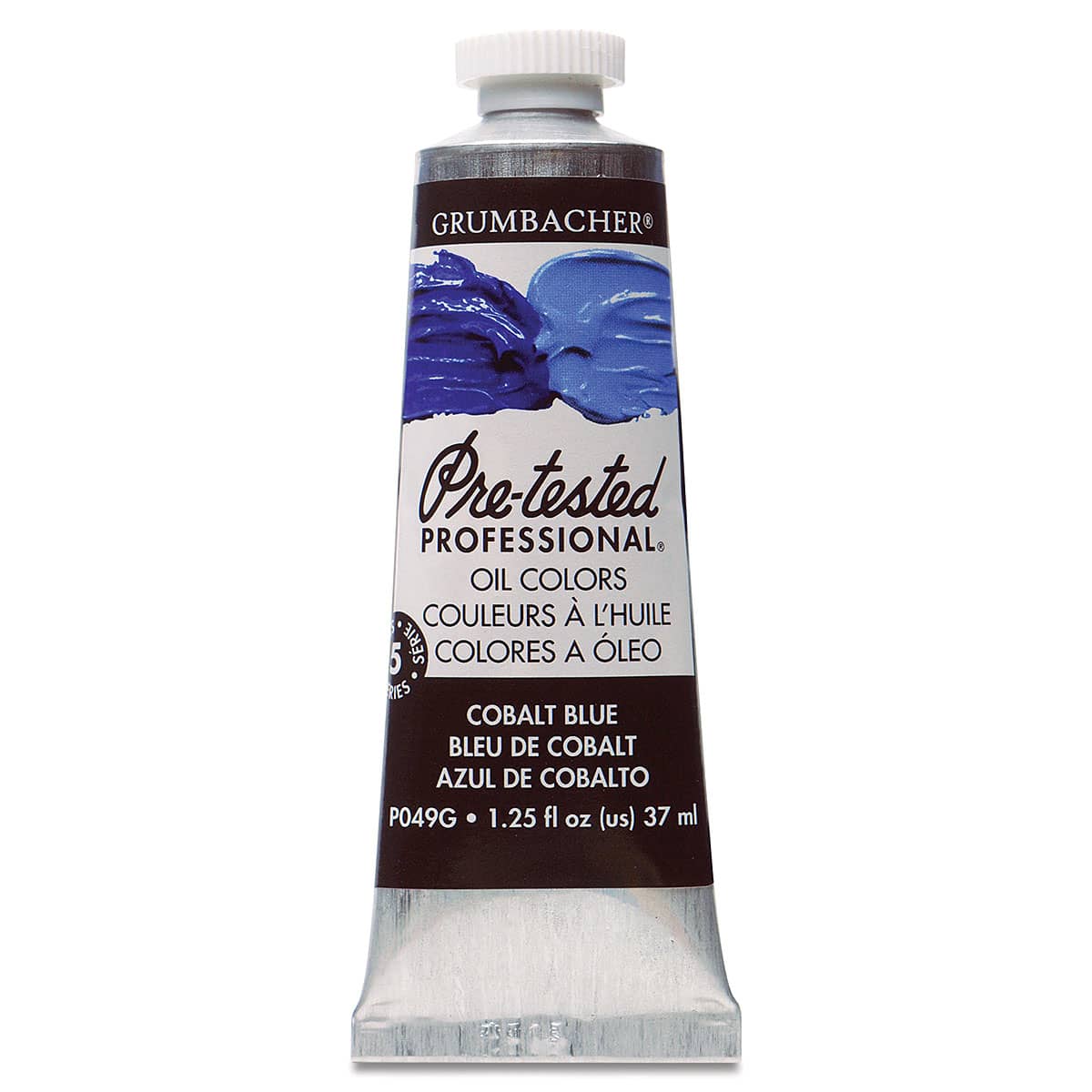
Grumbacher Pre-Tested Artists' Oil Color - Cobalt Blue, 1.25 oz tube

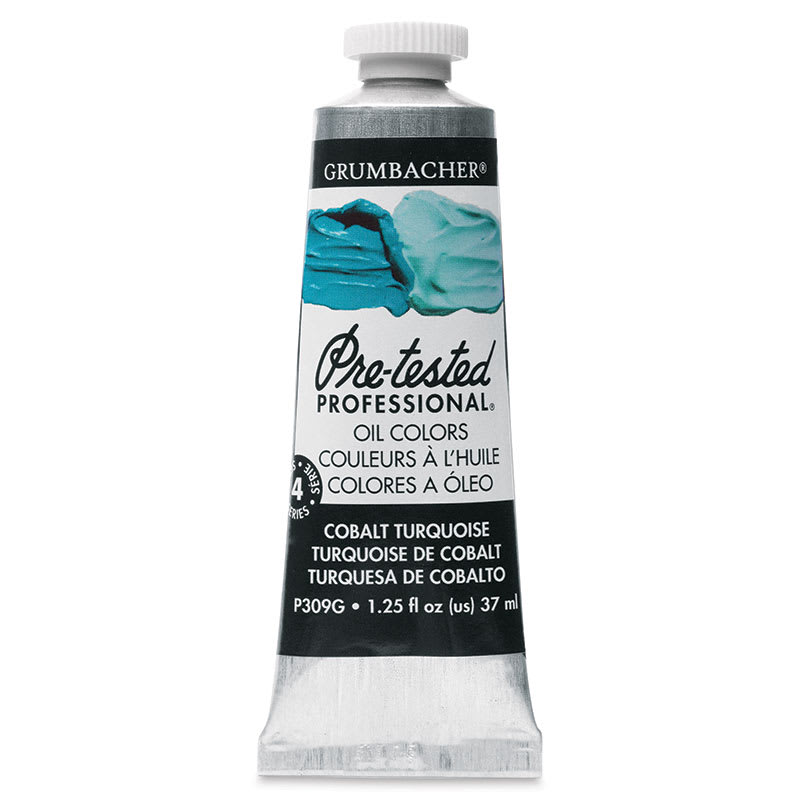
Grumbacher Pre-Tested Artists' Oil Color - Cobalt Turquoise, 1.25 oz tube

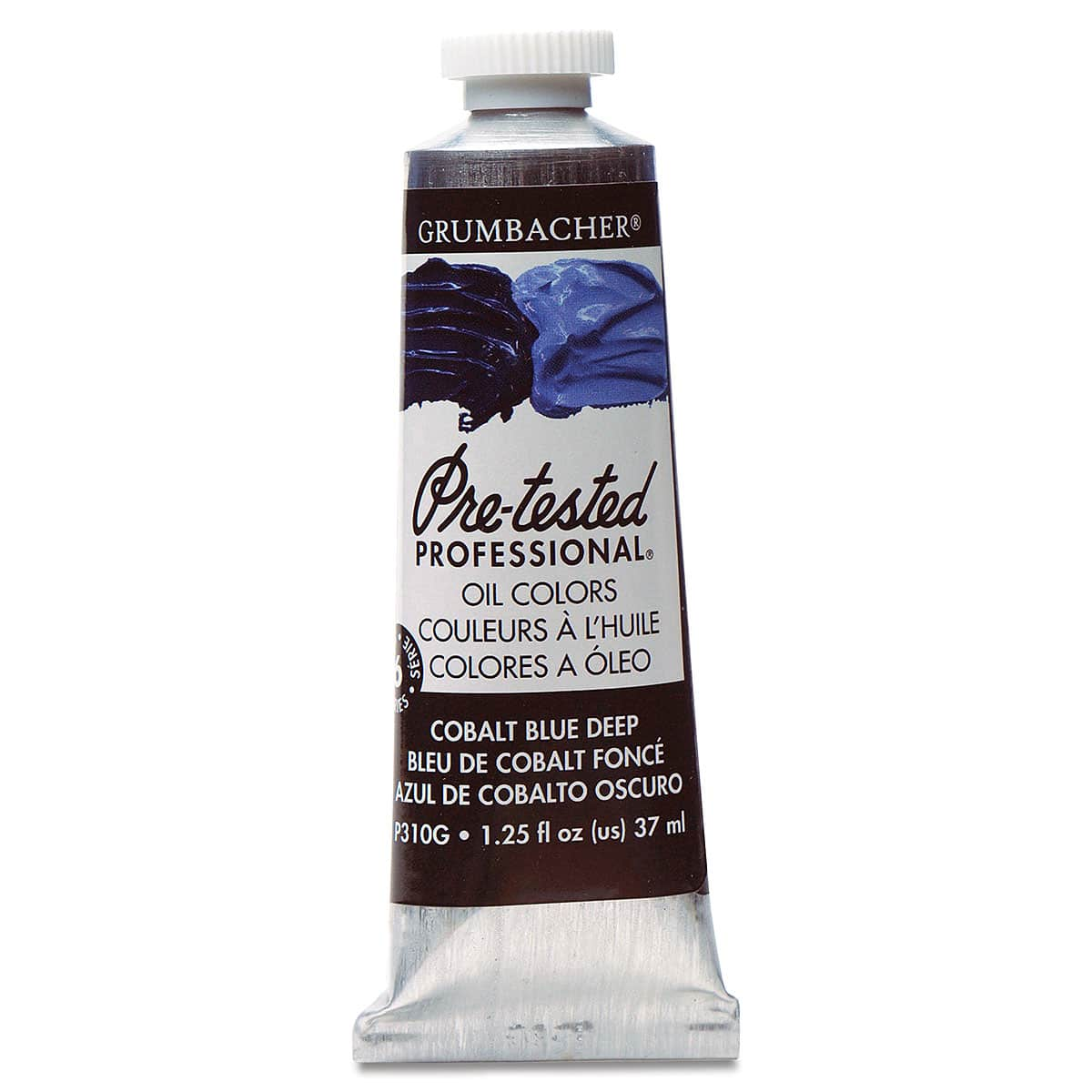
Grumbacher Pre-Tested Artists' Oil Color - Cobalt Blue Deep, 1.25 oz tube

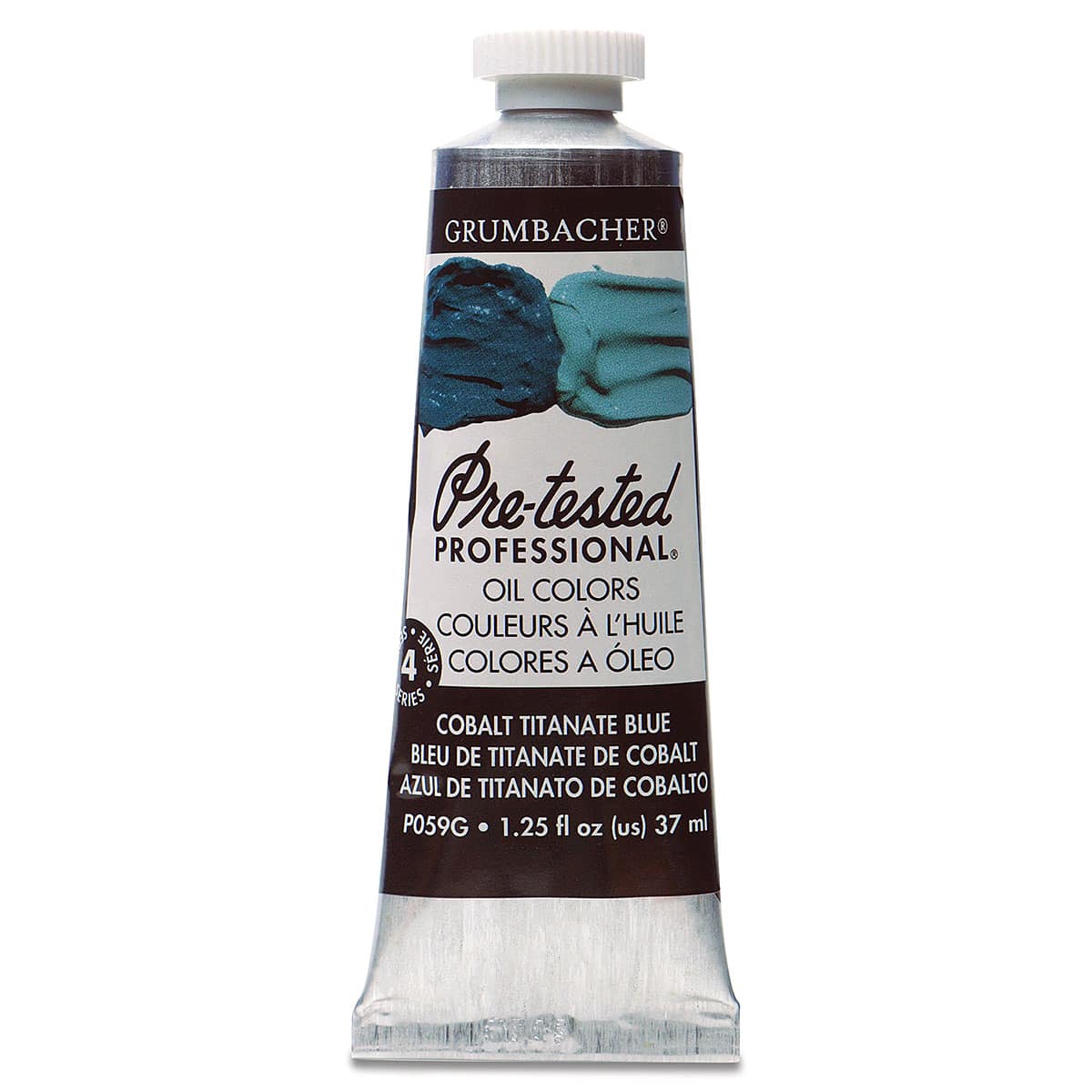
Grumbacher Pre-Tested Artists' Oil Color - Cobalt Titanate Blue, 1.25 oz tube

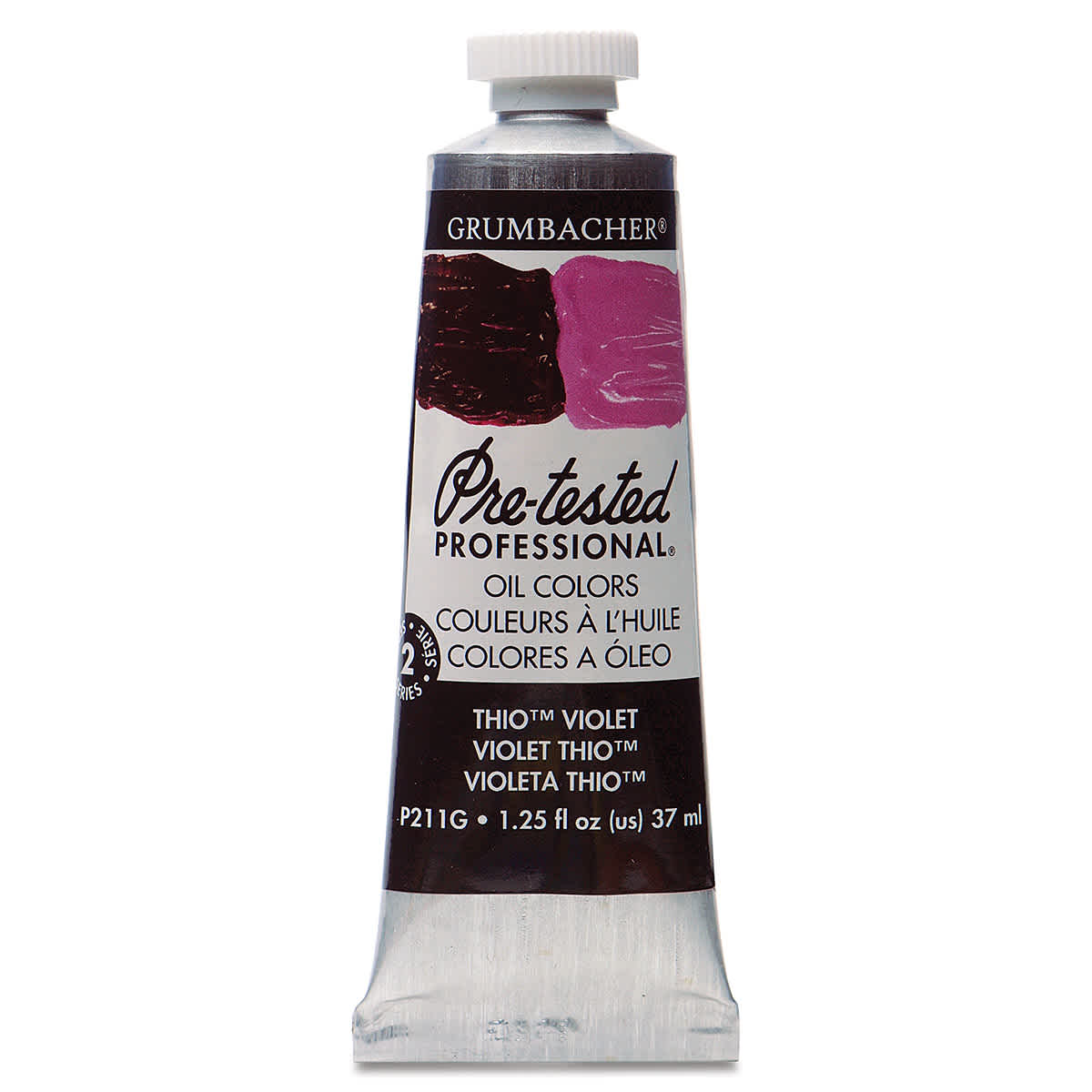
Grumbacher Pre-Tested Artists' Oil Color - Thio Violet, 1.25 oz tube

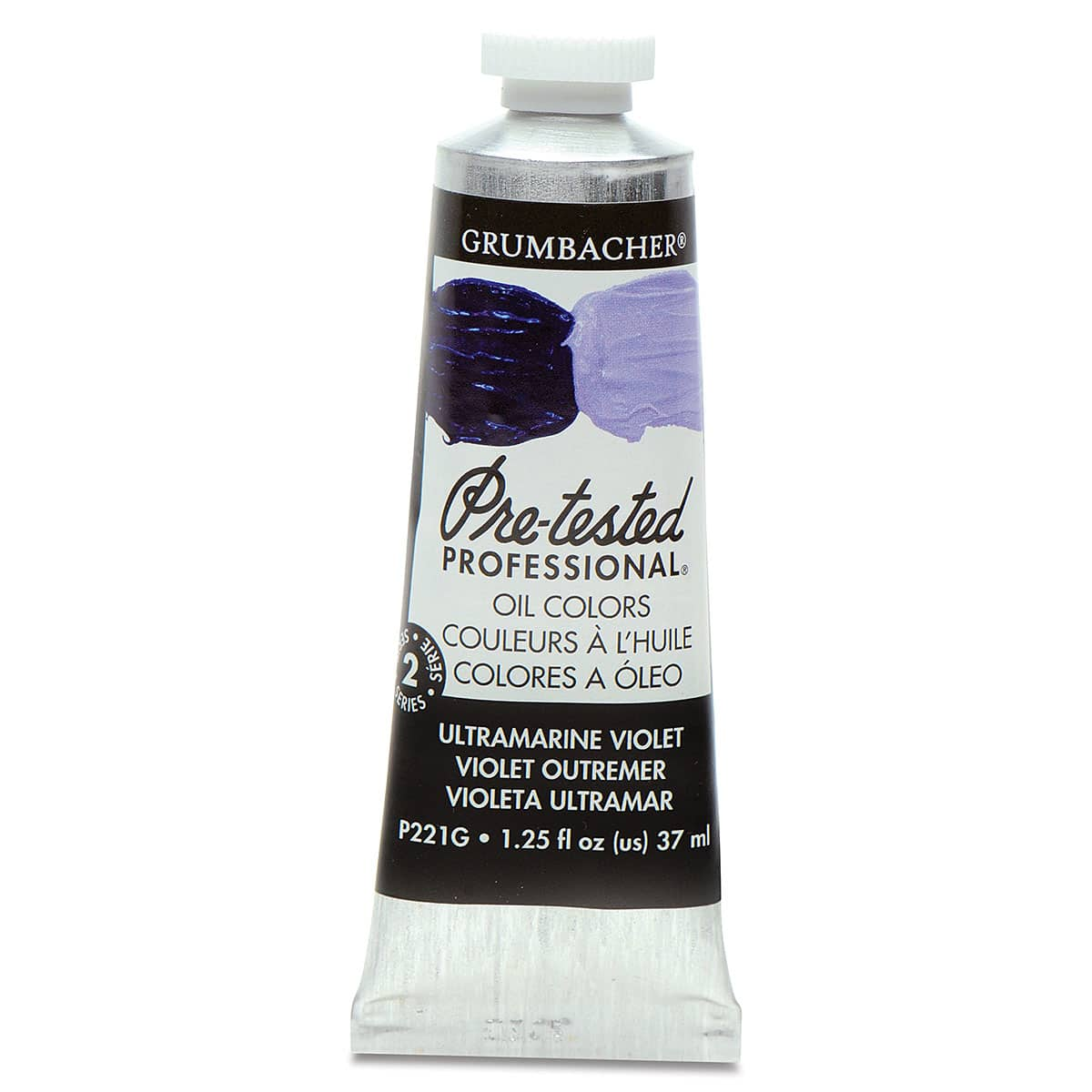
Grumbacher Pre-Tested Artists' Oil Color - Ultramarine Violet, 1.25 oz tube

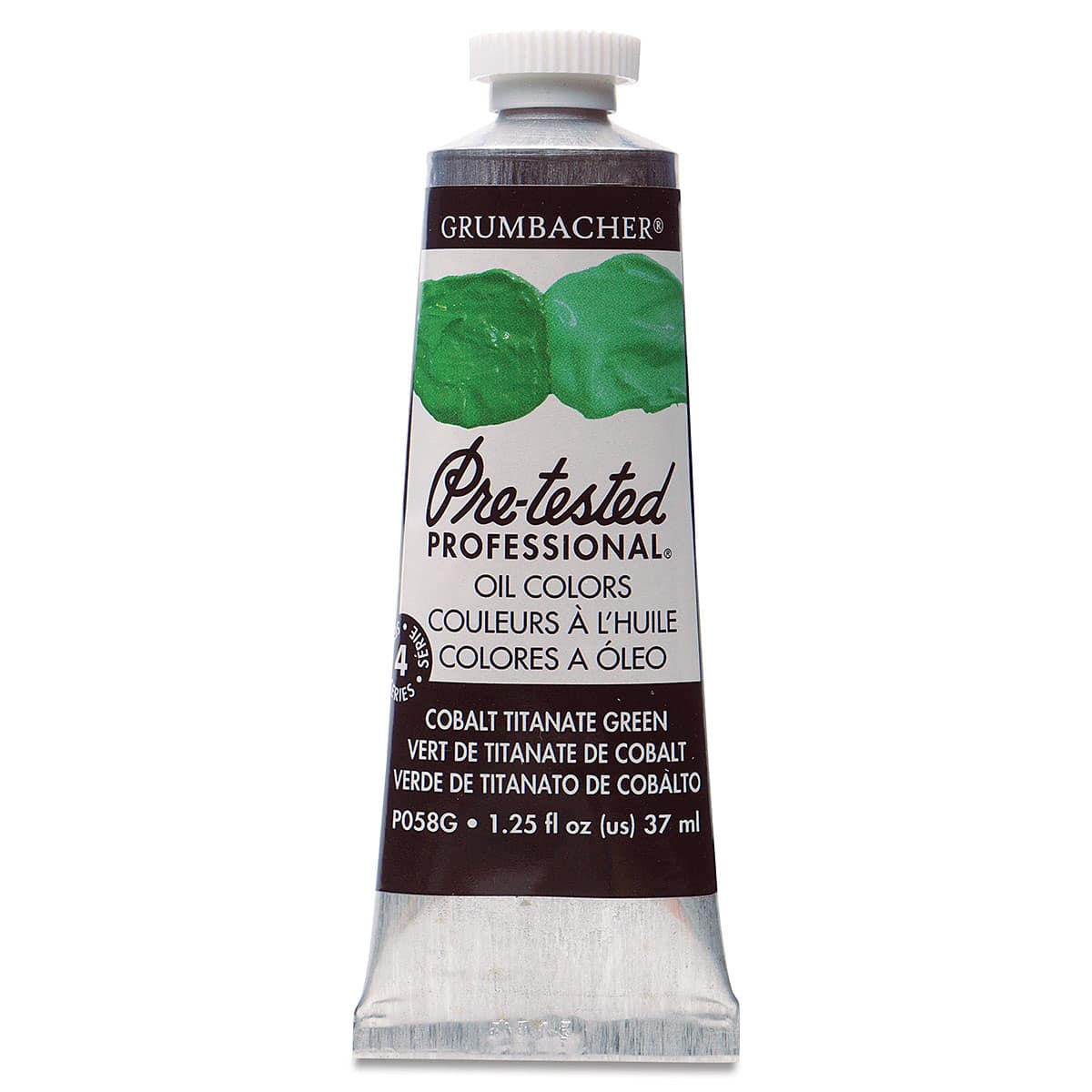
Grumbacher Pre-Tested Artists' Oil Color - Cobalt Titanate Green, 1.25 oz tube

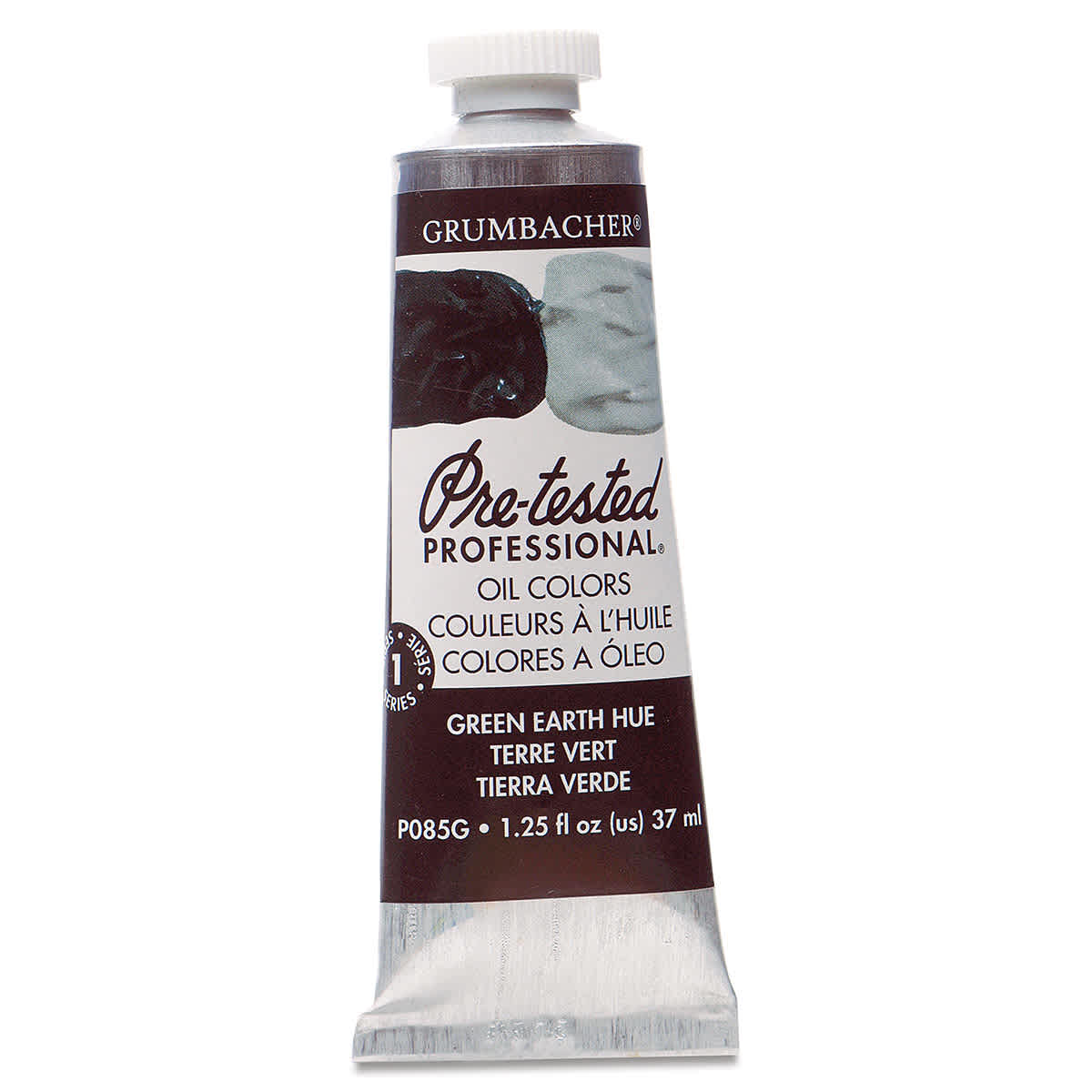
Grumbacher Pre-Tested Artists' Oil Color - Green Earth Hue (Terre Verte), 1.25 oz tube

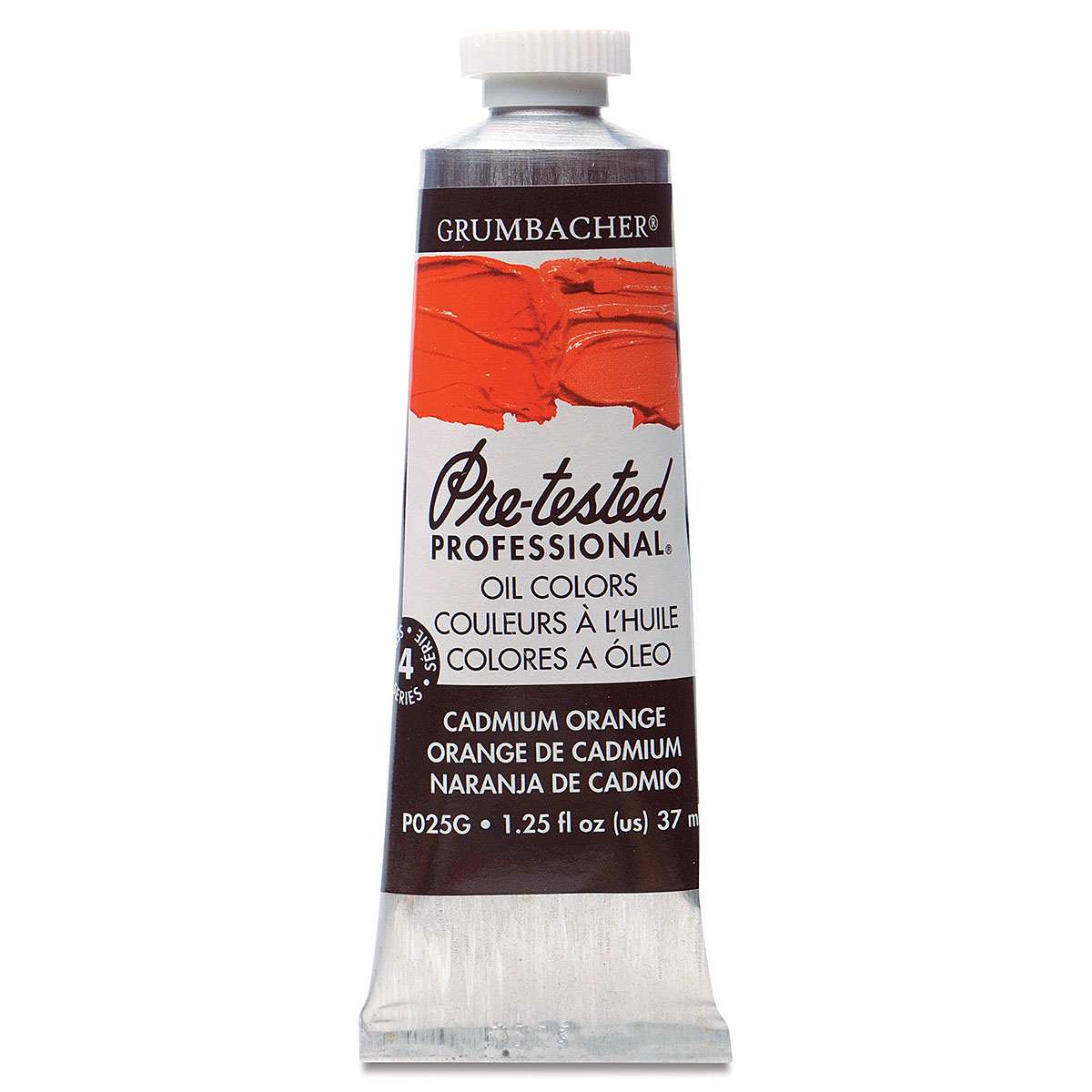
Grumbacher Pre-Tested Artists' Oil Color - Cadmium Orange, 1.25 oz tube

Grumbacher Pre-Tested Artists' Oil Color - Nickel Titanate Yellow, 1.25 oz tube