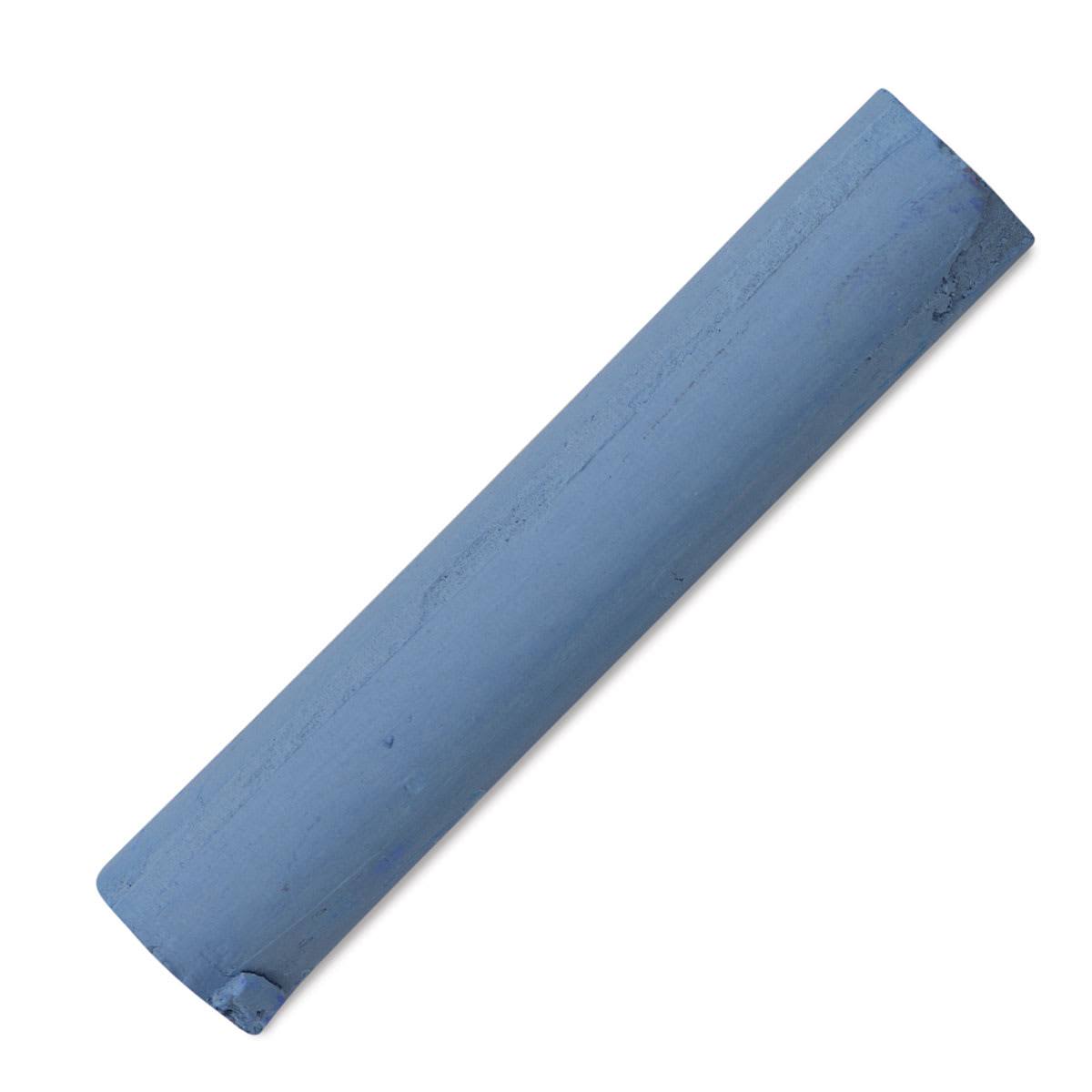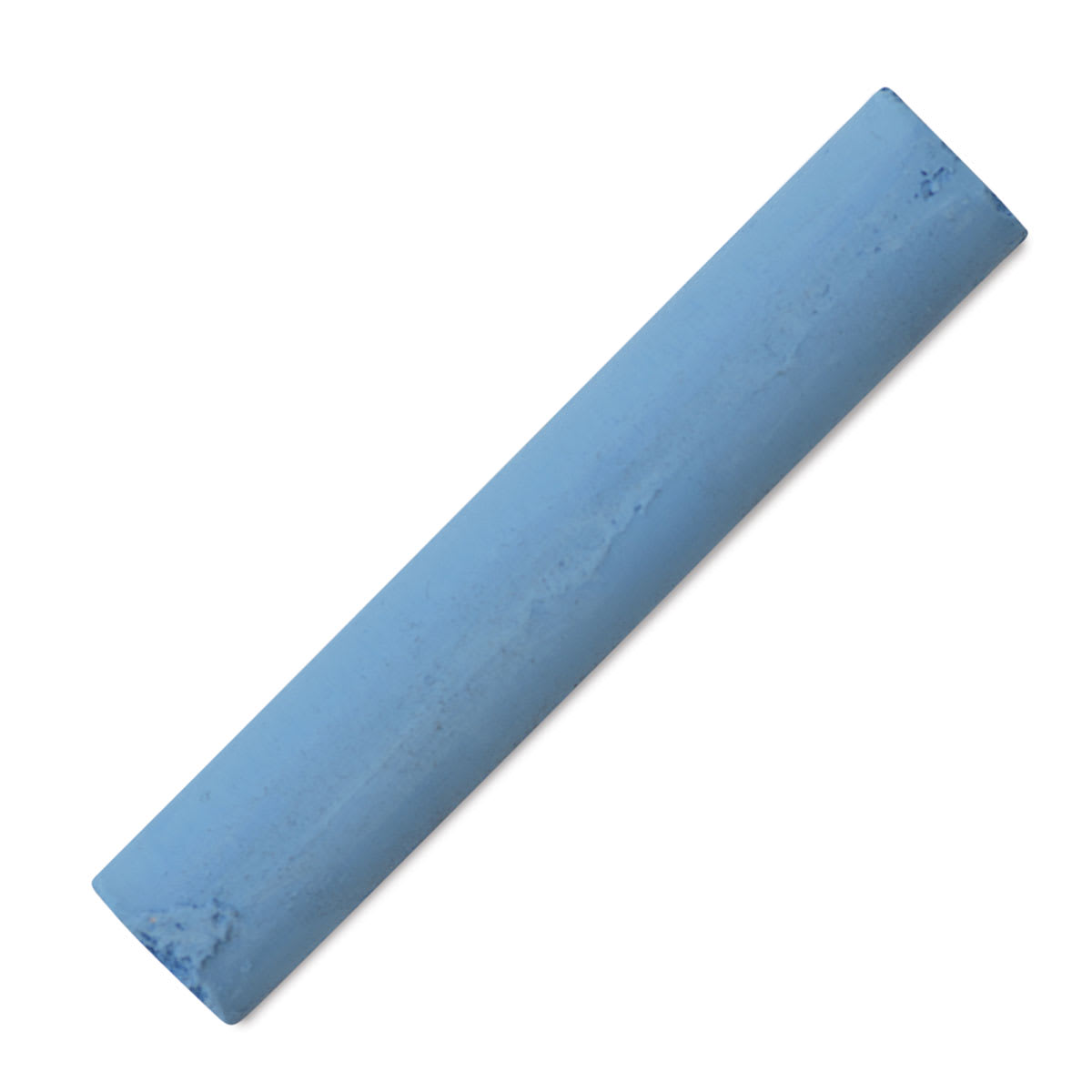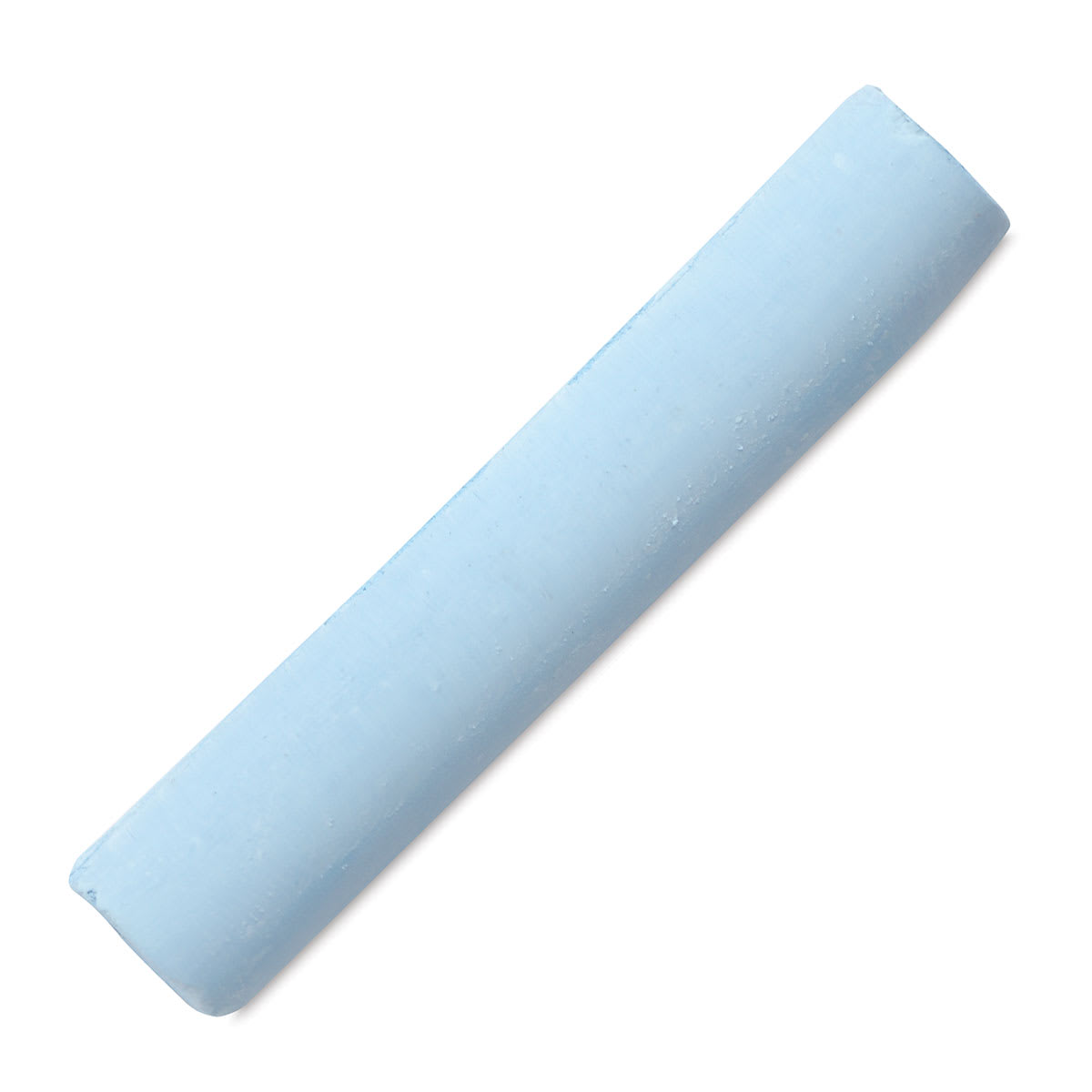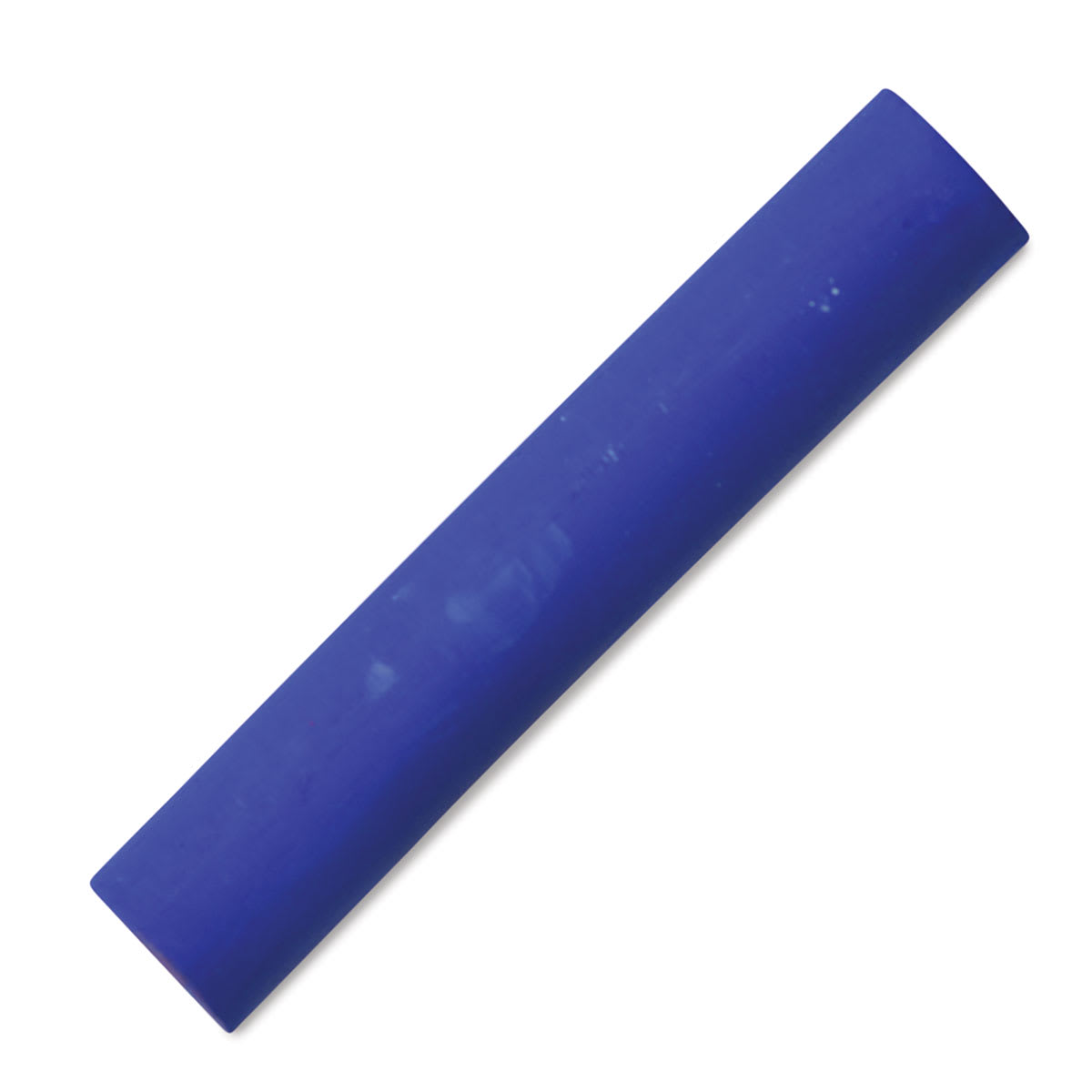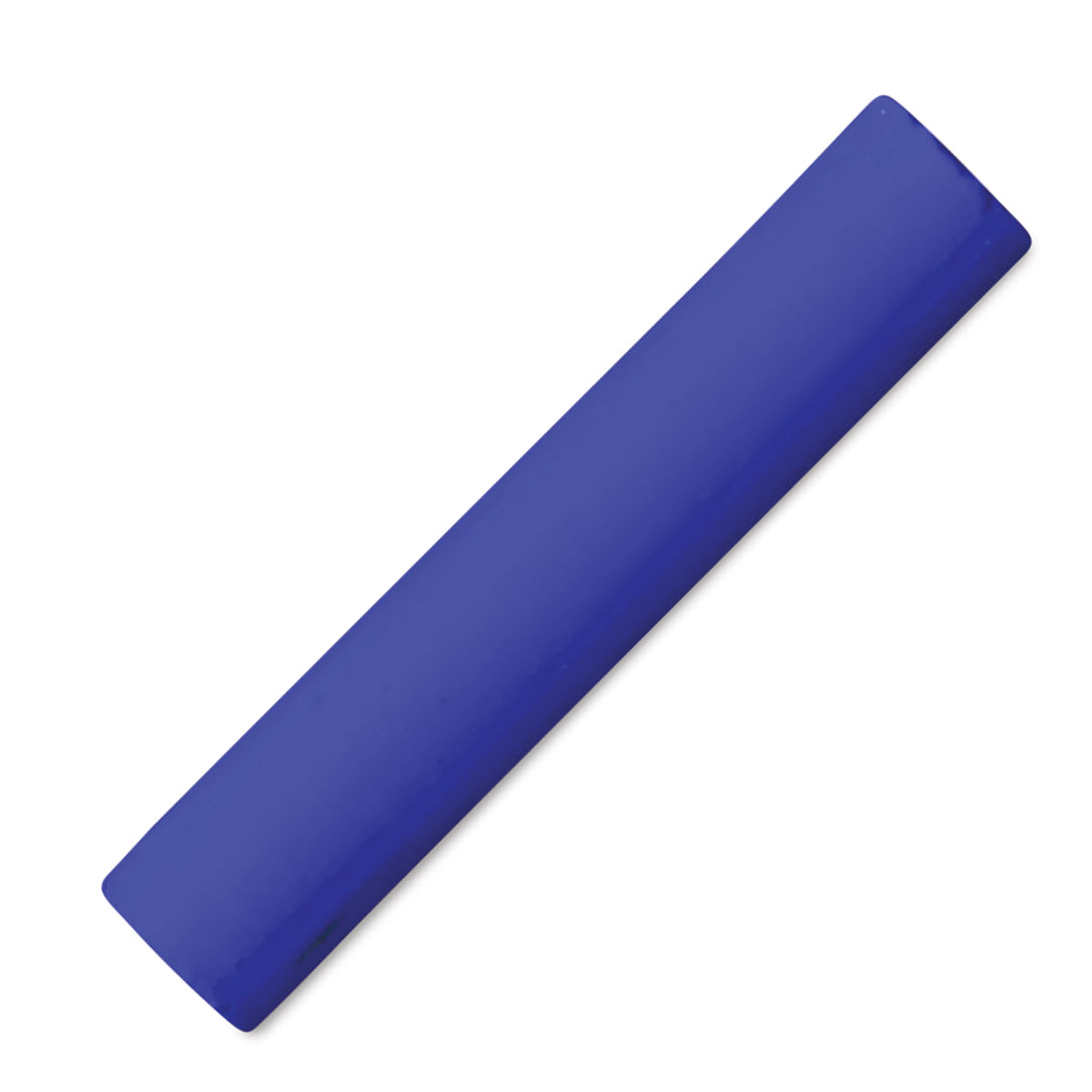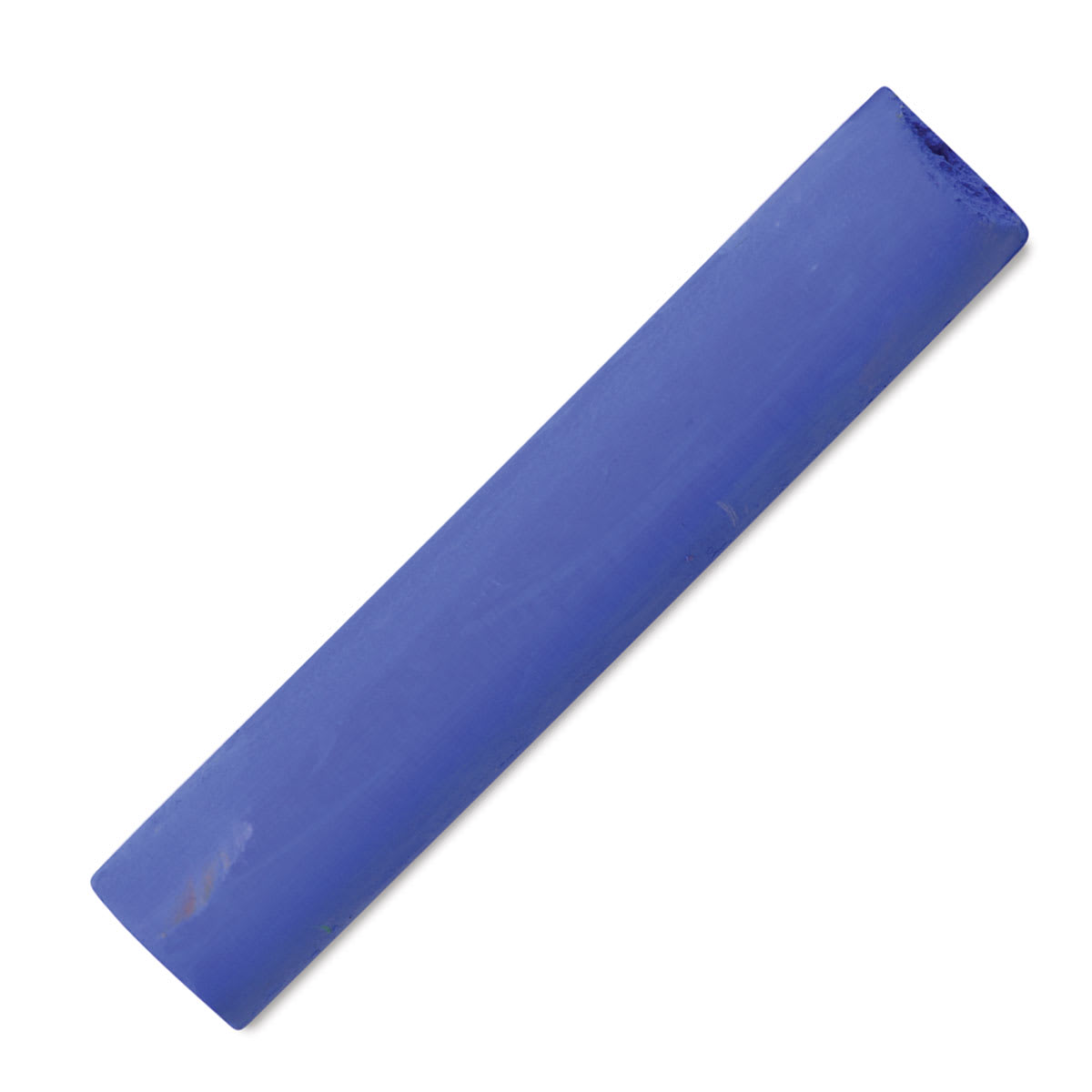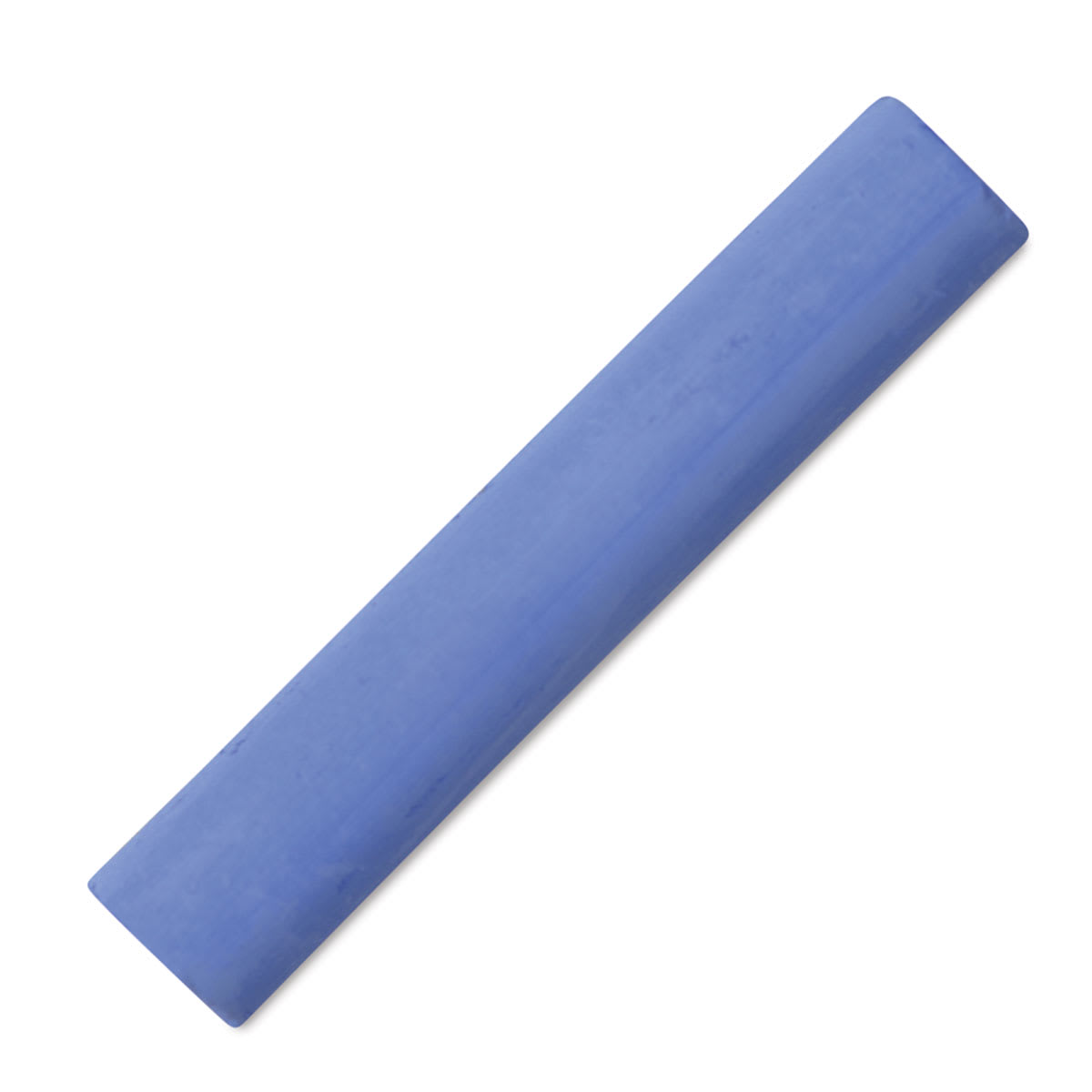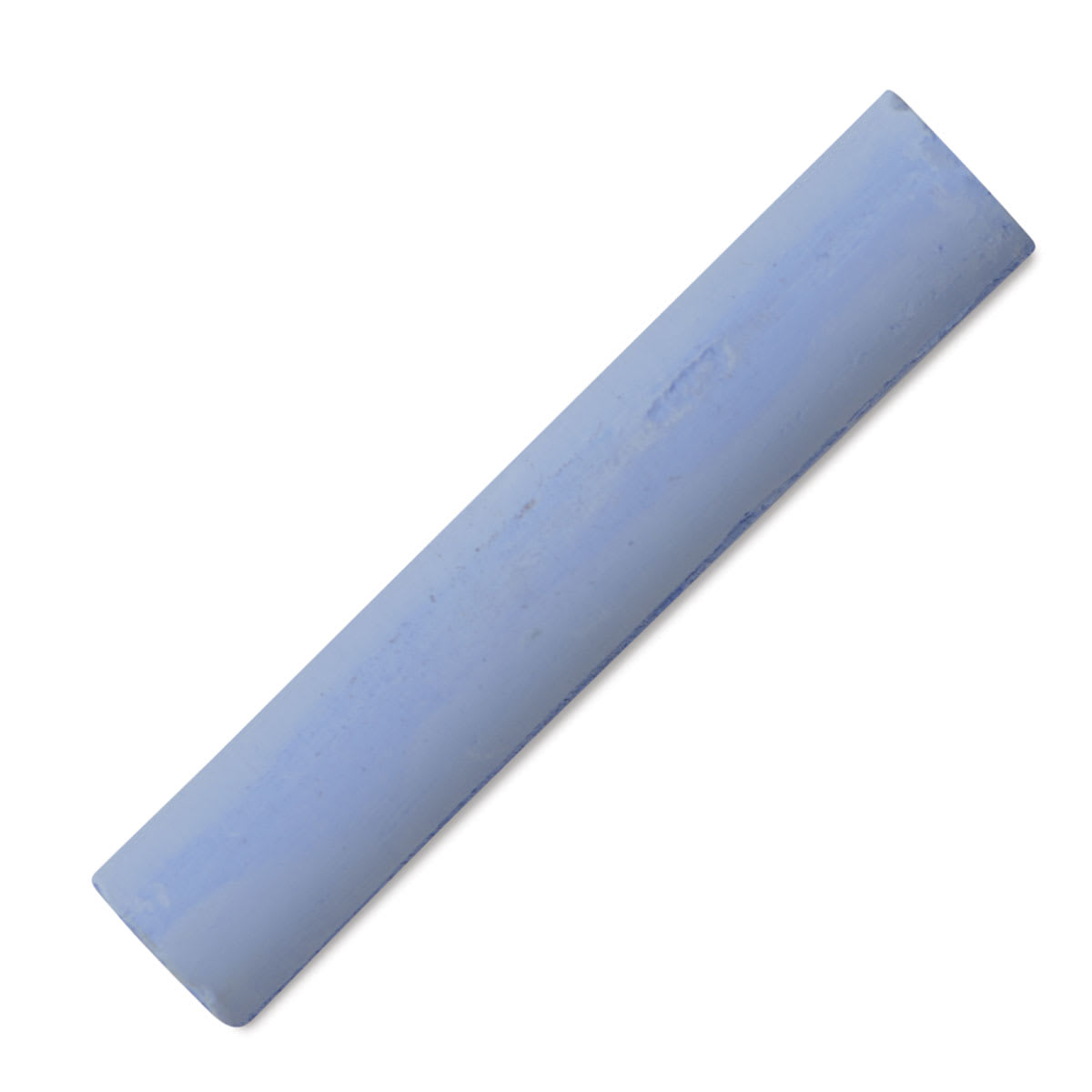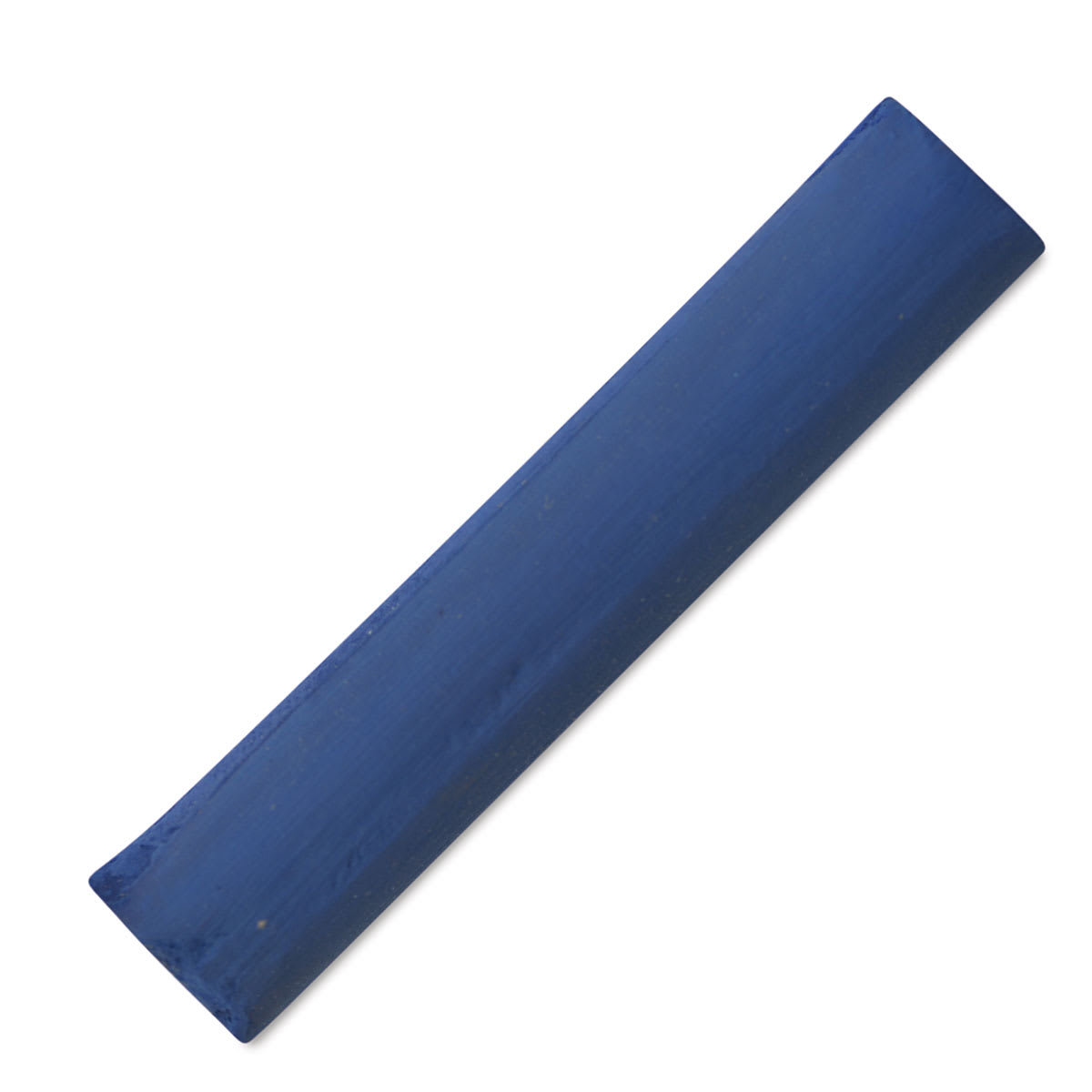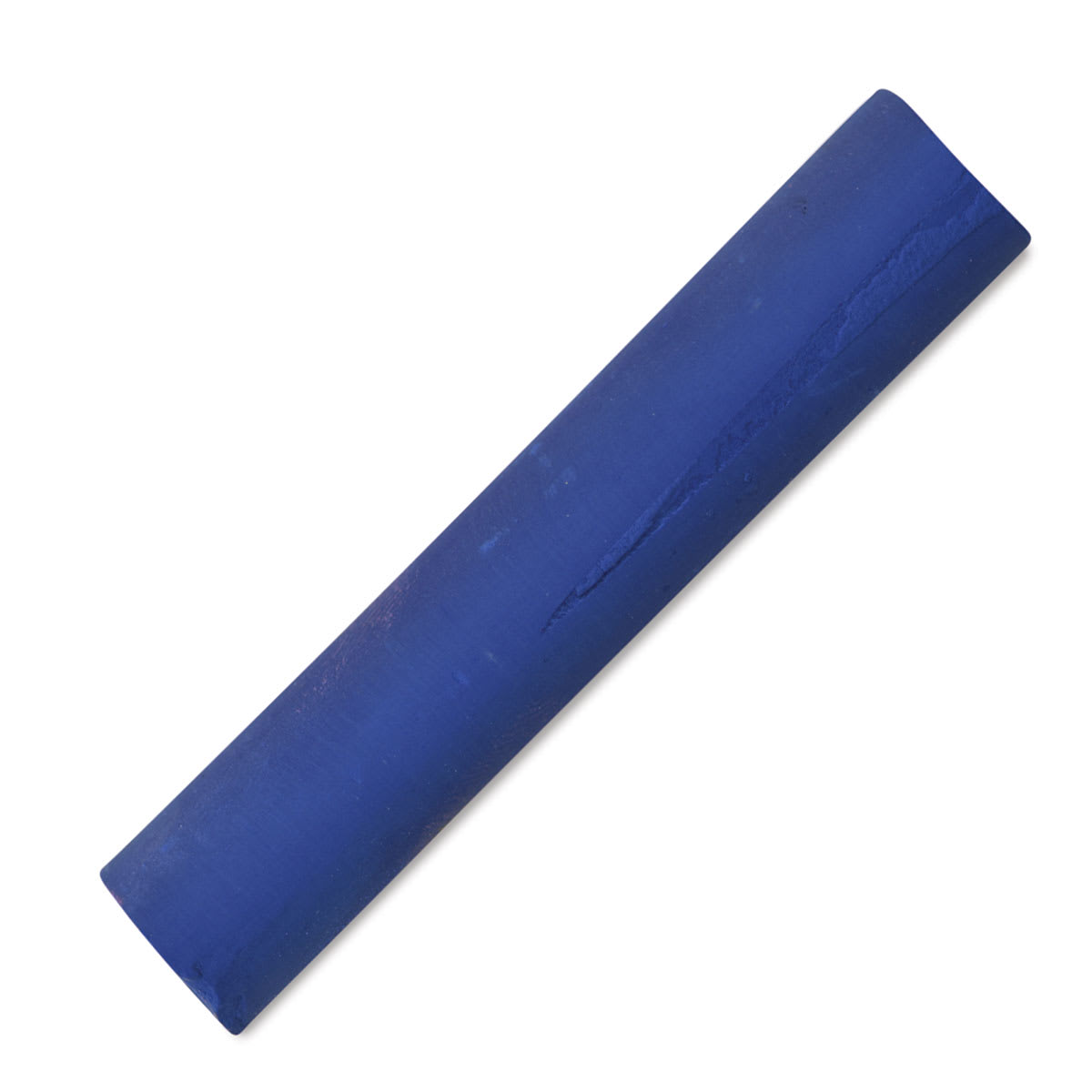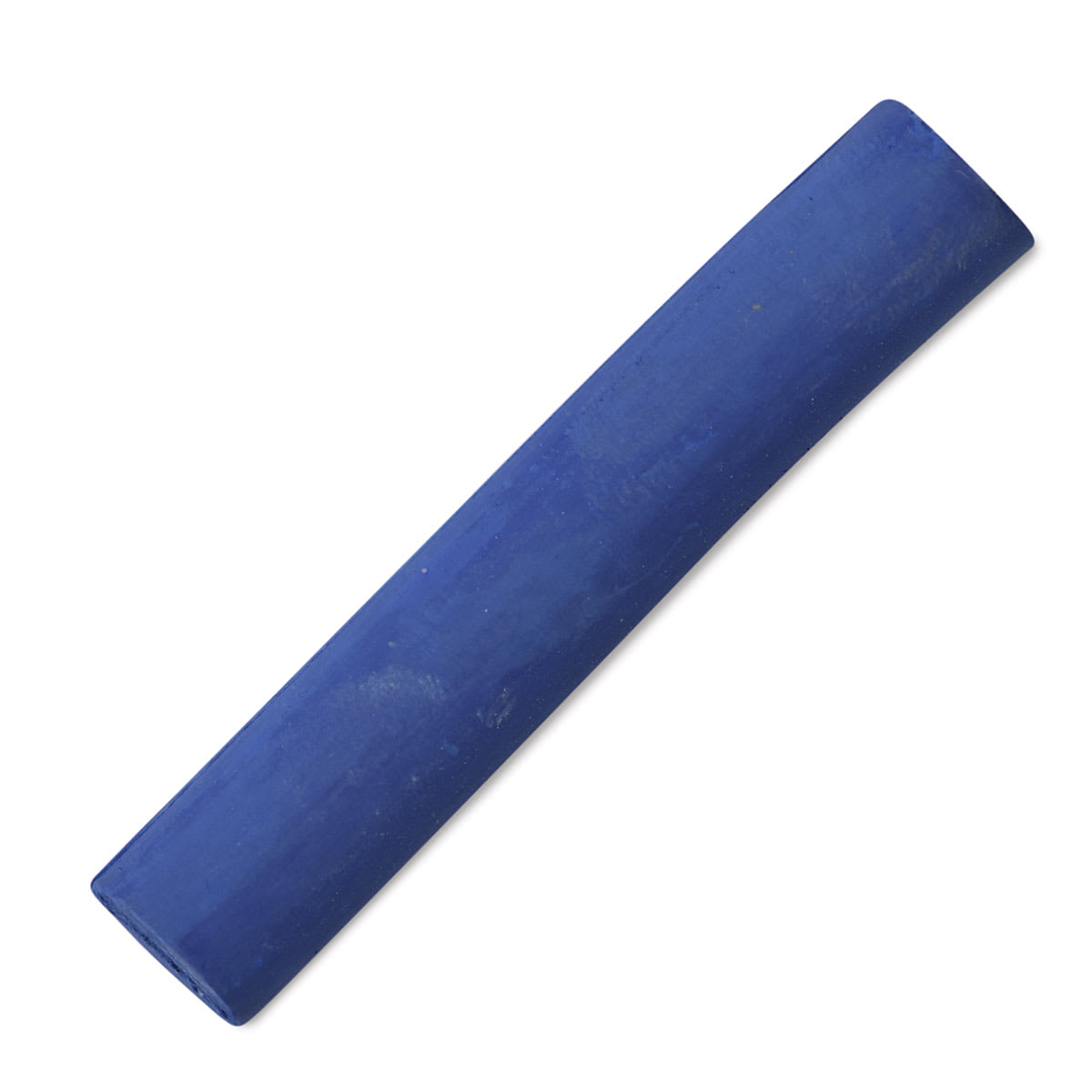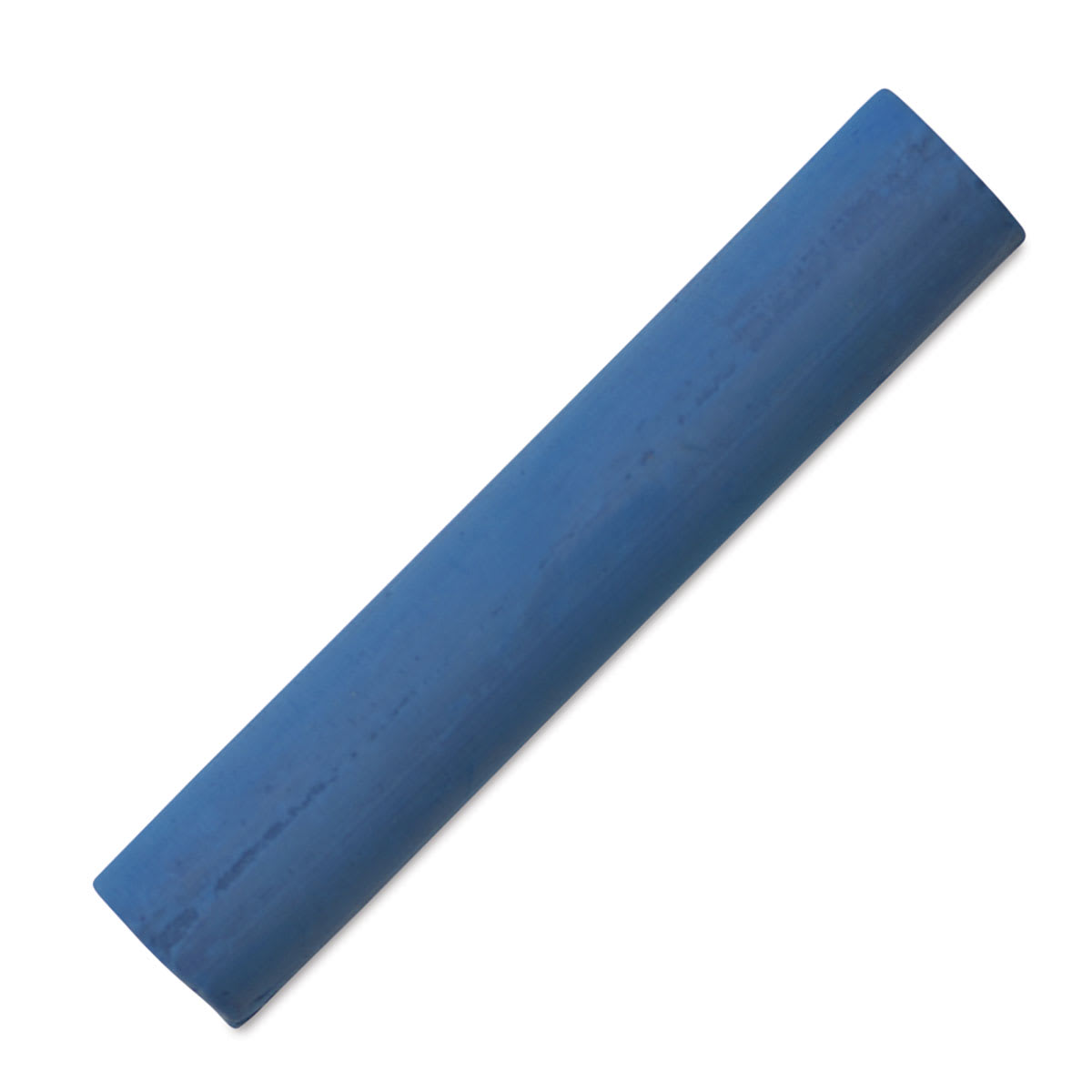
Blockx Soft Pastel - Blockx Blue 503

Soft Pastel

Store price

Listed prices, not live quotes. Check delivery, tax and stock at the shop.

  • Blick Art Materials
    $6.16 USDShop
    Recorded Oct 22, 2026, 12:41 AM UTC

Saving an item to My Stash does not start price monitoring.

Product details
Blick SKU
21918-5503
About this product range

Blockx Soft Pastels are handmade in Belgium using pure pigments in the same tradition started by company founder and chemist Jacques Blockx in 1844. Four subsequent generations of Blockx family members have combined traditional methods with modern chemistry to create artist's colors that are pure, permanent, lightfast, and stable.

Colors are named in such a way as to make it easy for artists to choose the exact shades they need. For example, Apple Green's five shades are: Apple Green 641, Apple Green 642, Apple Green 643, Apple Green 644, and Apple Green 645.

If the color name ends in:

  • 1 — the pure color is upgraded with black
  • 2 — this is the pure color
  • 3 — the pure color is tinted with white
  • 4 — the pure color is tinted with more white
  • 5 — the pure color is tinted with much more white

These watersoluble pastels are soft and velvety in texture, possess a superb tinting strength, and will draw on any surface, although they're best-suited for pastel paper.

Individually wrapped pastel sticks are 2-1/2" L x 1/2" Dia (65 mm x 12 mm).

Pigment information

General reference notes about pigments can describe other media (such as oil). They do not verify this product’s exact formulation or behavior.

Phthalo Blue

Pigment code
PB15:1
Type
organic
Chemical name
alpha copper phthalocyanine
Chemical formula
C32H16CuN8
Properties
Phthalo Blue PB15:1 is a structural variant of Phthalo Blue PB15 that produces more reddish tones.
Permanence
Phthalo Blues are completely lightfast and stable and are permanent for all paint uses. They are currently used in inks, coatings, and many plastics due to their stability and are considered a standard pigment in printing ink and the packaging industry.
Toxicity
Phthalo Blues have no significant hazards, although those made before 1982 contained some PCBs (polychlorinated biphenyls).
History
Developed by chemists using the trade name Monastral Blue, the organic blue dyestuff now known as Phthalo Blue was presented as a pigment in November 1935 in London. Its discovery was accidental. The dark color was observed in a kettle where a dye was being made from a British dyestuff plant. The demand for such a pigment came from commercial printers who wanted a cyan to replace Prussian Blue.
Description
Phthalo Blue Red Shade, Winsor Blue Red Shade

Track this price

New lows for this exact package, across matched retailers.

Loading your account…

Price history

More to explore

Related supplies from the catalog.