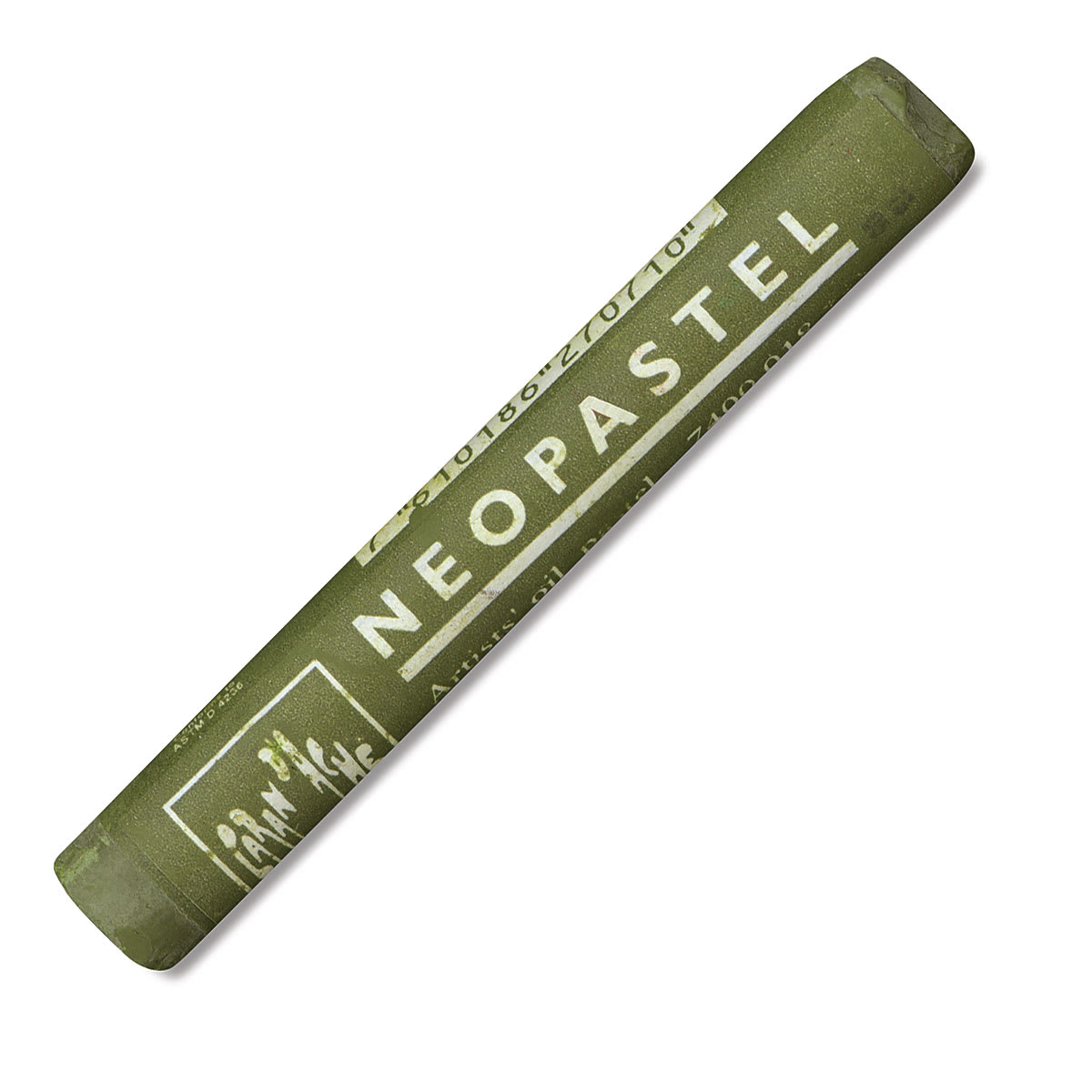
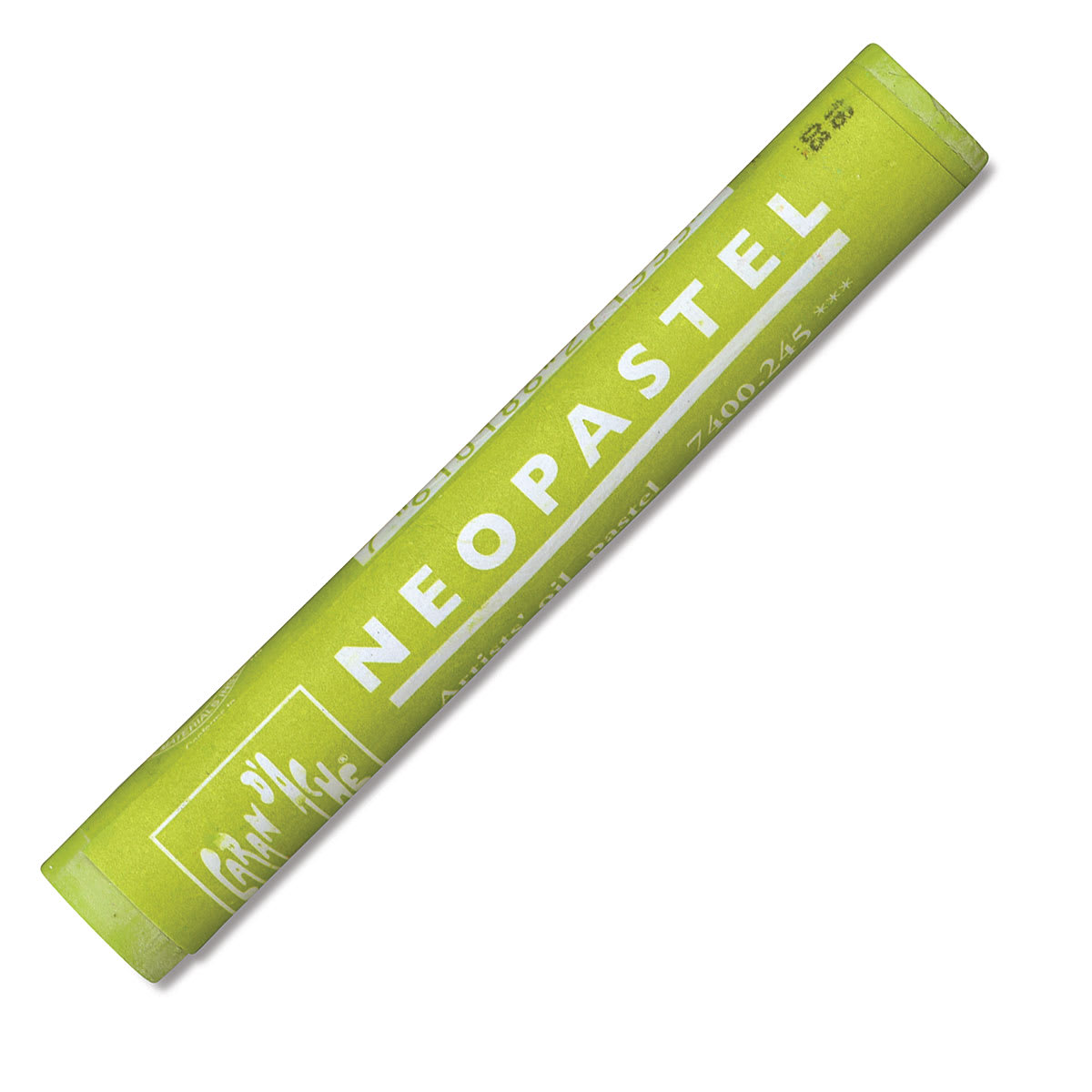
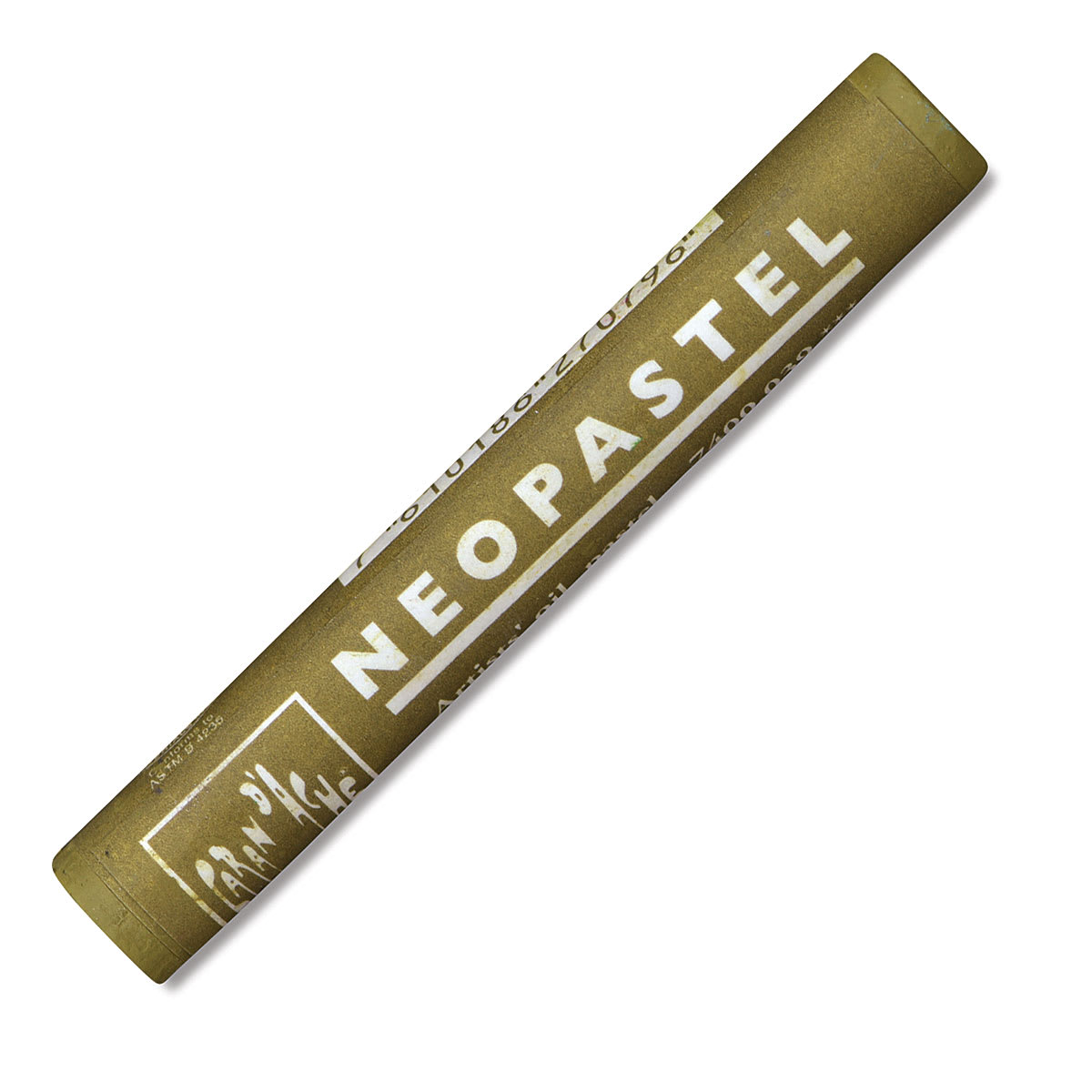
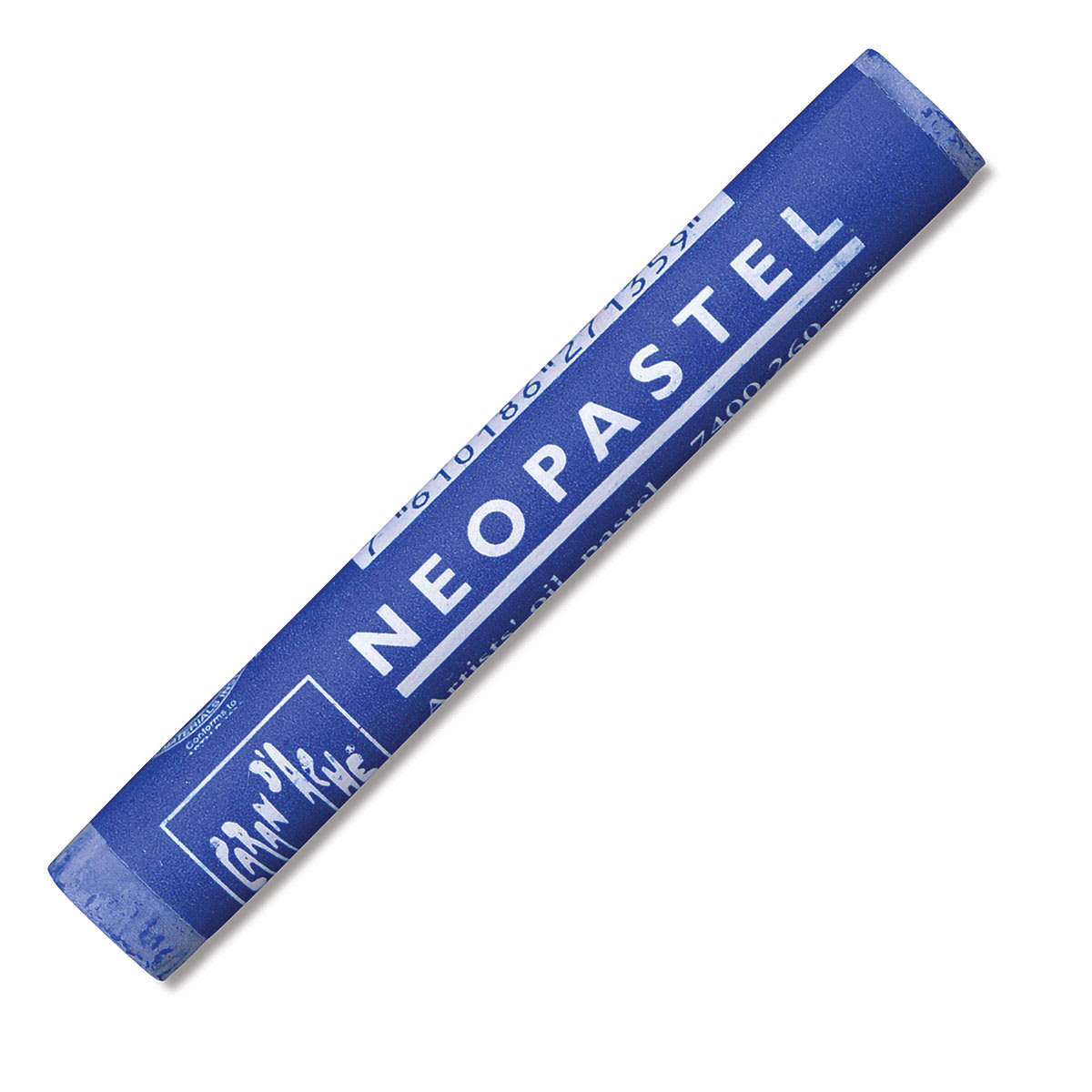
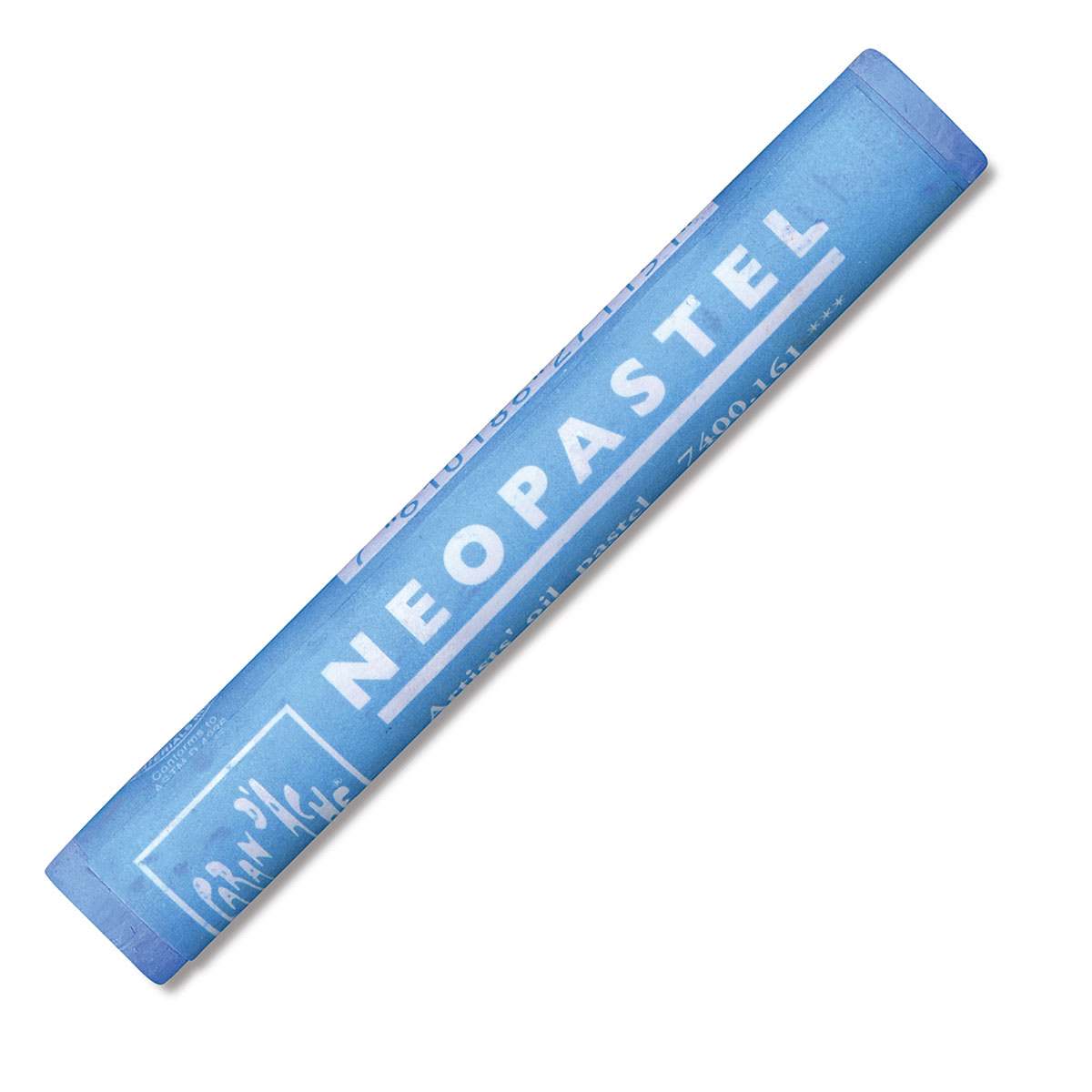
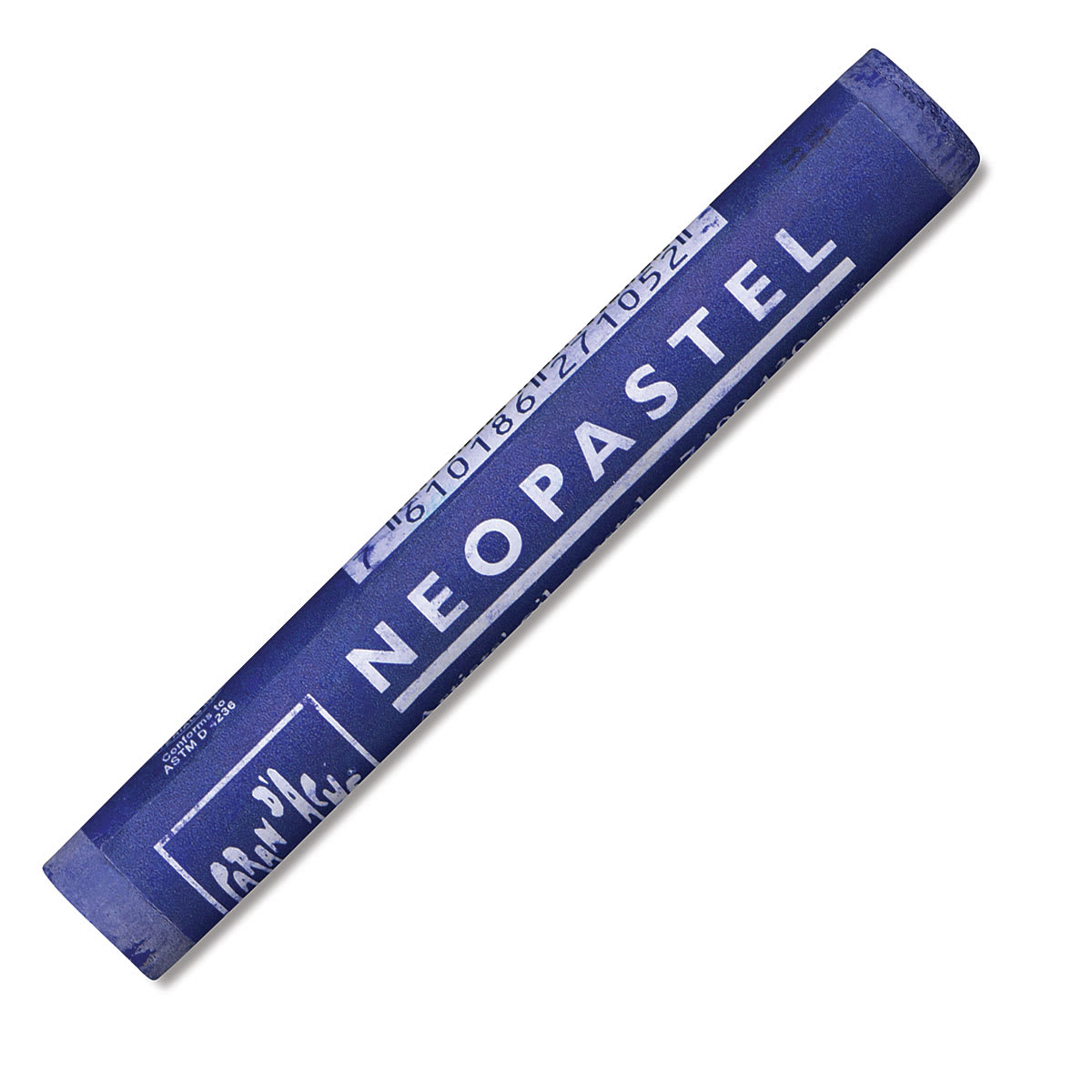
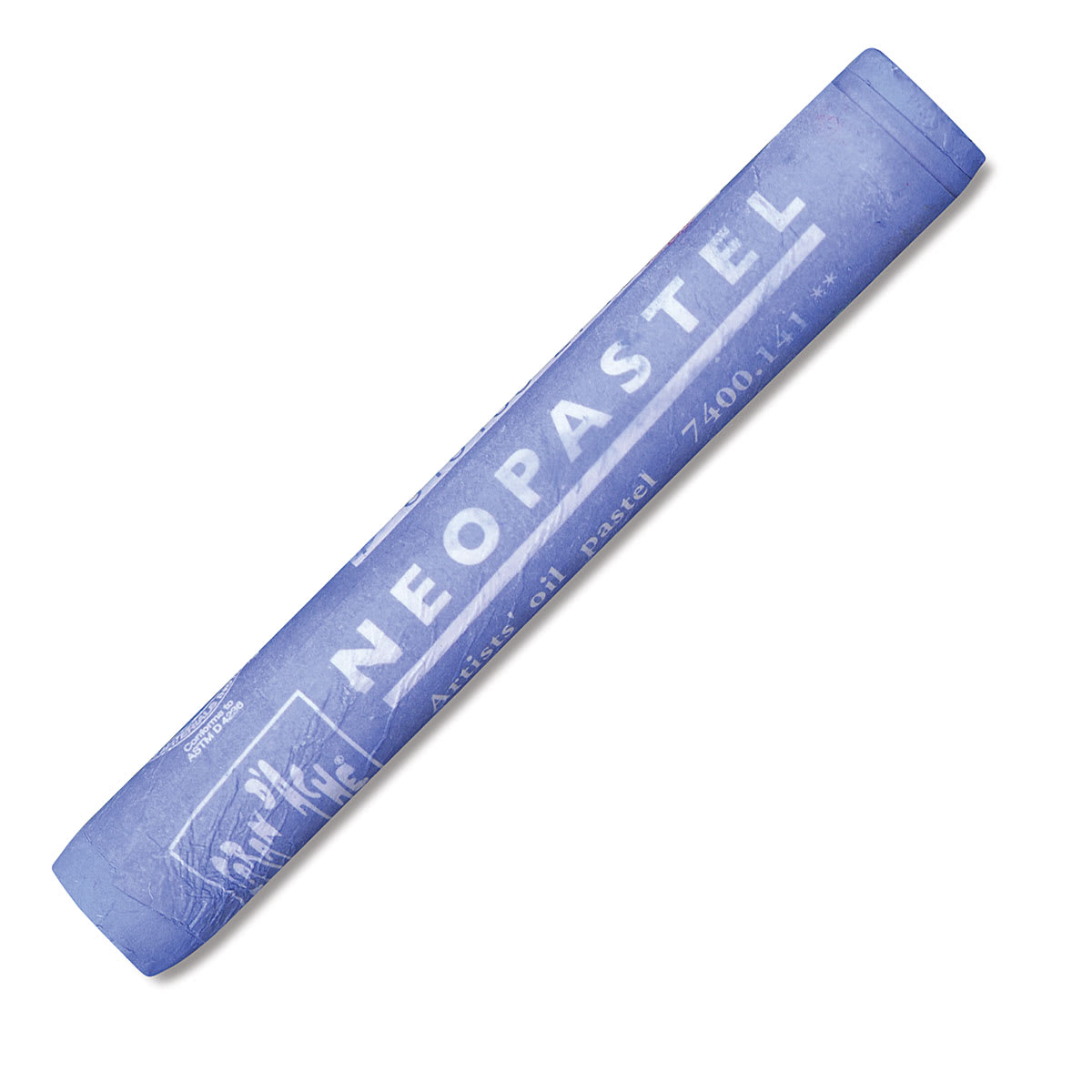
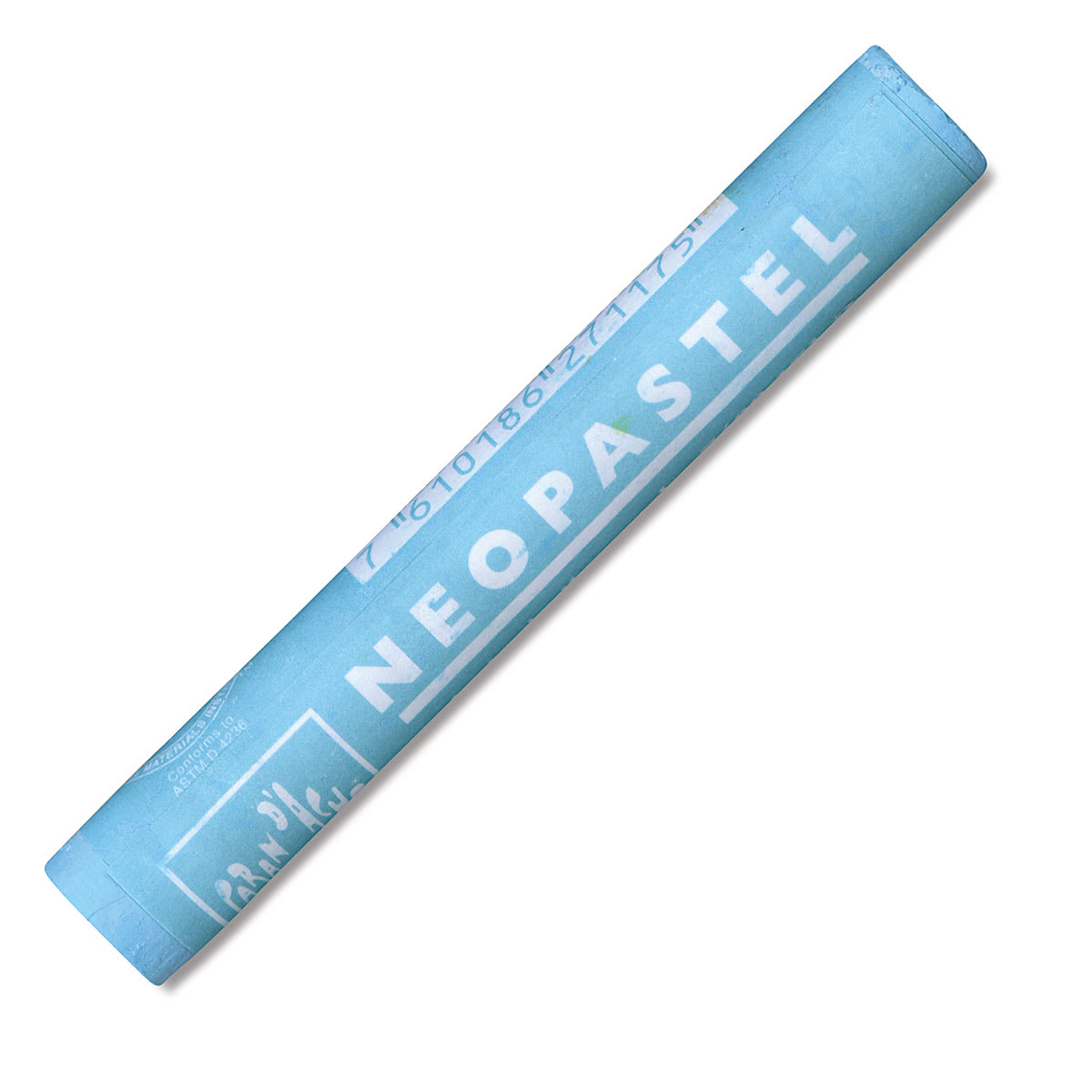
General reference notes about pigments can describe other media (such as oil). They do not verify this product’s exact formulation or behavior.
Benzimidazolone Orange
- Pigment code
- PO62
- Type
- organic, monoazo
- Chemical formula
- C17H13ClN6O5
- Properties
- Benzimidazolone Orange is a staining, yellowish orange pigment that can become dull in tints. It has an average drying time, and it loses some of its intensity as it dries. The yellowish orange varieties are more transparent.
- Permanence
- Benzimidazolone Orange has excellent lightfastness and outstanding heat and solvent stability for a monoazo pigment.
- Toxicity
- Benzimidazolone Orange is not considered toxic.
- History
- The benzimidazolone group of pigments was developed and patented in 1960 by Hoechst A.G., a German chemical manufacturer that was a forerunner of the pharmaceutical company Aventis. Use of benzimidazolone pigments in the auto industry, especially Benzimidazolone Orange, became common in the 1980s because they were common replacements for lead chromate pigments, which were phased out during this period.
- Description
- Permanent Orange, Benzimida Orange
Hansa Yellow G
- Pigment code
- PY1
- Type
- organic, monoazo
- Chemical formula
- C17H16N4O4
- Properties
- This Hansa yellow is a transparent yellow. It has great brightness and tinting strength and its drying time ranges from average to slow. Hansa Yellow makes more intense tints and cleaner secondaries than Cadmium Yellows, especially when mixed with other organic or modern colors like Phthalo Blue and Green. Because they are more transparent, they have great value as glazing colors.
- Permanence
- Hansa Yellow G has good permanence and lightfastness, particularly in the lighter shades.
- Description
- Light Fast Yellow G, Pigment Yellow G, Arylide, Arylide Yellow, Azo Yellow, Brilliant Yellow, Monoazo Yellow, Monolite Yellow, Permanent Yellow.
Benzidine Yellow
- Pigment code
- PY13
- Type
- organic
- Permanence
- Benzidine Yellow has good lightfastness.
Lamp Black
- Pigment code
- PBk6
- Type
- inorganic
- Chemical name
- carbon
- Chemical formula
- C
- Properties
- Lamp black is a very opaque, heavily staining black pigment that does not have much covering power. It is typically the most opaque black in watercolor form. Though a very pure black, it tends to muddy slightly in mixtures, is one of the slowest drying pigments in oils, and should not be used under other colors.
- Permanence
- Lamp Black is very lightfast and absolutely permanent. It is used in all techniques in permanent painting.
- Toxicity
- Lamp Black is slightly toxic by skin contact and inhalation. It is a possible human carcinogen.
- History
- Lamp Black is a carbon based black traditionally produced by collecting soot (known as lampblack) from oil lamps. It is the black found in Egyptian murals and tomb decorations and was the most popular black for frescoing until the development of Mars Black.
- Description
- Carbon Black, Channel Black, Oil Black, Vegetable Black. Flame Black is an impure version of Lamp Black.
 Blick Art Materials