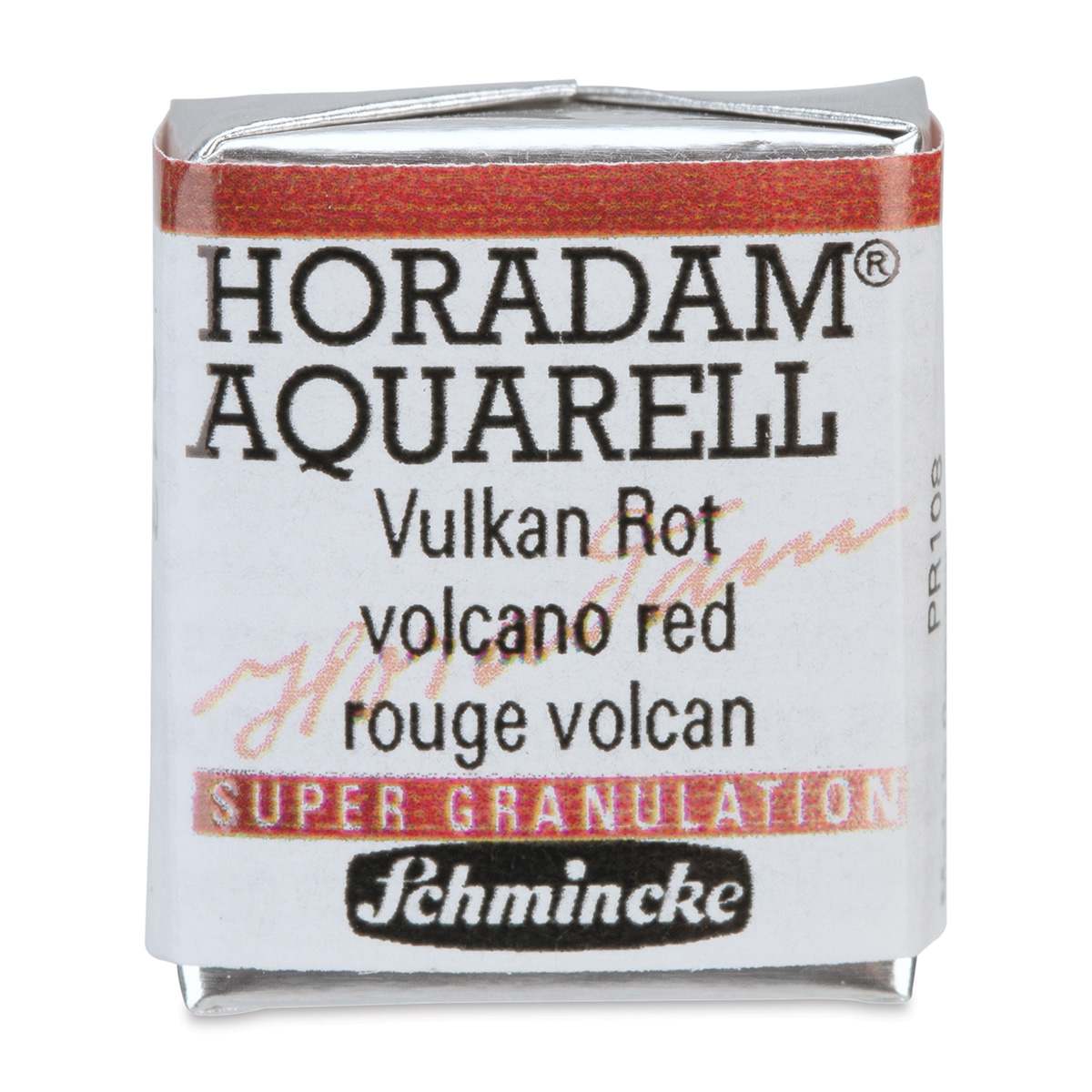
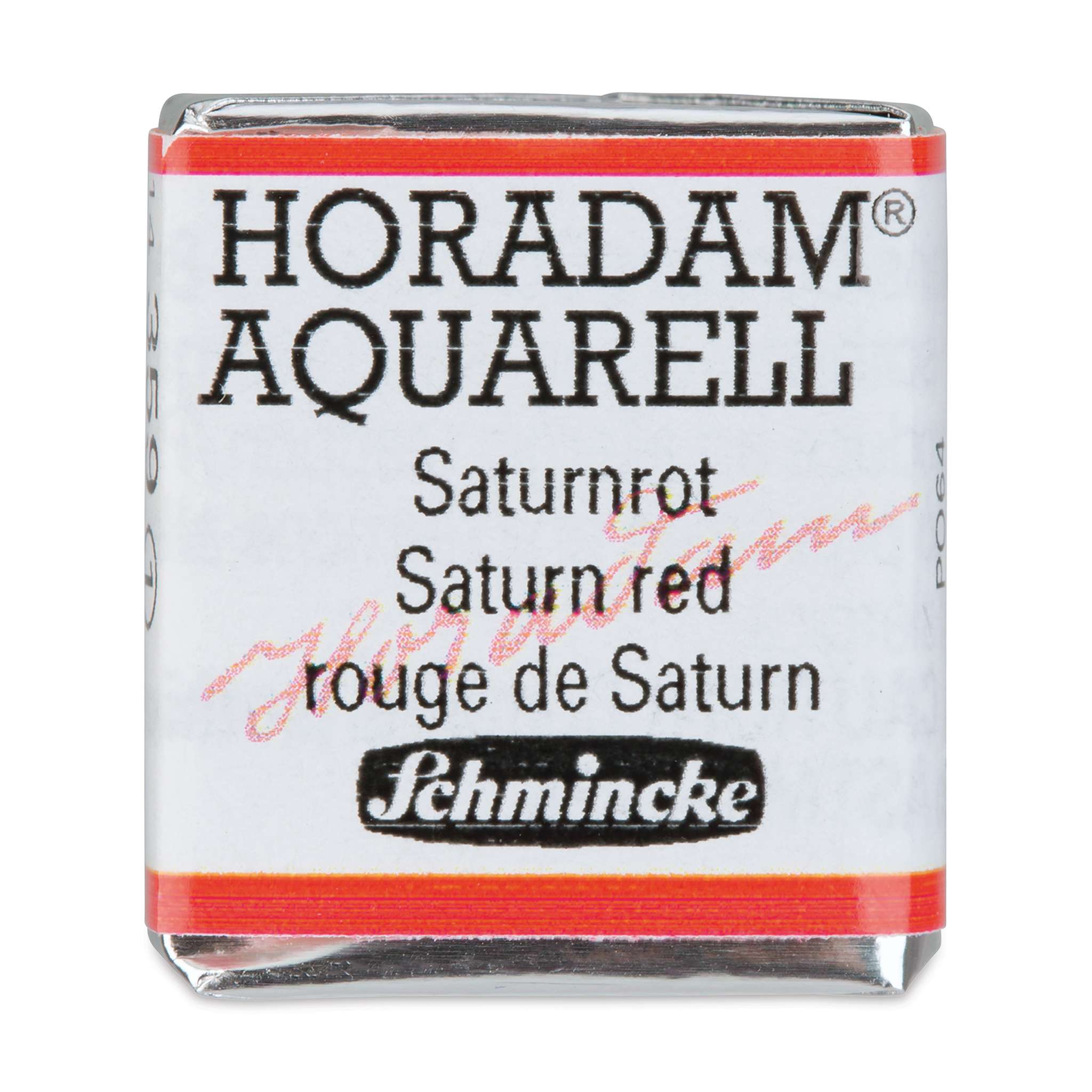
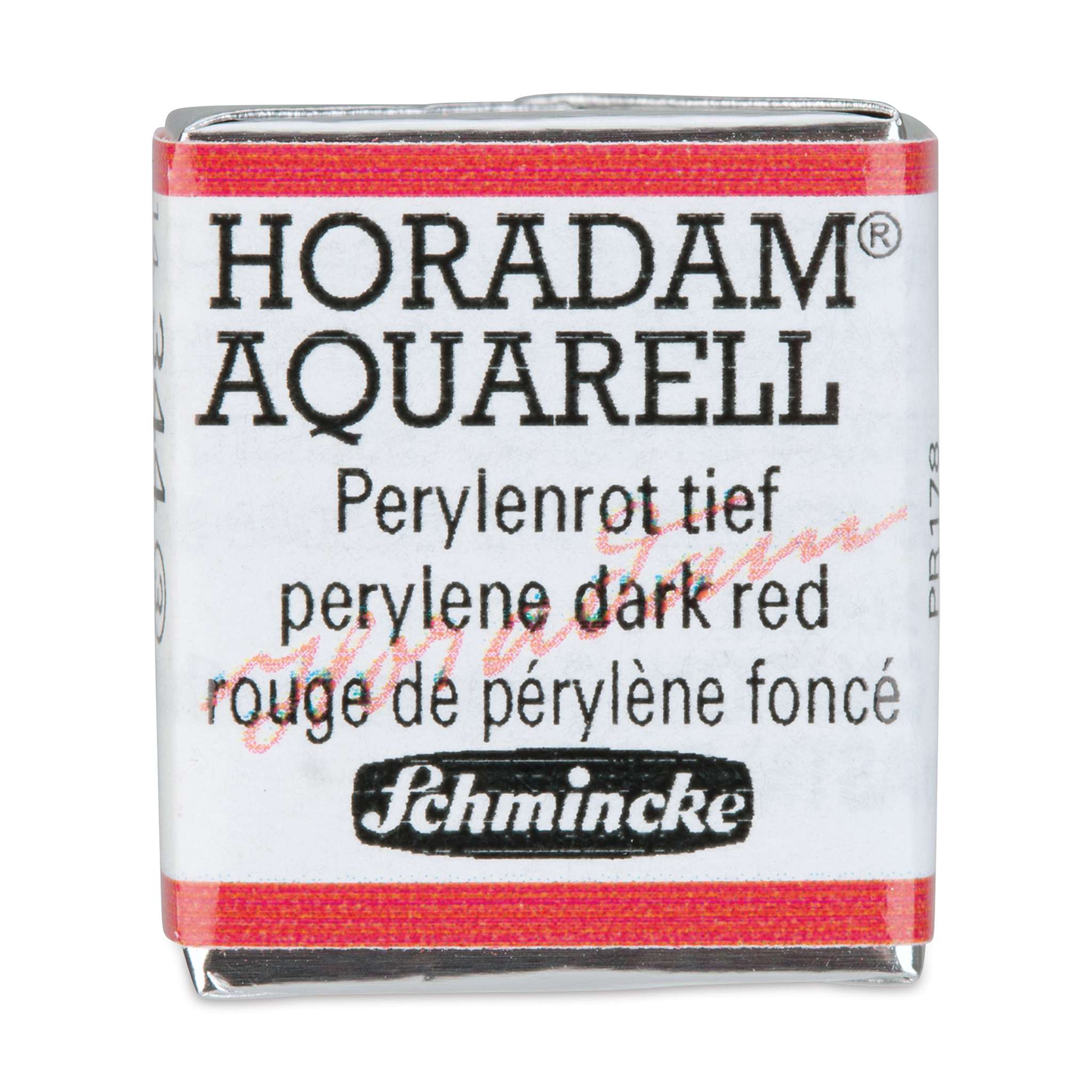
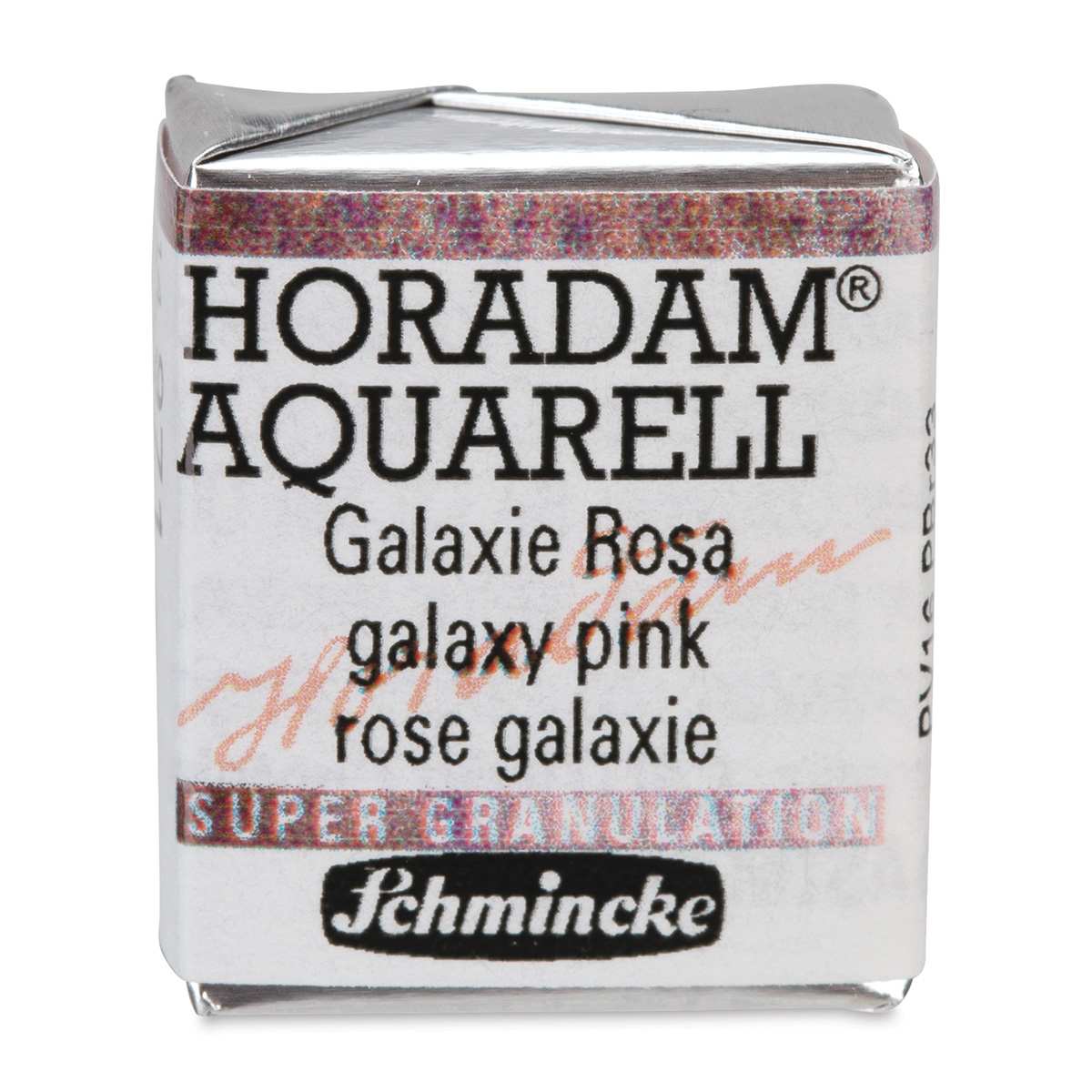
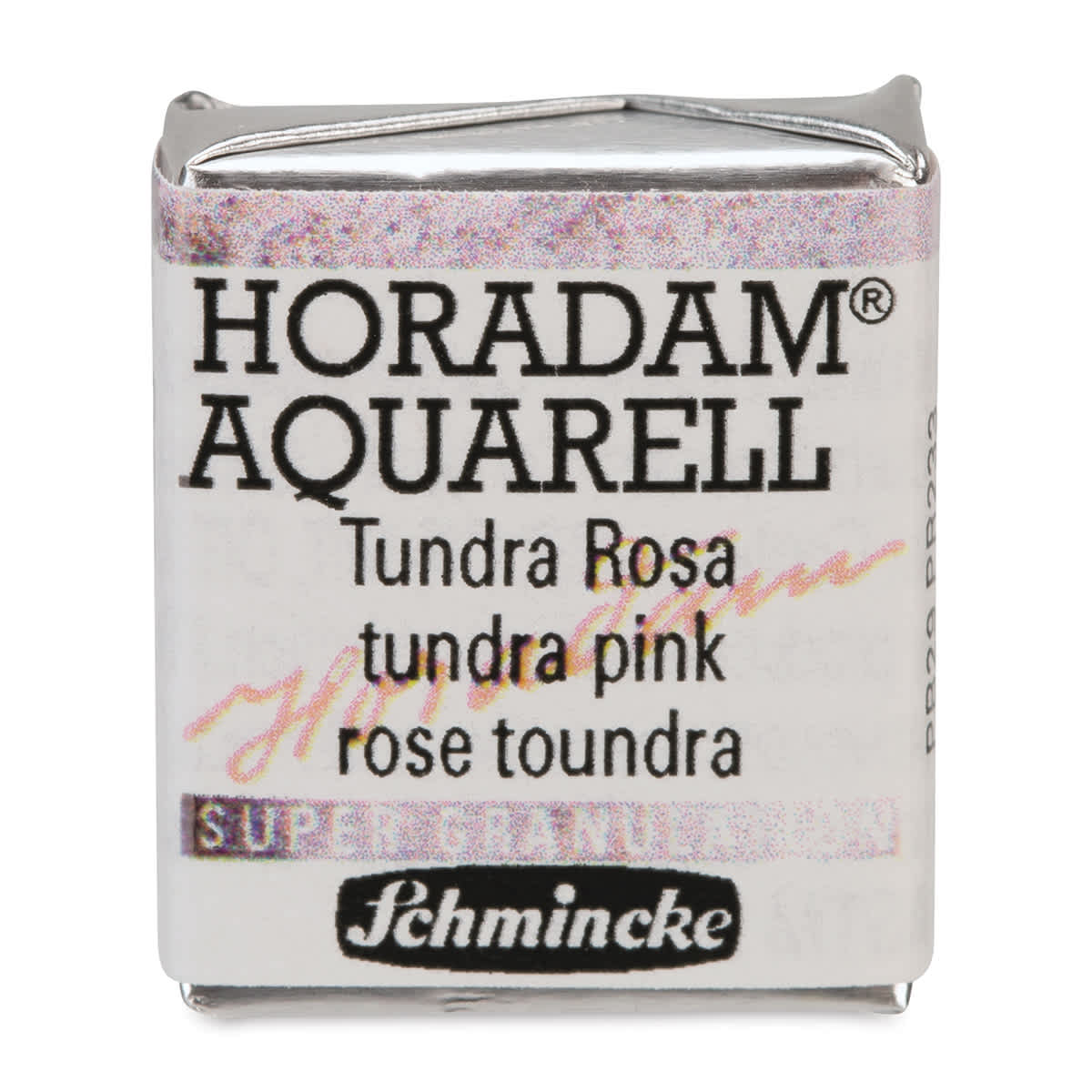
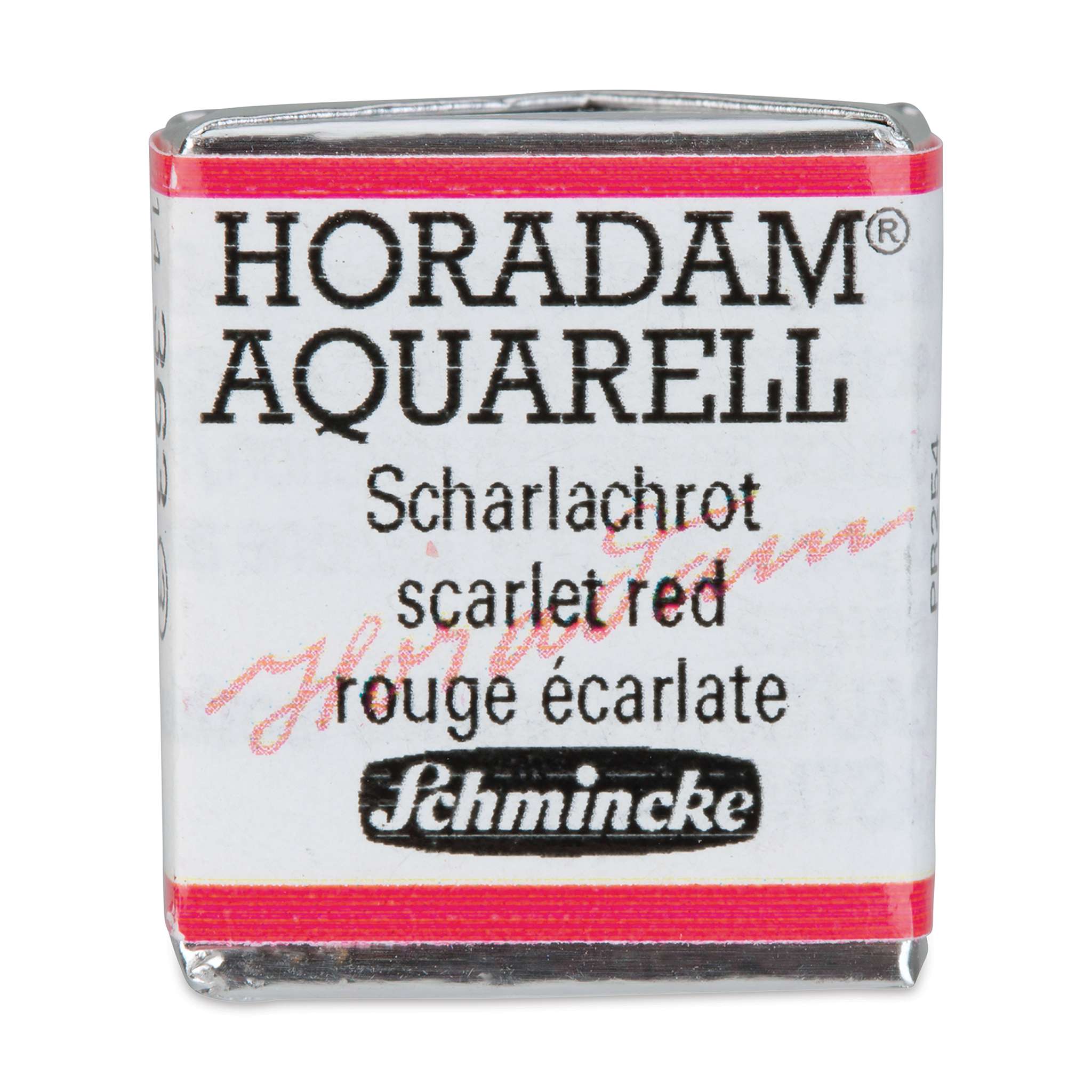
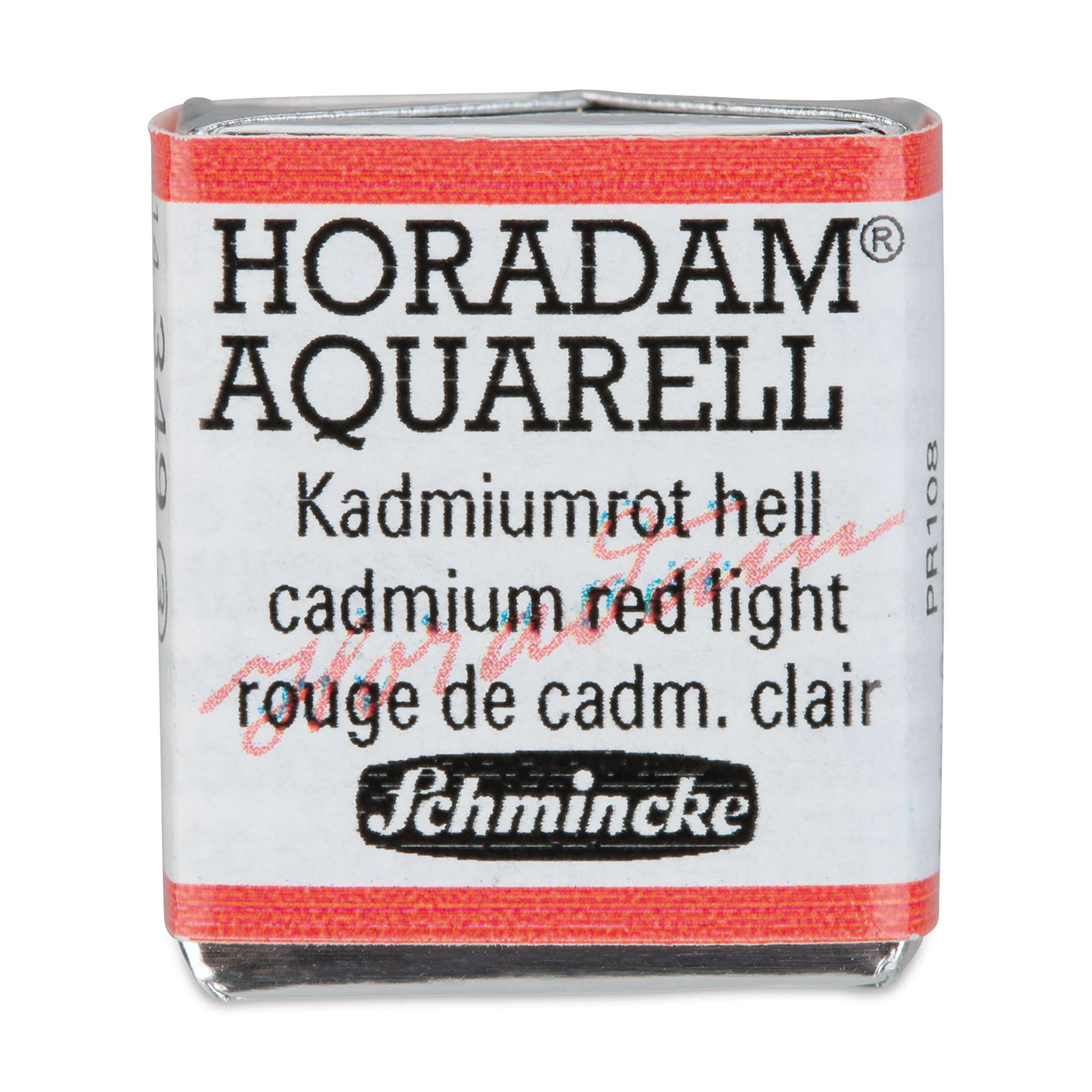
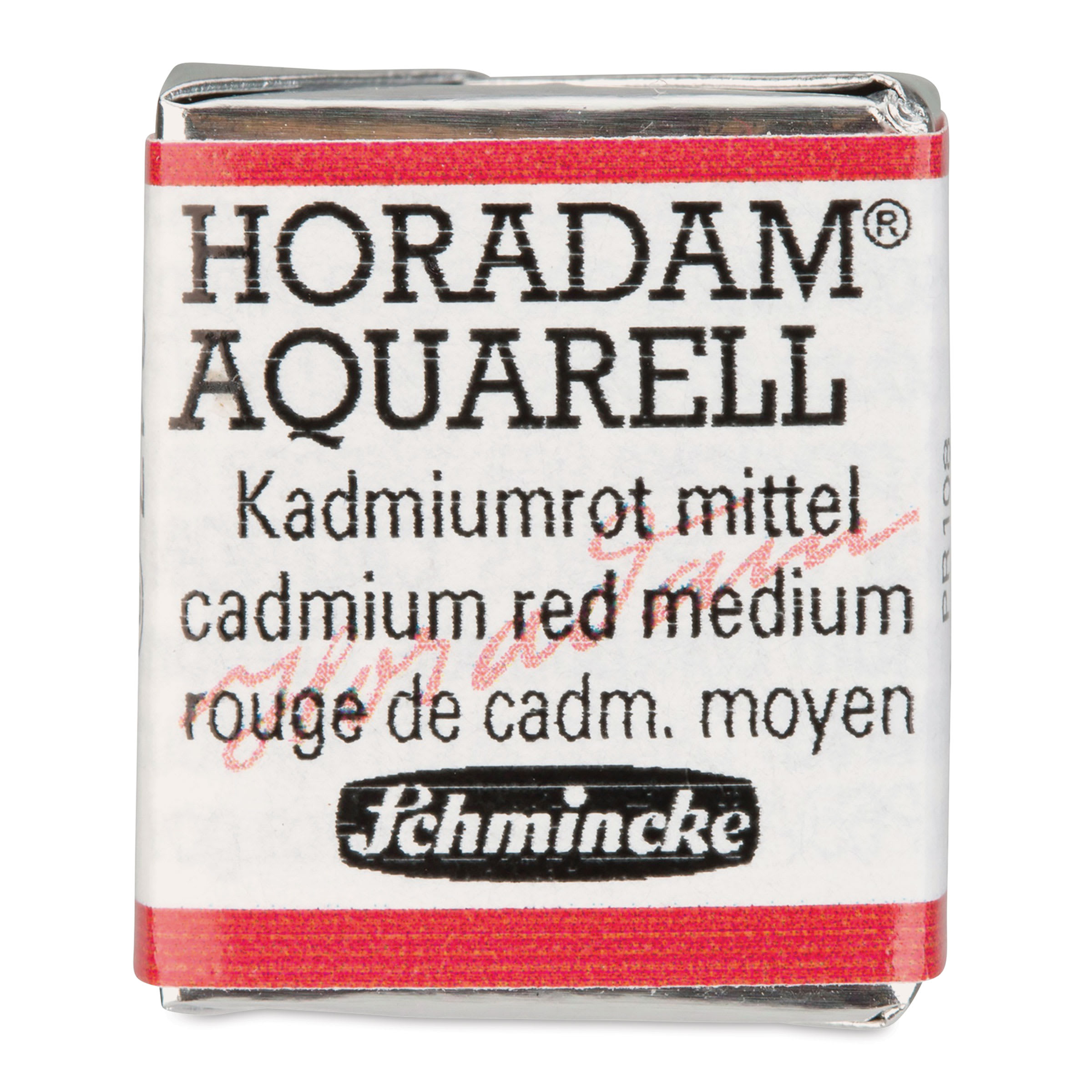
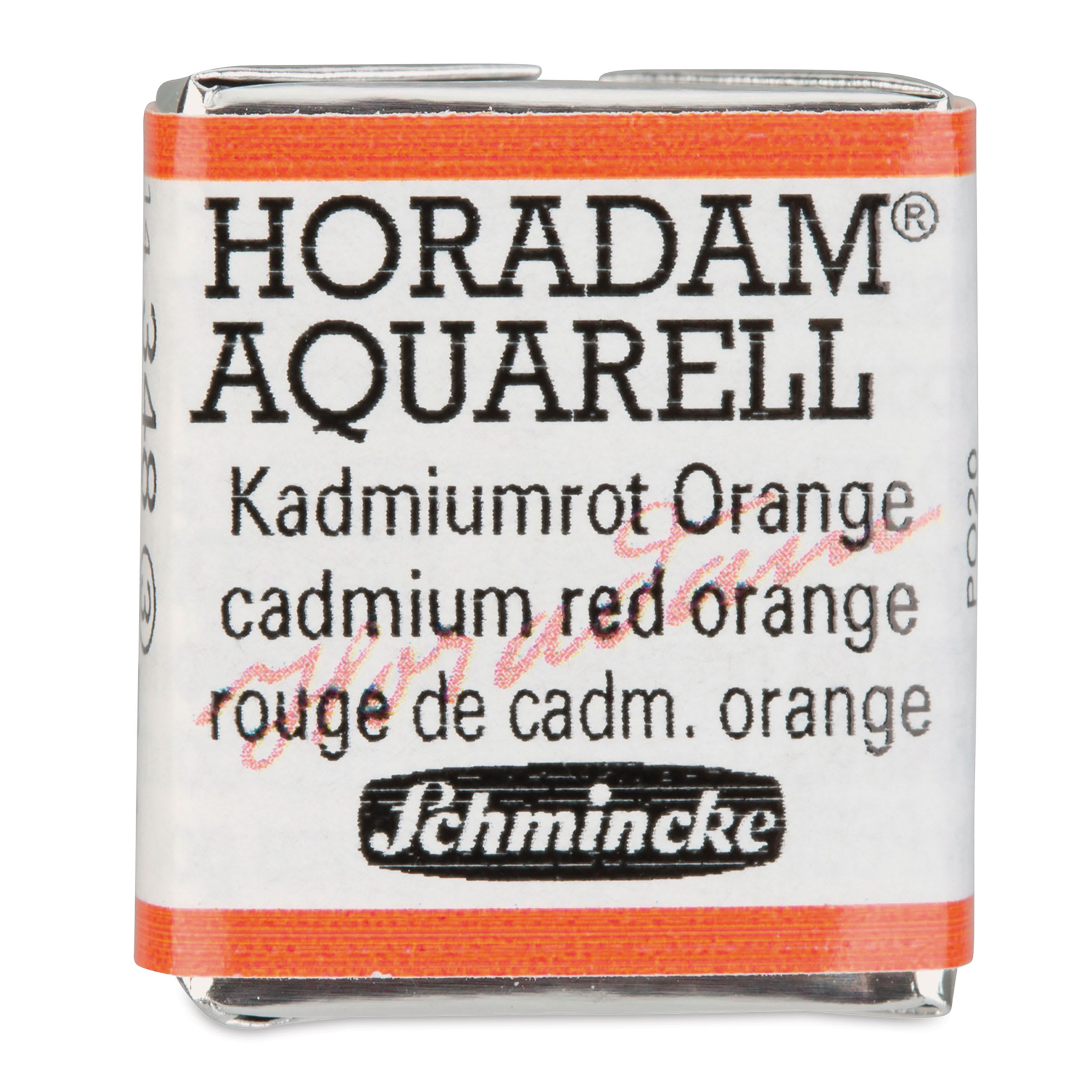
General reference notes about pigments can describe other media (such as oil). They do not verify this product’s exact formulation or behavior.
Cadmium Red
- Pigment code
- PR108
- Type
- inorganic, cadmium
- Chemical name
- cadmium sulfide and cadmium selenide
- Chemical formula
- CdS x CdSe
- Properties
- Cadmium Red is a bright, warm red that ranges in shade from orange-red to maroon and is available in light, medium, and dark versions. It is strong and opaque, with good tinting strength. Cadmium Red dries slowly. It grays down when mixed with white, mixes well with blues to create a range of browns, and mixes well with Cadmium Yellow to create a strong orange. It also works well in neutral mixes. Cadmium pigments have been partially replaced by azo pigments, which are similar in lightfastness to the cadmium colors, cheaper, and non-toxic. Hues vary by brand. Cadmium Red is usually available in either a pure grade or a cadmium-barium mix. The cadmium-barium mix has the same permanence as pure Cadmium Red, but it has a lower tinting strength.
- Permanence
- Cadmium Red is lightfast and permanent in most forms, but like many cadmium pigments, it will fade in fresco or mural painting. Its improved lightfastness has helped it to replace Vermilion on the artist’s palette.
- Toxicity
- Cadmium Red is a known human carcinogen. It is extremely toxic if inhaled and slightly toxic if ingested.
- History
- Cadmiums get their names from the Latin word cadmia meaning zinc ore calamine, and the Greek word kadmeia, meaning Cadmean earth, first found near Thebes, the city founded by the Phoenician prince Cadmus. Metallic cadmium was discovered in 1817 by Friedrich Strohmeyer, but Cadmium Red was not introduced until 1907 in Germany.
- Description
- Cadmium Scarlet, Selenium Red.
Cerulean Blue
- Pigment code
- PB35
- Type
- inorganic
- Chemical name
- cobalt(II) stannate
- Chemical formula
- CoO n SnO2
- Properties
- Cerulean Blue is the standard cool blue, considered the traditional counterpart to Ultramarine, and is often used for painting atmospheric shades. It is quick drying and retains its color well, better than any other blue, in oil paint form. However, it tends to granulate or become chalky in watercolors. It has limited hiding power, is semi-opaque, and is easy to control. Its tinting capacity is low, so it can become lost when mixing.
- Permanence
- Cerulean Blue has excellent permanence. It is very stable and lightfast.
- Toxicity
- Cerulean Blue is moderately toxic if inhaled or ingested and slightly toxic if it comes into contact with skin.
- History
- The name Cerulean Blue comes from the Latin word caelum, meaning sky. This pigment was discovered in 1805 by Andreas Hopfner, but it was not widely available until introduced by Messrs. G. Rowney & Co. in England under the name coeruleum in 1860 for use in aquarelle and oil painting. It was produced by the action of heat on cobalt oxide and other metallic bases.
- Description
- Bleu Celeste, Caeruleum, Coelin, Coeruleum.
Mars Brown
- Pigment code
- PBr6
- Chemical name
- iron oxide
- Chemical formula
- Fe2O3
- Properties
- Mars Brown has similar general properties to the pure red oxides, and it is often a mix of synthetic forms of oxides such as PY42, PR101, and PBk11. Its tinting strength is low, and it dries quickly. Hues vary based on manufacturer.
- Permanence
- Mars Brown has excellent permanence and lightfastness, with outstanding resistance to chemicals, heat, and weather.
- Toxicity
- Mars Brown is not considered toxic, although care should be taken not to breathe its dust.
- History
- Unknown.
- Description
- Brown Iron Oxide.
Zirconium Praesodymium Yellow
- Pigment code
- PY159
- Type
- inorganic
- Chemical name
- zirconium, silica, praseodymium oxide
- Properties
- This greenish yellow pigment is temperature stable and is used for coloring enamels, glazes, and ceramics.
 Blick Art Materials