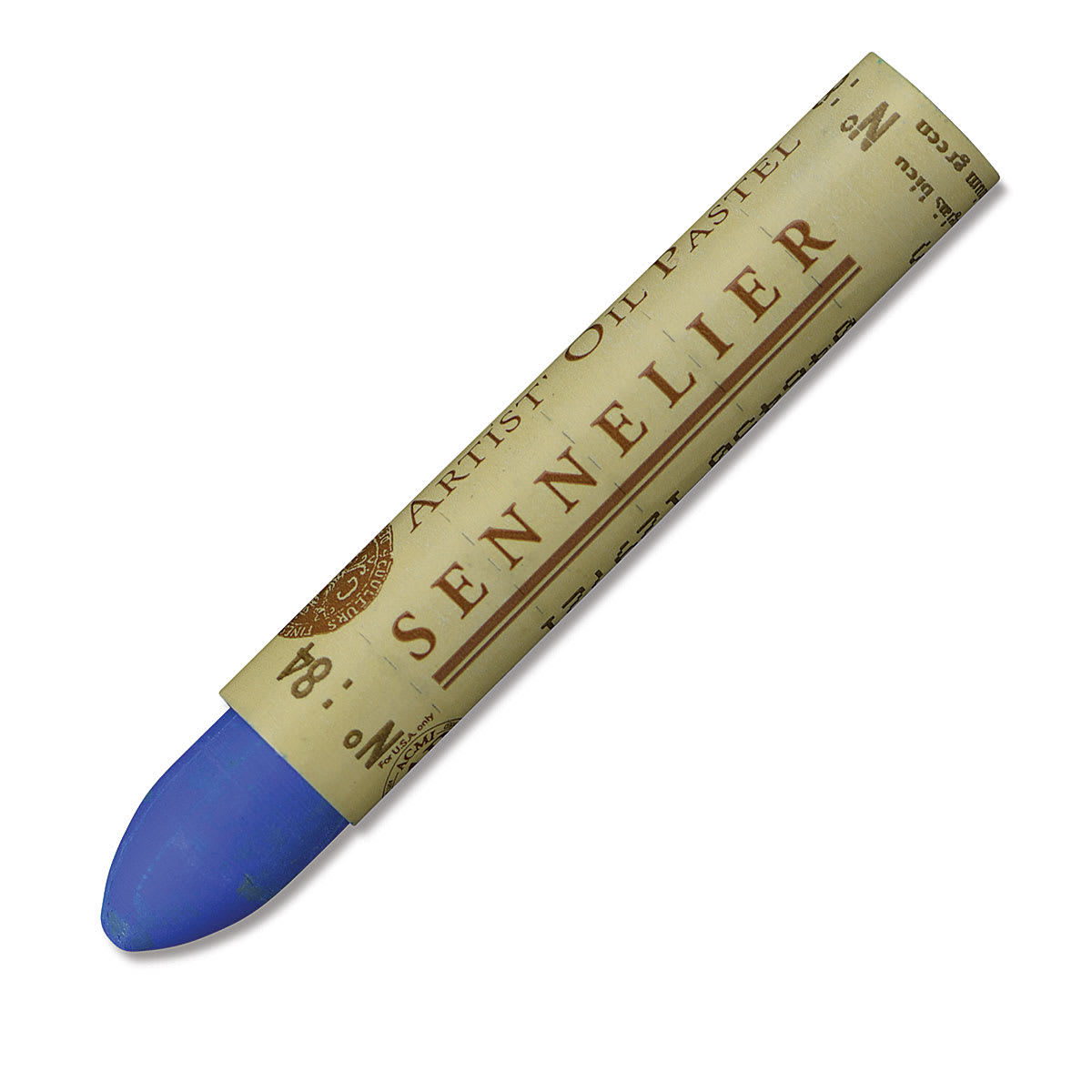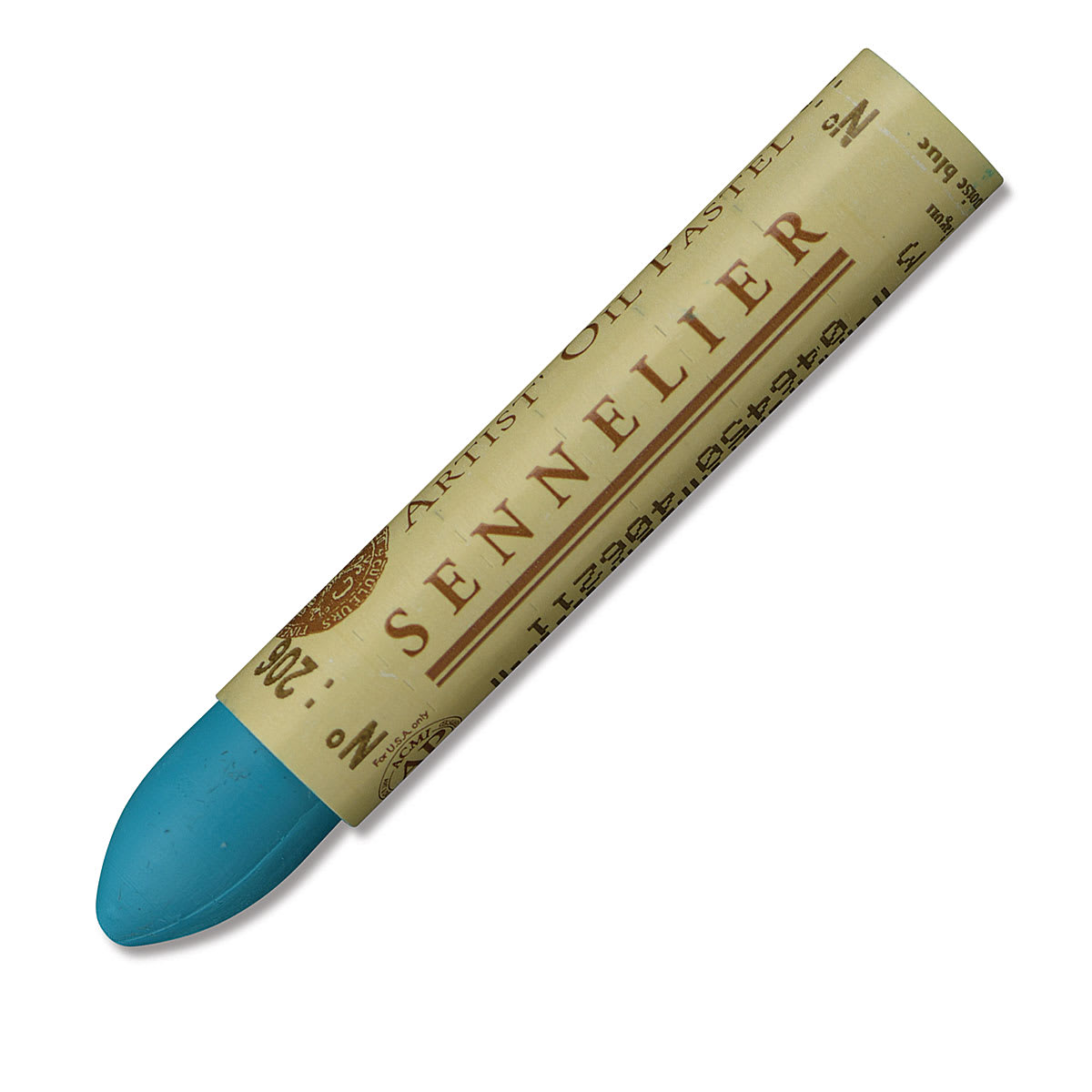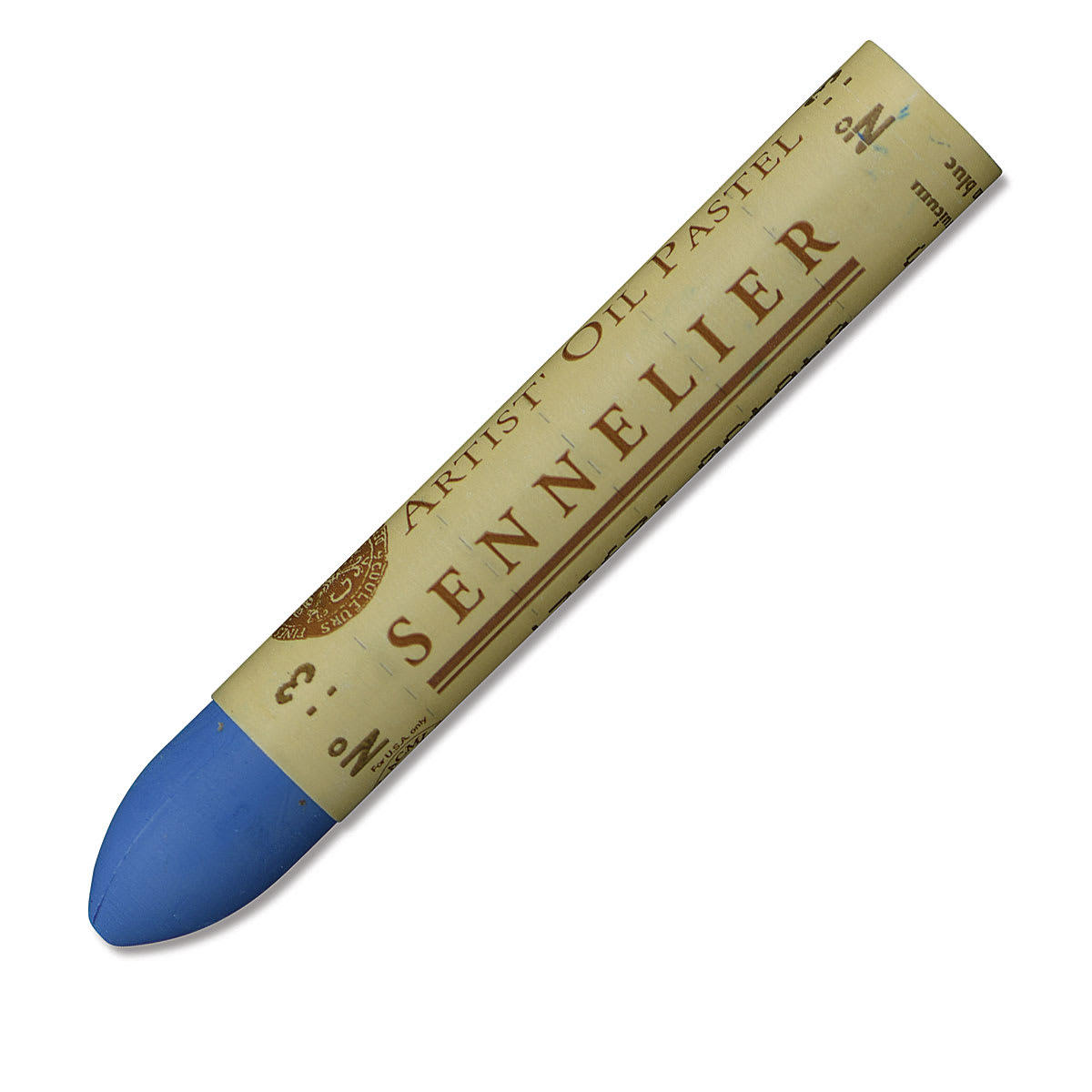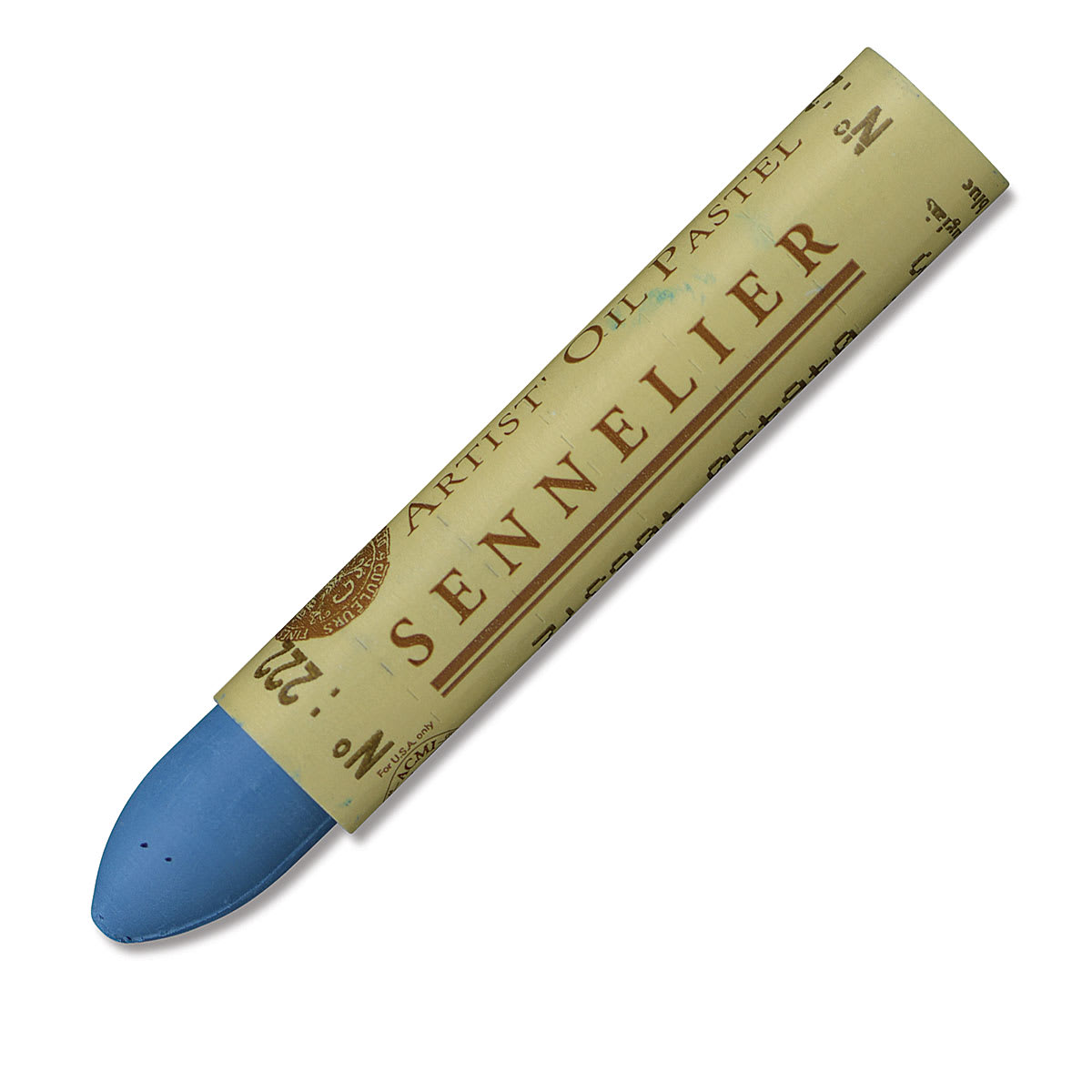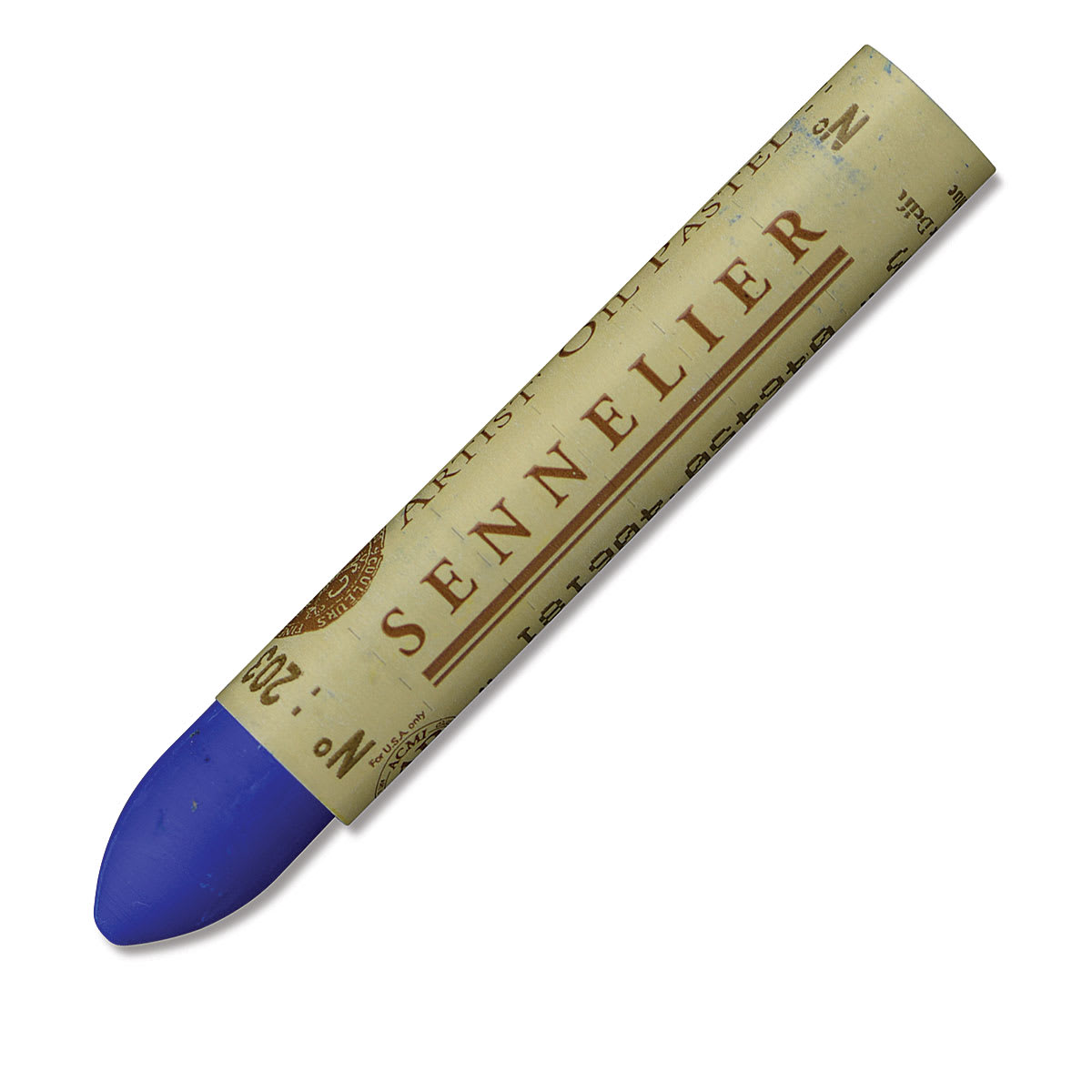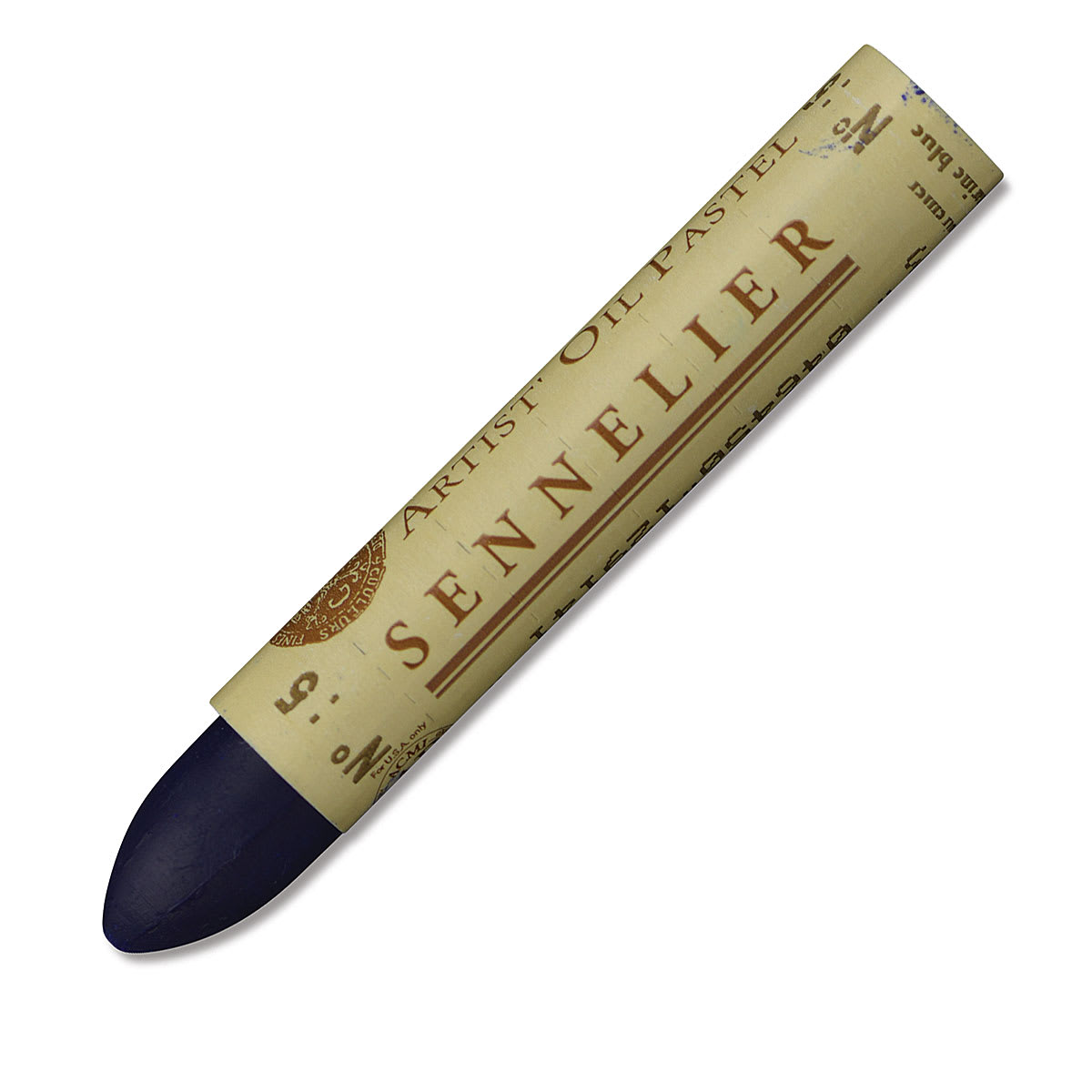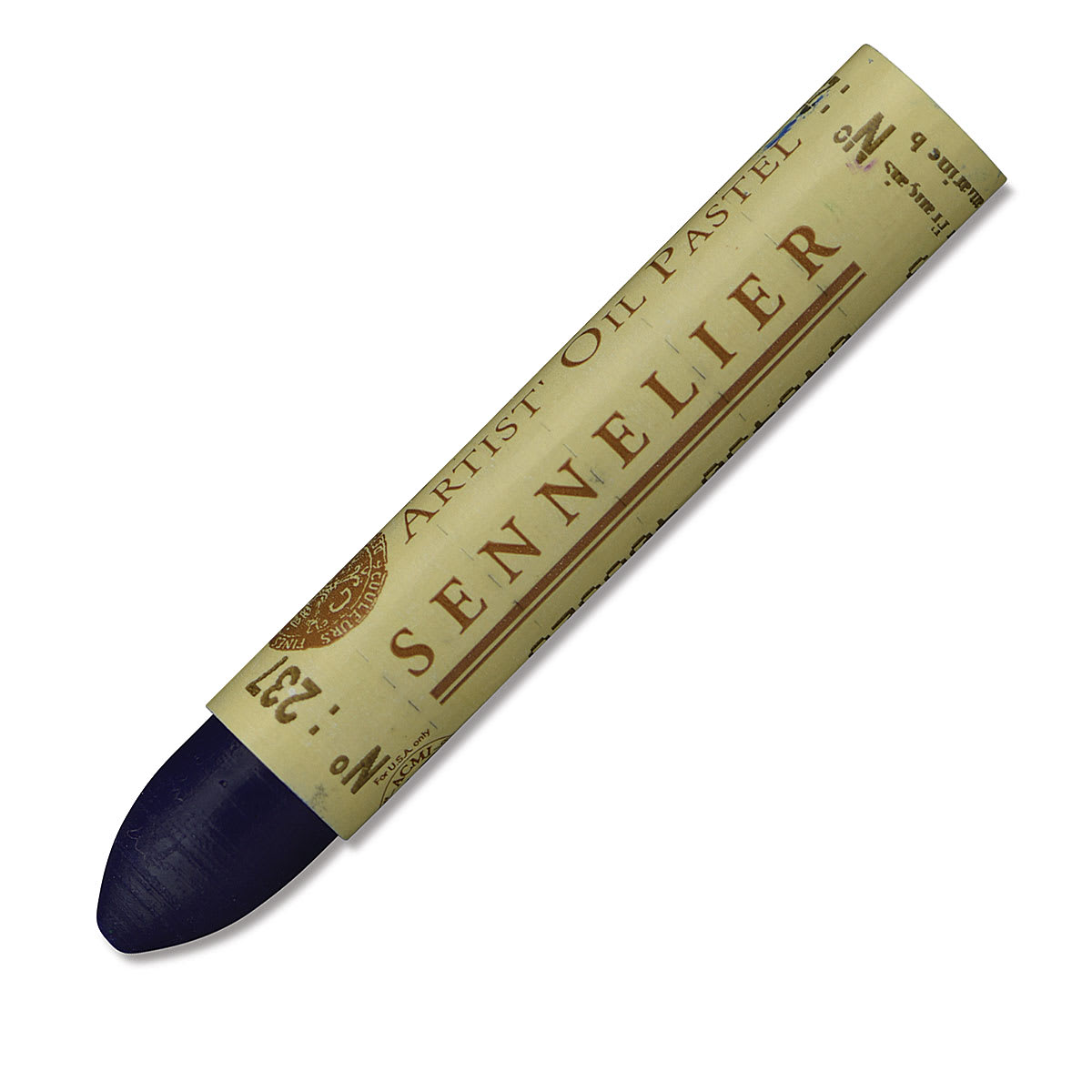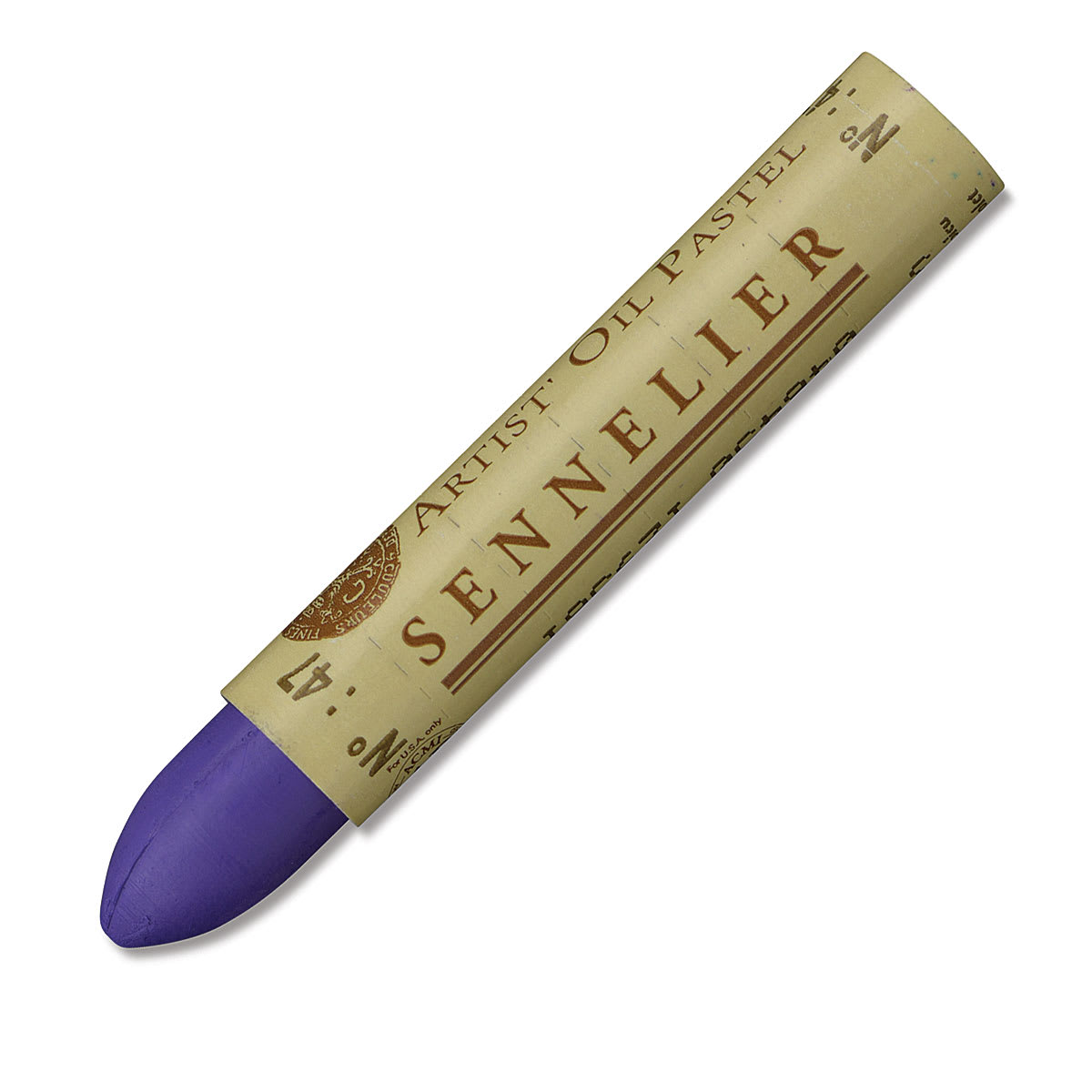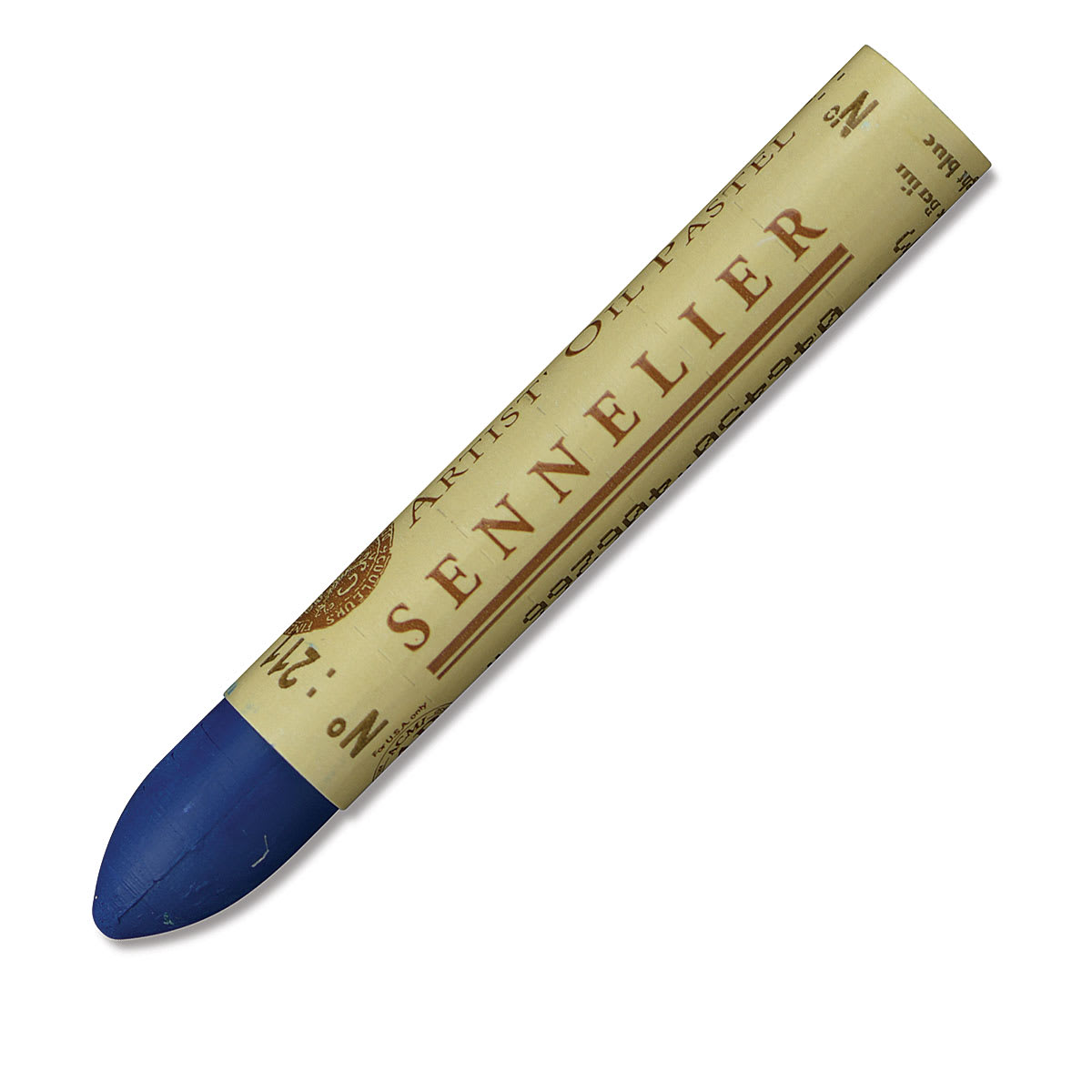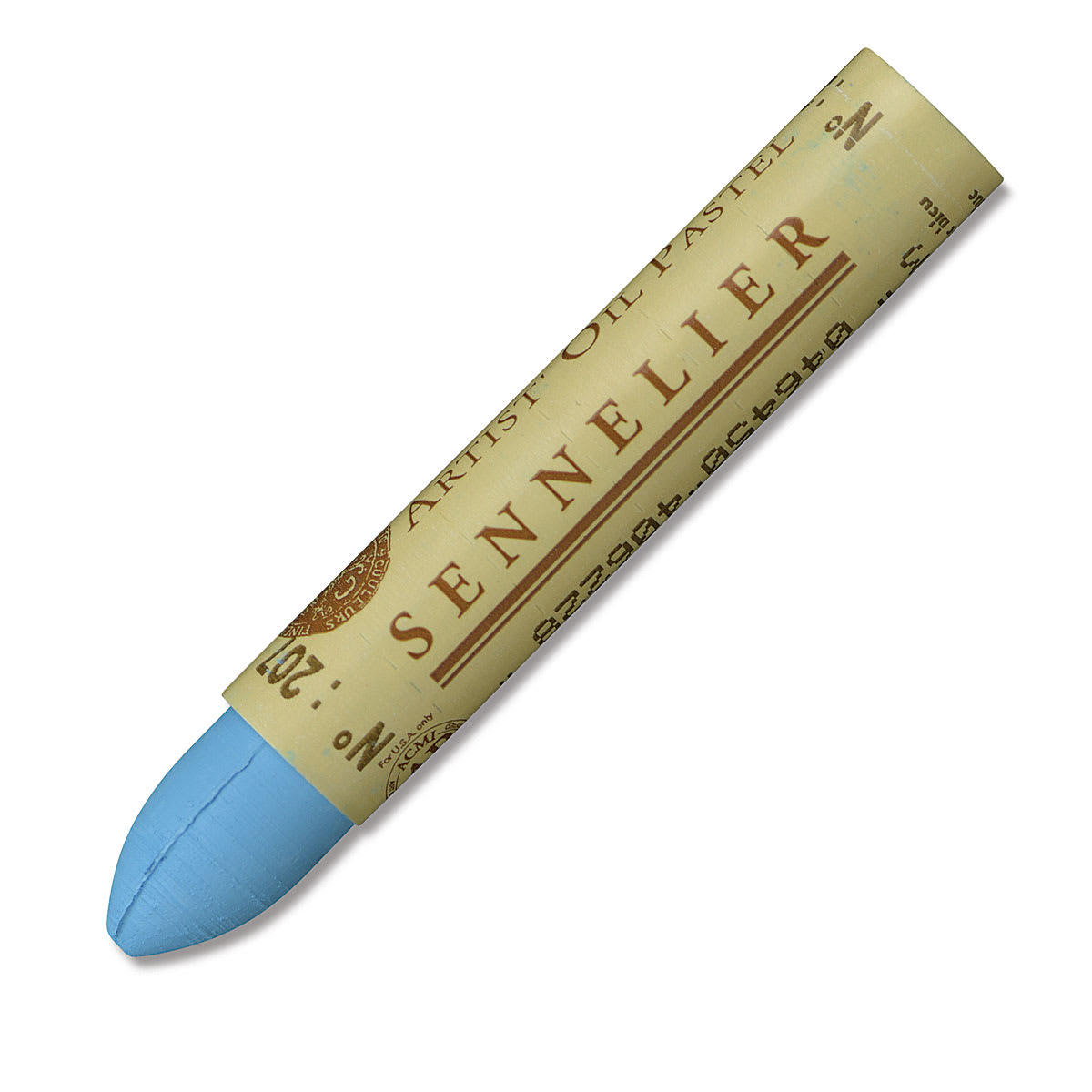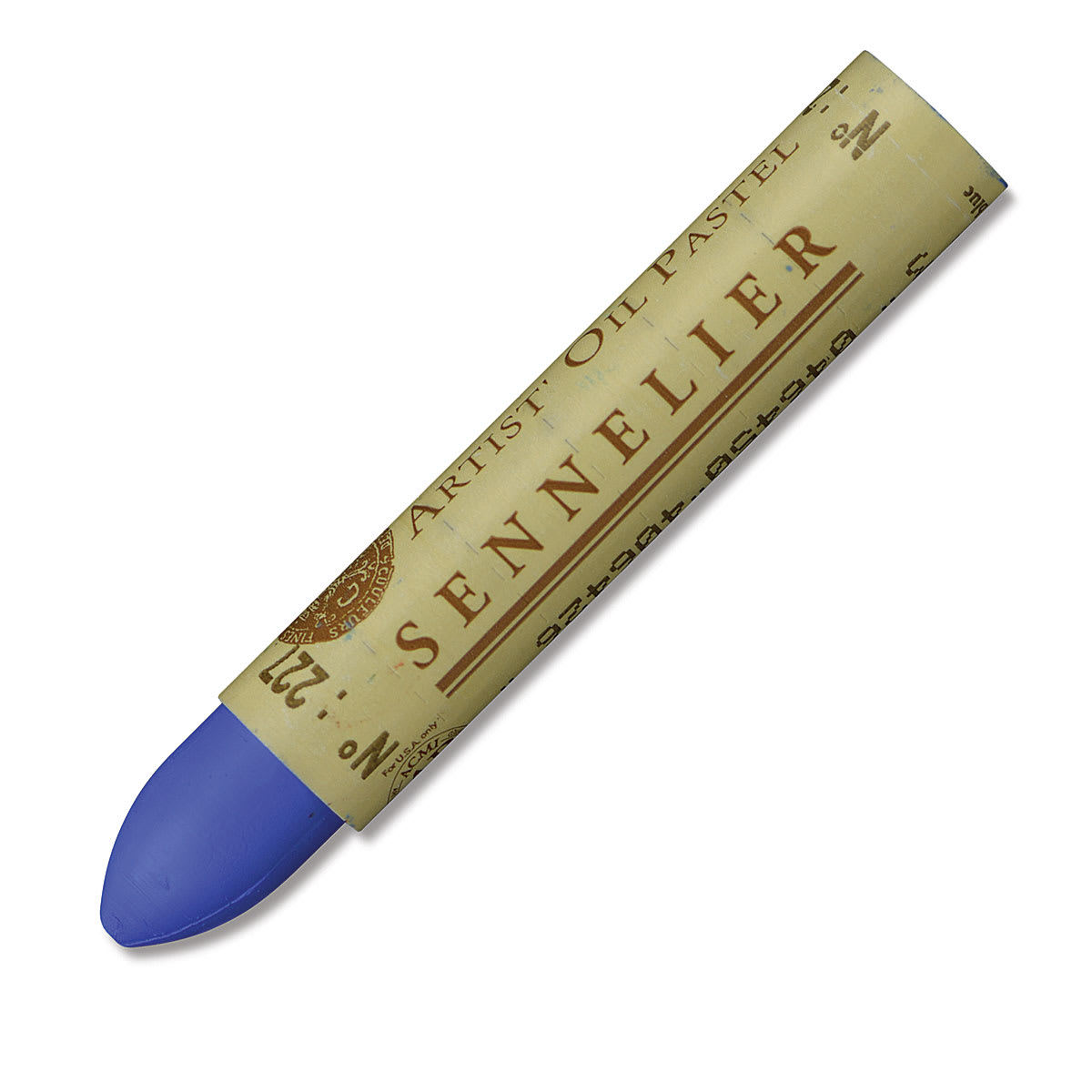
Product details
- Blick SKU
- 20038-5221
About this product range
- Professional quality
- Pure pigments, synthetic binder, pH-neutral mineral wax
- Rich, lipstick soft texture
- Brilliant, lightfast, and highly opaque
- Individually wrapped sticks: 2-5/8"L × 3/8 "Dia
- Made in France
Sennelier Oil Pastels are a benchmark in the art world: lipstick soft, highly pigmented pastels made in France with the same top-quality components found in all Sennelier colors.
Developed in collaboration with Pablo Picasso, they combine pure pigments, an exceptionally pure synthetic binding medium, and pH-neutral mineral waxes to create an oil pastel unlike any other.
Each stick is packed with an extraordinarily high pigment load, giving it superior covering power, exceptional brightness, and a high degree of lightfastness (with the exception of metallic and fluorescent colors).
The balance of wax and binder results in a uniquely rich, smooth texture that allows artists to work with freedom, whether creating thin veils of color or bold, impasto-like strokes.
The binder is inert and non-siccative, meaning it won’t oxidize, crack, or alter over time. Combined with mineral wax, this ensures excellent surface stability and makes blending and layering effortless.
Pigment information
General reference notes about pigments can describe other media (such as oil). They do not verify this product’s exact formulation or behavior.
Prussian Blue
- Pigment code
- PB27
- Type
- inorganic
- Chemical name
- ferric ferrocyanide/iron(III)-hexacyanoferrate(II)
- Chemical formula
- Fe7(CN)18(H2O)x or C6FeN6H4N
- Properties
- Prussian Blue is a semi-transparent, deep cyan-blue with a greenish undertone and a very high tinting strength unequaled by most pigments. It is similar to Phthalo Blue unless mixed with white, when it gives up intensity and becomes smoky. It can behave erratically and less reliably in oil and watercolor form depending on its manufacture. For permanent painting Phthalo Blue is considered a more reliable choice.
- Permanence
- Prussian Blue is lightfast and permanent in all techniques except for fresco. When mixed with Zinc White in watercolor or tempera form, it fades upon exposure to light and completely regains its chromatic strength in the dark. Modern manufacturing techniques have made this tendency less of an issue in recent years
- Toxicity
- Prussian Blue is moderately toxic if ingested. It will emit toxic hydrogen cyanide gas if heated, exposed to ultraviolet radiation, or treated with acid.
- History
- "The first of the modern pigments," Prussian Blue is the first artificial pigment with a known history. It was discovered by accident in 1704 by the Berlin color maker Heinrich Diesbach, who was trying to create a pigment with a red hue by mixing iron sulfate and potash. The potash Diesbach purchased from a local laboratory had been contaminated by animal oil and blood during previous experimentation. The resulting mixture yielded a very pale red that changed to purple and then deep blue when he tried to concentrate it. Since previous blue pigments came from lapis lazuli, an expensive stone, Diesbach’s discovery was extremely important for artists of the time.
- Description
- Berlin Blue, Bronze Blue, Iron Blue, Paris Blue, Paste Blue. Celestial Blue, Monthier Blue and Soluble Blue are varieties of Prussian Blue. Blue Lake is a reduced or let-down variety of Prussian Blue. Chinese Blue, Milori Blue, and Steel Blue are the three highest grades of Prussian Blue.
Track this price
New lows for this exact package, across matched retailers.
Loading your account…
Price history
More to explore
Related supplies from the catalog.
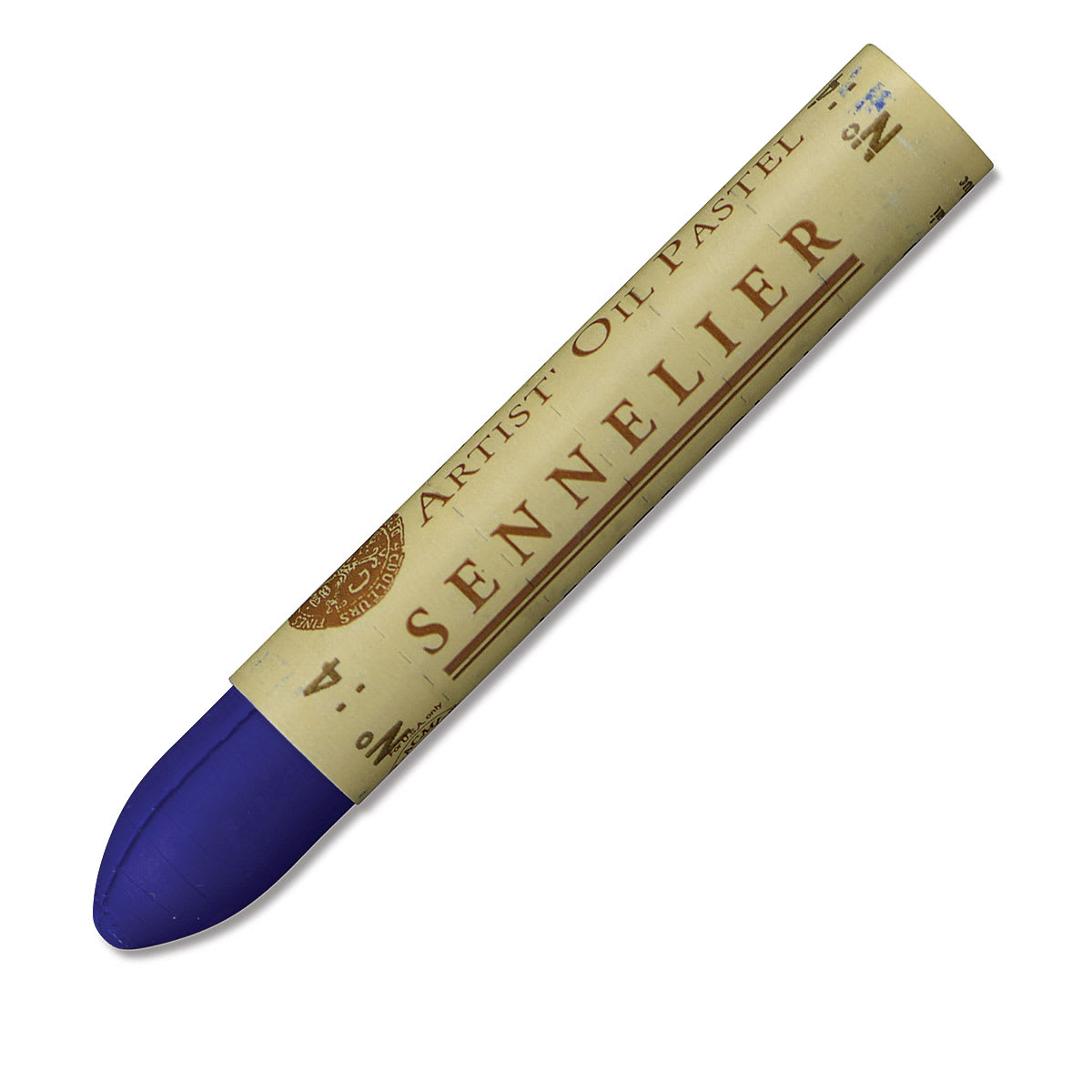

Sennelier Oil Pastel - Blue Chromium Green

Sennelier Oil Pastel - Turquoise Blue

Sennelier Oil Pastel - Cerulean Blue

Sennelier Oil Pastel - Phthalo Blue

Sennelier Oil Pastel - Cobalt Blue

Sennelier Oil Pastel - Delft Blue

Sennelier Oil Pastel - Ultramarine Blue

Sennelier Oil Pastel - French Ultramarine Blue

Sennelier Oil Pastel - Blue Violet

Sennelier Oil Pastel - Midnight Blue