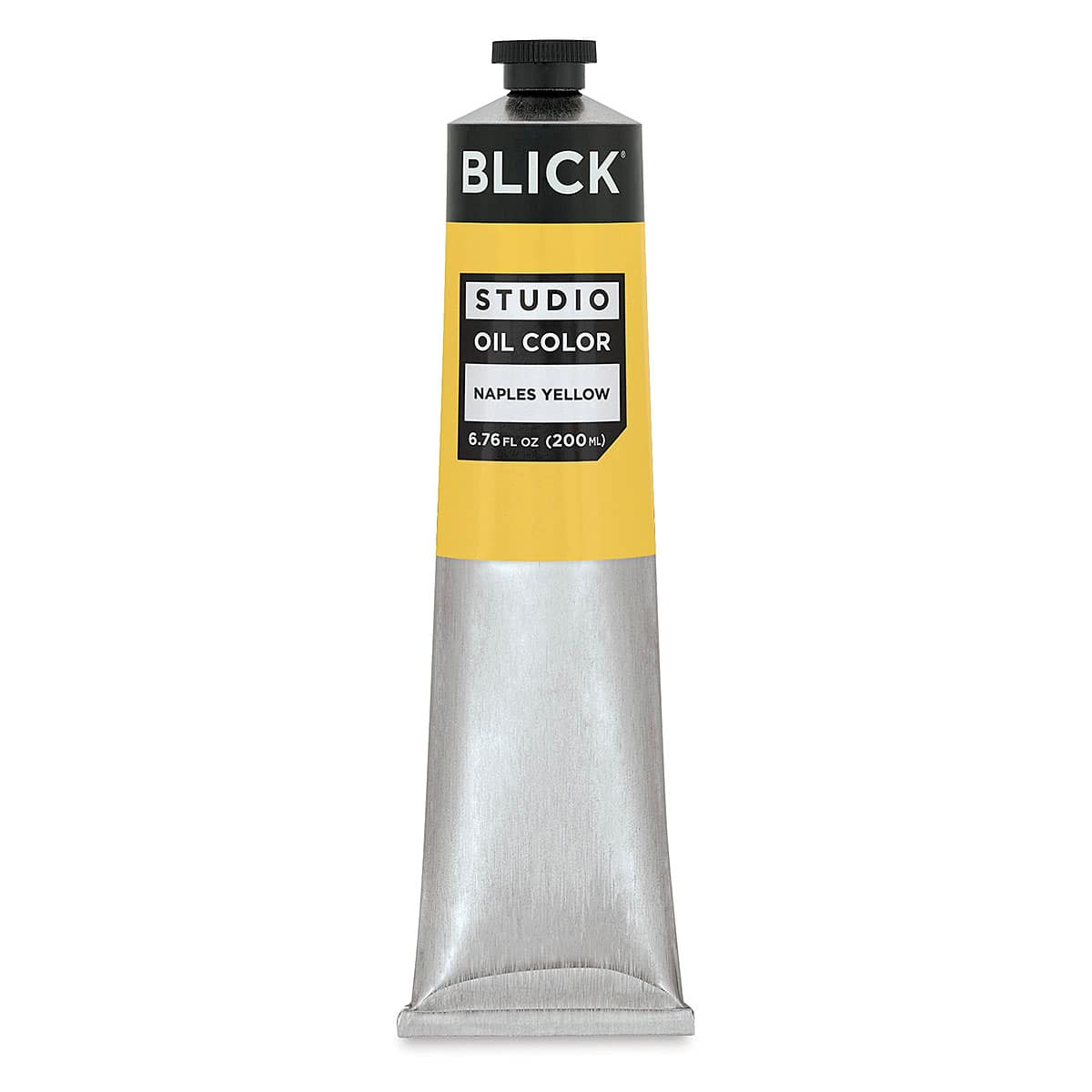
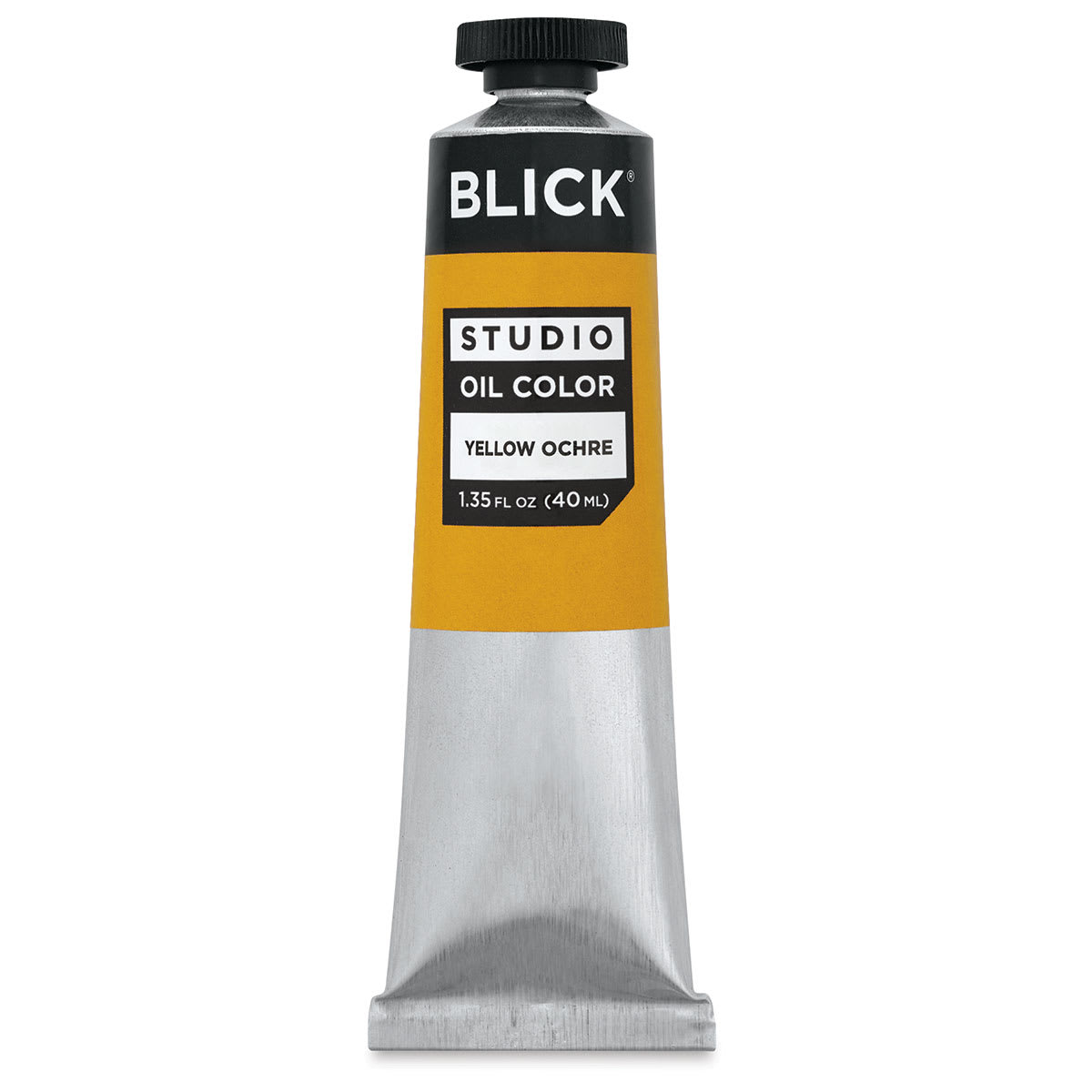
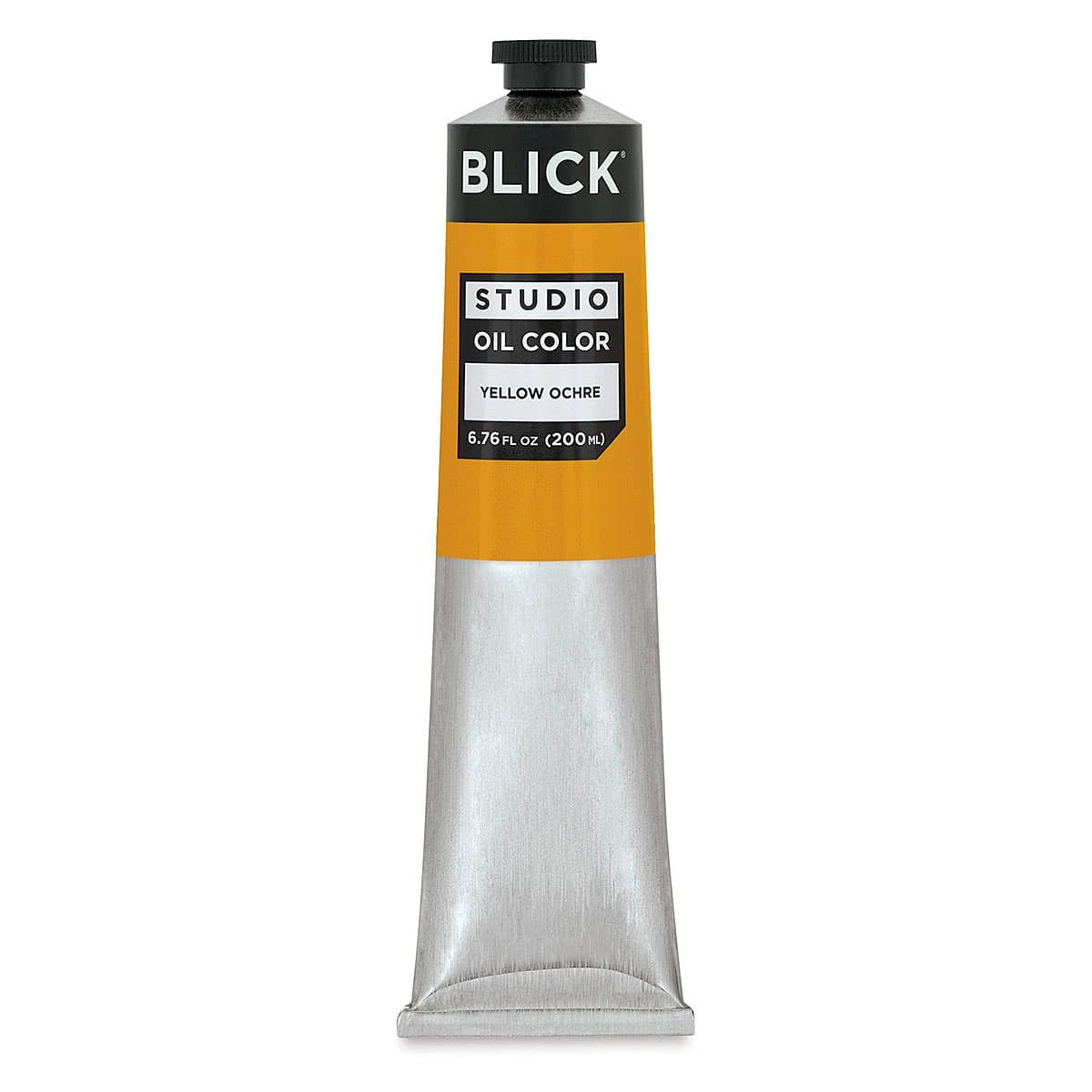
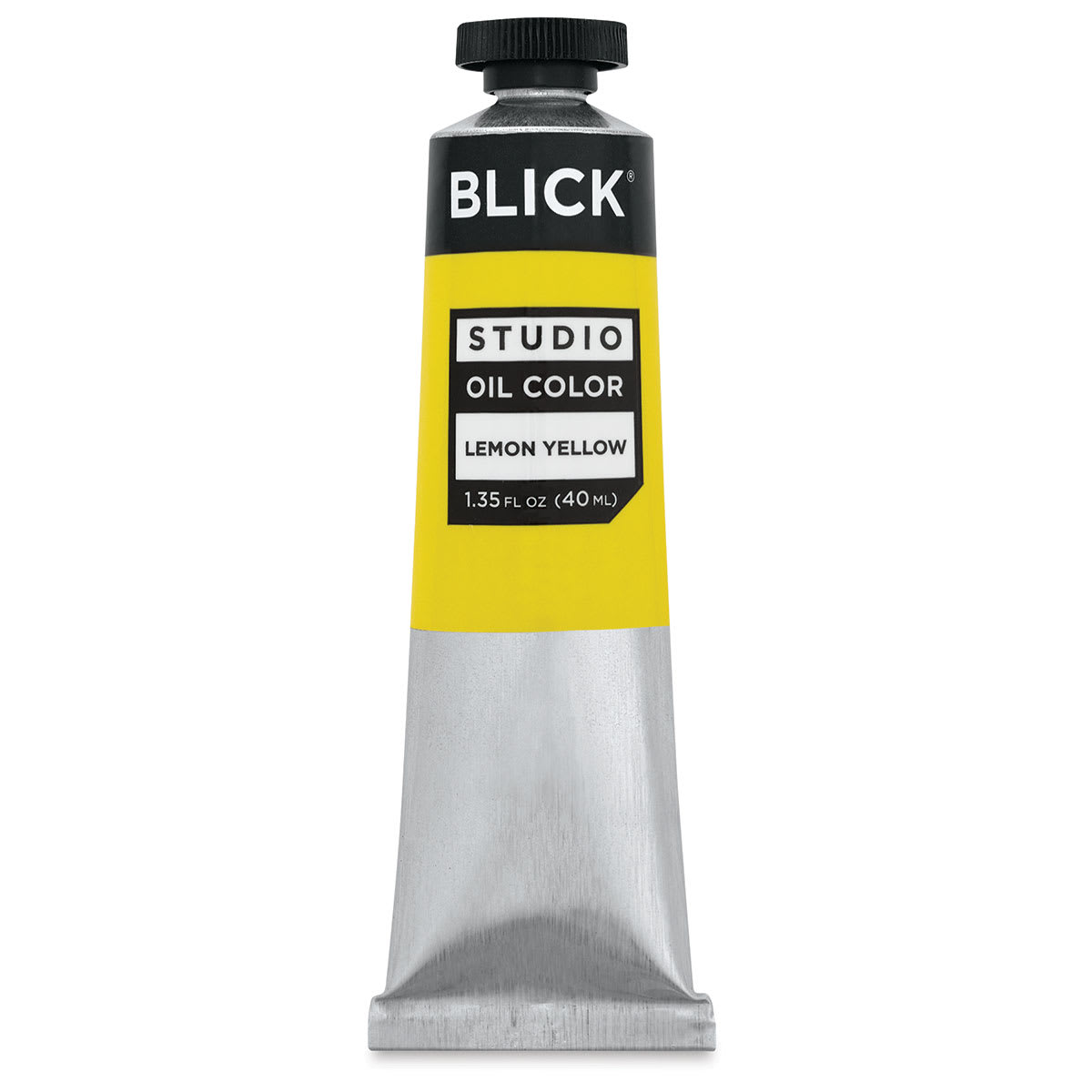
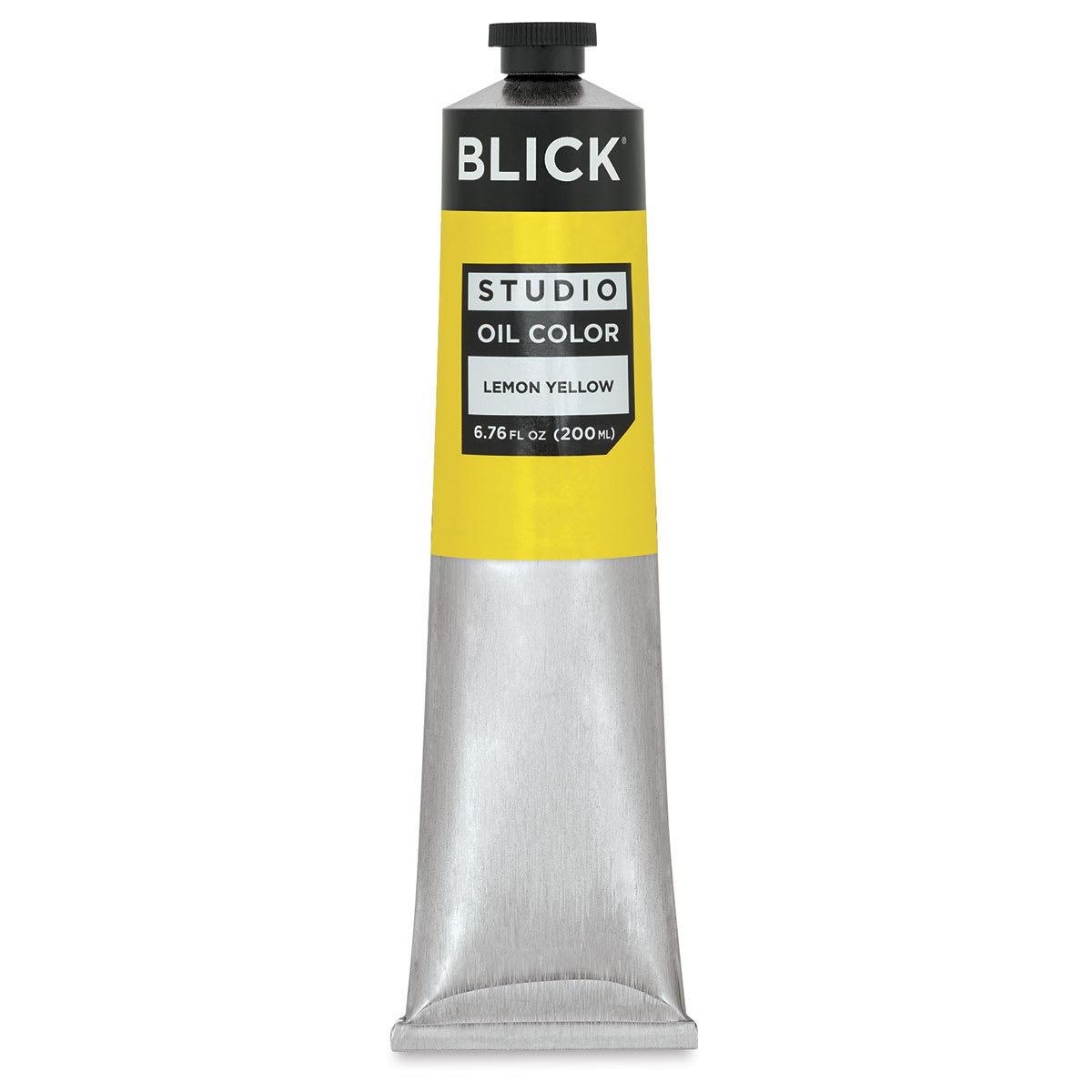
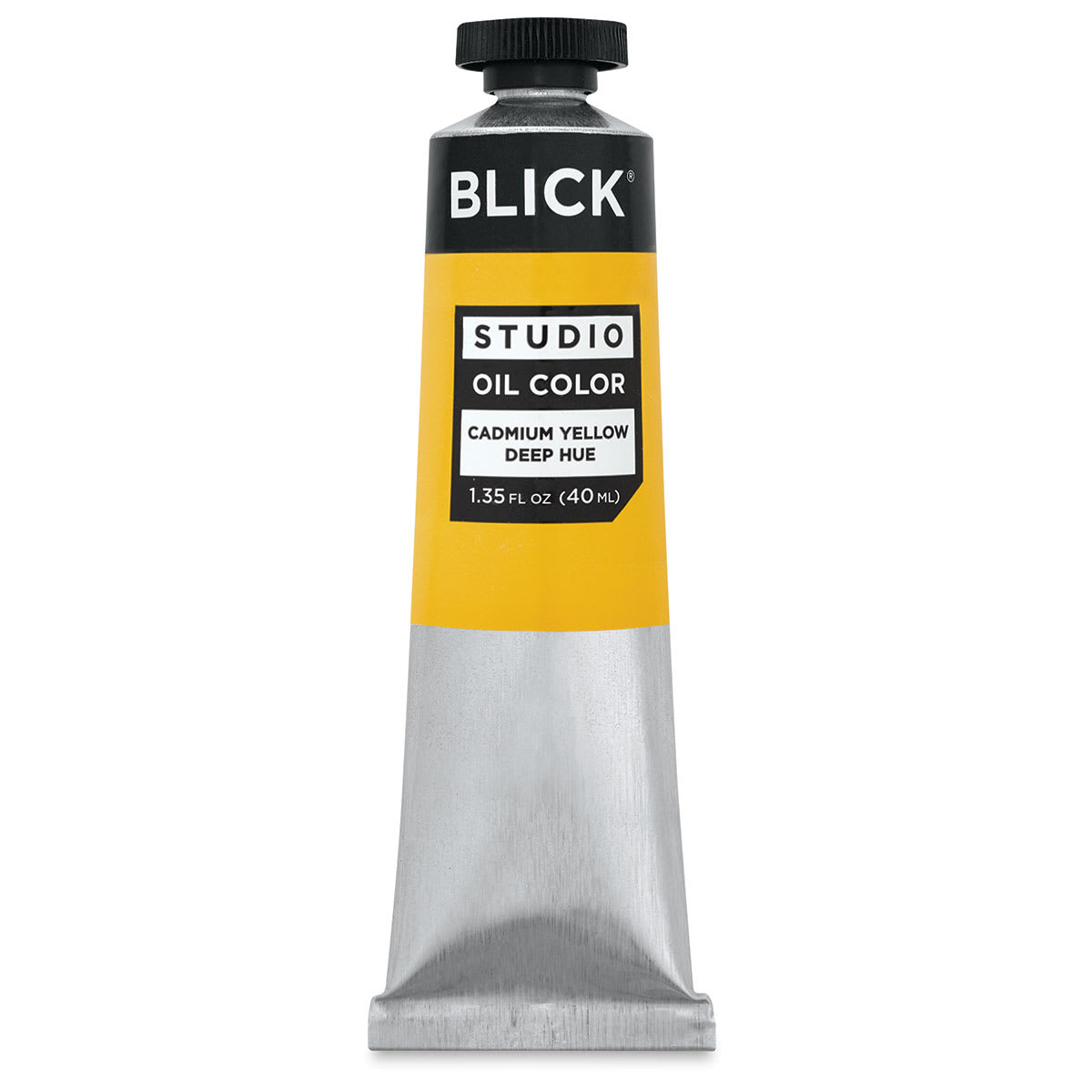
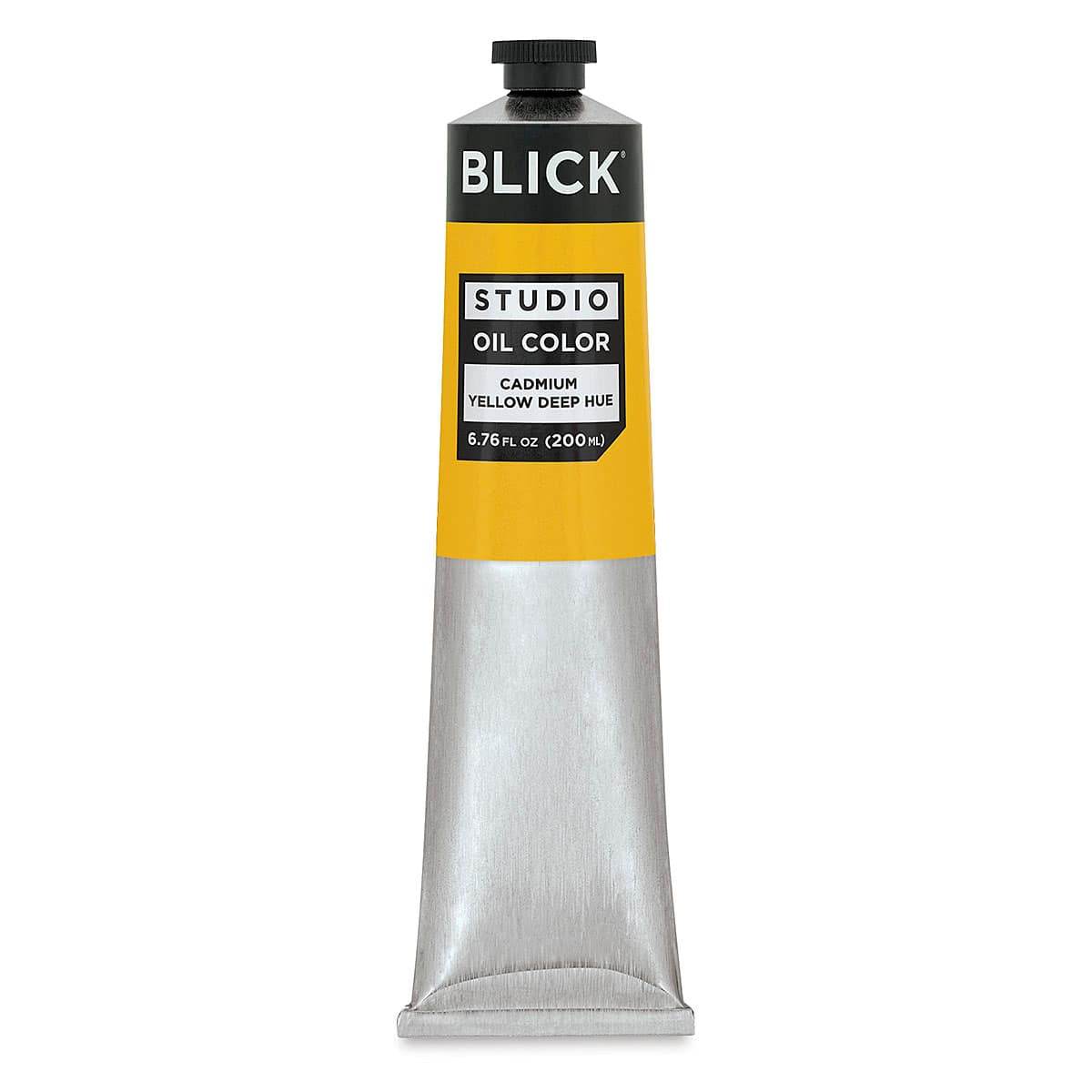
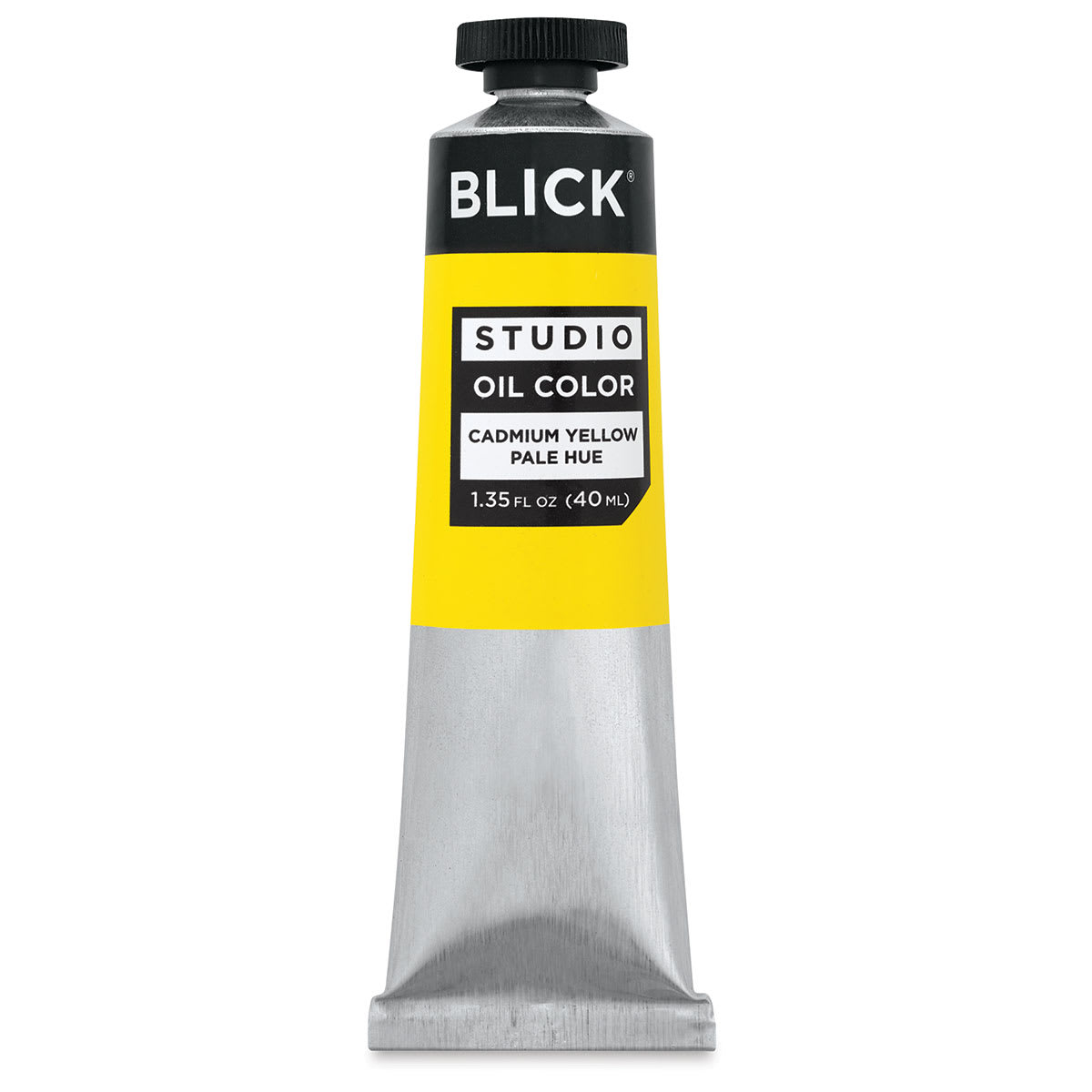
General reference notes about pigments can describe other media (such as oil). They do not verify this product’s exact formulation or behavior.
Titanium White
- Pigment code
- PW6
- Type
- inorganic
- Chemical name
- titanium dioxide
- Chemical formula
- TiO2
- Properties
- Titanium White is the most brilliant of the white pigments. It is considered an all purpose oil color useful in all techniques and the best all around white. Its masstone is neither warm nor cool, placing it somewhere between Lead White and Zinc White. It is less prone to cracking and yellowing than Lead White, but it still yellows easily. Titanium White dries slowly in oil form, more slowly than Lead White but more quickly than Zinc White. It is opaque in oil and acrylic forms and semi-opaque in watercolor form. This pigment has good chemical stability, and its tinting strength is superior to both Lead White and Zinc White.
- Permanence
- Titanium White has excellent permanence and lightfastness.
- Toxicity
- Titanium dioxide is highly stable and is regarded as non-toxic.
- History
- Titanium is the ninth most abundant element in the Earth's crust, however mineral deposits that are economical to mine are less common. Titanium dioxide was first discovered in 1821, although it could not be mass produced until 1919. Widespread use of the pigment began in the 1940s. Since that time, it has become the most commonly used white pigment. The name comes from the Latin word Titan, the name for the elder brother of Kronos and ancestor of the Titans, and from the Greek word tito, meaning day or sun.
Hansa Yellow
- Pigment code
- PY65
- Type
- monoazo
- Chemical formula
- C18H18N4O6
- Properties
- This Hansa Yellow ranges from reddish yellow to greenish yellow with temperature shifts from cool to warm hues. It has good tinting strength and average to slow drying time.
- Permanence
- This Hansa Yellow has excellent lightfastness, particularly in the darker shades.
- Toxicity
- Hansa Yellow has no significant acute hazards, though its chronic hazards have not been well studied.
- History
- Hansa Yellows were first made in Germany just before WW1 from a series of synthetic dyestuffs called Pigment Yellow. They were intended to be a synthetic replacement for Cadmium Yellow.
- Description
- Arylide, Arylide Yellow, Azo, Brilliant Yellow, Monoazo, Monolite Yellow, Permanent Yellow.
Yellow Iron Oxide
- Pigment code
- PY42
- Chemical name
- iron(III)-oxide, hydrated
- Chemical formula
- Fe2O3 • H2O
- Properties
- Yellow Ochre provides artists with earthtones from cream to brown. It has good hiding power, produces a quick drying paint, and can be safely mixed with other pigments. Its transparency varies widely from opaque shades to more transparent ones, which are valued for their use as glazes. If gypsum is present, Yellow Ochre is not suitable for frescoing. (See Brown Ochre, PY43.) PY42 is made from synthetic iron oxides. PY43 is made from natural iron oxide.
- Permanence
- Yellow Ochre has excellent permanence because ochres are some of the most permanent pigments available.
- History
- Ochre comes from the Greek word ochros, meaning pale yellow. It was one of the first pigments to be used by human beings, and evidence of its use has been found at 300,000 year old sites in France and the former Czechoslovakia.
- Description
- Chamois, Iron Yellow, Mars Orange, Mars Yellow, Minette, Ochre, Sil, Yellow Earth, Yellow Ochre, Yellow Oxide. Varieties of Yellow Ochre include Brown Ochre, Flesh Ochre, Roman Ochre, Spruce Ochre, and Transparent Gold Ochre.
Arylide Yellow G
- Pigment code
- PY1:1
- Type
- organic, monoazo
- Chemical formula
- C17H16N4O4
- Properties
- Arylide Yellow G is a variant of Hansa Yellow G (PY1). It is a transparent yellow with great brightness and tinting strength. Its drying time ranges from average to slow. Hansa Yellow pigments make more intense tints and cleaner secondaries than Cadmium Yellows, especially when mixed with other organic or modern colors like Phthalo Blue and Green. Because they are more transparent, they have great value as glazing colors.
- Permanence
- Hansa Yellow G has good permanence and lightfastness, particularly in the lighter shades.
- Toxicity
- Hansa Yellow pigments have no significant acute hazards, though chronic hazards have not been well studied.
- History
- Hansa Yellows were first made in Germany just before World War I from a series of synthetic dyestuffs called Pigment Yellow. Hansa Yellow G, introduced in 1910, was the first of these products to be commercialized. Hansa Yellow G was the standard yellow for printing inks under late in the 20th century, when stronger diarylide yellows began to replace it. It is still used a great deal in packaging, and for air drying paints.
- Description
- Hansa Yellow G
 Blick Art Materials