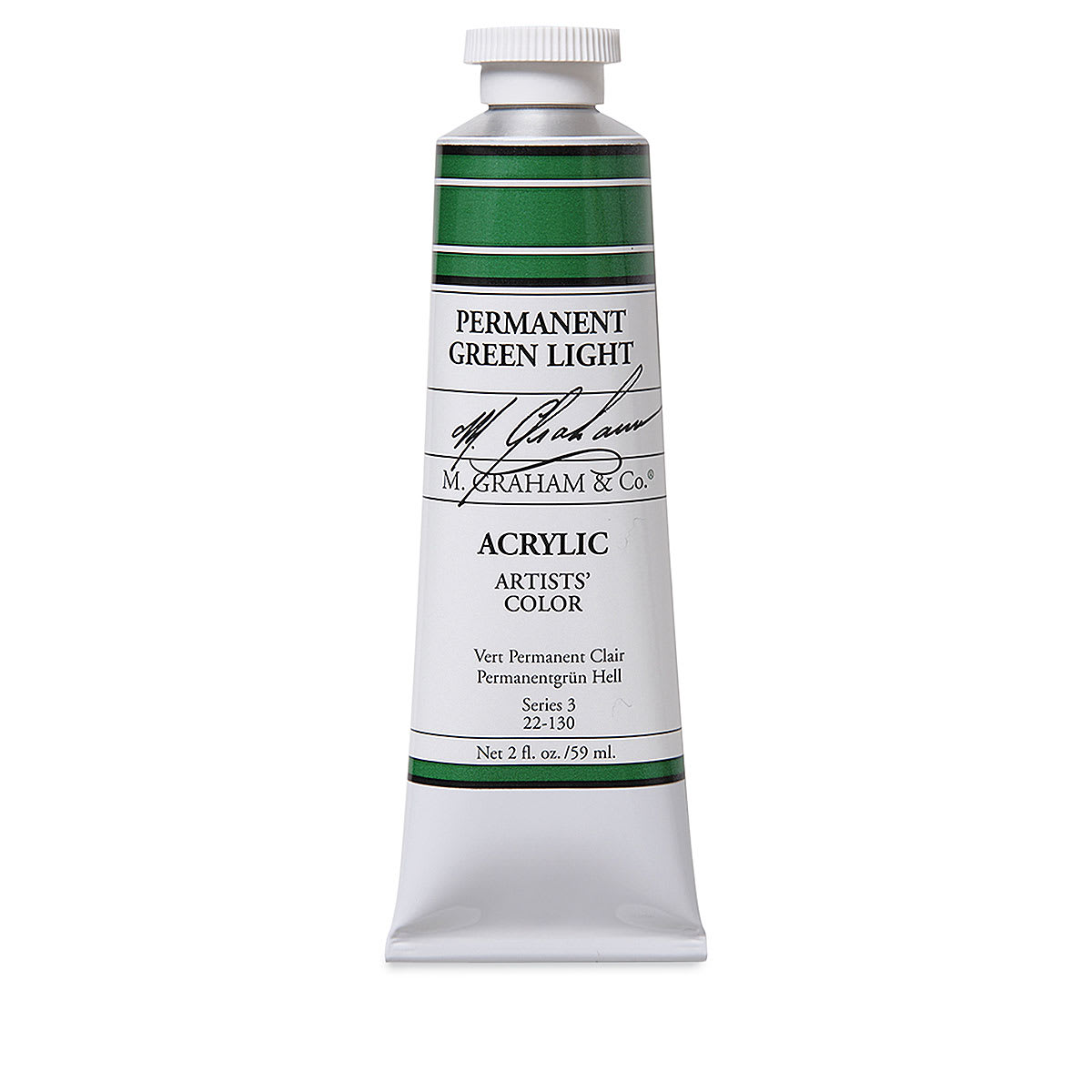
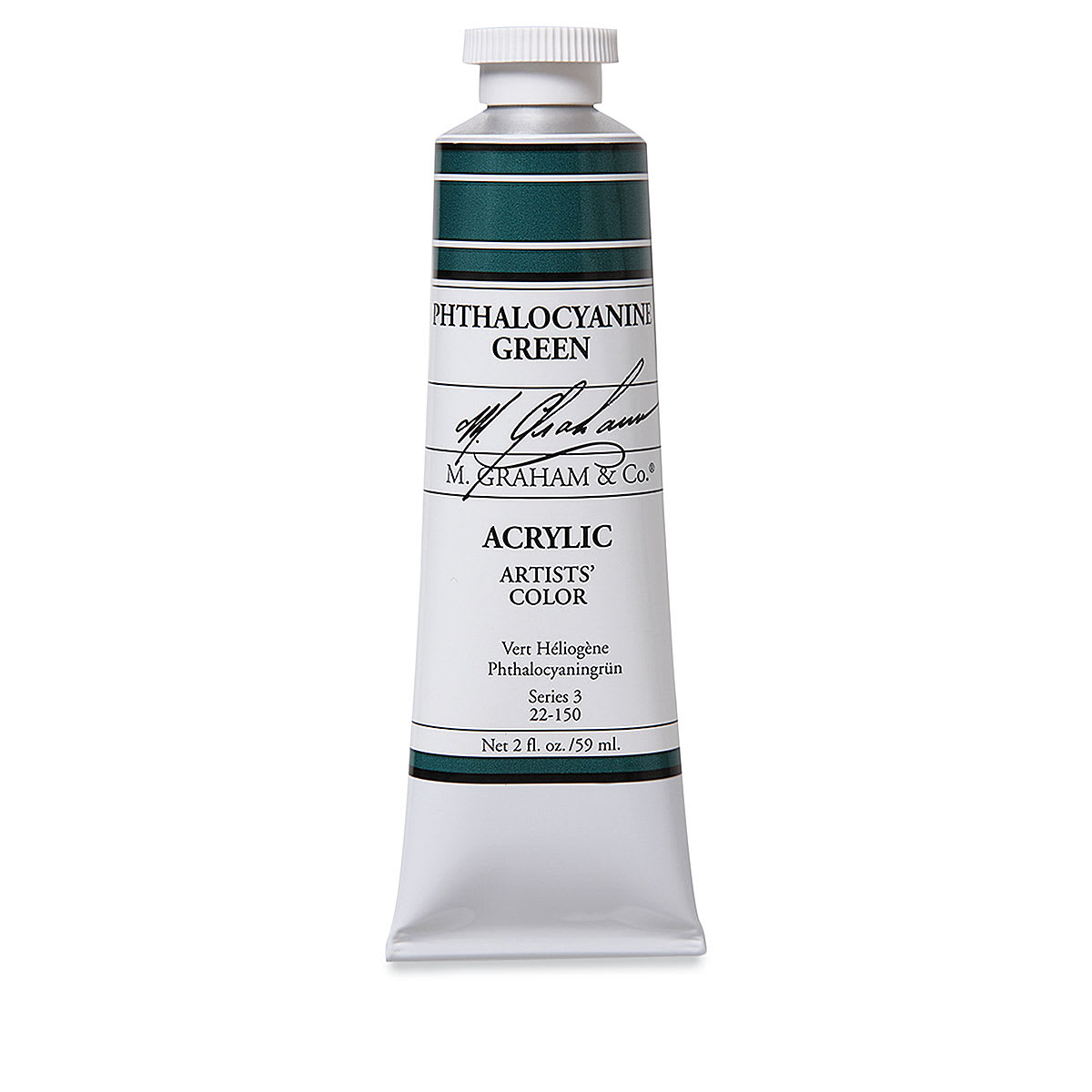
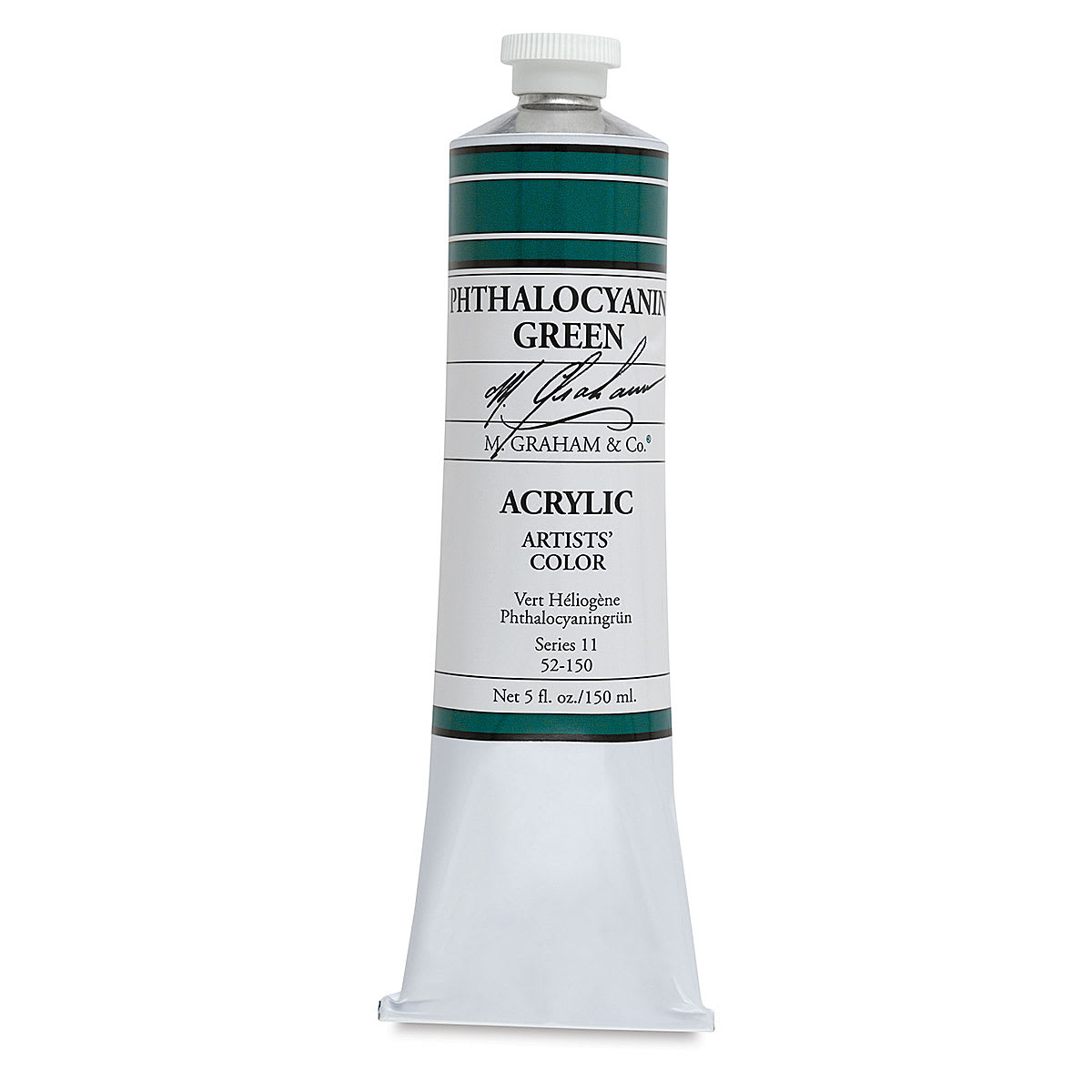
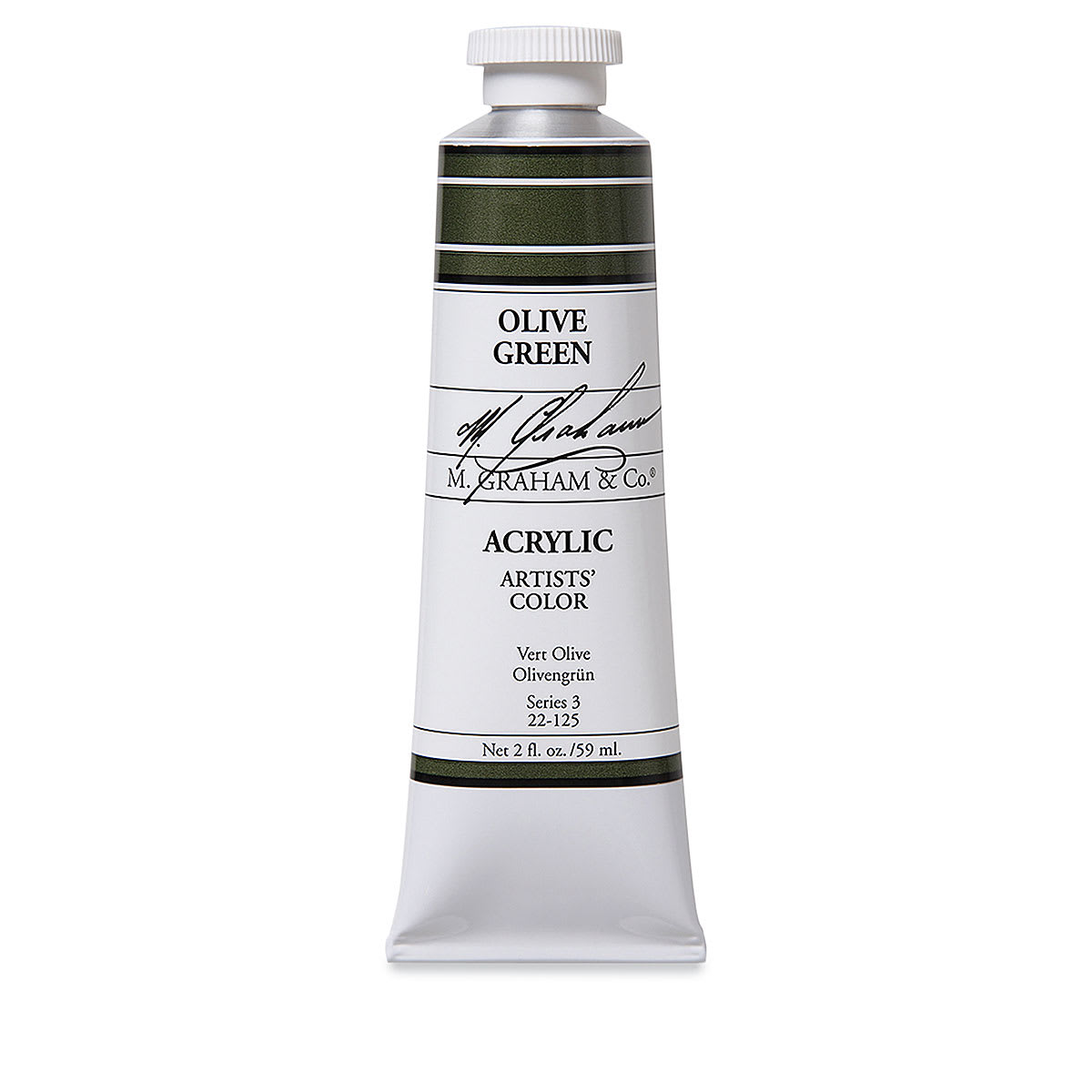
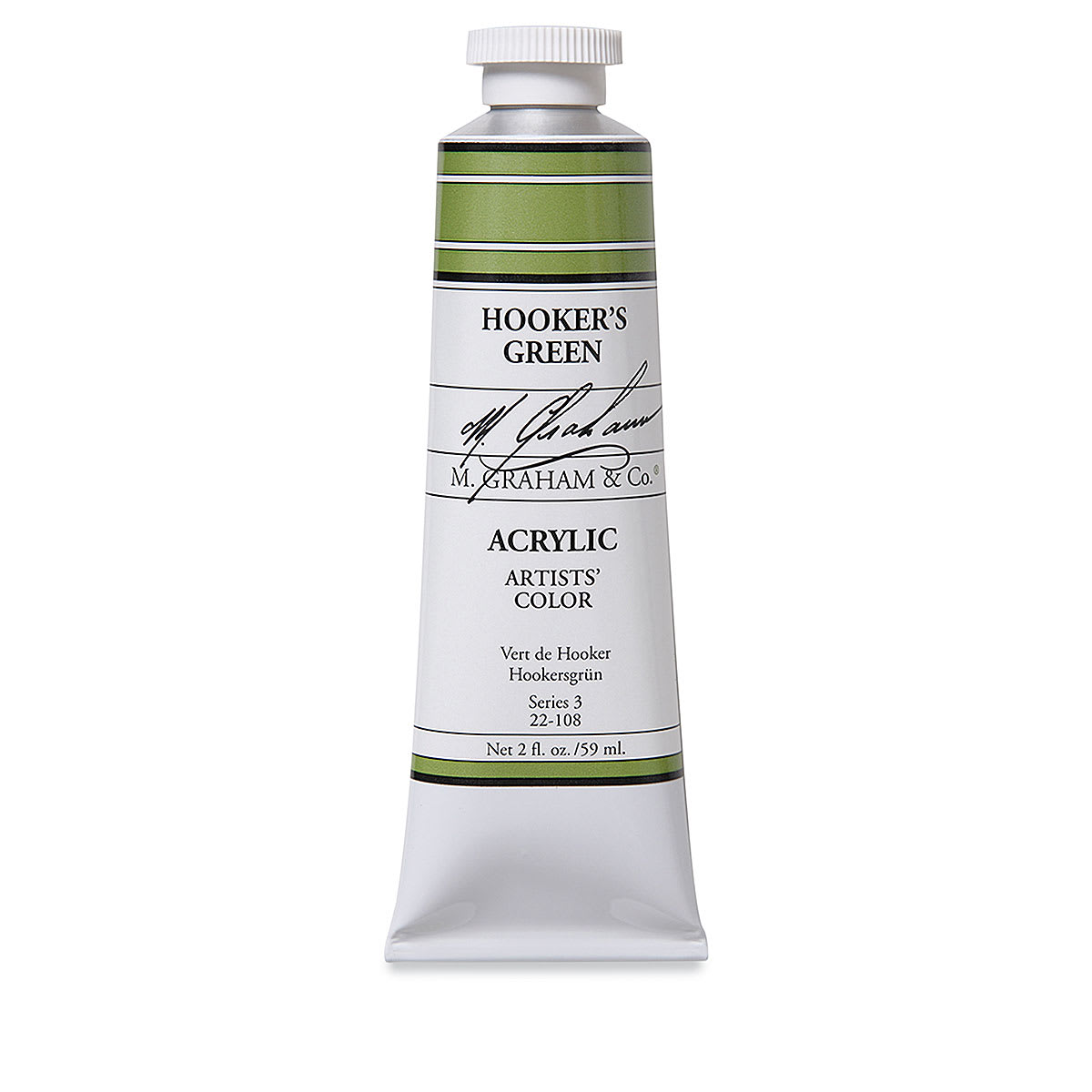
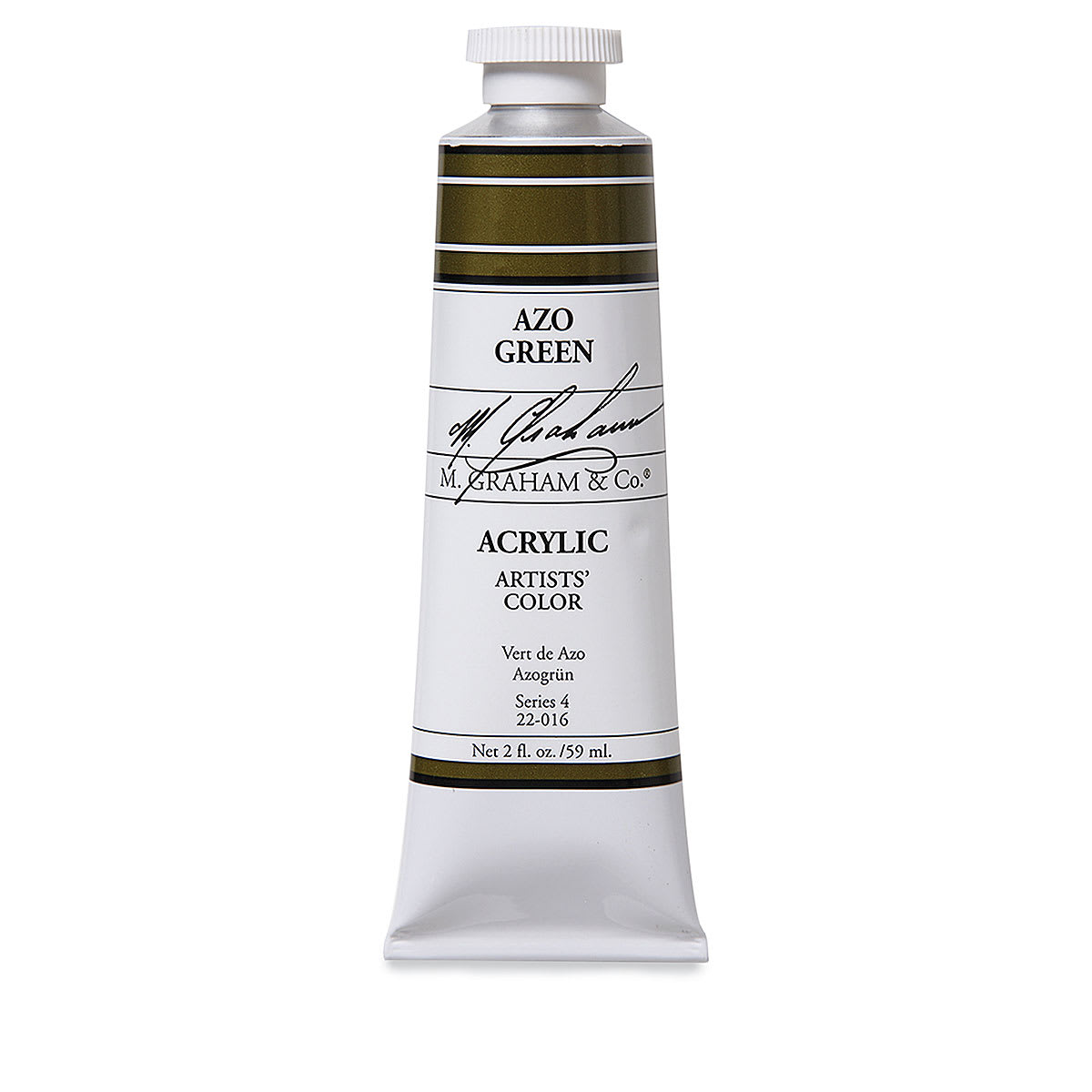
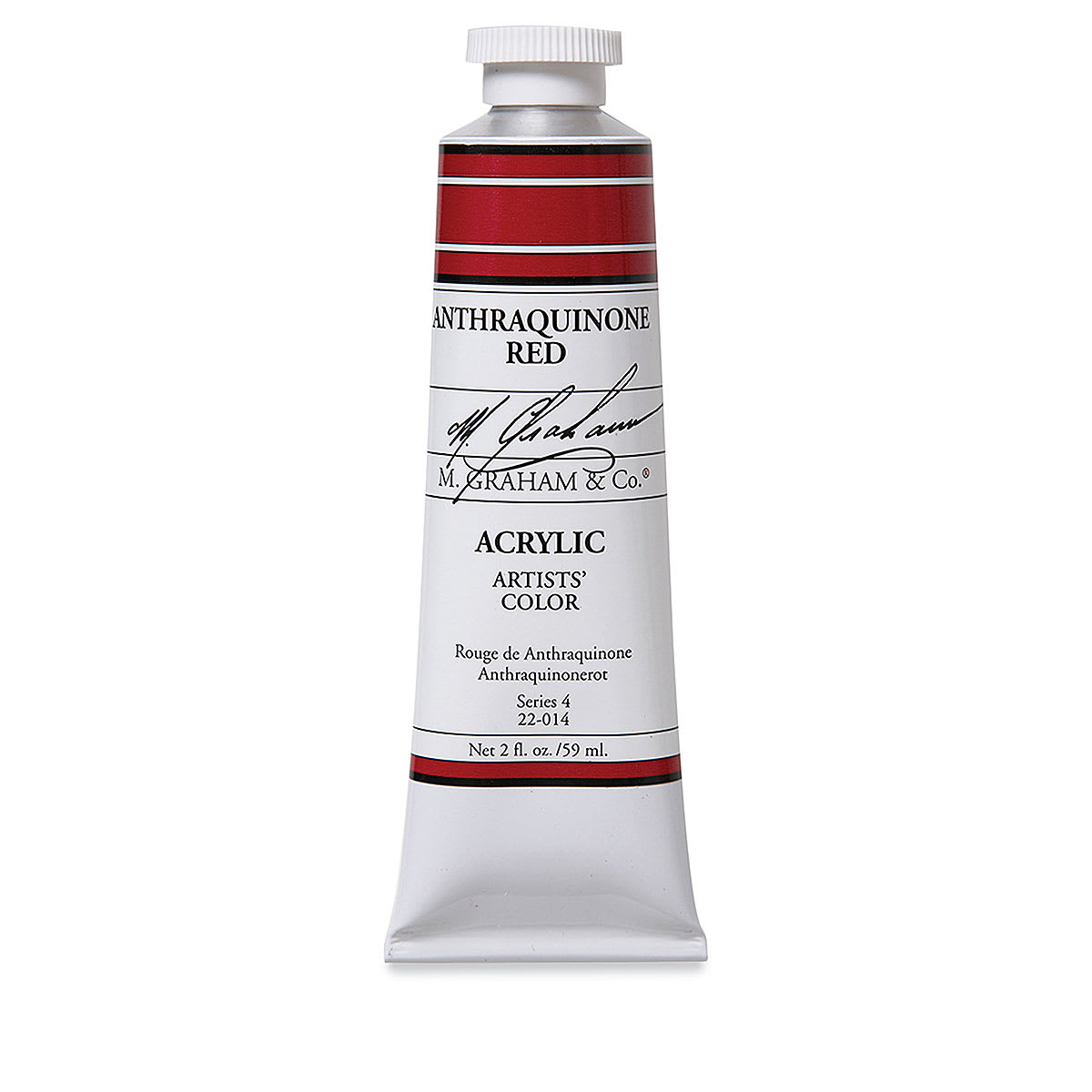
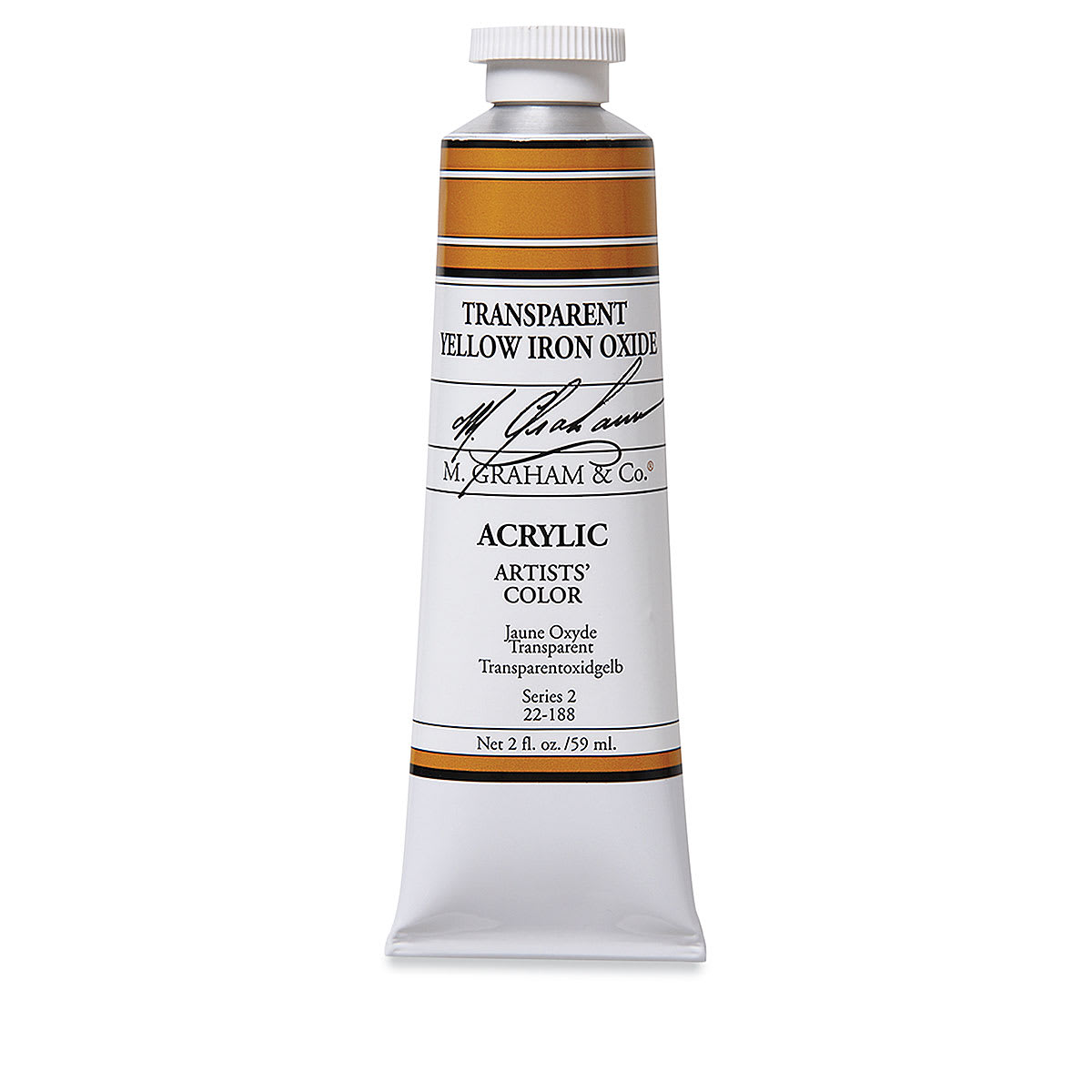
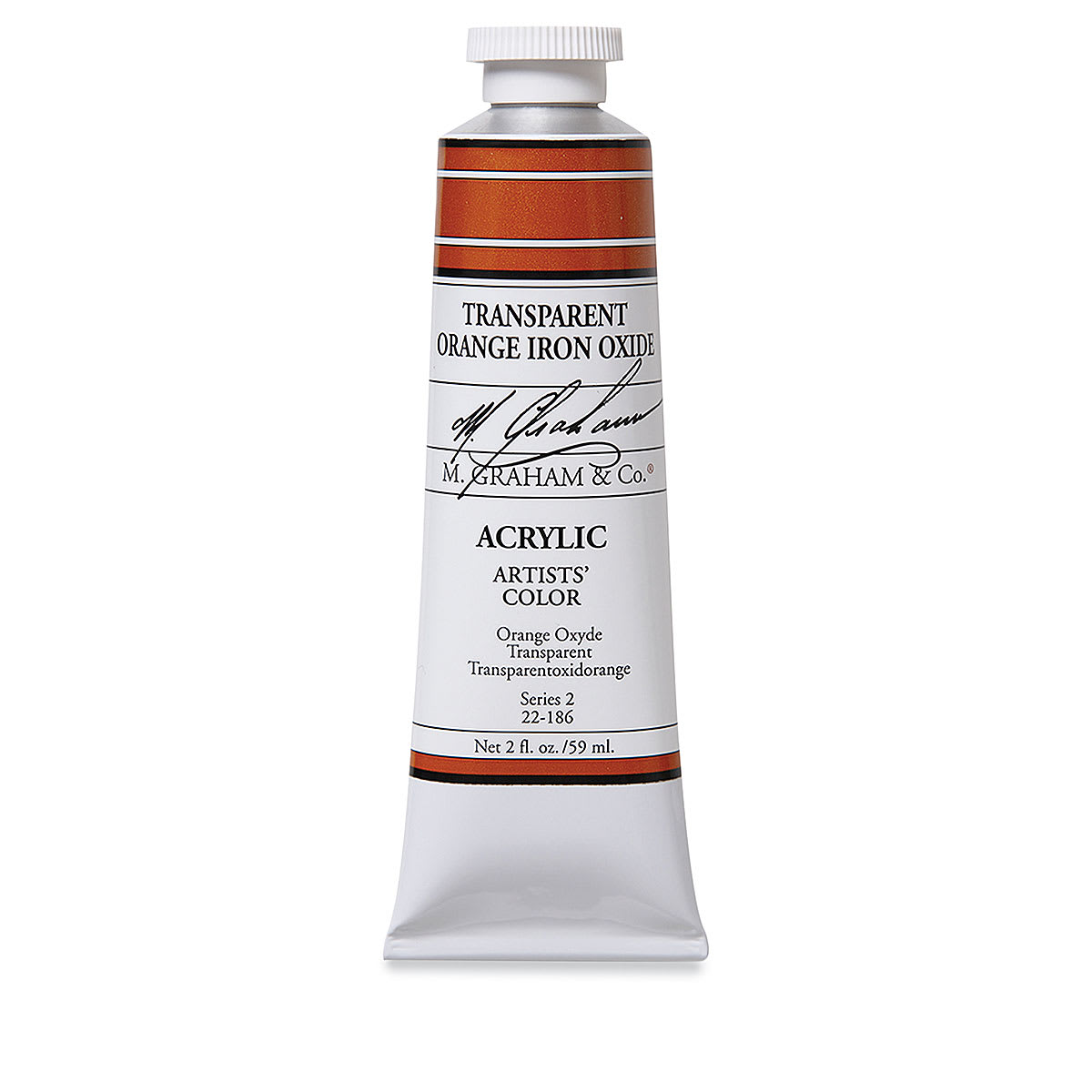
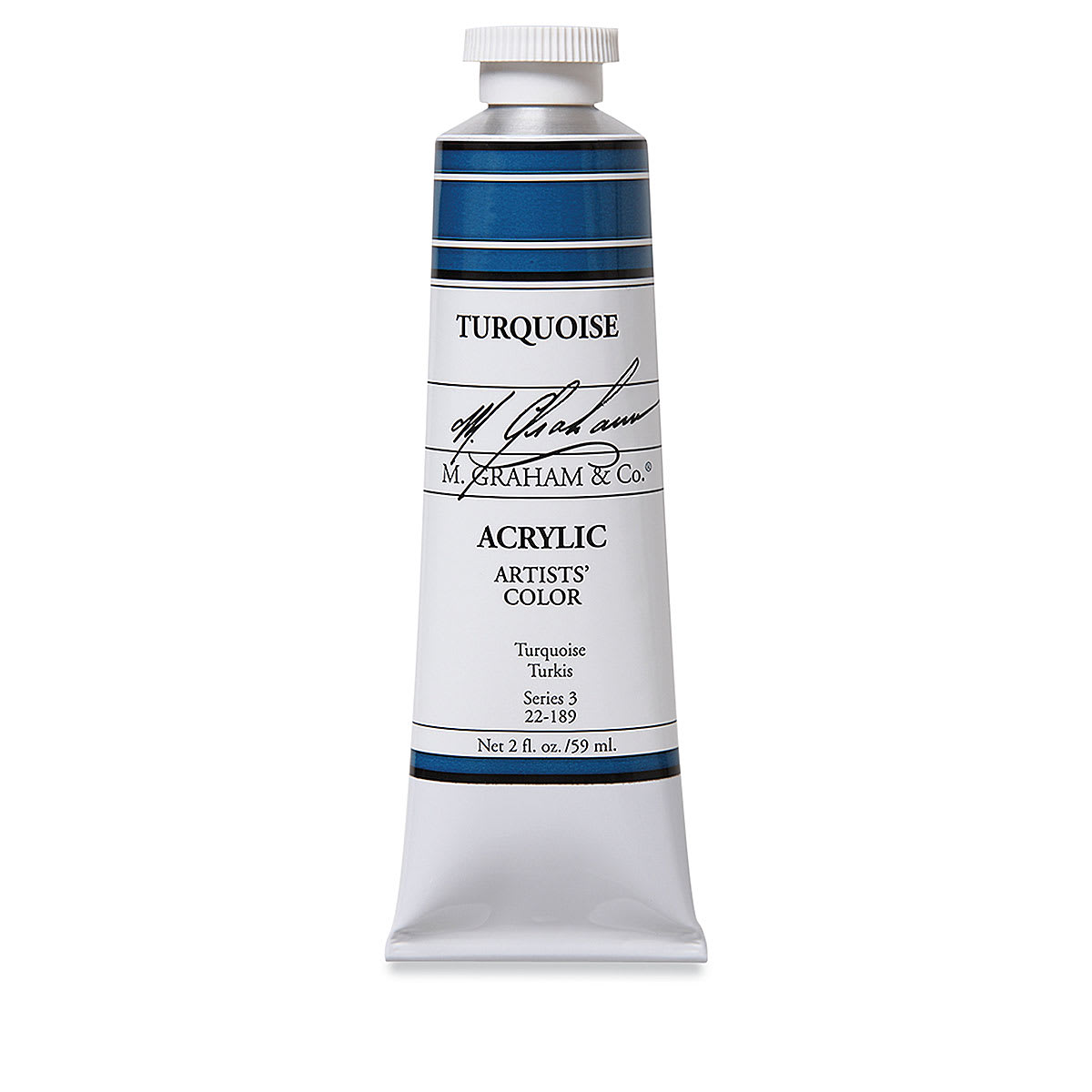
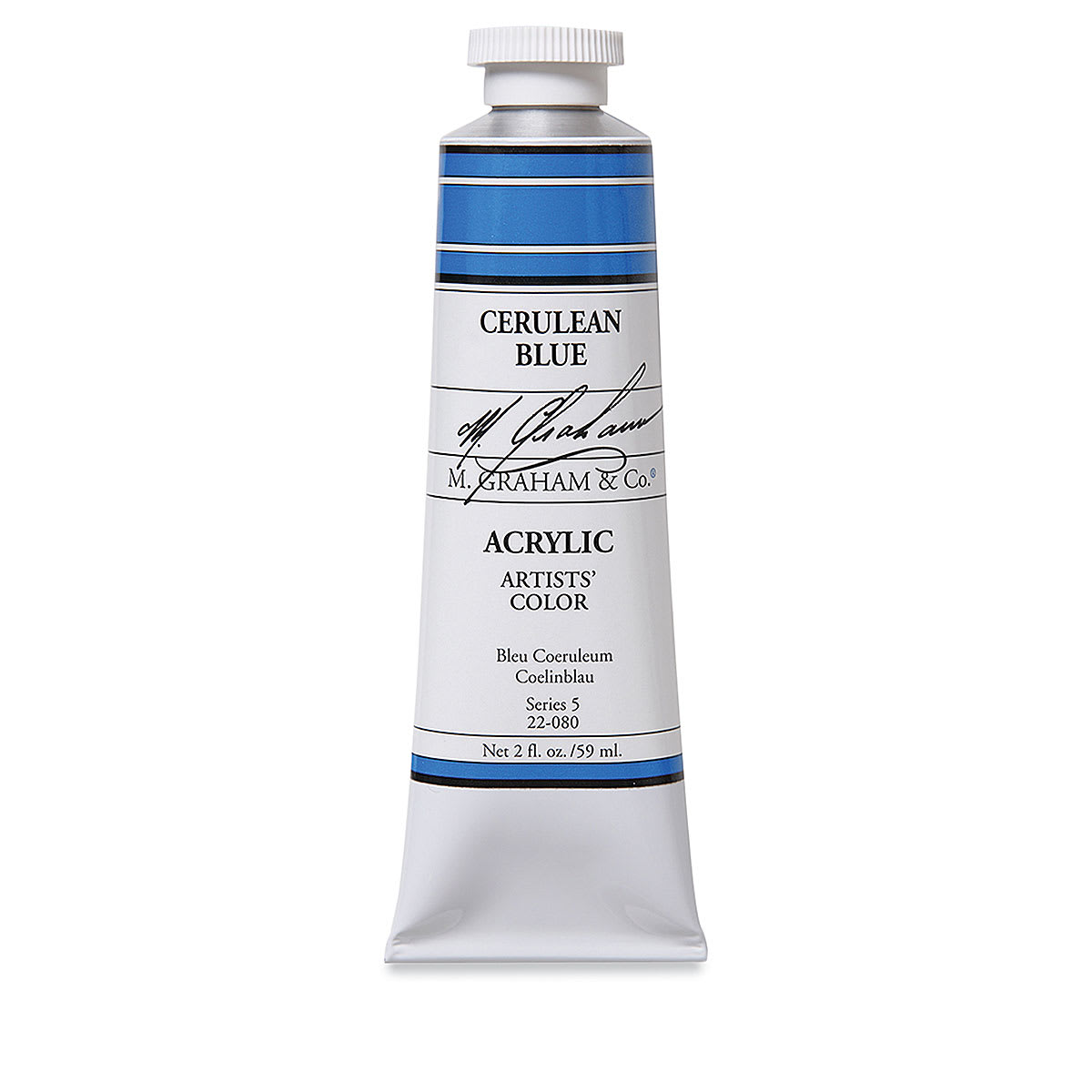
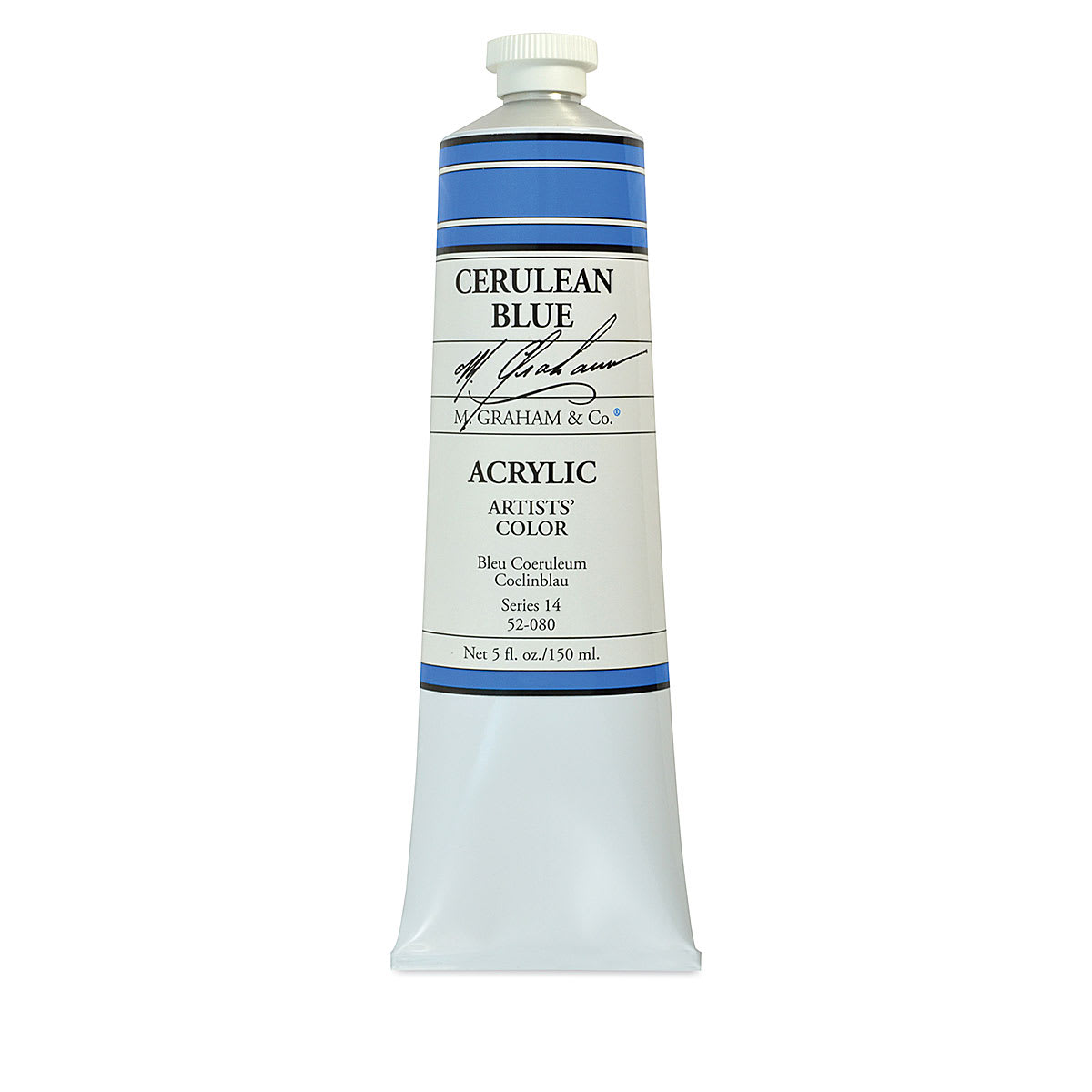
General reference notes about pigments can describe other media (such as oil). They do not verify this product’s exact formulation or behavior.
Phthalo Green
- Pigment code
- PG7
- Type
- organic
- Chemical name
- polychlorinated copper(II) phthalocyanine
- Chemical formula
- C32H3Cl13CuN8 to C32HCl15CuN8 or C32H16CuN8Cl15 (PG7) or C32Br6Cl10CuN8 (PG36)
- Properties
- Phthalo Green is a transparent, cool, bright, high intensity color used in oil and acrylics. It comes from a Phthalocyanine Blue pigment where most of the hydrogen atoms have been replaced with chlorine, forming highly stable molecules. It has similar pigment properties and permanence to Phthalo Blue. It is slow drying and an excellent base color for mixing a range of bright greens. Phthalo Green is considered a very good alternative to Viridian because it is intense and mixes well and can be used to emphasize mineral colors in various tints. However, its tinting strength is very high, so it can overpower other colors. This pigment most closely resembles the discontinued and toxic Verdigris.
- Permanence
- Phthalo Greens are completely lightfast and resistant to alkali, acids, solvents, heat, and ultraviolet radiation. They are currently used in inks, coatings, and many plastics due to their stability and are considered a standard pigment in printing ink and the packaging industry.
- Description
- Bocour Green, Cyan Green, Intense Green, Monastral Green, Phthalocyanine Green BS, Rembrandt Green, Thalo Green, Winsor Green.
Ivory Black
- Pigment code
- PBk9
- Type
- charred animal bone
- Chemical name
- carbon + calcium phosphate
- Chemical formula
- C + Ca3(PO4)2 or C x CaPO4
- Properties
- Ivory Black is a cool, semi-transparent blue-black with a slight brownish undertone and average tinting strength. It mixes well with any color, and creates a range of dull greens when mixed with yellow. It has good properties for use in oil, can be slow to dry in oil form, and should never be used in underpainting or frescoing. Ivory Black is denser than Lamp Black.
- Permanence
- Ivory Black is very lightfast and has good permanence, though it is considered the least permanent of the major black pigments.
- Toxicity
- Ivory Black has no significant hazards.
- History
- Ivory Black is a carbon based black first named as Elephantium, and described in the 4th century BCE as produced by heating ivory scraps in clay pots to reduce the ivory or bone to charcoal. The deviation in names is because the more expensive varieties of this pigment were made by burning ivory, and the less expensive ones by burning animal bone. In the 19th century, the name Ivory Black was finally permitted to be applied to Carbon Black pigments made from bone. True Ivory Black is rare in modern times due to the protection of ivory, and the synthetic variety produced today was discovered in 1929. Bone Black is produced as an industrial pigment.
- Description
- Animal Black, Blue Black, Bone Black. Paris Black is an inferior grade of Ivory Black. Incorrectly labeled as Frankfort Black.
Green Gold
- Pigment code
- PY129
- Type
- organic, polymethine
- Chemical name
- copper azomethine green
- Properties
- A transparent greenish yellow pigment with low tinting strength.
- Permanence
- Pigment PY129 has been reported to have very good lightfastness.
- Toxicity
- Pigment PY129 is not considered to be hazardous.
- History
- Pigment Yellow PY129 has been used in automotive coatings.
- Description
- Magnacryl Azomethine Yellow
 Blick Art Materials