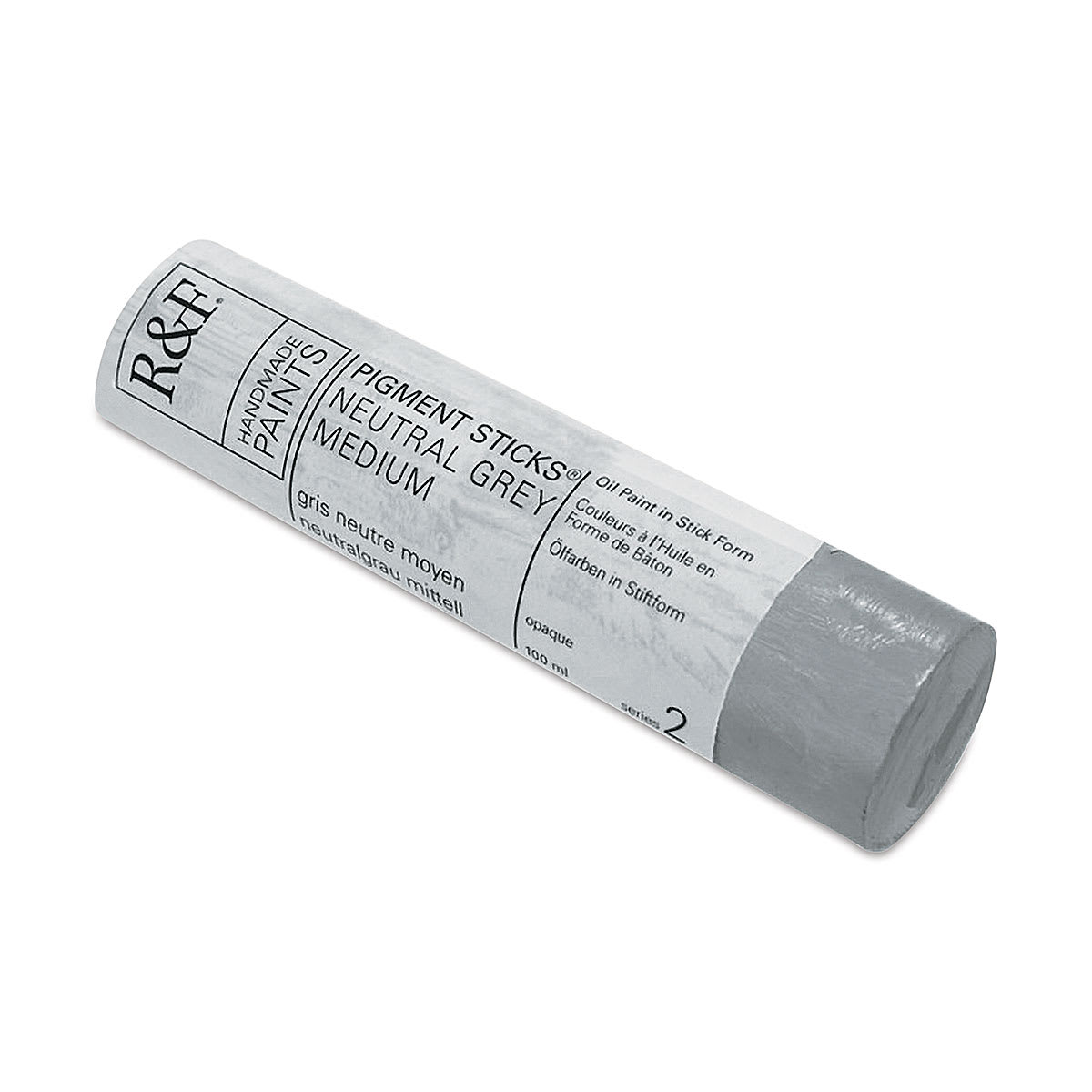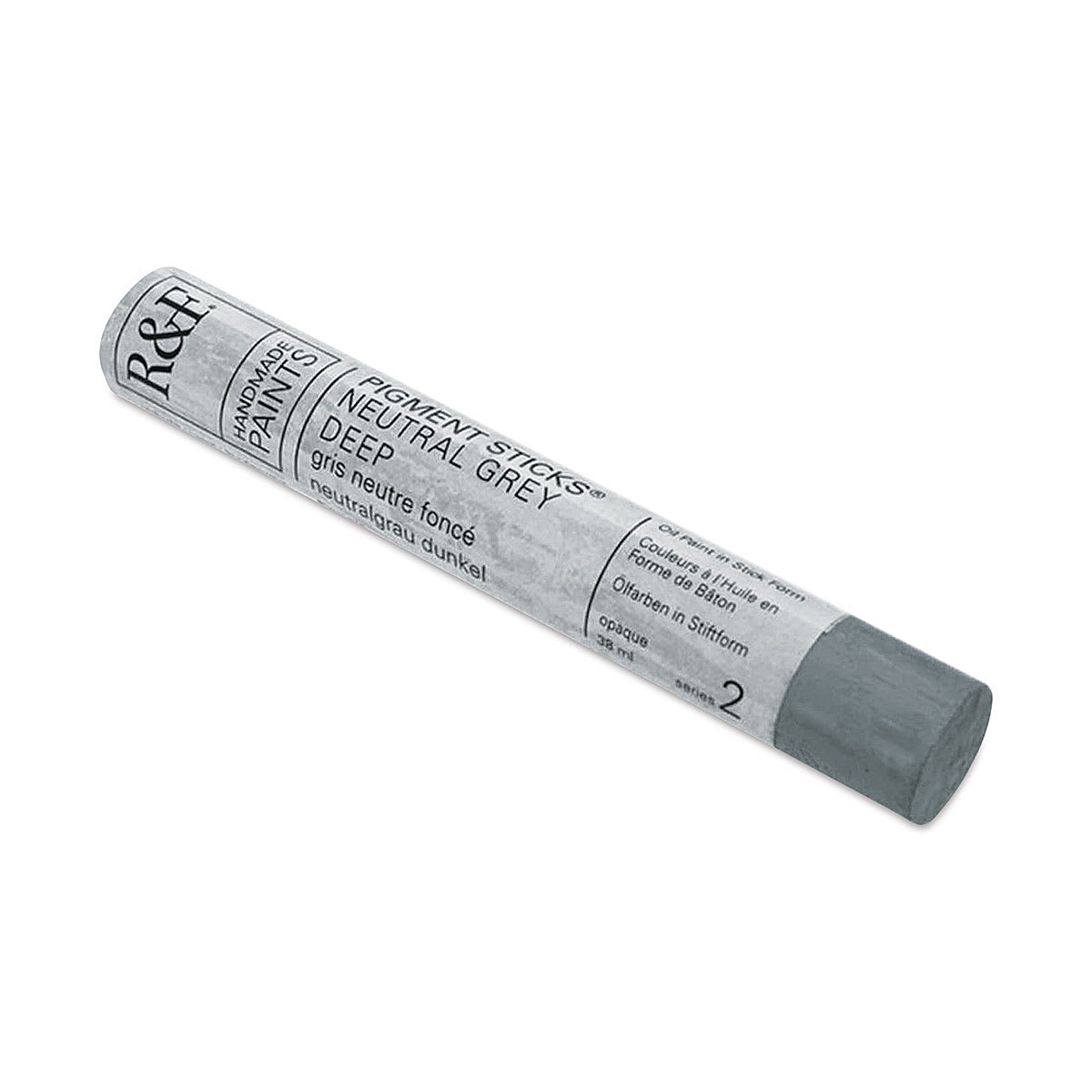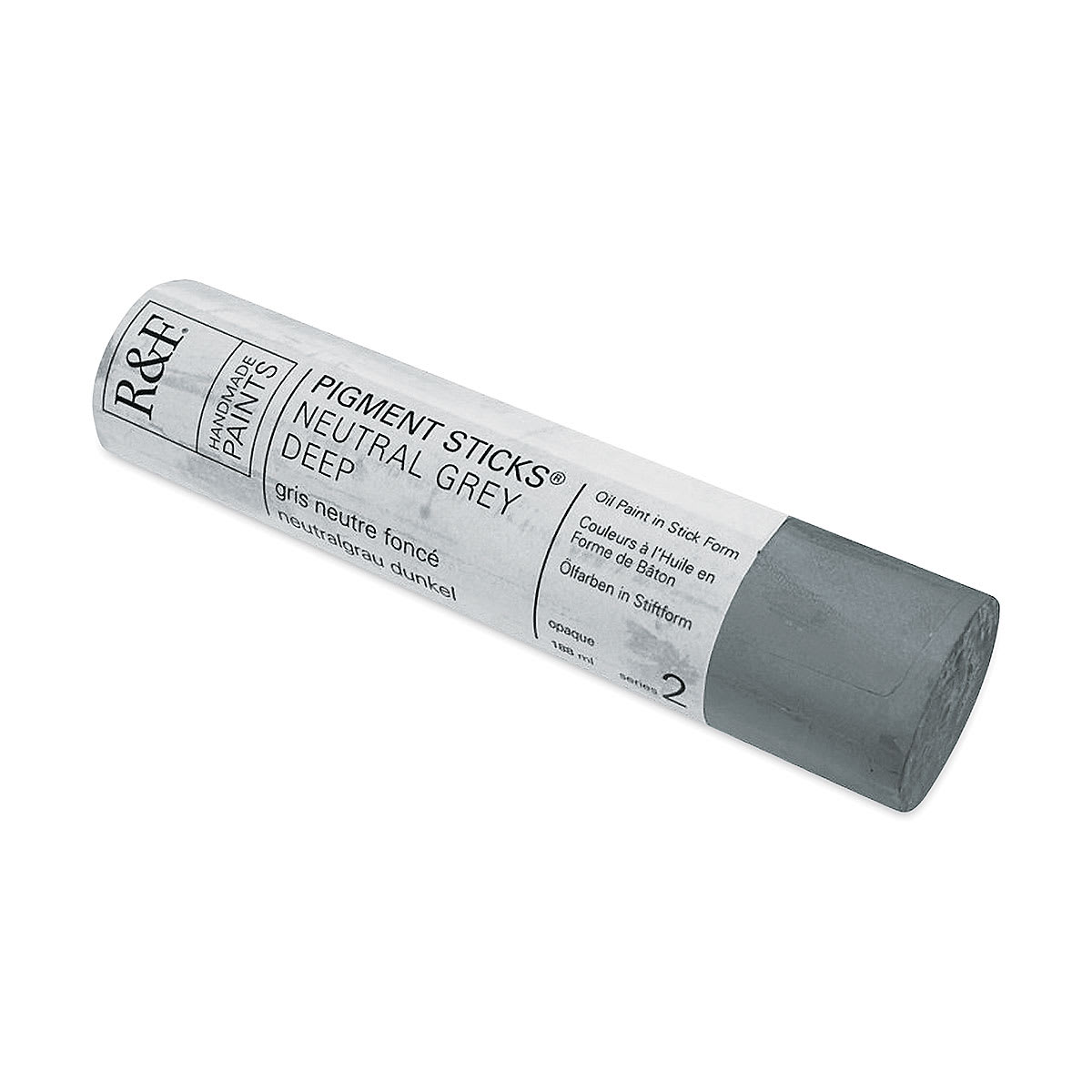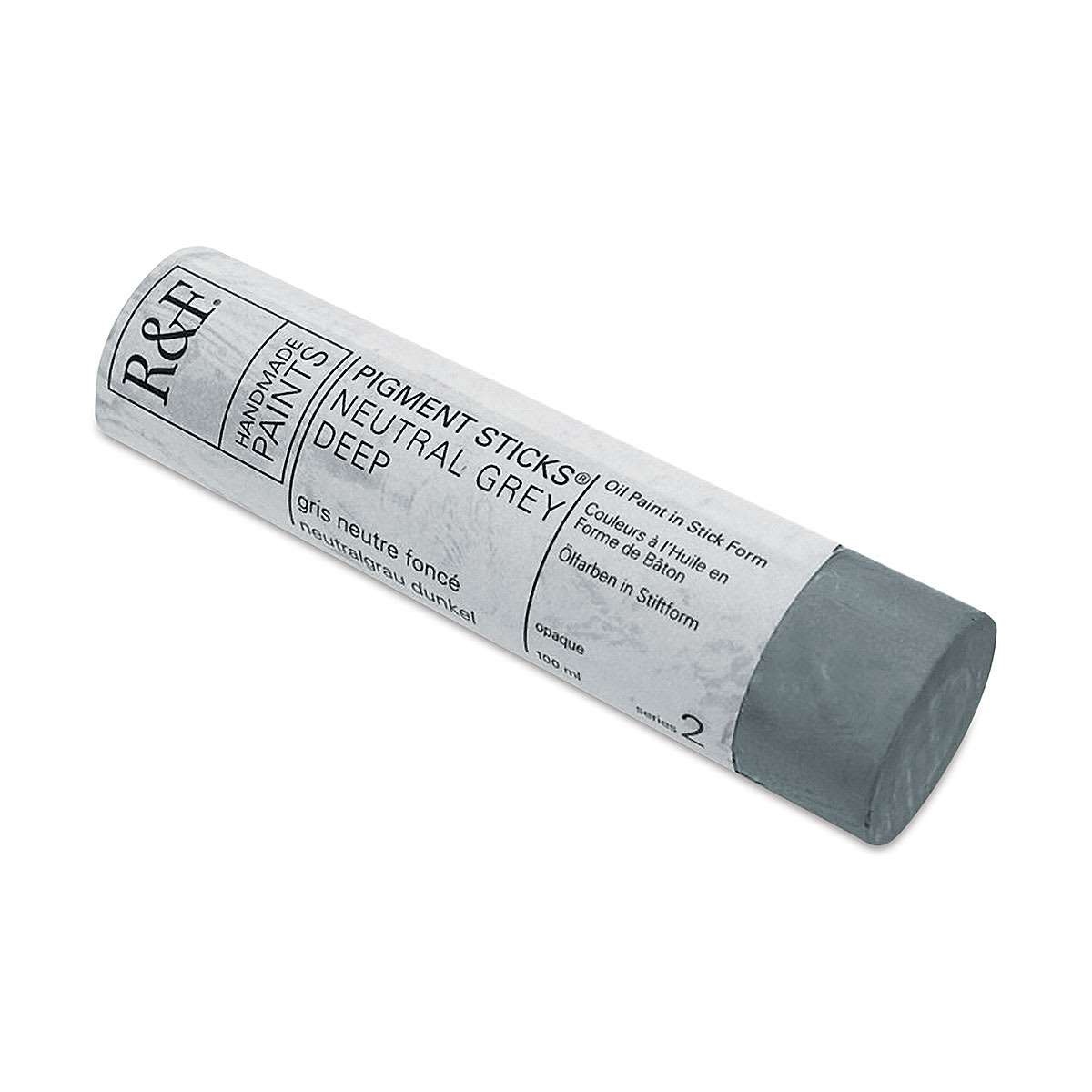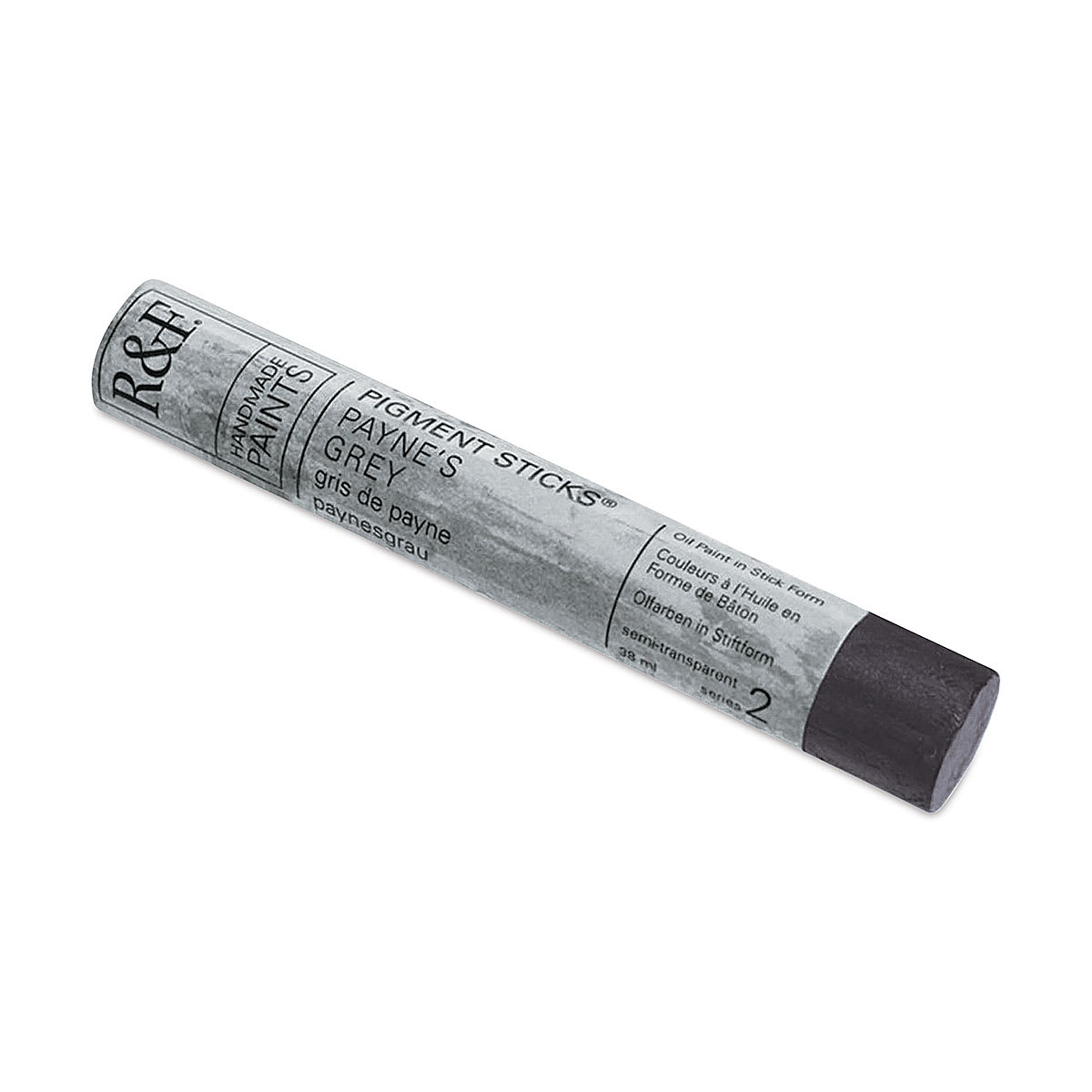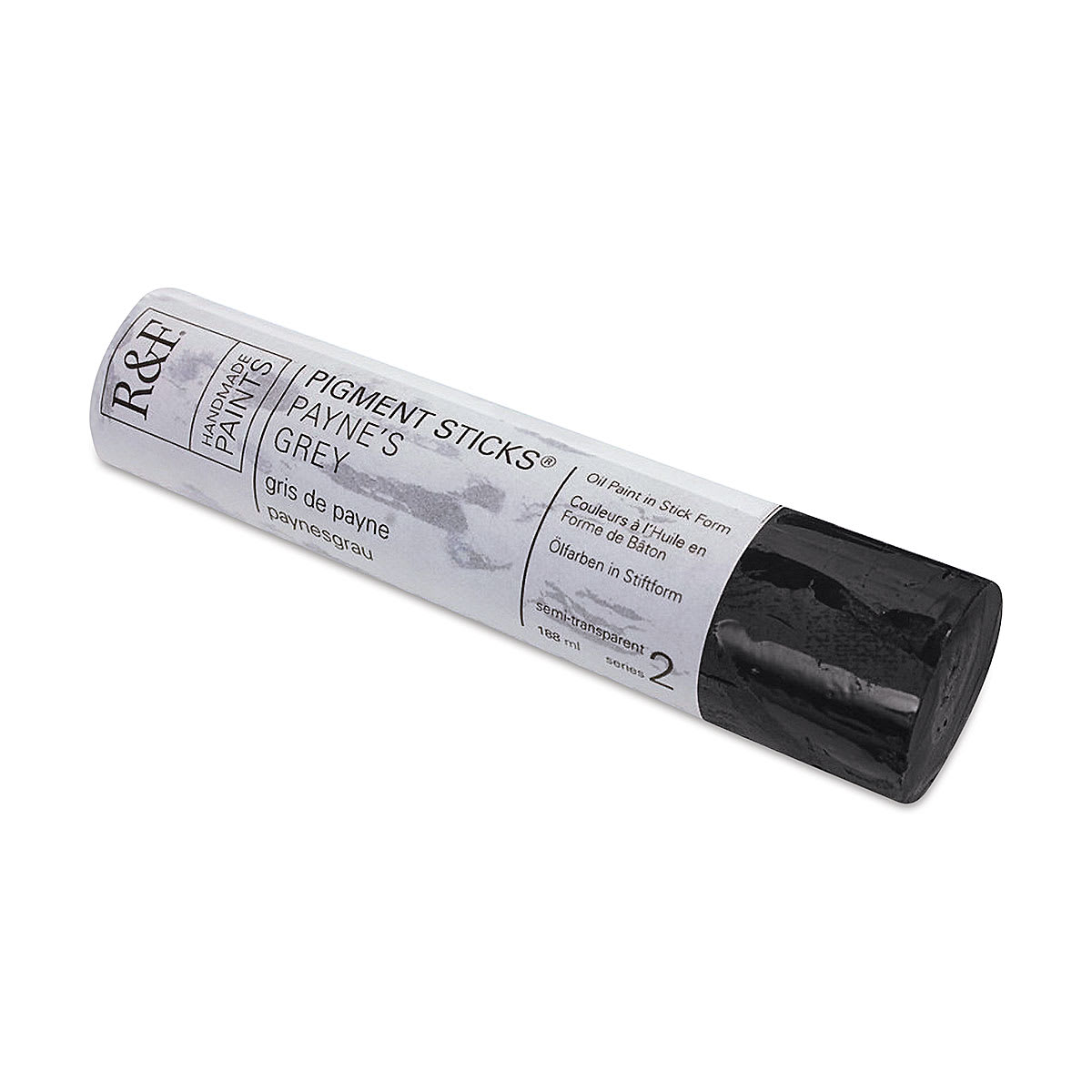
Product details
- Size
- 188 ml
- Blick SKU
- 01107-3054
About this product range
- Professional, handmade oil color sticks
- 96 luminous colors
- Richly pigmented
- Linseed oil and natural waxes, no fillers
- Smooth and rich for expressive mark making
- Small batch production, made in the USA
R&F Pigment Sticks put the paint directly in your hand, eliminating the separation between brush and surface. These are true oil colors, handmade in small batches with just enough wax added to shape them into a stick. Made with three simple, traditional materials—natural bee and plant waxes, linseed oil, and pigments of unmatched purity—their lipstick-soft consistency invites spontaneous mark making and results in strong, durable films.
With a range of 96 colors, R&F Pigment Sticks offer a liberating alternative to the limited palettes of traditional printmaking or tube paints. Use them on their own or mix with traditional oil colors. Thin them with turpentine or mineral spirits, or work them directly into stand oil, linseed oil, alkyd mediums, or resin gels. Whether you're sketching loosely on canvas or building up rich layers, Pigment Sticks deliver a direct, tactile experience that bridges the gap between drawing and painting.
They work on any surface suitable for traditional oil painting—sized canvas, paper, or panels. For a faster-drying, matte finish, try more absorbent surfaces like clay-coated papers. Once fully dry, Pigment Stick artwork can be varnished just like any oil painting.
Small sticks are 38 ml—about the same as a standard tube of artists' oil paint. Medium sticks are 100 ml. Large sticks are 188 ml.
Pigment information
General reference notes about pigments can describe other media (such as oil). They do not verify this product’s exact formulation or behavior.
Quinacridone Pyrrolidine Red
- Pigment code
- PR206
- Type
- organic, quinacridone
- Chemical name
- quinacridone pyrrolidine
- Properties
- PR206 offers a deep maroon or bordeaux red. Quinacridone pigments have relatively low tinting strength in general. For this reason, quinacridone colors are often expensive, because more pigment is required in the formulation.
- Permanence
- Quinacridone pigments have excellent lightfastness.
- Toxicity
- Quinacridone Pyrrolidine Red has no known acute hazards. Overexposure to quinacridone pigments may cause skin irritation. Quinicridone pigments contain a compound found to be a skin, eye, and respiratory irritant.
- History
- It was developed as a maroon or bordeaux red for automotive paints.
- Description
- Monastral Maroon
Titanium White
- Pigment code
- PW6
- Type
- inorganic
- Chemical name
- titanium dioxide
- Chemical formula
- TiO2
- Properties
- Titanium White is the most brilliant of the white pigments. It is considered an all purpose oil color useful in all techniques and the best all around white. Its masstone is neither warm nor cool, placing it somewhere between Lead White and Zinc White. It is less prone to cracking and yellowing than Lead White, but it still yellows easily. Titanium White dries slowly in oil form, more slowly than Lead White but more quickly than Zinc White. It is opaque in oil and acrylic forms and semi-opaque in watercolor form. This pigment has good chemical stability, and its tinting strength is superior to both Lead White and Zinc White.
- Permanence
- Titanium White has excellent permanence and lightfastness.
- Toxicity
- Titanium dioxide is highly stable and is regarded as non-toxic.
- History
- Titanium is the ninth most abundant element in the Earth's crust, however mineral deposits that are economical to mine are less common. Titanium dioxide was first discovered in 1821, although it could not be mass produced until 1919. Widespread use of the pigment began in the 1940s. Since that time, it has become the most commonly used white pigment. The name comes from the Latin word Titan, the name for the elder brother of Kronos and ancestor of the Titans, and from the Greek word tito, meaning day or sun.
Zinc White
- Pigment code
- PW4
- Type
- inorganic
- Chemical name
- zinc(II)-oxide
- Chemical formula
- ZnO
- Properties
- Zinc White is the coolest white, and it has a cold, clean masstone and a slightly bluish tint. It has less hiding power and is more transparent than other whites. It dries slowly and is good for painting wet into wet and for glazing and scumbling. Zinc White is neither as opaque nor as heavy as Lead White, its covering power is not as good, and it takes much longer to dry. However, it does not blacken when exposed to sulfur in the air as Lead White does. It is very valuable for making tints with other colors. Unmixed Zinc White dries to a brittle and dry paint film that may crack over the years, so it is not good for frescoing. It is more transparent in acrylic form than Titanium White and is the most commonly used white with gouache. Chinese White is a version of Zinc White appropriate for opaque watercolor techniques.
- Permanence
- Zinc White has great permanence and lightfastness.
- Description
- Chinese White, French White, Permanent White, Silver White, Snow White, Zinc Oxide.
Track this price
New lows for this exact package, across matched retailers.
Loading your account…
Price history
More to explore
Related supplies from the catalog.

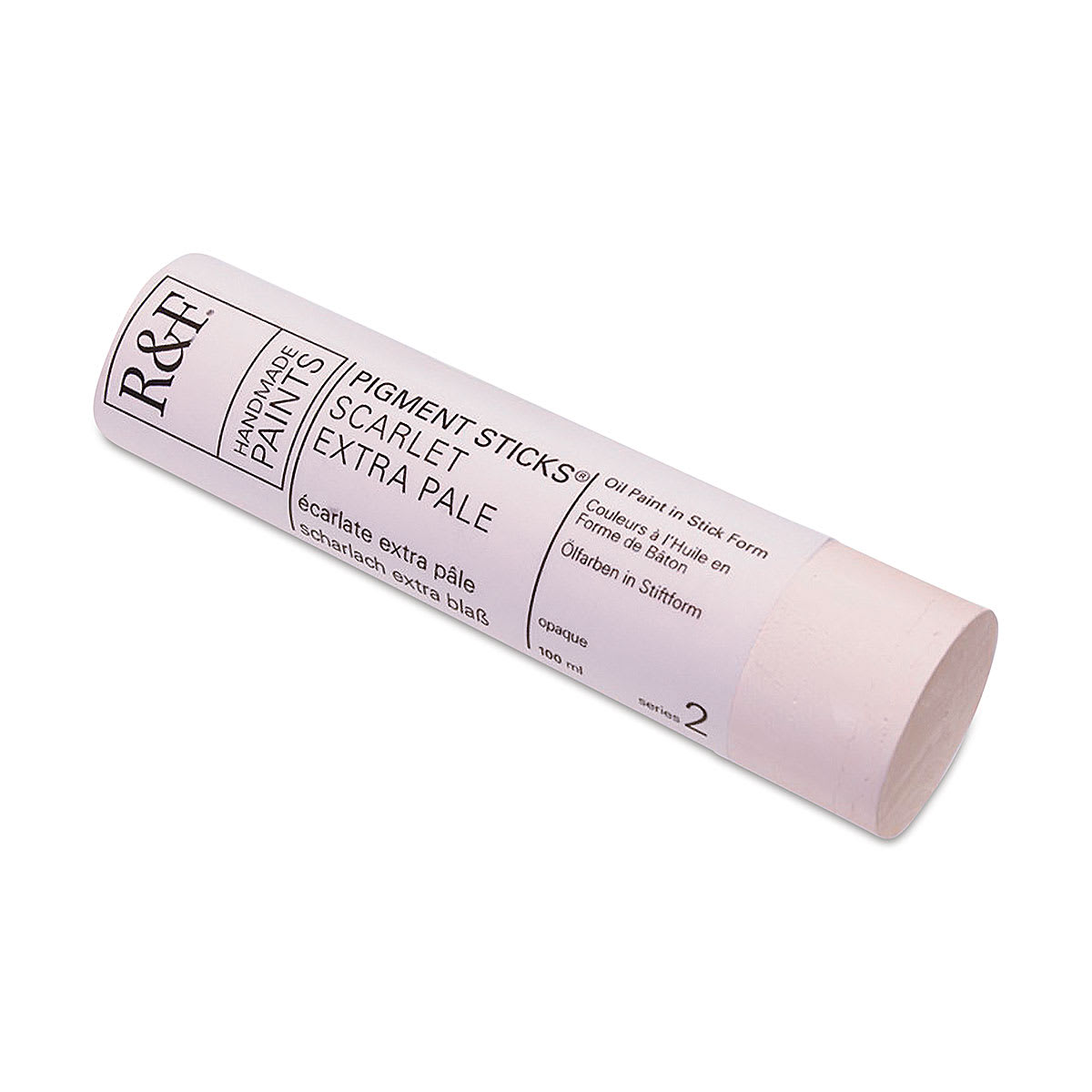
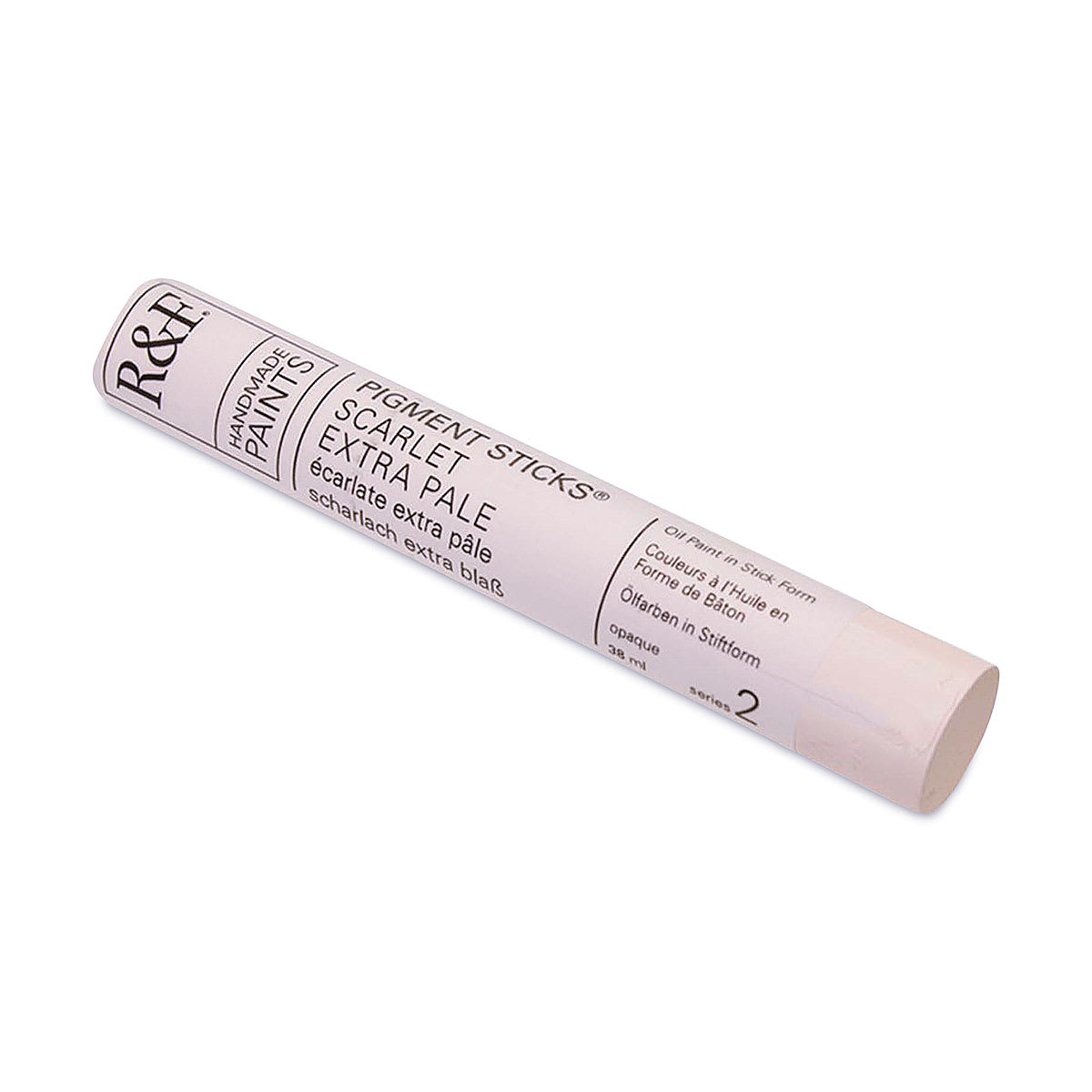
R&F Pigment Stick - Scarlet Extra Pale, 100 ml stick

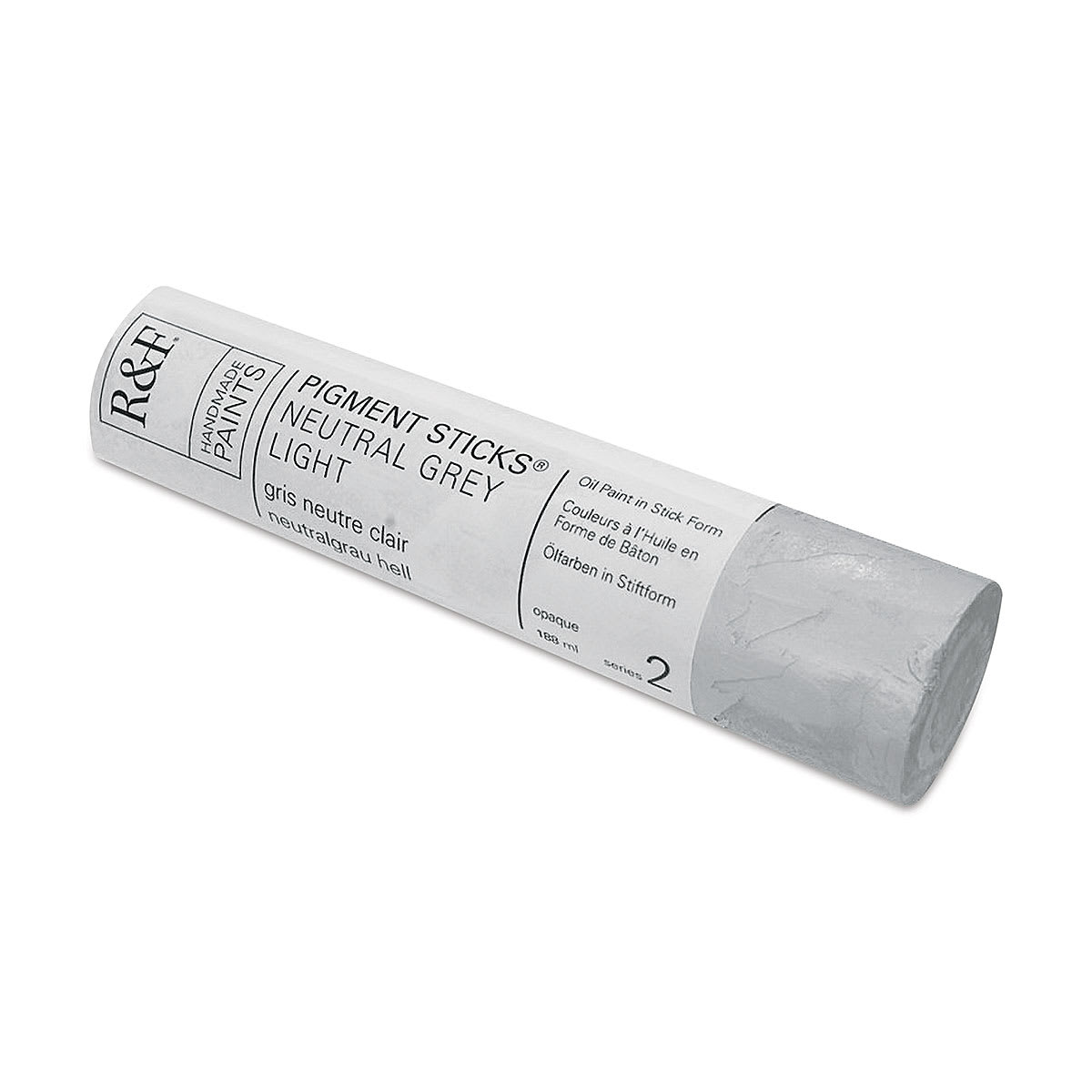
R&F Pigment Stick - Neutral Gray Light, 188 ml

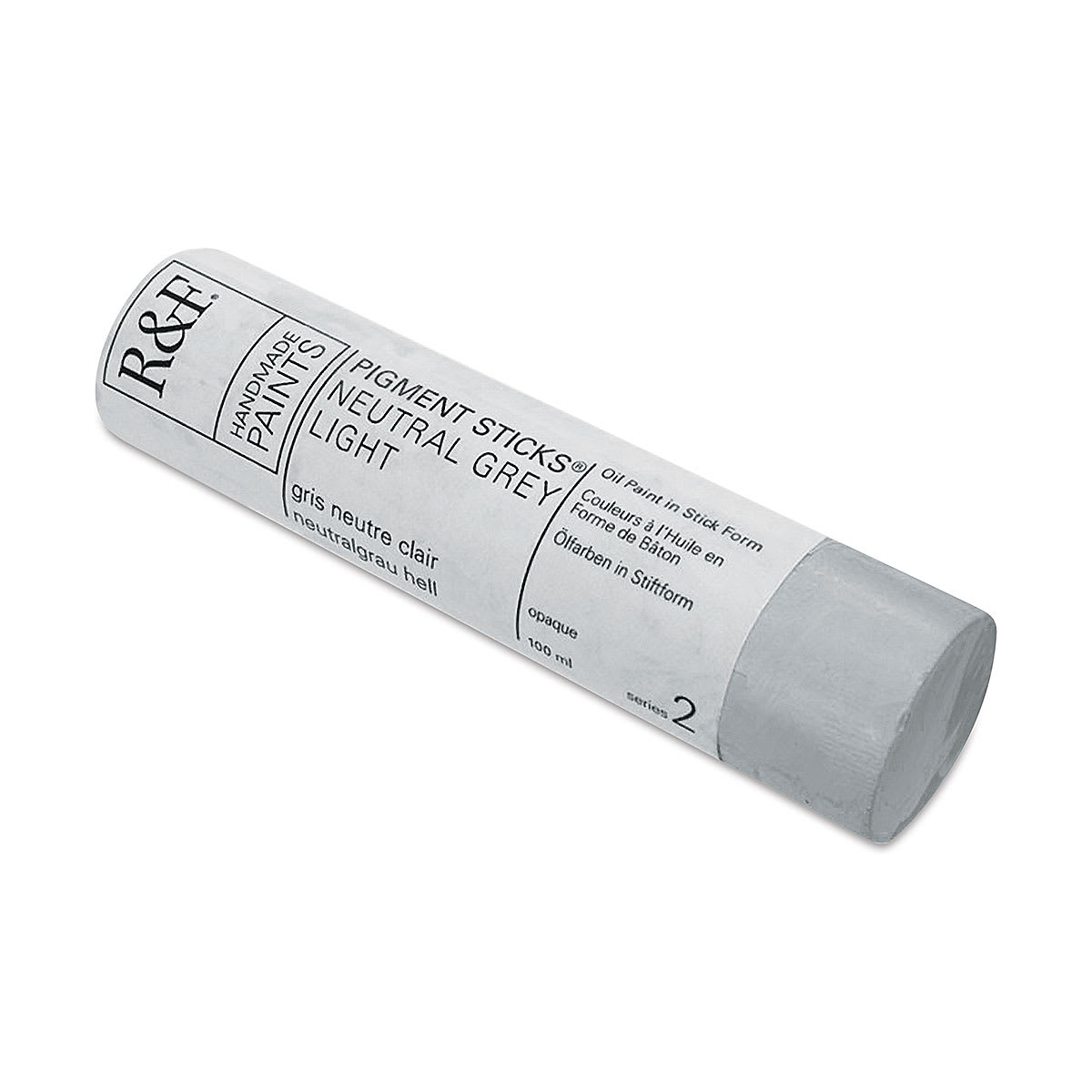
R&F Pigment Stick - Neutral Grey Light, 100 ml stick

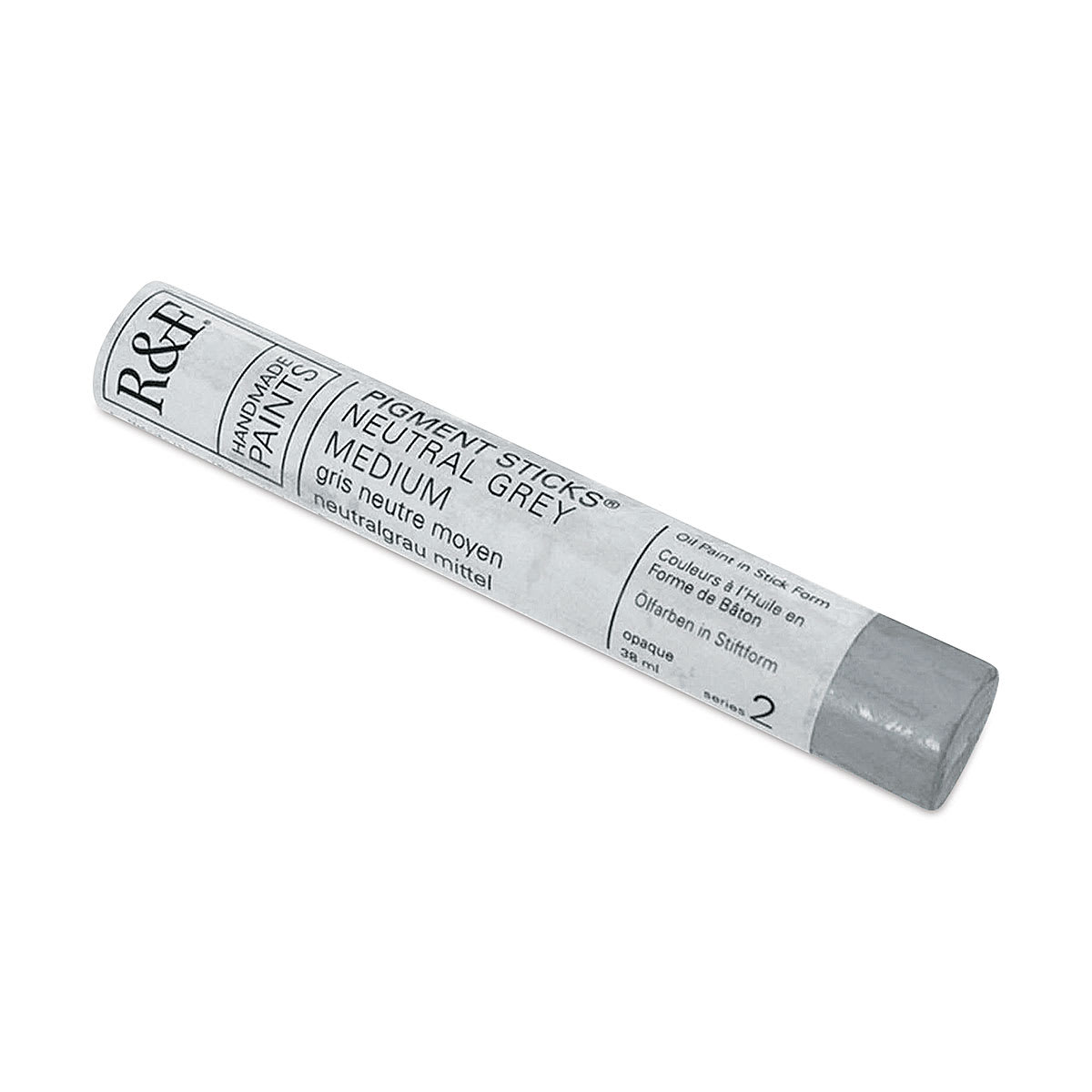
R&F Pigment Stick - Neutral Gray Medium, 38 ml

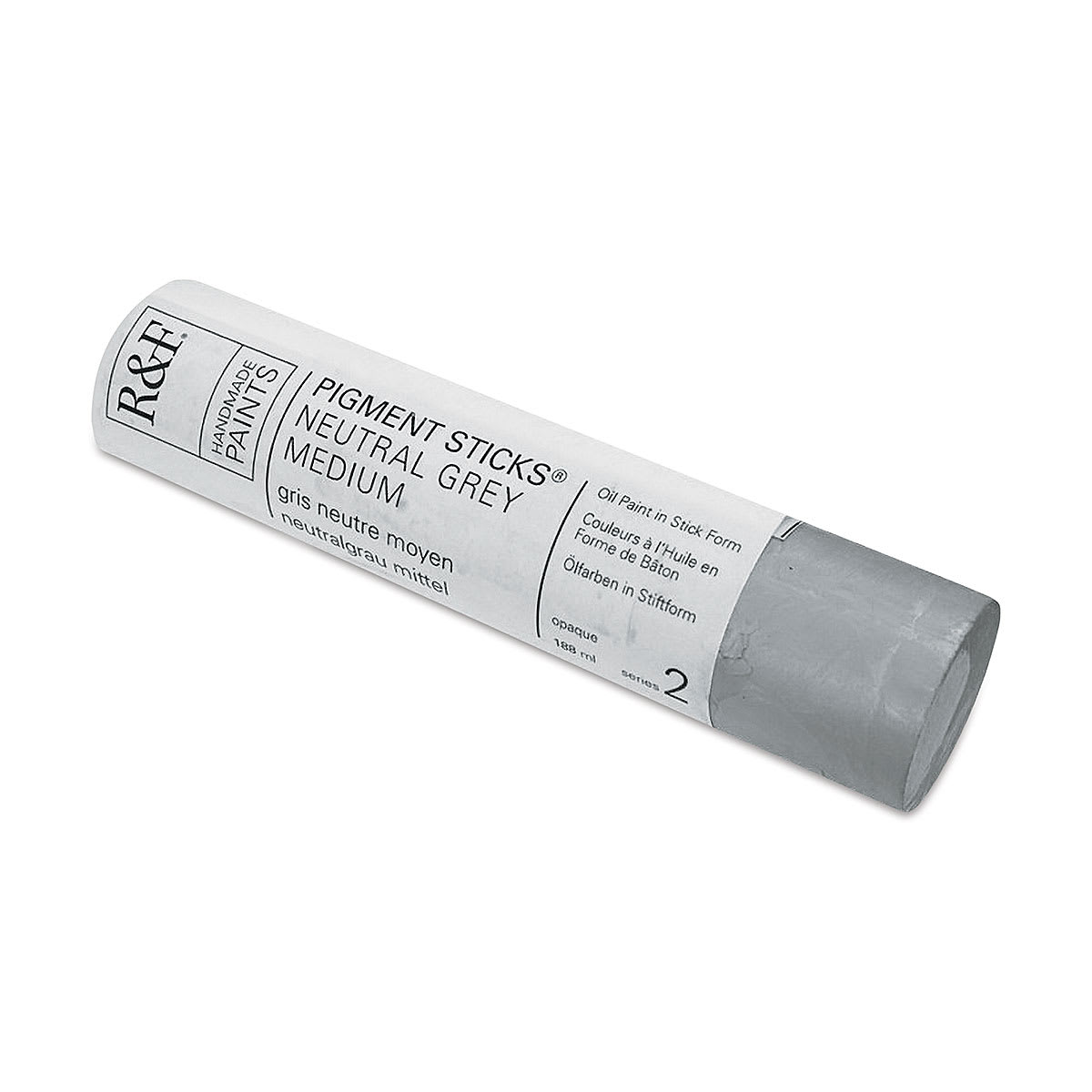
R&F Pigment Stick - Neutral Gray Medium, 188 ml

R&F Pigment Stick - Neutral Grey Medium, 100 ml stick

R&F Pigment Stick - Neutral Gray Deep, 38 ml stick

R&F Pigment Stick - Neutral Gray Deep, 188 ml stick

R&F Pigment Stick - Neutral Grey Deep, 100 ml stick

R&F Pigment Stick - Payne's Gray, 38 ml