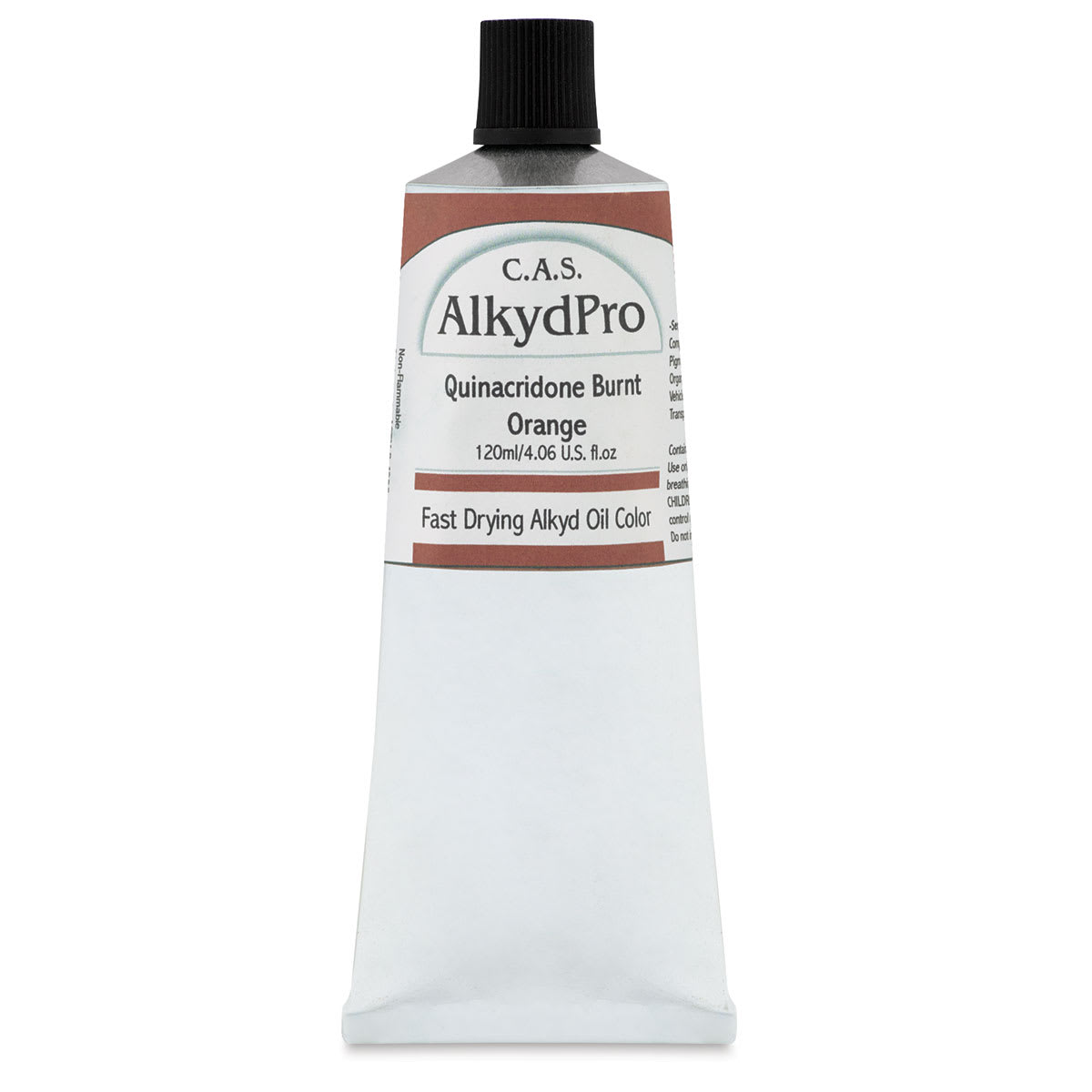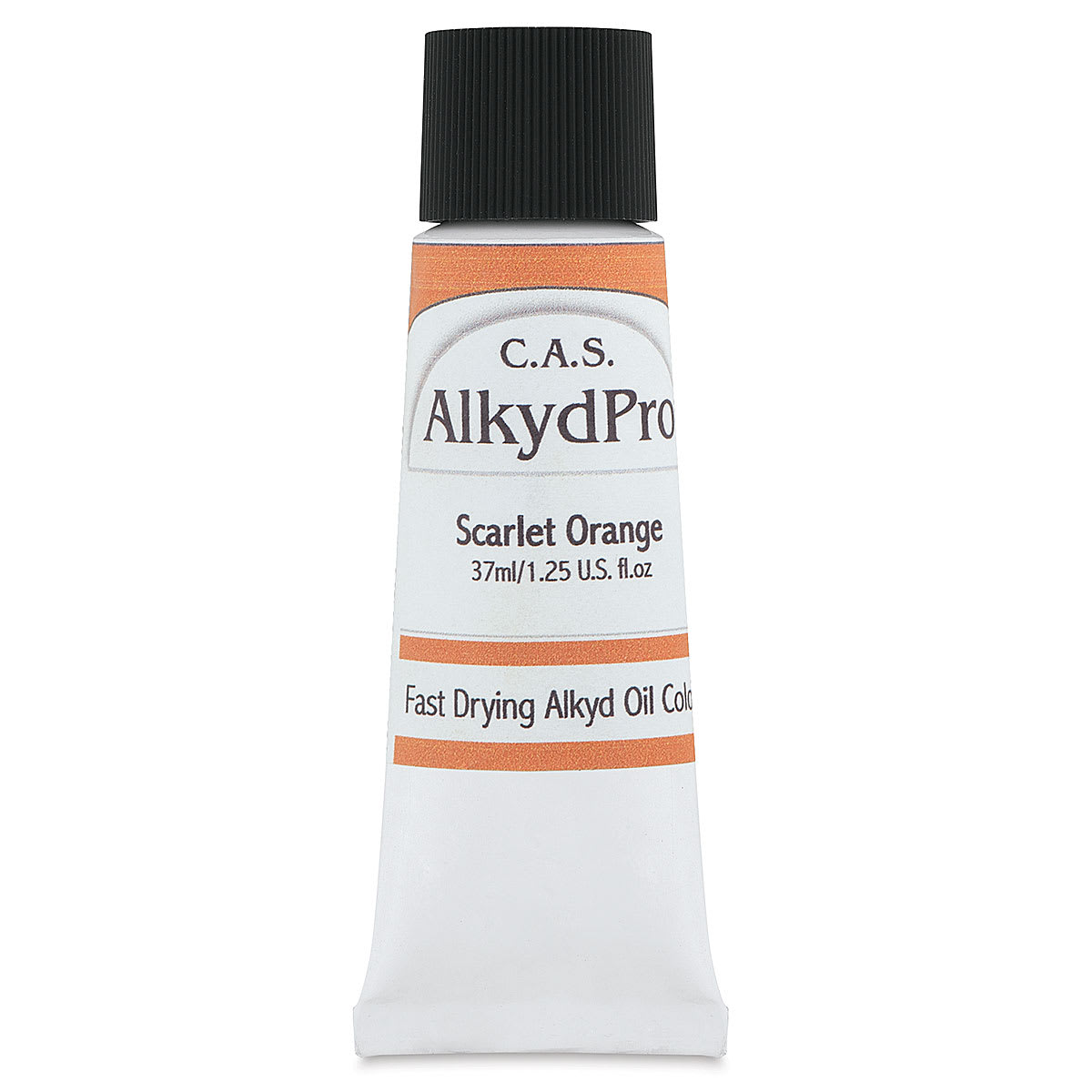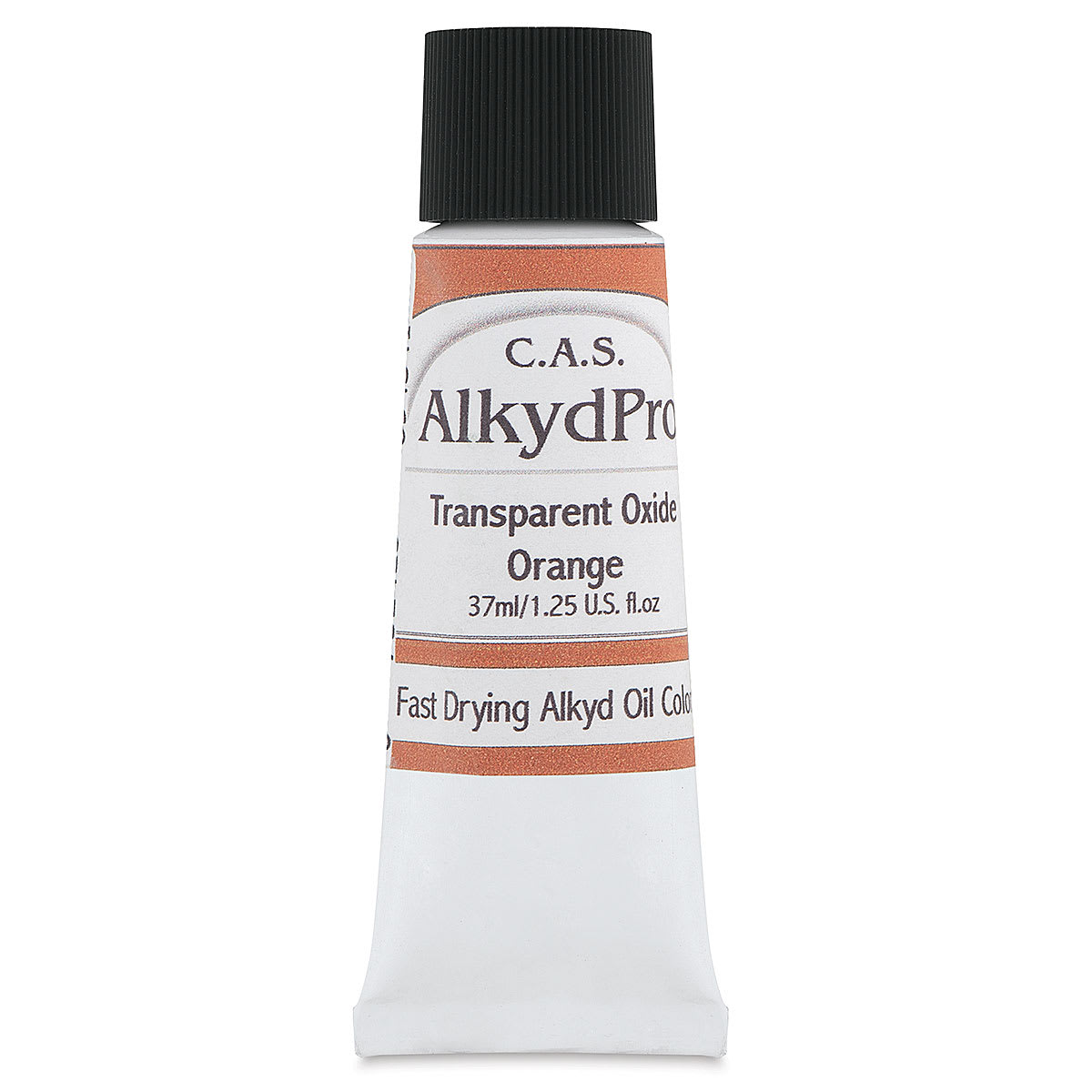
Product details
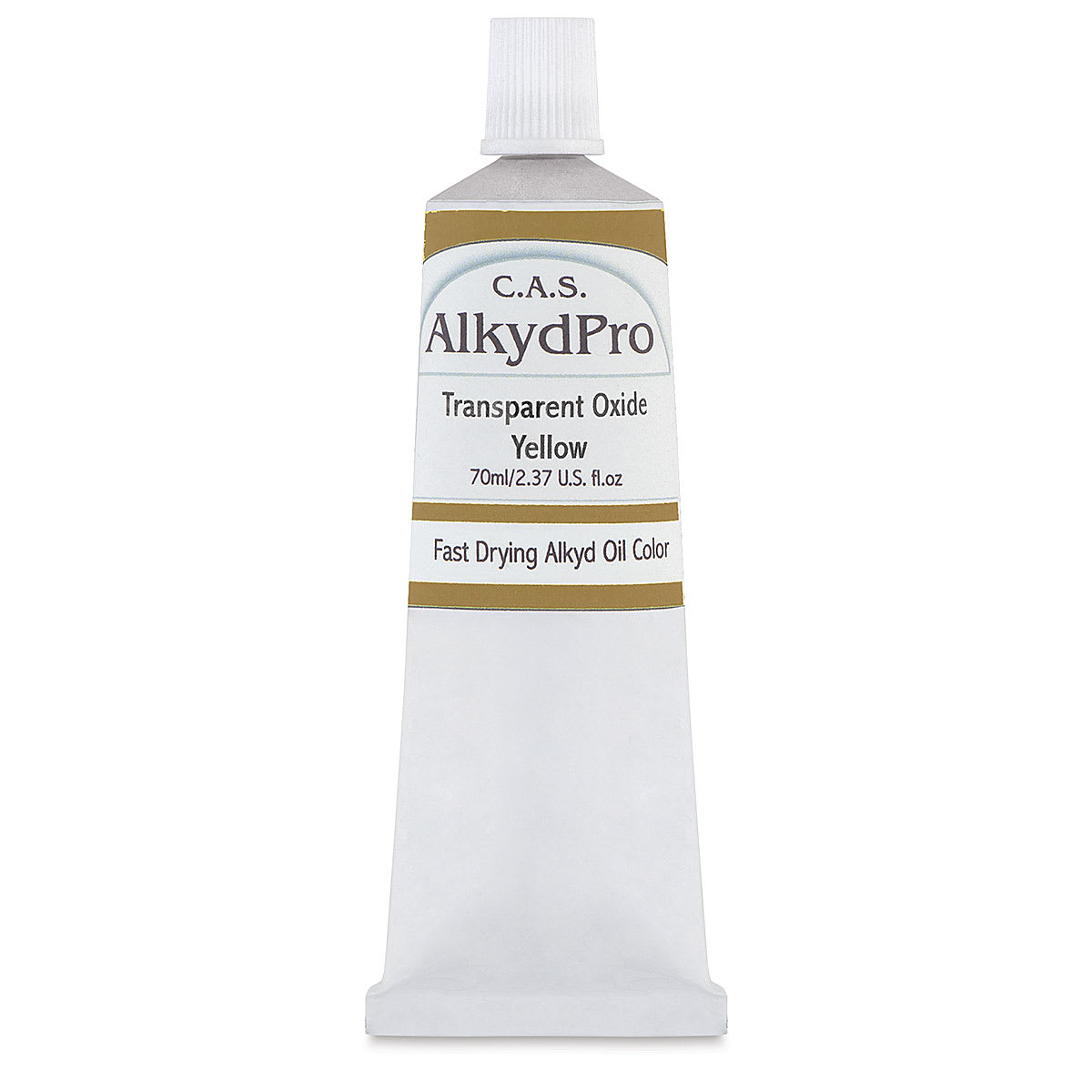
- Size
- 70 ml
- Blick SKU
- 00504-4964
About this product range
AlkydPro Fast-Drying Alkyd Oil Colors are artist's colors for the 21st century. Because AlkydPro Colors dry much quicker than traditional oil paints (within 20 hours), artists can complete paintings in a fraction of the time. The quick drying time also allows more creative freedom for artists who travel, paint plein air, or work in layers. The binder used in AlkydPro Alkyd Oil Colors is a sunflower oil alkyd resin. Because they contain no linseed oil, AlkydPro Oil Colors won't yellow, crack, or dull over time. At the same time, every color offers a high pigment concentration and the buttery feel that is consistent with professional-quality paints. The high pigment concentration also means that colors are purer, and a larger tube size means paints stretch further, ensuring a better value for the artist. AlkydPro Alkyd Oil Colors are compatible with traditional oils, mediums, mineral spirits, and turpentine, as well as with other alkyds. They also can be used to speed the drying time of oil paints. They contain no fillers, adulterants, or opacifiers. AlkydPro Alkyd Oil Colors dry to a brilliant, flexible finish and retain their color intensity after drying. Made in the USA.
Pigment information
General reference notes about pigments can describe other media (such as oil). They do not verify this product’s exact formulation or behavior.
Yellow Iron Oxide
- Pigment code
- PY42
- Chemical name
- iron(III)-oxide, hydrated
- Chemical formula
- Fe2O3 • H2O
- Properties
- Yellow Ochre provides artists with earthtones from cream to brown. It has good hiding power, produces a quick drying paint, and can be safely mixed with other pigments. Its transparency varies widely from opaque shades to more transparent ones, which are valued for their use as glazes. If gypsum is present, Yellow Ochre is not suitable for frescoing. (See Brown Ochre, PY43.) PY42 is made from synthetic iron oxides. PY43 is made from natural iron oxide.
- Permanence
- Yellow Ochre has excellent permanence because ochres are some of the most permanent pigments available.
- History
- Ochre comes from the Greek word ochros, meaning pale yellow. It was one of the first pigments to be used by human beings, and evidence of its use has been found at 300,000 year old sites in France and the former Czechoslovakia.
- Description
- Chamois, Iron Yellow, Mars Orange, Mars Yellow, Minette, Ochre, Sil, Yellow Earth, Yellow Ochre, Yellow Oxide. Varieties of Yellow Ochre include Brown Ochre, Flesh Ochre, Roman Ochre, Spruce Ochre, and Transparent Gold Ochre.
Red Iron Oxide
- Pigment code
- PR101
- Type
- earth, synthetic
- Chemical name
- iron oxides (synthetic), iron oxide, silica, alumina, lime, and magnesia or hydrated iron oxide
- Chemical formula
- Fe2O2 or Fe2O3 x H2O
- Properties
- Red iron oxide varies in hue and transparency, depending on hydration and slight impurities. Indian Red is a slightly duller, deep brick hue with a bluish undertone. It is very dense and opaque, with excellent tinting strength and covering power. It is dependable when mixing with all other permanent pigments and yields good flesh tints when mixed with Zinc White. It is the synthetic version of PR102, which is a pigment made from earth reds, or natural red iron oxides, and the names applied to PR101 and PR102 often overlap. The synthetic red iron oxides have mostly replaced natural red iron oxides and are brighter, stronger, finer, and more permanent. Indian Red is the highest grade bluish shade. Light Red, English Red, and Venetian Red are yellowish shades. Mars Violet is a dull and subdued bluish or purplish oxide.
- Permanence
- Red iron oxide is very lightfast with excellent permanence.
- Toxicity
- Red iron oxide has no significant hazards.
- History
- Natural red iron oxide comes from the mineral ore hematite, called bloodstone by the ancient Greeks from the word hema, meaning blood. It is one of the oldest pigments, has been used by every major civilization, and was an important mineral for medieval alchemists. It was not widely used in artists' materials until the 17th century and was not produced in large quantities until the 18th century.
- Description
- Indian Red, Colcothar, English Red, Light Red, Mars Red, Mars Violet, Morelle Salt, Pompeian Red, Indian Red, Red Oxide, Sinopia, Spanish Red, Terra Rosa, Tuscan Red, Venetian Red, Venice Red.
Track this price
New lows for this exact package, across matched retailers.
Loading your account…
Price history
More to explore
Related supplies from the catalog.
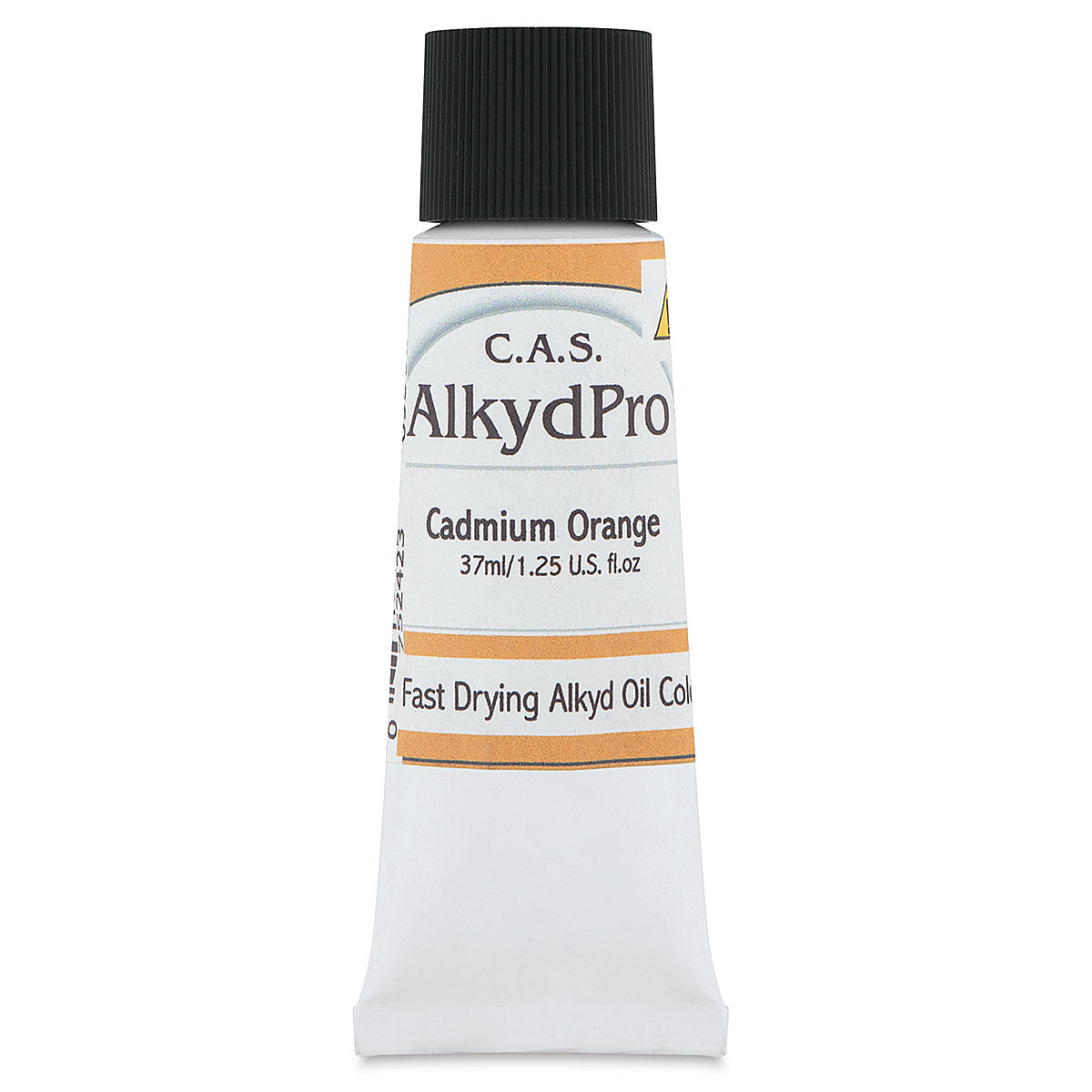

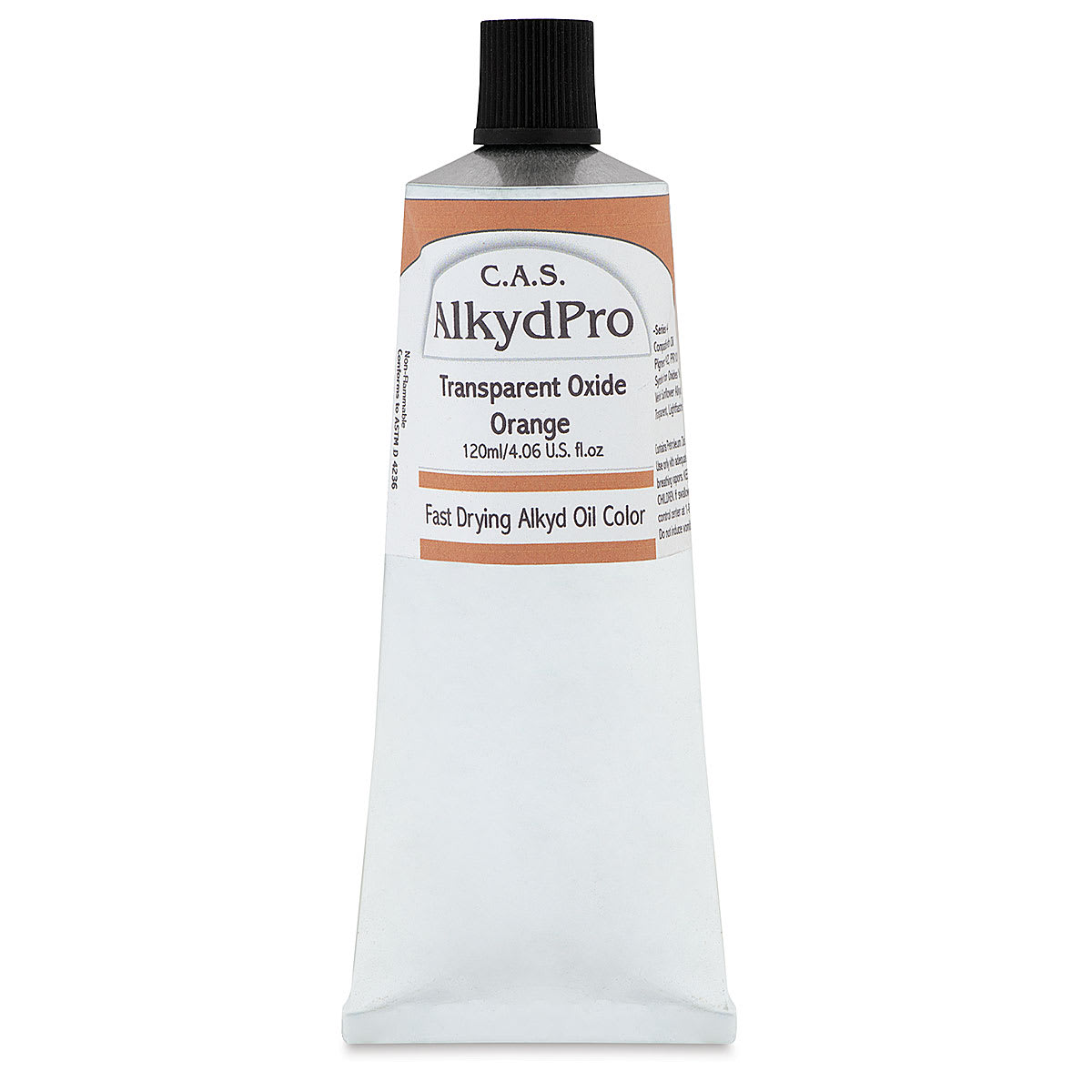
CAS AlkydPro Fast-Drying Alkyd Oil Color - Transparent Oxide Orange, 120 ml tube

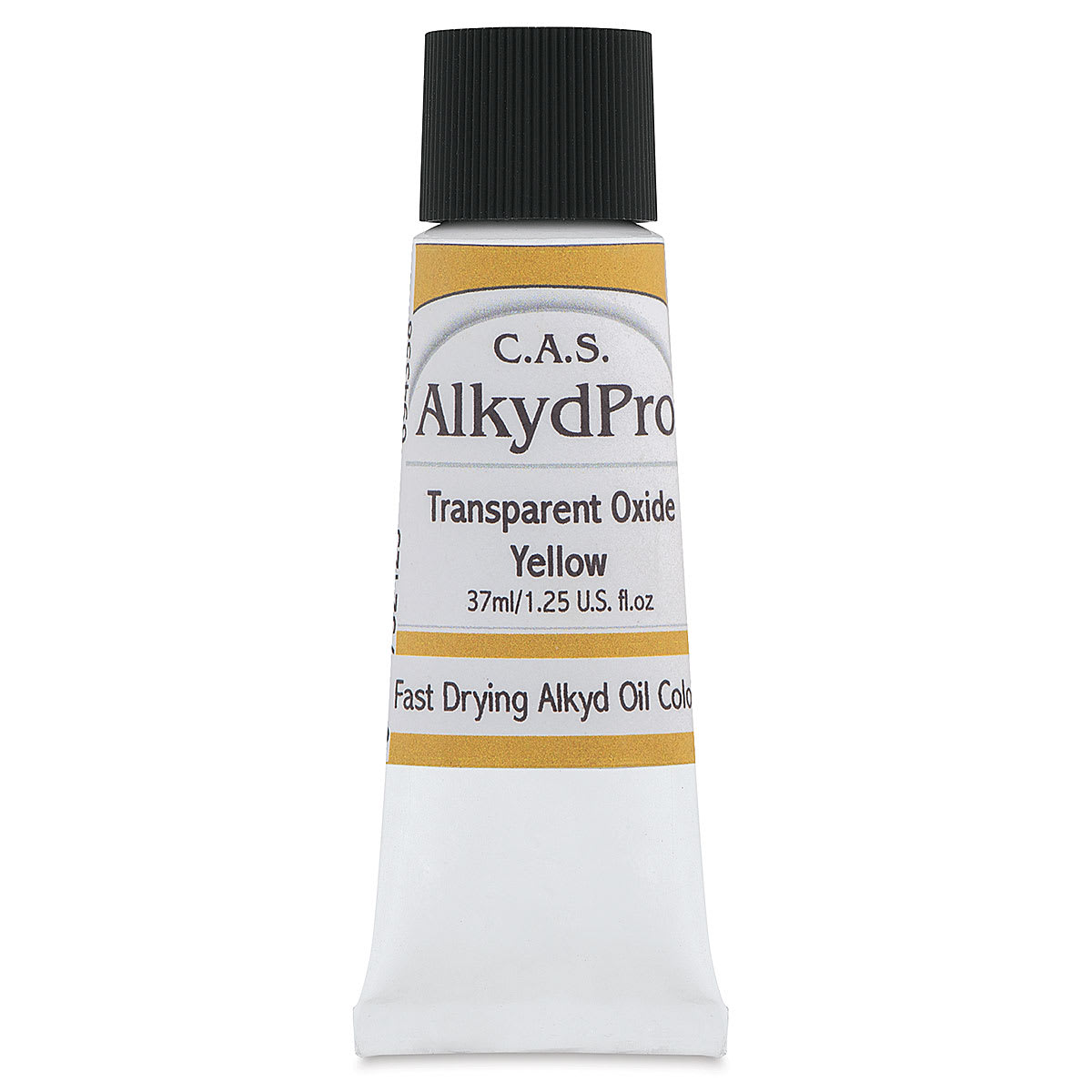
CAS AlkydPro Fast-Drying Alkyd Oil Color - Transparent Yellow Oxide, 37 ml tube

CAS AlkydPro Fast-Drying Alkyd Oil Color - Transparent Oxide Yellow, 70 ml tube

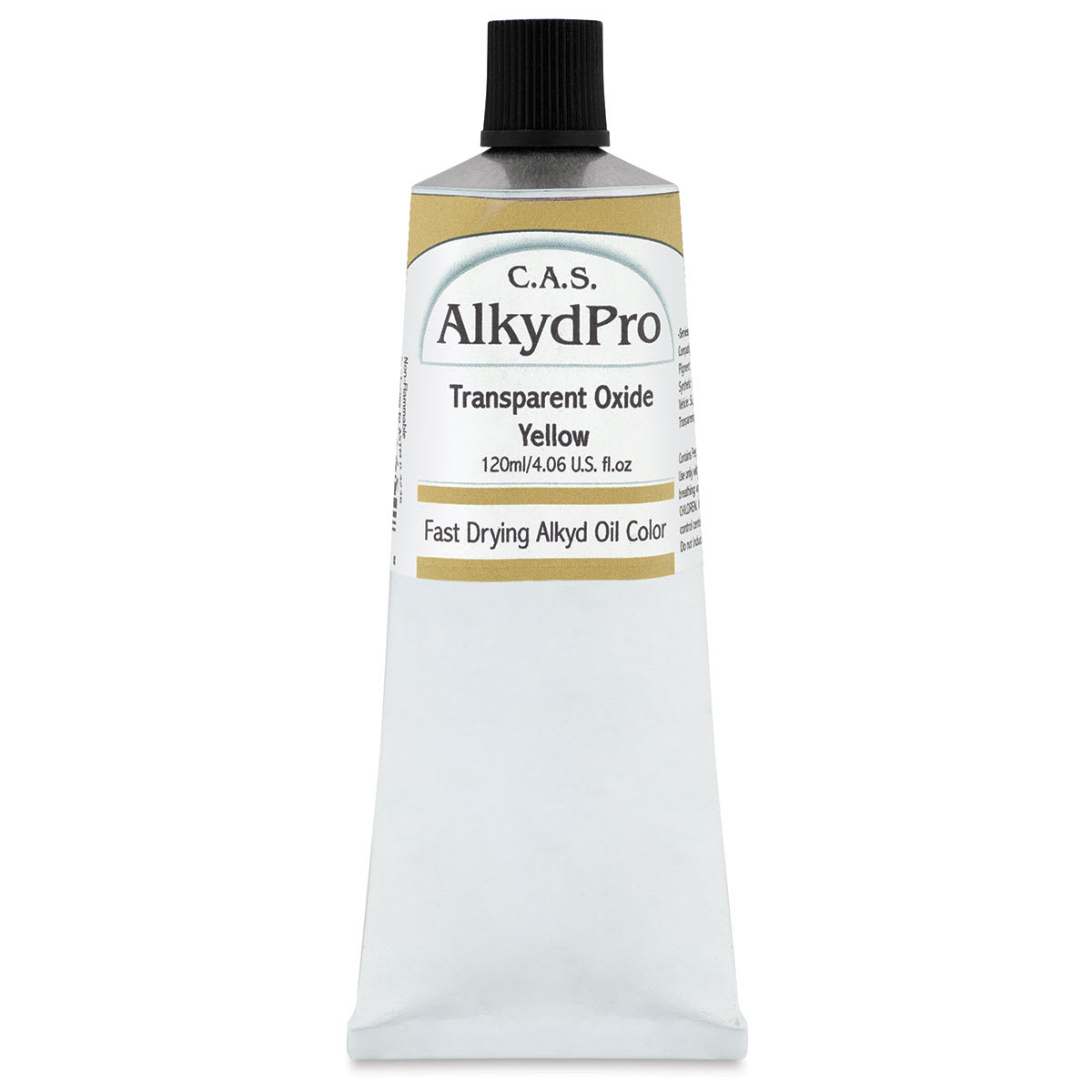
CAS AlkydPro Fast-Drying Alkyd Oil Color - Transparent Oxide Yellow, 120 ml tube

CAS AlkydPro Fast-Drying Alkyd Oil Color - Cadmium Orange, 37 ml tube

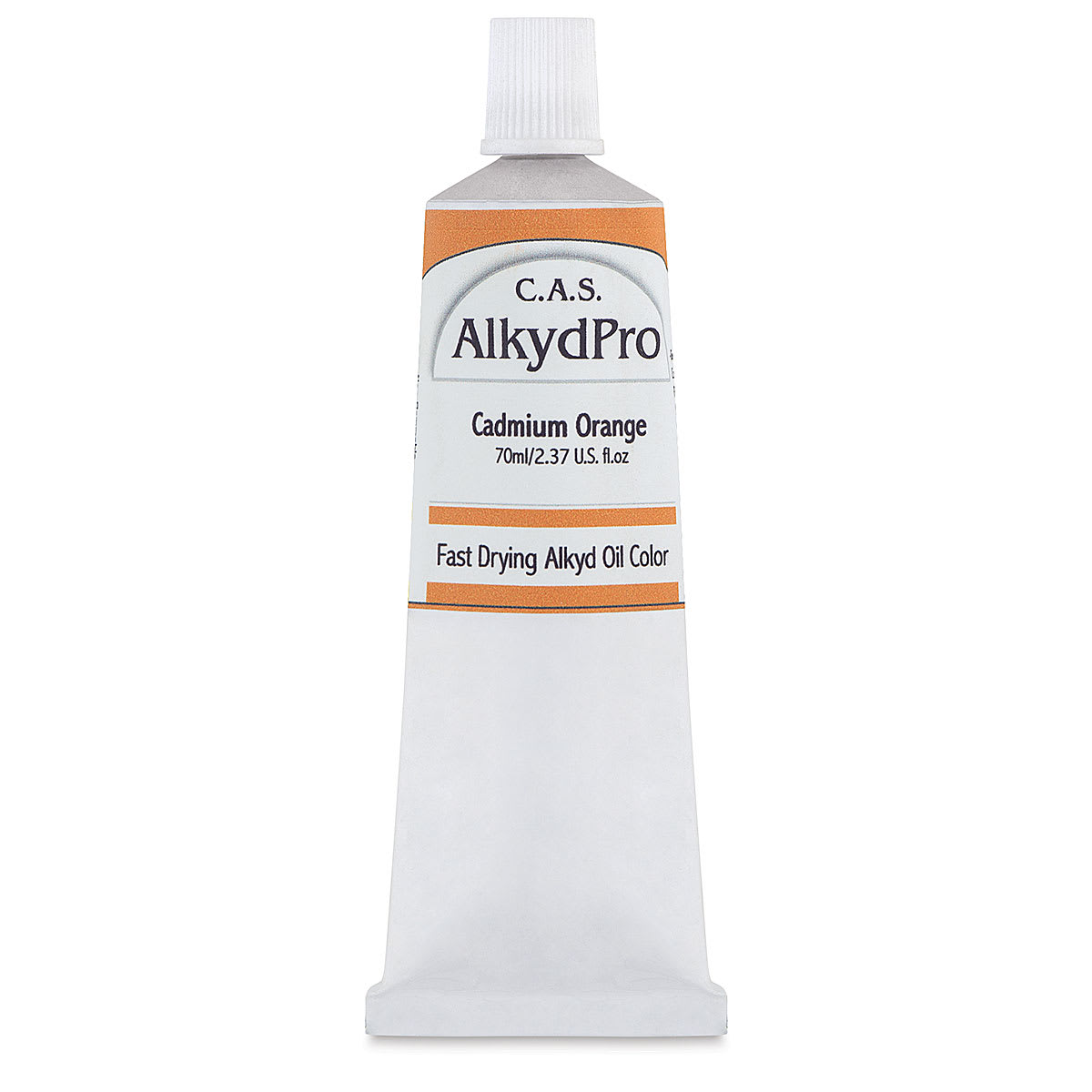
CAS AlkydPro Fast-Drying Alkyd Oil Color - Cadmium Orange, 70 ml tube

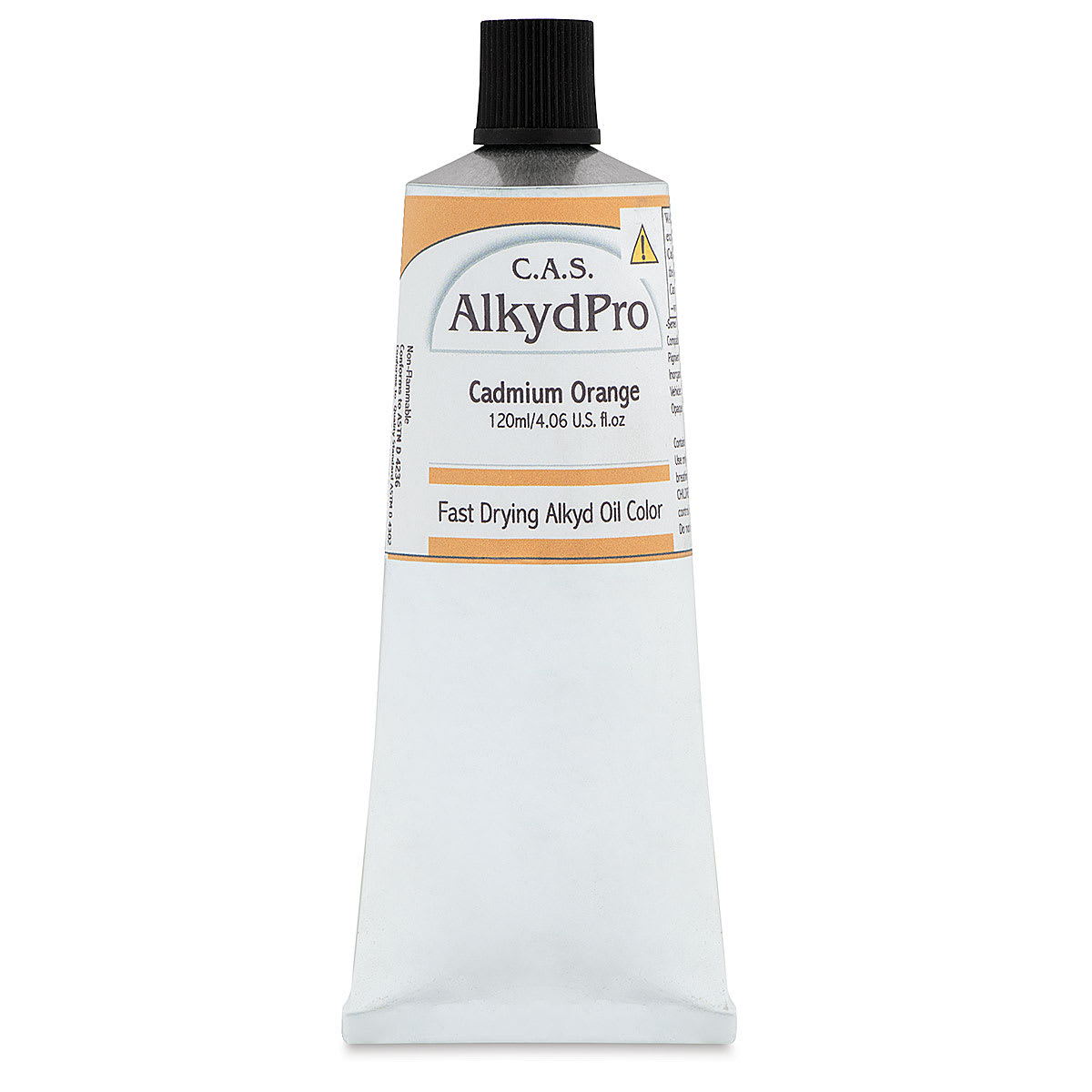
CAS AlkydPro Fast-Drying Alkyd Oil Color - Cadmium Orange, 120 ml tube

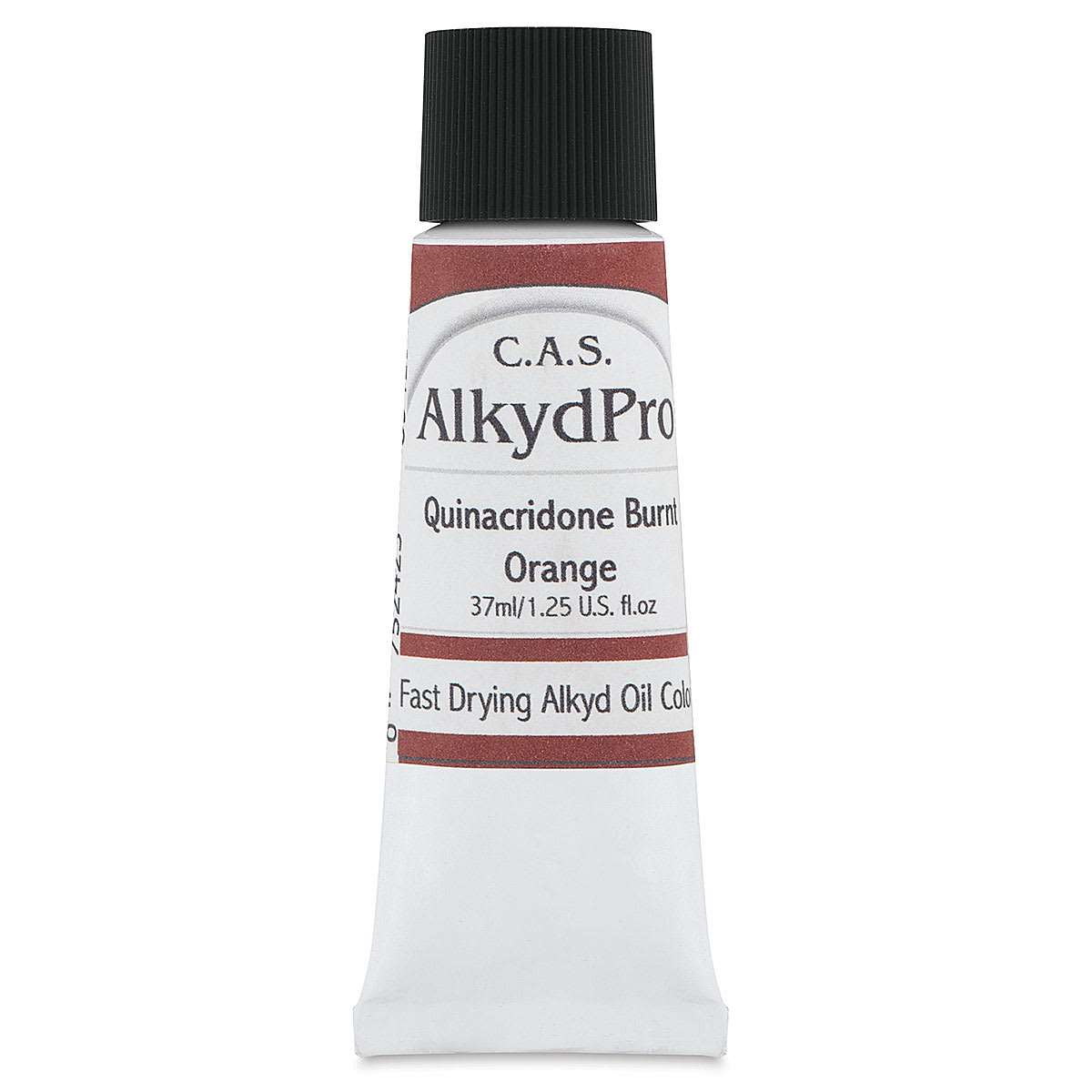
CAS AlkydPro Fast-Drying Alkyd Oil Color - Quinacridone Burnt Orange, 37 ml tube

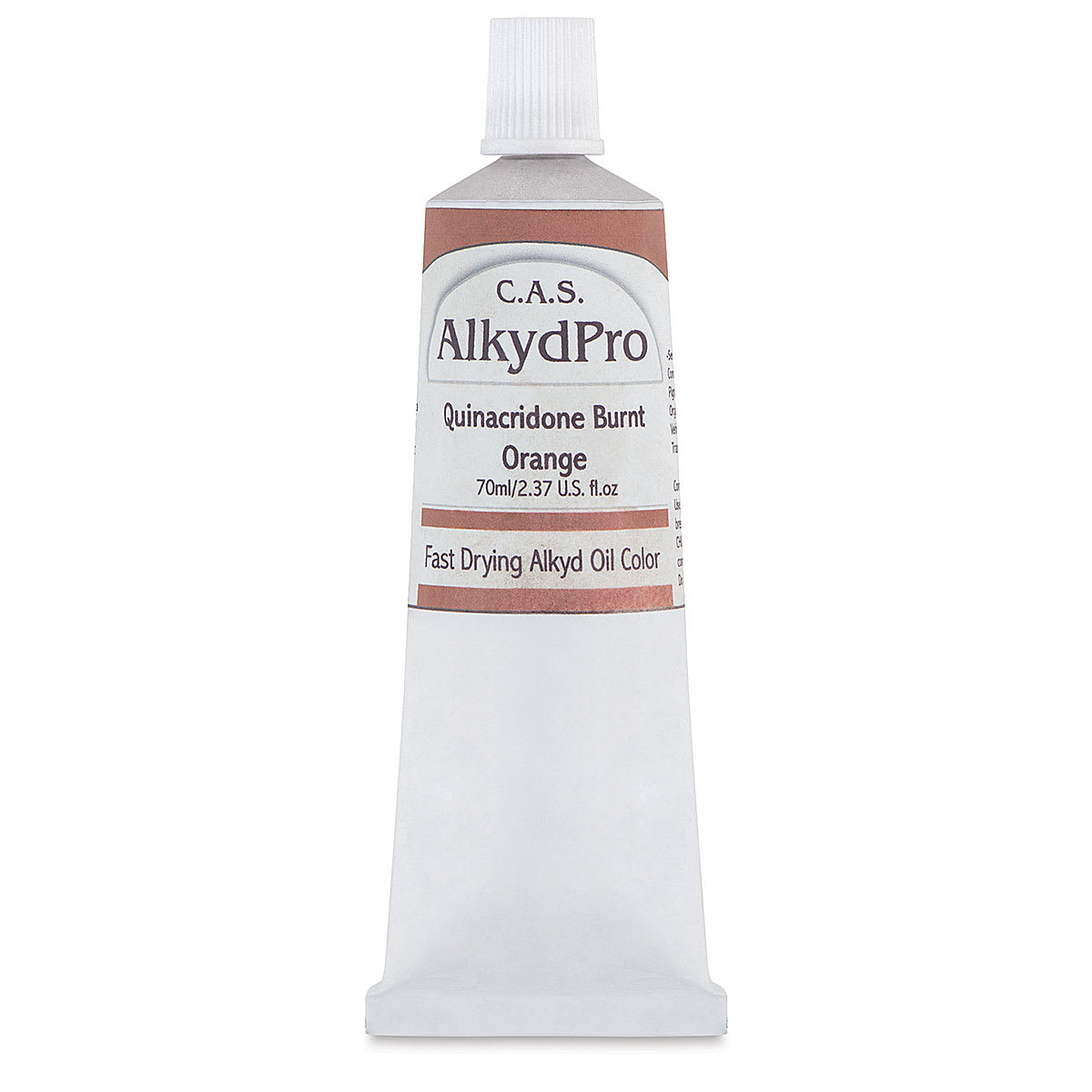
CAS AlkydPro Fast-Drying Alkyd Oil Color - Quinacridone Burnt Orange, 70 ml tube

CAS AlkydPro Fast-Drying Alkyd Oil Color - Quinacridone Burnt Orange, 120 ml tube