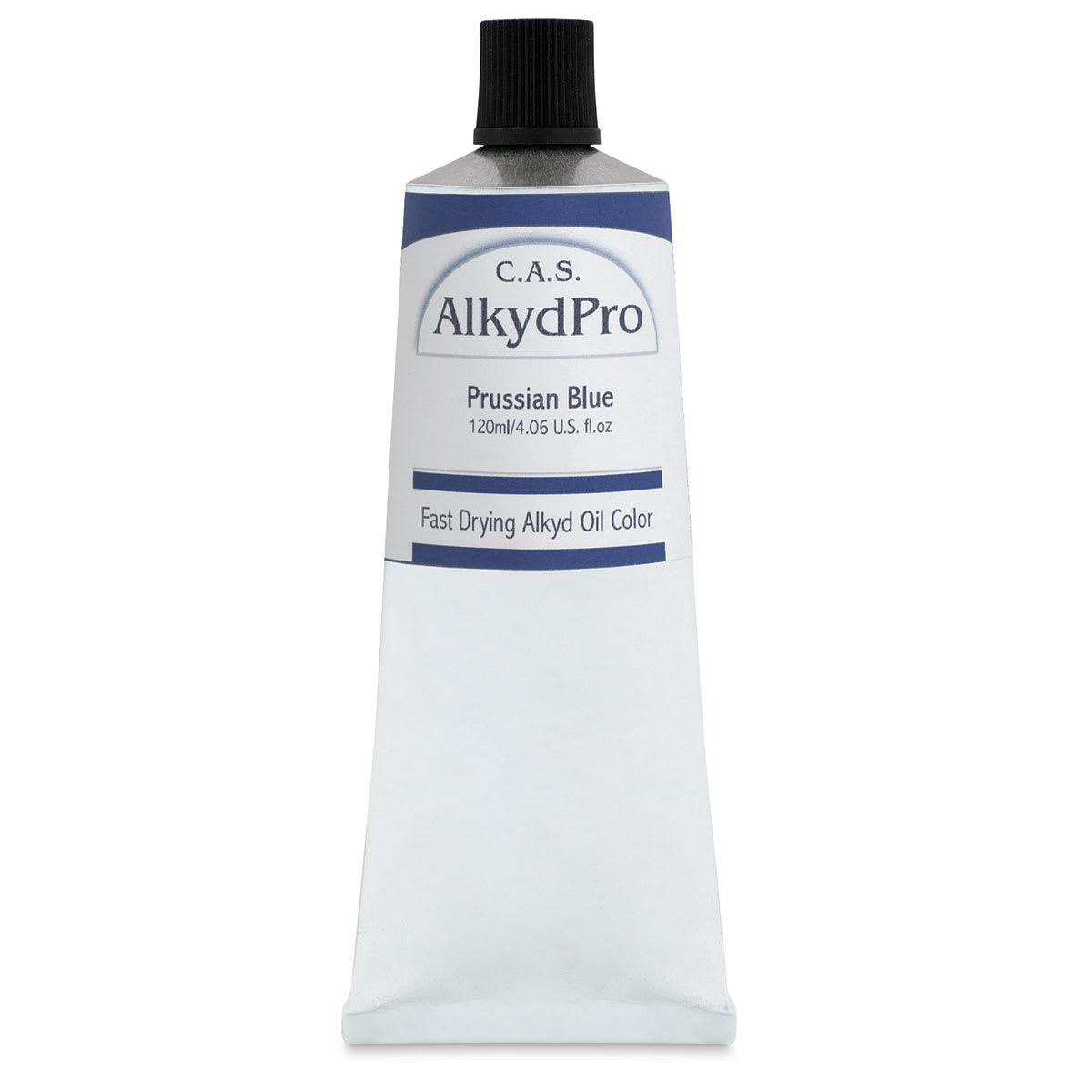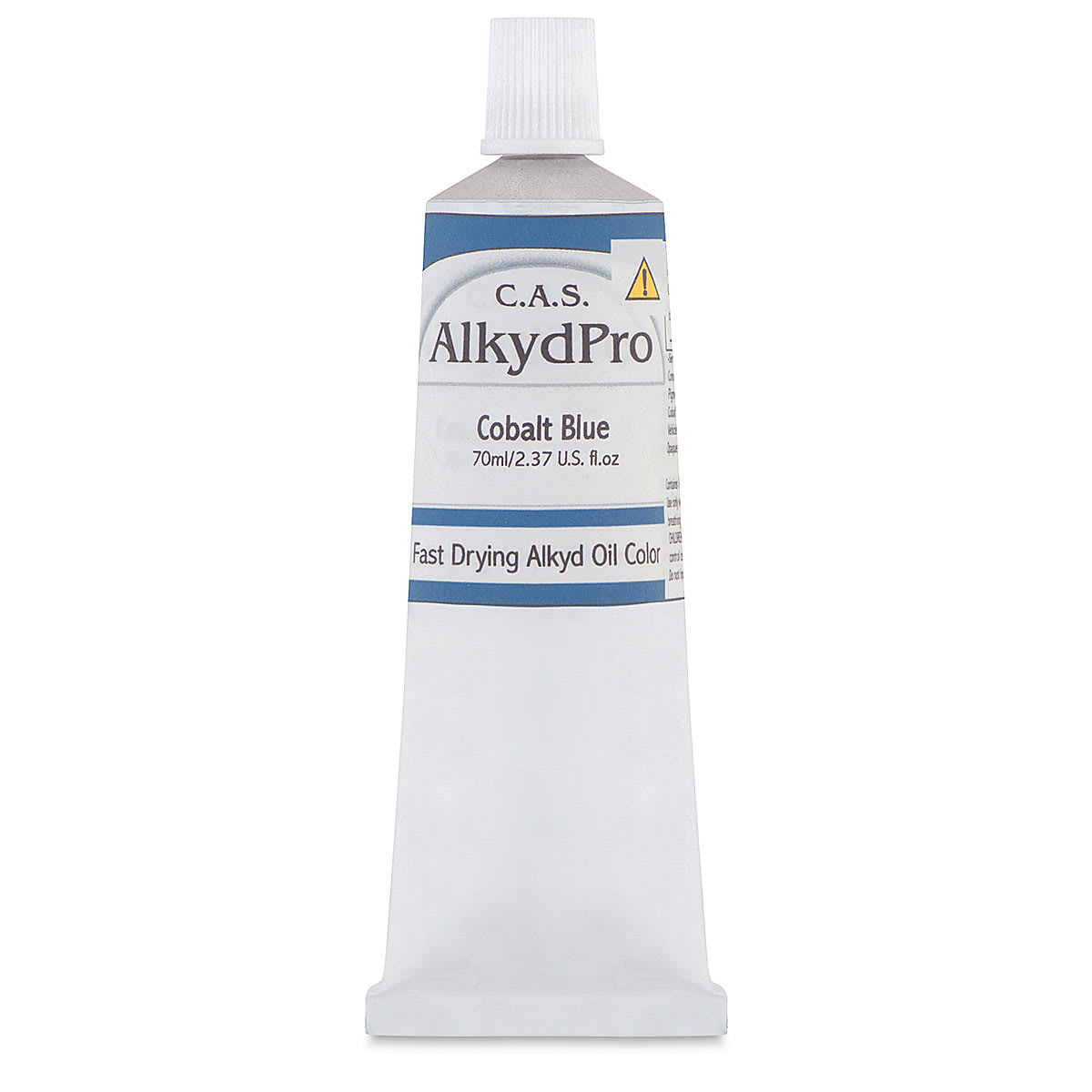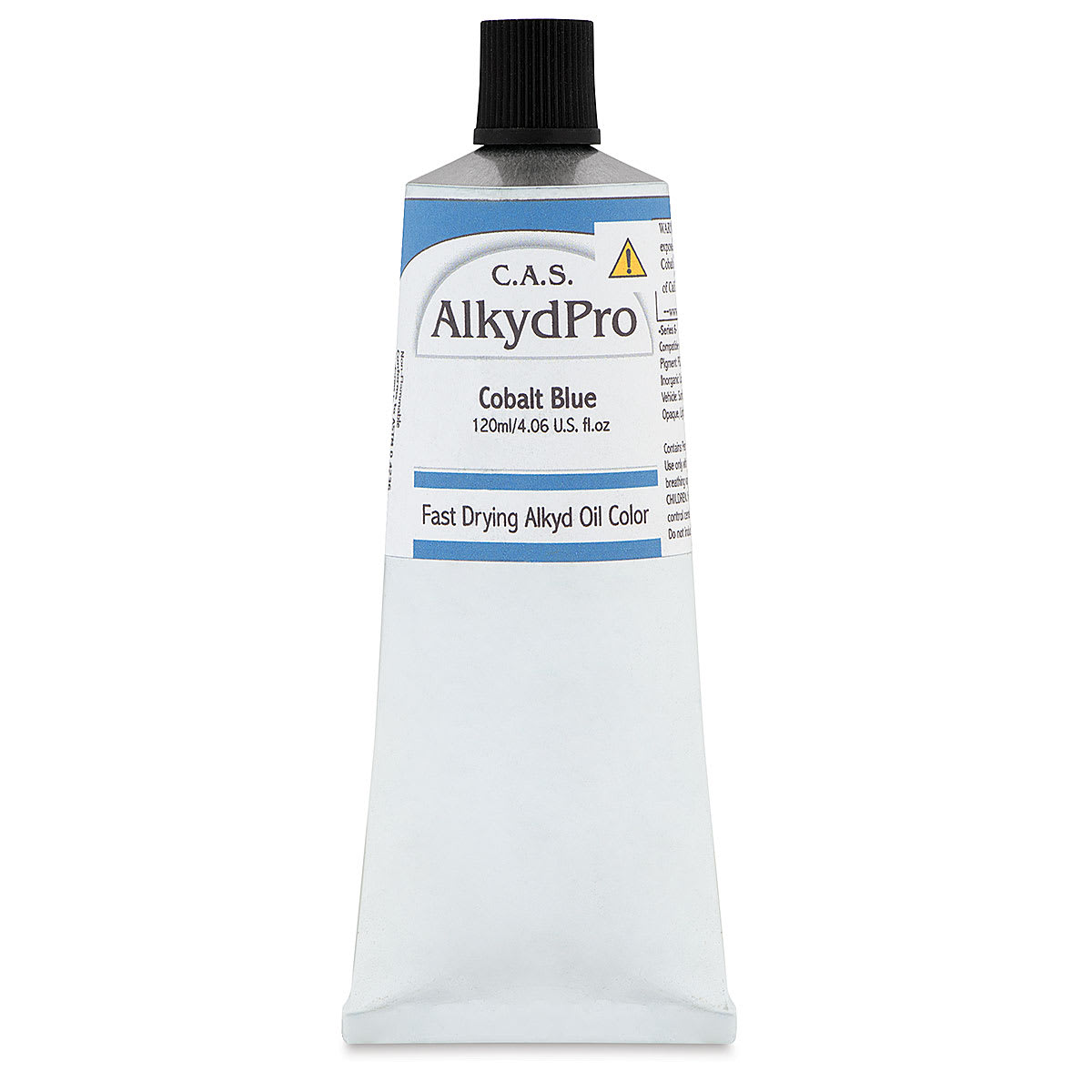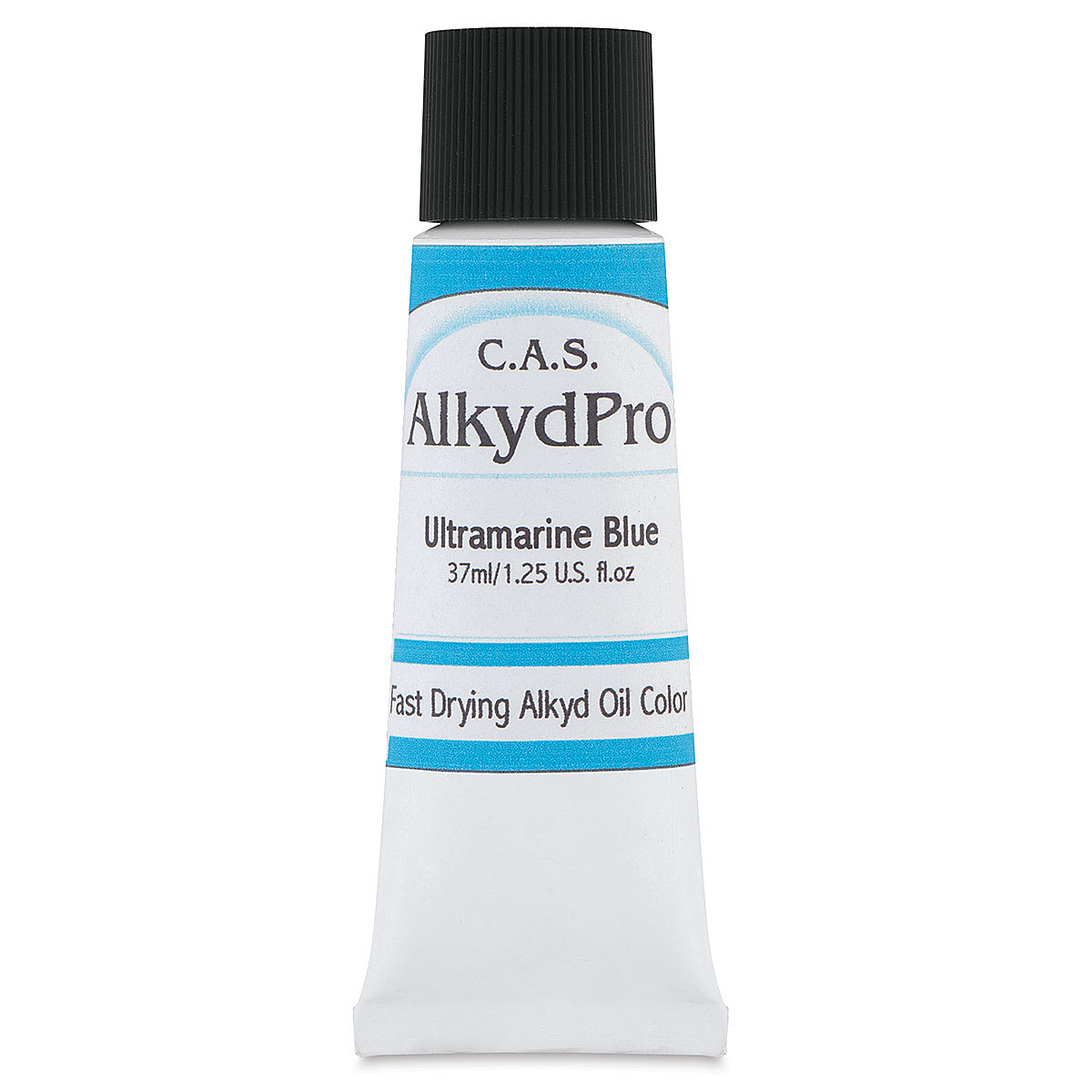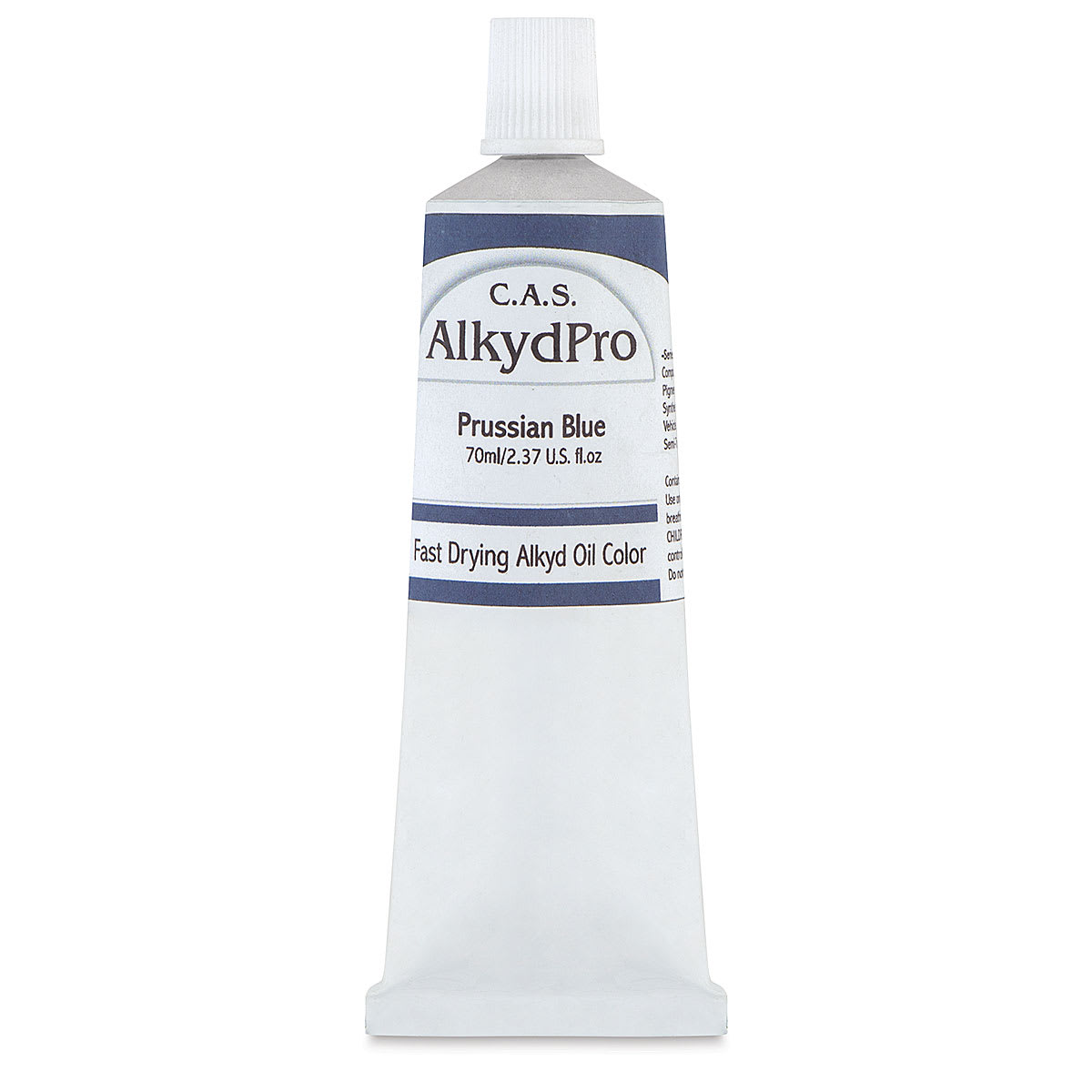
CAS AlkydPro Fast-Drying Alkyd Oil Color - Prussian Blue, 37 ml tube

Store price

Listed prices, not live quotes. Check delivery, tax and stock at the shop. Unavailable and advance-order listings aren’t ranked.

  • Blick Art Materials
    $18.12 USDShop
    Recorded Oct 21, 2026, 11:16 AM UTC

Saving an item to My Stash does not start price monitoring.

Product details
Size
37 ml
Blick SKU
00504-5223
About this product range

AlkydPro Fast-Drying Alkyd Oil Colors are artist's colors for the 21st century. Because AlkydPro Colors dry much quicker than traditional oil paints (within 20 hours), artists can complete paintings in a fraction of the time. The quick drying time also allows more creative freedom for artists who travel, paint plein air, or work in layers. The binder used in AlkydPro Alkyd Oil Colors is a sunflower oil alkyd resin. Because they contain no linseed oil, AlkydPro Oil Colors won't yellow, crack, or dull over time. At the same time, every color offers a high pigment concentration and the buttery feel that is consistent with professional-quality paints. The high pigment concentration also means that colors are purer, and a larger tube size means paints stretch further, ensuring a better value for the artist. AlkydPro Alkyd Oil Colors are compatible with traditional oils, mediums, mineral spirits, and turpentine, as well as with other alkyds. They also can be used to speed the drying time of oil paints. They contain no fillers, adulterants, or opacifiers. AlkydPro Alkyd Oil Colors dry to a brilliant, flexible finish and retain their color intensity after drying. Made in the USA.

Pigment information

General reference notes about pigments can describe other media (such as oil). They do not verify this product’s exact formulation or behavior.

Prussian Blue

Pigment code
PB27
Type
inorganic
Chemical name
ferric ferrocyanide/iron(III)-hexacyanoferrate(II)
Chemical formula
Fe7(CN)18(H2O)x or C6FeN6H4N
Properties
Prussian Blue is a semi-transparent, deep cyan-blue with a greenish undertone and a very high tinting strength unequaled by most pigments. It is similar to Phthalo Blue unless mixed with white, when it gives up intensity and becomes smoky. It can behave erratically and less reliably in oil and watercolor form depending on its manufacture. For permanent painting Phthalo Blue is considered a more reliable choice.
Permanence
Prussian Blue is lightfast and permanent in all techniques except for fresco. When mixed with Zinc White in watercolor or tempera form, it fades upon exposure to light and completely regains its chromatic strength in the dark. Modern manufacturing techniques have made this tendency less of an issue in recent years
Toxicity
Prussian Blue is moderately toxic if ingested. It will emit toxic hydrogen cyanide gas if heated, exposed to ultraviolet radiation, or treated with acid.
History
"The first of the modern pigments," Prussian Blue is the first artificial pigment with a known history. It was discovered by accident in 1704 by the Berlin color maker Heinrich Diesbach, who was trying to create a pigment with a red hue by mixing iron sulfate and potash. The potash Diesbach purchased from a local laboratory had been contaminated by animal oil and blood during previous experimentation. The resulting mixture yielded a very pale red that changed to purple and then deep blue when he tried to concentrate it. Since previous blue pigments came from lapis lazuli, an expensive stone, Diesbach’s discovery was extremely important for artists of the time.
Description
Berlin Blue, Bronze Blue, Iron Blue, Paris Blue, Paste Blue. Celestial Blue, Monthier Blue and Soluble Blue are varieties of Prussian Blue. Blue Lake is a reduced or let-down variety of Prussian Blue. Chinese Blue, Milori Blue, and Steel Blue are the three highest grades of Prussian Blue.

Track this price

New lows for this exact package, across matched retailers.

Loading your account…

Price history

More to explore

Related supplies from the catalog.