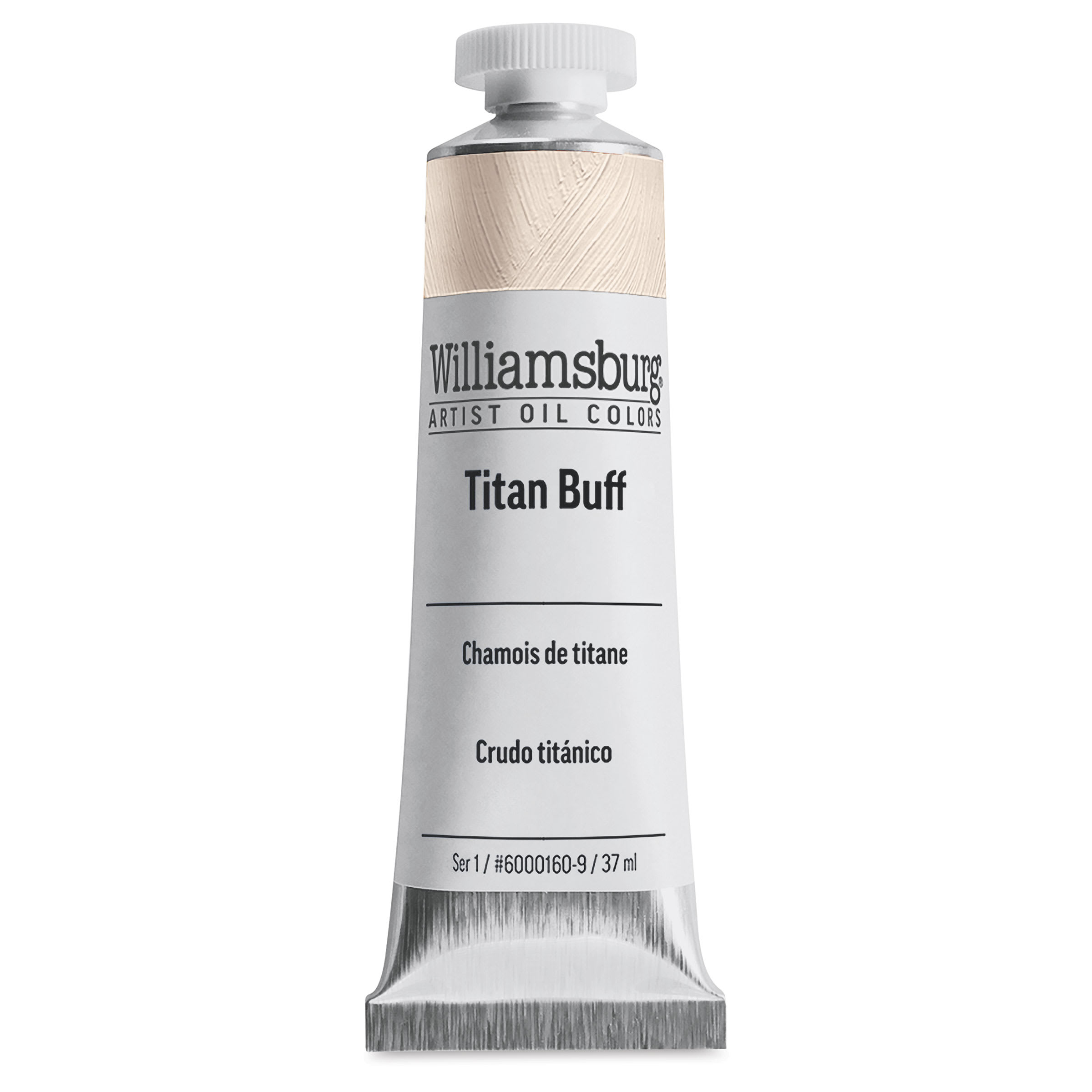
Williamsburg Oil - Titan Buff, 150 ml tube

Handmade Oil Paint

Store price

Listed prices, not live quotes. Check delivery, tax and stock at the shop.

  • Blick Art Materials
    $31.21 USDShop
    Recorded Oct 22, 2026, 3:57 AM UTC

Saving an item to My Stash does not start price monitoring.

Product details
Size
150 ml
Blick SKU
01571-1174
About this product range

Dedicated to handmade integrity, Williamsburg Handmade Oils are crafted by skilled American artisans using top-quality pigments from around the world. Each of the more than 140 colors in the line possesses a unique consistency and texture — some are slightly gritty, while others are extremely smooth. This is what makes Williamsburg Handmade Oils so unique and prized by the painters who choose them.

Colors are made in small batches no larger than five gallons at a time to ensure the highest level of control. Pigments are carefully ground to enhance the beauty and luminosity specific to each, and then combined with pure, premium, alkali-refined and pH-balanced linseed oil. Every ingredient is hand-measured, and every batch is scrutinized for quality.

Most Williamsburg Oils are considered to have excellent lightfastness (LF I), with the exception of Alizarin Crimson and Van Dyke Brown, which have very poor lightfastness (LFIII).

__Special Edition Colors__ — Williamsburg offers four Special Edition iron oxide colors that utilize the same pigments as standard Williamsburg colors, but are milled to a finer consistency to make them suitable for glazing. Transparent Yellow Iron Oxide is based on Stil De Grain, with a dark yellow-brown masstone that gives way to amber and light ochre when glazing. Transparent Orange Iron Oxide is based on Italian Pink, and produces a very deep red-orange masstone that results in rich orange-red glazes. Transparent Brown Iron Oxide has its origins in Dutch Brown, and results in translucent brown glazes reminiscent of coffee or tanned leather. Transparent Red Oxide is a finer version of Brown Pink, and results in red tones reminiscent of stained cherry wood when glazing.

Pigment information

General reference notes about pigments can describe other media (such as oil). They do not verify this product’s exact formulation or behavior.

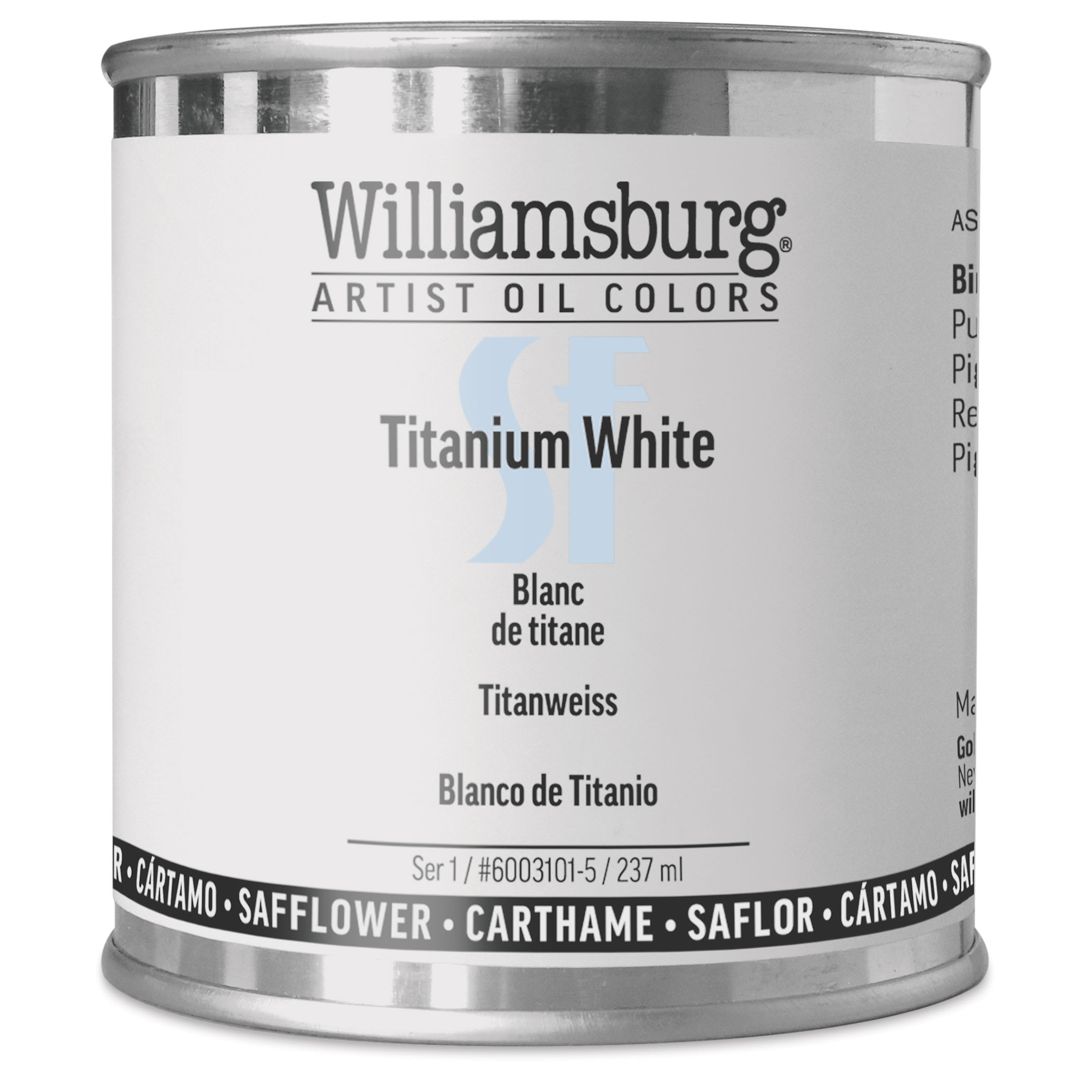
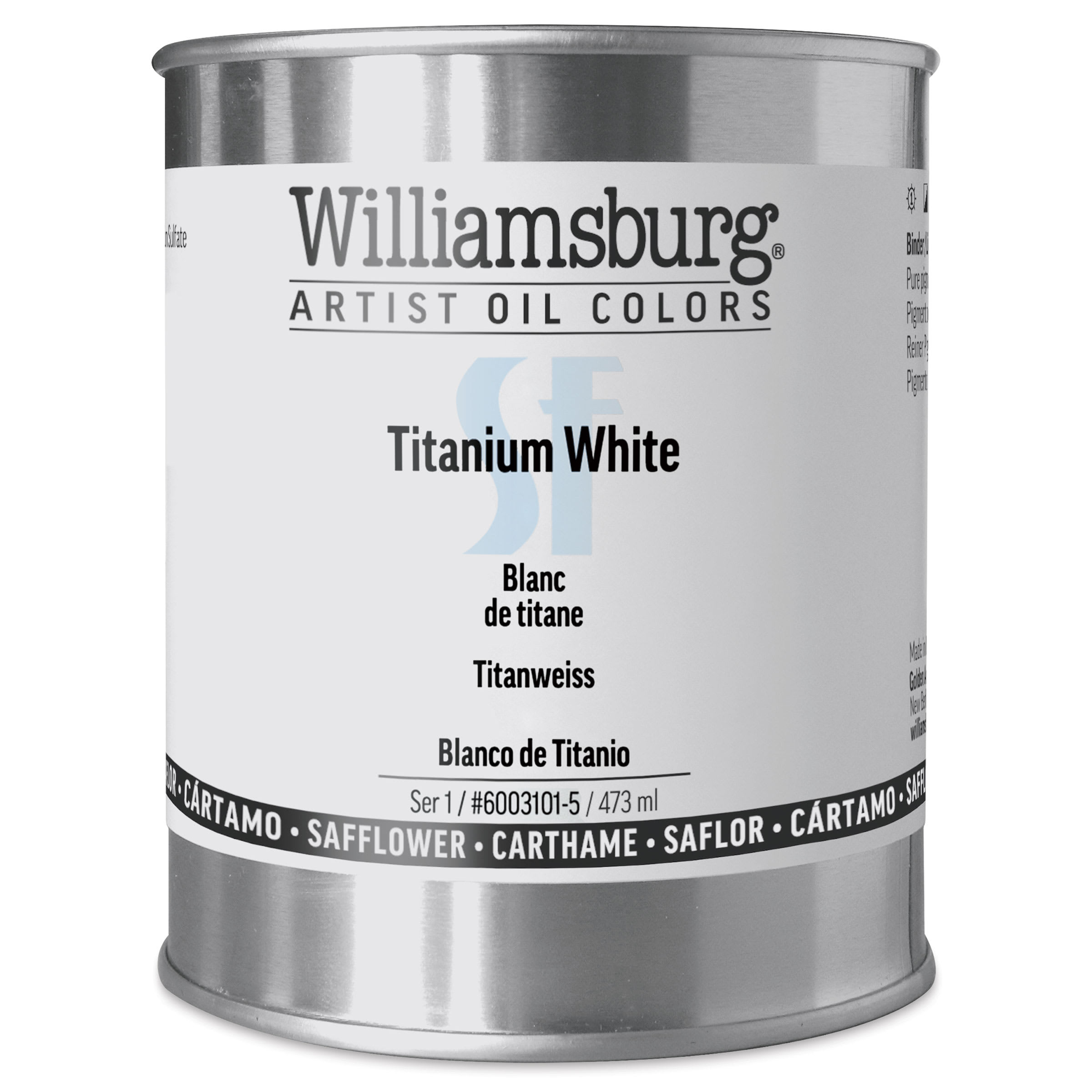
Titanium White

Pigment code
PW6
Type
inorganic
Chemical name
titanium dioxide
Chemical formula
TiO2
Properties
Titanium White is the most brilliant of the white pigments. It is considered an all purpose oil color useful in all techniques and the best all around white. Its masstone is neither warm nor cool, placing it somewhere between Lead White and Zinc White. It is less prone to cracking and yellowing than Lead White, but it still yellows easily. Titanium White dries slowly in oil form, more slowly than Lead White but more quickly than Zinc White. It is opaque in oil and acrylic forms and semi-opaque in watercolor form. This pigment has good chemical stability, and its tinting strength is superior to both Lead White and Zinc White.
Permanence
Titanium White has excellent permanence and lightfastness.
Toxicity
Titanium dioxide is highly stable and is regarded as non-toxic.
History
Titanium is the ninth most abundant element in the Earth's crust, however mineral deposits that are economical to mine are less common. Titanium dioxide was first discovered in 1821, although it could not be mass produced until 1919. Widespread use of the pigment began in the 1940s. Since that time, it has become the most commonly used white pigment. The name comes from the Latin word Titan, the name for the elder brother of Kronos and ancestor of the Titans, and from the Greek word tito, meaning day or sun.

Yellow Iron Oxide

Pigment code
PY42
Chemical name
iron(III)-oxide, hydrated
Chemical formula
Fe2O3 • H2O
Properties
Yellow Ochre provides artists with earthtones from cream to brown. It has good hiding power, produces a quick drying paint, and can be safely mixed with other pigments. Its transparency varies widely from opaque shades to more transparent ones, which are valued for their use as glazes. If gypsum is present, Yellow Ochre is not suitable for frescoing. (See Brown Ochre, PY43.) PY42 is made from synthetic iron oxides. PY43 is made from natural iron oxide.
Permanence
Yellow Ochre has excellent permanence because ochres are some of the most permanent pigments available.
History
Ochre comes from the Greek word ochros, meaning pale yellow. It was one of the first pigments to be used by human beings, and evidence of its use has been found at 300,000 year old sites in France and the former Czechoslovakia.
Description
Chamois, Iron Yellow, Mars Orange, Mars Yellow, Minette, Ochre, Sil, Yellow Earth, Yellow Ochre, Yellow Oxide. Varieties of Yellow Ochre include Brown Ochre, Flesh Ochre, Roman Ochre, Spruce Ochre, and Transparent Gold Ochre.

Red Iron Oxide

Pigment code
PR101
Type
earth, synthetic
Chemical name
iron oxides (synthetic), iron oxide, silica, alumina, lime, and magnesia or hydrated iron oxide
Chemical formula
Fe2O2 or Fe2O3 x H2O
Properties
Red iron oxide varies in hue and transparency, depending on hydration and slight impurities. Indian Red is a slightly duller, deep brick hue with a bluish undertone. It is very dense and opaque, with excellent tinting strength and covering power. It is dependable when mixing with all other permanent pigments and yields good flesh tints when mixed with Zinc White. It is the synthetic version of PR102, which is a pigment made from earth reds, or natural red iron oxides, and the names applied to PR101 and PR102 often overlap. The synthetic red iron oxides have mostly replaced natural red iron oxides and are brighter, stronger, finer, and more permanent. Indian Red is the highest grade bluish shade. Light Red, English Red, and Venetian Red are yellowish shades. Mars Violet is a dull and subdued bluish or purplish oxide.
Permanence
Red iron oxide is very lightfast with excellent permanence.
Toxicity
Red iron oxide has no significant hazards.
History
Natural red iron oxide comes from the mineral ore hematite, called bloodstone by the ancient Greeks from the word hema, meaning blood. It is one of the oldest pigments, has been used by every major civilization, and was an important mineral for medieval alchemists. It was not widely used in artists' materials until the 17th century and was not produced in large quantities until the 18th century.
Description
Indian Red, Colcothar, English Red, Light Red, Mars Red, Mars Violet, Morelle Salt, Pompeian Red, Indian Red, Red Oxide, Sinopia, Spanish Red, Terra Rosa, Tuscan Red, Venetian Red, Venice Red.

Track this price

New lows for this exact package, across matched retailers.

Loading your account…

Price history

More to explore

Related supplies from the catalog.