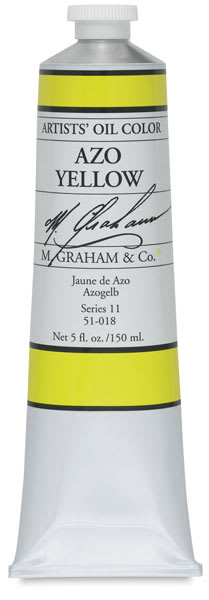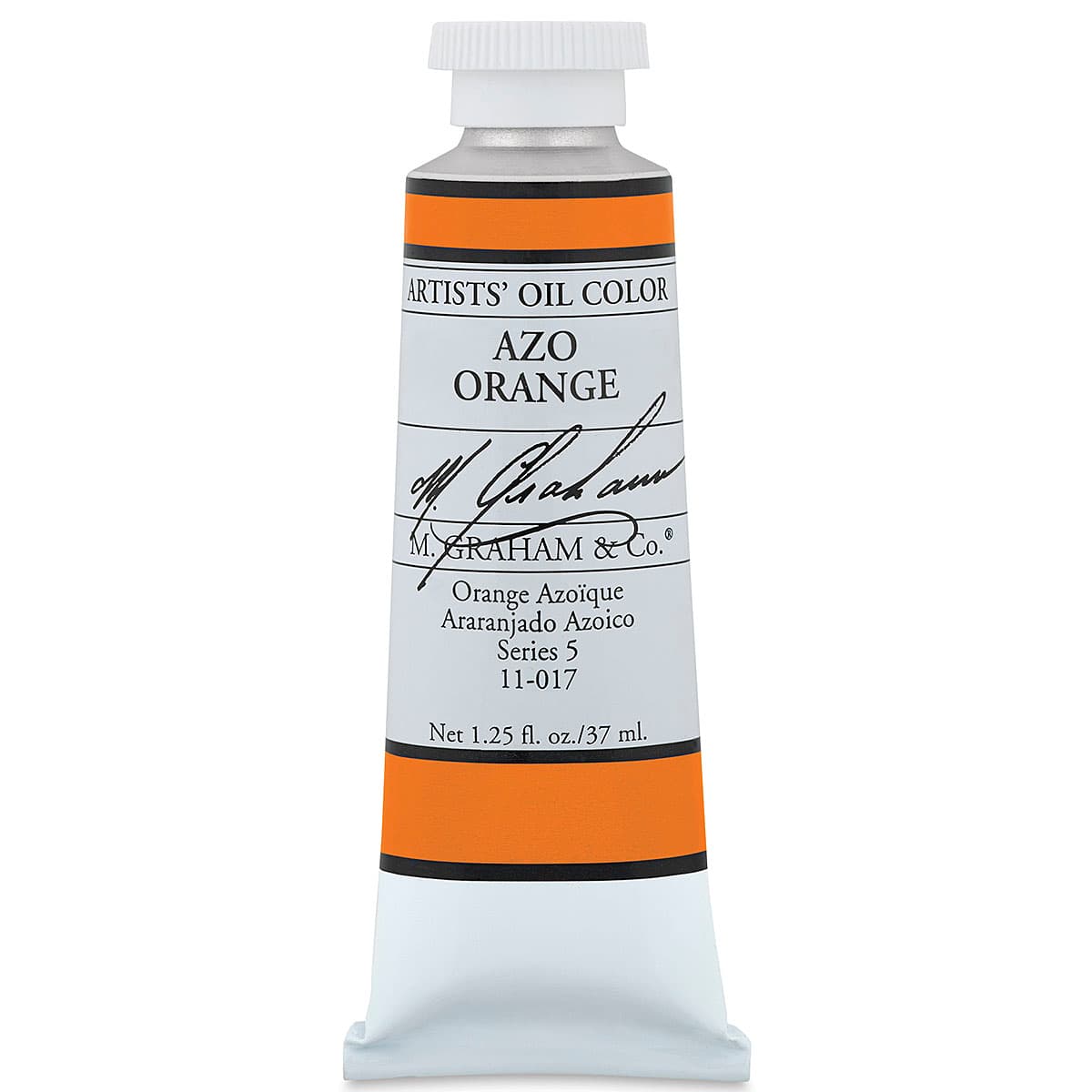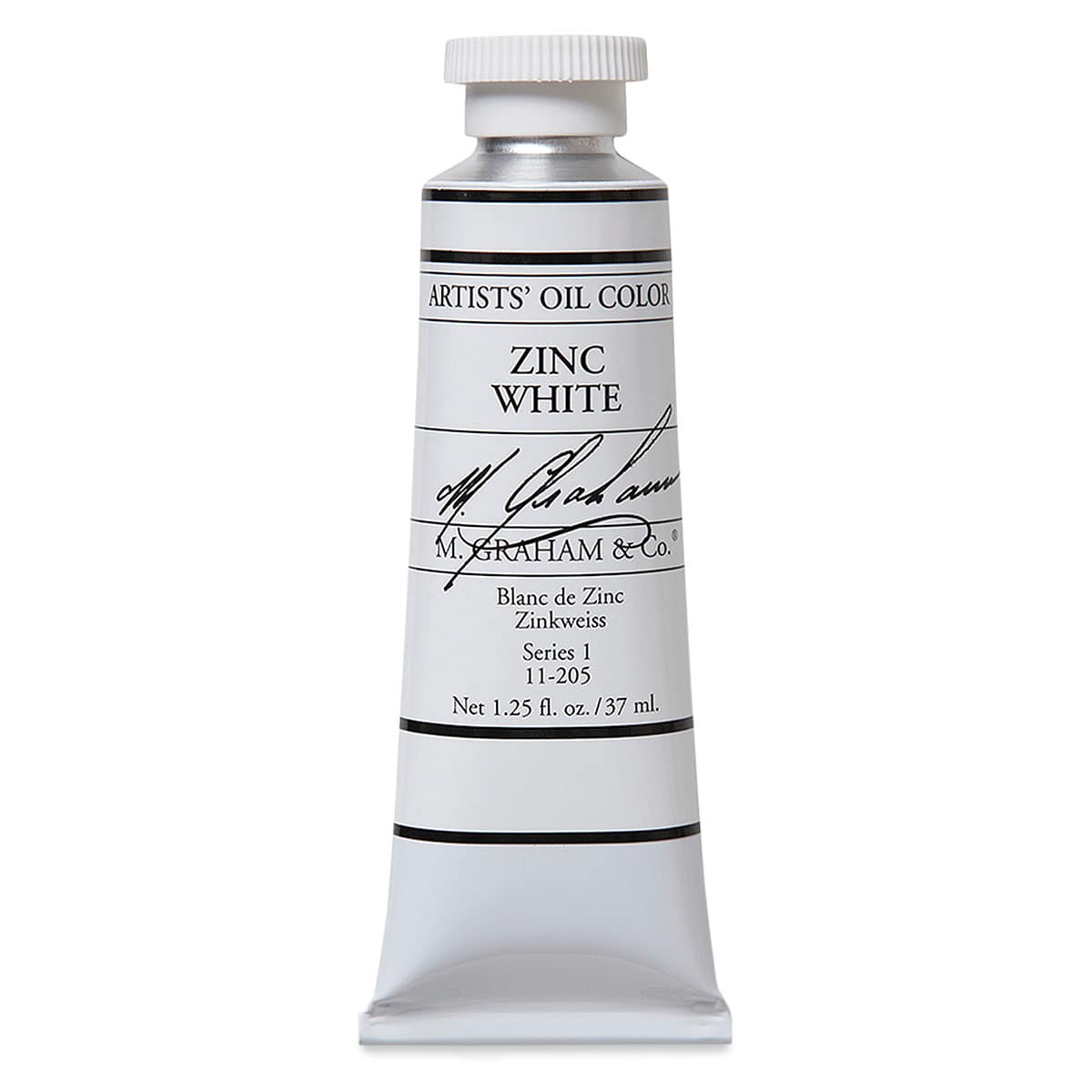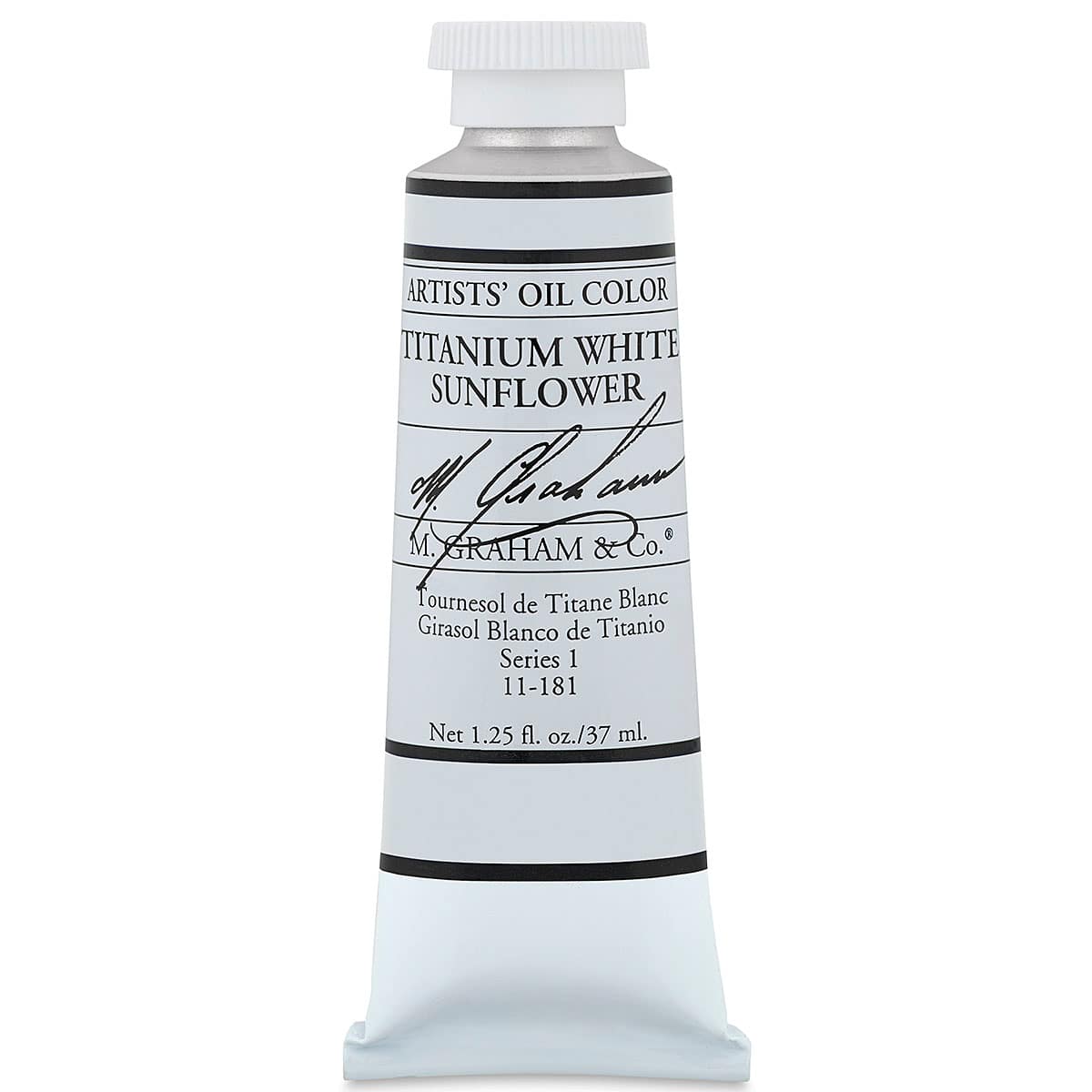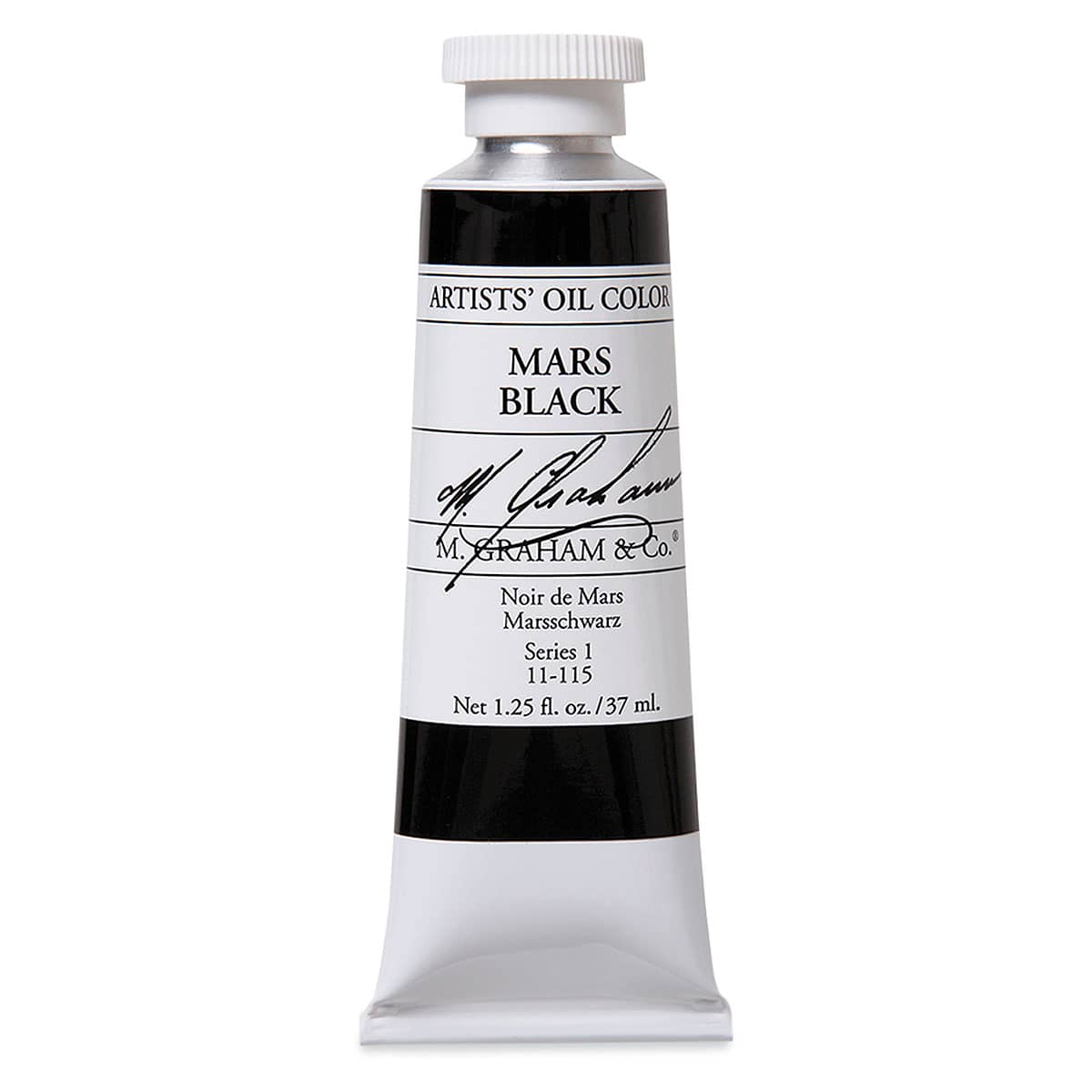
M. Graham Artists' Oil Color - Azo Coral, 37 ml tube

Artists' Oil Colors

Store price

Listed prices, not live quotes. Check delivery, tax and stock at the shop.

  • Blick Art Materials
    $20.13 USDShop
    Recorded Oct 21, 2026, 10:02 AM UTC

Saving an item to My Stash does not start price monitoring.

Product details
Size
37 ml
Blick SKU
01573-3713
About this product range

Artist and master paintmaker Art Graham put years of experience at other companies behind him and started his own business based on his own vision and values. The result is a paint, manufactured without fillers or additives, that goes back to some of oil painting's finest traditions.

M. Graham Artists' Oil Colors are made with a walnut oil binder, an alternative to traditional linseed oil that's been preferred by artists for centuries. In fact, today it's known that Renaissance masters such as Da Vinci and Durer generally favored walnut oil over linseed oil. Walnut oil provides rich, vibrant color that is naturally more alive and brilliant than traditional linseed oil. Free flowing and slow drying, M. Graham's walnut oil formulation enables delicate passages of finely blended color that retain their brilliance over time. Titanium White and Titanium White-Alkyd are made with a walnut-sunflower oil binder.

Pigment information

General reference notes about pigments can describe other media (such as oil). They do not verify this product’s exact formulation or behavior.

Benzimidazolone Orange

Pigment code
PO62
Type
organic, monoazo
Chemical formula
C17H13ClN6O5
Properties
Benzimidazolone Orange is a staining, yellowish orange pigment that can become dull in tints. It has an average drying time, and it loses some of its intensity as it dries. The yellowish orange varieties are more transparent.
Permanence
Benzimidazolone Orange has excellent lightfastness and outstanding heat and solvent stability for a monoazo pigment.
Toxicity
Benzimidazolone Orange is not considered toxic.
History
The benzimidazolone group of pigments was developed and patented in 1960 by Hoechst A.G., a German chemical manufacturer that was a forerunner of the pharmaceutical company Aventis. Use of benzimidazolone pigments in the auto industry, especially Benzimidazolone Orange, became common in the 1980s because they were common replacements for lead chromate pigments, which were phased out during this period.
Description
Permanent Orange, Benzimida Orange

Pyrrole Red

Pigment code
PR254
Type
organic, aminoketone
Chemical name
Bis-(p-chrolopheny)-1. 4-diketopyrrolo(3. 4-c)pyrrole
Properties
Pyrrole Red is opaque and has strong covering power. According to manufacturer Ciba, which uses the trade name Irgazin Red, it is a “clean, highly saturated mid shade red with high temperature resistance, excellent color strength, outstanding chemical, solvent and bleed resistance, and good weatherfastness.”
Permanence
Pyrrole Red is considered to have excellent lightfastness among organic pigments in its class. Tests in industrial applications have given it scores of 7-8 on the Blue Wool Scale.
Toxicity
According to the Australian government's Ministry on Health and Aging, "The notified chemical exhibited low oral and dermal toxicity in rats, did not exhibit toxic effects when administered orally to rats for 28 days, was not a skin irritant in rabbi
History
Pyrrole Red, used as an automotive paint and as a colorant in plastics, was developed as one of a range of pigments to replace lead based pigments. In art materials, it is often used as a synthetic and lightfast replacement for carmine, a laked pigment that was originally produced from the body of the cochineal insect. It is also used to replace the older naphthol reds, organic red pigments that are sometimes only marginally lightfast and weatherfast.
Description
Magnacryl Red, Versal Red, Microlith Red, Unisphere Red, Cromophtol Red, Irgazin Red.

Track this price

New lows for this exact package, across matched retailers.

Loading your account…

Price history

More to explore

Related supplies from the catalog.