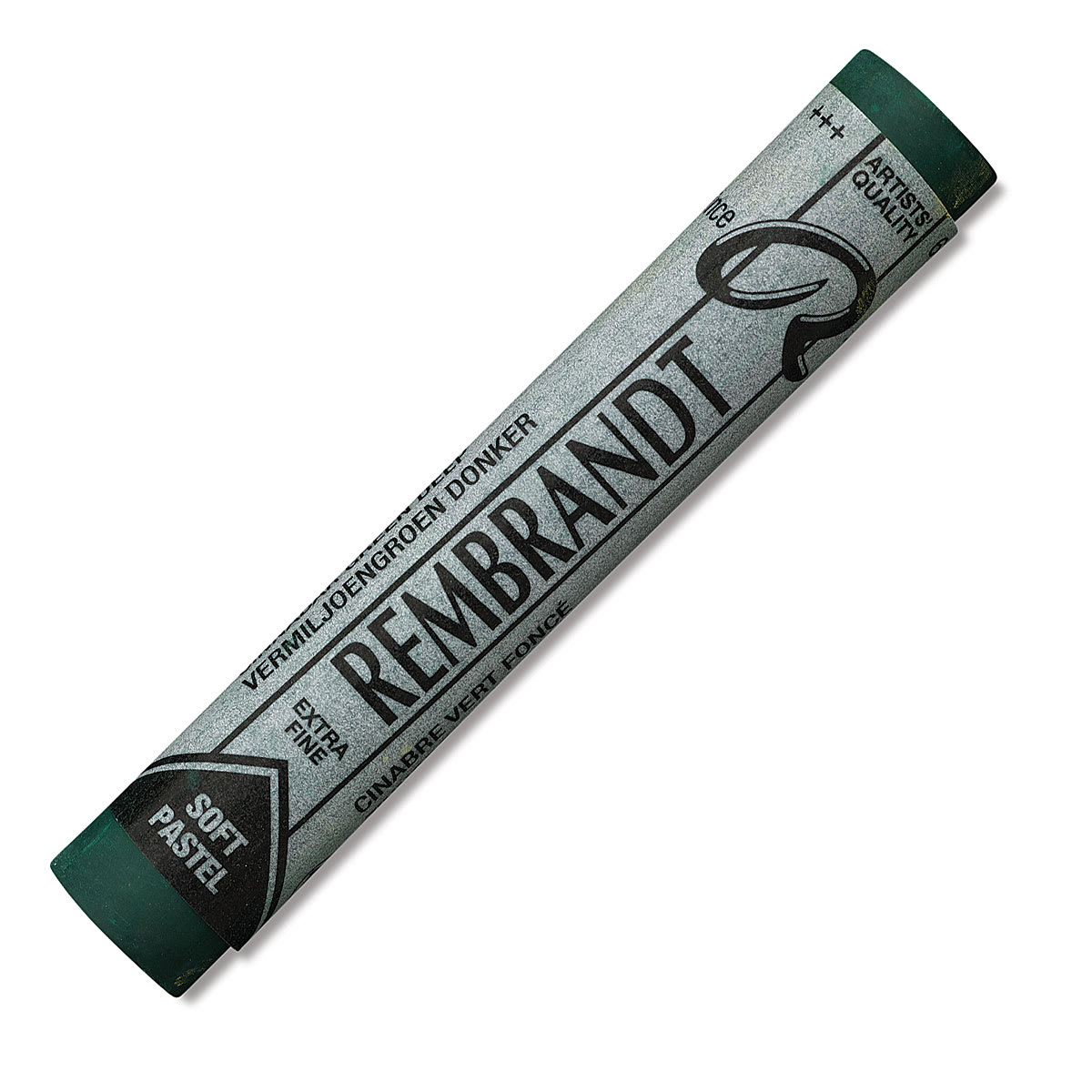
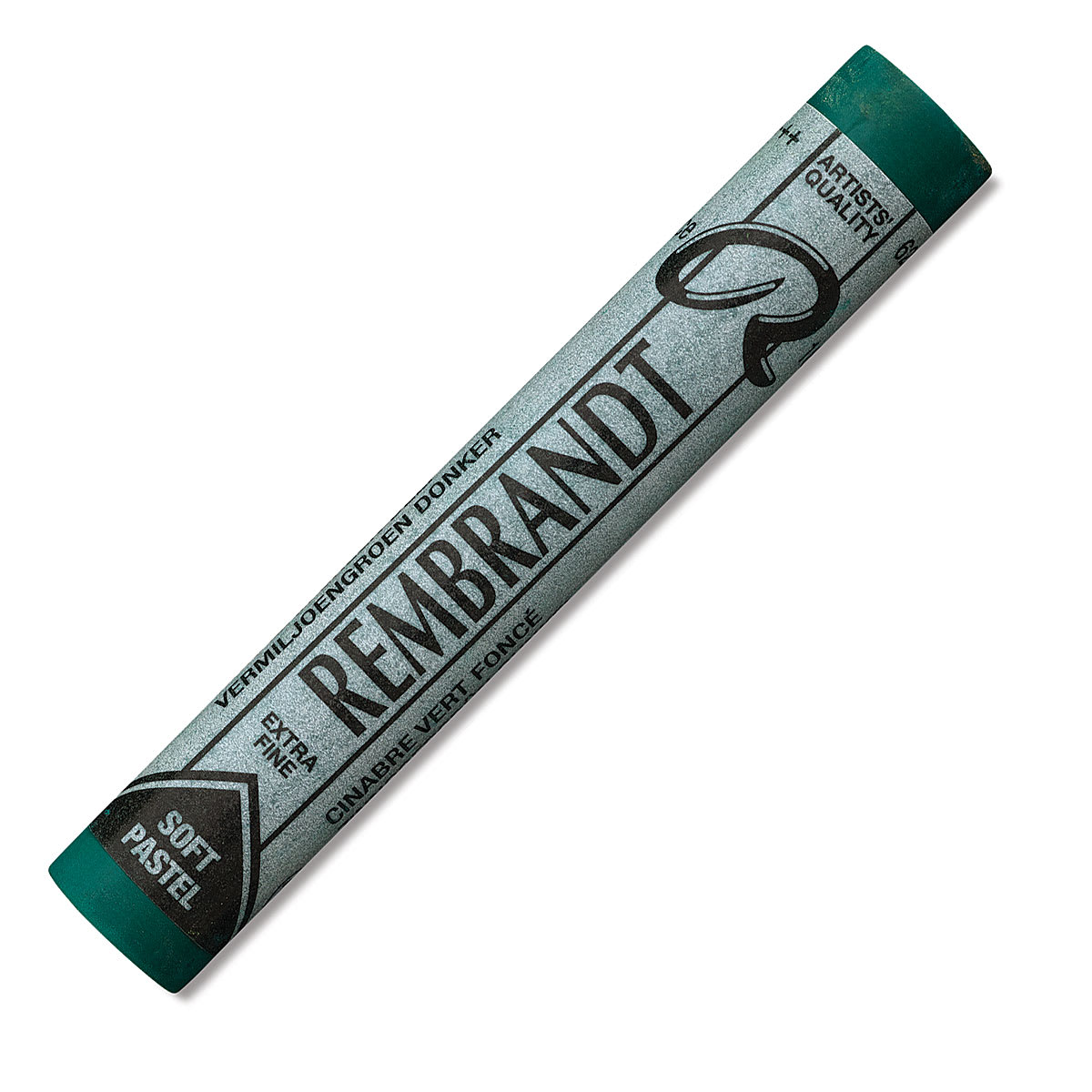
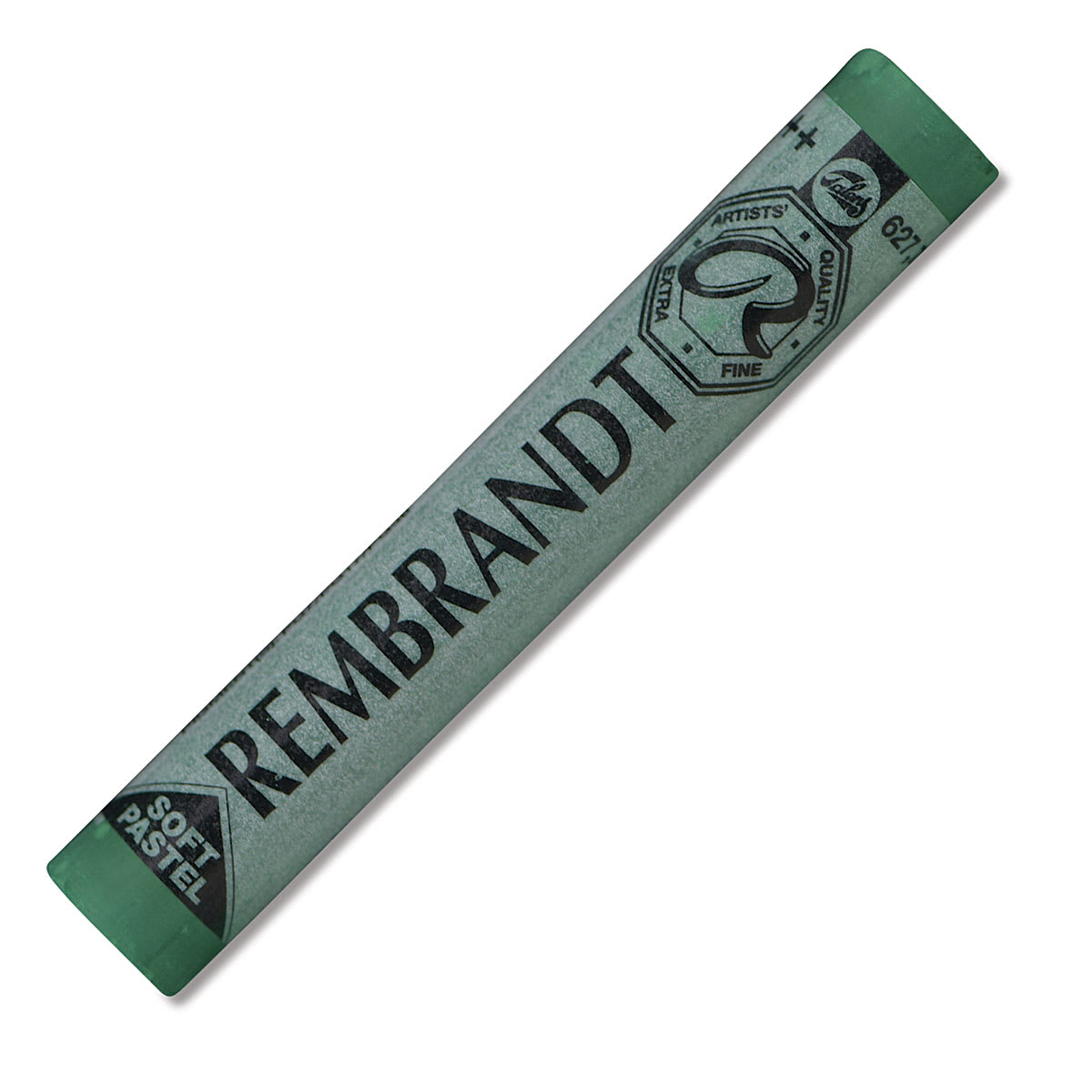
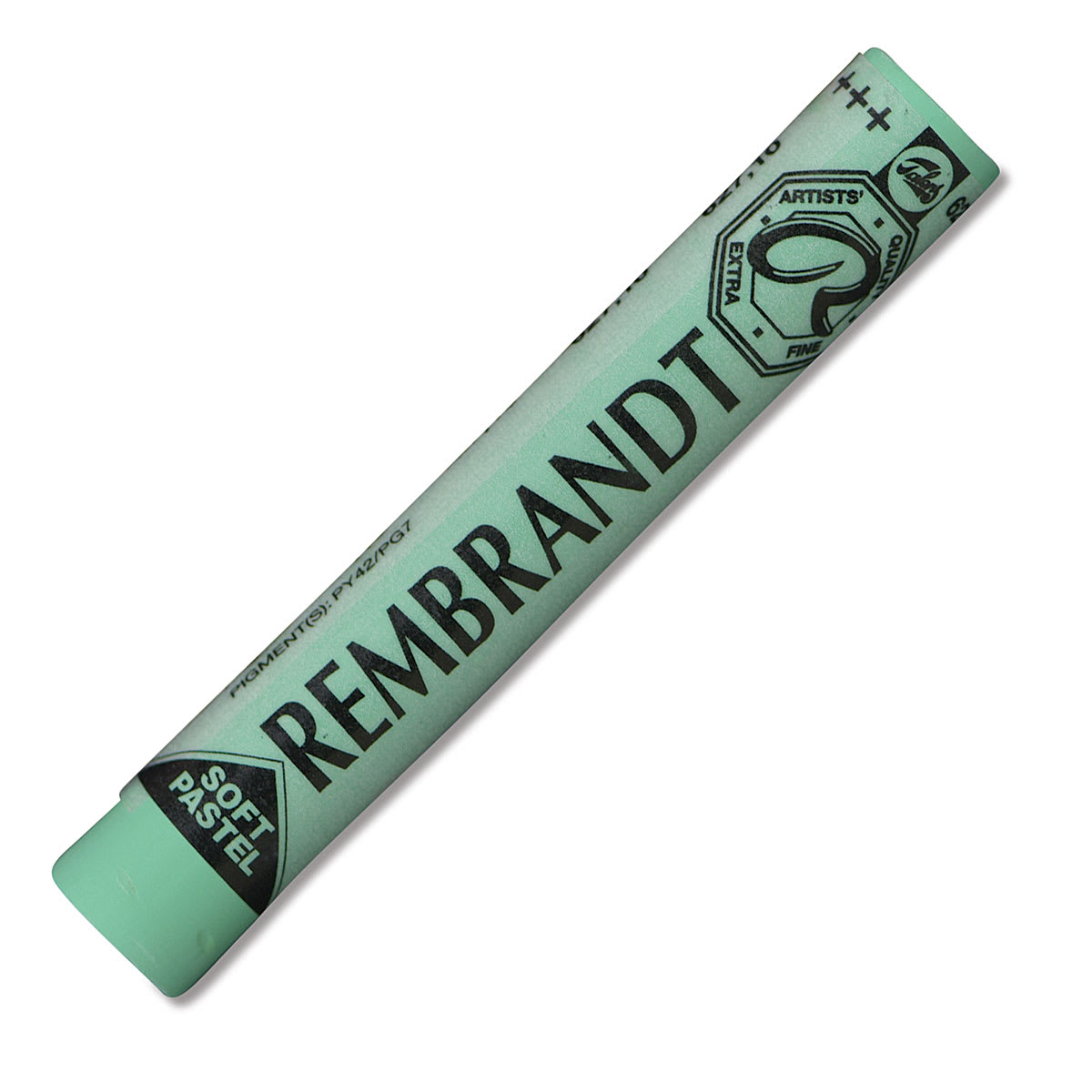
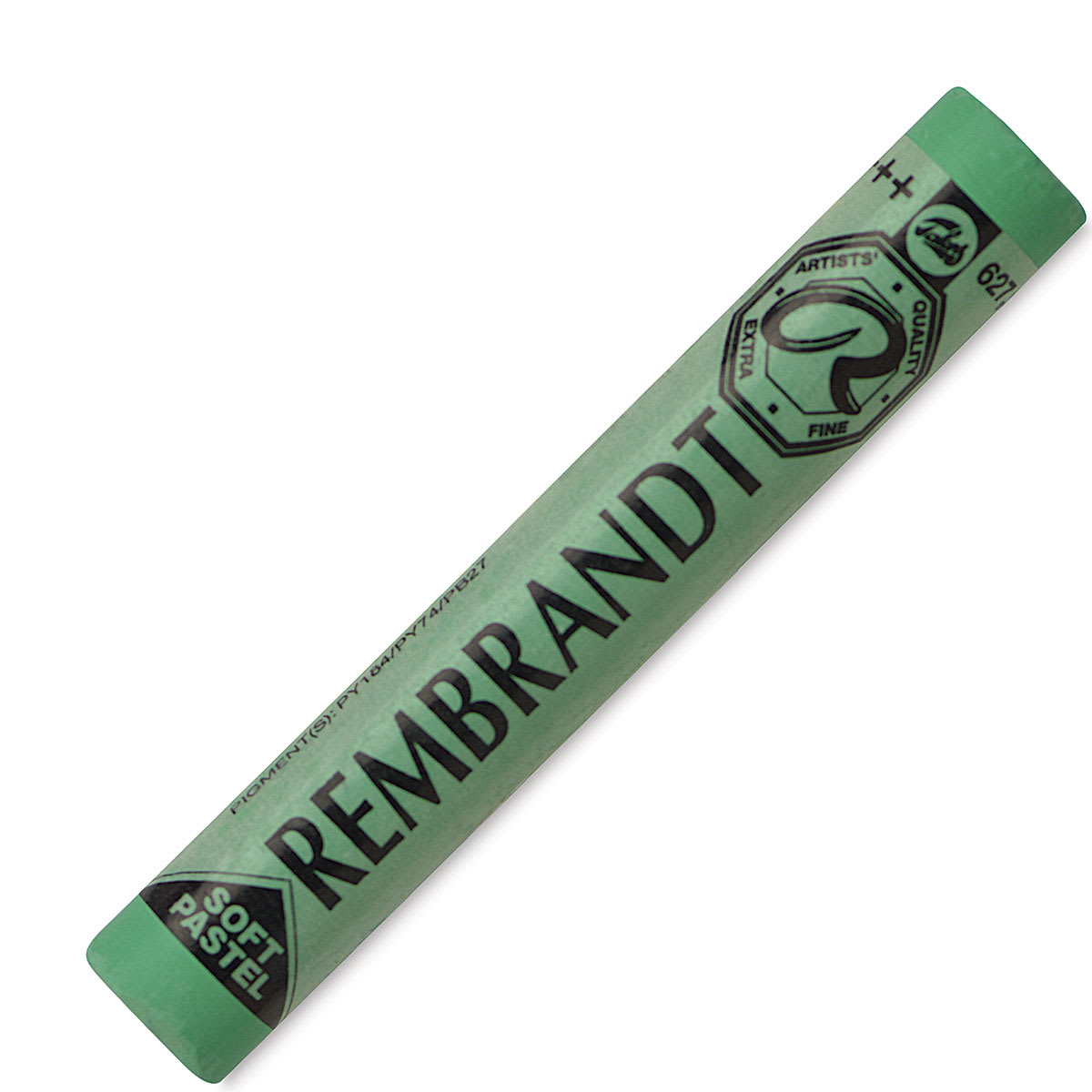
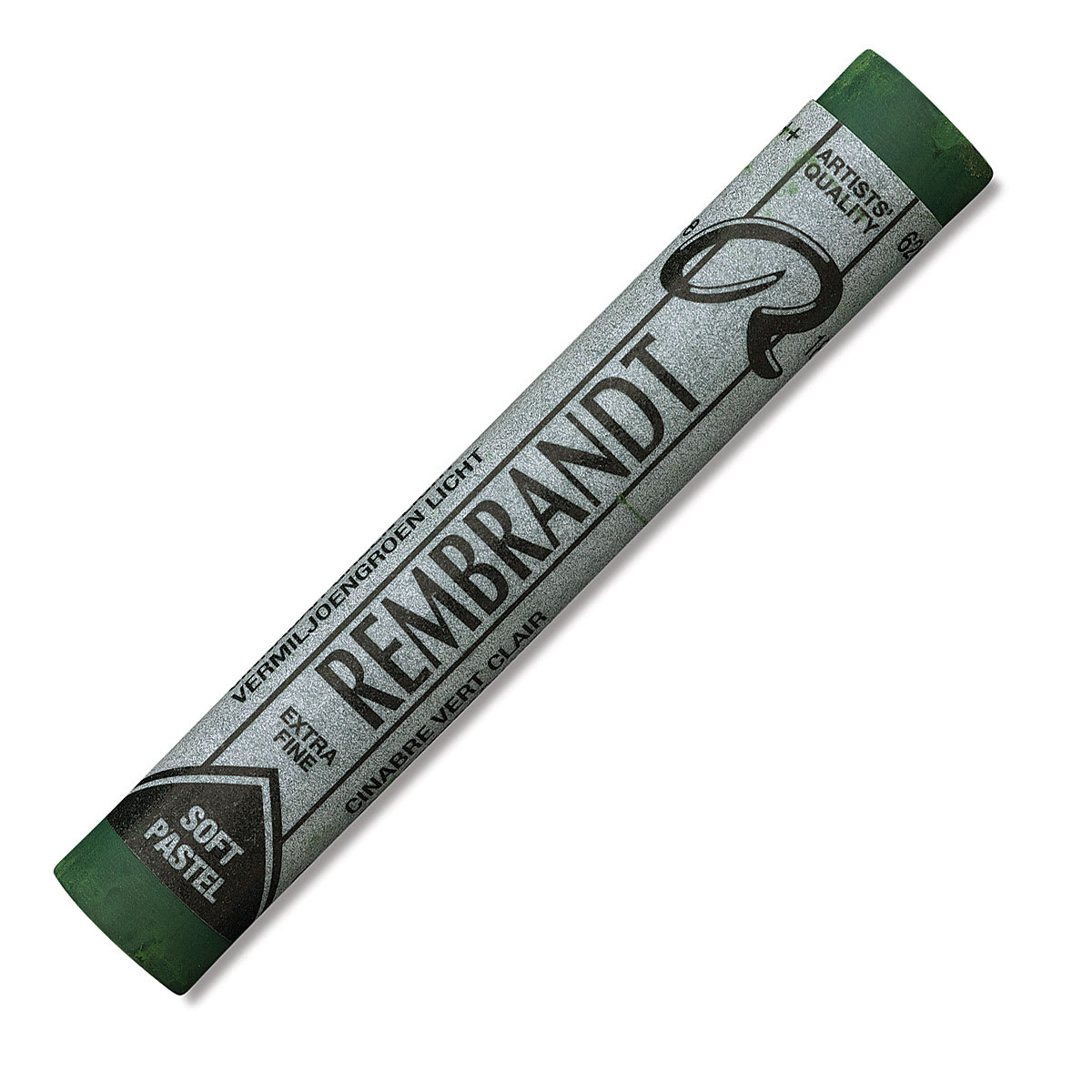
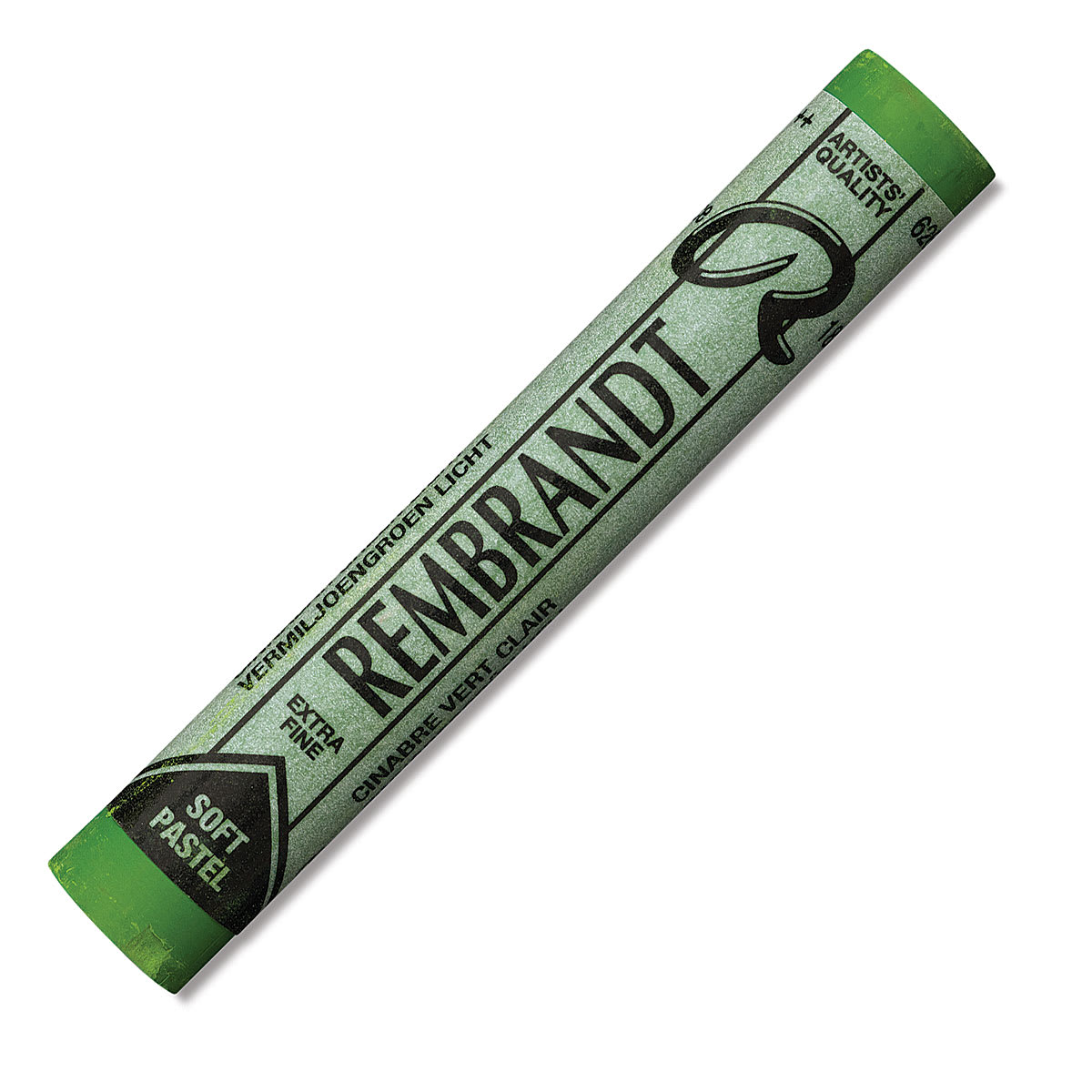
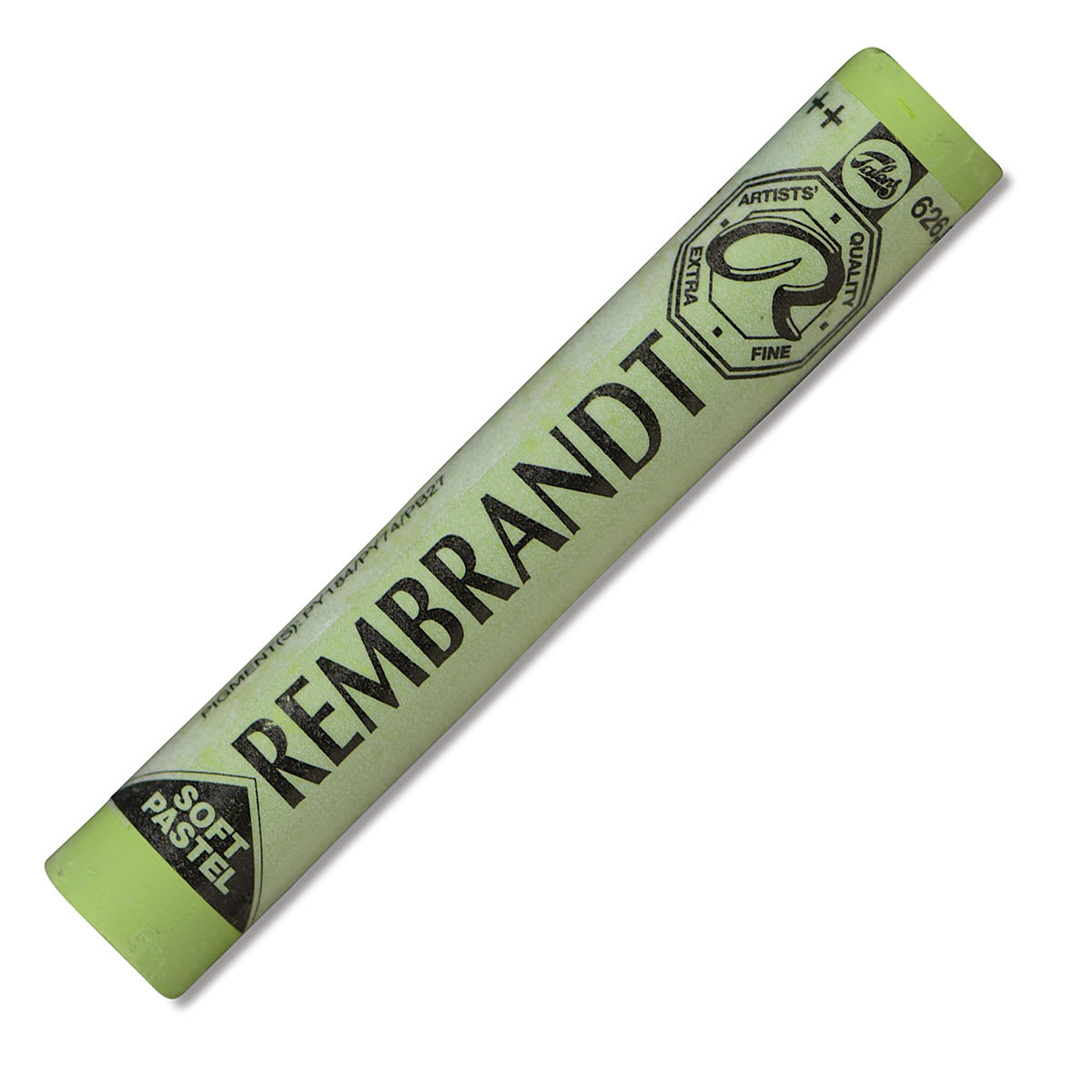
General reference notes about pigments can describe other media (such as oil). They do not verify this product’s exact formulation or behavior.
Hooker’s Green
- Pigment code
- PB27
- Type
- mix of organic pigments
- Chemical formula
- C30H18FeN3O6Na
- Properties
- Hooker’s Green is a bright olive-green often sold in a yellowish shade and a bluish shade. Its transparency can range from dull and dark to bright and light because lightness and chroma vary based on manufacturer. Modern varieties have a rich, dark tone that provides a great range when mixing. Hooker’s Green is particularly good for landscape painting when a larger range of foliage is required. Dioxazine Violet is the best mixing compliment in watercolor form.
- Permanence
- The permanence and lightfastness of Hooker’s Green varies by brand. As a composite pigment historically mixed from Prussian Blue and Gamboge, its permanence is only fair. Modern replacements for Hooker's Green tend to be mixed with components that have more permanence, such as Phthalocyanine Green, Burnt Umber, and sometimes Hansa or Cobalt Yellow.
- Toxicity
- Hooker’s Green can be hazardous, but the toxicity level depends on the specific pigments used by each individual manufacturer or brand.
- History
- This pigment was originally an unreliable mix of Prussian or Iron Blue and Gamboge. Later, it became a more reliable mix of Cadmium Yellow and Phthalo Blue or Green. It was a staple green for 19th century landscape and botanical painters. Most modern Hooker’s Green paints are yellow greens with a hue angle around 140, or a mix of Phthalo Green and Burnt Umber.
Hansa Yellow
- Pigment code
- PY74
- Type
- monoazo
- Chemical formula
- C18H18N4O6
- Properties
- Pigment PY74 is one of the most commercially important pigments of the Hansa Yellow group, considered superior to many others in its class based on both tinting strength and lightfastness. Several PY74 grades with different particle sizes are available. Grades with finer particle size are more brilliant and transparent. Pigment PY74 ranges from reddish yellow to greenish yellow, with temperature shifts from cool to warm hues. It has high tinting strength and average to slow drying time.
- Permanence
- This Hansa Yellow has better lightfastness that other yellow monoazo pigments, particularly in the darker shades.
- Toxicity
- Hansa Yellow has no significant acute hazards, though its chronic hazards have not been well studied.
- History
- Hansa Yellows were first made in Germany just before WW1 from a series of synthetic dyestuffs called Pigment Yellow. They were intended to be a synthetic replacement for Cadmium Yellow.
- Description
- Arylide, Arylide Yellow, Azo, Brilliant Yellow, Monoazo, Monolite Yellow, Permanent Yellow.
Bismuth Yellow
- Pigment code
- PY184
- Type
- inorganic
- Chemical name
- bismuth orthovanadate or bismuth vanadium oxide
- Chemical formula
- BiVO4
- Properties
- Bismuth Yellow is an intense, light value, semi-opaque yellow pigment with good tinting strength.
- Permanence
- Bismuth Yellow has excellent lightfastness.
- Toxicity
- Bismuth orthovanadate is harmful if swallowed. It is irritating to the eyes, respiratory system, and skin. Exposure may cause conjunctivitis, rhinitis, and reversible irritation of the respiratory tract. More severe cases may cause bronchitis, bronchospas
- History
- Bismuth orthovanadate occurs naturally in several minerals. Although it was synthesized in the 1920s, it was not developed as a commercial pigment until the 1970s.
- Description
- Permanent Lemon Yellow, Vanadium Yellow.
 Blick Art Materials