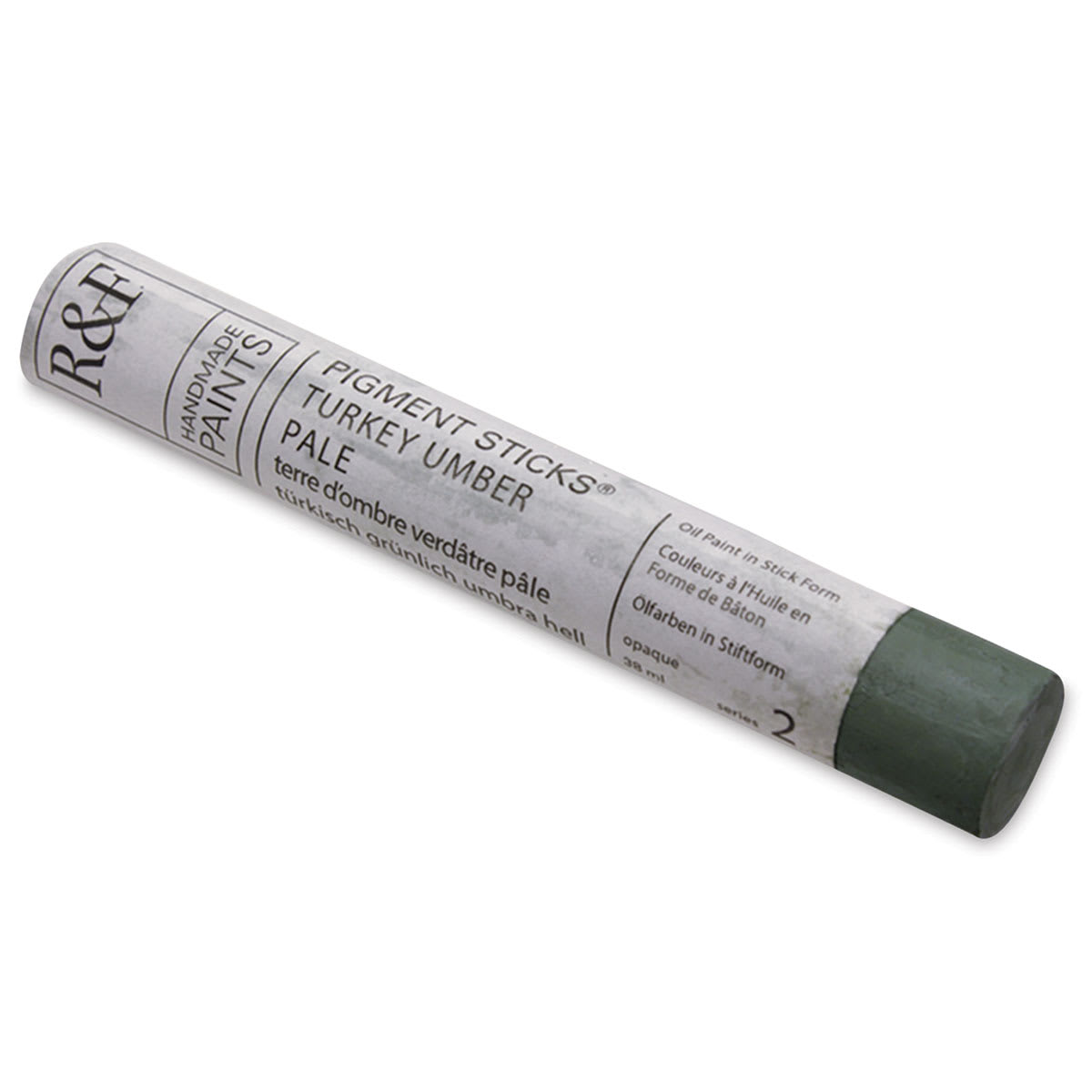
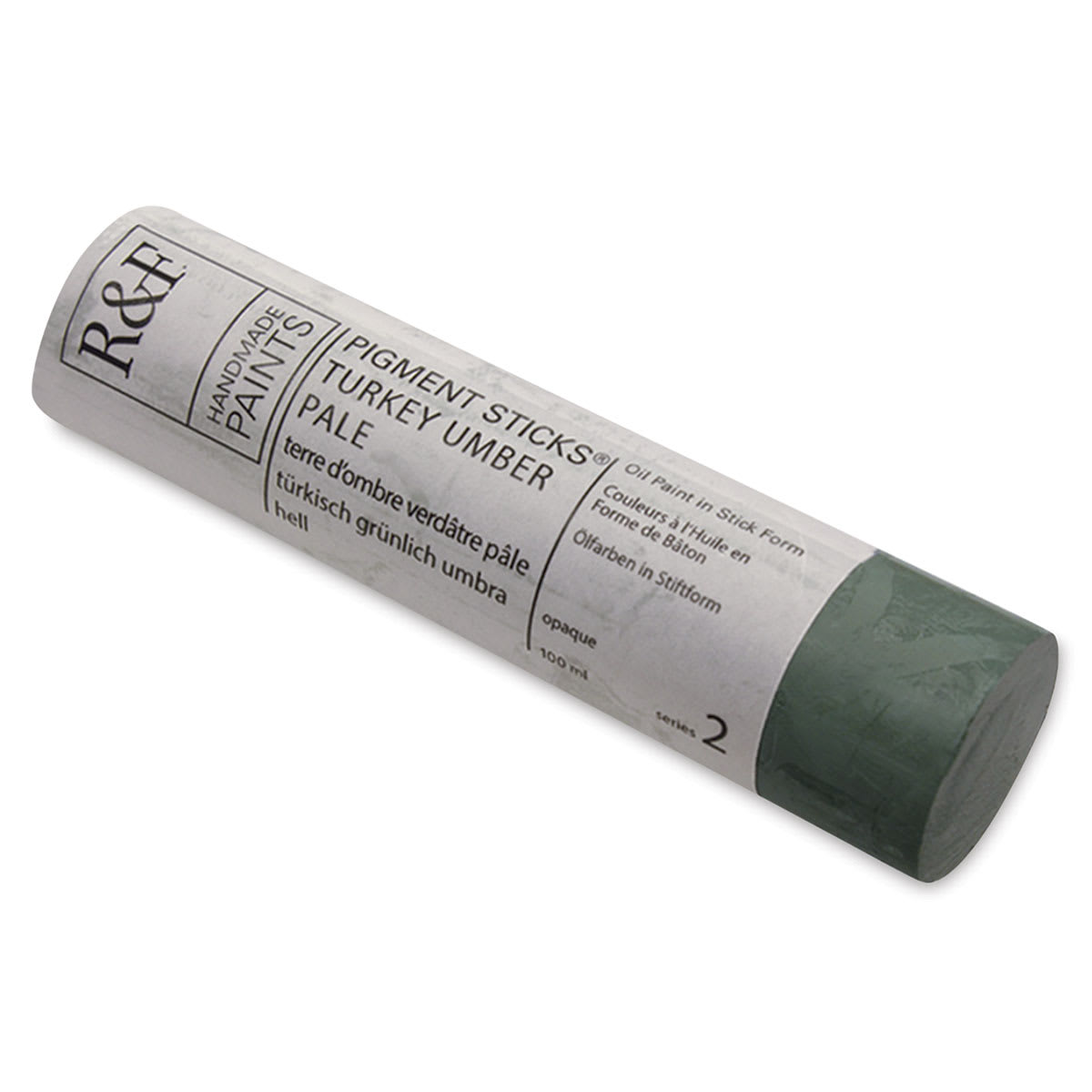
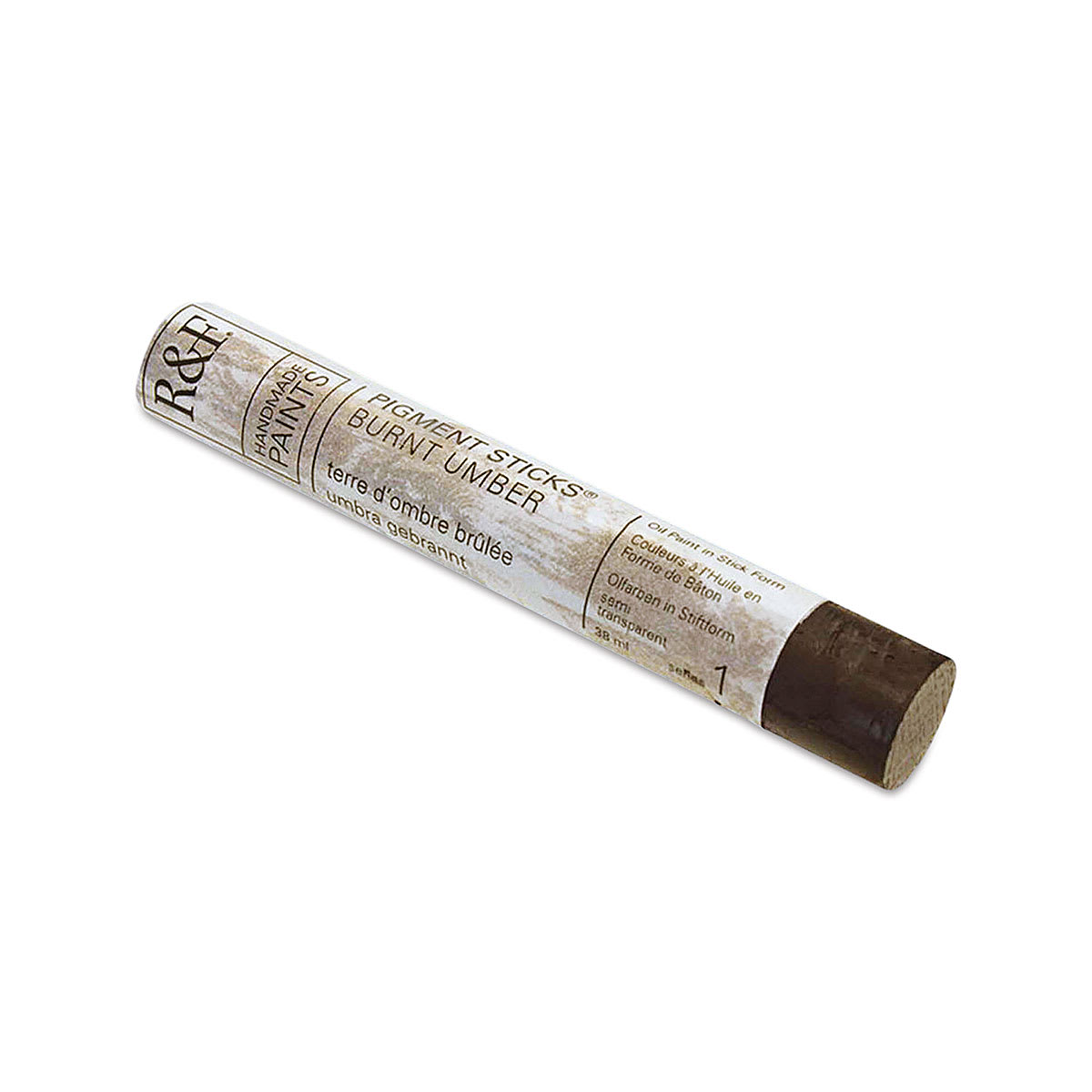
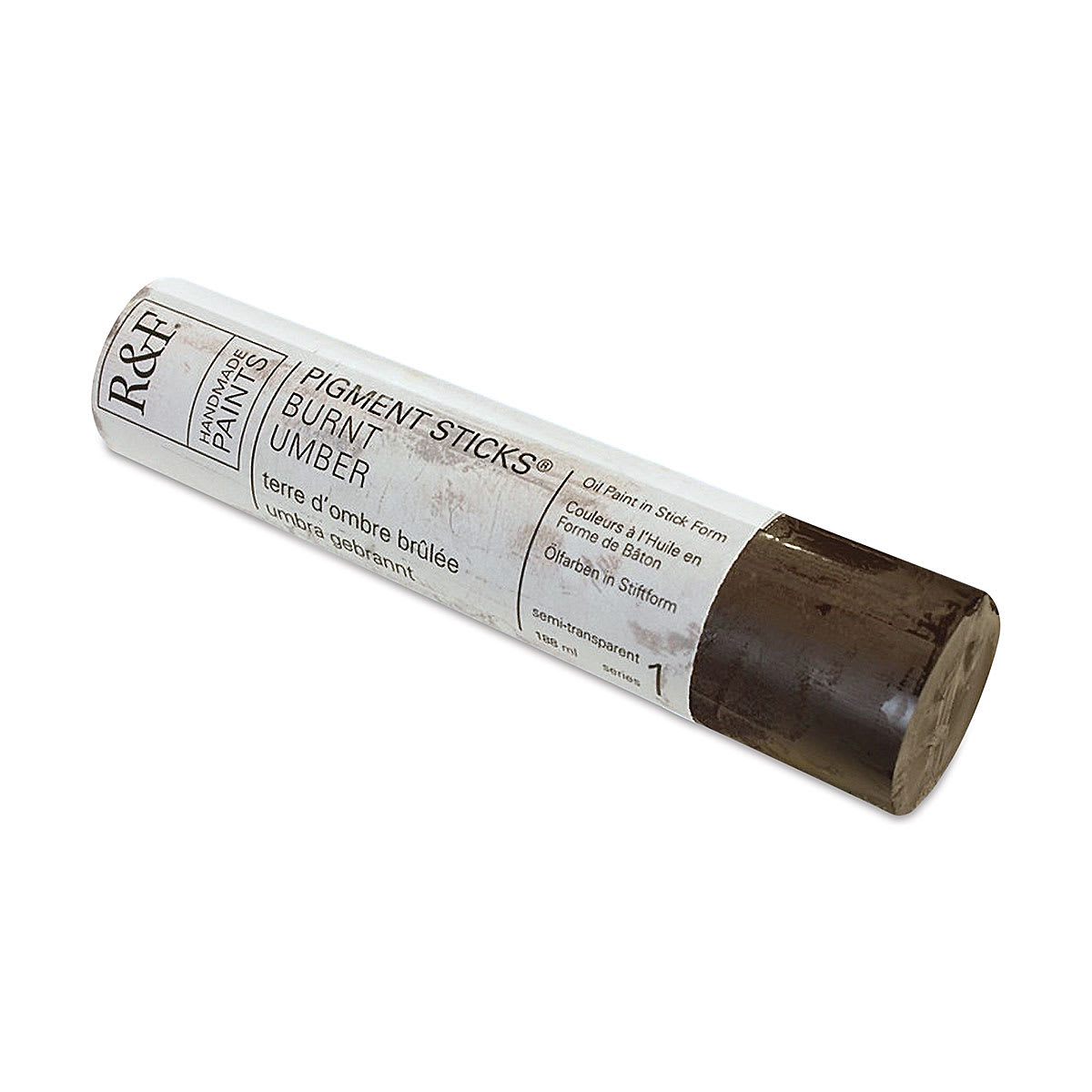
General reference notes about pigments can describe other media (such as oil). They do not verify this product’s exact formulation or behavior.
Titanium White
- Pigment code
- PW6
- Type
- inorganic
- Chemical name
- titanium dioxide
- Chemical formula
- TiO2
- Properties
- Titanium White is the most brilliant of the white pigments. It is considered an all purpose oil color useful in all techniques and the best all around white. Its masstone is neither warm nor cool, placing it somewhere between Lead White and Zinc White. It is less prone to cracking and yellowing than Lead White, but it still yellows easily. Titanium White dries slowly in oil form, more slowly than Lead White but more quickly than Zinc White. It is opaque in oil and acrylic forms and semi-opaque in watercolor form. This pigment has good chemical stability, and its tinting strength is superior to both Lead White and Zinc White.
- Permanence
- Titanium White has excellent permanence and lightfastness.
- Toxicity
- Titanium dioxide is highly stable and is regarded as non-toxic.
- History
- Titanium is the ninth most abundant element in the Earth's crust, however mineral deposits that are economical to mine are less common. Titanium dioxide was first discovered in 1821, although it could not be mass produced until 1919. Widespread use of the pigment began in the 1940s. Since that time, it has become the most commonly used white pigment. The name comes from the Latin word Titan, the name for the elder brother of Kronos and ancestor of the Titans, and from the Greek word tito, meaning day or sun.
Zinc White
- Pigment code
- PW4
- Type
- inorganic
- Chemical name
- zinc(II)-oxide
- Chemical formula
- ZnO
- Properties
- Zinc White is the coolest white, and it has a cold, clean masstone and a slightly bluish tint. It has less hiding power and is more transparent than other whites. It dries slowly and is good for painting wet into wet and for glazing and scumbling. Zinc White is neither as opaque nor as heavy as Lead White, its covering power is not as good, and it takes much longer to dry. However, it does not blacken when exposed to sulfur in the air as Lead White does. It is very valuable for making tints with other colors. Unmixed Zinc White dries to a brittle and dry paint film that may crack over the years, so it is not good for frescoing. It is more transparent in acrylic form than Titanium White and is the most commonly used white with gouache. Chinese White is a version of Zinc White appropriate for opaque watercolor techniques.
- Permanence
- Zinc White has great permanence and lightfastness.
- Description
- Chinese White, French White, Permanent White, Silver White, Snow White, Zinc Oxide.
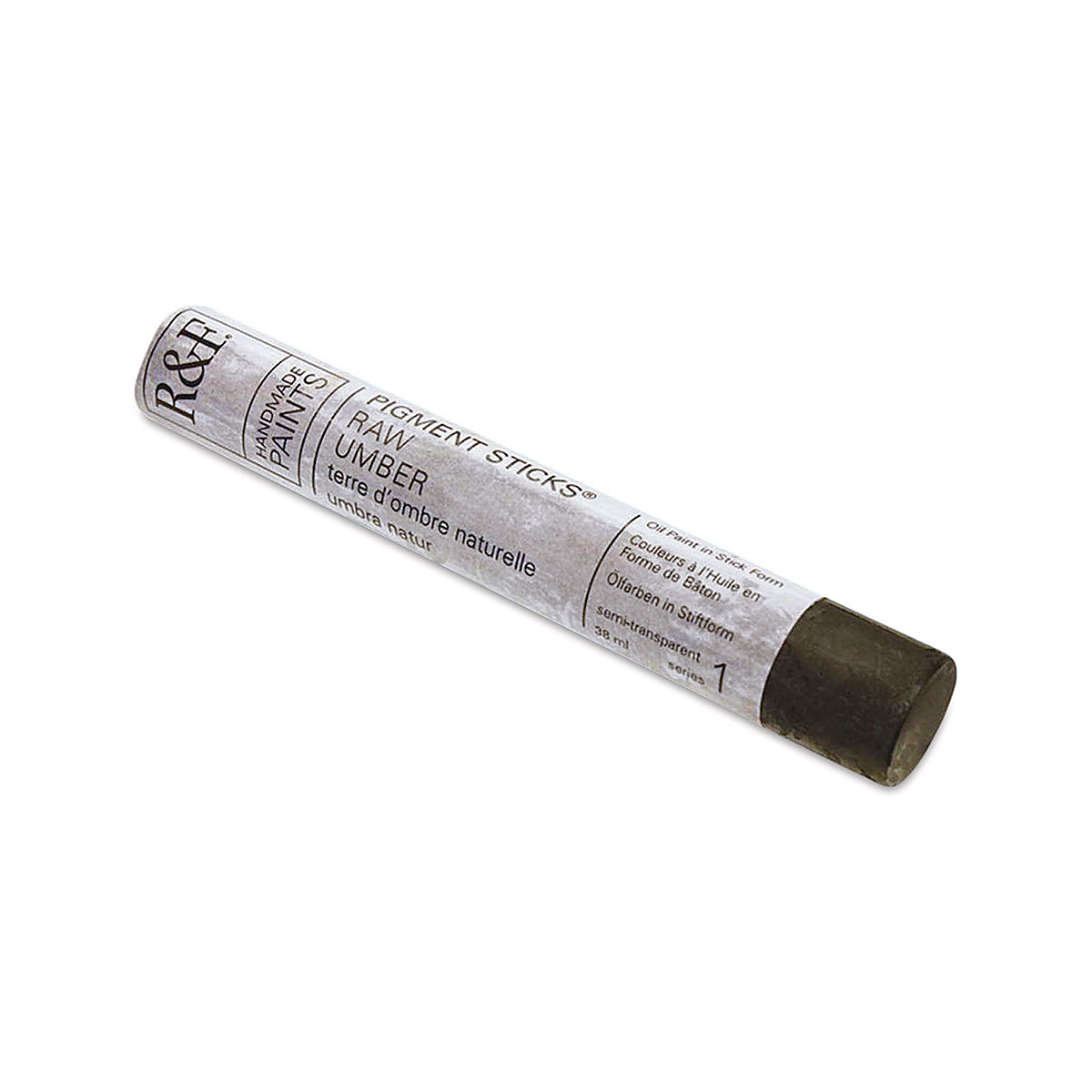
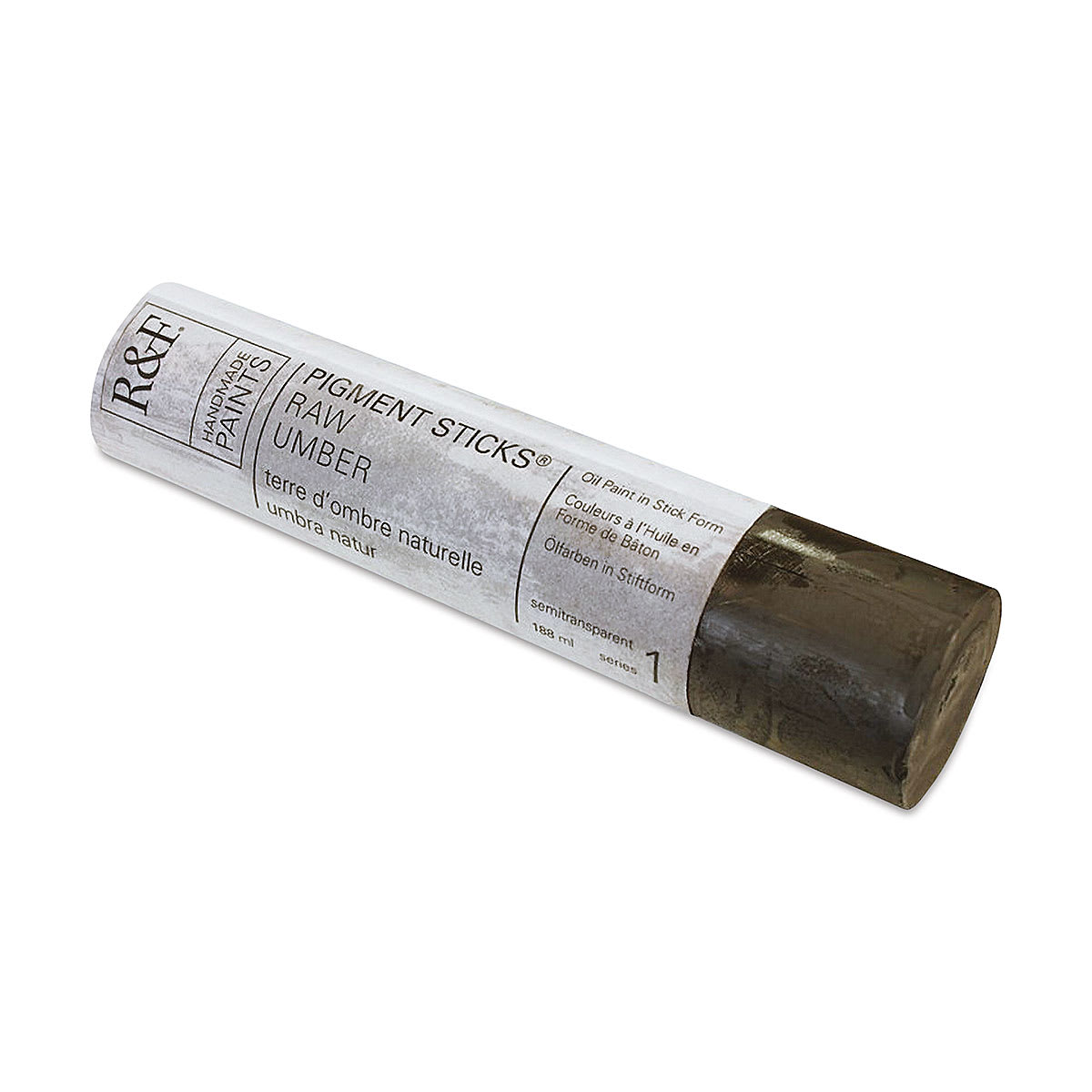
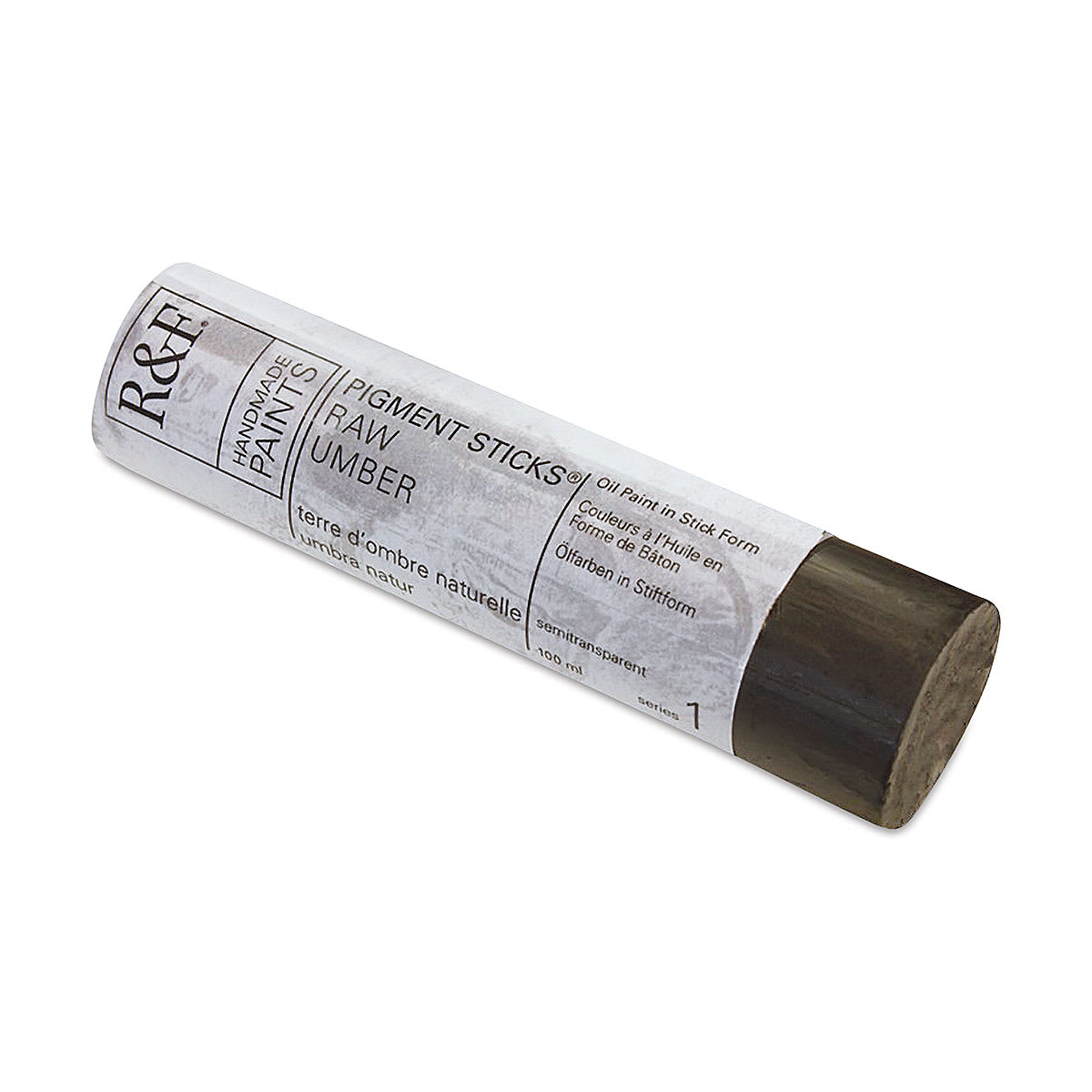
Raw Umber
- Pigment code
- PBr7
- Type
- earth
- Chemical name
- hydrated iron oxide
- Chemical formula
- α-FeO3+(OH) or Fe2O3 × MnO2
- Properties
- Raw Umber is a cool, transparent brown ranging from yellowish brown to greenish brown. It has surprisingly good tinting strength, a high level of opacity, mixes well with greens, and is quick drying in oil form. It has excellent color properties and can create a variety of subtle, clear tints when mixed with white. It grays when mixed with blue and white. Raw Umber can tend towards chalkiness in dark mixes in oil form.
- Permanence
- Raw Umber has excellent permanence.
- Toxicity
- Raw Umber itself is considered non-toxic. If contaminated by manganese compounds, it may be highly toxic if inhaled and moderately toxic if ingested.
- History
- This pigment gets its name from the Latin word umbra, meaning shadow or shade. Its full name is listed as terra di ombra, meaning earth of shadow/shade, due to its original extraction from the area of Umbria, Italy. It has been used as a pigment since prehistoric times. Currently, the finest umber comes from Cyprus.
- Description
- Chestnut Brown, Euchrome, Jacaranta Brown, Mars Brown, Raw Brown, Sicilian Brown. Cyprus Umber, Turkey Brown, and Turkey Umber are the best quality umbers.
Phthalo Green
- Pigment code
- PG7
- Type
- organic
- Chemical name
- polychlorinated copper(II) phthalocyanine
- Chemical formula
- C32H3Cl13CuN8 to C32HCl15CuN8 or C32H16CuN8Cl15 (PG7) or C32Br6Cl10CuN8 (PG36)
- Properties
- Phthalo Green is a transparent, cool, bright, high intensity color used in oil and acrylics. It comes from a Phthalocyanine Blue pigment where most of the hydrogen atoms have been replaced with chlorine, forming highly stable molecules. It has similar pigment properties and permanence to Phthalo Blue. It is slow drying and an excellent base color for mixing a range of bright greens. Phthalo Green is considered a very good alternative to Viridian because it is intense and mixes well and can be used to emphasize mineral colors in various tints. However, its tinting strength is very high, so it can overpower other colors. This pigment most closely resembles the discontinued and toxic Verdigris.
- Permanence
- Phthalo Greens are completely lightfast and resistant to alkali, acids, solvents, heat, and ultraviolet radiation. They are currently used in inks, coatings, and many plastics due to their stability and are considered a standard pigment in printing ink and the packaging industry.
- Description
- Bocour Green, Cyan Green, Intense Green, Monastral Green, Phthalocyanine Green BS, Rembrandt Green, Thalo Green, Winsor Green.
 Blick Art Materials