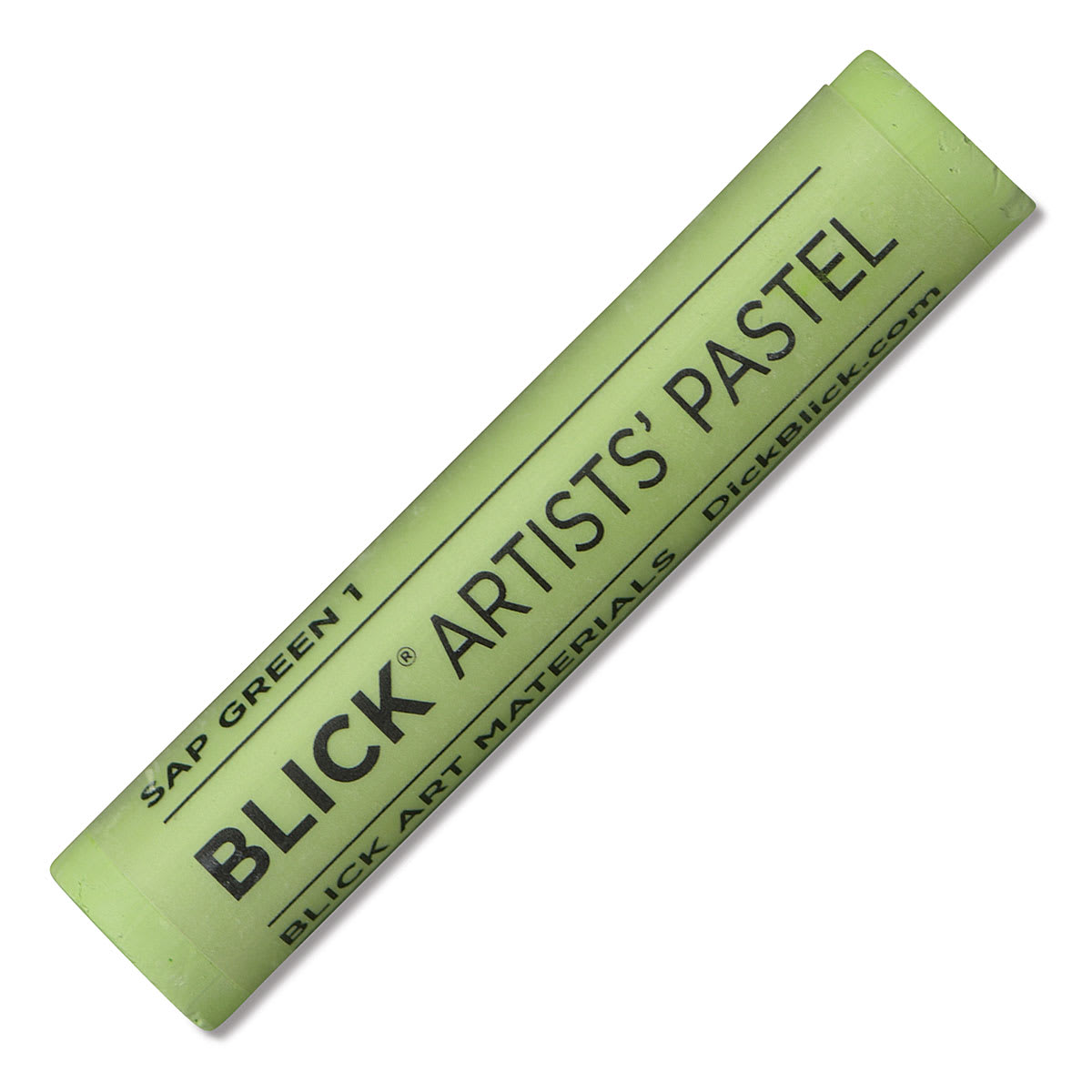
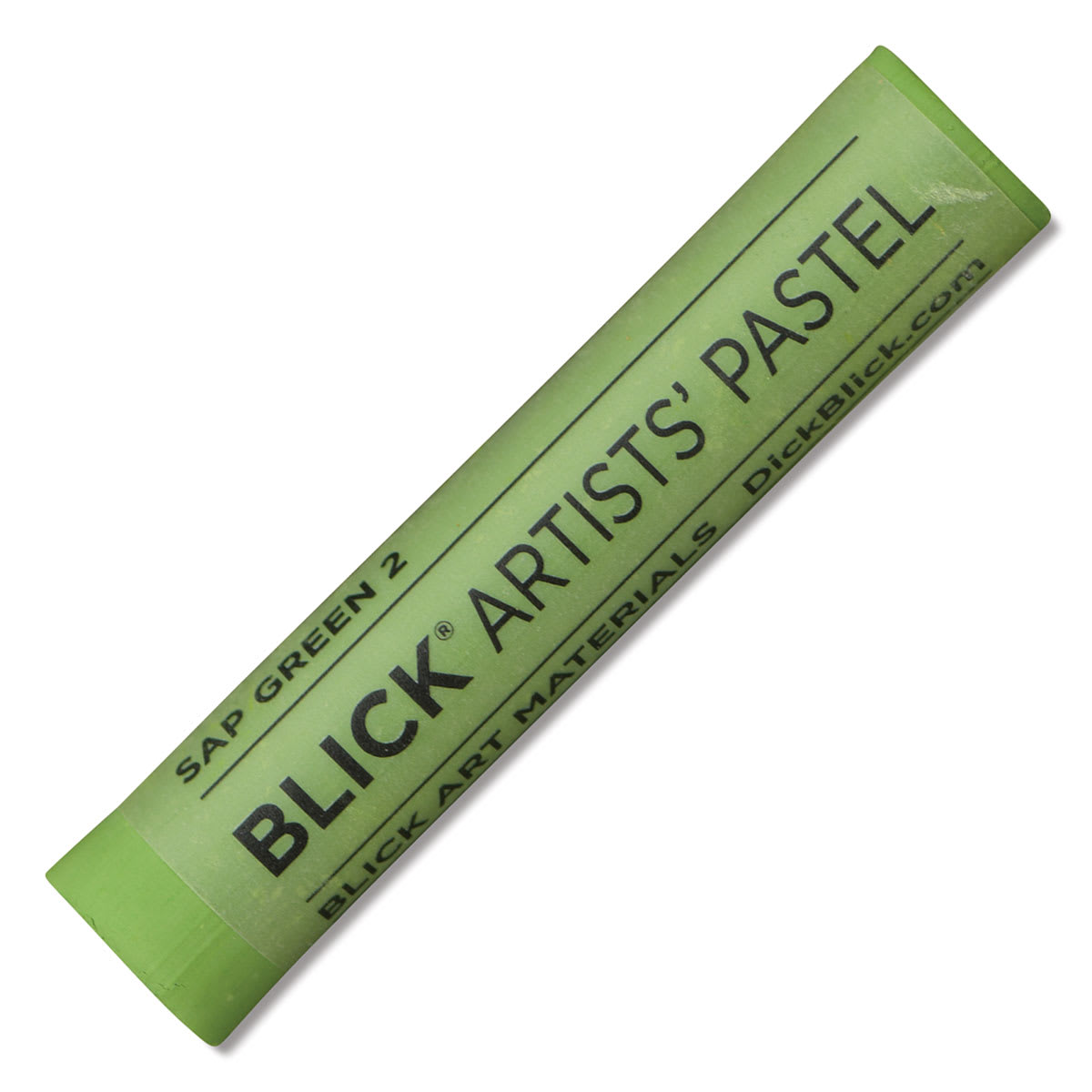
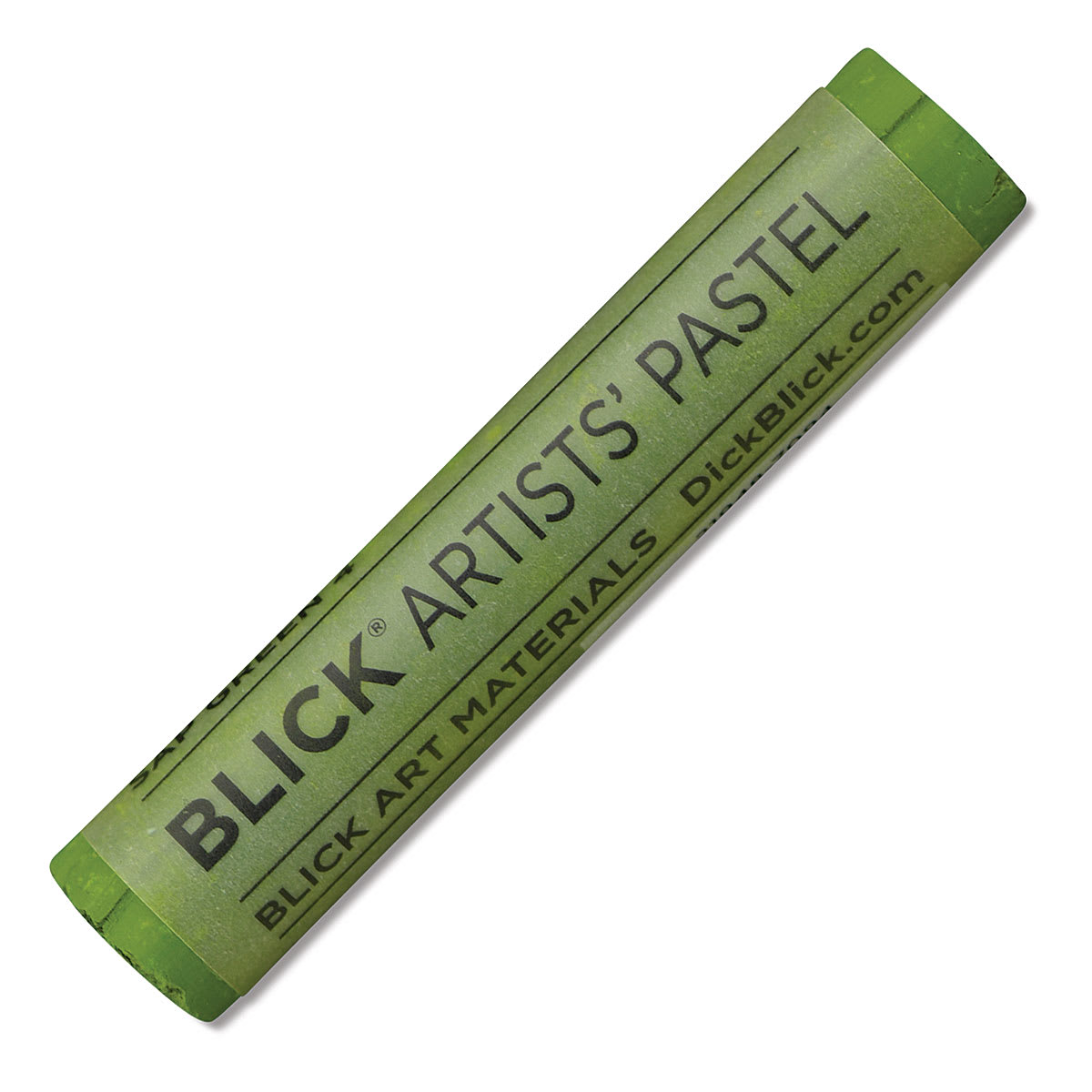
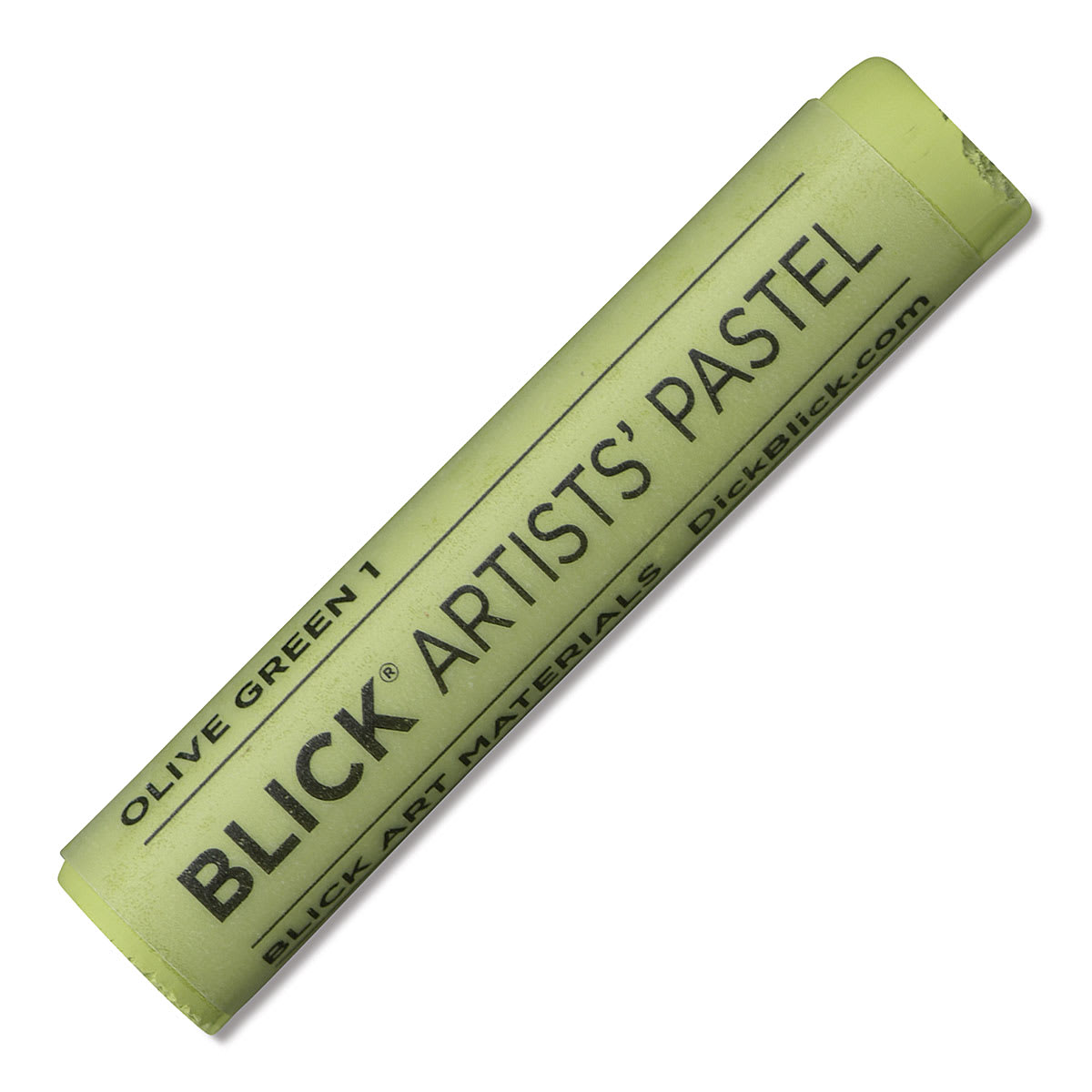
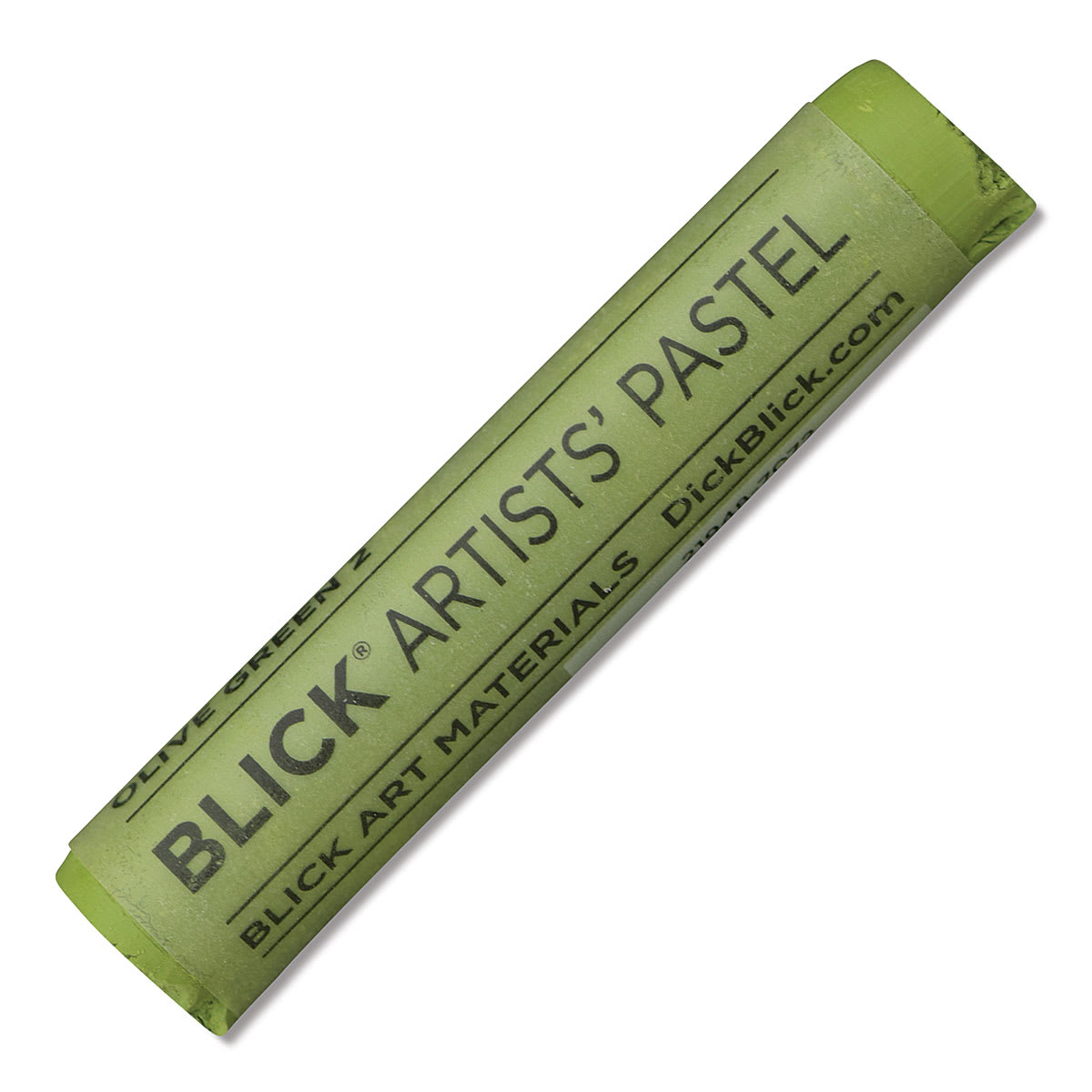
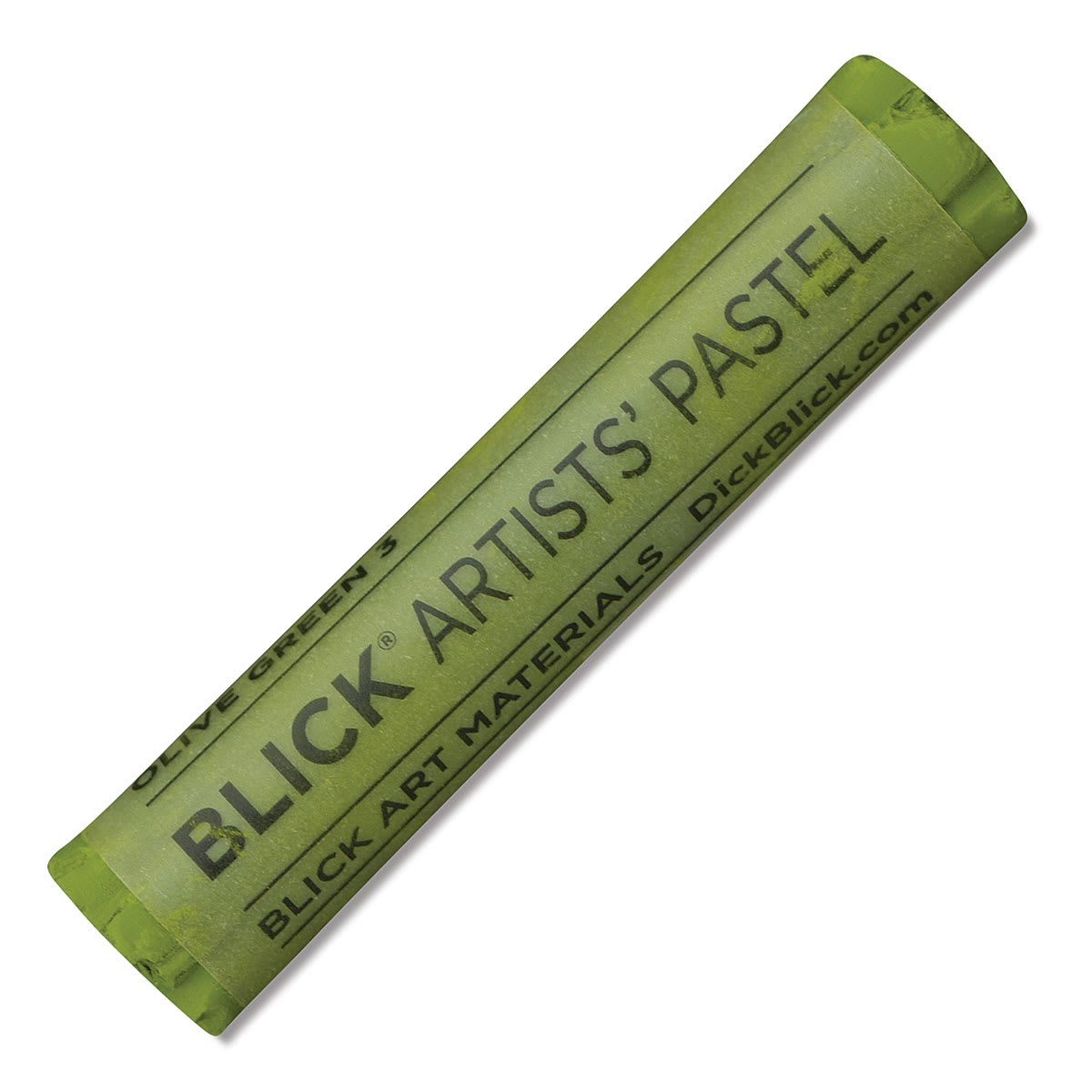
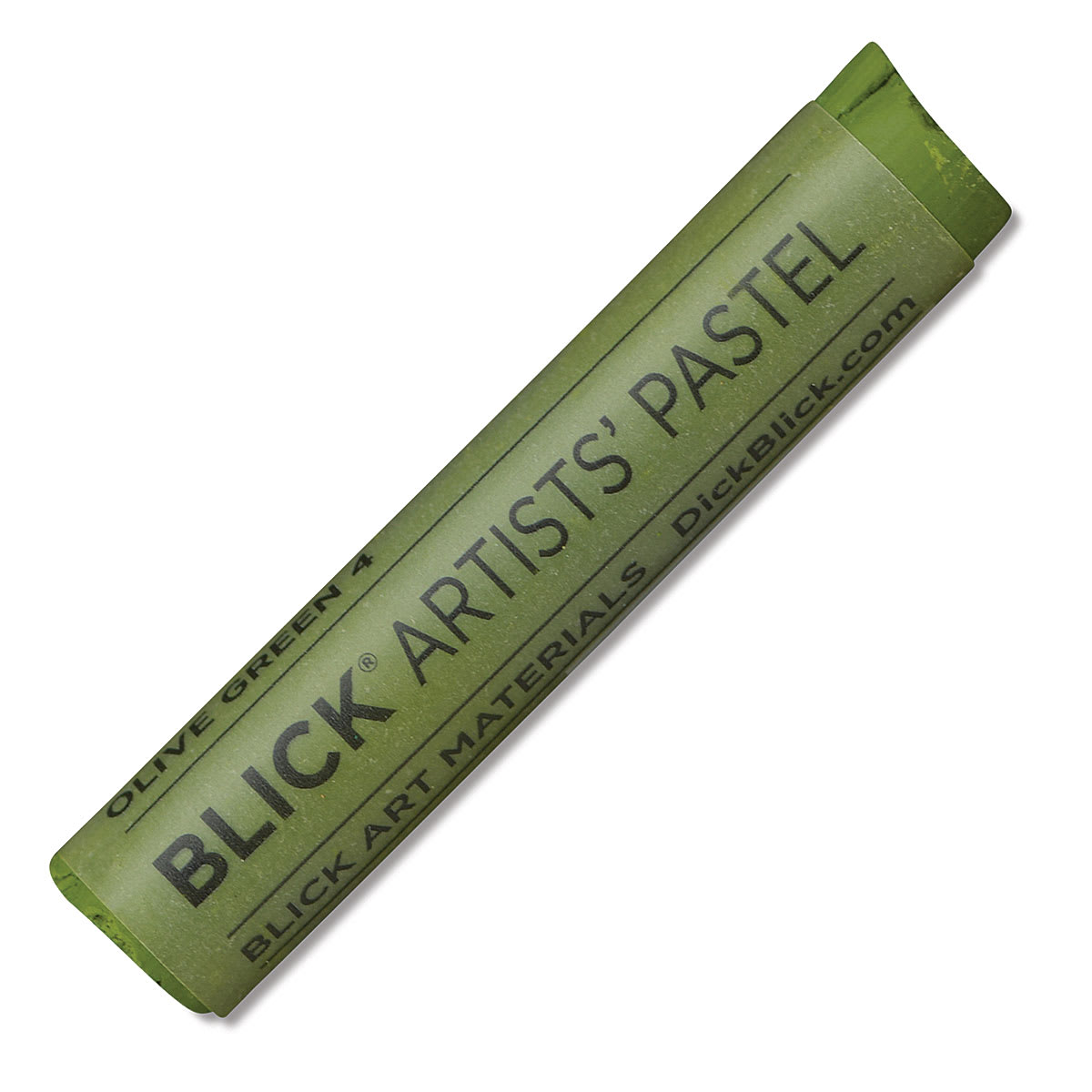
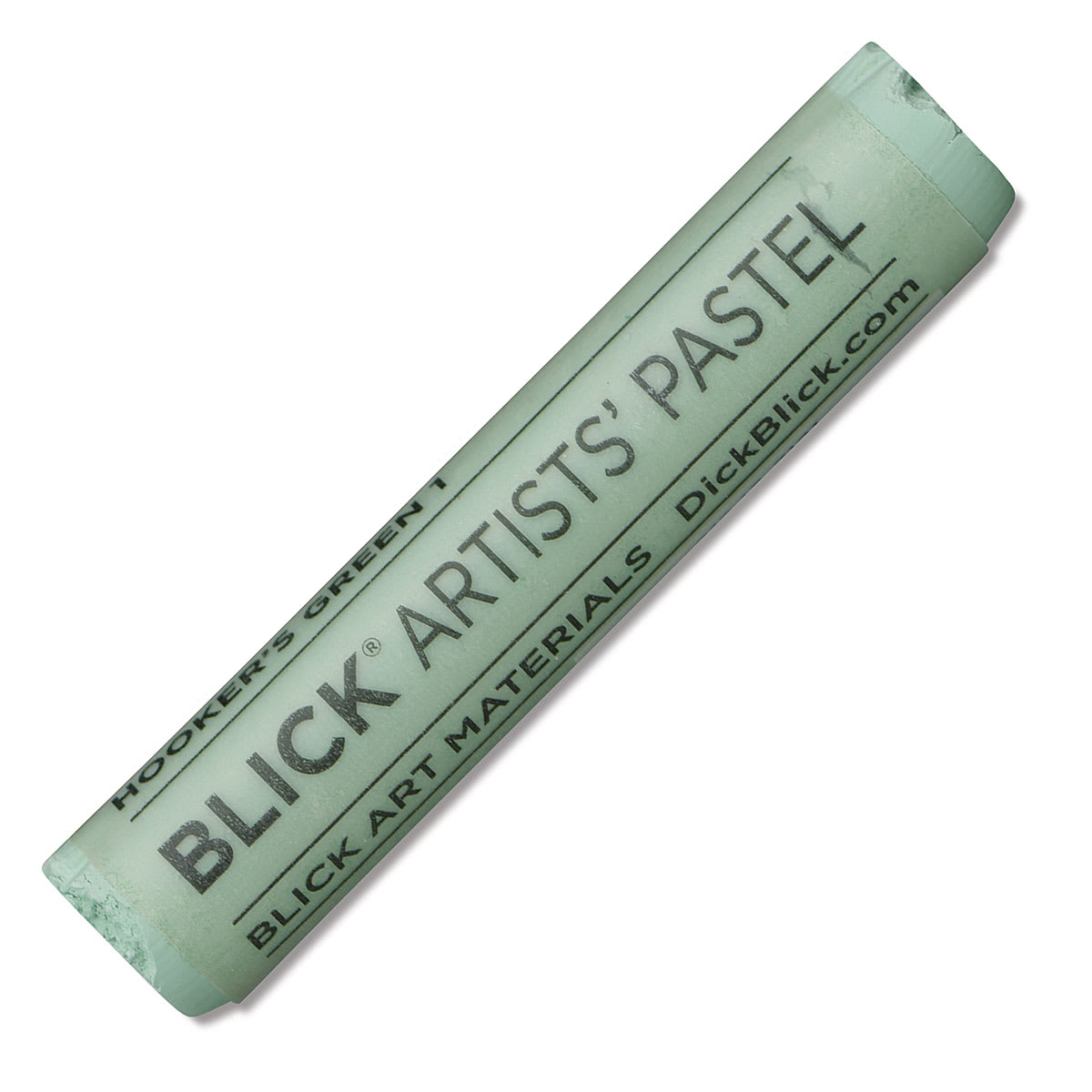
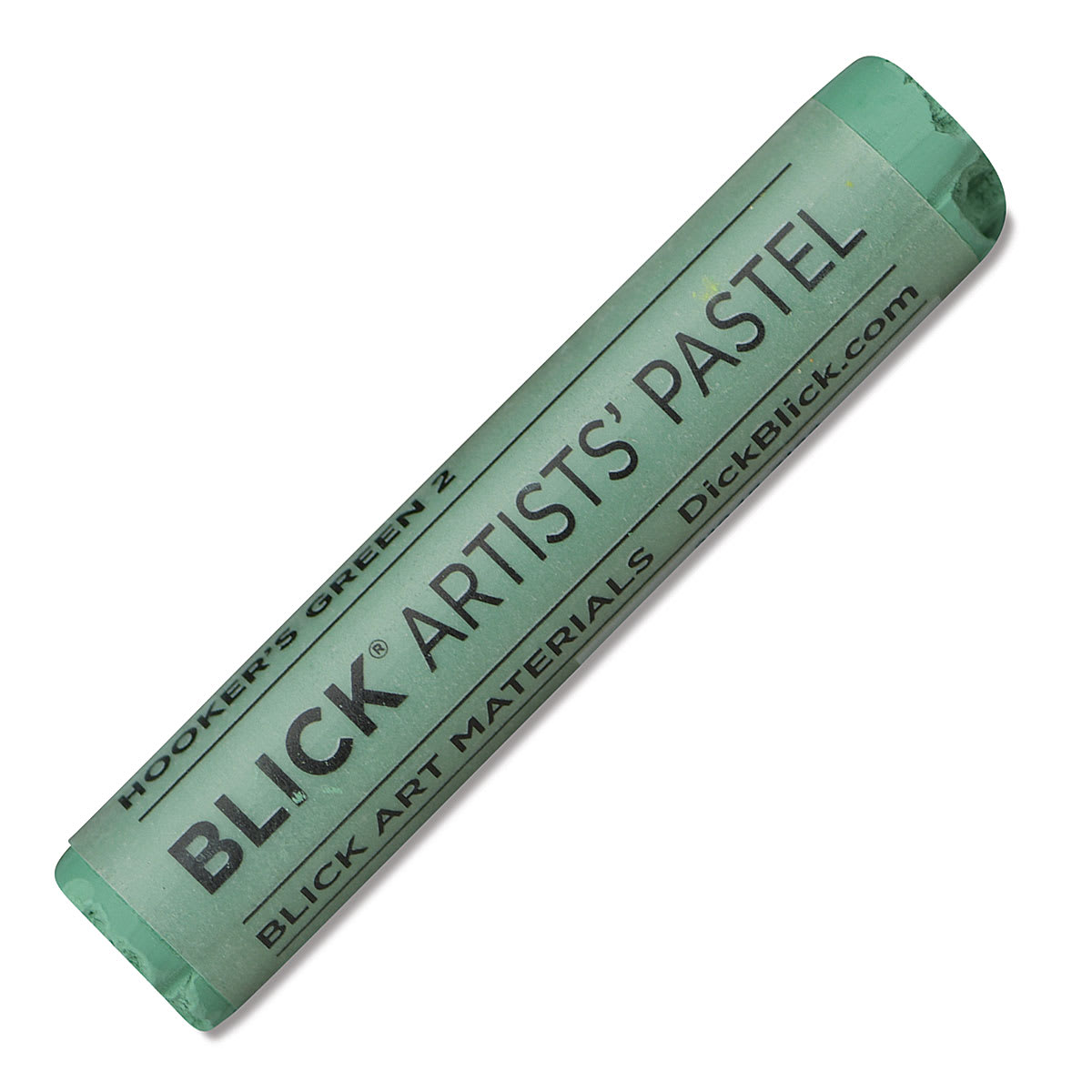
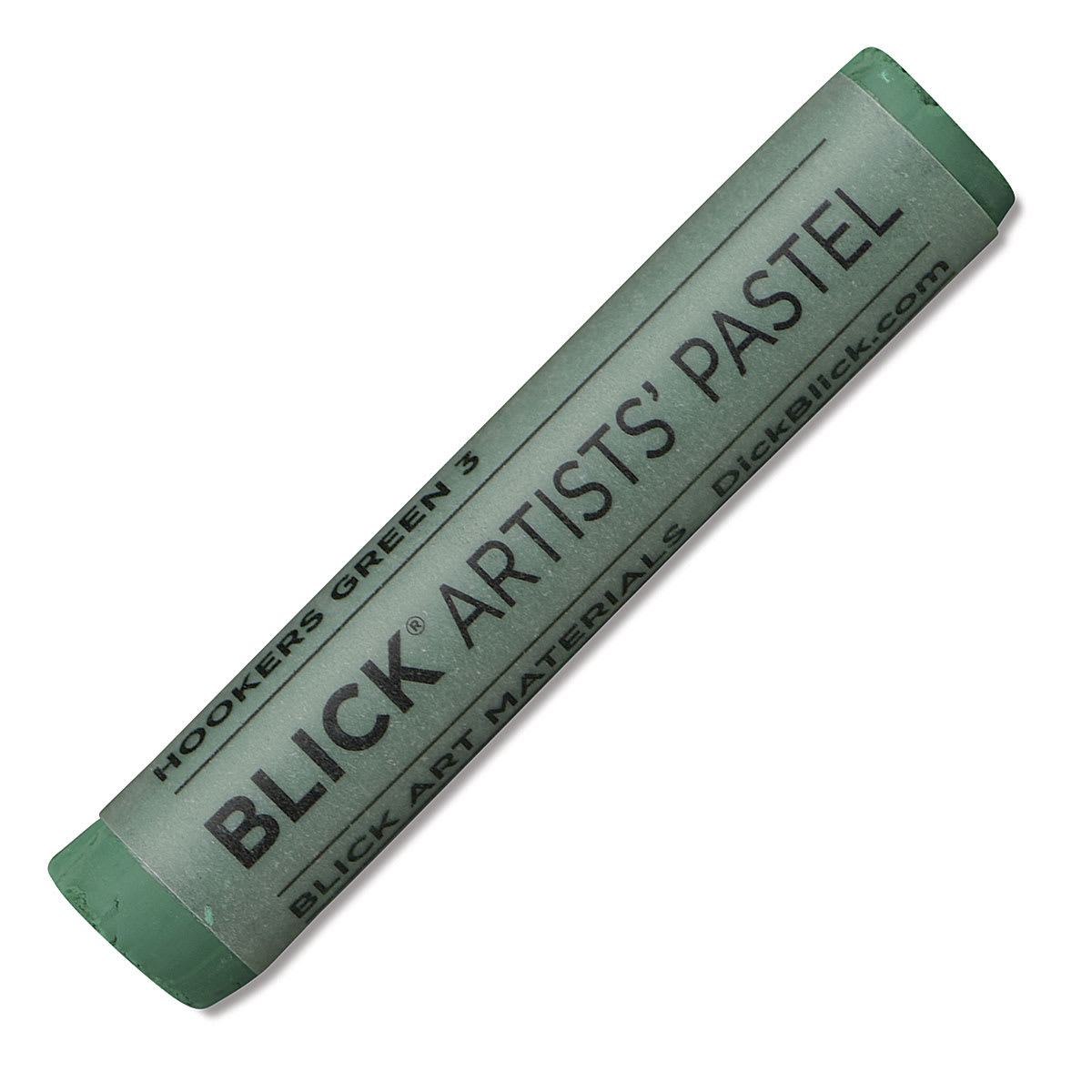
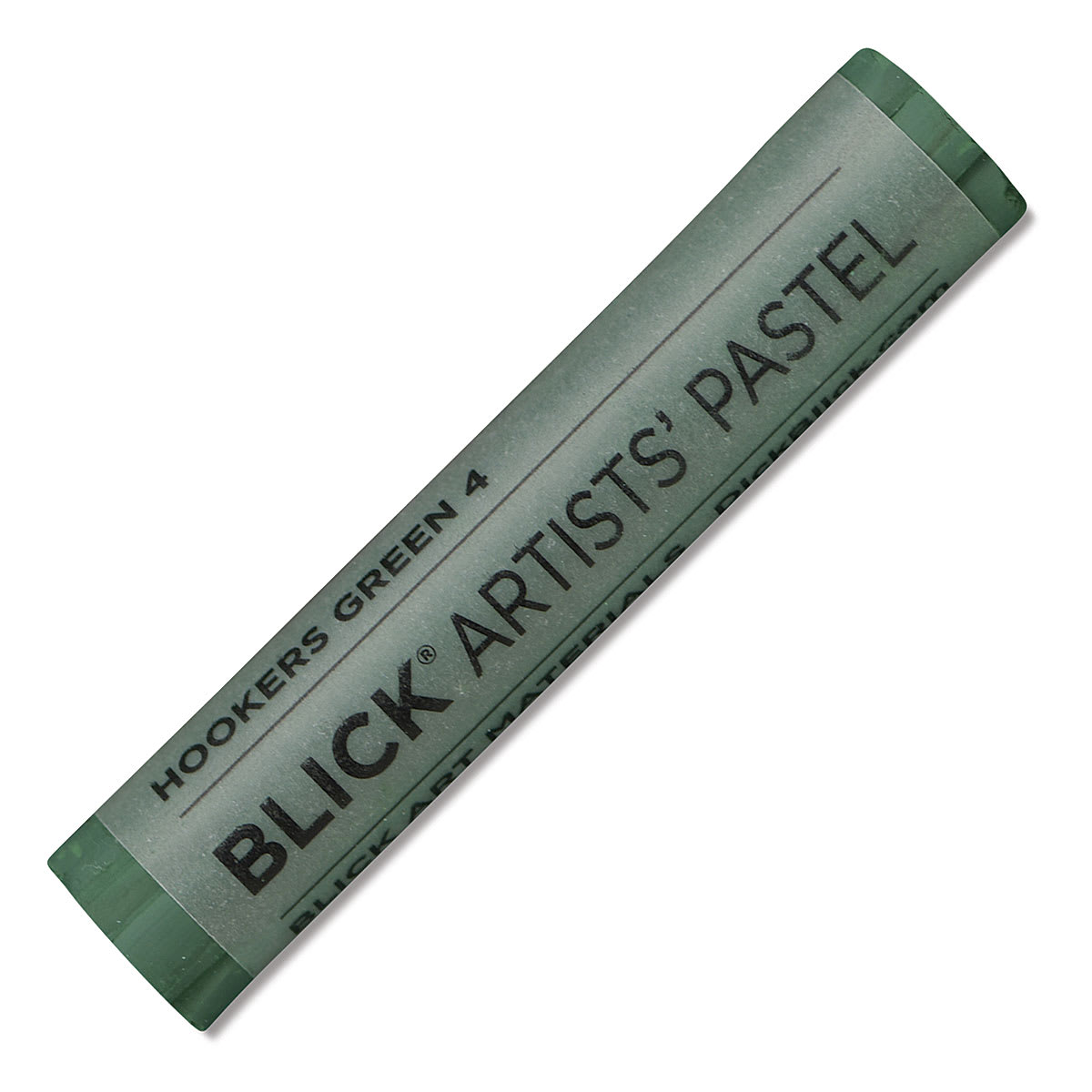
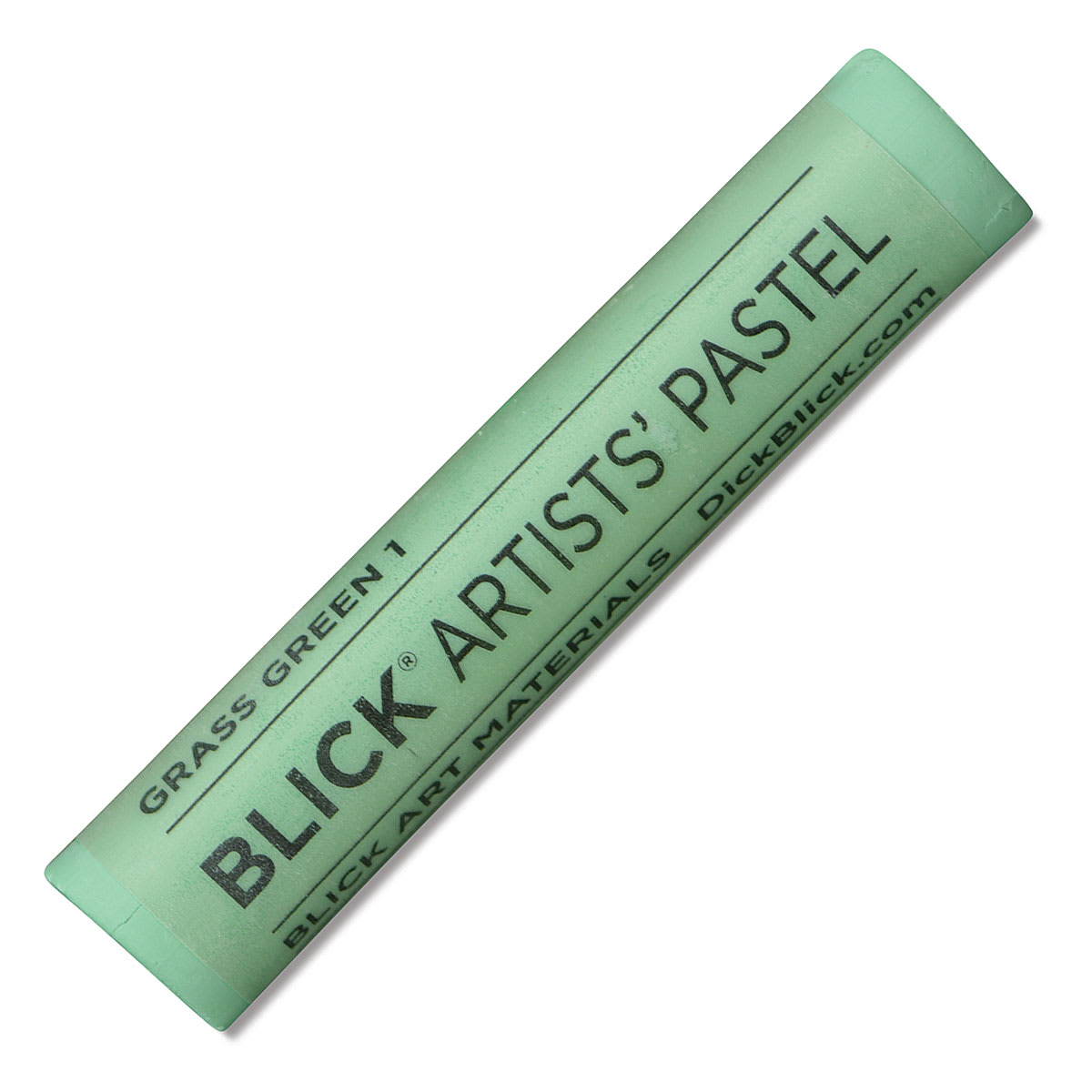
General reference notes about pigments can describe other media (such as oil). They do not verify this product’s exact formulation or behavior.
Diarylide Yellow 83
- Pigment code
- PY83
- Type
- organic, disazo
- Chemical formula
- C36H32Cl4N6O8
- Properties
- Diarylide Yellow is a semi-opaque, moderately staining, intense deep reddish yellow pigment with good tinting strength.
- Permanence
- Diarylide Yellow 83 has very good lightfastness and permanence. However, it can fade in tints, so some artists do not consider it suitable as an artists' color. Many other diarylide yellow pigments are reported to have fair to poor lightfastness, and some are completely fugitive. Diarylide Yellow 83 is reputed to be one of the most permanent of the entire group.
- Toxicity
- Diarylide Yellow has no significant acute hazards, but chronic hazards have not been well studied.
- History
- Diarylide Yellow comes from a family of azo pigments called Diarylide. These yellow hued pigments were developed around 1940 and are very important in printing inks.
- Description
- Benzidine Yellow, Diazo Yellow.
Phthalo Green
- Pigment code
- PG7
- Type
- organic
- Chemical name
- polychlorinated copper(II) phthalocyanine
- Chemical formula
- C32H3Cl13CuN8 to C32HCl15CuN8 or C32H16CuN8Cl15 (PG7) or C32Br6Cl10CuN8 (PG36)
- Properties
- Phthalo Green is a transparent, cool, bright, high intensity color used in oil and acrylics. It comes from a Phthalocyanine Blue pigment where most of the hydrogen atoms have been replaced with chlorine, forming highly stable molecules. It has similar pigment properties and permanence to Phthalo Blue. It is slow drying and an excellent base color for mixing a range of bright greens. Phthalo Green is considered a very good alternative to Viridian because it is intense and mixes well and can be used to emphasize mineral colors in various tints. However, its tinting strength is very high, so it can overpower other colors. This pigment most closely resembles the discontinued and toxic Verdigris.
- Permanence
- Phthalo Greens are completely lightfast and resistant to alkali, acids, solvents, heat, and ultraviolet radiation. They are currently used in inks, coatings, and many plastics due to their stability and are considered a standard pigment in printing ink and the packaging industry.
- Description
- Bocour Green, Cyan Green, Intense Green, Monastral Green, Phthalocyanine Green BS, Rembrandt Green, Thalo Green, Winsor Green.
Red Iron Oxide
- Pigment code
- PR101
- Type
- earth, synthetic
- Chemical name
- iron oxides (synthetic), iron oxide, silica, alumina, lime, and magnesia or hydrated iron oxide
- Chemical formula
- Fe2O2 or Fe2O3 x H2O
- Properties
- Red iron oxide varies in hue and transparency, depending on hydration and slight impurities. Indian Red is a slightly duller, deep brick hue with a bluish undertone. It is very dense and opaque, with excellent tinting strength and covering power. It is dependable when mixing with all other permanent pigments and yields good flesh tints when mixed with Zinc White. It is the synthetic version of PR102, which is a pigment made from earth reds, or natural red iron oxides, and the names applied to PR101 and PR102 often overlap. The synthetic red iron oxides have mostly replaced natural red iron oxides and are brighter, stronger, finer, and more permanent. Indian Red is the highest grade bluish shade. Light Red, English Red, and Venetian Red are yellowish shades. Mars Violet is a dull and subdued bluish or purplish oxide.
- Permanence
- Red iron oxide is very lightfast with excellent permanence.
- Toxicity
- Red iron oxide has no significant hazards.
- History
- Natural red iron oxide comes from the mineral ore hematite, called bloodstone by the ancient Greeks from the word hema, meaning blood. It is one of the oldest pigments, has been used by every major civilization, and was an important mineral for medieval alchemists. It was not widely used in artists' materials until the 17th century and was not produced in large quantities until the 18th century.
- Description
- Indian Red, Colcothar, English Red, Light Red, Mars Red, Mars Violet, Morelle Salt, Pompeian Red, Indian Red, Red Oxide, Sinopia, Spanish Red, Terra Rosa, Tuscan Red, Venetian Red, Venice Red.
 Blick Art Materials