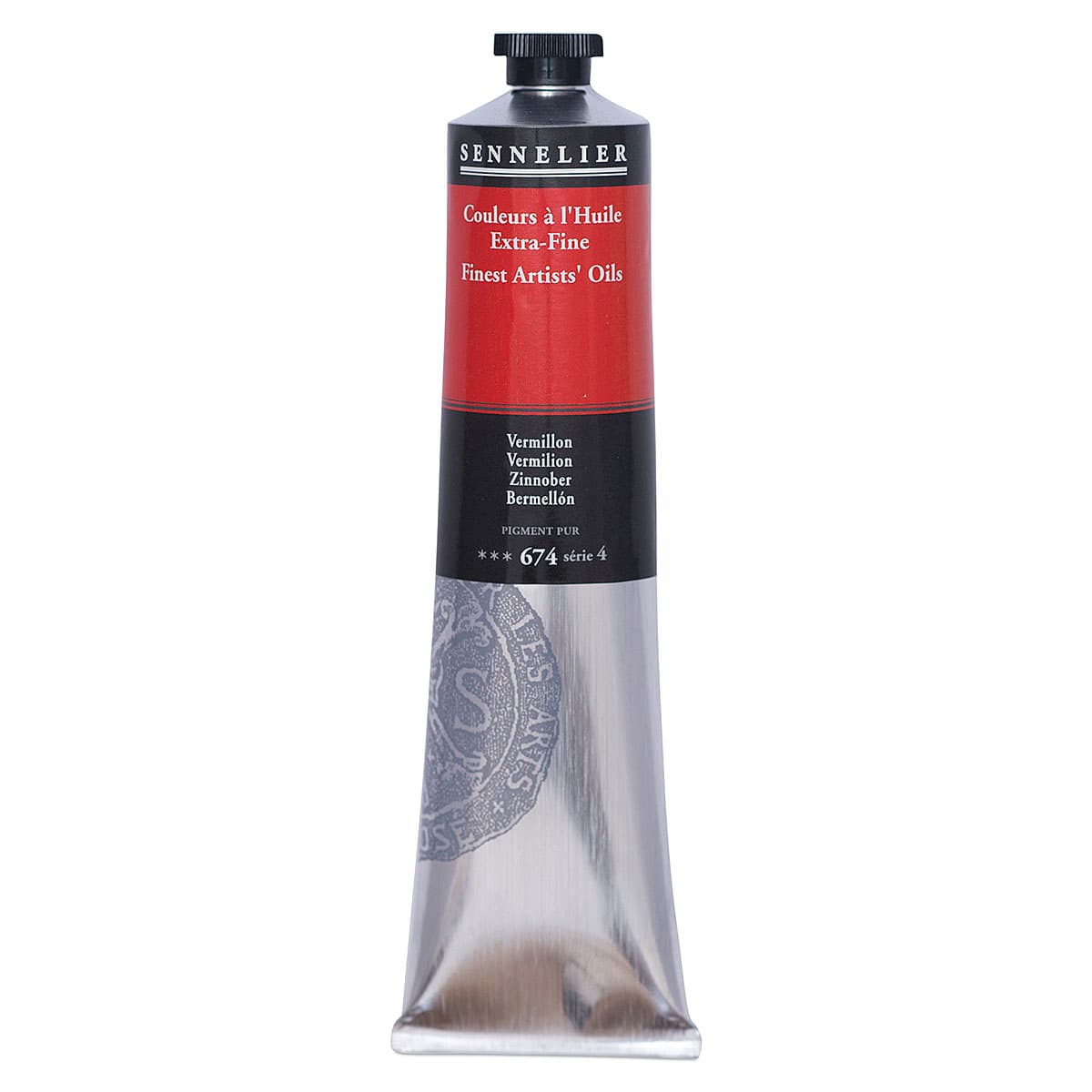
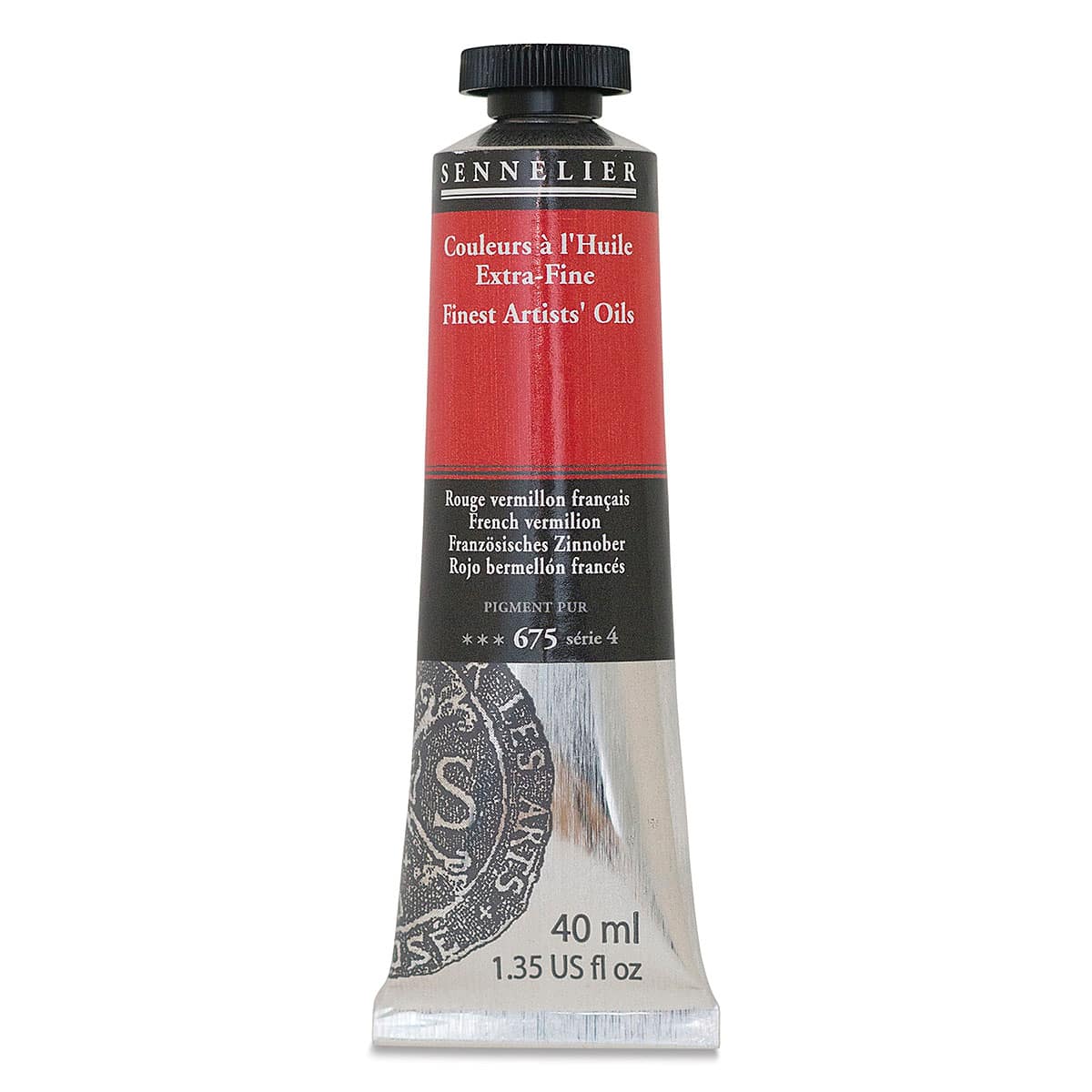
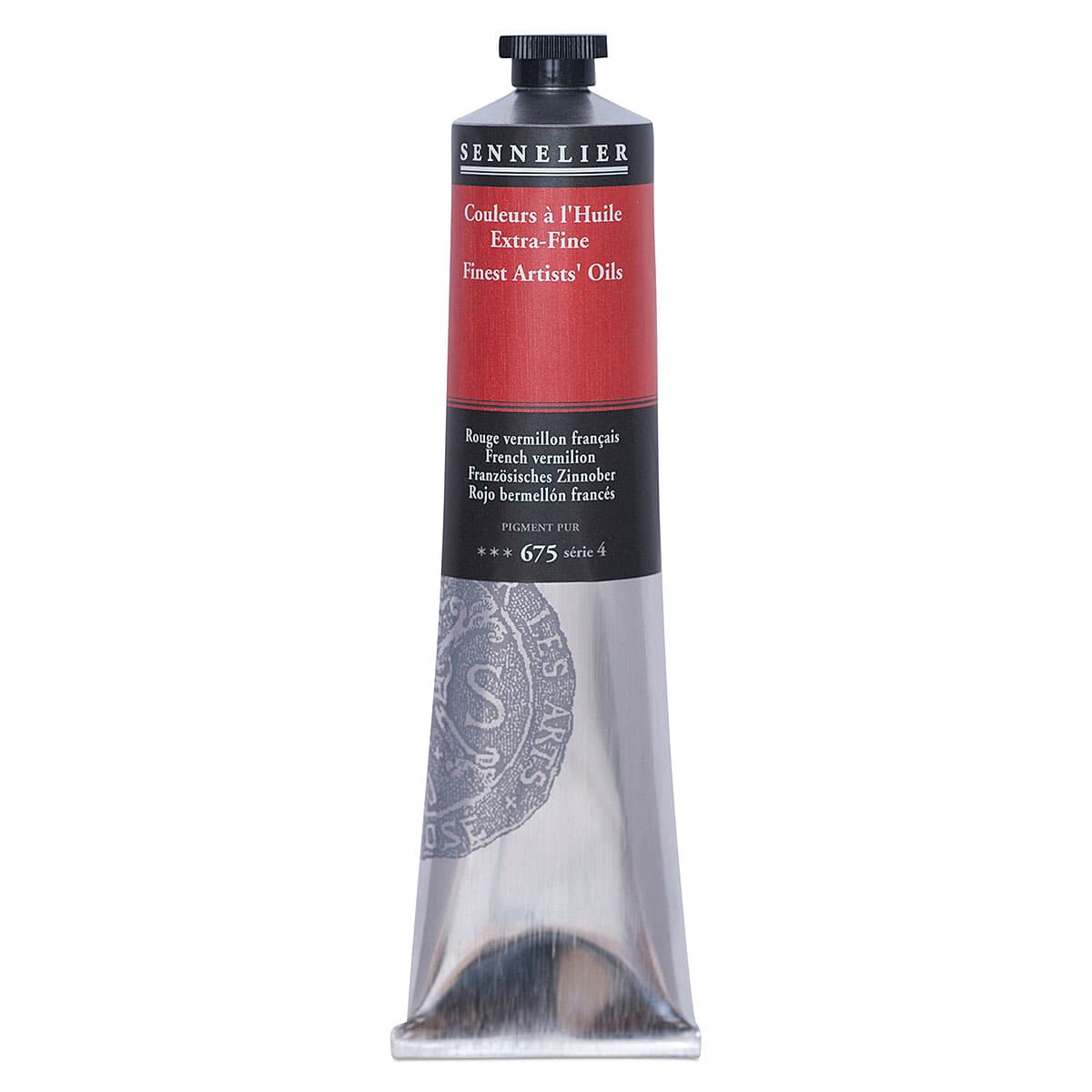
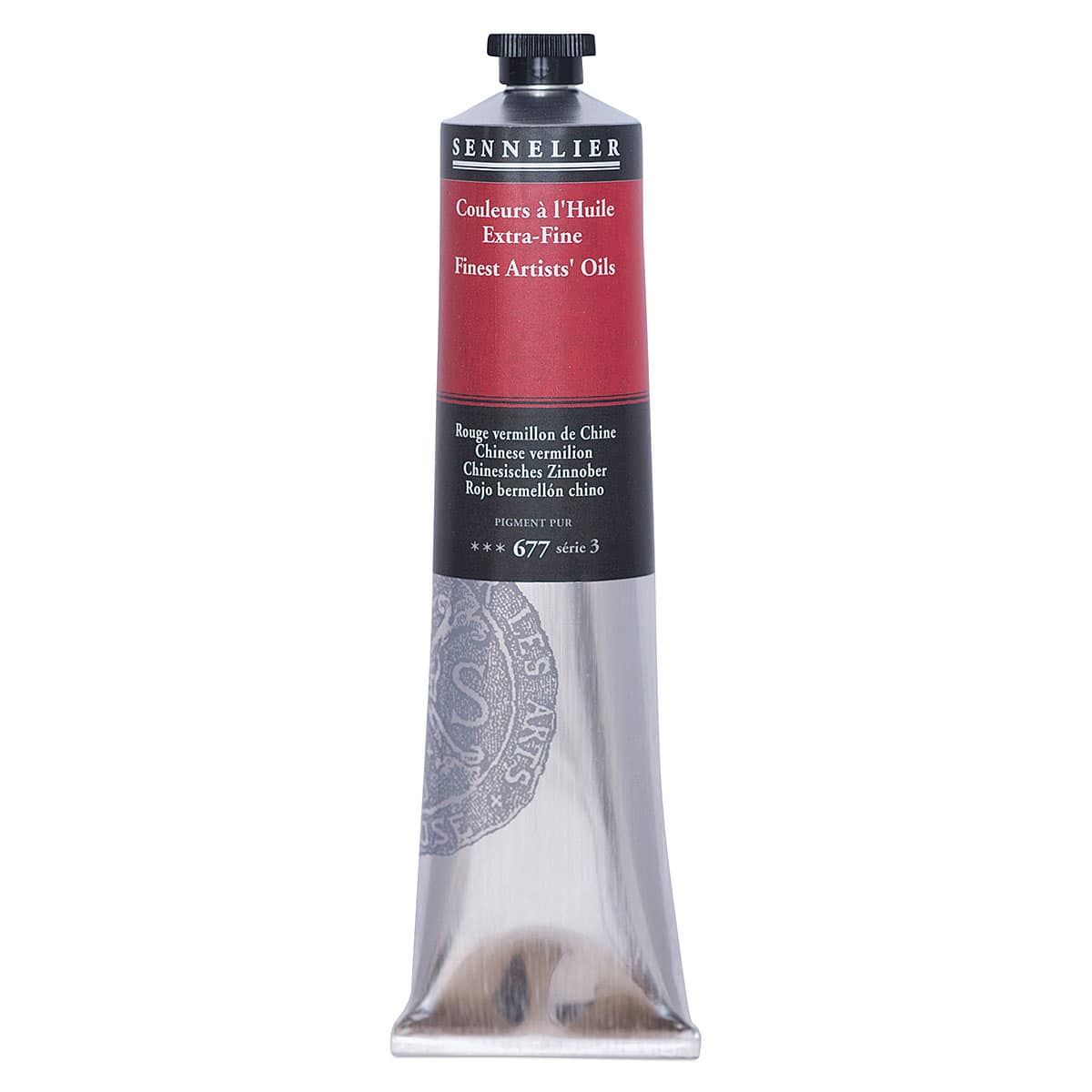
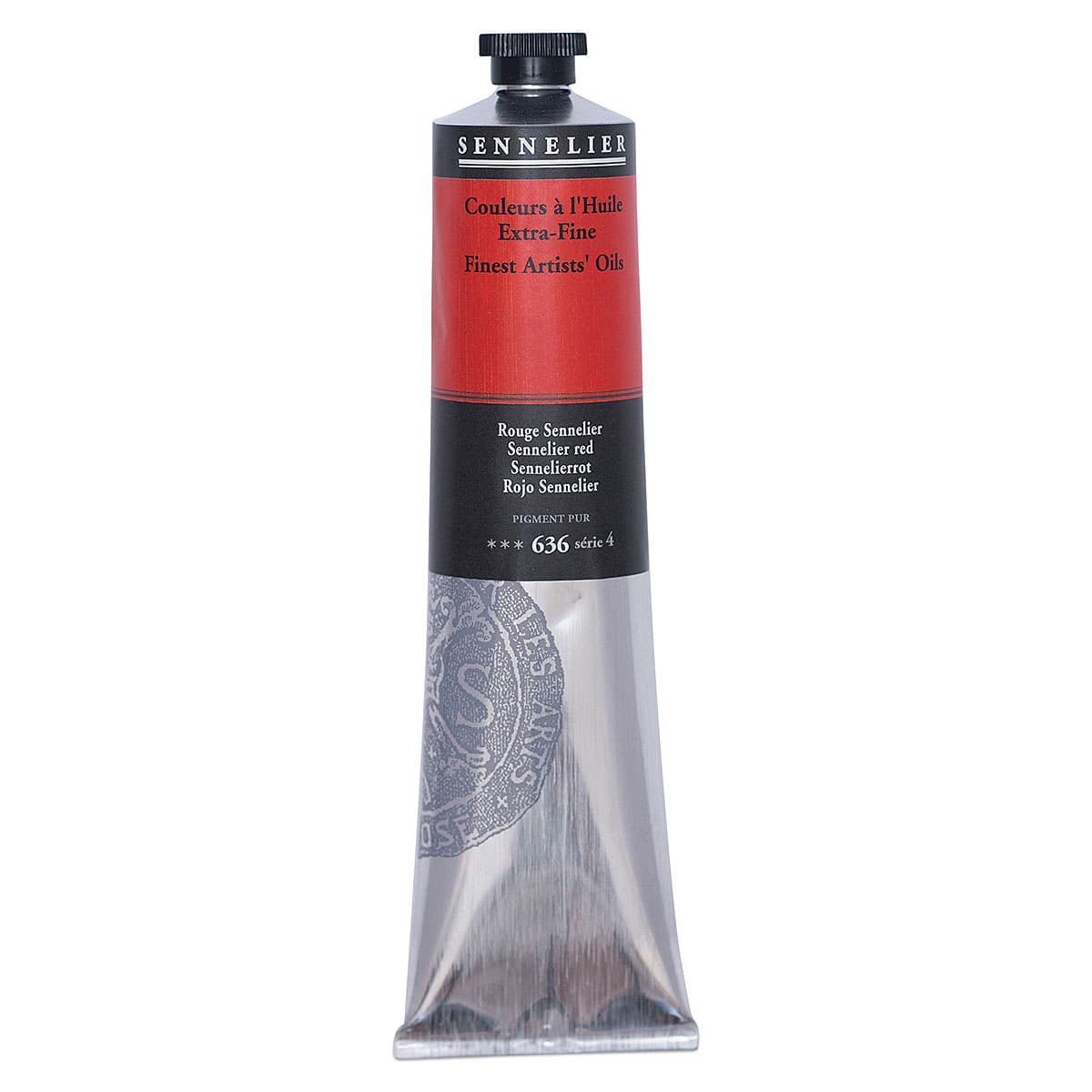
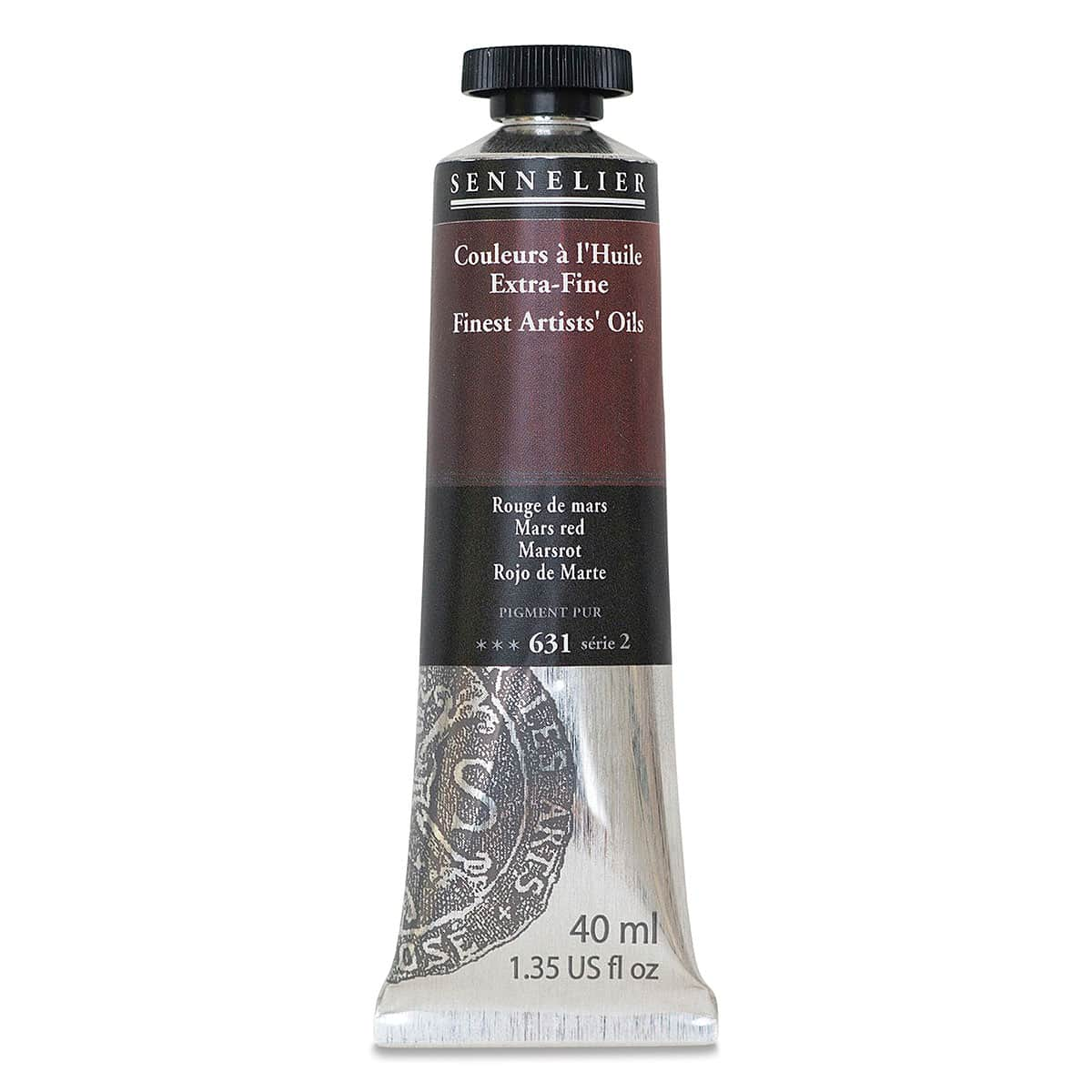
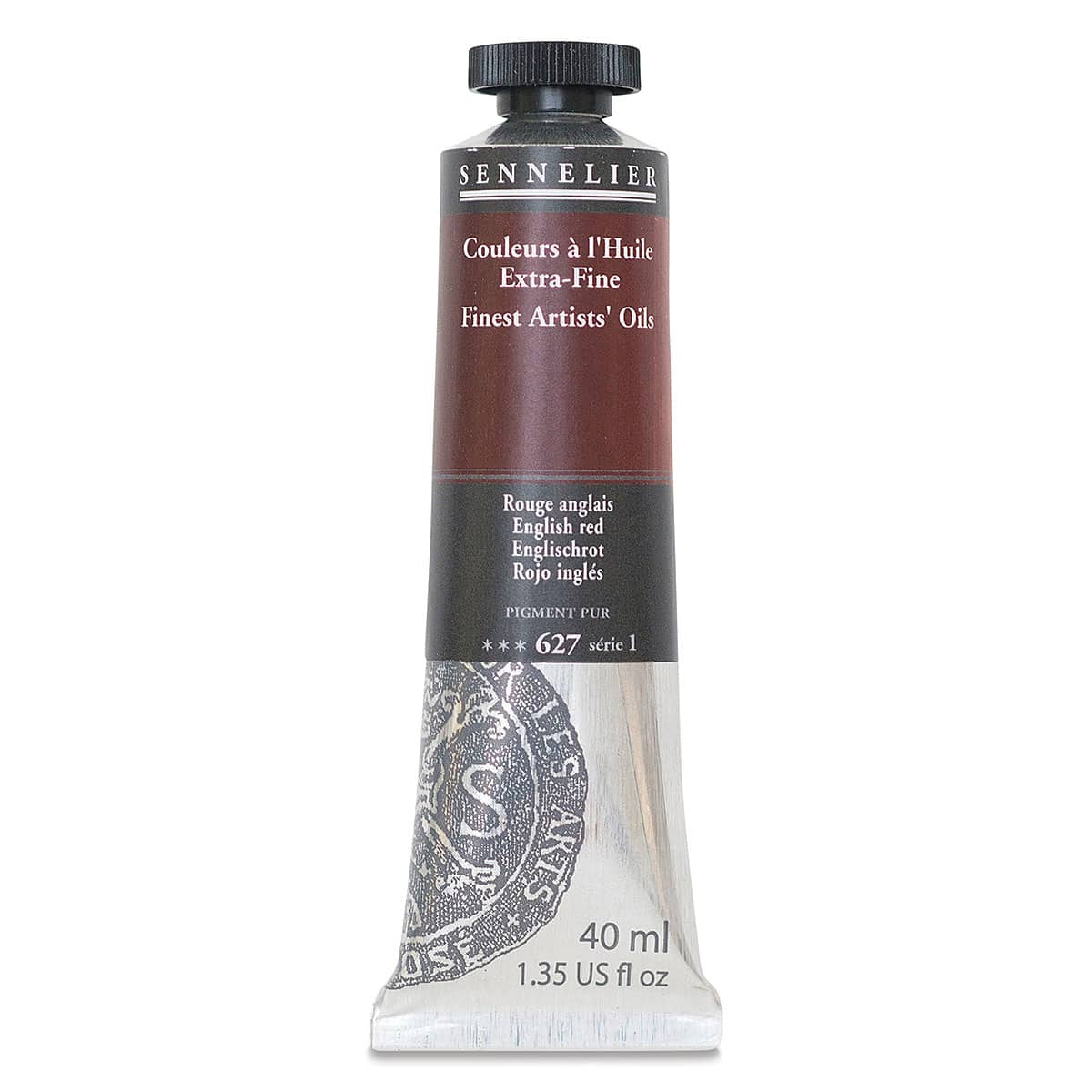
General reference notes about pigments can describe other media (such as oil). They do not verify this product’s exact formulation or behavior.
Arylide Yellow G
- Pigment code
- PY1:1
- Type
- organic, monoazo
- Chemical formula
- C17H16N4O4
- Properties
- Arylide Yellow G is a variant of Hansa Yellow G (PY1). It is a transparent yellow with great brightness and tinting strength. Its drying time ranges from average to slow. Hansa Yellow pigments make more intense tints and cleaner secondaries than Cadmium Yellows, especially when mixed with other organic or modern colors like Phthalo Blue and Green. Because they are more transparent, they have great value as glazing colors.
- Permanence
- Hansa Yellow G has good permanence and lightfastness, particularly in the lighter shades.
- Toxicity
- Hansa Yellow pigments have no significant acute hazards, though chronic hazards have not been well studied.
- History
- Hansa Yellows were first made in Germany just before World War I from a series of synthetic dyestuffs called Pigment Yellow. Hansa Yellow G, introduced in 1910, was the first of these products to be commercialized. Hansa Yellow G was the standard yellow for printing inks under late in the 20th century, when stronger diarylide yellows began to replace it. It is still used a great deal in packaging, and for air drying paints.
- Description
- Hansa Yellow G
Transparent Pyrrole Orange
- Pigment code
- PO73
- Type
- organic, aminoketone
- Chemical name
- dipyrrolopyrrol
- Properties
- Transparent Pyrrole Orange is a yellow-shade orange with optimum performance; high saturation and excellent durability, excellent bleed resistance, and intrinsic strength coupled with good opacity and moderate rheology. It is semi-opaque, less opaque than Cadmium Orange.
- Permanence
- Transparent Pyrrole Orange has been demonstrated to have excellent stability and lightfastness in automotive applications.
- Toxicity
- The Australian government's Department of Health and Aging, reported in its Summary Report: NA/238 that "Irgazin DPP Orange 16AOA is likely to be of low oral and dermal toxicity in humans and to be non irritating or very slightly irritating to the ey
- History
- Irgazin Orange was developed as a lead-free alternative opaque orange pigment. It is used in decorative, industrial, and automotive applications, often to color plastics and polymers.
- Description
- Irgazin Orange, Bright Orange, Aritint Ornage, Unisphere DPP Orange, Dipyrrolopyrrol Orange
Pyrrole Red
- Pigment code
- PR254
- Type
- organic, aminoketone
- Chemical name
- Bis-(p-chrolopheny)-1. 4-diketopyrrolo(3. 4-c)pyrrole
- Properties
- Pyrrole Red is opaque and has strong covering power. According to manufacturer Ciba, which uses the trade name Irgazin Red, it is a “clean, highly saturated mid shade red with high temperature resistance, excellent color strength, outstanding chemical, solvent and bleed resistance, and good weatherfastness.”
- Permanence
- Pyrrole Red is considered to have excellent lightfastness among organic pigments in its class. Tests in industrial applications have given it scores of 7-8 on the Blue Wool Scale.
- Toxicity
- According to the Australian government's Ministry on Health and Aging, "The notified chemical exhibited low oral and dermal toxicity in rats, did not exhibit toxic effects when administered orally to rats for 28 days, was not a skin irritant in rabbi
- History
- Pyrrole Red, used as an automotive paint and as a colorant in plastics, was developed as one of a range of pigments to replace lead based pigments. In art materials, it is often used as a synthetic and lightfast replacement for carmine, a laked pigment that was originally produced from the body of the cochineal insect. It is also used to replace the older naphthol reds, organic red pigments that are sometimes only marginally lightfast and weatherfast.
- Description
- Magnacryl Red, Versal Red, Microlith Red, Unisphere Red, Cromophtol Red, Irgazin Red.
 Blick Art Materials