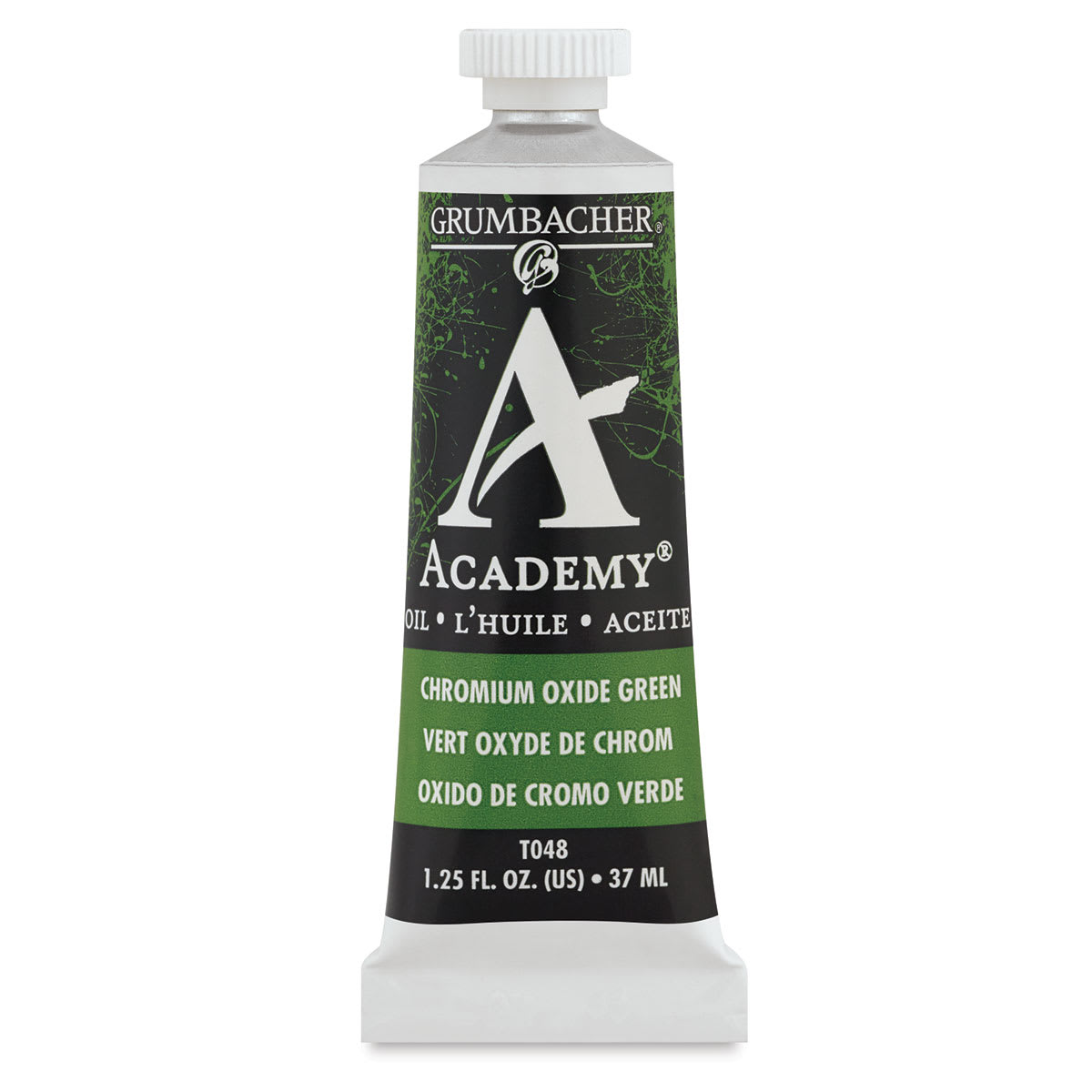
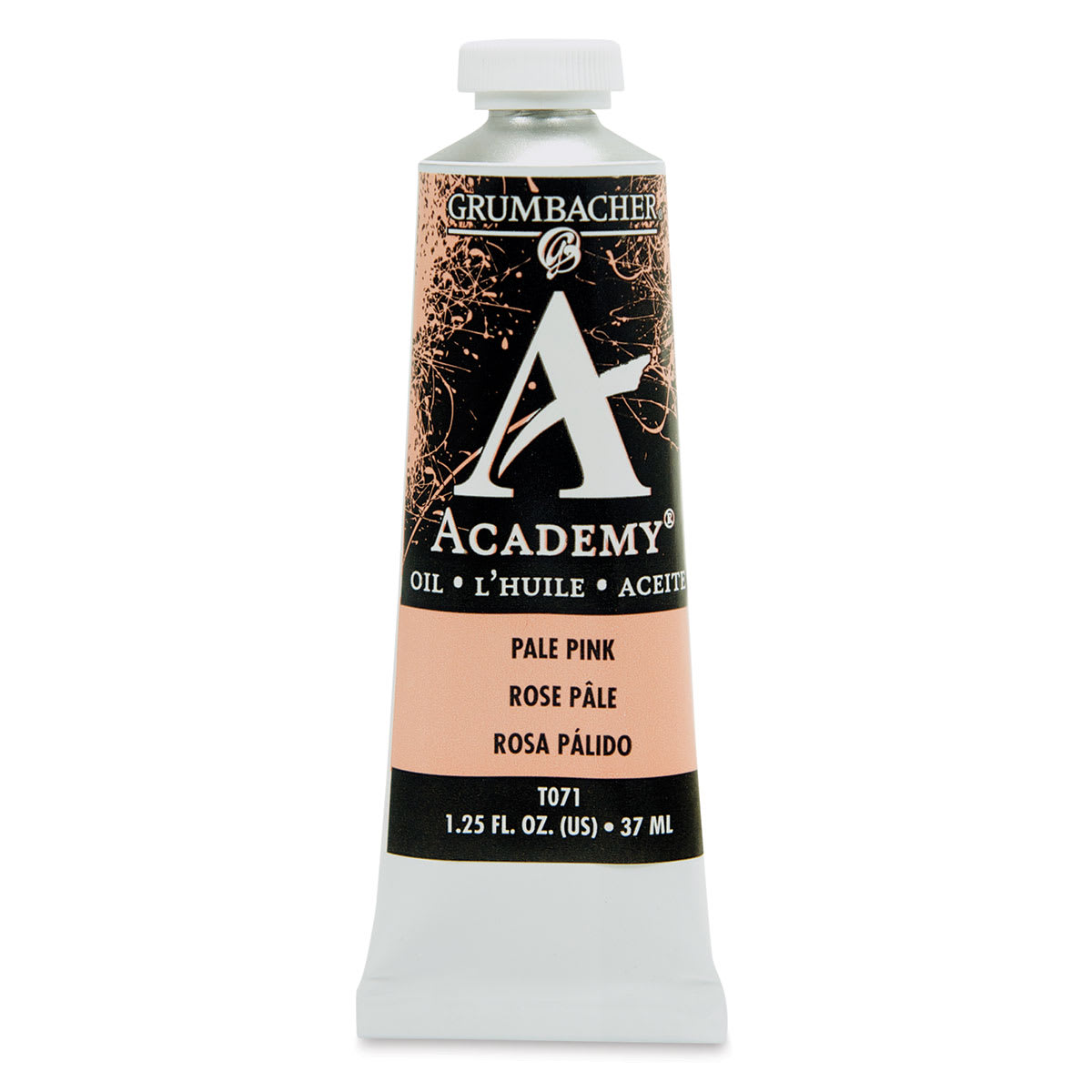
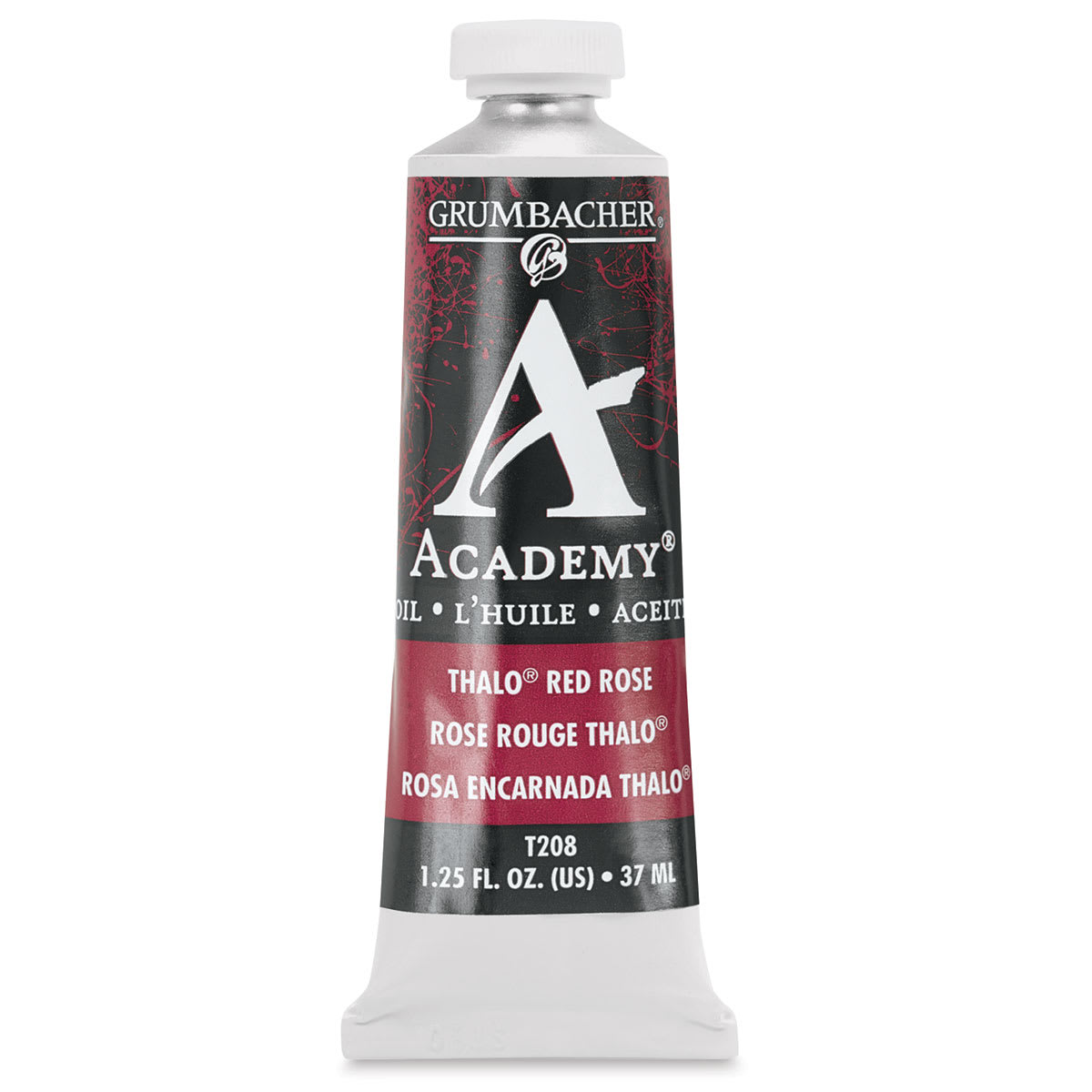
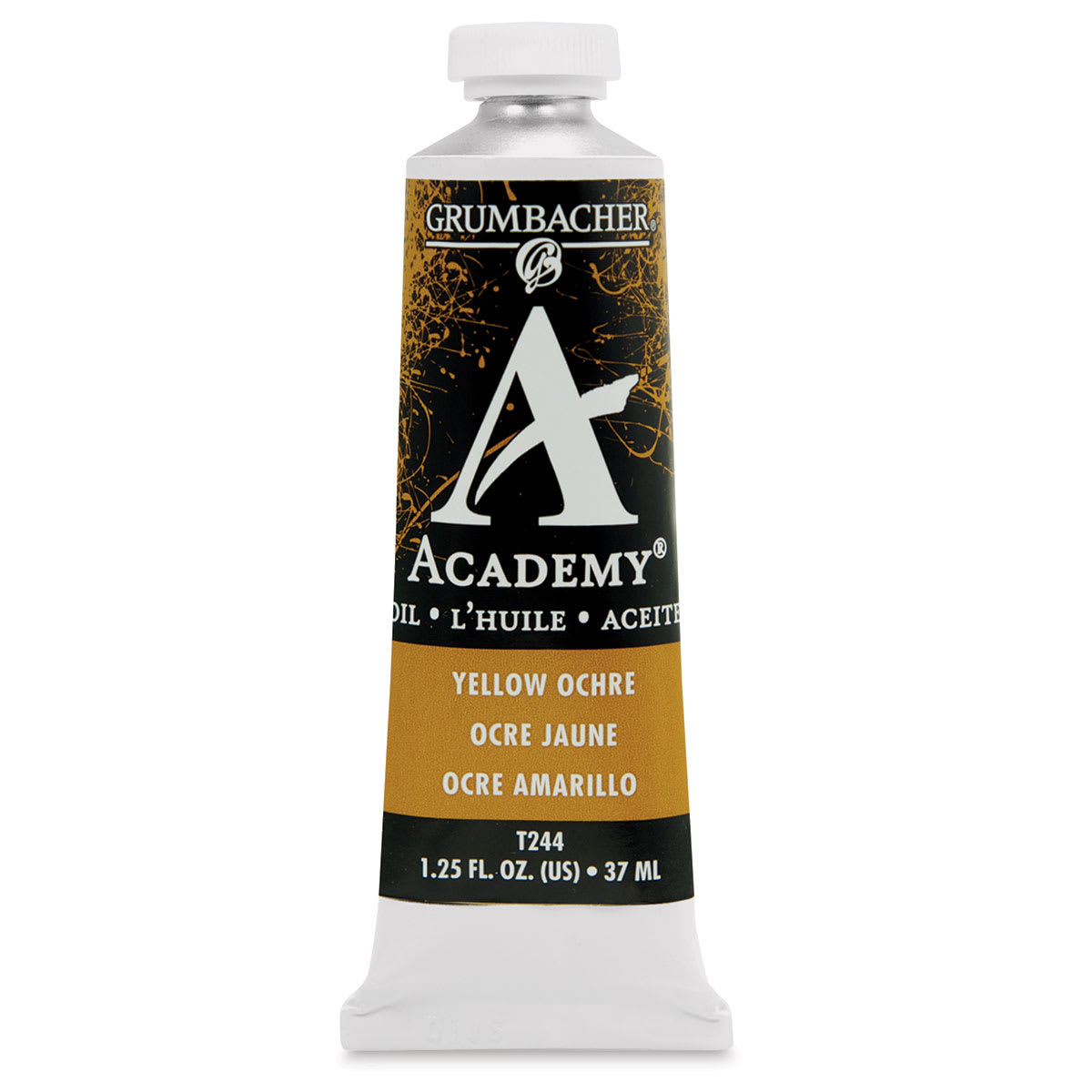
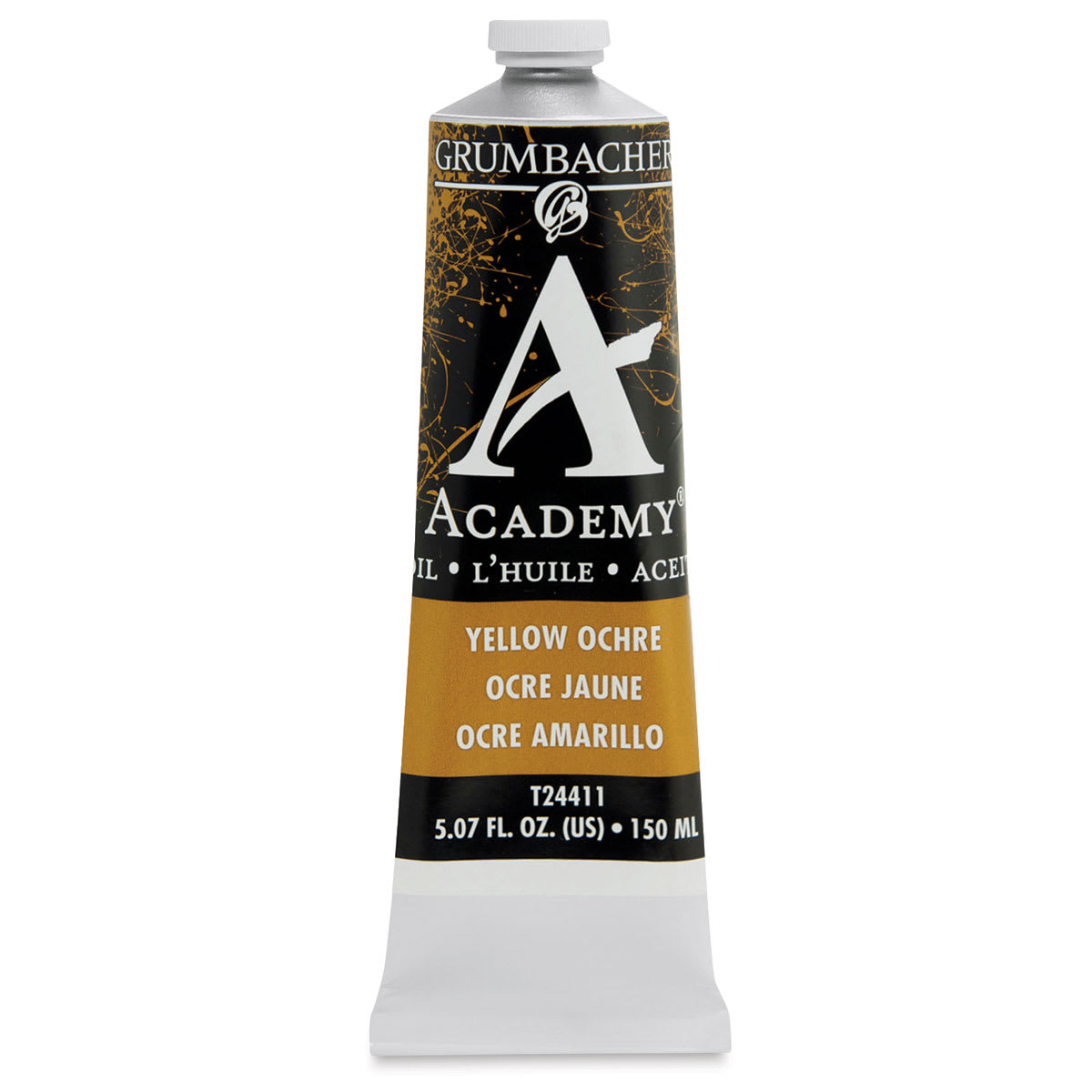
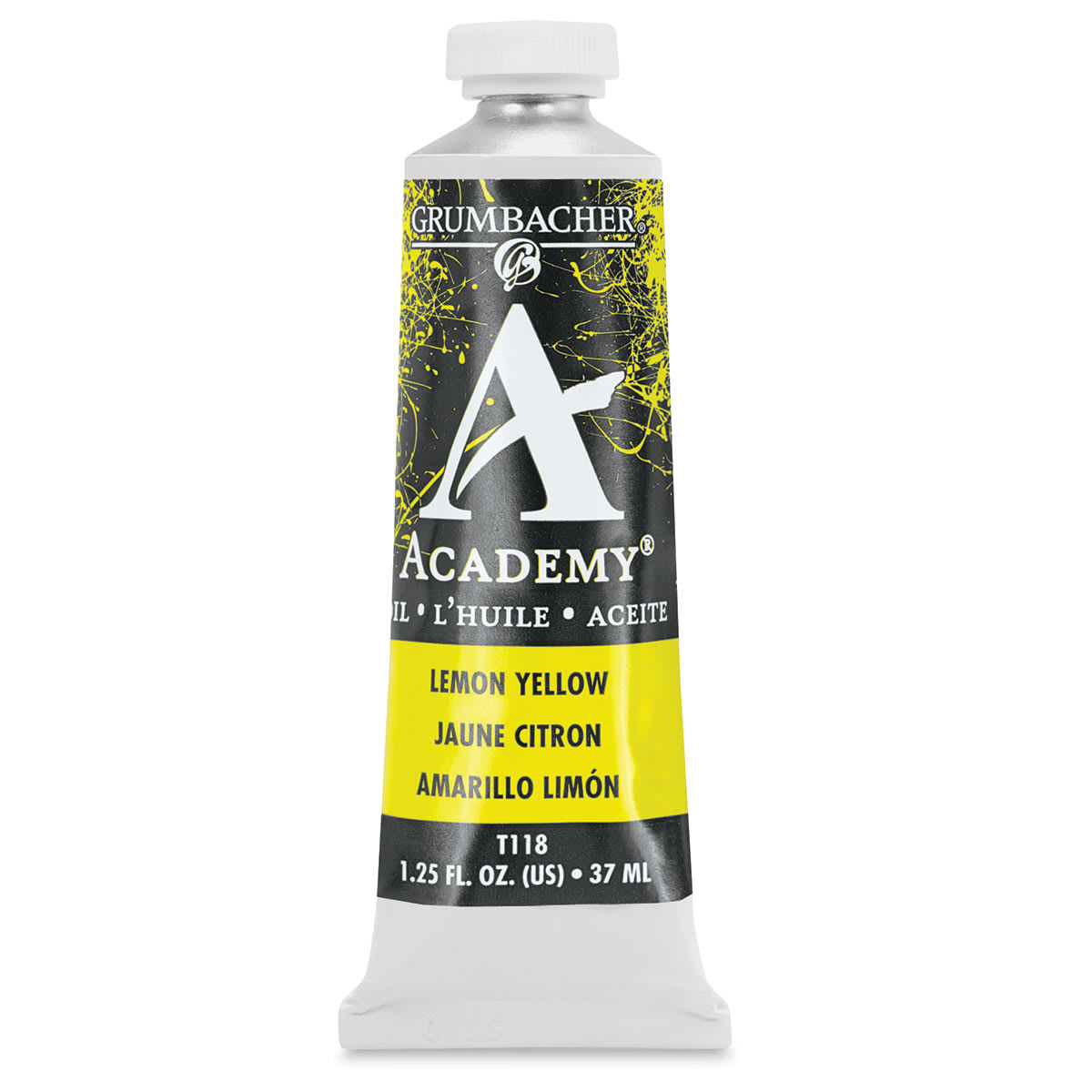
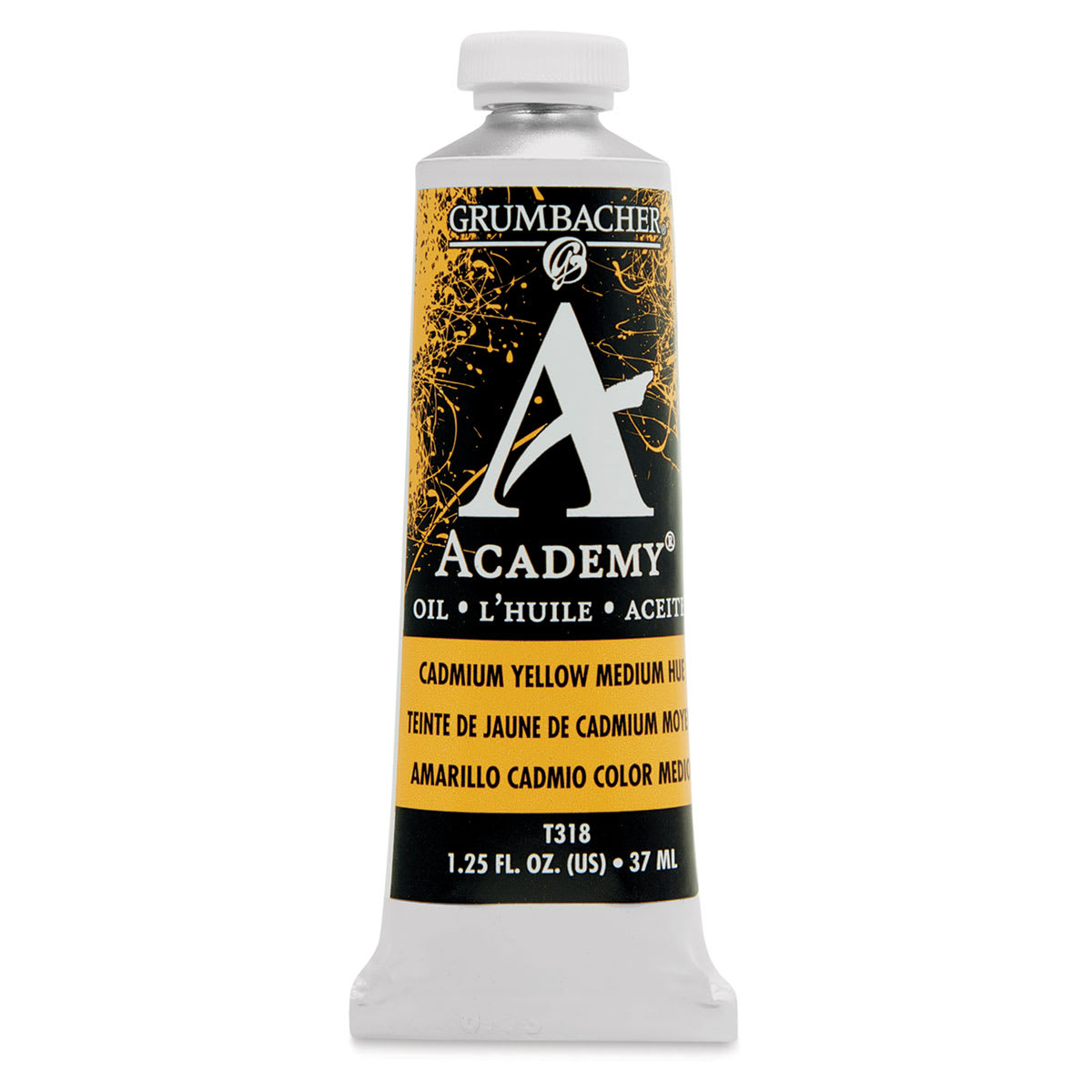
General reference notes about pigments can describe other media (such as oil). They do not verify this product’s exact formulation or behavior.
Cadmium Yellow
- Pigment code
- PY35
- Type
- inorganic, cadmium
- Chemical name
- cadmium zinc sulfide
- Chemical formula
- CdZnS
- Properties
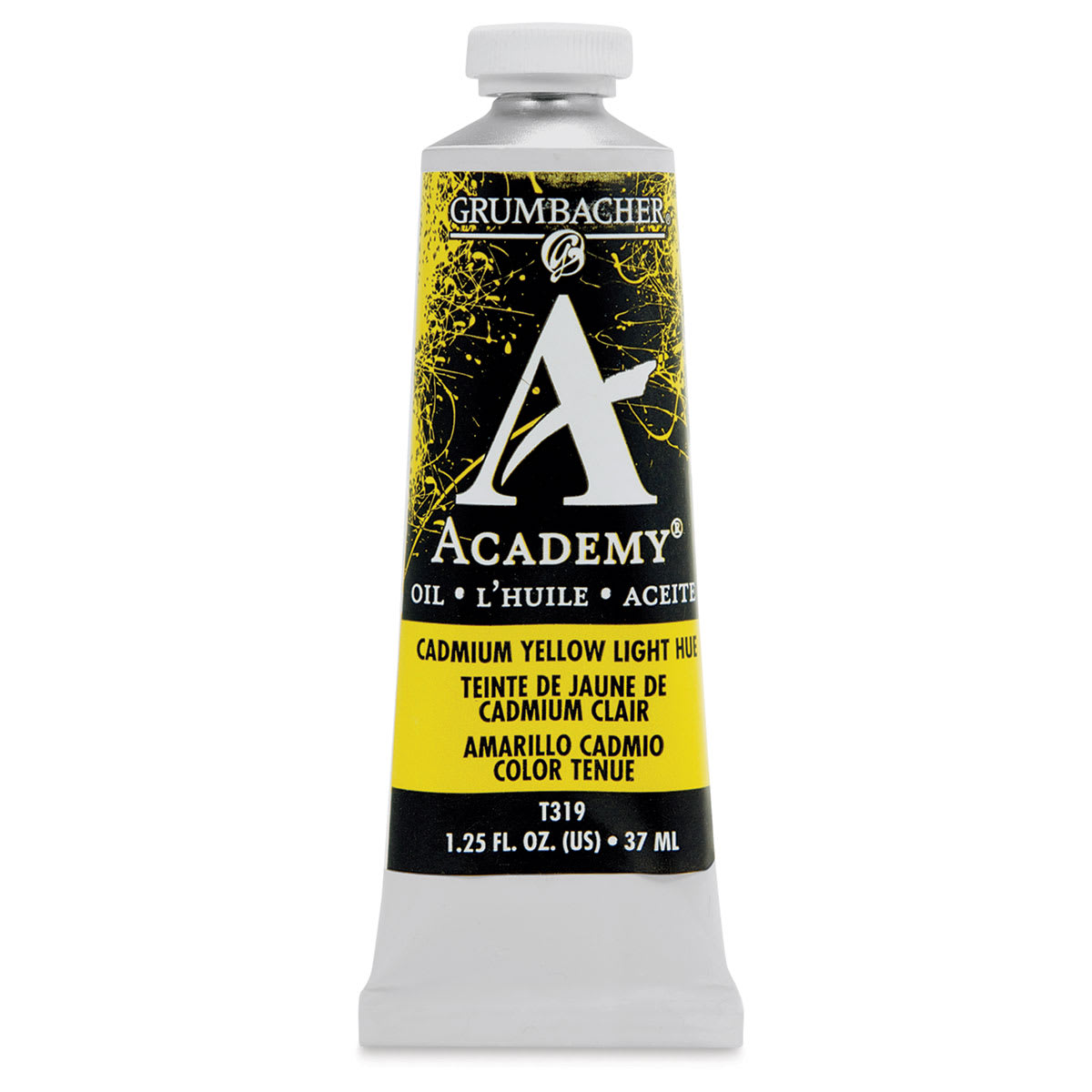
- Cadmium Yellow is brilliant, dense, and opaque, with good tinting strength and very high hiding power. It is the artist's principal bright yellow and is available in light, medium, and dark shades. The deeper shades appear deep orange and have the greatest tinting strength. It is slow-drying in oil form and is used in both oil and watercolor form. A clean Cadmium Orange is created when Cadmium Yellow is mixed with Cadmium Red. Hues vary by brand. Cadmium pigments have been partially replaced by azo pigments, which are similar in lightfastness to the cadmium colors, cheaper, and non-toxic. Cadmium Yellow is usually available in a pure grade, or in a cadmium-barium mix. This mix has the same permanence with a lower tinting strength.
- Permanence
- Cadmium Yellow is lightfast and permanent in most forms, but like most cadmium colors, it will fade in fresco or mural painting. The deeper shades are the most permanent. The pale varieties have been known to fade with exposure to sunlight in conditions where moisture is able to penetrate the binder.
- Description
- Aurora Yellow, Cadmium Primrose Yellow, Cadmium Zinc Yellow, Lemon Yellow, Primrose Yellow. Deep Cadmium Yellow is sometimes called Orient Yellow.
Hansa Yellow
- Pigment code
- PY65
- Type
- monoazo
- Chemical formula
- C18H18N4O6
- Properties
- This Hansa Yellow ranges from reddish yellow to greenish yellow with temperature shifts from cool to warm hues. It has good tinting strength and average to slow drying time.
- Permanence
- This Hansa Yellow has excellent lightfastness, particularly in the darker shades.
- Toxicity
- Hansa Yellow has no significant acute hazards, though its chronic hazards have not been well studied.
- History
- Hansa Yellows were first made in Germany just before WW1 from a series of synthetic dyestuffs called Pigment Yellow. They were intended to be a synthetic replacement for Cadmium Yellow.
- Description
- Arylide, Arylide Yellow, Azo, Brilliant Yellow, Monoazo, Monolite Yellow, Permanent Yellow.
Phthalo Blue
- Pigment code
- PB15:3
- Type
- organic
- Chemical name
- beta copper phthalocyanine
- Chemical formula
- C32H16CuN8
- Properties
- Phthalo Blue PB15:3 is a structural variant of Phthalo Blue PB15 that produces more greenish tones.
- Permanence
- Phthalo Blues are completely lightfast and stable and are permanent for all paint uses. They are currently used in inks, coatings, and many plastics due to their stability and are considered a standard pigment in printing ink and the packaging industry.
- Toxicity
- Phthalo Blues have no significant hazards, although those made before 1982 contained some PCBs (polychlorinated biphenyls).
- History
- Developed by chemists using the trade name Monastral Blue, the organic blue dyestuff now known as Phthalo Blue was presented as a pigment in November 1935 in London. Its discovery was accidental. The dark color was observed in a kettle where a dye was being made from a British dyestuff plant. The demand for such a pigment came from commercial printers who wanted a cyan to replace Prussian Blue.
- Description
- Phthalo Blue Green Shade, Winsor Blue Green Shade
 Blick Art Materials