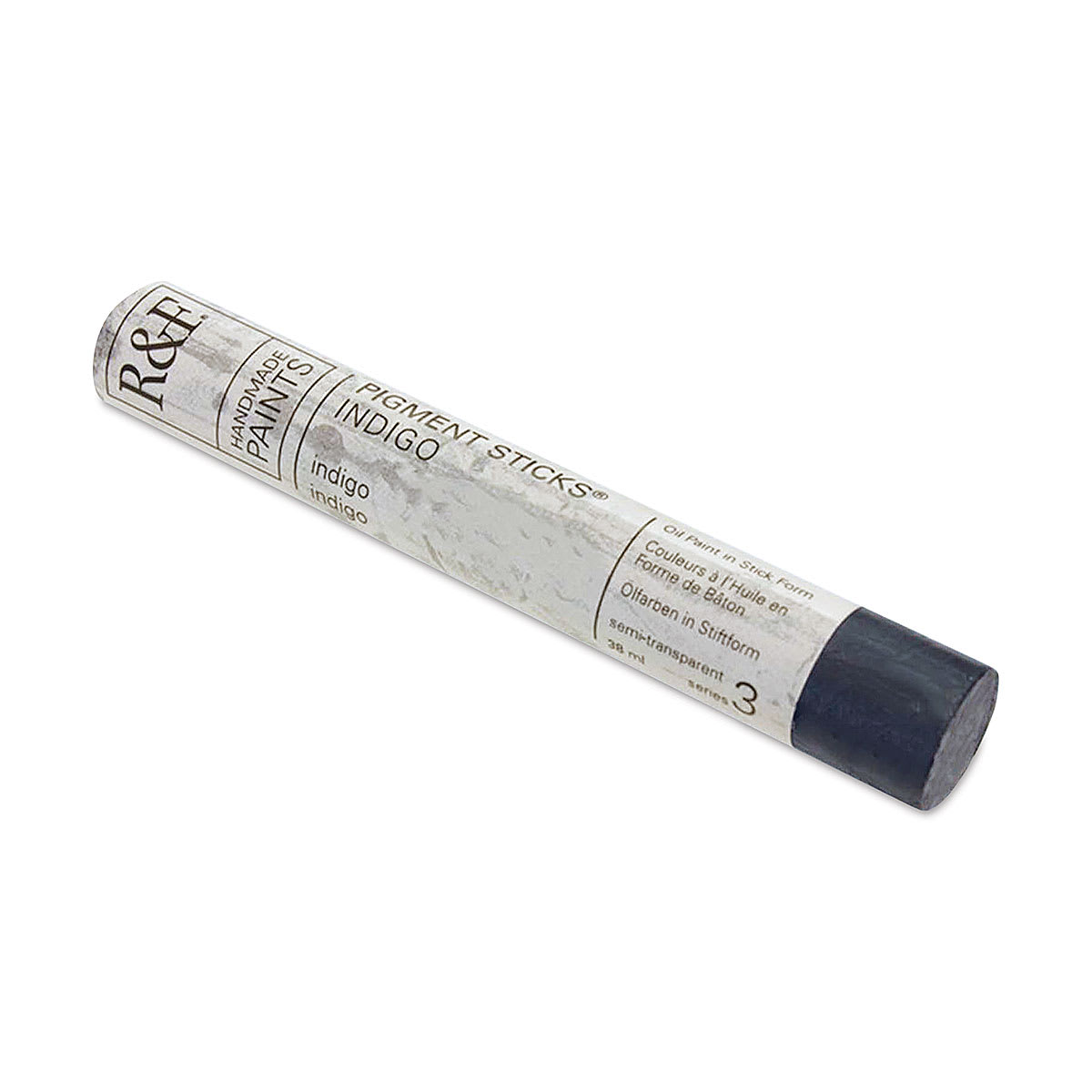
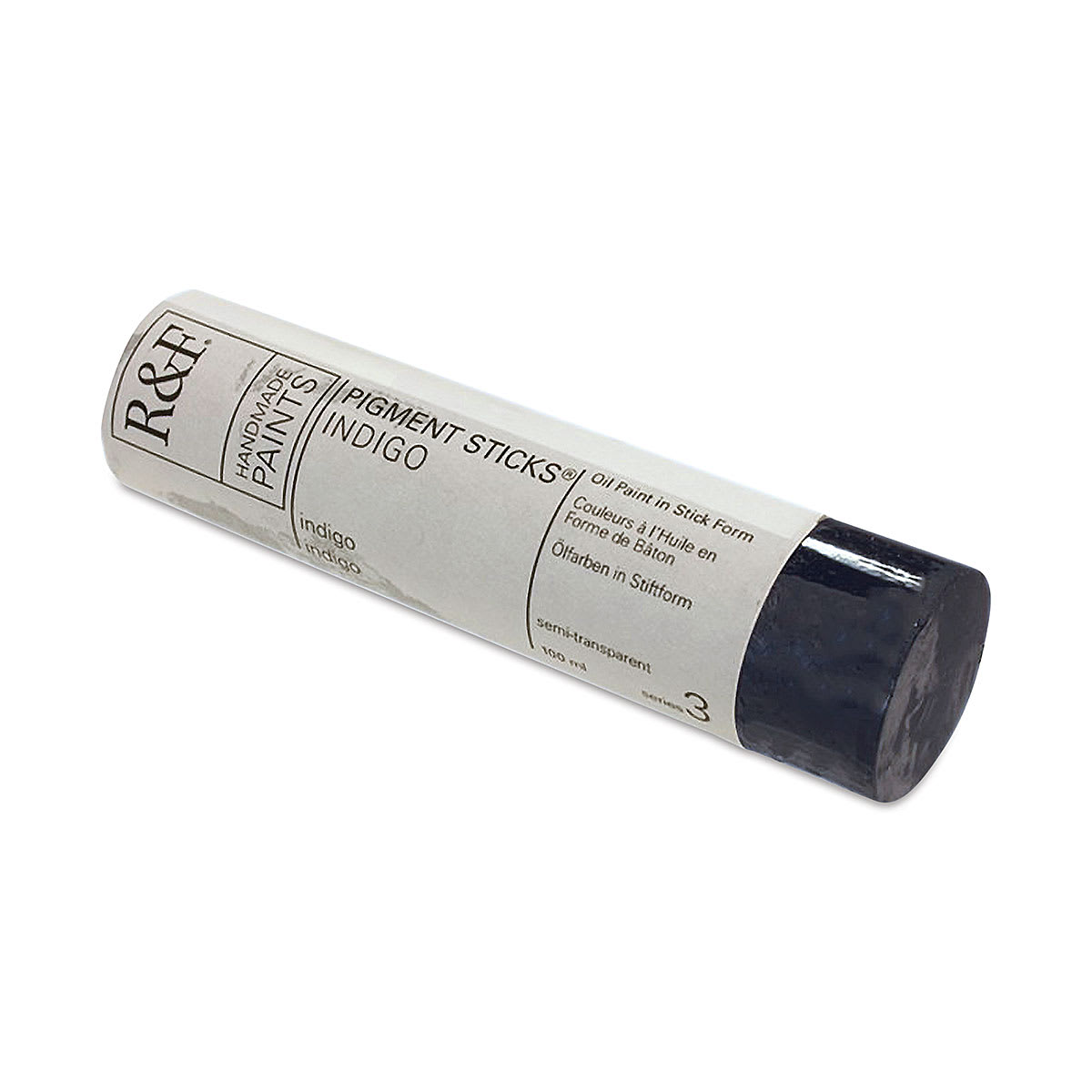
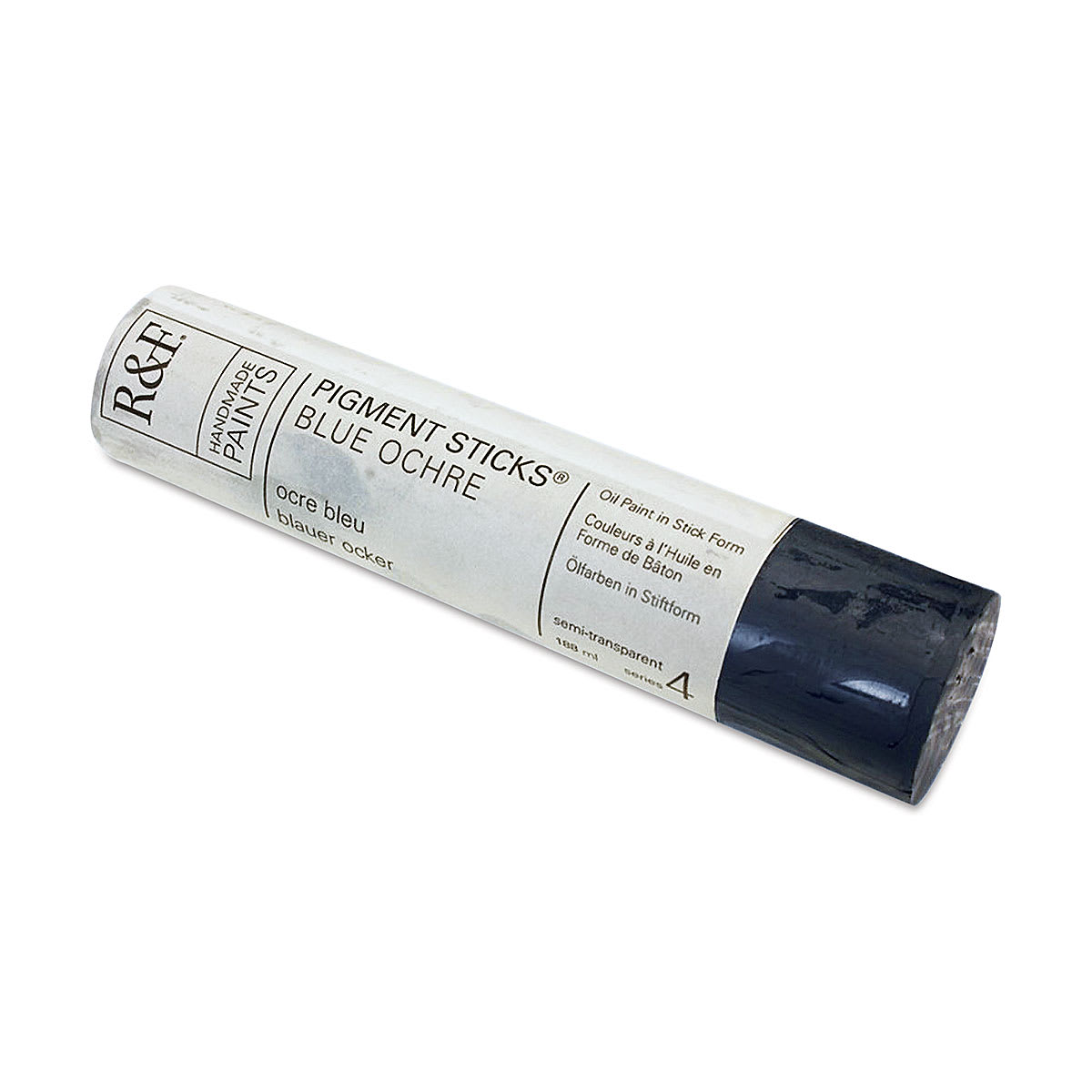
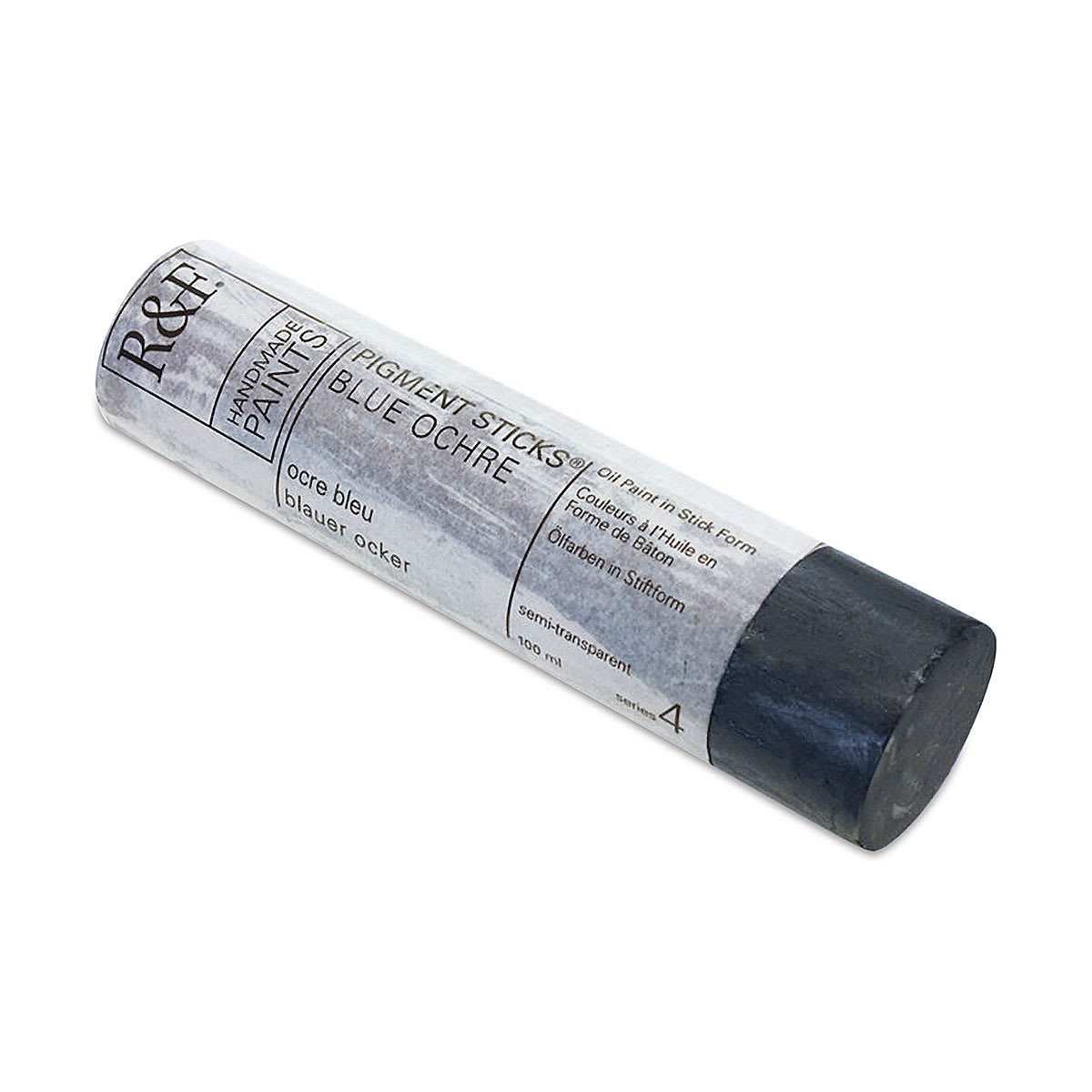
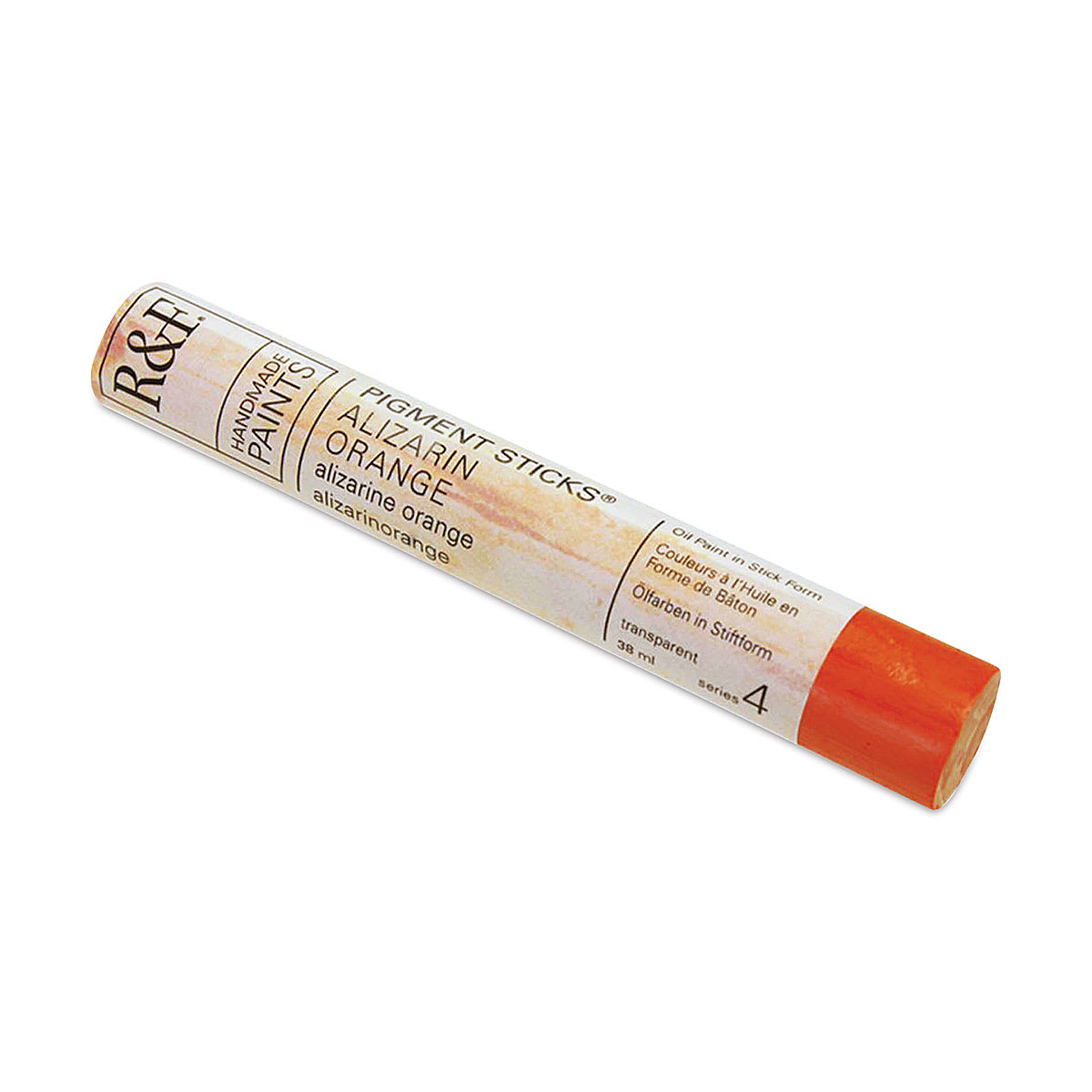
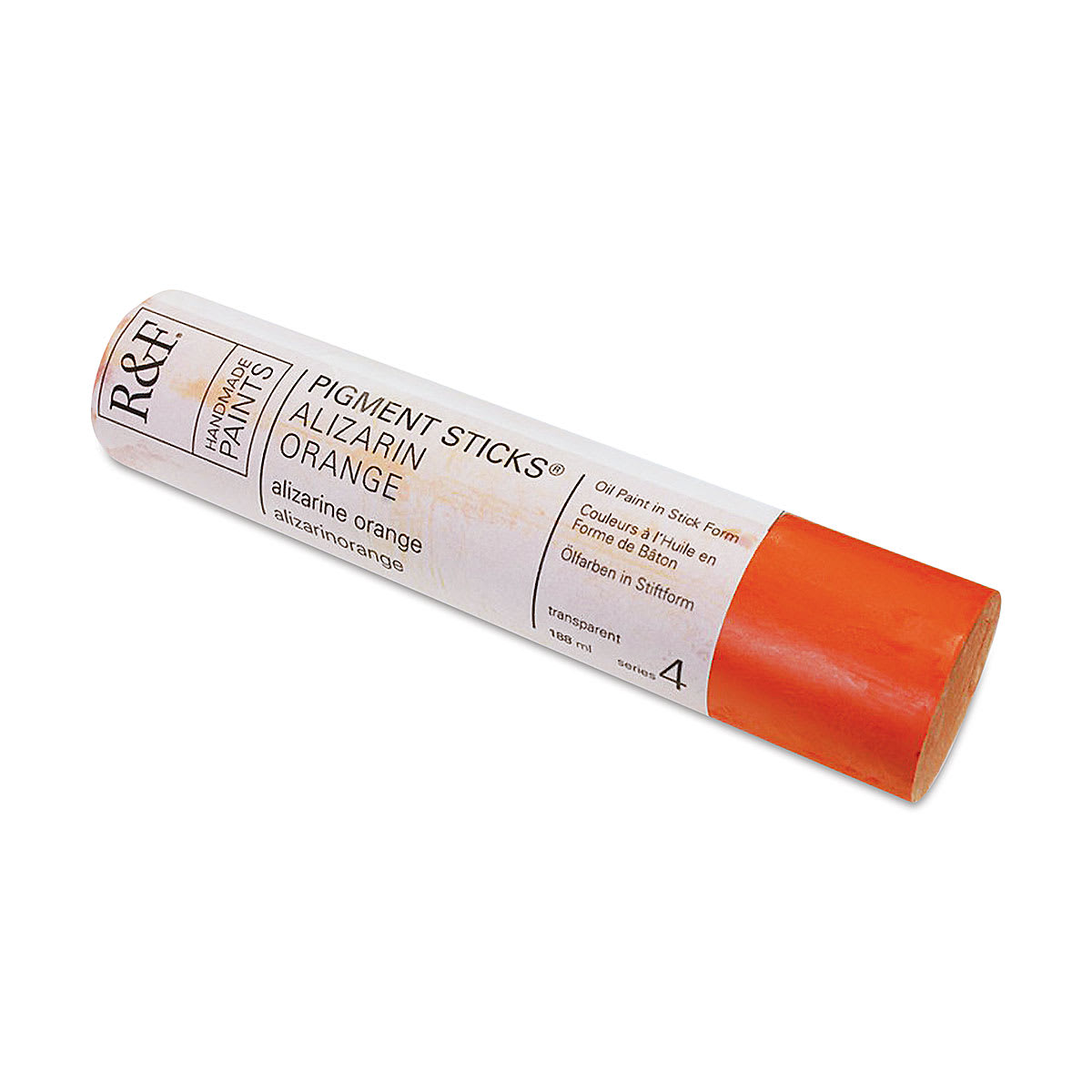
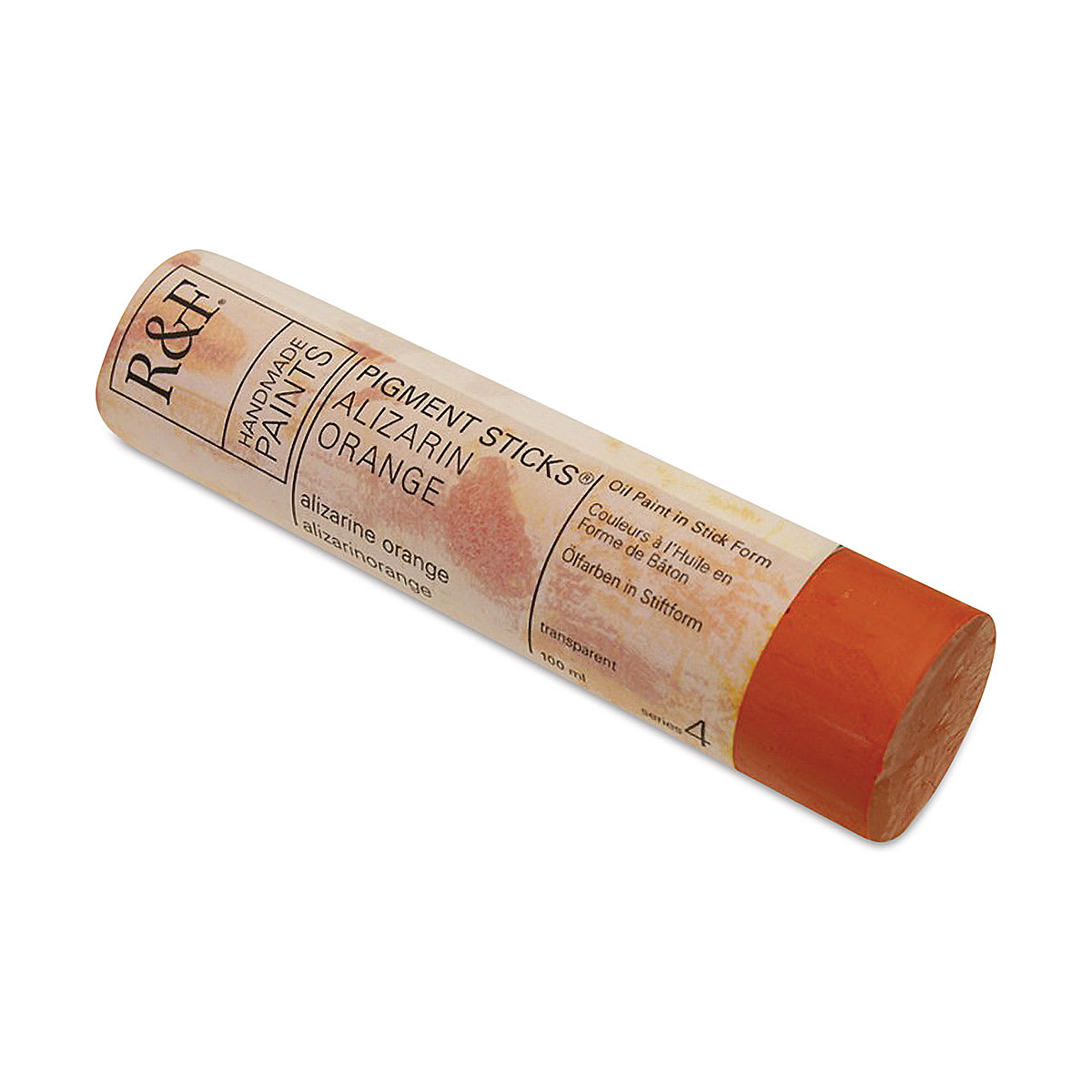
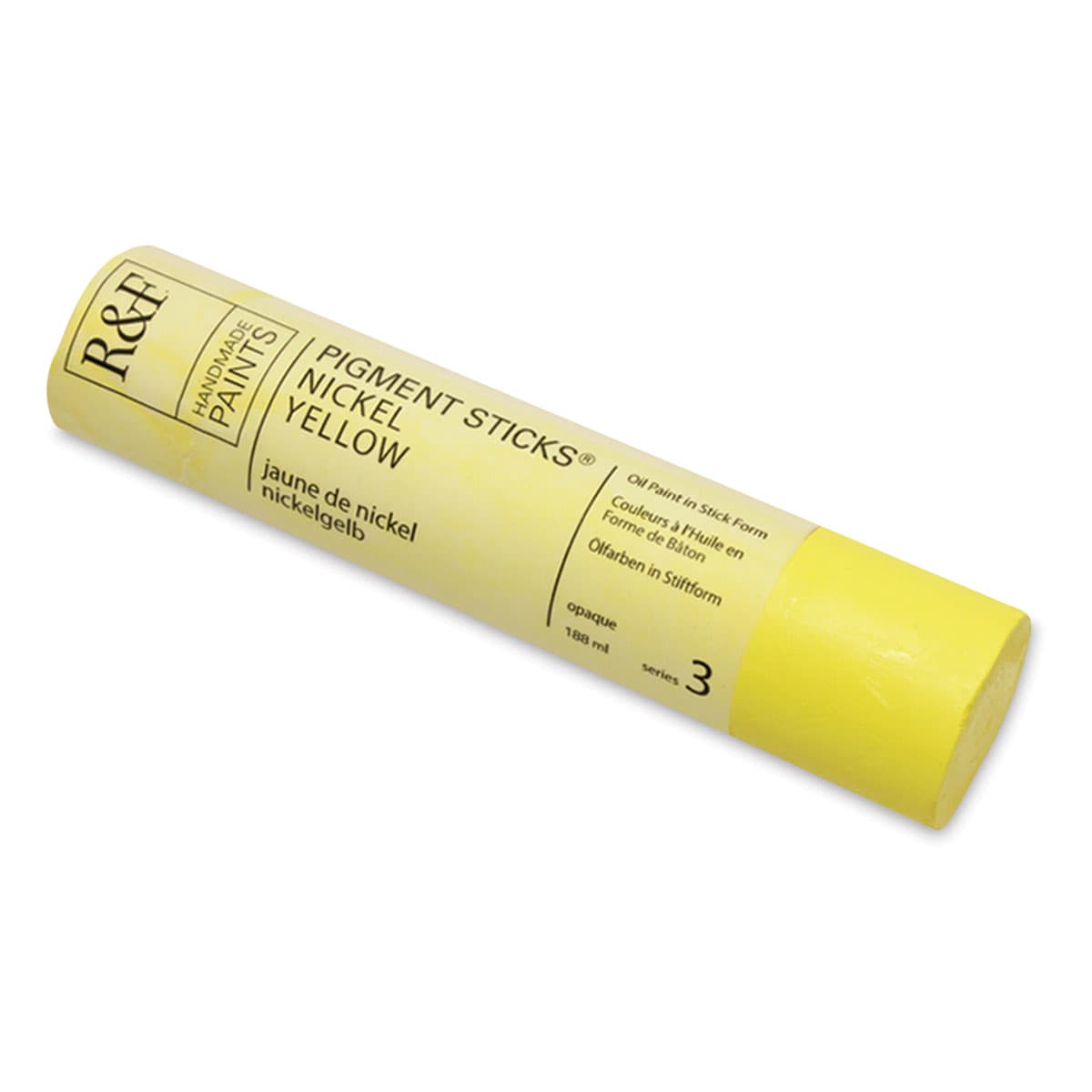
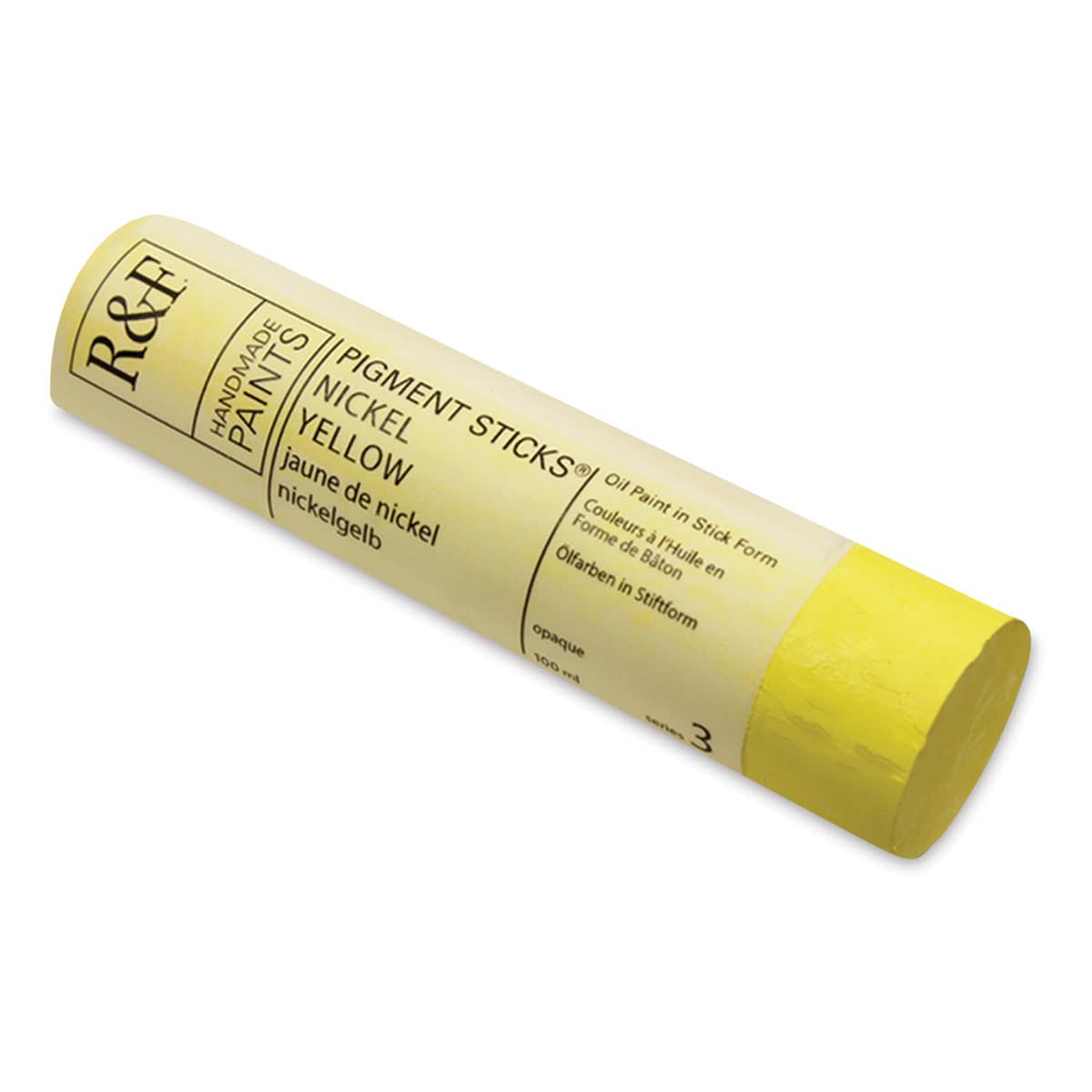
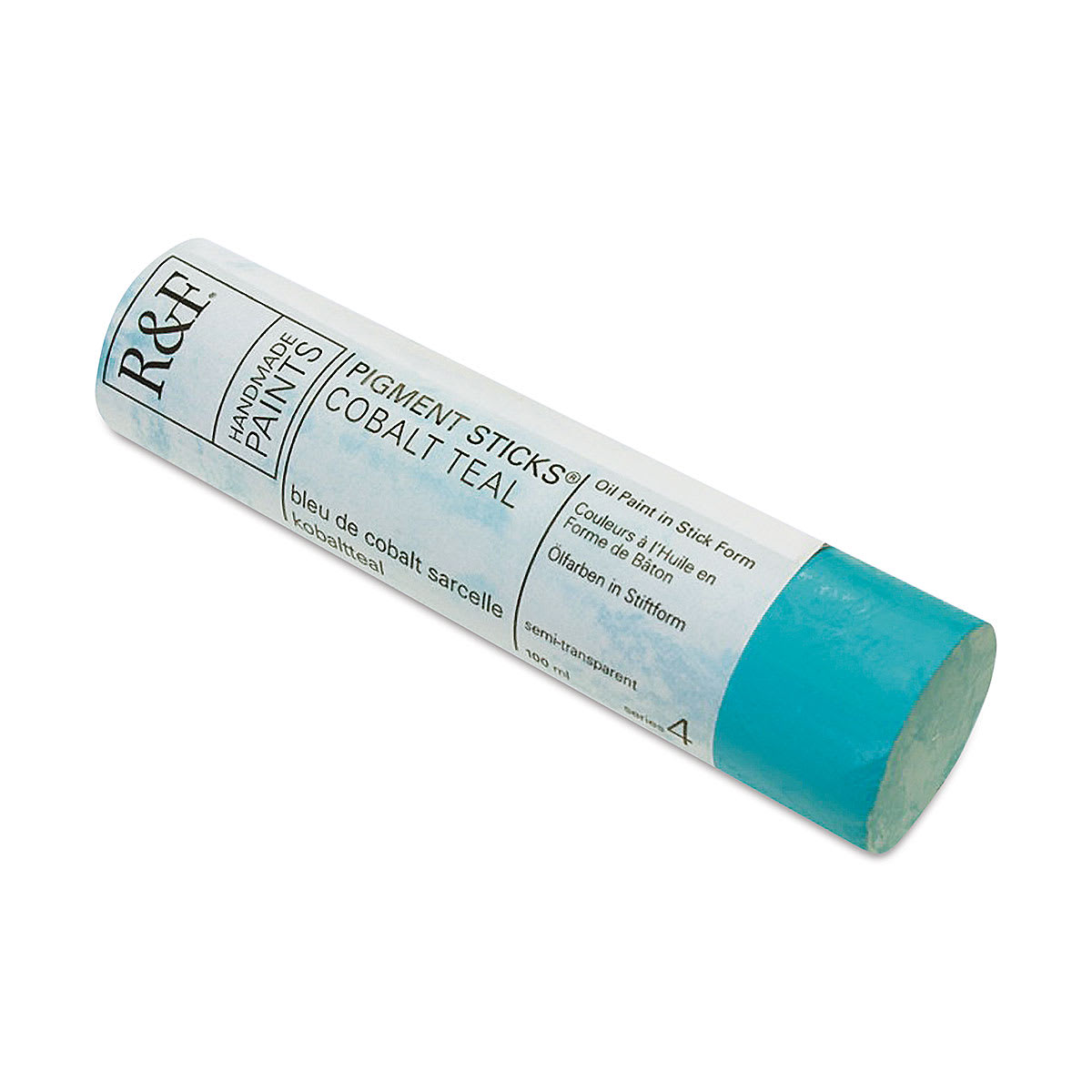
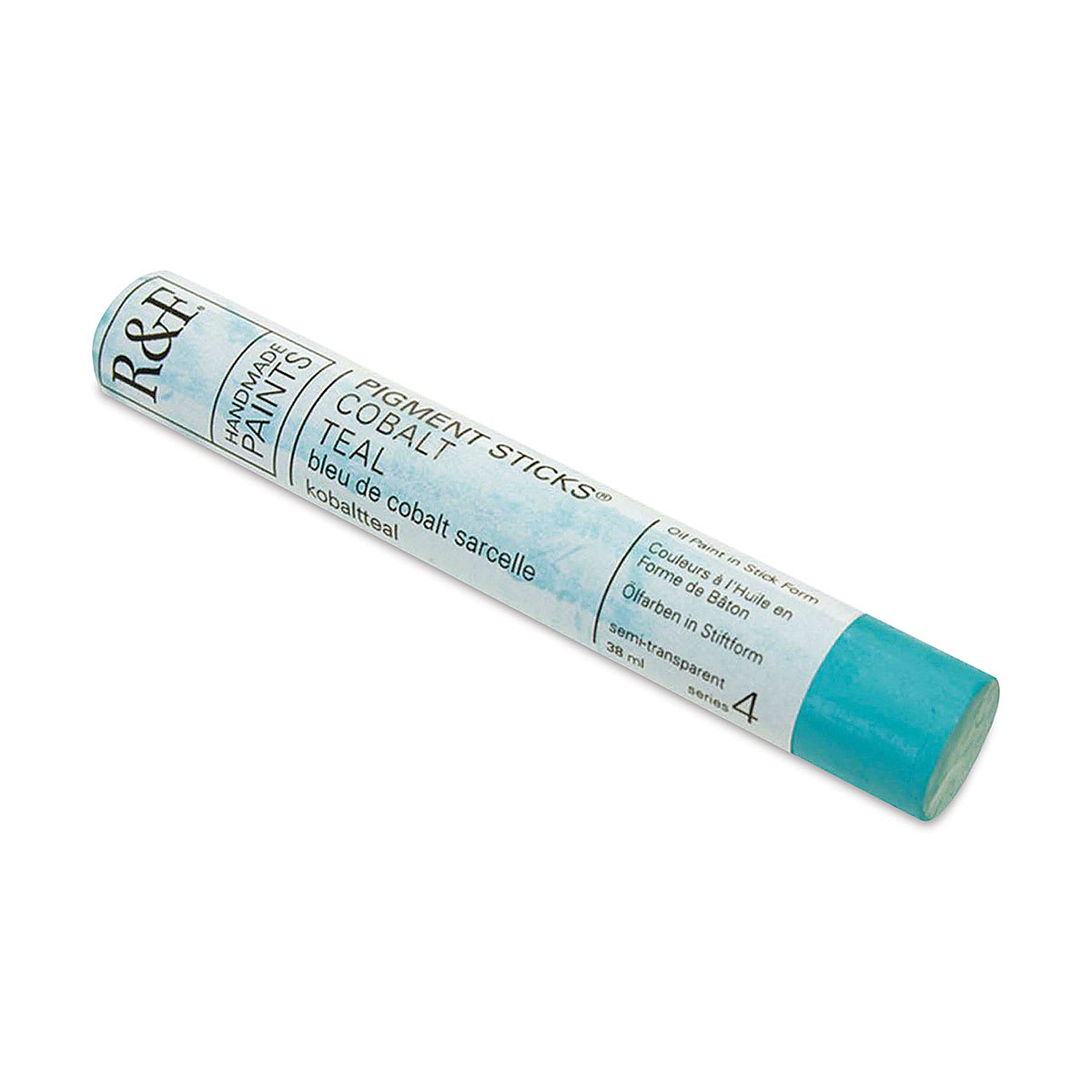
General reference notes about pigments can describe other media (such as oil). They do not verify this product’s exact formulation or behavior.
Prussian Blue
- Pigment code
- PB27
- Type
- inorganic
- Chemical name
- ferric ferrocyanide/iron(III)-hexacyanoferrate(II)
- Chemical formula
- Fe7(CN)18(H2O)x or C6FeN6H4N
- Properties
- Prussian Blue is a semi-transparent, deep cyan-blue with a greenish undertone and a very high tinting strength unequaled by most pigments. It is similar to Phthalo Blue unless mixed with white, when it gives up intensity and becomes smoky. It can behave erratically and less reliably in oil and watercolor form depending on its manufacture. For permanent painting Phthalo Blue is considered a more reliable choice.
- Permanence
- Prussian Blue is lightfast and permanent in all techniques except for fresco. When mixed with Zinc White in watercolor or tempera form, it fades upon exposure to light and completely regains its chromatic strength in the dark. Modern manufacturing techniques have made this tendency less of an issue in recent years
- Toxicity
- Prussian Blue is moderately toxic if ingested. It will emit toxic hydrogen cyanide gas if heated, exposed to ultraviolet radiation, or treated with acid.
- History
- "The first of the modern pigments," Prussian Blue is the first artificial pigment with a known history. It was discovered by accident in 1704 by the Berlin color maker Heinrich Diesbach, who was trying to create a pigment with a red hue by mixing iron sulfate and potash. The potash Diesbach purchased from a local laboratory had been contaminated by animal oil and blood during previous experimentation. The resulting mixture yielded a very pale red that changed to purple and then deep blue when he tried to concentrate it. Since previous blue pigments came from lapis lazuli, an expensive stone, Diesbach’s discovery was extremely important for artists of the time.
- Description
- Berlin Blue, Bronze Blue, Iron Blue, Paris Blue, Paste Blue. Celestial Blue, Monthier Blue and Soluble Blue are varieties of Prussian Blue. Blue Lake is a reduced or let-down variety of Prussian Blue. Chinese Blue, Milori Blue, and Steel Blue are the three highest grades of Prussian Blue.
Burnt Sienna
- Pigment code
- PBr7
- Type
- earth
- Chemical name
- iron oxides
- Chemical formula
- Fe2O3
- Properties
- Burnt Sienna is a warm, mid-brown color formed by burning the yellow-brown limonite clay called Raw Sienna. It ranges from semi-opaque to semi-transparent due to the combination of its opaque, red-brown mass tone and its transparent, orangey undertone. It is an excellent mixing complement for blues and greens and creates salmon or peach colored tints when mixed with white. It can be useful for subduing bright colors and does not get chalky in dark mixtures.
- Permanence
- Burnt Sienna has good permanence and is considered one of the most versatile of the permanent pigments.
- Toxicity
- Burnt Sienna has no significant hazards.
- History
- Burnt Sienna has been used as a pigment since prehistoric times, but its current name came about during the Renaissance. It comes from the city of Siena, in Italy, and is short for terra di Siena, meaning earth of Siena. Sienna was famous for the mining and production of earth pigments from the Renaissance until World War II. Due to the depletion of clay deposits in Tuscany, Italian siennas now come from other areas, including Sicily and Sardinia.
- Description
- Caput Mortuum, Italian Earth, Natural Brown Iron Oxide, Sienna, Spanish Red, Vandyke Brown.
Ultramarine [Blue]
- Pigment code
- PB29
- Type
- inorganic
- Chemical name
- complex silicate of sodium and aluminum with sulfur
- Chemical formula
- Na8-10Al6Si6O24S2-4 or Na6-8Al6Si6O24S2-4
- Properties
- Ultramarine is the standard warm blue, a brilliant blue pigment that has the most purple and least green in its undertone. It has a moderate to high tinting strength and a beautiful transparency. Synthetic Ultramarine is not as vivid a blue as natural Ultramarine. Ultramarine dries slowly in oil and tends to produce clean, though granular, washes in watercolor. French Ultramarine mixes well with Alizarin colors in oil and watercolor form to create a range of purples and violets. It can dull when mixed with white in acrylic form, but mixes well with other colors. The shade varies based on manufacturer. Considered a great color for glazes, it is not suitable for frescoing.
- Permanence
- Ultramarine has excellent permanence, although synthetic Ultramarine is not as permanent as natural Ultramarine. It may discolor if exposed to acid because of its sulfuric content.
- Toxicity
- Ultramarine has no significant hazards.
- History
- The name for this pigment comes from the Middle Latin ultra, meaning beyond, and mare, meaning sea, because it was imported from Asia to Europe by sea. It is a prominent component of lapis lazuli and was used on Asian temples starting in the 6th century. It was one of the most expensive pigments in 16th century Europe, worth twice its weight in gold, and so was used sparingly and when commissions were larger. Ultramarine is currently imitated by a process invented in France in 1826 by Jean Baptiste Guimet, making blue affordable to artists and extending the range of colors on their palettes.
- Description
- Artificial Ultramarine, French Blue, French Ultramarine, Gmelin's Blue, Guimet's Blue, Permanent Blue, Royal Blue, Synthetic Ultramarine. New Blue describes particular shades of Ultramarine. Armenian Blue and Lazuline Blue are names for genuine Lapiz Ultramarine. Sky Blue is a pale tone of Ultramarine.
 Blick Art Materials