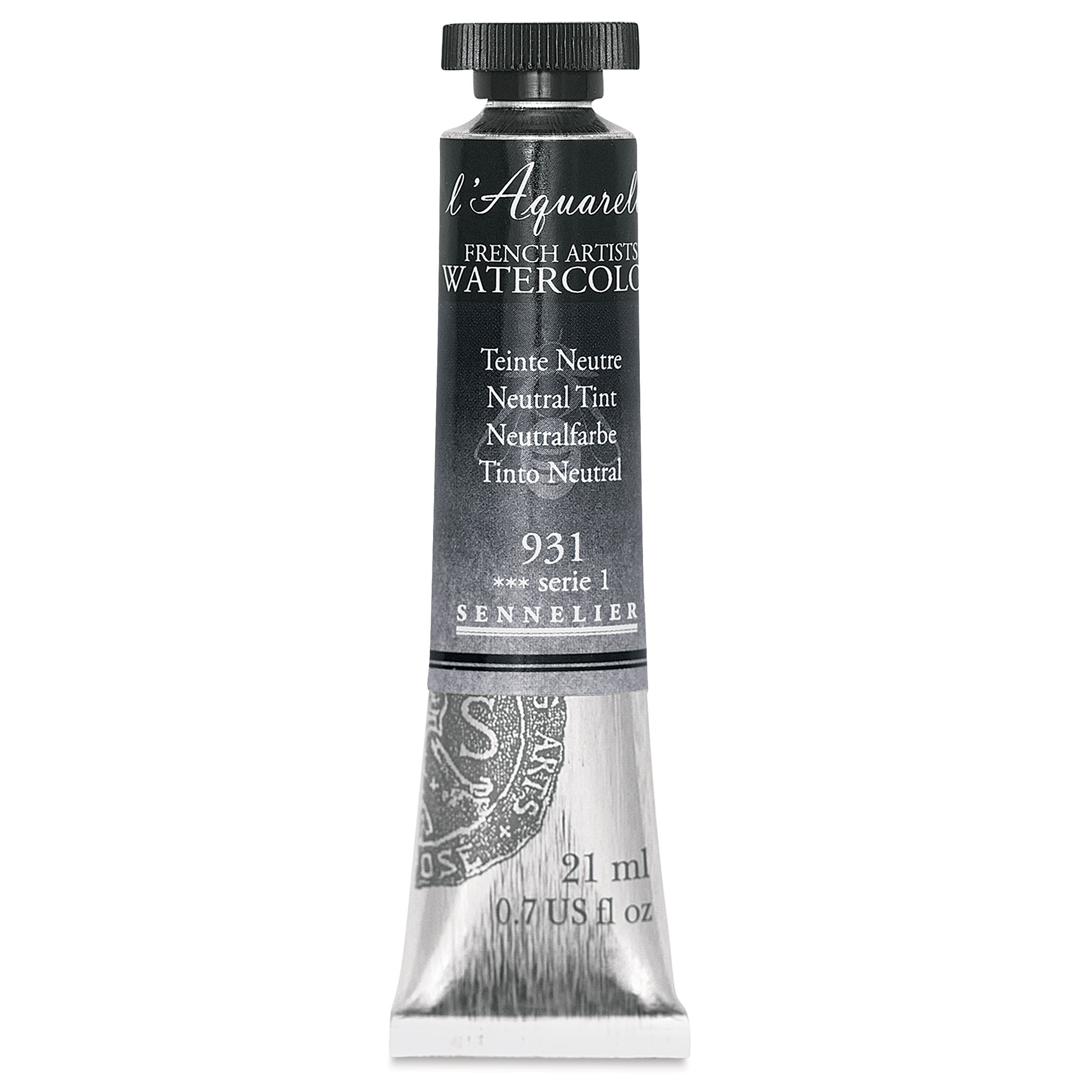
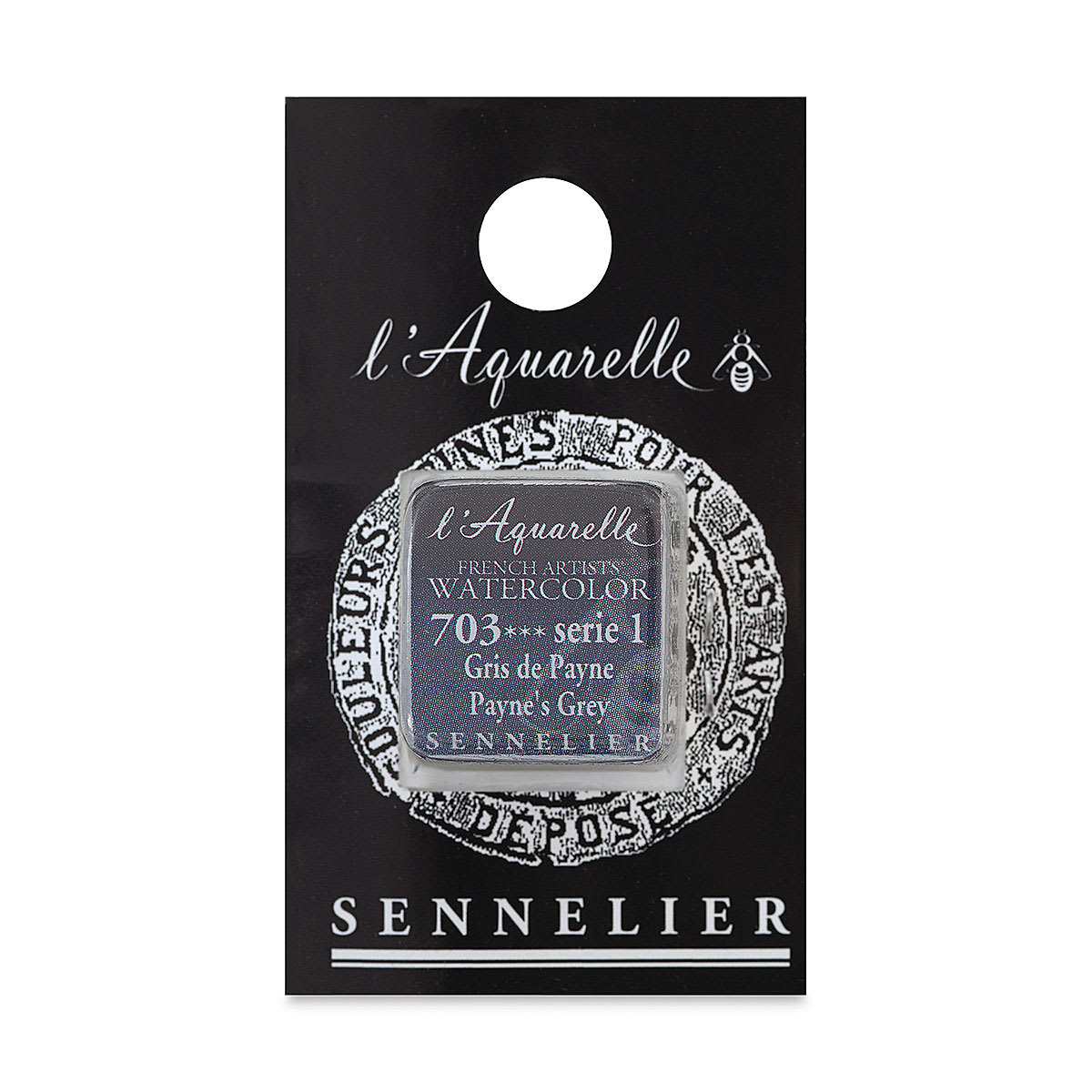
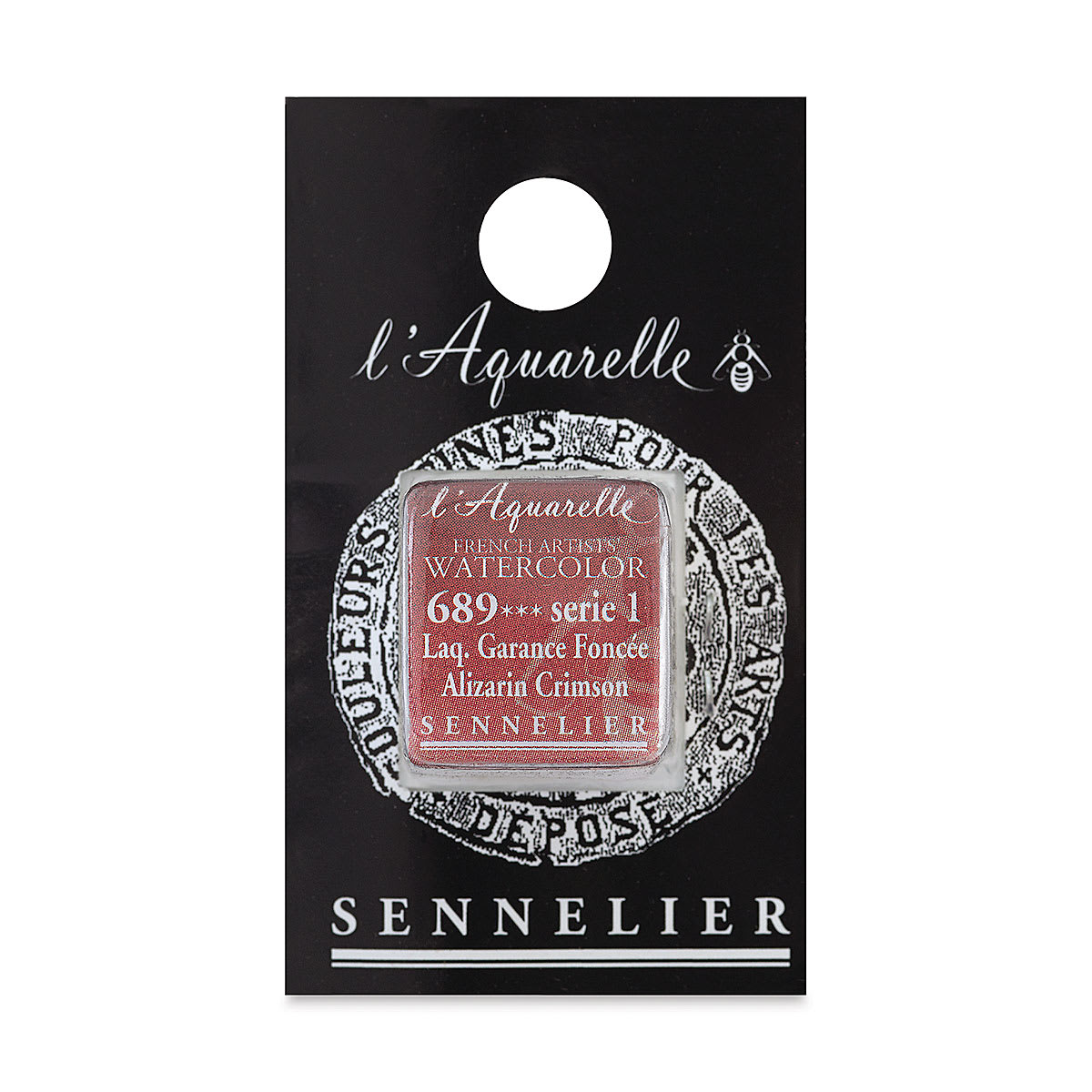
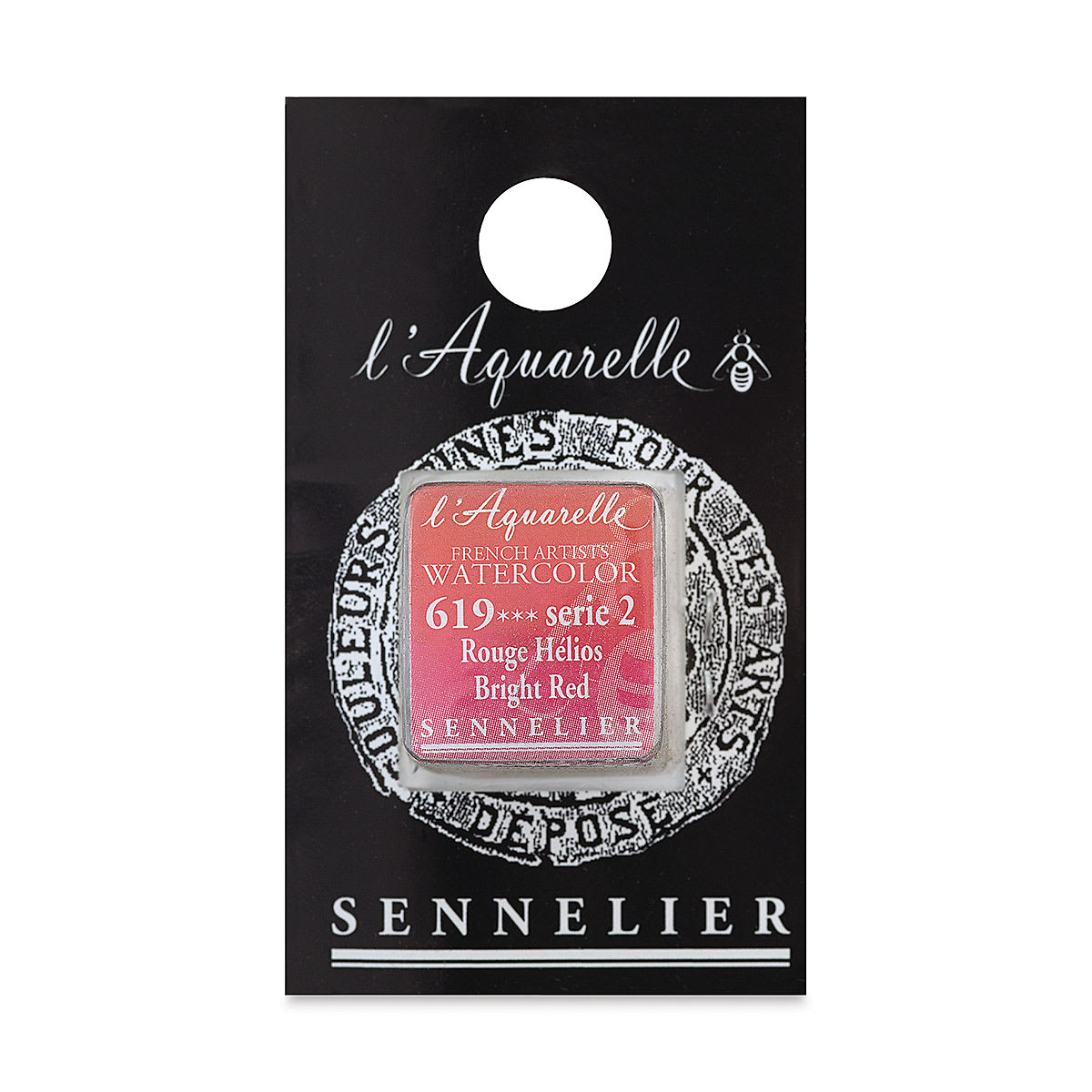
General reference notes about pigments can describe other media (such as oil). They do not verify this product’s exact formulation or behavior.
Lamp Black
- Pigment code
- PBk7
- Type
- inorganic
- Chemical name
- carbon
- Chemical formula
- C
- Properties
- Lamp black is a very opaque, heavily staining black pigment that does not have much covering or tinting power. It is typically the most opaque black in watercolor form. Though a very pure black, it tends to muddy slightly in mixtures. Natural sources may be brownish or bluish in tone because of impurities. When used in oil paints, it is one of the slowest drying pigments, and should not be used in underpainting or applied in layers underneath other colors.
- Permanence
- Lamp Black is very lightfast and absolutely permanent. It is used in all techniques in permanent painting.
- Toxicity
- Carbon itself is not considered hazardous, however other combustion products that are hazardous are often present as impurities when Lamp Black is produced from natural materials. For this reason, commercial preparations of the pigment should be considered slightly toxic. Avoid skin contact and inhalation. Where such impurities are present, Lamp Black is a possible human carcinogen.
- History
- Lamp Black is a carbon based black traditionally produced by collecting soot (known as lampblack) from oil lamps. It has been used as a pigment since prehistoric times. It is the black found in Egyptian murals and tomb decorations and was the most popular black for fresco painting until the development of Mars Black.
- Description
- Carbon Black, Channel Black, Furnace Black, Oil Black, Vegetable Black. Flame Black is an impure version of Lamp Black. An alternate spelling is Lampblack, in which the first syllable is stressed and the two words are elided to form a closed compound.
Quinacridone Red
- Pigment code
- PR209
- Type
- organic, quinacridone
- Properties
- Quinacridone Red is a bright, clean red pigment with average drying time. Quinacridone pigments have relatively low tinting strength in general. For this reason, quinacridone colors are often expensive, because more pigment is required in the formulation.
- Permanence
- Quinacridone Red has excellent permanence and lightfastness.
- Toxicity
- Quinacridone Red has no known acute hazards. Overexposure to quinacridone pigments may cause skin irritation. Quinicridone pigments contain a compound found to be a skin, eye, and respiratory irritant.
- History
- Although quinacridone compounds became known in the late 19th century, methods of manufacturing so as to make them practical for use as commercial pigments did not begin until the 1950s. Quinacridone pigments were first developed as coatings for the automotive industry, but were quickly adopted by artists.
Indanthrene Blue
- Pigment code
- PB60
- Type
- organic, vat dyes
- Chemical name
- complex, insoluble anthraquinone
- Chemical formula
- C28H14N2O4
- Properties
- Indanthrene Blue is a clear, clean, deep blue organic pigment. It has moderate to high tinting strength and is not as overpowering as Phthalo Blue. Hansa Yellow Deep, Benzimidazolone Orange, and Raw Umber are its best mixing complements.
- Permanence
- Indanthrene Blue is permanent with excellent lightfastness in both masstone and tints.
- Toxicity
- Indanthrene Blue varies in its acute toxicity, though toxicity is generally slight.
- History
- Indanthrene Blue is the oldest vat dye, discovered and patented in 1901 by Rene Bohn. It is considered the first anthraquinone vat dye, a group of dyes characterized by excellent lightfastness. The pigment originates from this dye.
- Description
- Indanthrone.
 Blick Art Materials