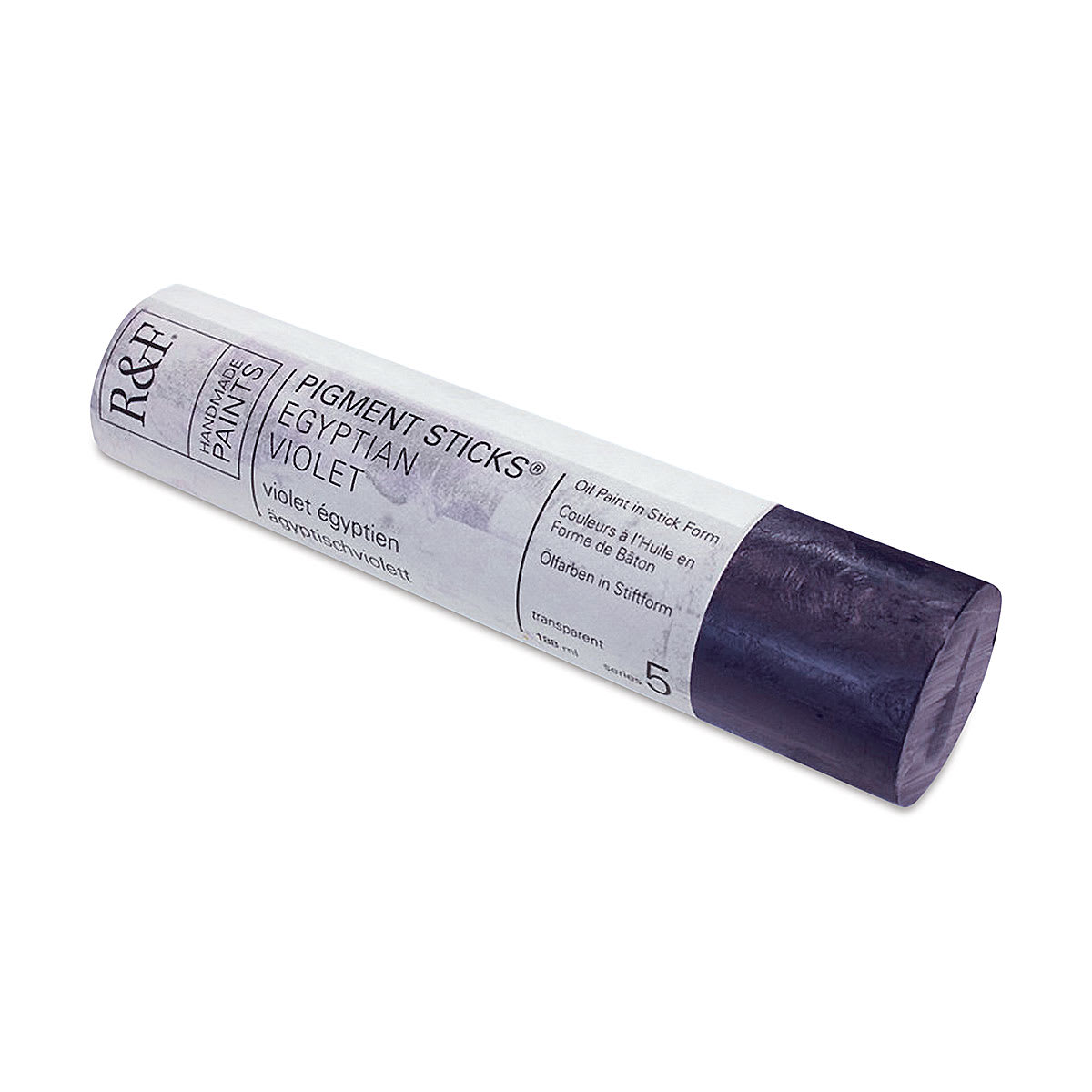
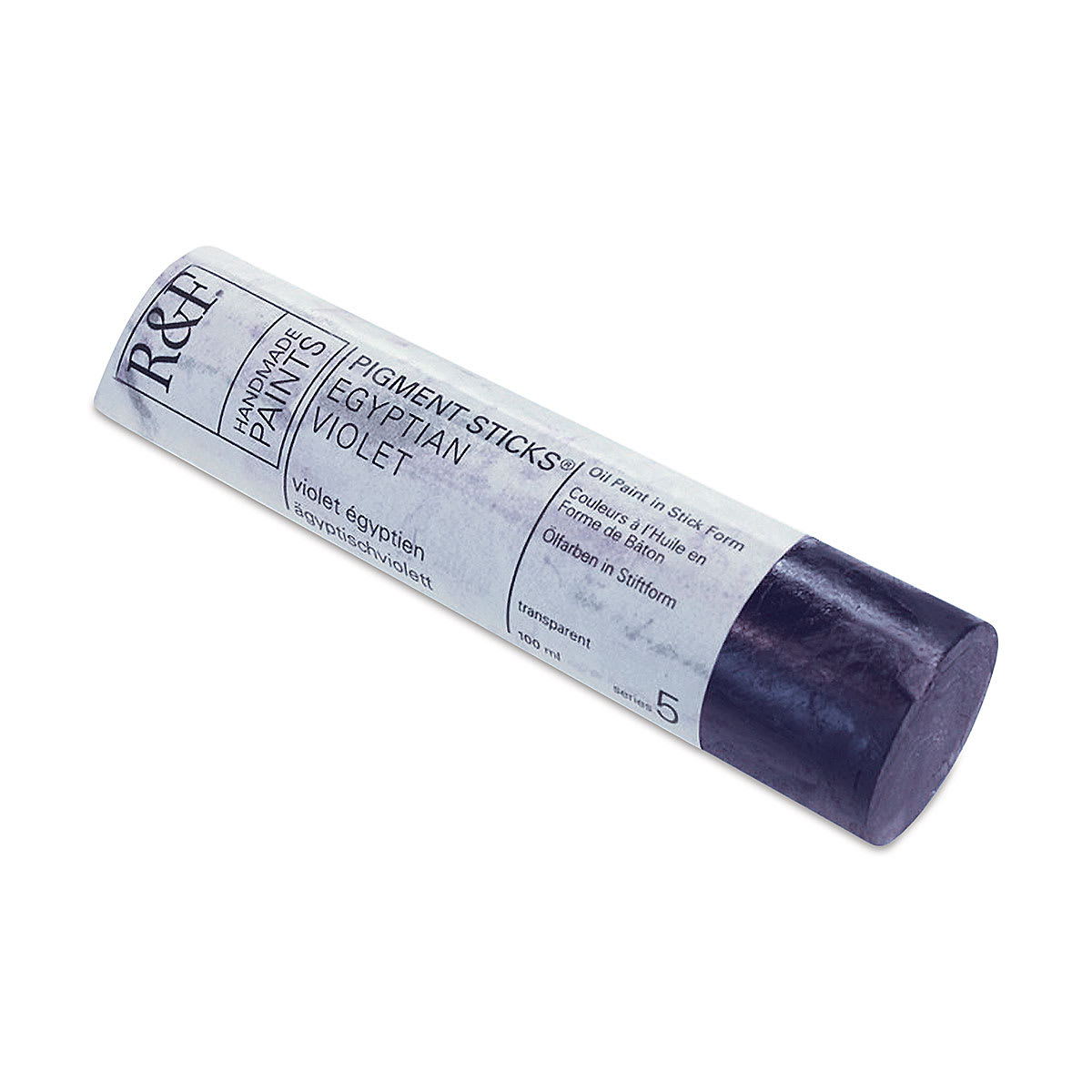
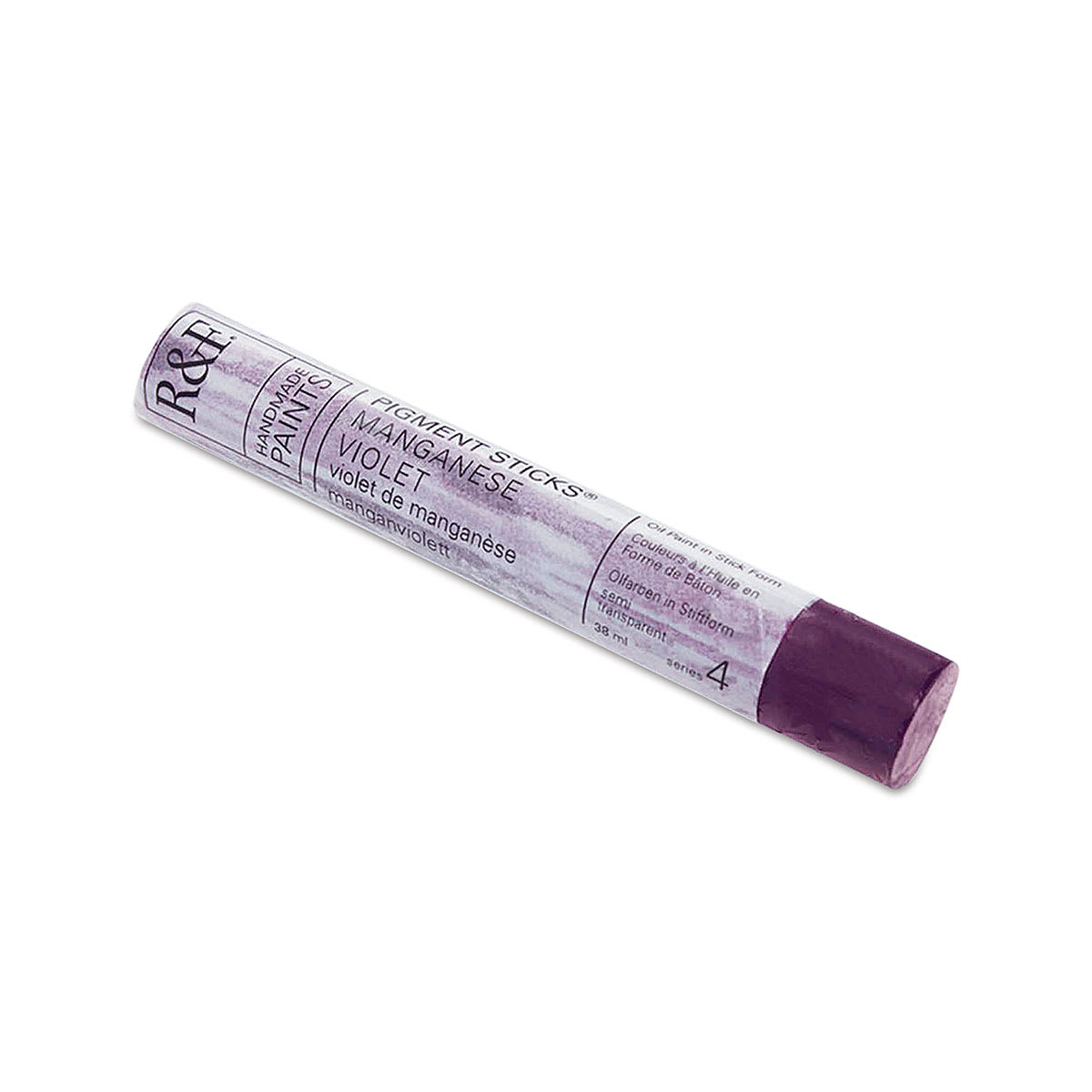
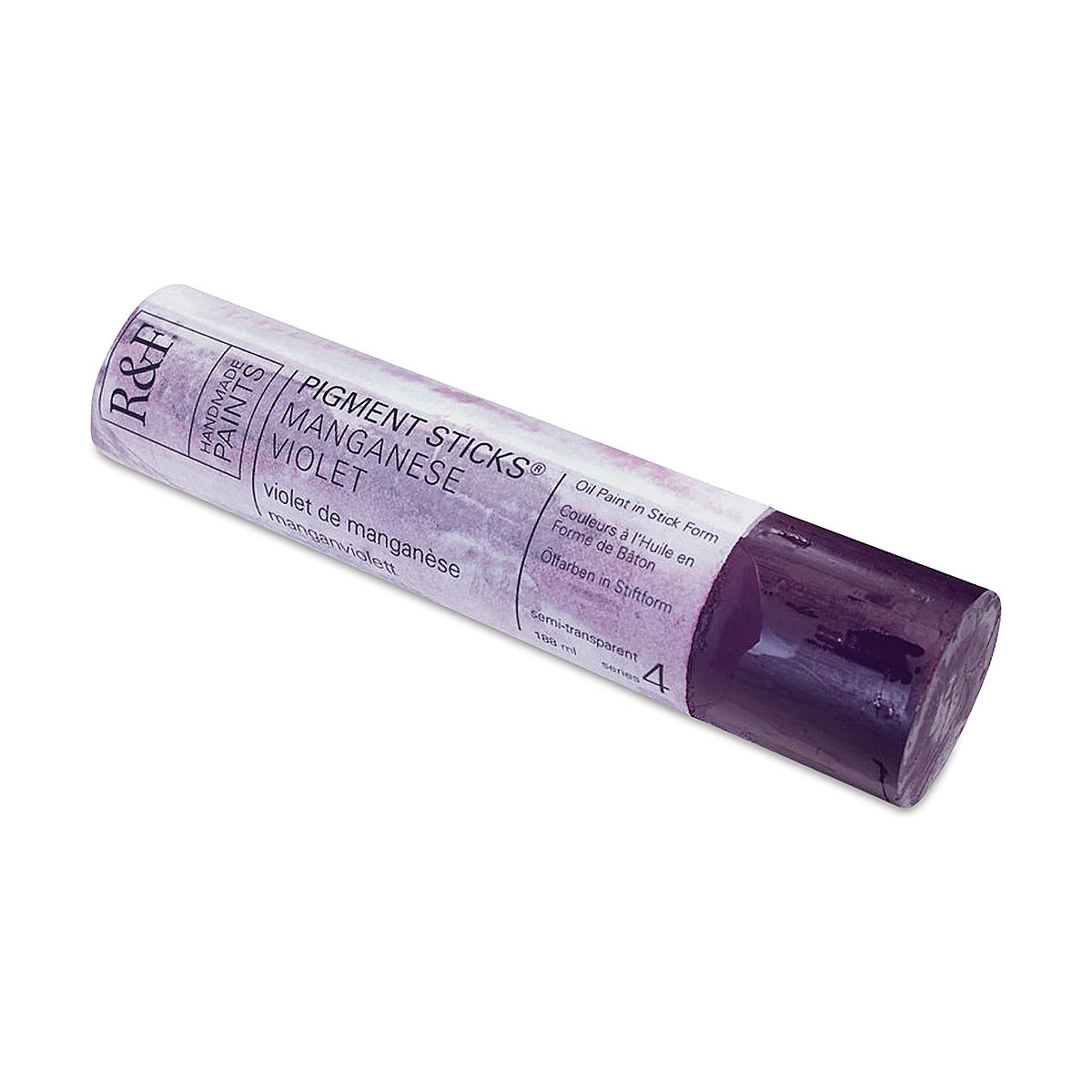
General reference notes about pigments can describe other media (such as oil). They do not verify this product’s exact formulation or behavior.
Ultramarine Violet
- Pigment code
- PV15
- Type
- inorganic
- Chemical name
- complex silicate of sodium and aluminum with sulfur
- Chemical formula
- H2Na(4-6)Al6Si6O24S2
- Properties
- Ultramarine Violet is a semi-transparent, dull purple to pale violet with low tinting strength. As a pigment, it is weak in most oil applications, but it performs better in water-based mediums, pastels, and chalks. It is generally the bluest of the violet pigments, although there can be significant differences in color across brands. It is not suitable for fresco work and does not mix well with yellows. Ultramarine Violet is a variant of Ultramarine Blue, and their pigment properties are identical.
- Permanence
- Ultramarine Violet has excellent permanence and lightfastness.
- Toxicity
- Ultramarine Violet has no significant hazards.
- History
- Unknown.
- Description
- Mineral Violet, Violet Ultramarine, Ultramarine Red.
Cadmium Yellow
- Pigment code
- PY37
- Type
- inorganiic, cadmium
- Chemical name
- cadmium(II)-sulfide
- Chemical formula
- CdS
- Properties
- Cadmium Yellow is brilliant, dense, and opaque, with good tinting strength and very high hiding power. It is the artist’s principal bright yellow and is available in light, medium, and dark shades. The deeper shades appear deep orange and have the greatest tinting strength. It is slow-drying in oil form and is used in both oil and watercolor form. It cannot be mixed with copper-based pigments. A clean Cadmium Orange is created when Cadmium Yellow is mixed with Cadmium Red. Hues vary by brand. Cadmium pigments have been partially replaced by azo pigments, which are similar in lightfastness to the cadmium colors, cheaper, and non-toxic. Cadmium Yellow is usually available in a pure grade, or in a cadmium-barium mix. This mix has the same permanence with a lower tinting strength.
- Permanence
- Cadmium Yellow is lightfast and permanent in most forms, but like most cadmium colors, it will fade in fresco or mural painting. The deeper shades are the most permanent. The pale varieties have been known to fade with exposure to sunlight.
- History
- Cadmiums get their names from the Latin word cadmia meaning zinc ore calamine, and the Greek word kadmeia, meaning Cadmean earth, first found near Thebes, the city founded by the Phoenician prince Cadmus. Metallic cadmium was discovered in 1817 by Friedrich Strohmeyer. Oil colors were first made from Cadmium Yellow pigments in 1819, replacing toxic Chrome (lead) Yellows. However, their production was delayed until 1840 due to the scarcity of cadmium metals. Landscape painters, such as Claude Monet, preferred Cadmium Yellow to the less expensive Chrome Yellow because of its higher chroma and greater purity of color.
- Description
- Aurora Yellow, Cadmium Primrose Yellow, Cadmium Zinc Yellow, Lemon Yellow, Primrose Yellow. Deep Cadmium Yellow is sometimes called Orient Yellow.
Red Iron Oxide
- Pigment code
- PR101
- Type
- earth, synthetic
- Chemical name
- iron oxides (synthetic), iron oxide, silica, alumina, lime, and magnesia or hydrated iron oxide
- Chemical formula
- Fe2O2 or Fe2O3 x H2O
- Properties
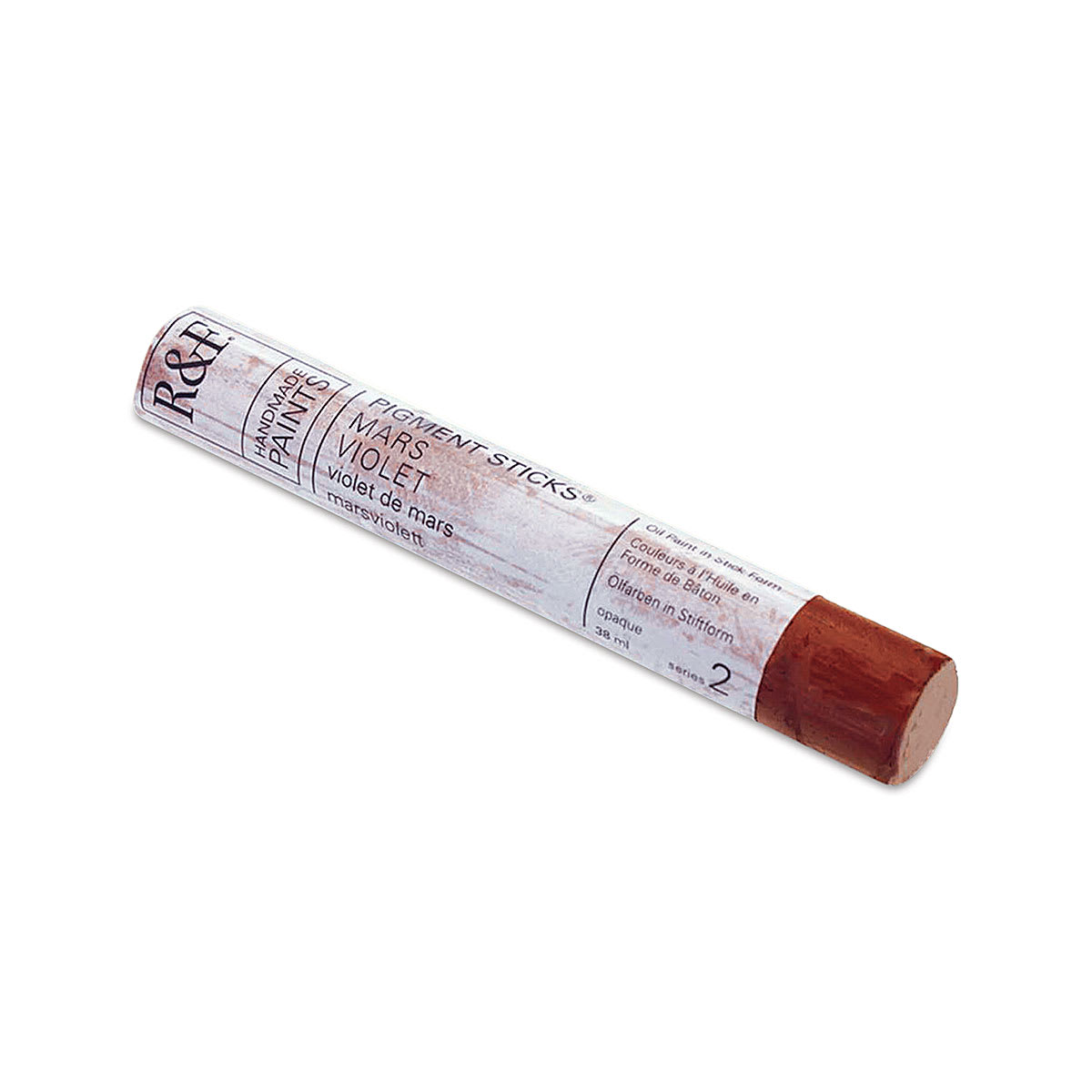
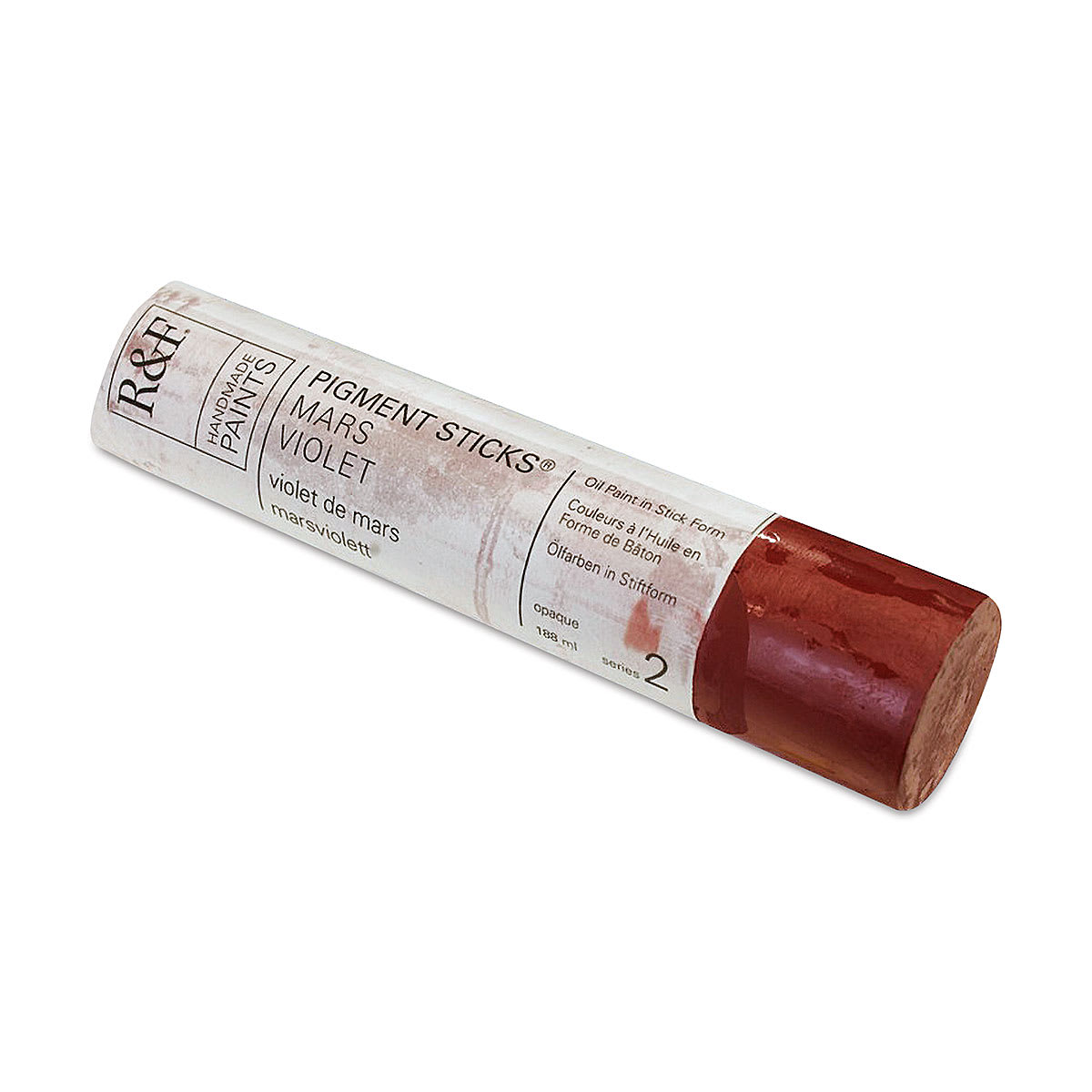
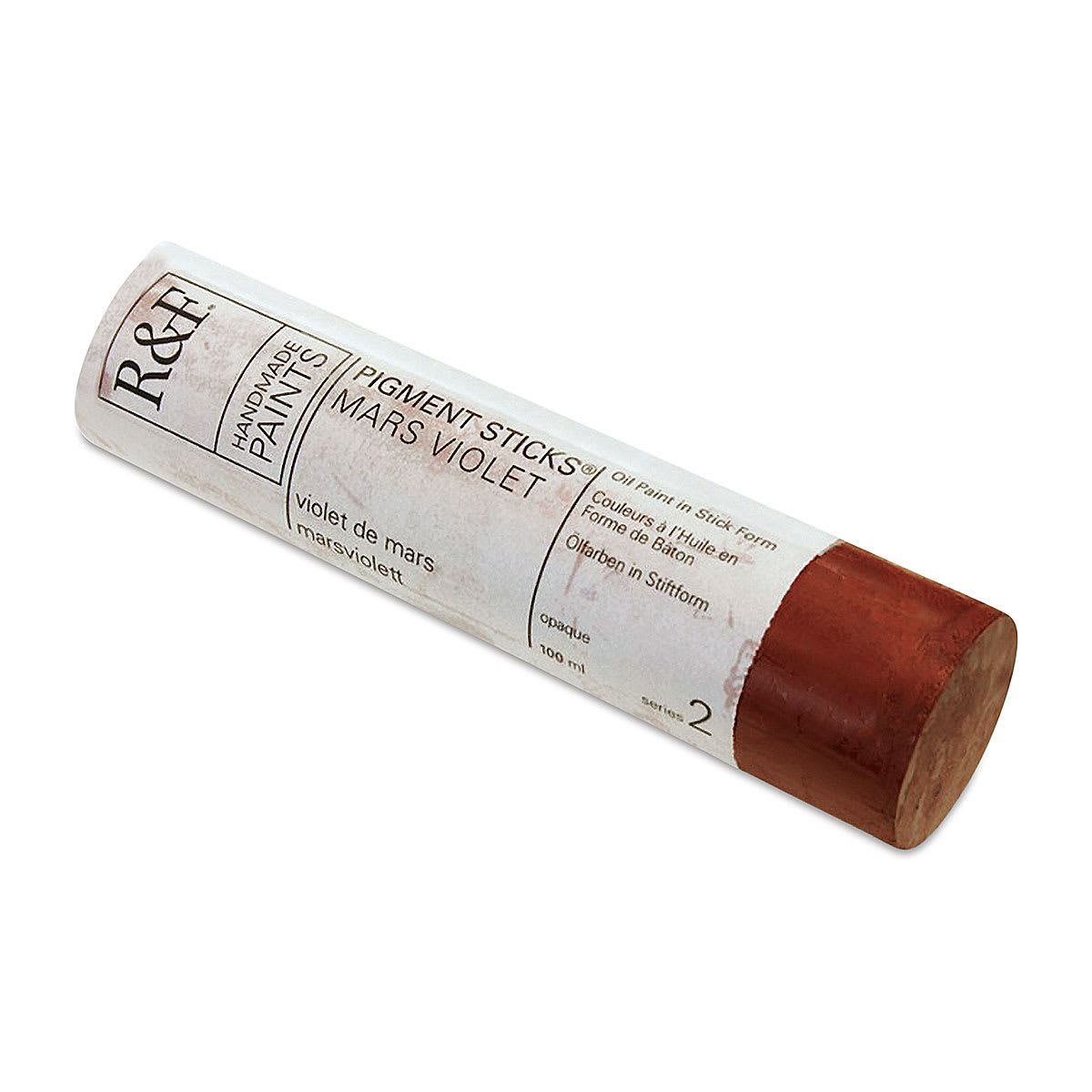
- Red iron oxide varies in hue and transparency, depending on hydration and slight impurities. Indian Red is a slightly duller, deep brick hue with a bluish undertone. It is very dense and opaque, with excellent tinting strength and covering power. It is dependable when mixing with all other permanent pigments and yields good flesh tints when mixed with Zinc White. It is the synthetic version of PR102, which is a pigment made from earth reds, or natural red iron oxides, and the names applied to PR101 and PR102 often overlap. The synthetic red iron oxides have mostly replaced natural red iron oxides and are brighter, stronger, finer, and more permanent. Indian Red is the highest grade bluish shade. Light Red, English Red, and Venetian Red are yellowish shades. Mars Violet is a dull and subdued bluish or purplish oxide.
- Permanence
- Red iron oxide is very lightfast with excellent permanence.
- Toxicity
- Red iron oxide has no significant hazards.
- History
- Natural red iron oxide comes from the mineral ore hematite, called bloodstone by the ancient Greeks from the word hema, meaning blood. It is one of the oldest pigments, has been used by every major civilization, and was an important mineral for medieval alchemists. It was not widely used in artists' materials until the 17th century and was not produced in large quantities until the 18th century.
- Description
- Indian Red, Colcothar, English Red, Light Red, Mars Red, Mars Violet, Morelle Salt, Pompeian Red, Indian Red, Red Oxide, Sinopia, Spanish Red, Terra Rosa, Tuscan Red, Venetian Red, Venice Red.
 Blick Art Materials