General reference notes about pigments can describe other media (such as oil). They do not verify this product’s exact formulation or behavior.
Slate Gray
- Pigment code
- PBk19
- Type
- inorganic
- Chemical name
- hydrated aluminum silicate
- Properties
- Slate Gray is a semi-opaque, neutral gray pigment produced from powdered slate.
- Permanence
- Slate Gray is absolutely lightfast.
- Toxicity
- Hydrated aluminum silicate is not considered toxic, however pigment from natural sources may contain impurities.
- History
- Mineral sources of Slate Gray have been used as a colorant since prehistoric times.
- Description
- Powdered Slate.
Titanium White
- Pigment code
- PW6
- Type
- inorganic
- Chemical name
- titanium dioxide
- Chemical formula
- TiO2
- Properties
- Titanium White is the most brilliant of the white pigments. It is considered an all purpose oil color useful in all techniques and the best all around white. Its masstone is neither warm nor cool, placing it somewhere between Lead White and Zinc White. It is less prone to cracking and yellowing than Lead White, but it still yellows easily. Titanium White dries slowly in oil form, more slowly than Lead White but more quickly than Zinc White. It is opaque in oil and acrylic forms and semi-opaque in watercolor form. This pigment has good chemical stability, and its tinting strength is superior to both Lead White and Zinc White.
- Permanence
- Titanium White has excellent permanence and lightfastness.
- Toxicity
- Titanium dioxide is highly stable and is regarded as non-toxic.
- History
- Titanium is the ninth most abundant element in the Earth's crust, however mineral deposits that are economical to mine are less common. Titanium dioxide was first discovered in 1821, although it could not be mass produced until 1919. Widespread use of the pigment began in the 1940s. Since that time, it has become the most commonly used white pigment. The name comes from the Latin word Titan, the name for the elder brother of Kronos and ancestor of the Titans, and from the Greek word tito, meaning day or sun.
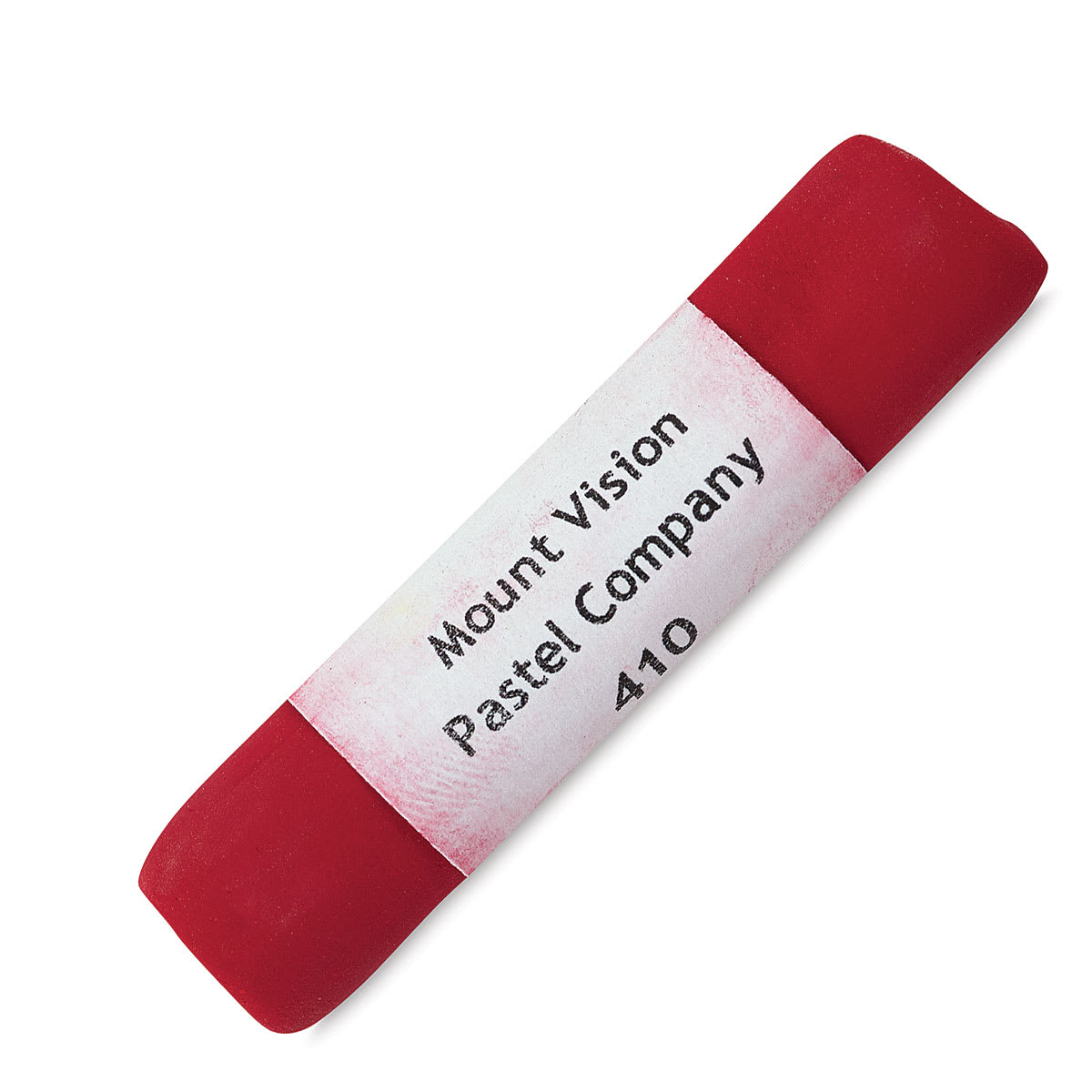
Pyrrole Red
- Pigment code
- PR254
- Type
- organic, aminoketone
- Chemical name
- Bis-(p-chrolopheny)-1. 4-diketopyrrolo(3. 4-c)pyrrole
- Properties
- Pyrrole Red is opaque and has strong covering power. According to manufacturer Ciba, which uses the trade name Irgazin Red, it is a “clean, highly saturated mid shade red with high temperature resistance, excellent color strength, outstanding chemical, solvent and bleed resistance, and good weatherfastness.”
- Permanence
- Pyrrole Red is considered to have excellent lightfastness among organic pigments in its class. Tests in industrial applications have given it scores of 7-8 on the Blue Wool Scale.
- Toxicity
- According to the Australian government's Ministry on Health and Aging, "The notified chemical exhibited low oral and dermal toxicity in rats, did not exhibit toxic effects when administered orally to rats for 28 days, was not a skin irritant in rabbi
- History
- Pyrrole Red, used as an automotive paint and as a colorant in plastics, was developed as one of a range of pigments to replace lead based pigments. In art materials, it is often used as a synthetic and lightfast replacement for carmine, a laked pigment that was originally produced from the body of the cochineal insect. It is also used to replace the older naphthol reds, organic red pigments that are sometimes only marginally lightfast and weatherfast.
- Description
- Magnacryl Red, Versal Red, Microlith Red, Unisphere Red, Cromophtol Red, Irgazin Red.
 Blick Art Materials