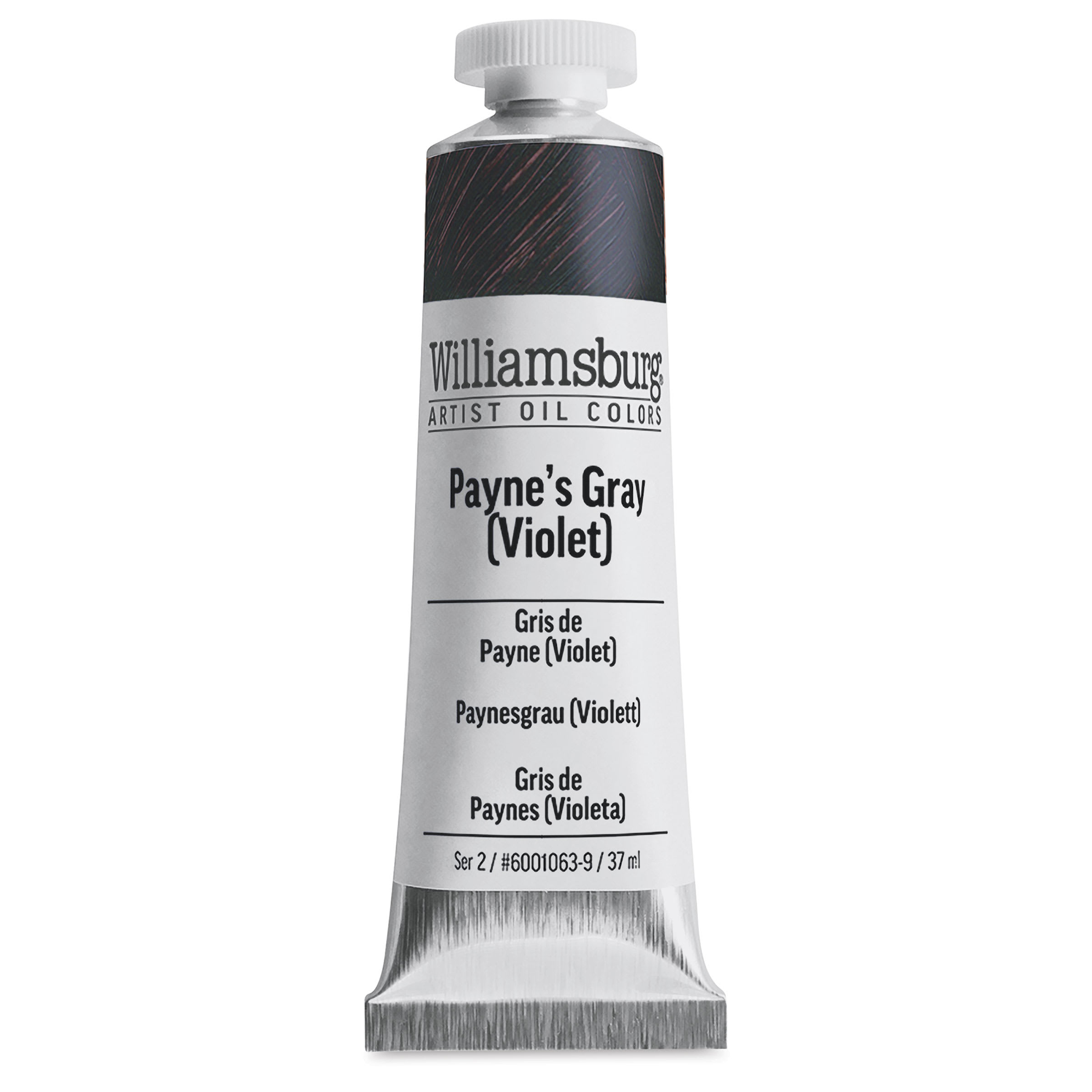
Williamsburg Handmade Oil Paints - Payne's Gray Violet, 150 ml tube
Handmade Oil Paint
Store price
Listed prices, not live quotes. Check delivery, tax and stock at the shop. Unavailable and advance-order listings aren’t ranked.

Blick Art Materials
$36.32 USDShop
Saving an item to My Stash does not start price monitoring.
Product details
- Size
- 150 ml
- Blick SKU
- 01571-6564
About this product range
Dedicated to handmade integrity, Williamsburg Handmade Oils are crafted by skilled American artisans using top-quality pigments from around the world. Each of the more than 140 colors in the line possesses a unique consistency and texture — some are slightly gritty, while others are extremely smooth. This is what makes Williamsburg Handmade Oils so unique and prized by the painters who choose them.
Colors are made in small batches no larger than five gallons at a time to ensure the highest level of control. Pigments are carefully ground to enhance the beauty and luminosity specific to each, and then combined with pure, premium, alkali-refined and pH-balanced linseed oil. Every ingredient is hand-measured, and every batch is scrutinized for quality.
Most Williamsburg Oils are considered to have excellent lightfastness (LF I), with the exception of Alizarin Crimson and Van Dyke Brown, which have very poor lightfastness (LFIII).
__Special Edition Colors__ — Williamsburg offers four Special Edition iron oxide colors that utilize the same pigments as standard Williamsburg colors, but are milled to a finer consistency to make them suitable for glazing. Transparent Yellow Iron Oxide is based on Stil De Grain, with a dark yellow-brown masstone that gives way to amber and light ochre when glazing. Transparent Orange Iron Oxide is based on Italian Pink, and produces a very deep red-orange masstone that results in rich orange-red glazes. Transparent Brown Iron Oxide has its origins in Dutch Brown, and results in translucent brown glazes reminiscent of coffee or tanned leather. Transparent Red Oxide is a finer version of Brown Pink, and results in red tones reminiscent of stained cherry wood when glazing.
Pigment information
General reference notes about pigments can describe other media (such as oil). They do not verify this product’s exact formulation or behavior.
Dioxazine Violet
- Pigment code
- PV23
- Type
- organic
- Chemical name
- carbazole dioxazine
- Chemical formula
- C34H22Cl2N4O2
- Properties
- Dioxazine Violet is transparent and has very high tinting strength. It is a staining pigment, very dark valued when it is used at full strength. Concentrated, it paints out nearly black, but it mixes with Titanium White to form bright, opaque tints of purple. PV23 produces slightly redder shades than PV37. Because the hue can vary with the conditions of preparation and grinding, it may be offered in red shade, blue shade, and so forth.
- Permanence
- Dioxazine Violet has good lightfastness. There may be some concern about it fading or shifting in color in tints and washes. Some artists have reported that PV37, a molecular variant, is more lightfast than PV23.
- History
- Two molecular variants of Dioxazine Violet, PV23 and PV37, are available. They have similar properties, but mix slightly differently.
- Description
- Dioxazine Purple, Chromothal Violet, Mauve, Carbazole Violet.
Burnt Sienna
- Pigment code
- PBr7
- Type
- earth
- Chemical name
- iron oxides
- Chemical formula
- Fe2O3
- Properties
- Burnt Sienna is a warm, mid-brown color formed by burning the yellow-brown limonite clay called Raw Sienna. It ranges from semi-opaque to semi-transparent due to the combination of its opaque, red-brown mass tone and its transparent, orangey undertone. It is an excellent mixing complement for blues and greens and creates salmon or peach colored tints when mixed with white. It can be useful for subduing bright colors and does not get chalky in dark mixtures.
- Permanence
- Burnt Sienna has good permanence and is considered one of the most versatile of the permanent pigments.
- Toxicity
- Burnt Sienna has no significant hazards.
- History
- Burnt Sienna has been used as a pigment since prehistoric times, but its current name came about during the Renaissance. It comes from the city of Siena, in Italy, and is short for terra di Siena, meaning earth of Siena. Sienna was famous for the mining and production of earth pigments from the Renaissance until World War II. Due to the depletion of clay deposits in Tuscany, Italian siennas now come from other areas, including Sicily and Sardinia.
- Description
- Caput Mortuum, Italian Earth, Natural Brown Iron Oxide, Sienna, Spanish Red, Vandyke Brown.
Ultramarine [Blue]
- Pigment code
- PB29
- Type
- inorganic
- Chemical name
- complex silicate of sodium and aluminum with sulfur
- Chemical formula
- Na8-10Al6Si6O24S2-4 or Na6-8Al6Si6O24S2-4
- Properties
- Ultramarine is the standard warm blue, a brilliant blue pigment that has the most purple and least green in its undertone. It has a moderate to high tinting strength and a beautiful transparency. Synthetic Ultramarine is not as vivid a blue as natural Ultramarine. Ultramarine dries slowly in oil and tends to produce clean, though granular, washes in watercolor. French Ultramarine mixes well with Alizarin colors in oil and watercolor form to create a range of purples and violets. It can dull when mixed with white in acrylic form, but mixes well with other colors. The shade varies based on manufacturer. Considered a great color for glazes, it is not suitable for frescoing.
- Permanence
- Ultramarine has excellent permanence, although synthetic Ultramarine is not as permanent as natural Ultramarine. It may discolor if exposed to acid because of its sulfuric content.
- Toxicity
- Ultramarine has no significant hazards.
- History
- The name for this pigment comes from the Middle Latin ultra, meaning beyond, and mare, meaning sea, because it was imported from Asia to Europe by sea. It is a prominent component of lapis lazuli and was used on Asian temples starting in the 6th century. It was one of the most expensive pigments in 16th century Europe, worth twice its weight in gold, and so was used sparingly and when commissions were larger. Ultramarine is currently imitated by a process invented in France in 1826 by Jean Baptiste Guimet, making blue affordable to artists and extending the range of colors on their palettes.
- Description
- Artificial Ultramarine, French Blue, French Ultramarine, Gmelin's Blue, Guimet's Blue, Permanent Blue, Royal Blue, Synthetic Ultramarine. New Blue describes particular shades of Ultramarine. Armenian Blue and Lazuline Blue are names for genuine Lapiz Ultramarine. Sky Blue is a pale tone of Ultramarine.
Track this price
New lows for this exact package, across matched retailers.
Loading your account…
Price history
More to explore
Related supplies from the catalog.

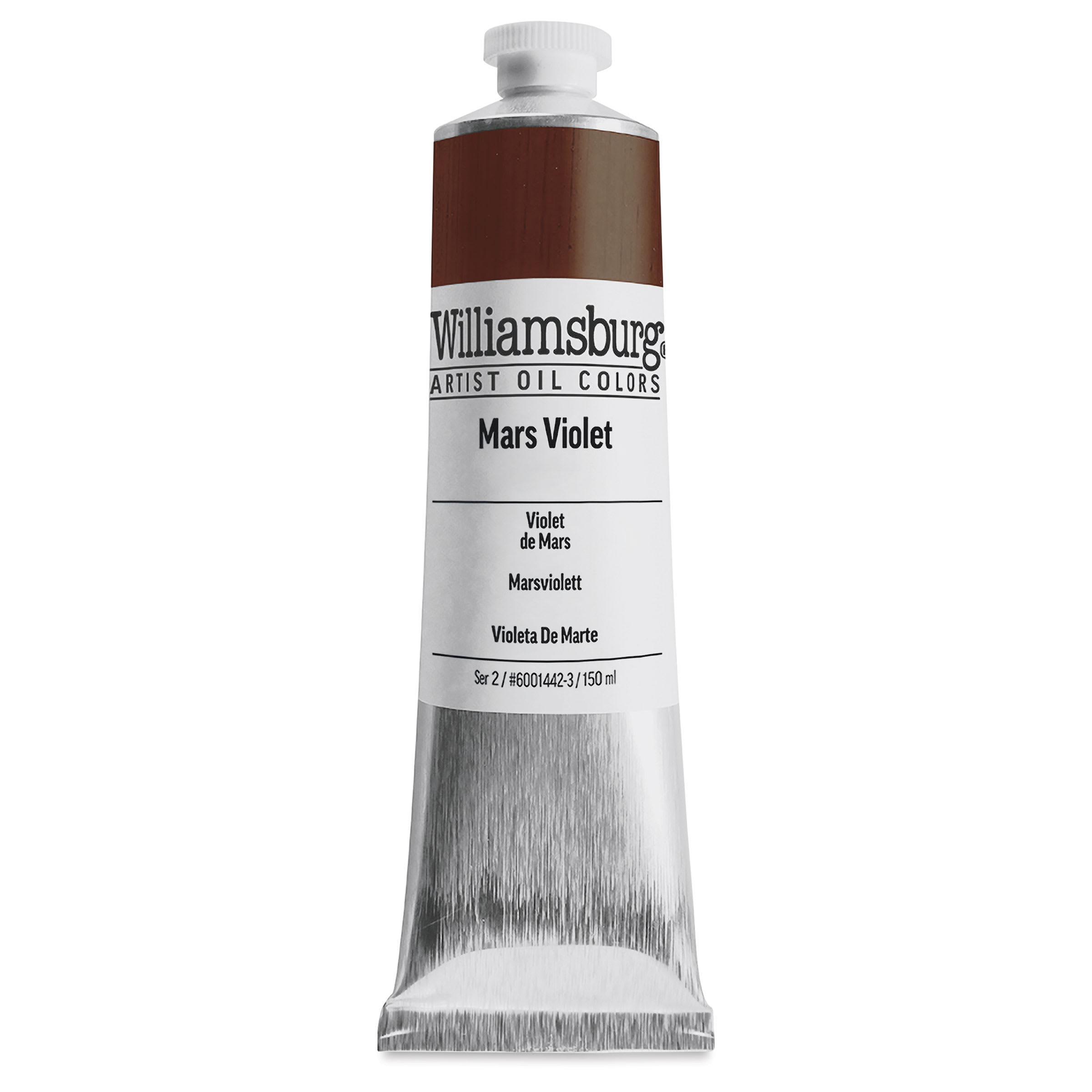
Williamsburg Handmade Oil Paints - Mars Violet, 150 ml tube

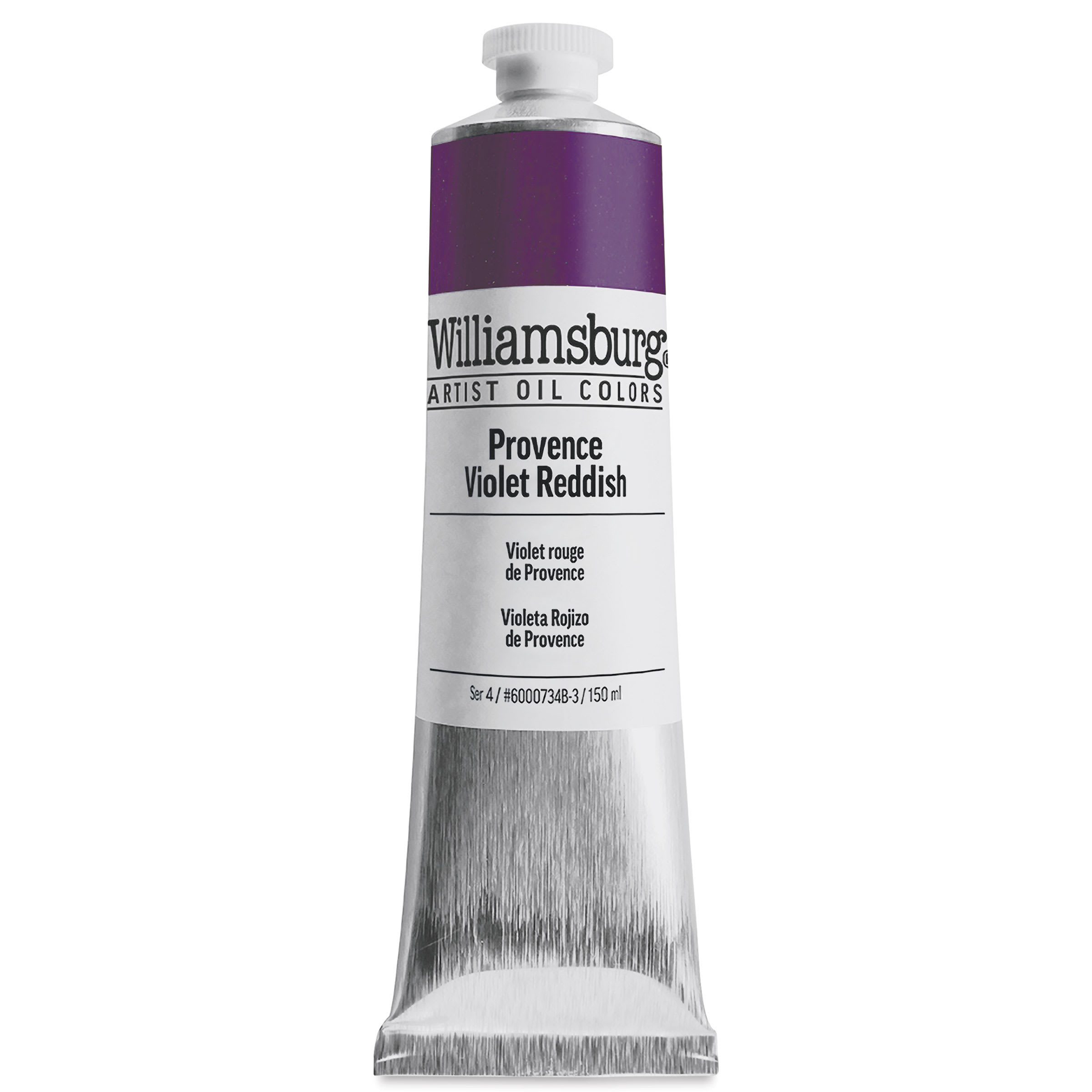
Williamsburg Handmade Oil Paints - Provence Violet Reddish, 150 ml tube

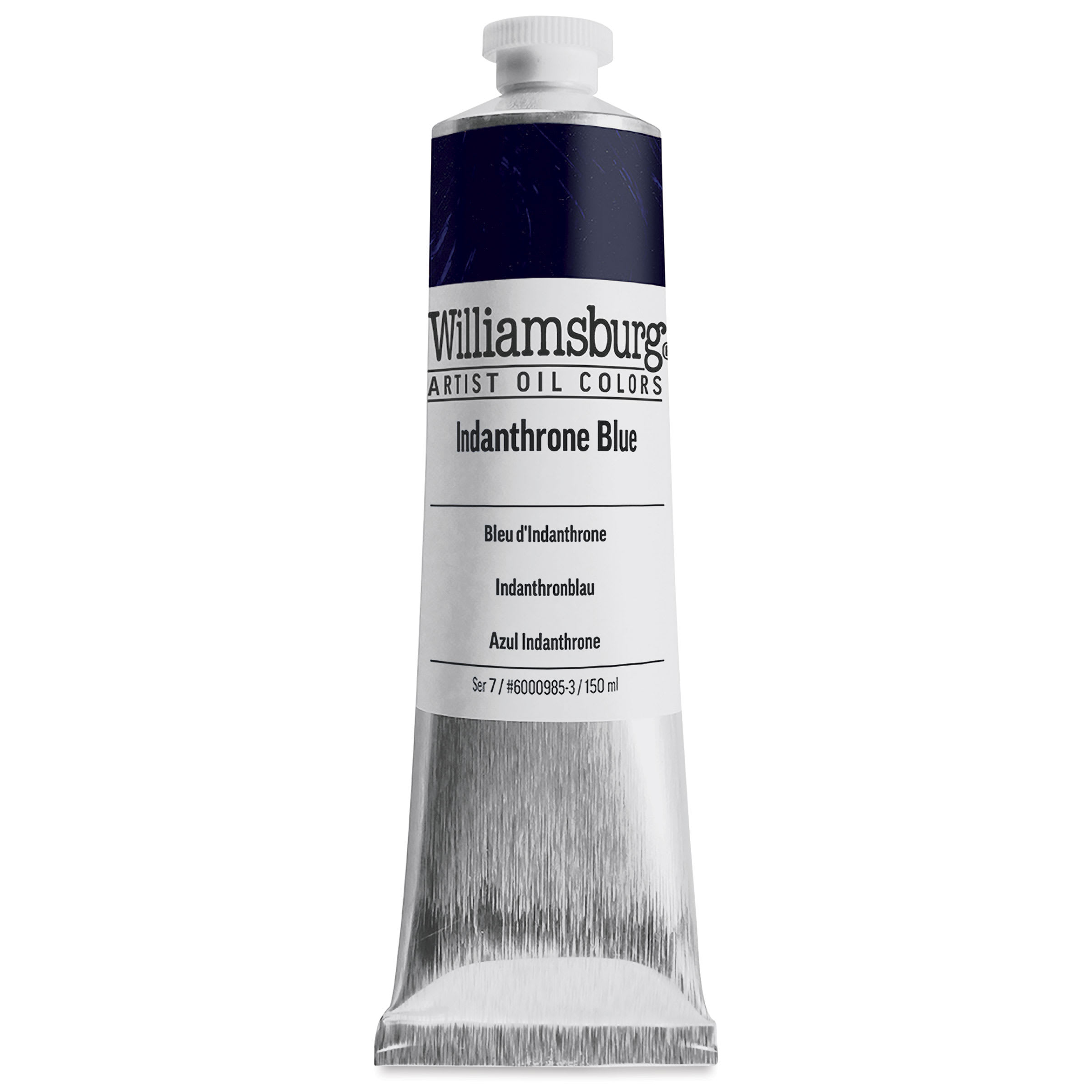
Williamsburg Handmade Oil Paints - Indanthrone Blue, 150 ml tube

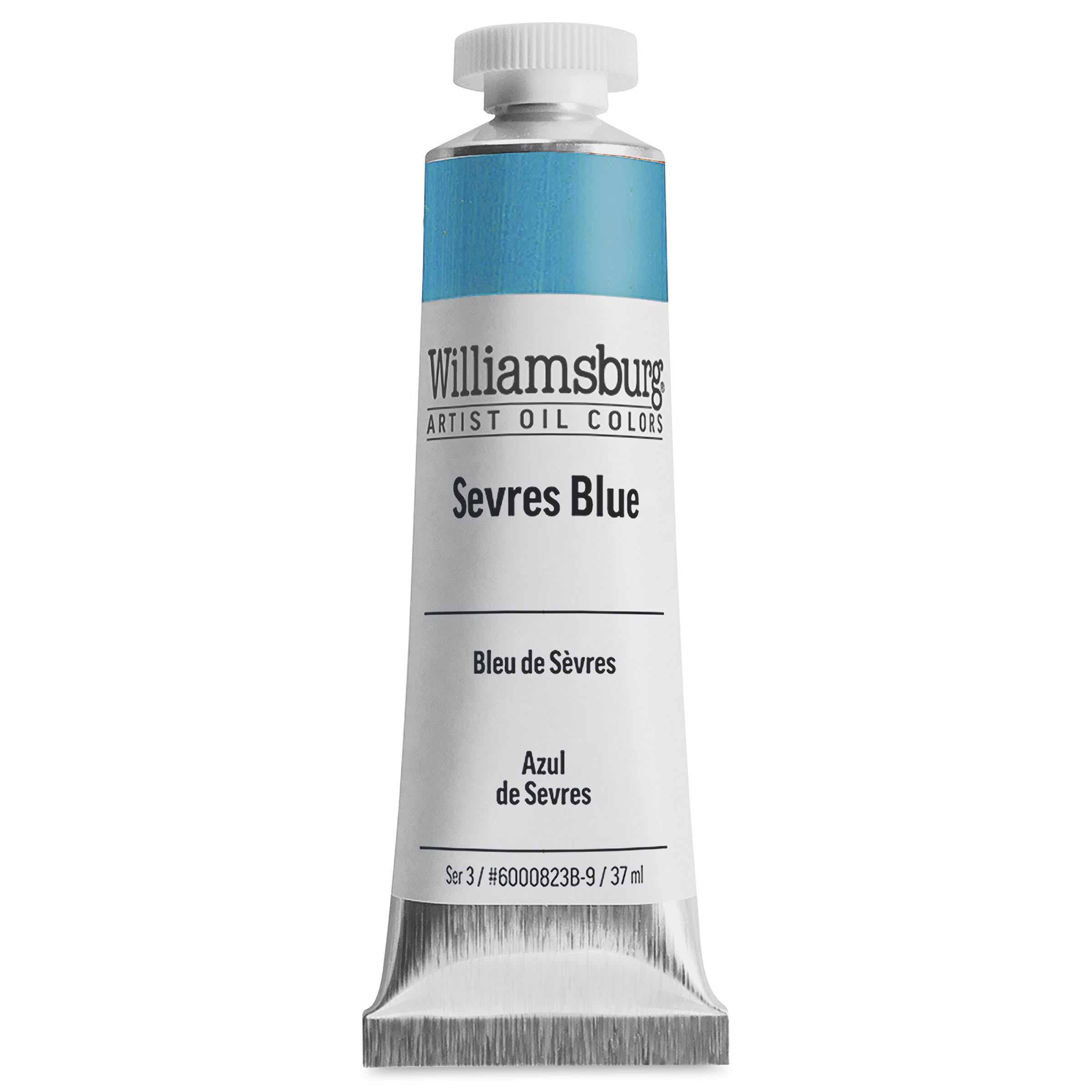
Williamsburg Handmade Oil Paints - Severs Blue, 37 ml tube

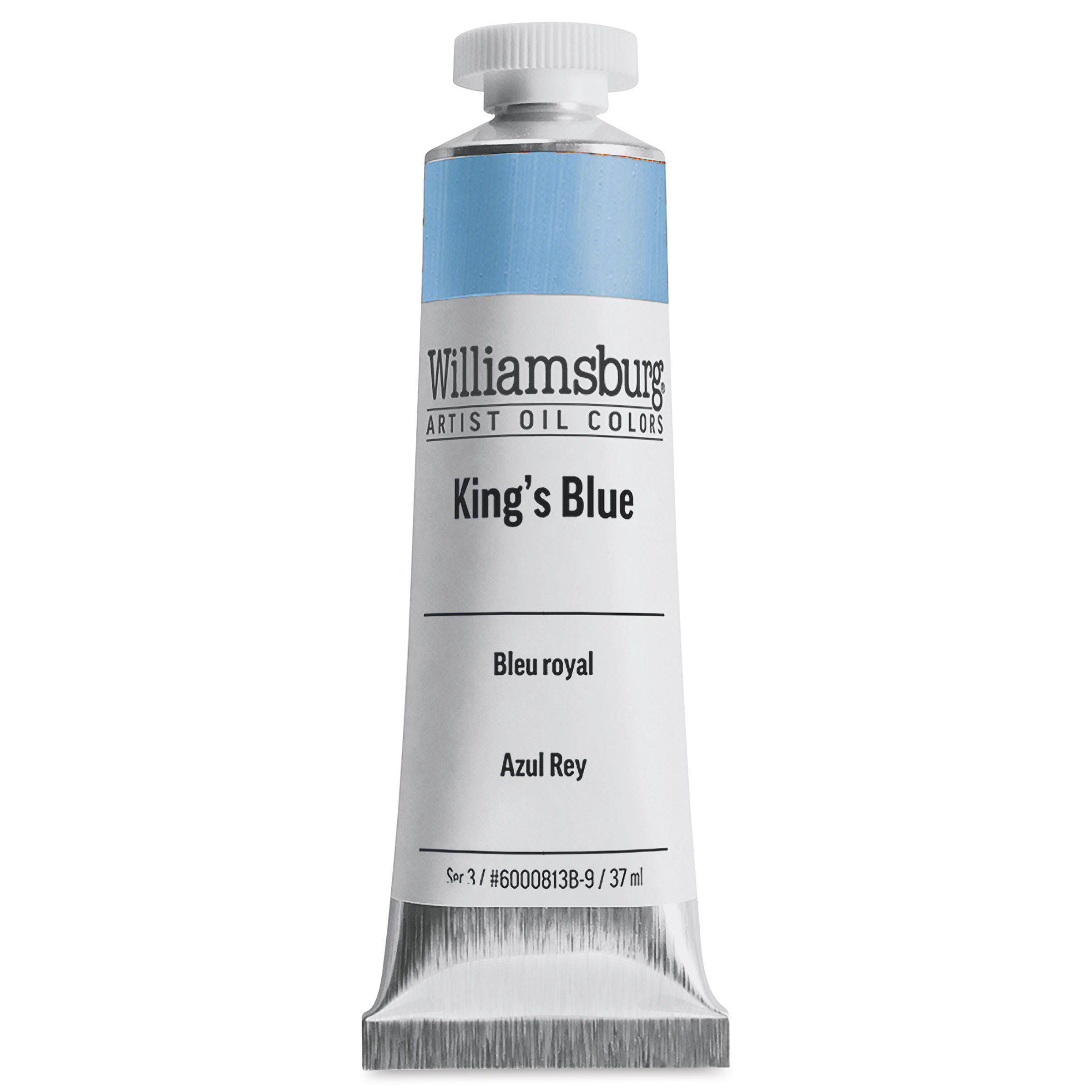
Williamsburg Handmade Oil Paints - Kings Blue, 37 ml tube

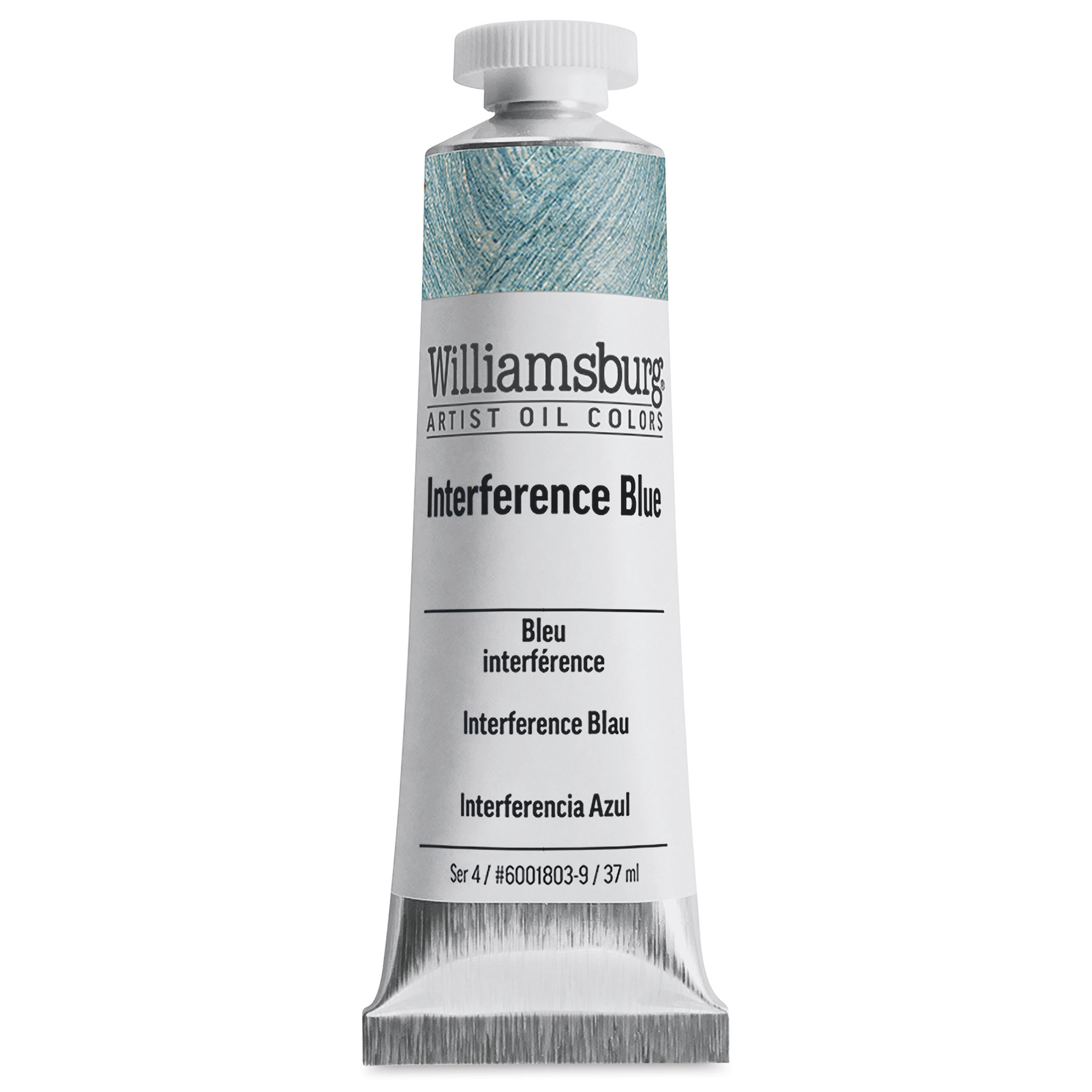
Williamsburg Handmade Oil Paints - Interference Blue, 37 ml tube

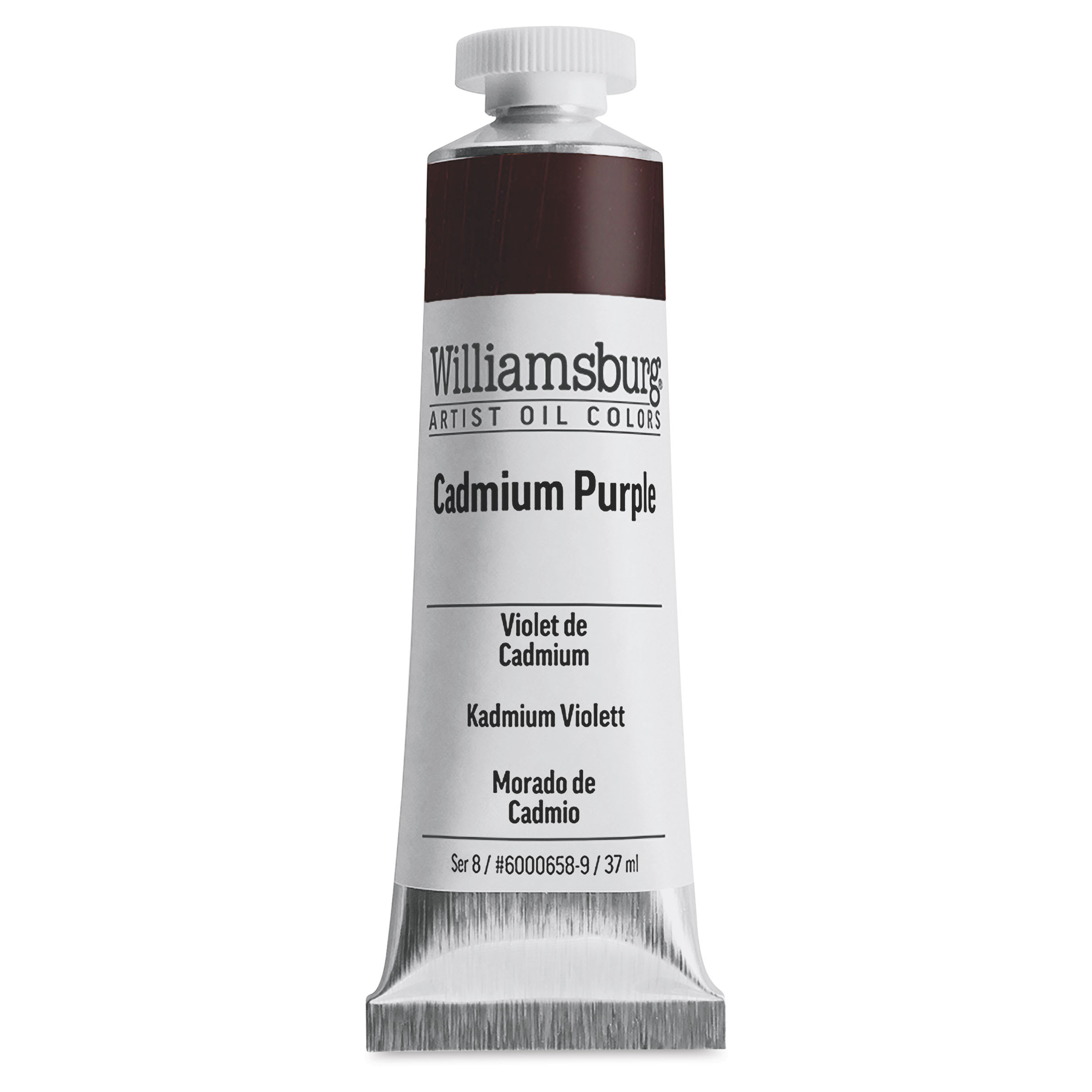
Williamsburg Handmade Oil Paints - Cadmium Purple, 37 ml tube

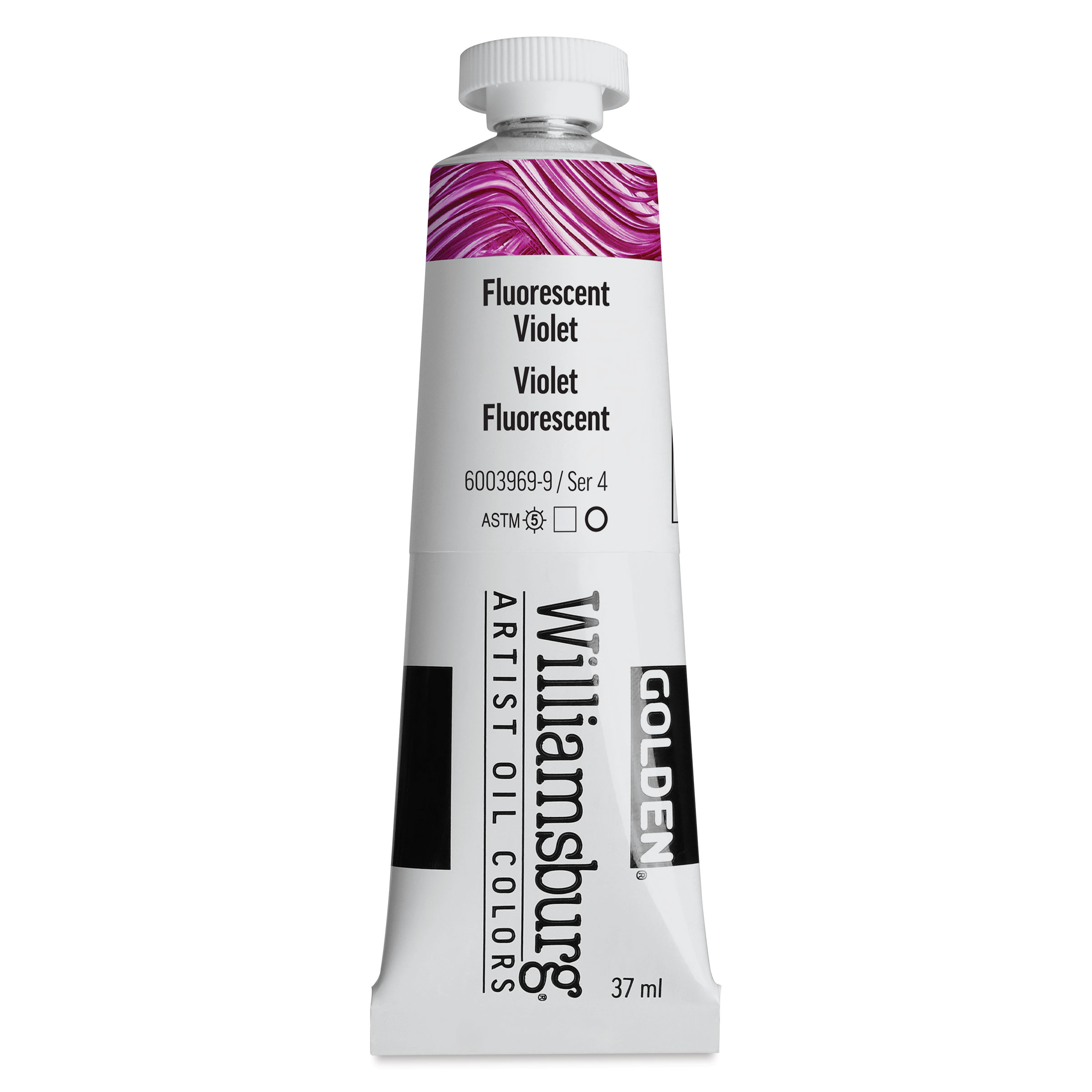
Williamsburg Handmade Oil Paint - Fluorescent Violet, 37 ml tube

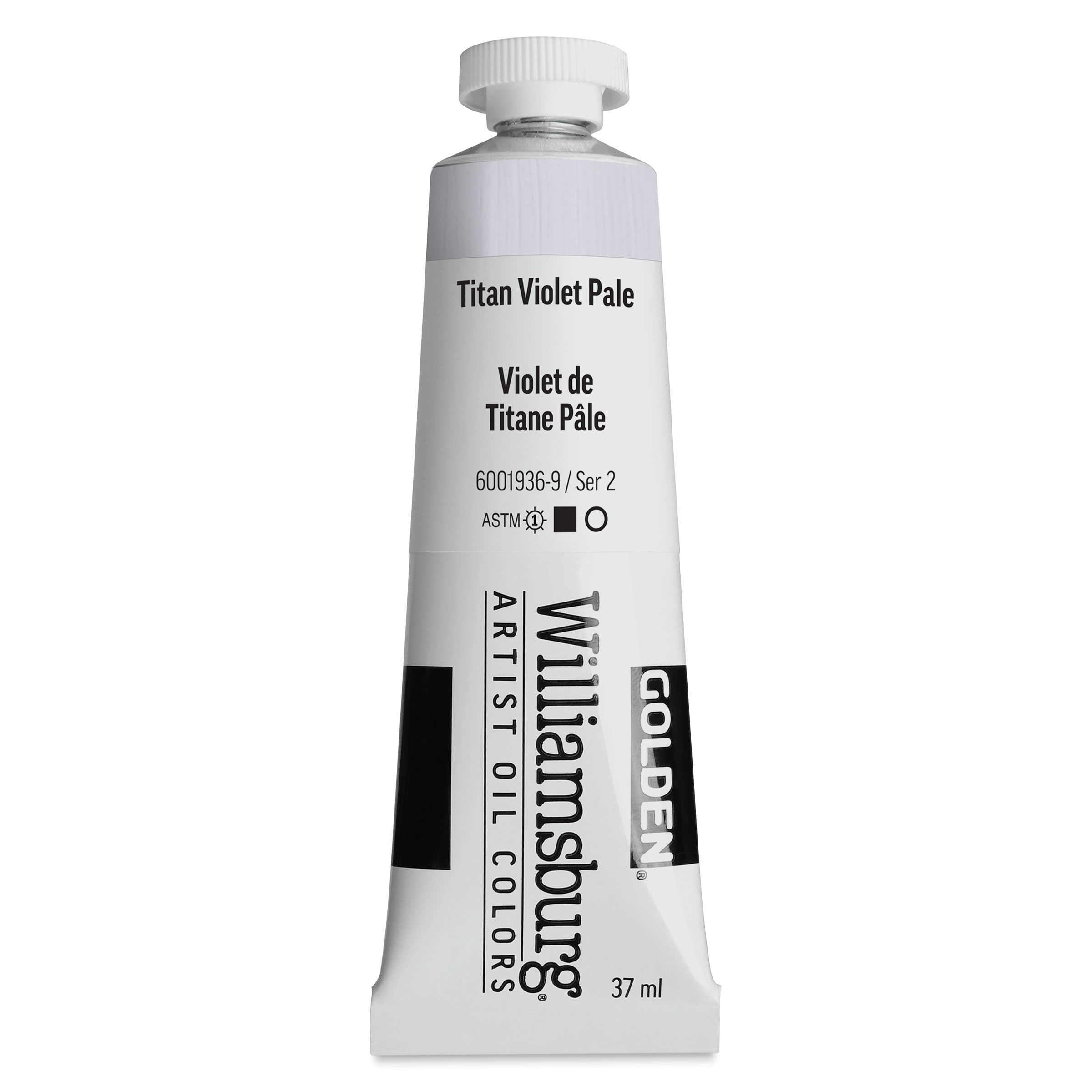
Williamsburg Handmade Oil Paint - Titan Violet Pale, 37 ml tube

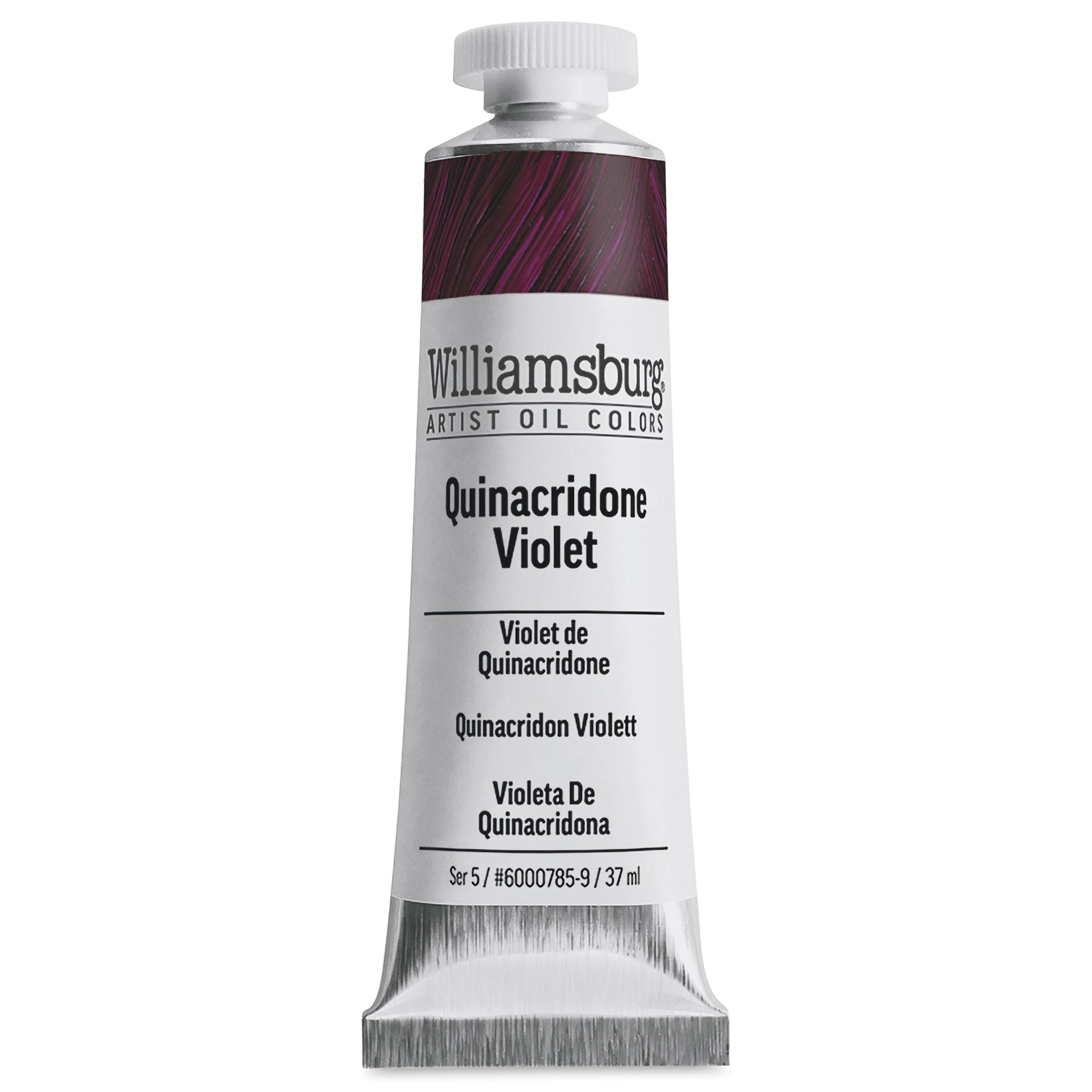
Williamsburg Handmade Oil Paint - Quinacridone Violet, 37 ml tube