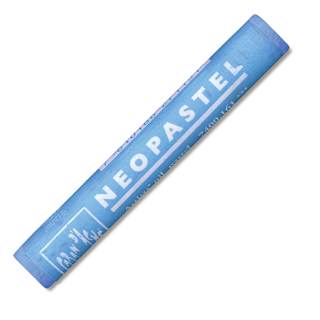
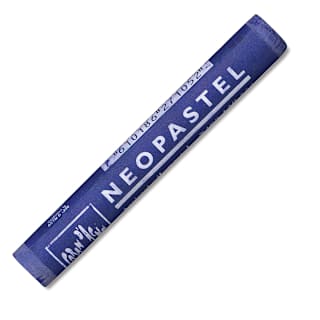
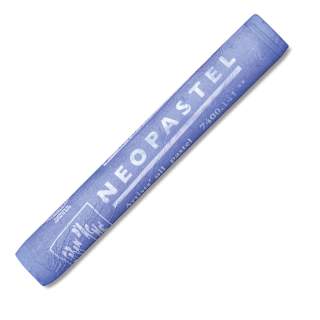
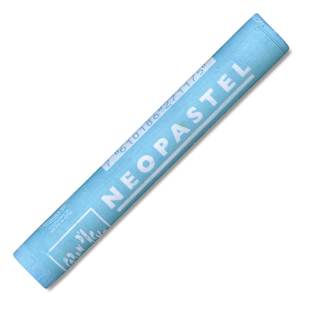
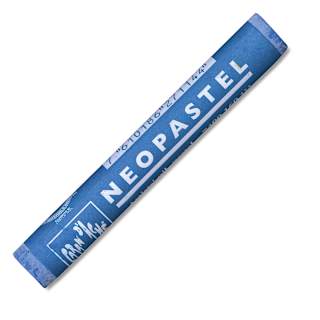
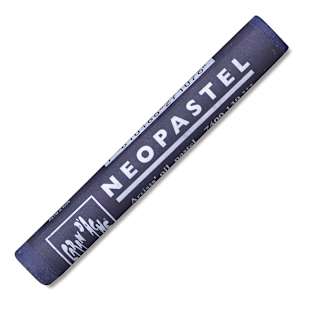
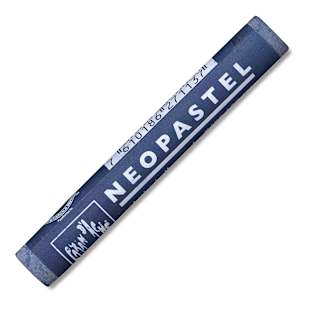
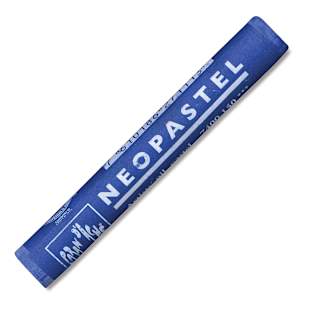
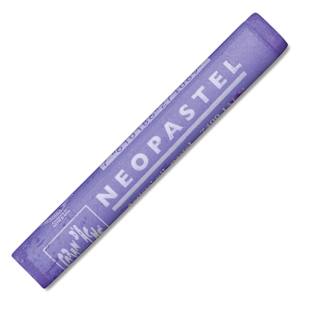
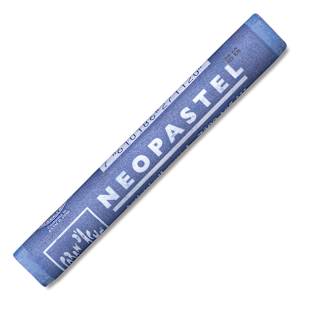
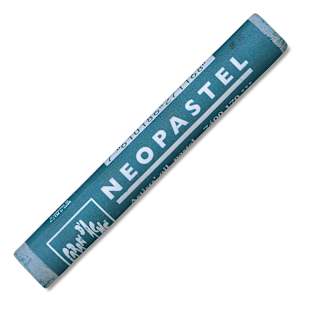
General reference notes about pigments can describe other media (such as oil). They do not verify this product’s exact formulation or behavior.
Phthalo Blue
- Pigment code
- PB15
- Type
- organic
- Chemical name
- copper phthalocyanine
- Chemical formula
- C32H16CuN8
- Properties
- Phthalo Blues are pure and clean primary blues with superior covering power. They have a very high tinting strength and tend to overwhelm other pigments, but if color strength can be controlled, they make predictable mixed colors. In oil form, blues are very deep and slow drying. When mixed with other colors or if chlorine is added, Phthalo Blue quickly tends towards green. When using alone, mix with some white, as Phthalo Blue can be semi-transparent and almost black on its own. It is among the most compatible of modern colors with mineral colors and is considered more reliable than Prussian Blue, while sharing the same physical and color properties. Phthalo Blue is a good color for glazing.
- Permanence
- Phthalo Blues are completely lightfast and stable and are permanent for all paint uses. They are currently used in inks, coatings, and many plastics due to their stability and are considered a standard pigment in printing ink and the packaging industry.
- Toxicity
- Phthalo Blues have no significant hazards, although those made before 1982 contained some PCBs (polychlorinated biphenyls).
- History
- Developed by chemists using the trade name Monastral Blue, the organic blue dyestuff now known as Phthalo Blue was presented as a pigment in November 1935 in London. Its discovery was accidental. The dark color was observed in a kettle where a dye was being made from a British dyestuff plant. The demand for such a pigment came from commercial printers who wanted a cyan to replace Prussian Blue.
- Description
- Bocour Blue, Cyan Blue, Helio Blue, Heliogen Blue, Intense Blue, Monastral Blue, Phthalocyanine Blue, Rembrandt Blue, Thalo Blue, Winsor Blue, Phthalo Blue (RS).
Quinacridone Magenta
- Pigment code
- PR202
- Type
- organic, dichloroquinacridone
- Properties
- PR202 has a bluish red color, but is more yellow than Quinacridone Red (PR122), which is the modern favorite for Magenta in CMYK (four color) process printing.
- Permanence
- Although it is not the most famous magenta in the quinacridone family of pigments, PR202 belongs to a related class chemically, and is thus relatively stable and permanent for a bluish red pigment. It is one of the pigments often used in inks and toners for process printing.
- Toxicity
- Quinacridone Magenta has no acute hazards. Overexposure to quinacridone pigments may cause skin irritation. Quinicridone pigments contain a compound found to be a skin, eye, and respiratory irritant.
- History
- PR202 has been widely used as an automotive paint. Other applications include packaging, printing inks, and textiles.
- Description
- Quinacridone Fuchsia. Monastral Magenta, Fastogen Super Magenta
Lamp Black
- Pigment code
- PBk6
- Type
- inorganic
- Chemical name
- carbon
- Chemical formula
- C
- Properties
- Lamp black is a very opaque, heavily staining black pigment that does not have much covering power. It is typically the most opaque black in watercolor form. Though a very pure black, it tends to muddy slightly in mixtures, is one of the slowest drying pigments in oils, and should not be used under other colors.
- Permanence
- Lamp Black is very lightfast and absolutely permanent. It is used in all techniques in permanent painting.
- Toxicity
- Lamp Black is slightly toxic by skin contact and inhalation. It is a possible human carcinogen.
- History
- Lamp Black is a carbon based black traditionally produced by collecting soot (known as lampblack) from oil lamps. It is the black found in Egyptian murals and tomb decorations and was the most popular black for frescoing until the development of Mars Black.
- Description
- Carbon Black, Channel Black, Oil Black, Vegetable Black. Flame Black is an impure version of Lamp Black.
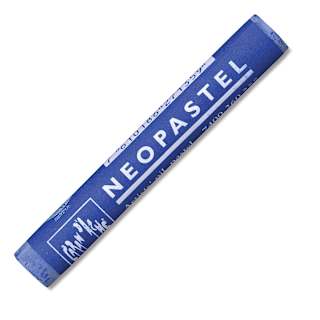
 Blick Art Materials · recorded Oct 22, 2026, 2:17 AM UTC