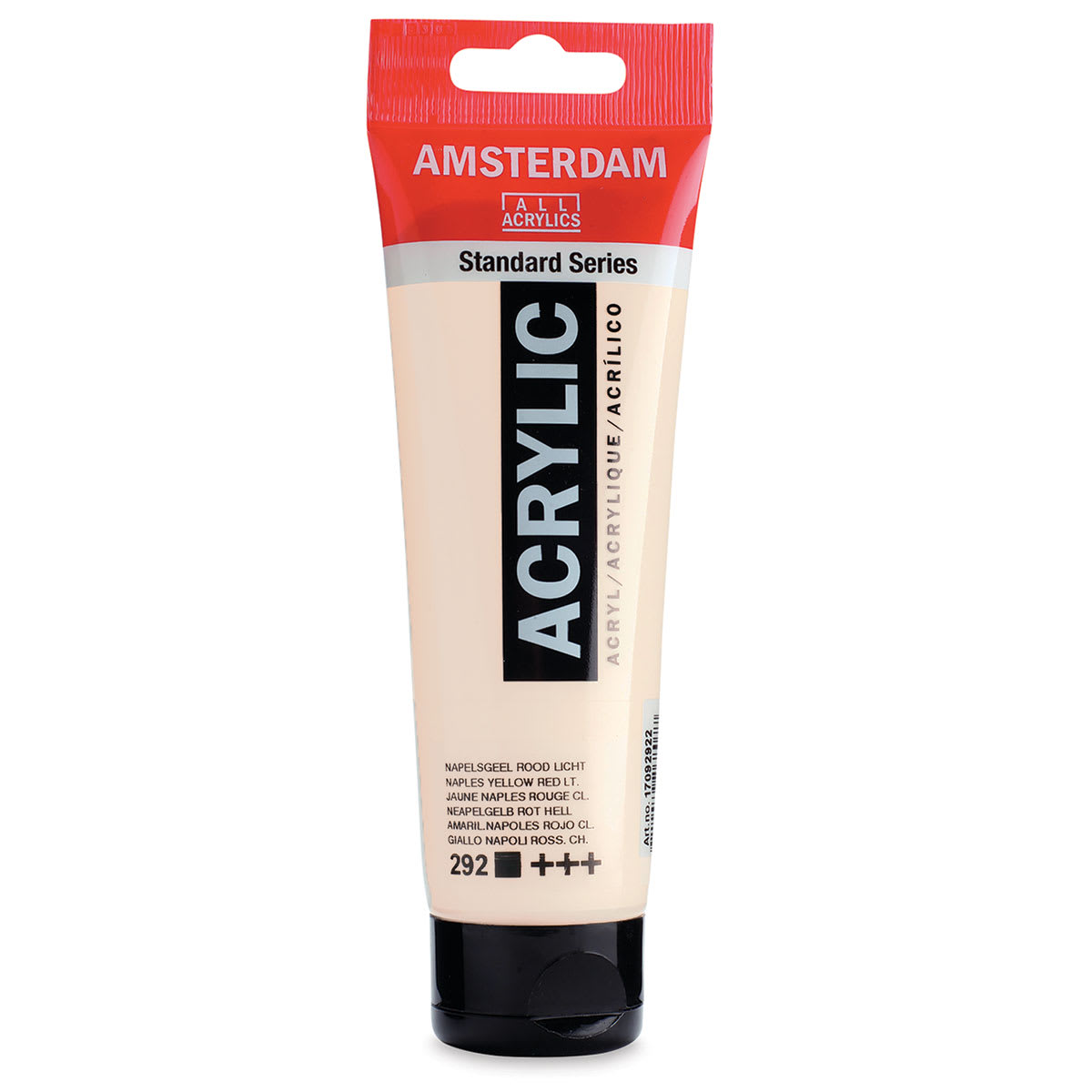
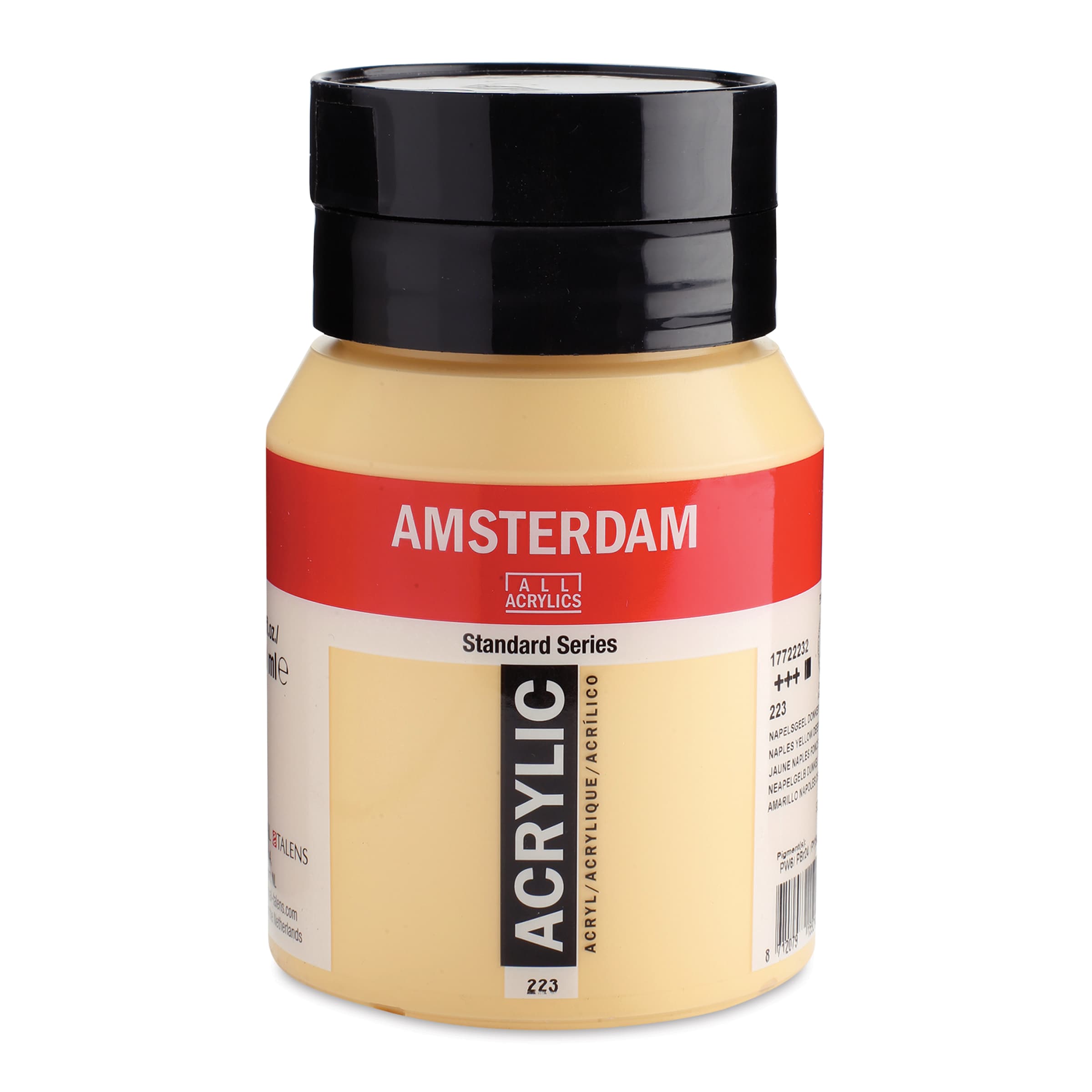
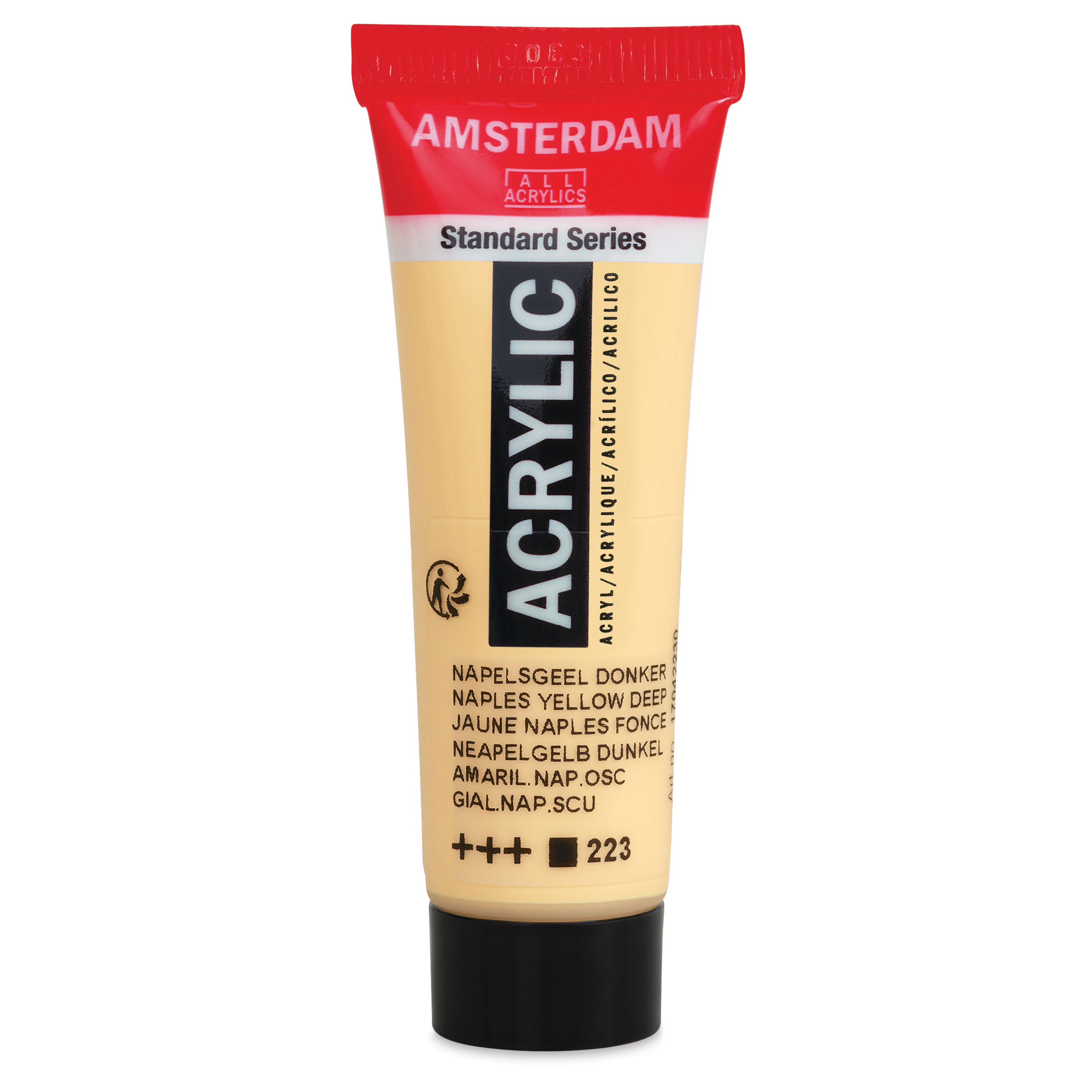
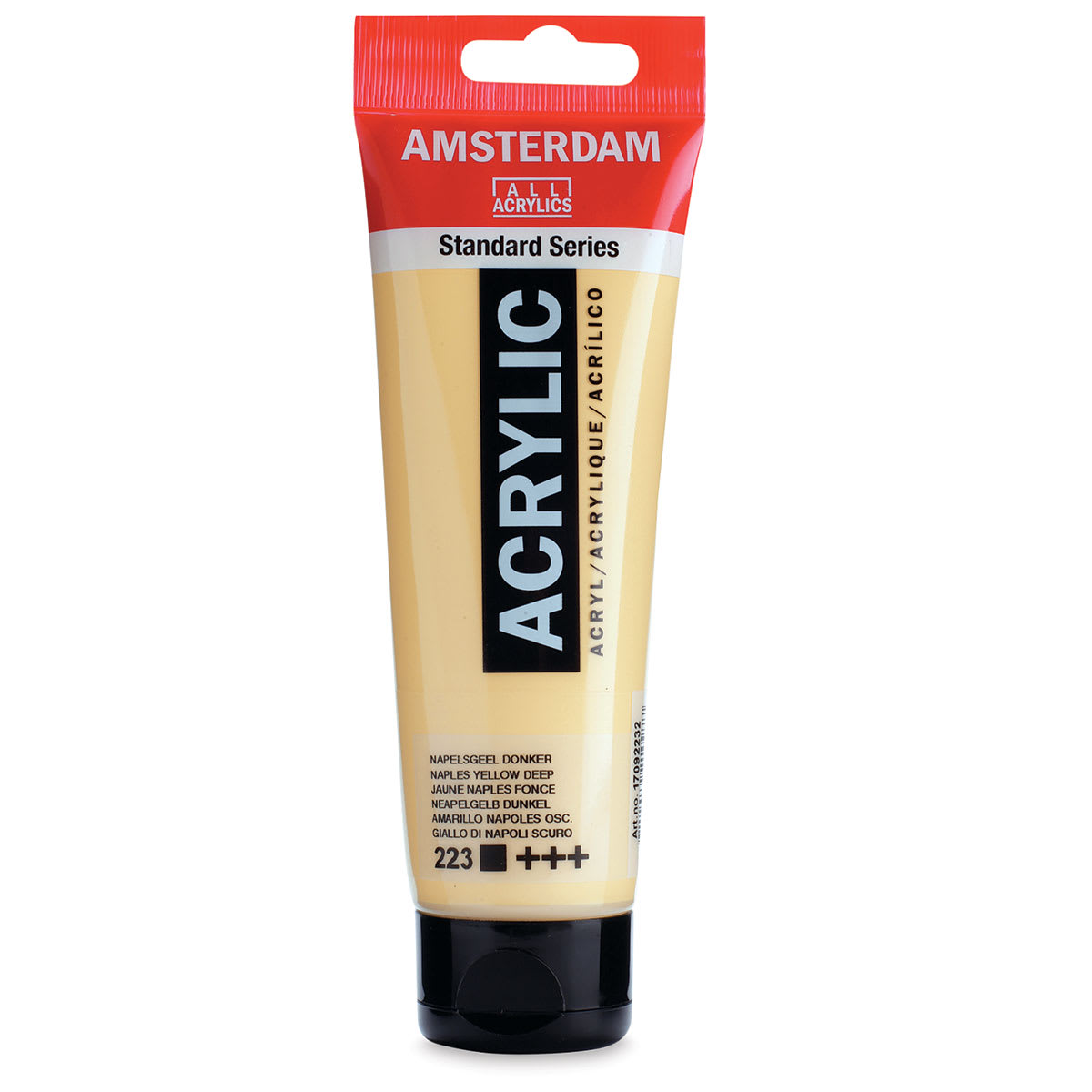
General reference notes about pigments can describe other media (such as oil). They do not verify this product’s exact formulation or behavior.
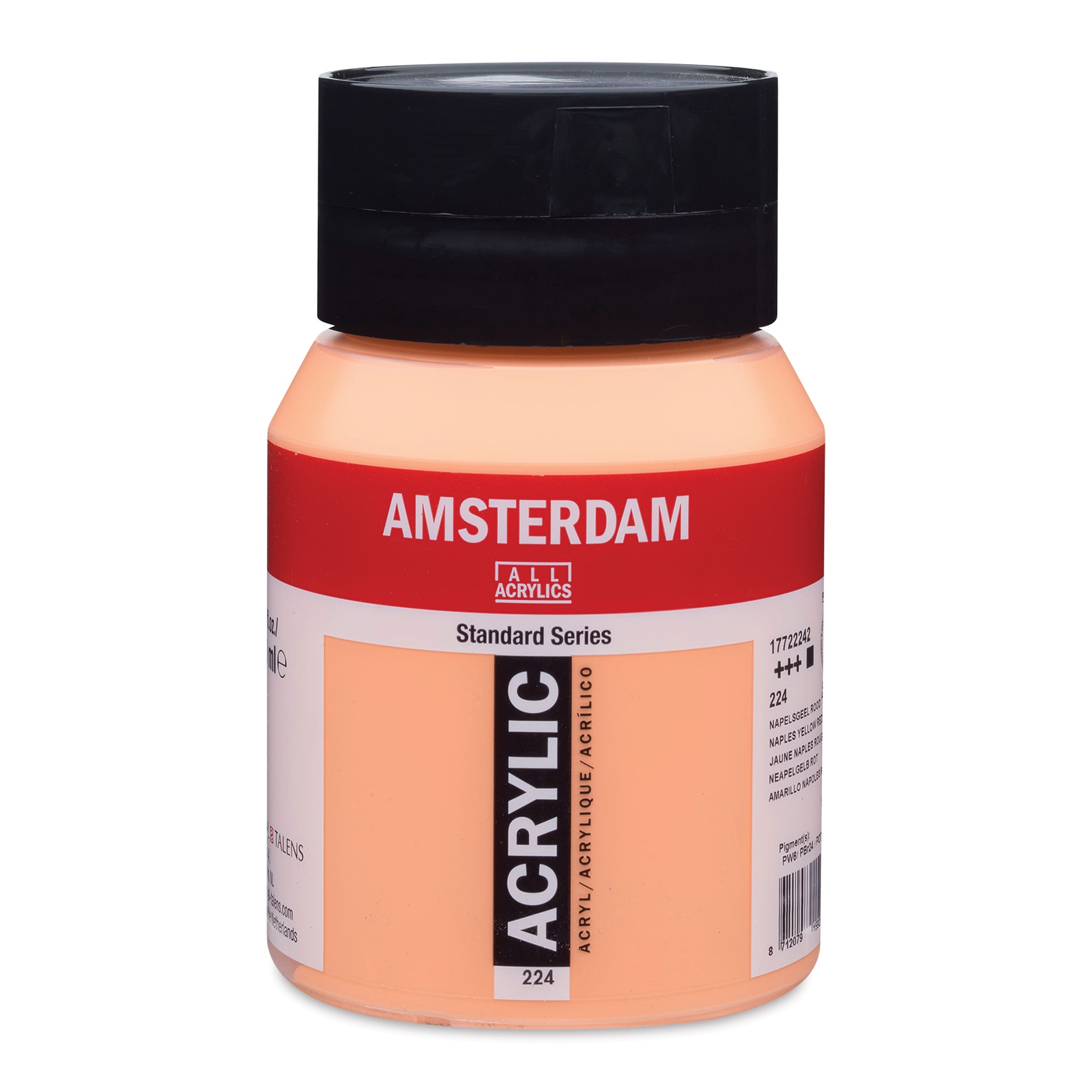
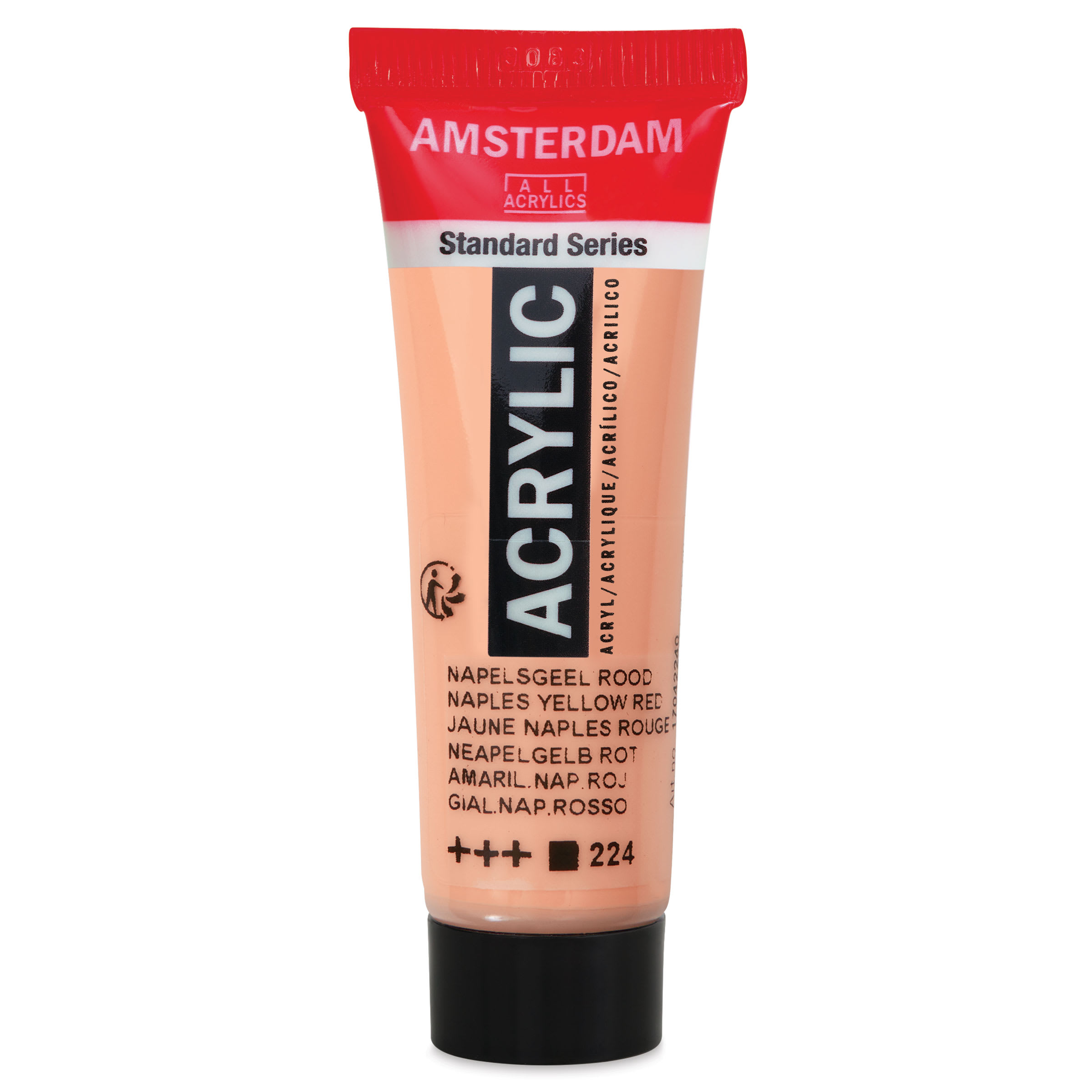
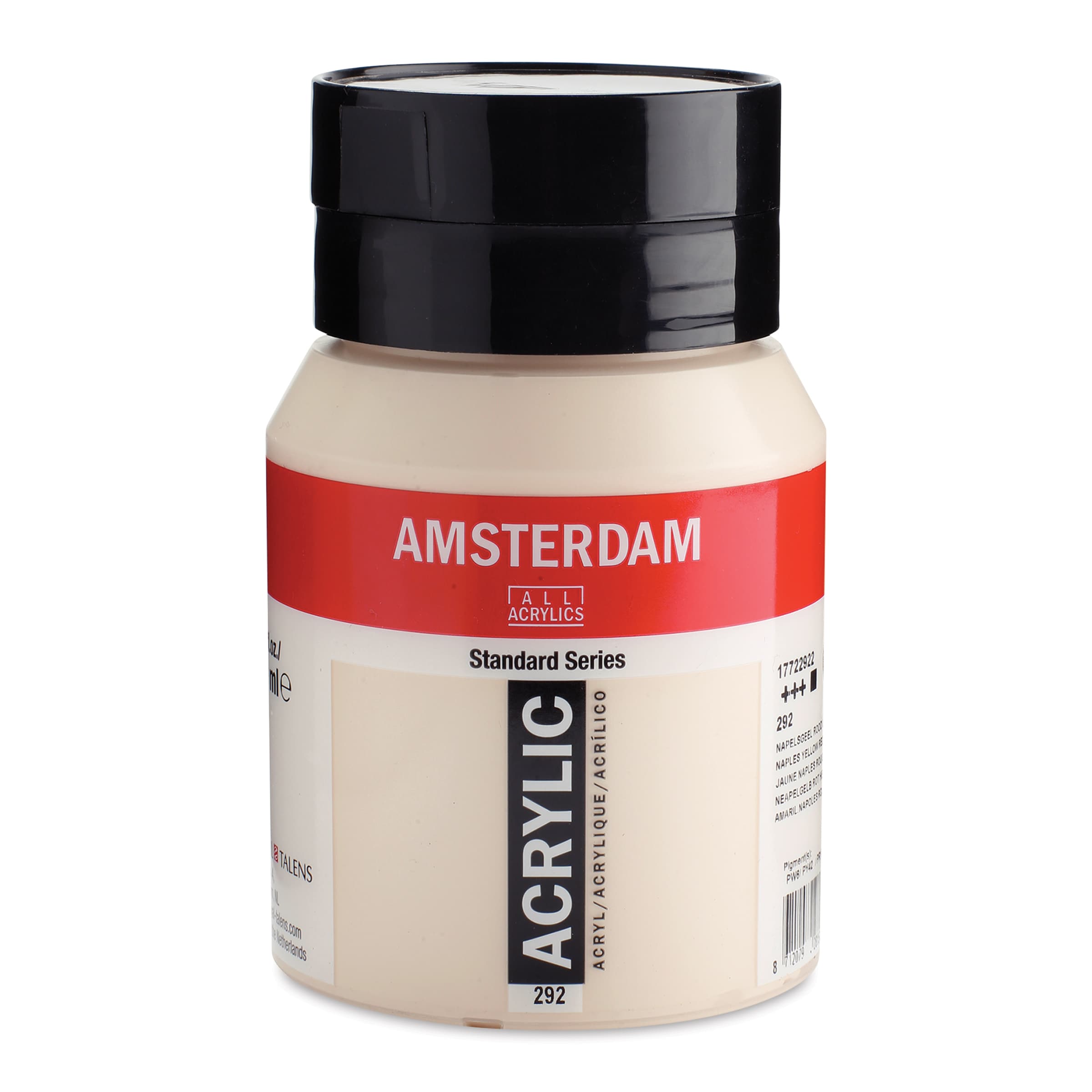
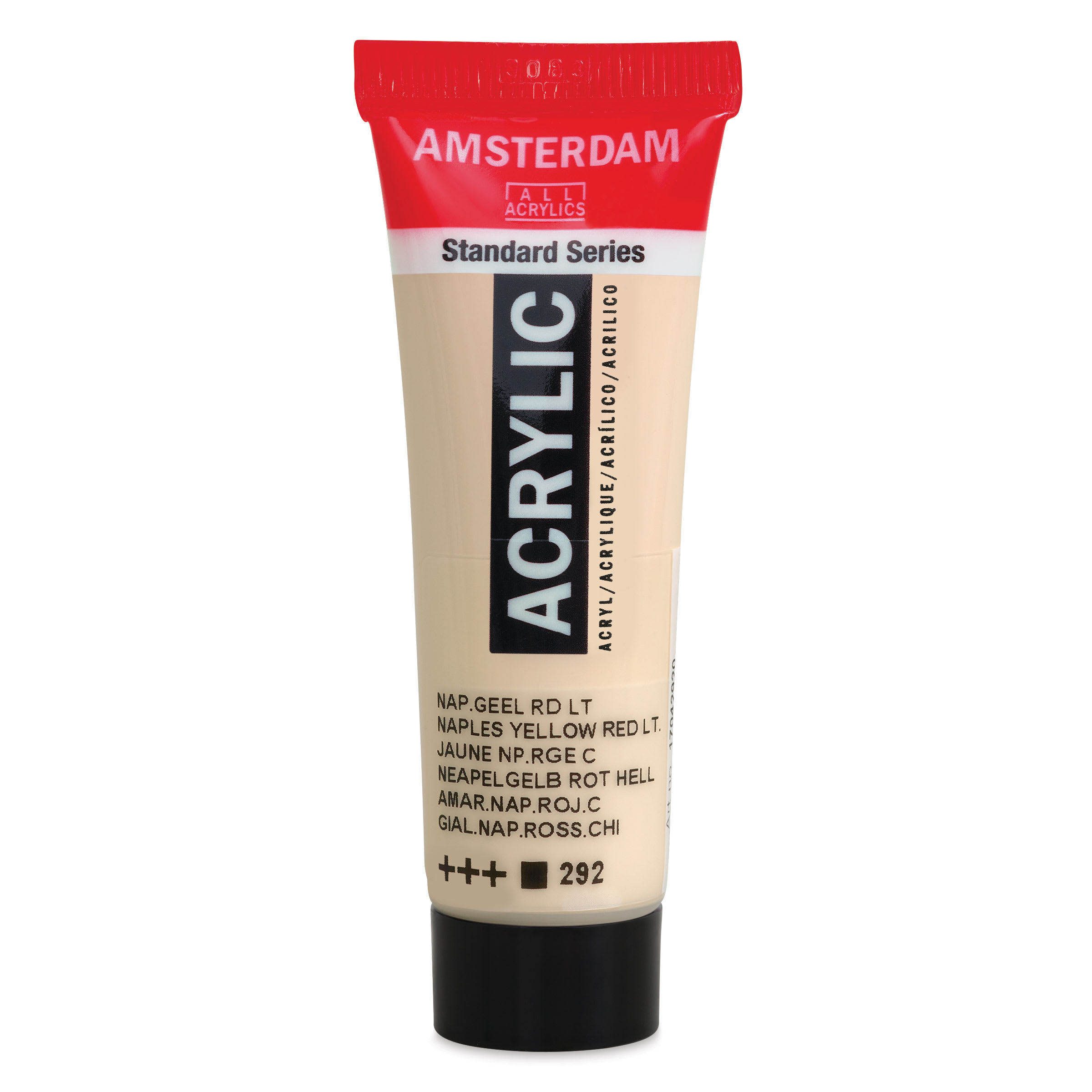
Chrome Antimony Titanate
- Pigment code
- PBr24
- Type
- inorganic
- Chemical name
- chrome antimony titanate
- Properties
- Chrome Antimony Titanate is a staining, opaque yellowish brown pigment. It is often used to replace the original Naples Yellow or Chrome Yellow, both of which are highly toxic pigments.
- Permanence
- Chrome Antimony Titanate has excellent lightfastness and weatherfastness.
- Toxicity
- Chrome Antimony Titanate has negligible acute toxicity. In testing with rabbits, it was shown to be minimally irritating to the skin and eyes. Since it has the hexavalent structure of a chromium yellow, whether Chrome Antimony Titanate is a potential carcinogen.
- History
- Chrome Antimony Titanate is used in ceramics, plastics, and industrial coatings.
- Description
- Chrome Antimony Titanium Buff Rutile, Chrome Titanate, Chrome Titanate Brown
Transparent Pyrrole Orange
- Pigment code
- PO73
- Type
- organic, aminoketone
- Chemical name
- dipyrrolopyrrol
- Properties
- Transparent Pyrrole Orange is a yellow-shade orange with optimum performance; high saturation and excellent durability, excellent bleed resistance, and intrinsic strength coupled with good opacity and moderate rheology. It is semi-opaque, less opaque than Cadmium Orange.
- Permanence
- Transparent Pyrrole Orange has been demonstrated to have excellent stability and lightfastness in automotive applications.
- Toxicity
- The Australian government's Department of Health and Aging, reported in its Summary Report: NA/238 that "Irgazin DPP Orange 16AOA is likely to be of low oral and dermal toxicity in humans and to be non irritating or very slightly irritating to the ey
- History
- Irgazin Orange was developed as a lead-free alternative opaque orange pigment. It is used in decorative, industrial, and automotive applications, often to color plastics and polymers.
- Description
- Irgazin Orange, Bright Orange, Aritint Ornage, Unisphere DPP Orange, Dipyrrolopyrrol Orange
Titanium White
- Pigment code
- PW6
- Type
- inorganic
- Chemical name
- titanium dioxide
- Chemical formula
- TiO2
- Properties
- Titanium White is the most brilliant of the white pigments. It is considered an all purpose oil color useful in all techniques and the best all around white. Its masstone is neither warm nor cool, placing it somewhere between Lead White and Zinc White. It is less prone to cracking and yellowing than Lead White, but it still yellows easily. Titanium White dries slowly in oil form, more slowly than Lead White but more quickly than Zinc White. It is opaque in oil and acrylic forms and semi-opaque in watercolor form. This pigment has good chemical stability, and its tinting strength is superior to both Lead White and Zinc White.
- Permanence
- Titanium White has excellent permanence and lightfastness.
- Toxicity
- Titanium dioxide is highly stable and is regarded as non-toxic.
- History
- Titanium is the ninth most abundant element in the Earth's crust, however mineral deposits that are economical to mine are less common. Titanium dioxide was first discovered in 1821, although it could not be mass produced until 1919. Widespread use of the pigment began in the 1940s. Since that time, it has become the most commonly used white pigment. The name comes from the Latin word Titan, the name for the elder brother of Kronos and ancestor of the Titans, and from the Greek word tito, meaning day or sun.
 Blick Art Materials