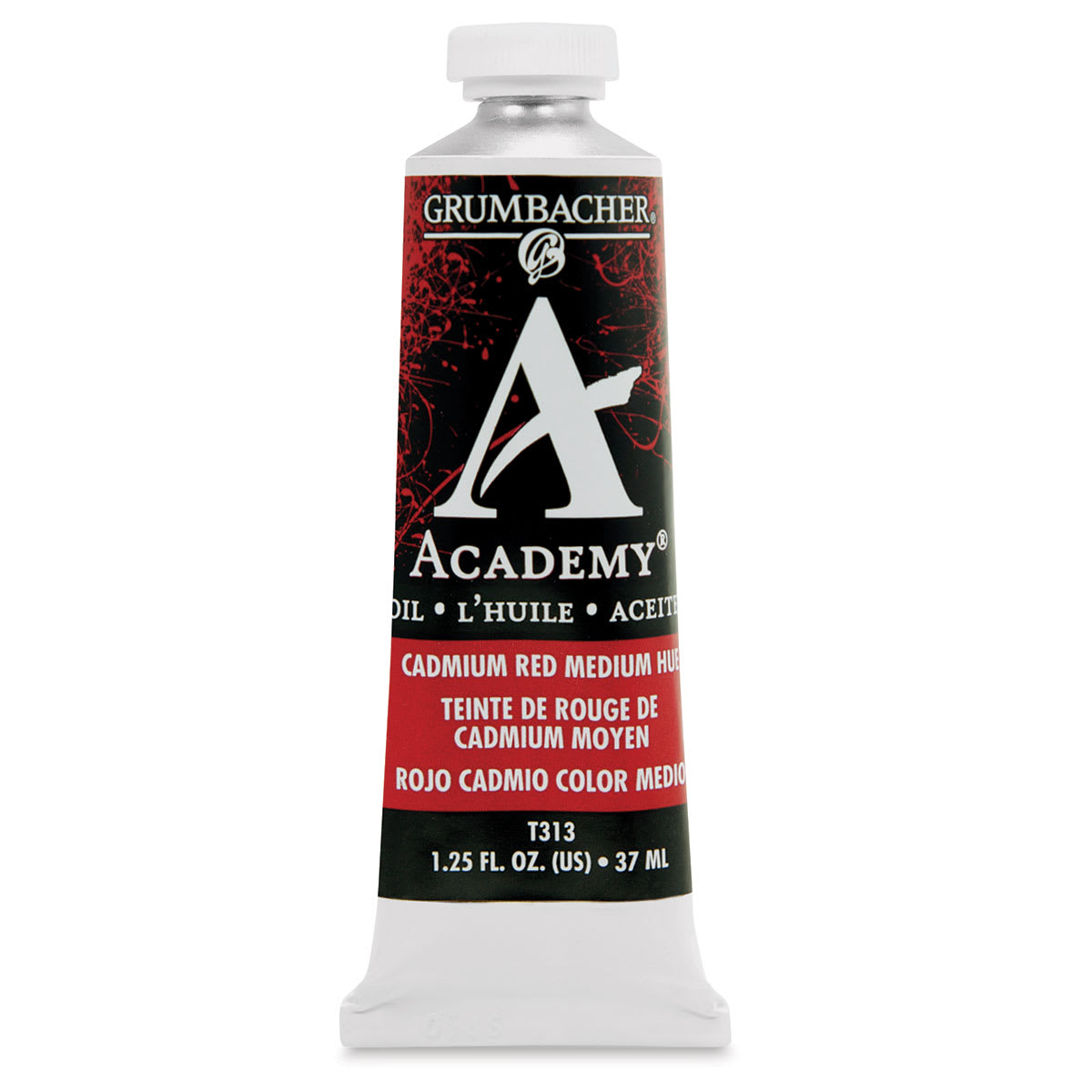
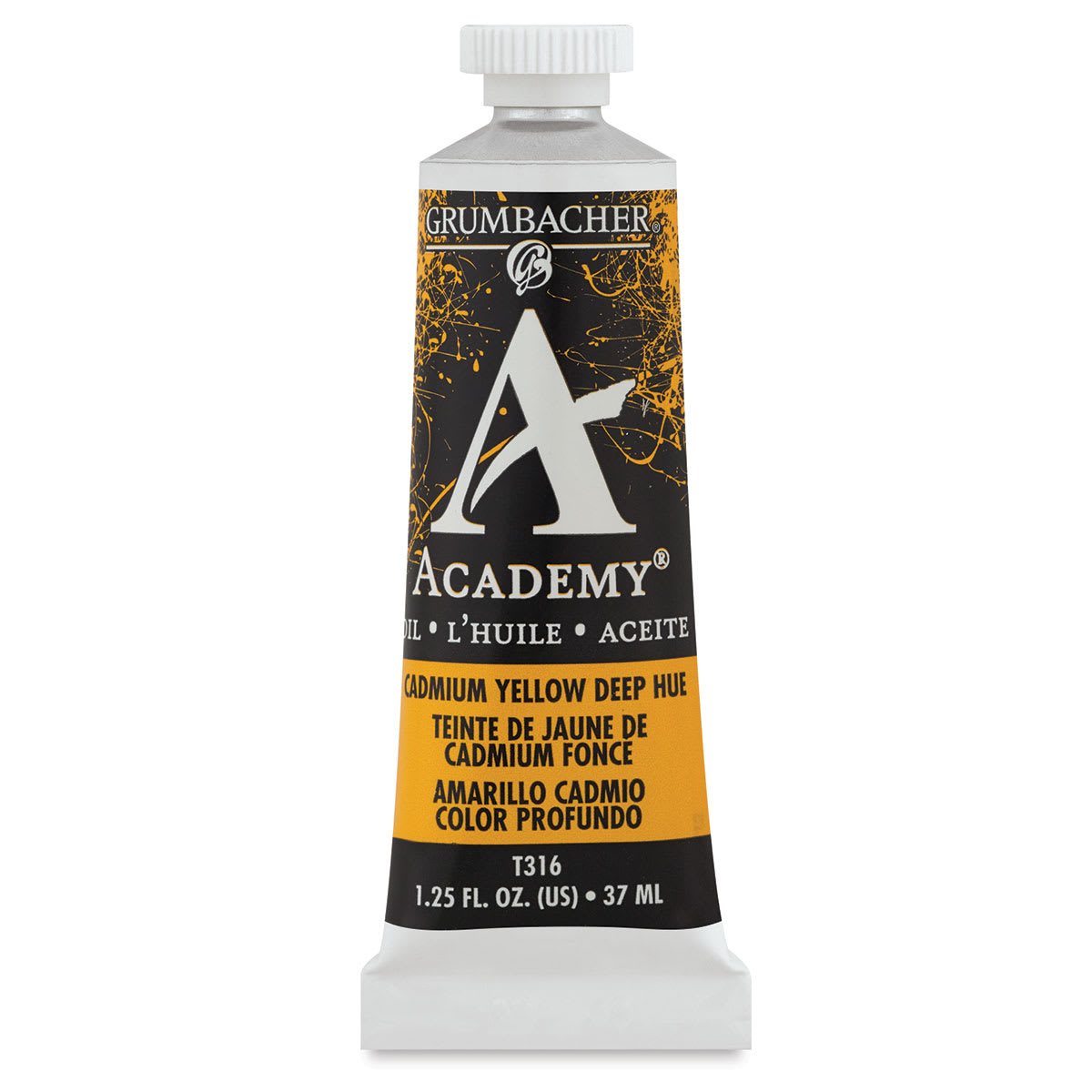
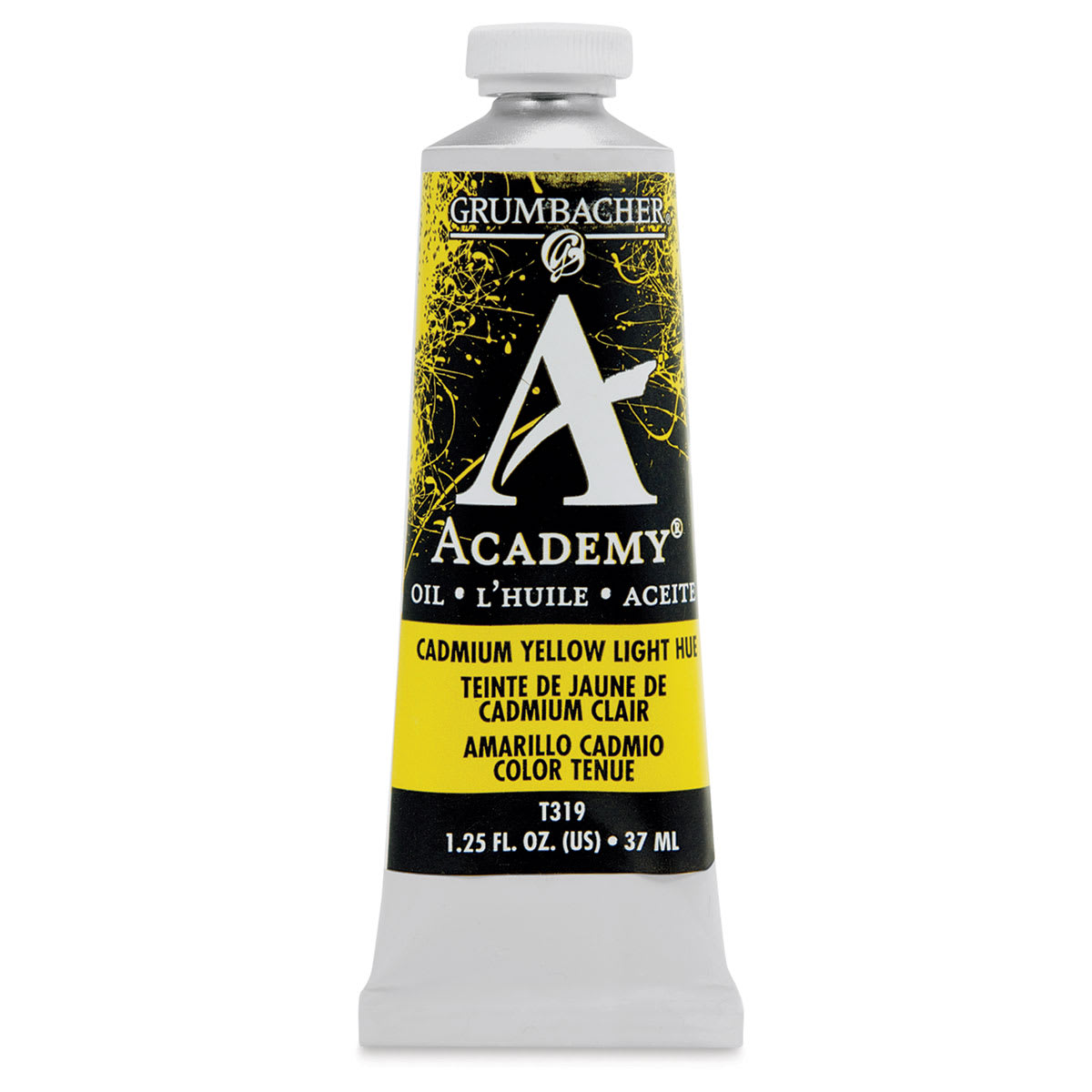
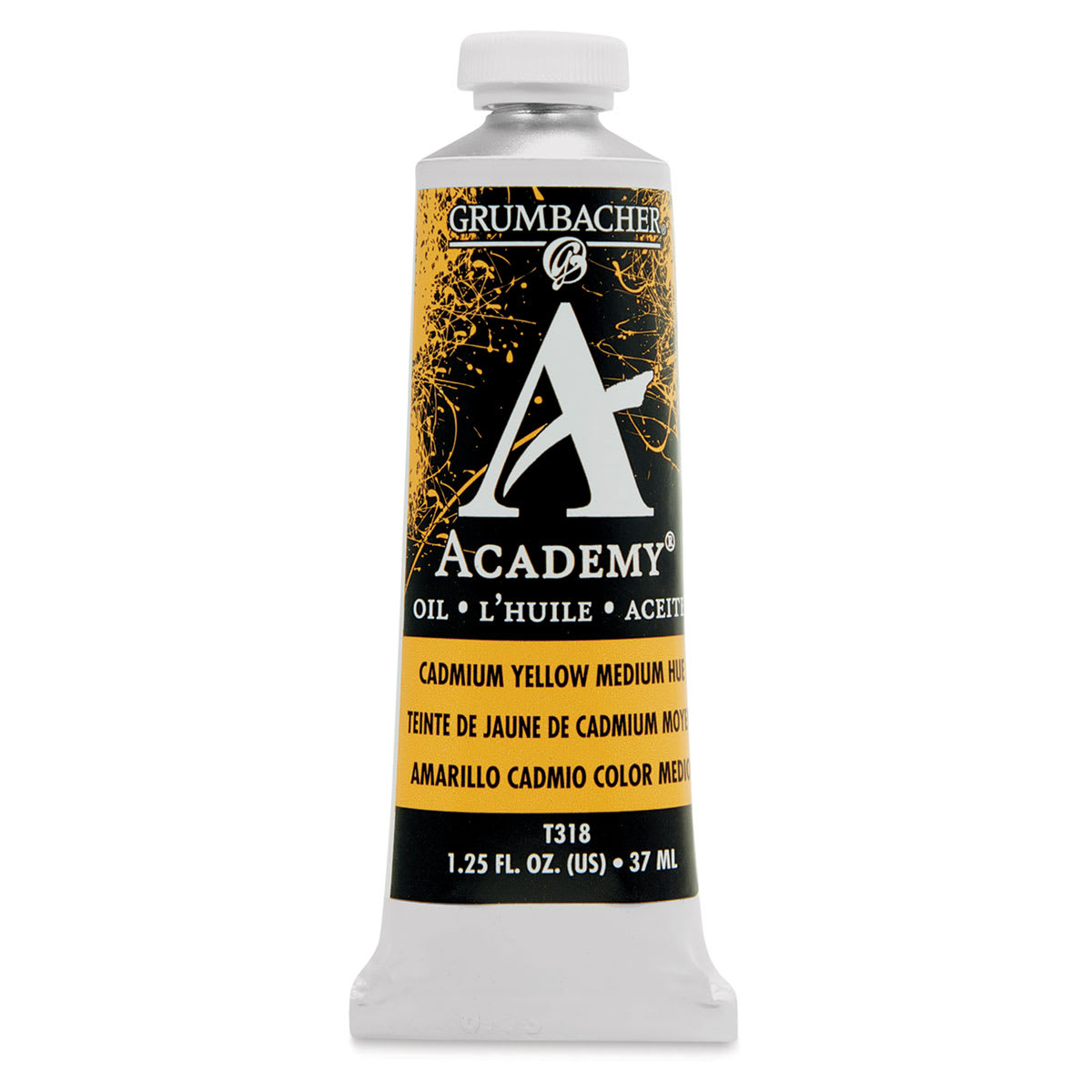
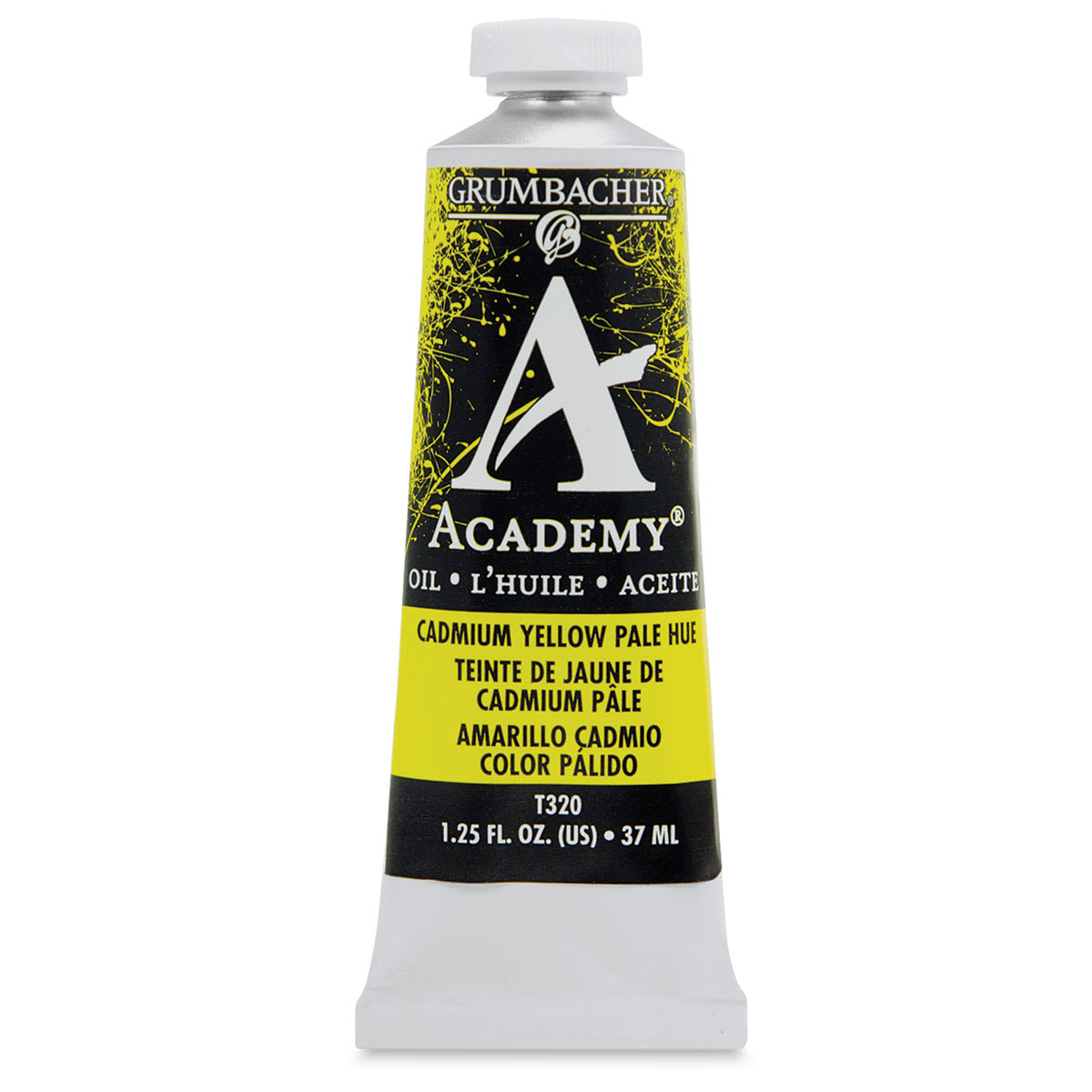
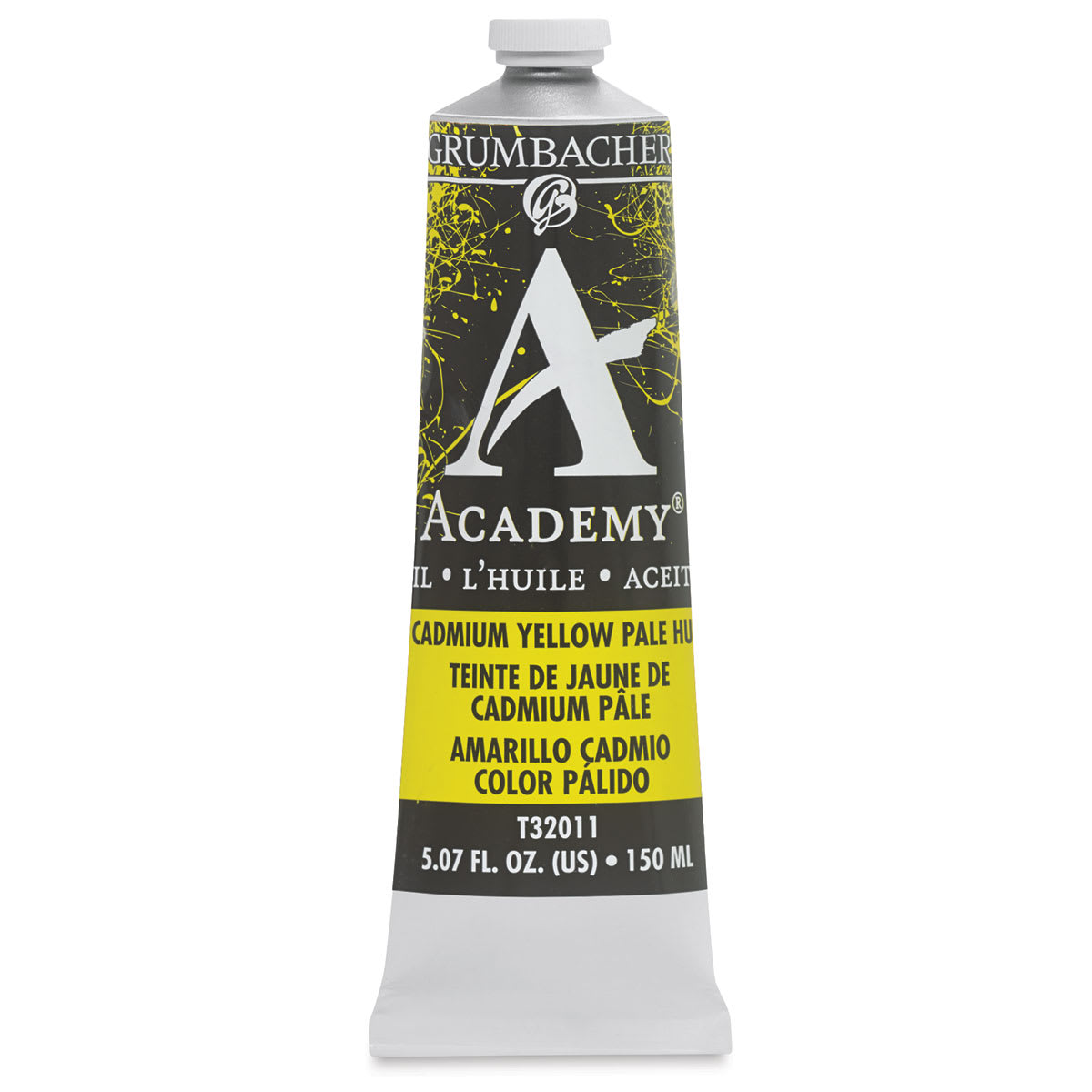
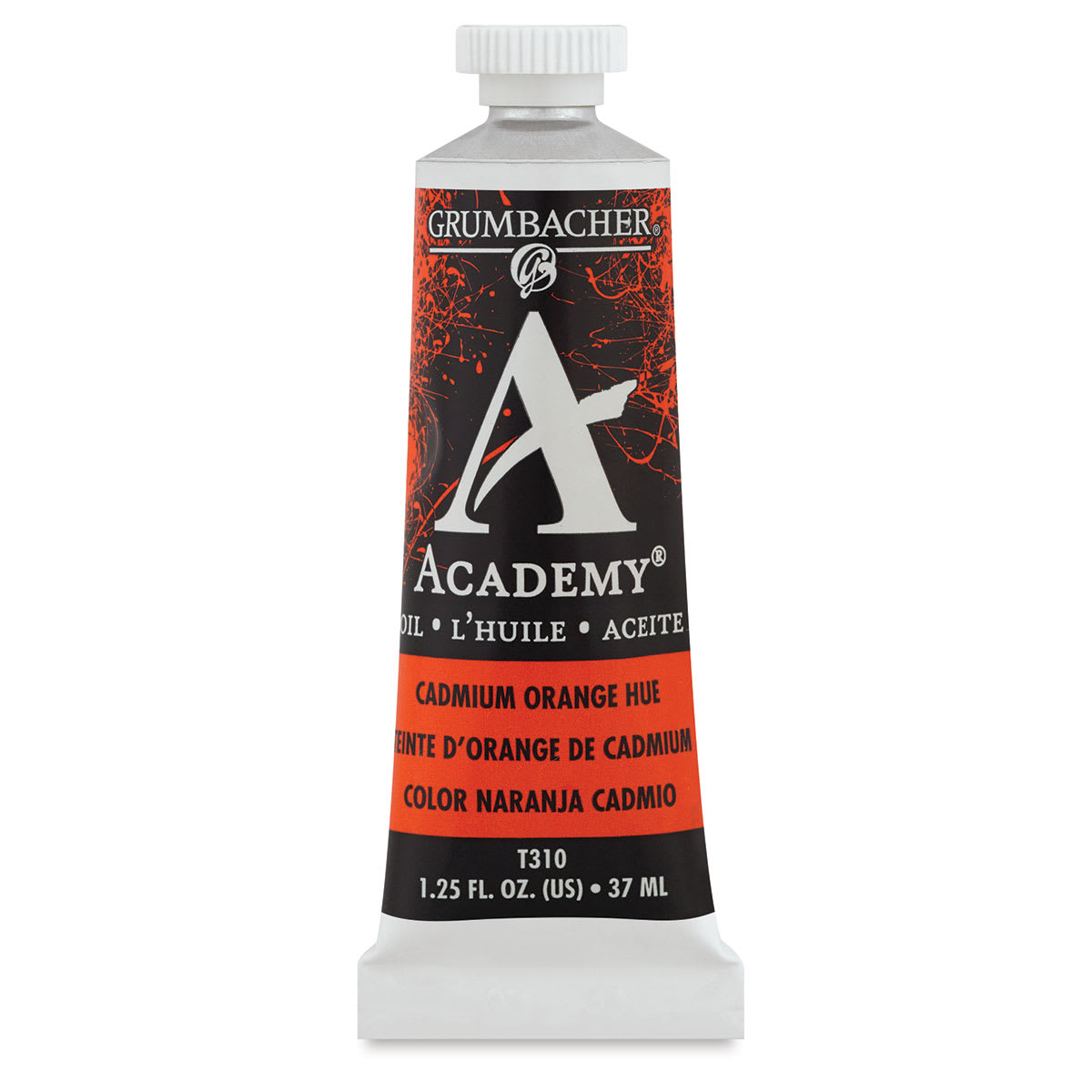
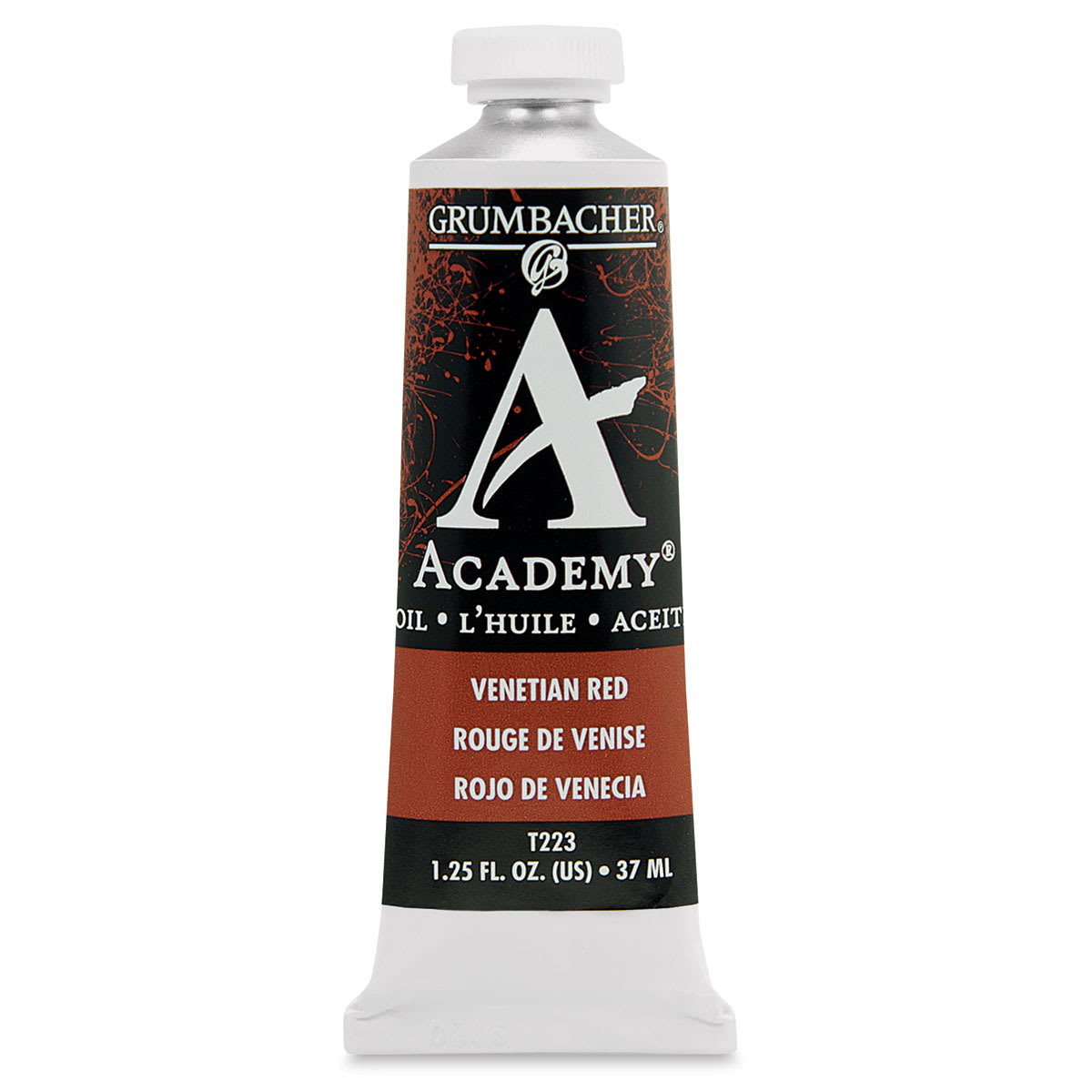
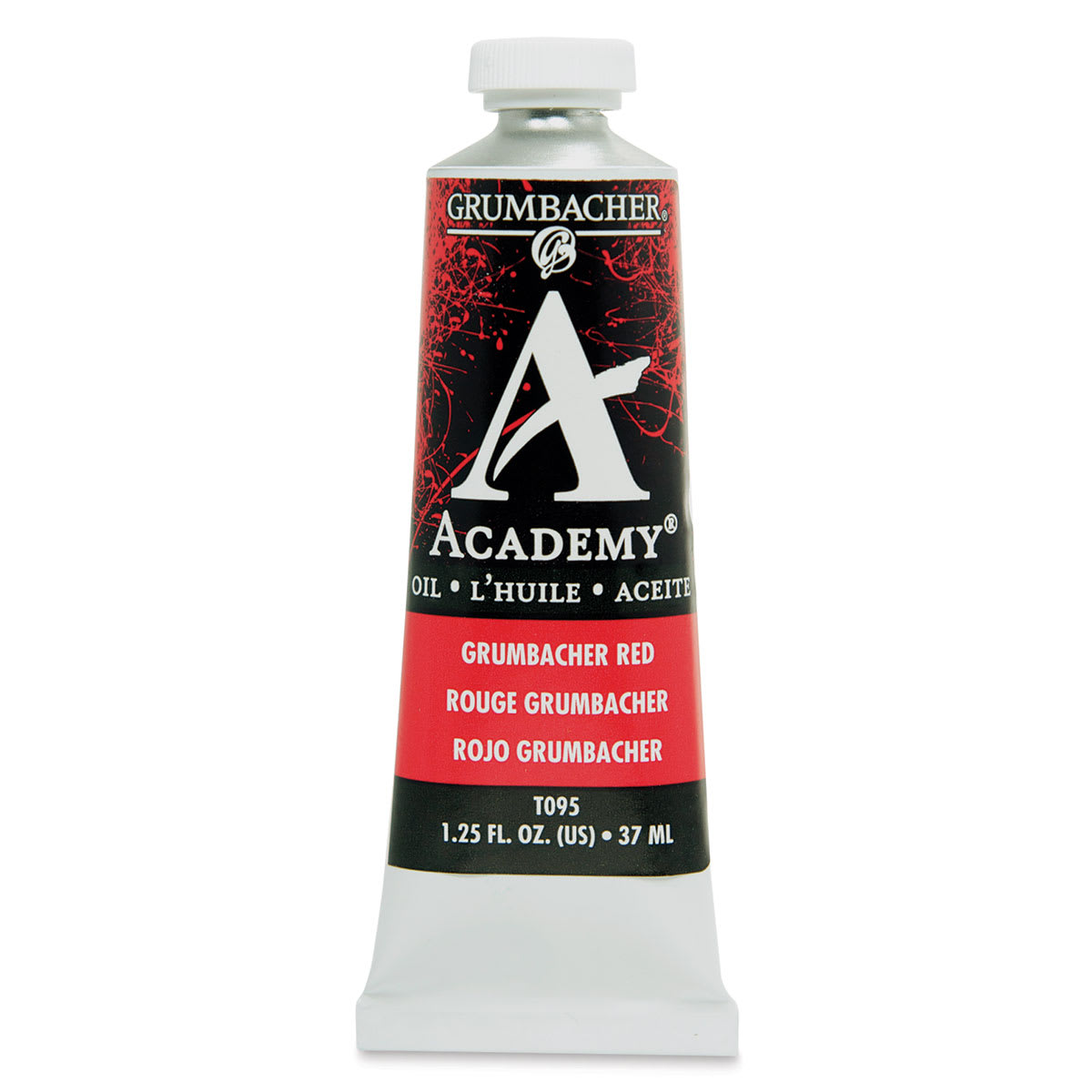
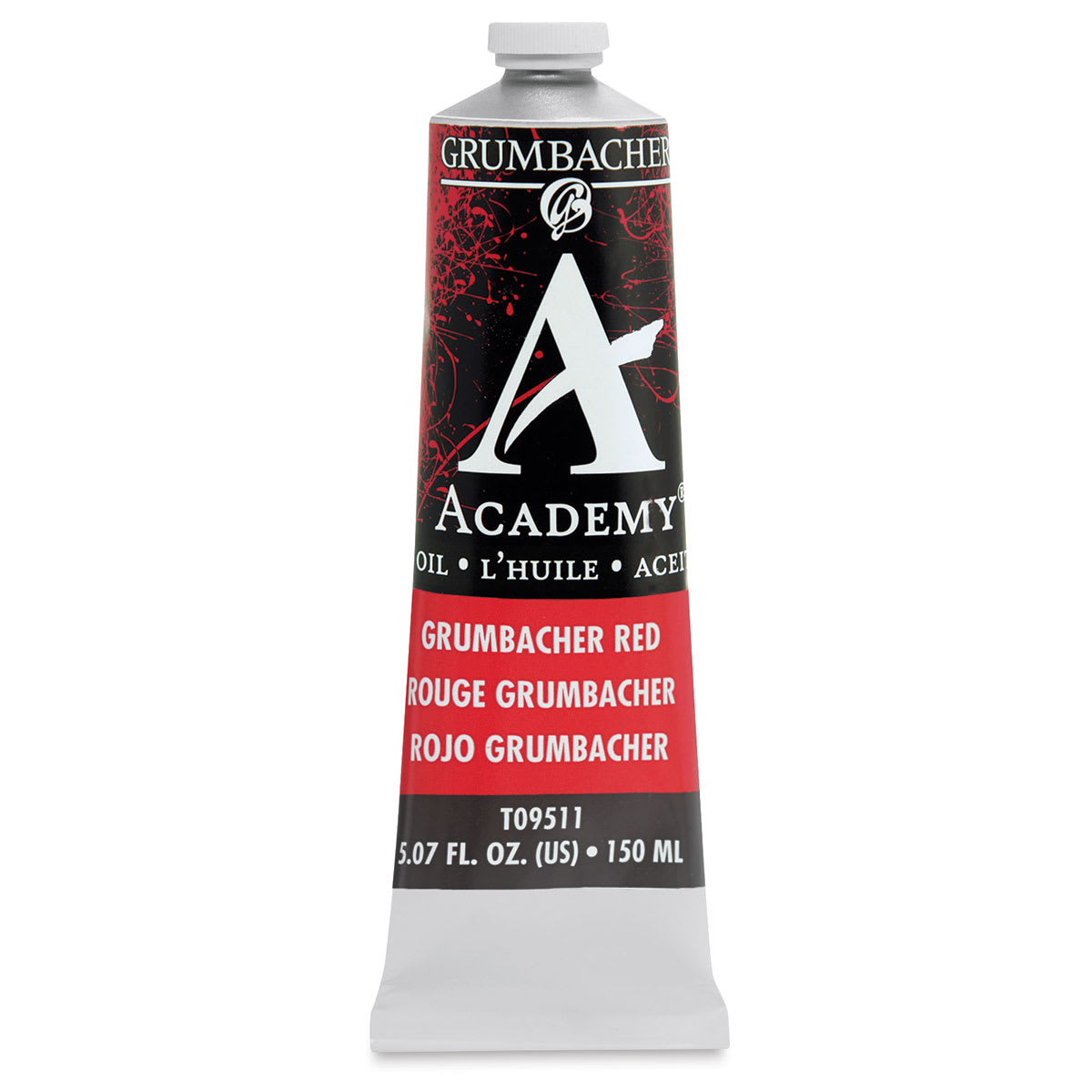
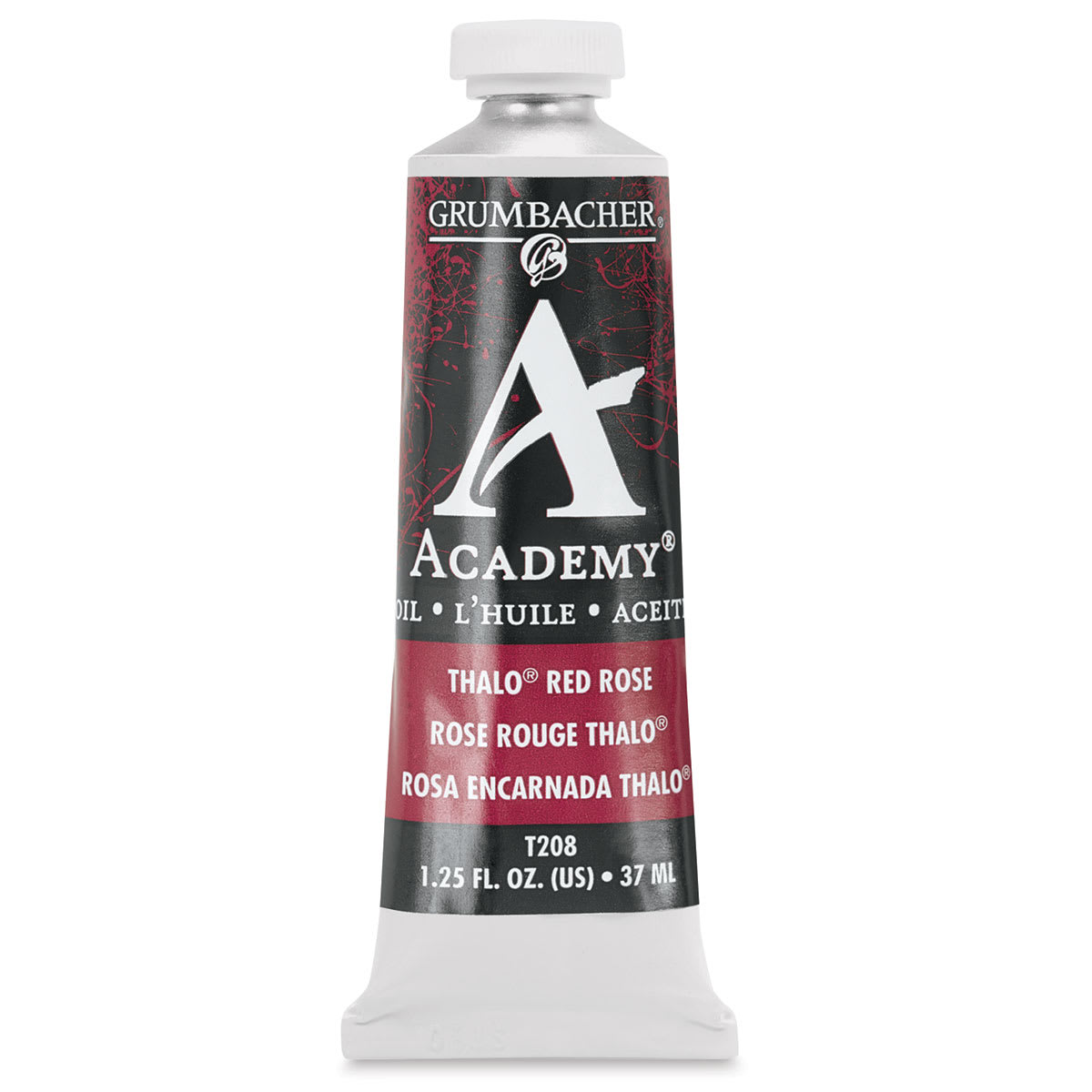
General reference notes about pigments can describe other media (such as oil). They do not verify this product’s exact formulation or behavior.
Naphthol Red
- Pigment code
- PR170
- Type
- organic, naphthol AS
- Chemical formula
- C26H22N4O4
- Properties
- Pigment PR170 is a bright deep red with bluish undertones. It has an average drying time. It has two crystaline forms that differ significantly in opacity. The more transparent form (F5RK) tends to be more bluish and is less lightfast.
- Permanence
- The lightfastness and weatherfastness of Pigment PR170 varies, depending on the application and the crystaline form. The opaque form (F3RK) has very good lightfastness, and is more weather resistant. The transparent form (F5RK) has lightfastness that is considered acceptable in pure applications, but it fades more in tints. Neither form is considered suitable for exterior use.
- Toxicity
- Naphthol Reds are not considered toxic. They may cause eye, skin, or respiratory irritation. Contact with dry pigment should be avoided.
- History
- Naphthol pigments are actually dyes that are "laked" to form pigments. First developed by the German chemical company Hoechst A.G. before World War I, their use in artist paints began in the 1920s. Pigment Red PR170 is a Naphthol AS pigment, chemically related to the diarylide yellow pigments. The Naphthol AS pigments comprise a range of reds. They are used in plastics, textiles, and printing inks.
- Description
- Naphthal, Naphthol Bordeaux, Naphthol Carbamide, Naphthol Carmine, Permanent Carmine, Naphthol Crimson, Permanent Red, Permanent Red F3RK (more opaque), Permanent Red F5RK (more transparent).
Hansa Yellow
- Pigment code
- PY74
- Type
- monoazo
- Chemical formula
- C18H18N4O6
- Properties
- Pigment PY74 is one of the most commercially important pigments of the Hansa Yellow group, considered superior to many others in its class based on both tinting strength and lightfastness. Several PY74 grades with different particle sizes are available. Grades with finer particle size are more brilliant and transparent. Pigment PY74 ranges from reddish yellow to greenish yellow, with temperature shifts from cool to warm hues. It has high tinting strength and average to slow drying time.
- Permanence
- This Hansa Yellow has better lightfastness that other yellow monoazo pigments, particularly in the darker shades.
- Toxicity
- Hansa Yellow has no significant acute hazards, though its chronic hazards have not been well studied.
- History
- Hansa Yellows were first made in Germany just before WW1 from a series of synthetic dyestuffs called Pigment Yellow. They were intended to be a synthetic replacement for Cadmium Yellow.
- Description
- Arylide, Arylide Yellow, Azo, Brilliant Yellow, Monoazo, Monolite Yellow, Permanent Yellow.
Naphthol Red AS-D
- Pigment code
- PR112
- Type
- organic, monoazo
- Chemical formula
- C24H16Cl3N3O2
- Properties
- This Naphthol Red is an intense scarlet red pigment that is heavily staining. It has an average drying time. It is semi-transparent and has relatively poor covering power.
- Permanence
- This Naphthol Red has been rated as having excellent lightfastness under ASTM testing, but other testing methods have demonstrated some tendancy for the color to fade with exposure to strong ultraviolet light. It has been considered a replacement for less lightfast naphthol reds such as PR3. Not suitable for exterior use.
- Description
- Naphthal, Naphthol Bordeaux, Naphthol Carbamide, Naphthol Carmine, Permanent Carmine, Permanent Red, Fanchon Red.
Perylene Red
- Pigment code
- PR149
- Type
- organic, anthraquinone
- Chemical formula
- C40H26N2O6
- Properties
- Perylene Red is a moderately intense, semi-opaque, medium red pigment, appearing somewhere between a Cadmium Red and a Cadmium Deep Red hue. It has excellent brightness and tinting strength. Its partial transparency makes it useful as a glazing color.
- Permanence
- Perylene Red has good lightfastness and permanence. Its tints may darken after extended exposure to sunlight. It is not considered suitable for exterior use.
- Toxicity
- Perylene Red has no significant acute toxicity. Its long term hazards are currently unknown.
- History
- Perylenes have been used as vat dyes since 1912, but they were not manufactured and sold as pigments until 1957. For artists, they are a replacement for historic colors that were made with berries, and are significantly more lightfast.
- Description
- Perylene Scarlet
Red Iron Oxide
- Pigment code
- PR101
- Type
- earth, synthetic
- Chemical name
- iron oxides (synthetic), iron oxide, silica, alumina, lime, and magnesia or hydrated iron oxide
- Chemical formula
- Fe2O2 or Fe2O3 x H2O
- Properties
- Red iron oxide varies in hue and transparency, depending on hydration and slight impurities. Indian Red is a slightly duller, deep brick hue with a bluish undertone. It is very dense and opaque, with excellent tinting strength and covering power. It is dependable when mixing with all other permanent pigments and yields good flesh tints when mixed with Zinc White. It is the synthetic version of PR102, which is a pigment made from earth reds, or natural red iron oxides, and the names applied to PR101 and PR102 often overlap. The synthetic red iron oxides have mostly replaced natural red iron oxides and are brighter, stronger, finer, and more permanent. Indian Red is the highest grade bluish shade. Light Red, English Red, and Venetian Red are yellowish shades. Mars Violet is a dull and subdued bluish or purplish oxide.
- Permanence
- Red iron oxide is very lightfast with excellent permanence.
- Toxicity
- Red iron oxide has no significant hazards.
- History
- Natural red iron oxide comes from the mineral ore hematite, called bloodstone by the ancient Greeks from the word hema, meaning blood. It is one of the oldest pigments, has been used by every major civilization, and was an important mineral for medieval alchemists. It was not widely used in artists' materials until the 17th century and was not produced in large quantities until the 18th century.
- Description
- Indian Red, Colcothar, English Red, Light Red, Mars Red, Mars Violet, Morelle Salt, Pompeian Red, Indian Red, Red Oxide, Sinopia, Spanish Red, Terra Rosa, Tuscan Red, Venetian Red, Venice Red.
 Blick Art Materials