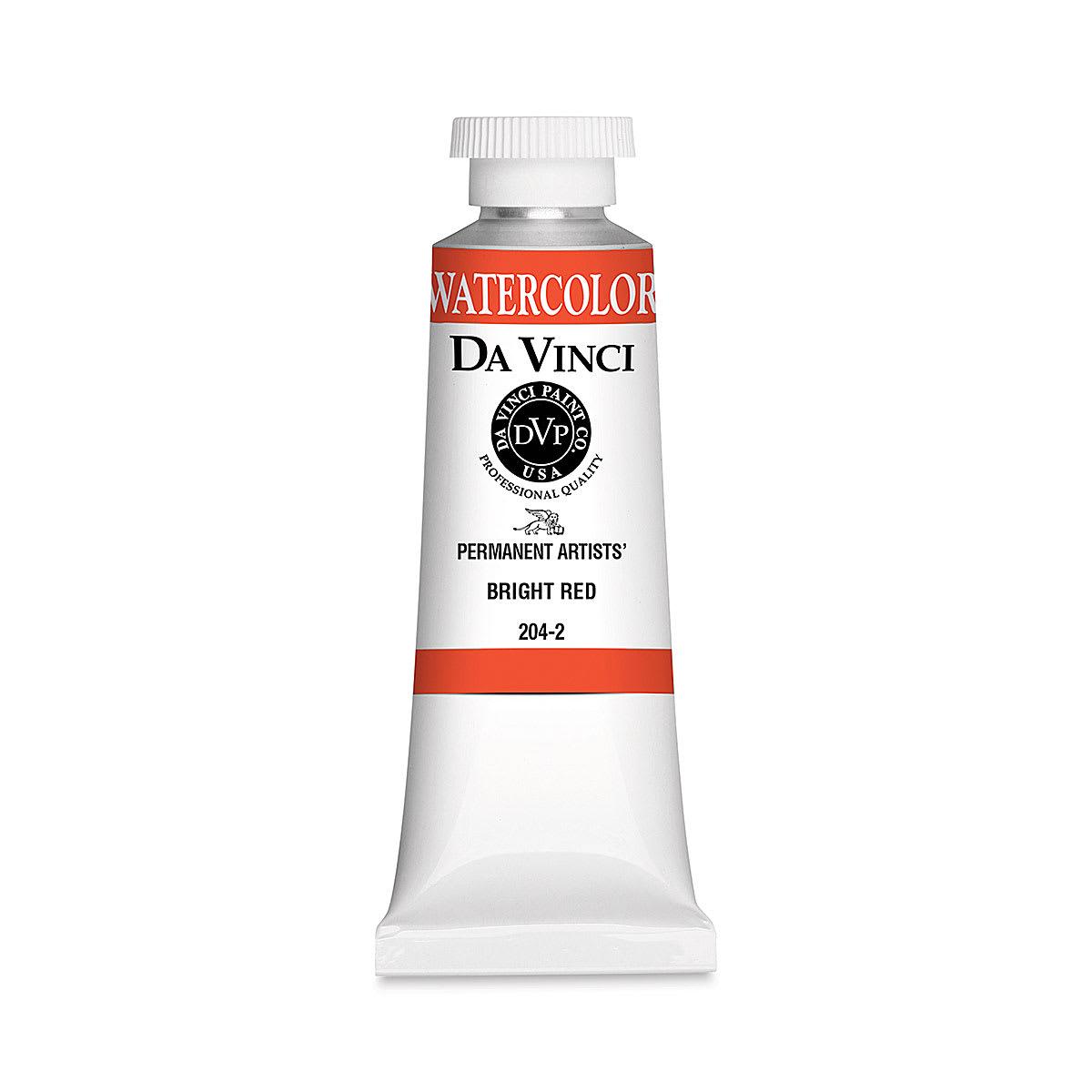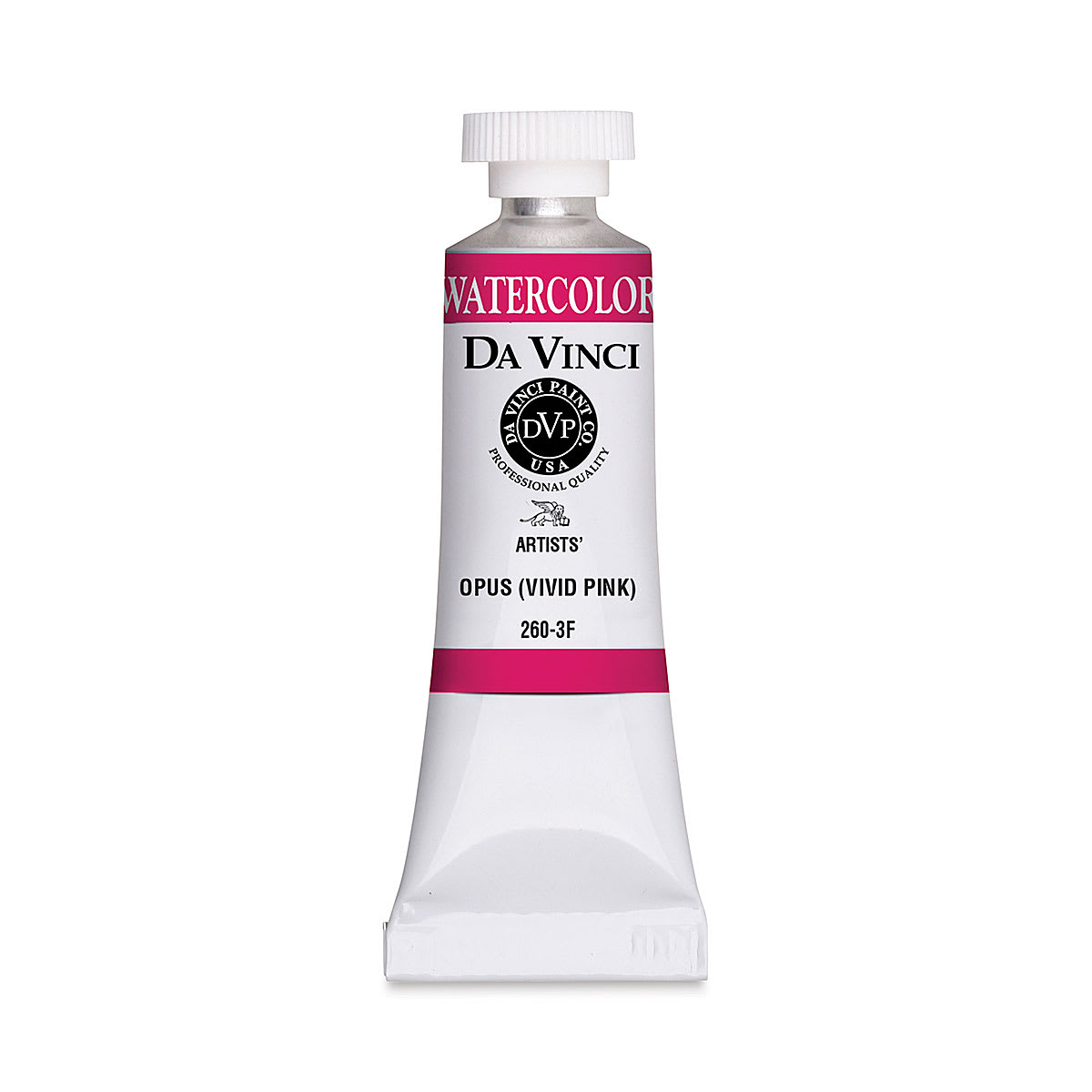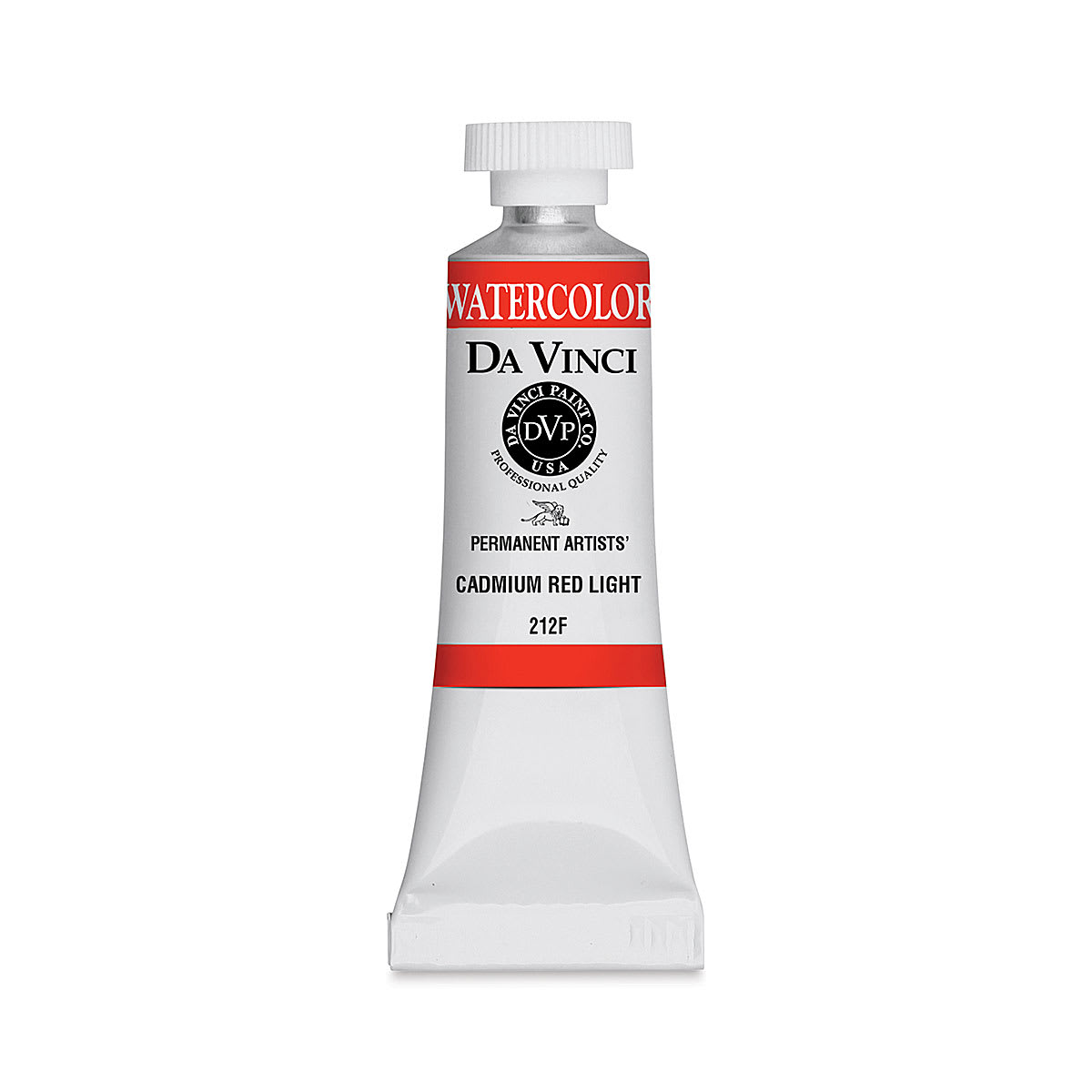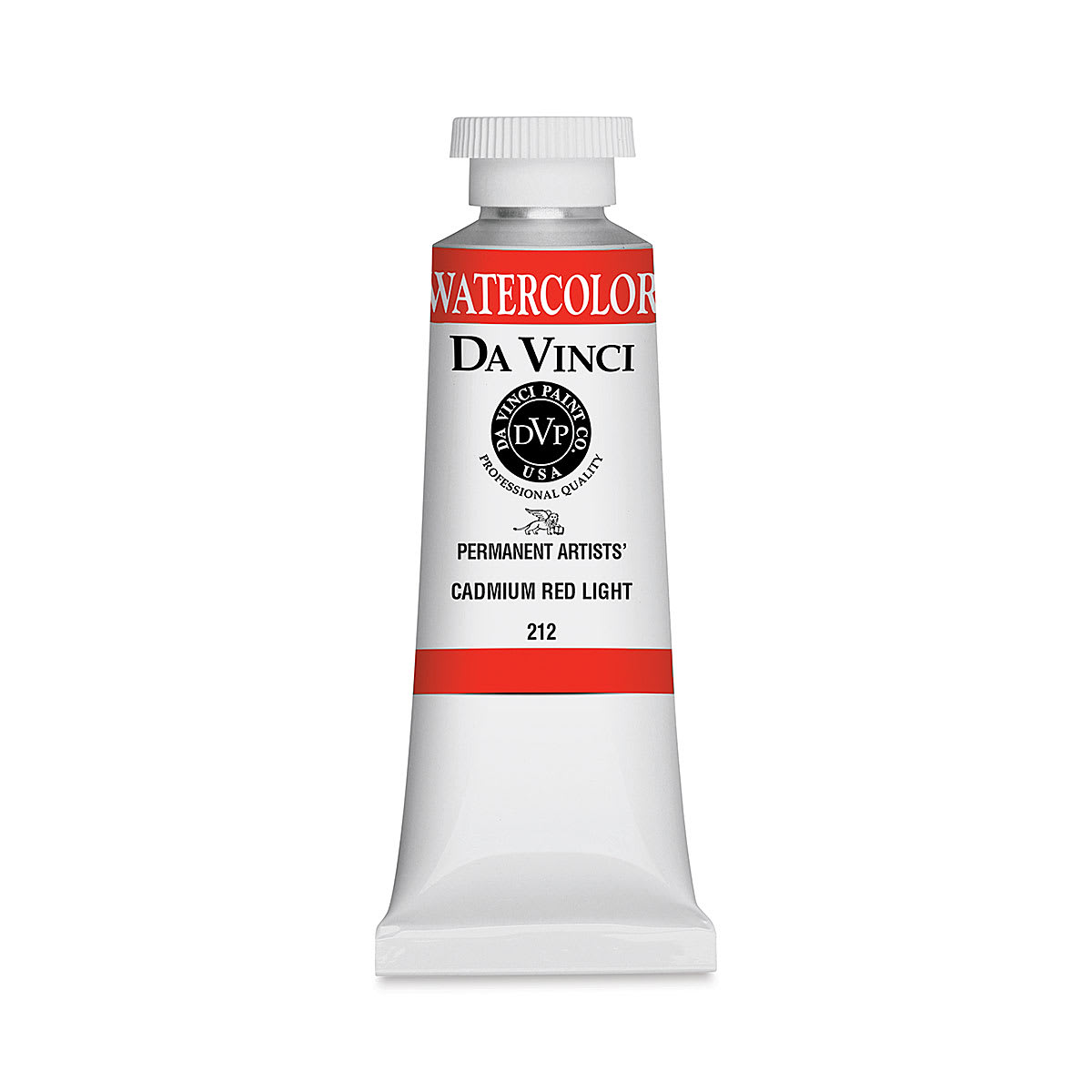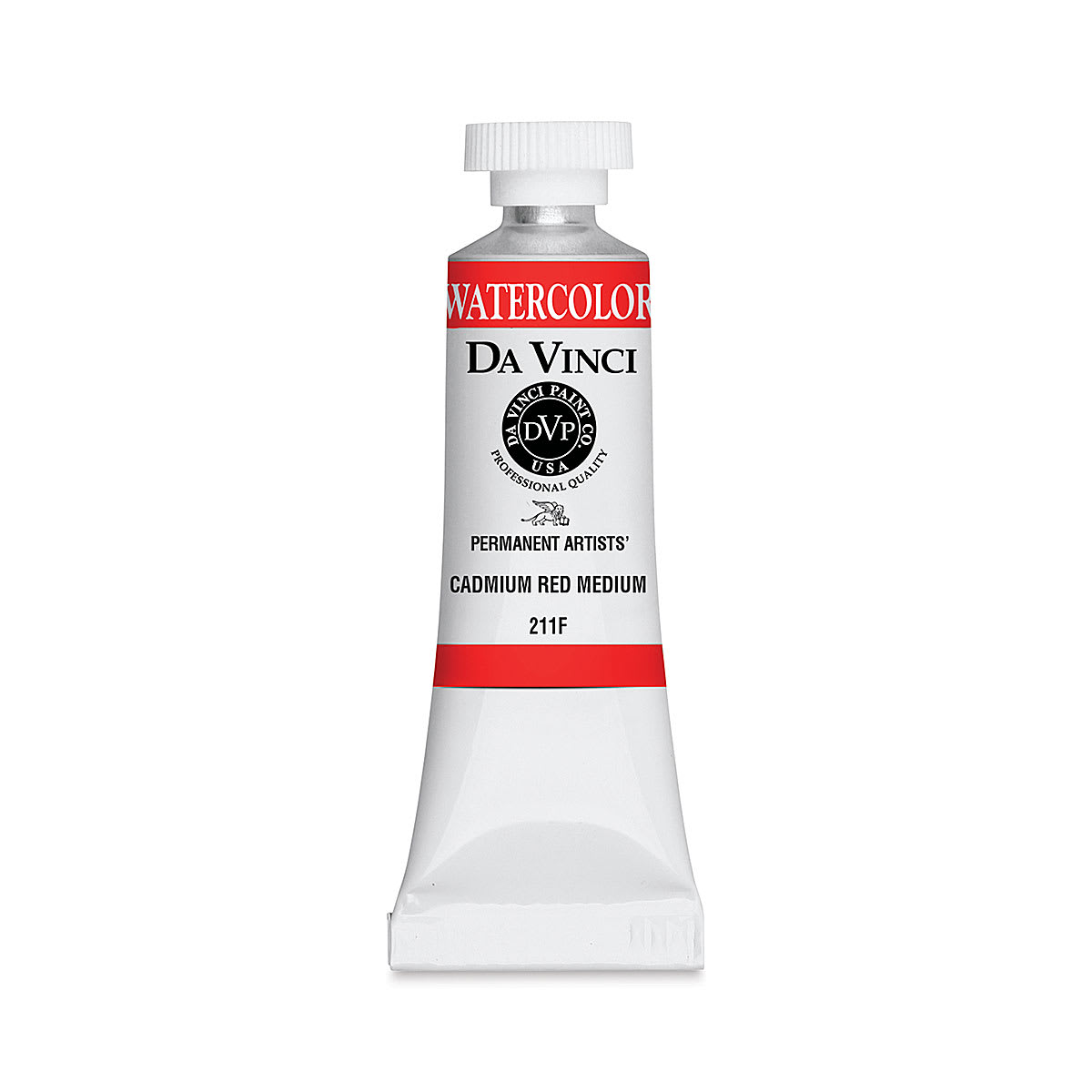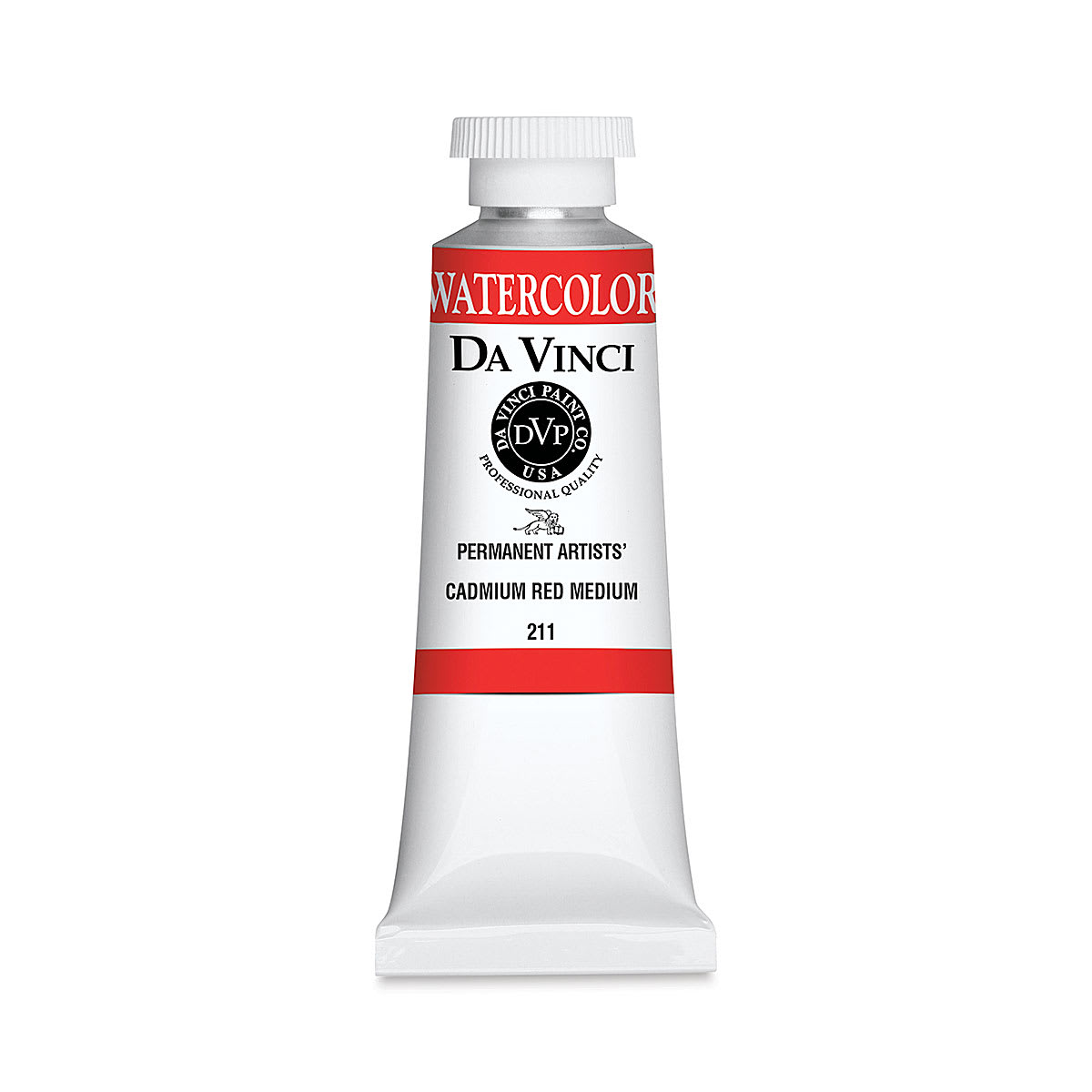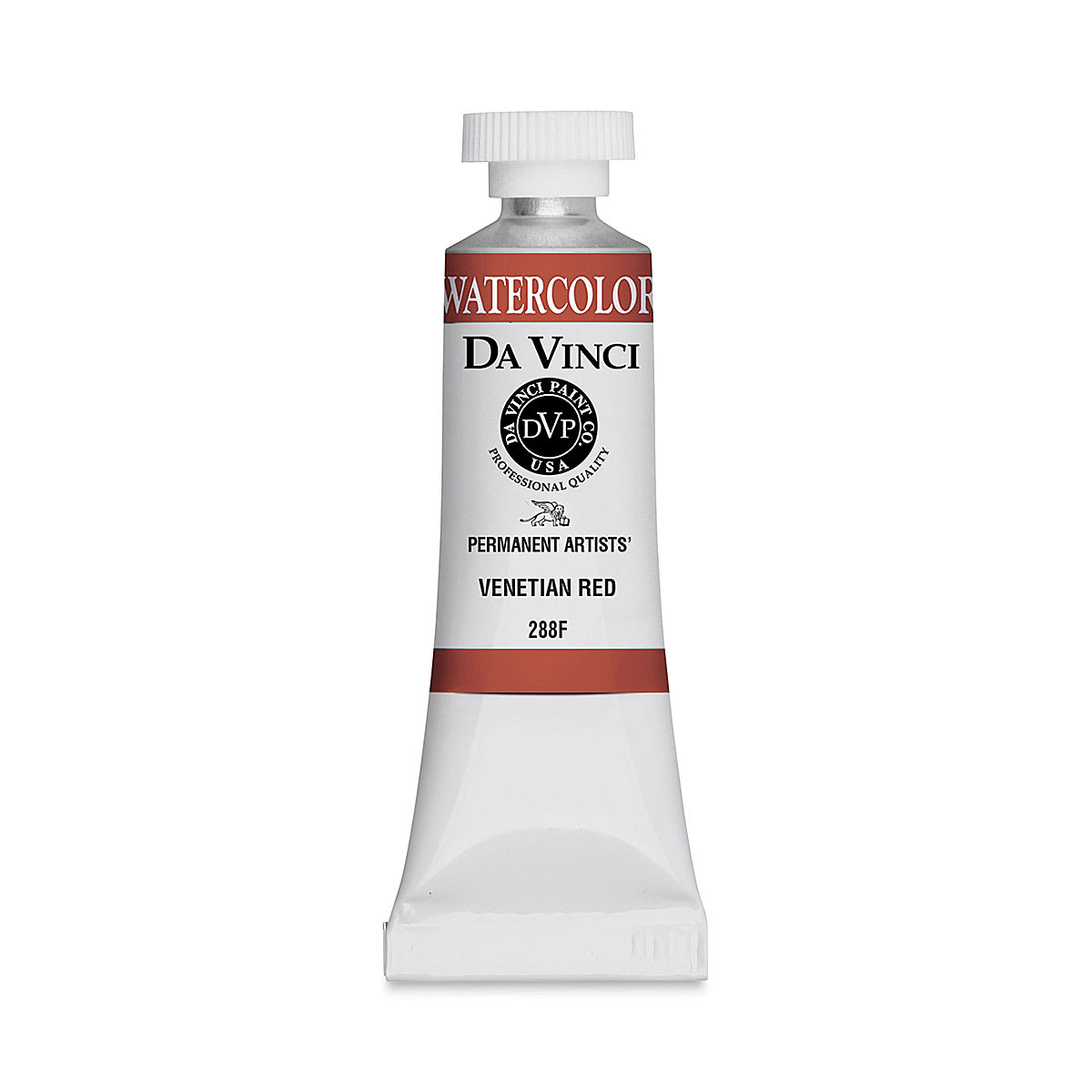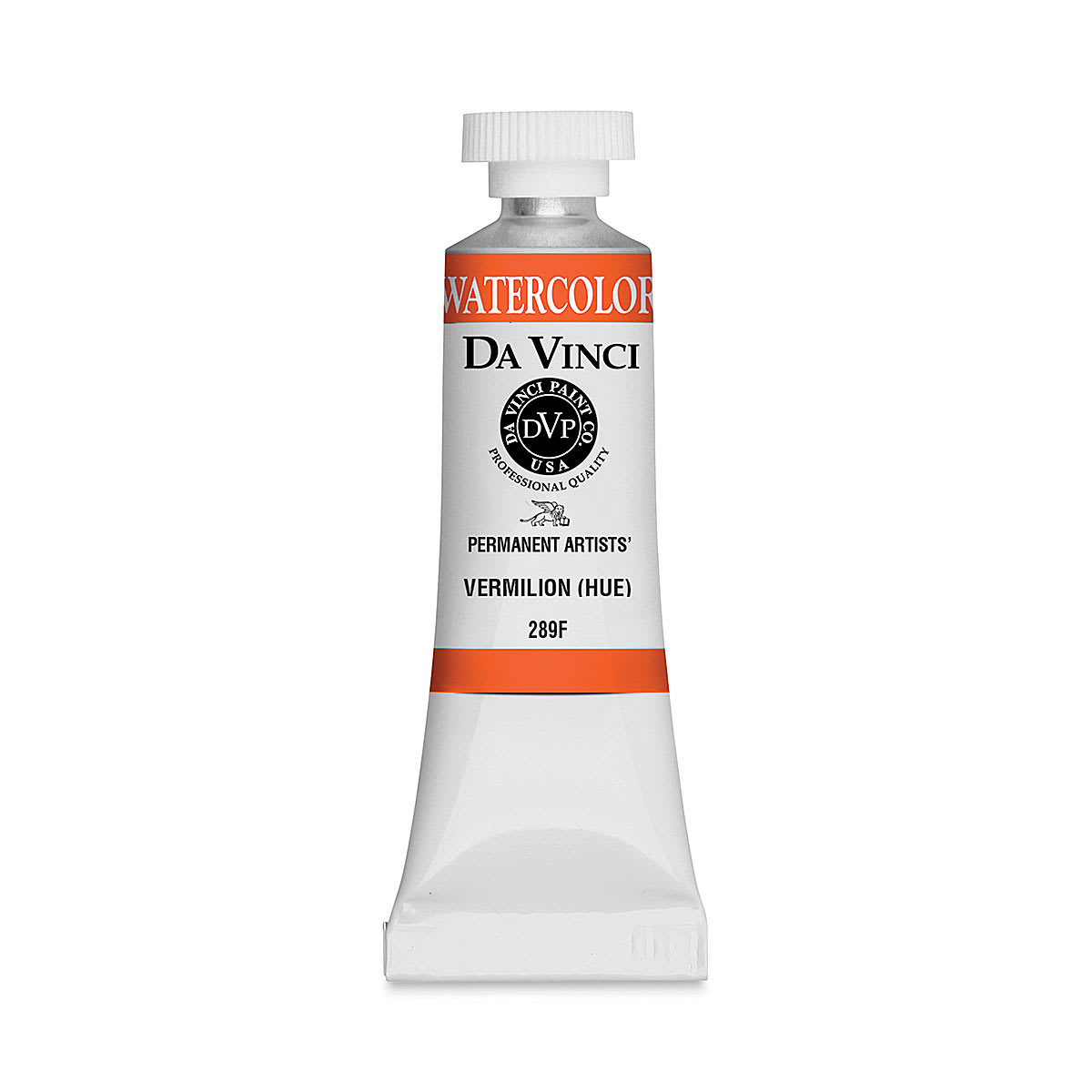
Da Vinci Artists' Permanent Watercolor - Vermilion Hue, 37 ml tube

Store price

Listed prices, not live quotes. Check delivery, tax and stock at the shop.

  • Blick Art Materials
    $21.05 USDShop
    Recorded Oct 22, 2026, 1:49 AM UTC

Saving an item to My Stash does not start price monitoring.

Product details
Size
37 ml
Blick SKU
00371-3283
About this product range

Da Vinci takes the name of their company very seriously. Their paints are exciting, intense, and rated among the best in the world for quality. The paints are permanent, with the highest tinting strength and pigment concentration available. However, they are especially soft, with a creamy consistency for smooth, easy dispersion with water. Available in both 15 ml (.51 oz) and 37 ml (1.25 oz) tubes. Da Vinci paints conform to artist's quality standard ASTM D-5067, and to safety standard ASTM D-4236.

Pigment information

General reference notes about pigments can describe other media (such as oil). They do not verify this product’s exact formulation or behavior.

Naphthol Red

Pigment code
PR188
Type
organic monoazo
Chemical formula
C33H24Cl2N2O6
Properties
This Naphthol Red is yellowish, with a high tinting strength and average drying time. It produces warmer shades and tints.
Permanence
This Naphthol Red has excellent lightfastness, though it is generally not considered adequate for exterior use.
Toxicity
Naphthol Reds are not considered toxic. They may cause eye, skin, or respiratory irritation. Contact with dry pigment should be avoided.
History
Naphthol pigments are actually dyes that are "laked" to form pigments. First developed by the German chemical company Hoechst A.G. before World War I, their use in artist paints began in the 1920s.
Description
Naphthal, Naphthol Bordeaux, Naphthol Carbamide, Naphthol Carmine, Permanent Carmine, Permanent Red.

Benzimidazolone Orange

Pigment code
PO62
Type
organic, monoazo
Chemical formula
C17H13ClN6O5
Properties
Benzimidazolone Orange is a staining, yellowish orange pigment that can become dull in tints. It has an average drying time, and it loses some of its intensity as it dries. The yellowish orange varieties are more transparent.
Permanence
Benzimidazolone Orange has excellent lightfastness and outstanding heat and solvent stability for a monoazo pigment.
Toxicity
Benzimidazolone Orange is not considered toxic.
History
The benzimidazolone group of pigments was developed and patented in 1960 by Hoechst A.G., a German chemical manufacturer that was a forerunner of the pharmaceutical company Aventis. Use of benzimidazolone pigments in the auto industry, especially Benzimidazolone Orange, became common in the 1980s because they were common replacements for lead chromate pigments, which were phased out during this period.
Description
Permanent Orange, Benzimida Orange

Track this price

New lows for this exact package, across matched retailers.

Loading your account…

Price history

More to explore

Related supplies from the catalog.