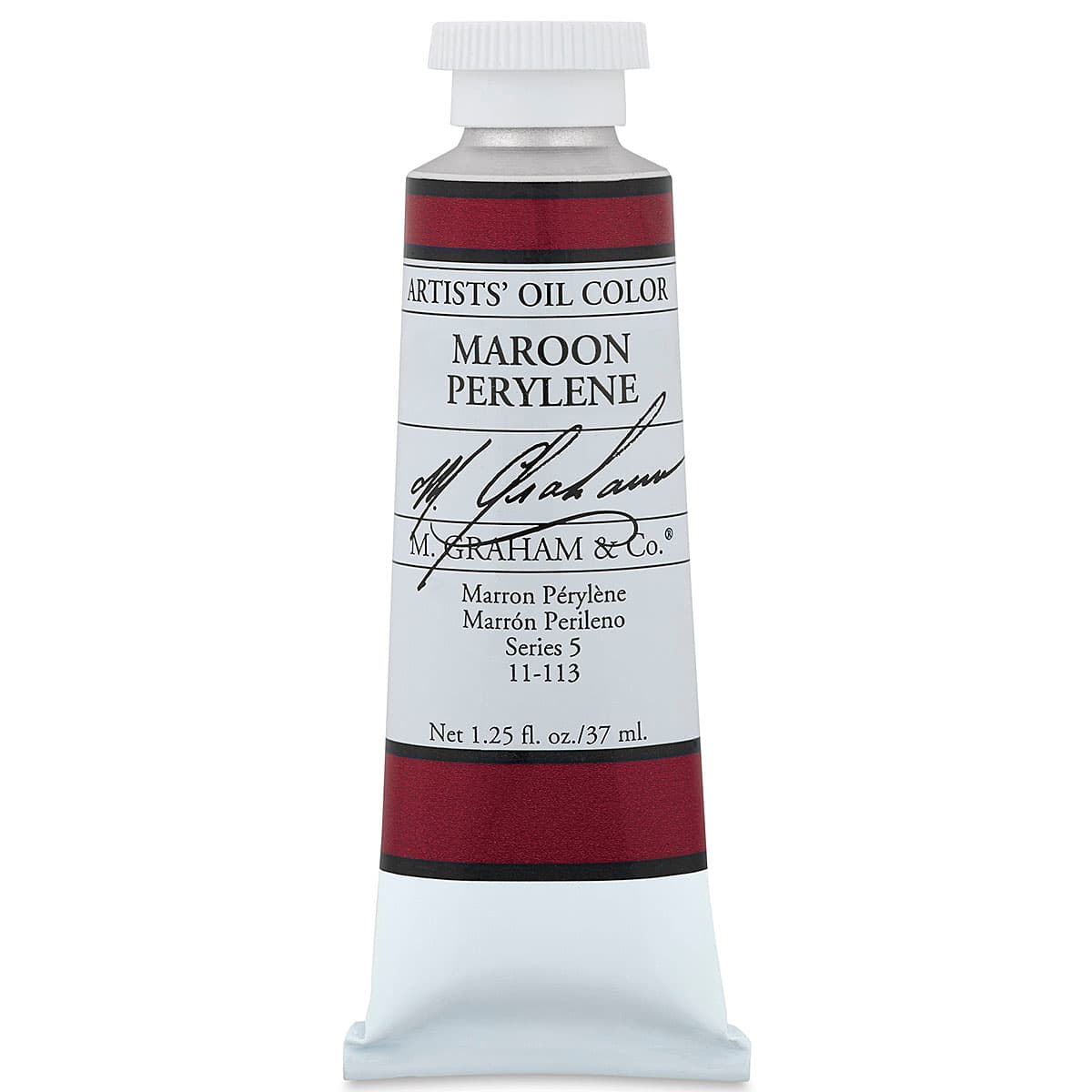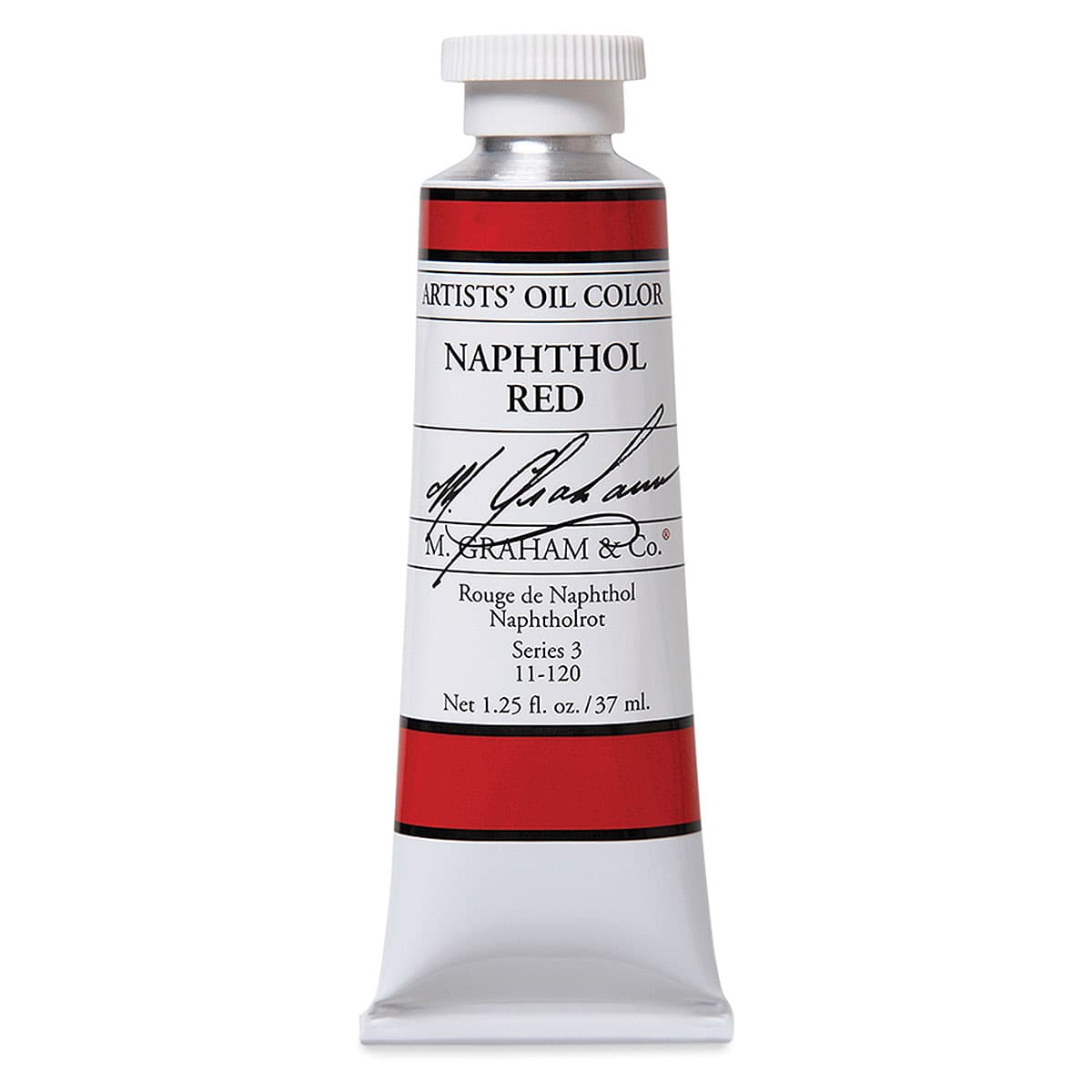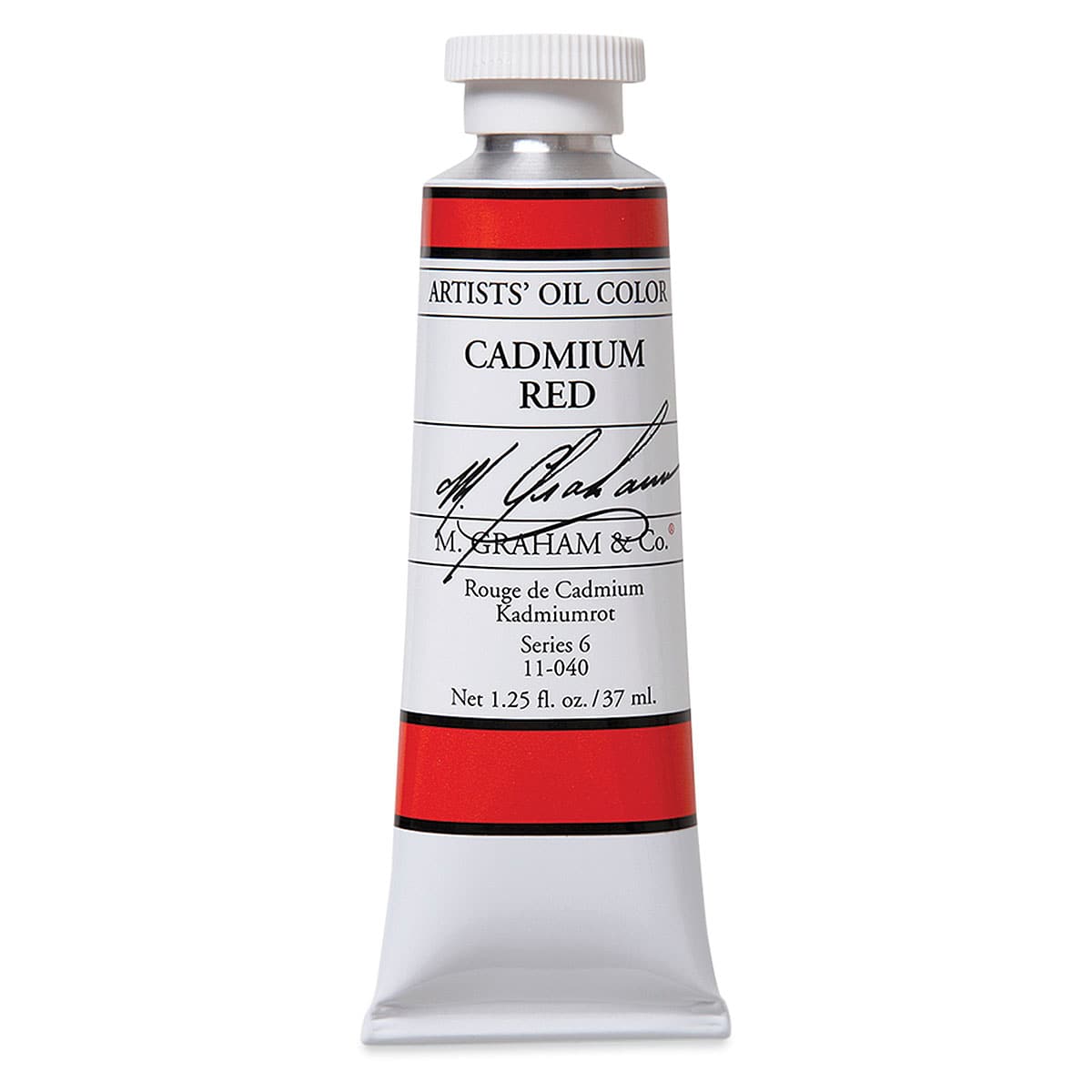
Product details
- Size
- 37 ml
- Blick SKU
- 01573-4533
About this product range
Artist and master paintmaker Art Graham put years of experience at other companies behind him and started his own business based on his own vision and values. The result is a paint, manufactured without fillers or additives, that goes back to some of oil painting's finest traditions.
M. Graham Artists' Oil Colors are made with a walnut oil binder, an alternative to traditional linseed oil that's been preferred by artists for centuries. In fact, today it's known that Renaissance masters such as Da Vinci and Durer generally favored walnut oil over linseed oil. Walnut oil provides rich, vibrant color that is naturally more alive and brilliant than traditional linseed oil. Free flowing and slow drying, M. Graham's walnut oil formulation enables delicate passages of finely blended color that retain their brilliance over time. Titanium White and Titanium White-Alkyd are made with a walnut-sunflower oil binder.
Pigment information
General reference notes about pigments can describe other media (such as oil). They do not verify this product’s exact formulation or behavior.
Cadmium Orange
- Pigment code
- PO20
- Type
- cadmium
- Chemical name
- cadmium sulfide and cadmium selenide
- Chemical formula
- CdS x CdSe
- Properties
- Cadmium Orange was the first true orange and was made by mixing Cadmium Yellow with Cadmium Red. It is a pure hue with excellent opacity and low toxicity compared with its predecessors. It also has very high hiding power. The greatest tinting strengths are possessed by the deeper shades. Only the highest grades contain pure Cadmium Orange without barium mixed in it. Cadmium pigments have been partially replaced by azo pigments, which are similar in lightfasness to the cadmium colors, cheaper, and non-toxic.
- Permanence
- Cadmium Orange has excellent permanence, but like many cadmium pigments, it will fade in fresco or mural painting. The deeper varieties of this pigment are the most permanent. The paler varieties have been known to fade when exposed to sunlight.
- Toxicity
- Cadmium Orange is a known human carcinogen. It is extremely toxic if inhaled and slightly toxic if ingested.
- History
- Cadmiums get their names from the Latin word cadmia, meaning zinc ore calamine, and the Greek word kadmeia, meaning Cadmean earth, first found near Thebes, the city founded by the Phoenician prince Cadmus. Metallic cadmium was discovered in 1817 by Friedrich Strohmeyer. It was used sparingly after its discovery due to the scarcity of cadmium metal.
Track this price
New lows for this exact package, across matched retailers.
Loading your account…
Price history
More to explore
Related supplies from the catalog.
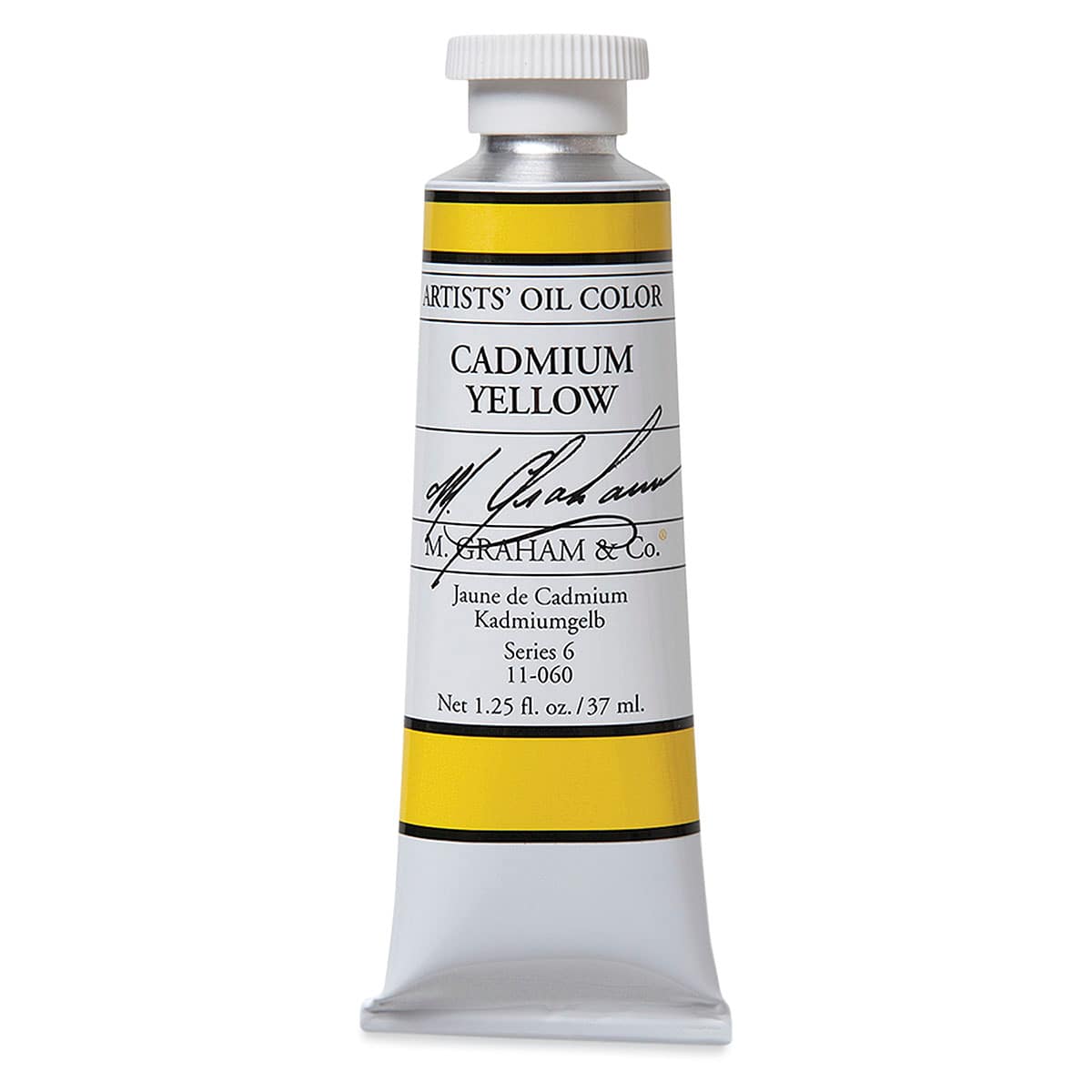

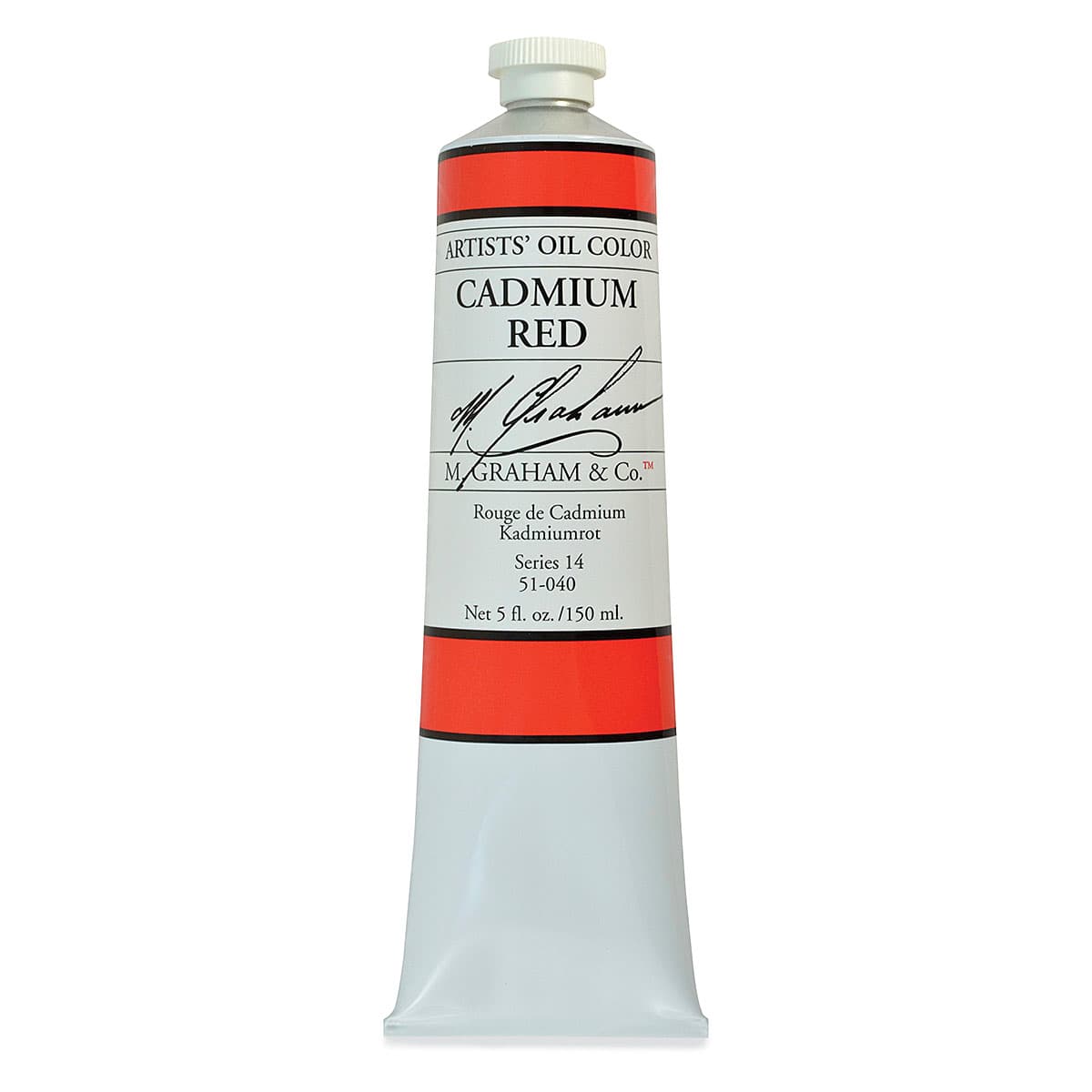
M. Graham Artists' Oil Color - Cadmium Red, 5 oz tube

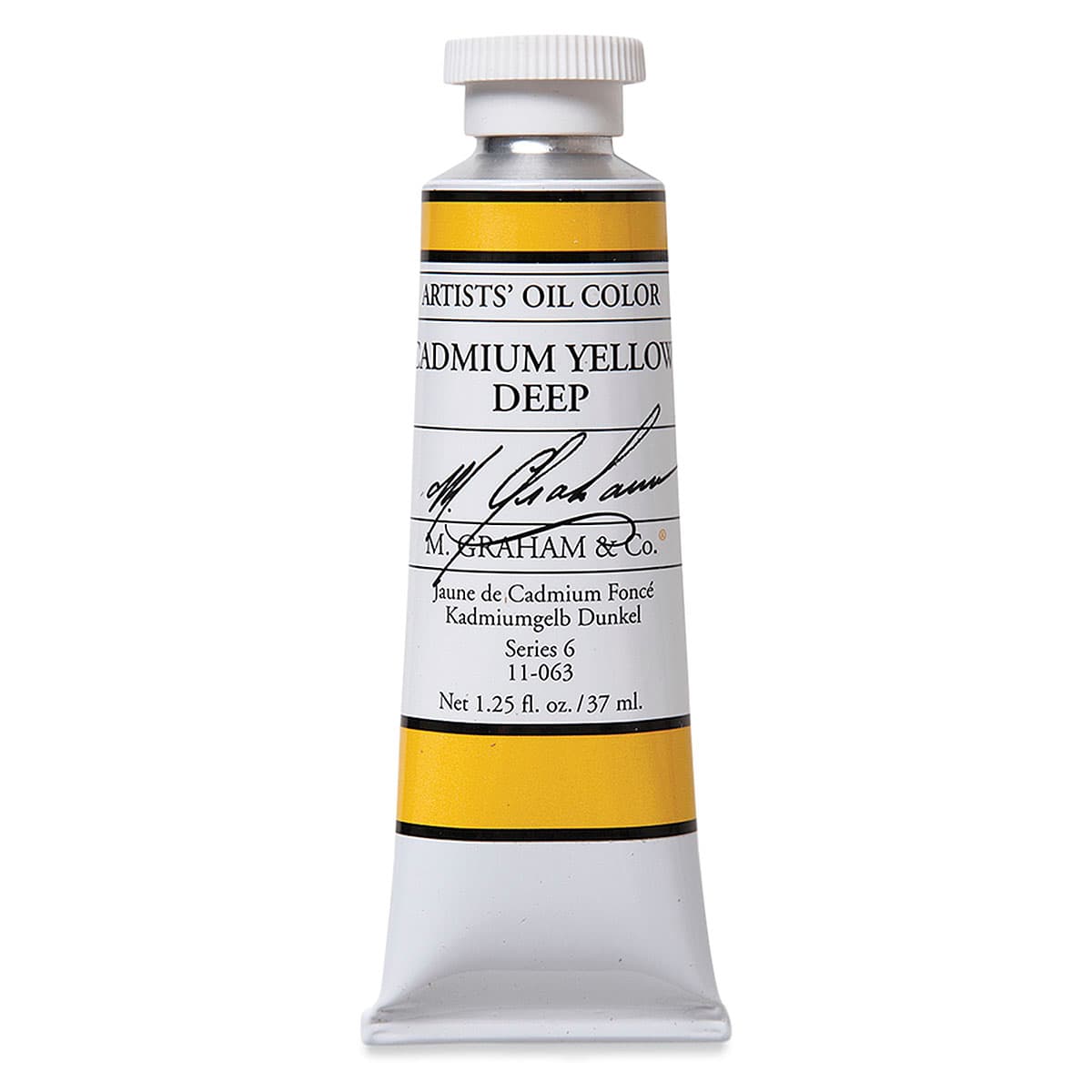
M. Graham Artists' Oil Color - Cadmium Yellow Deep, 37 ml tube

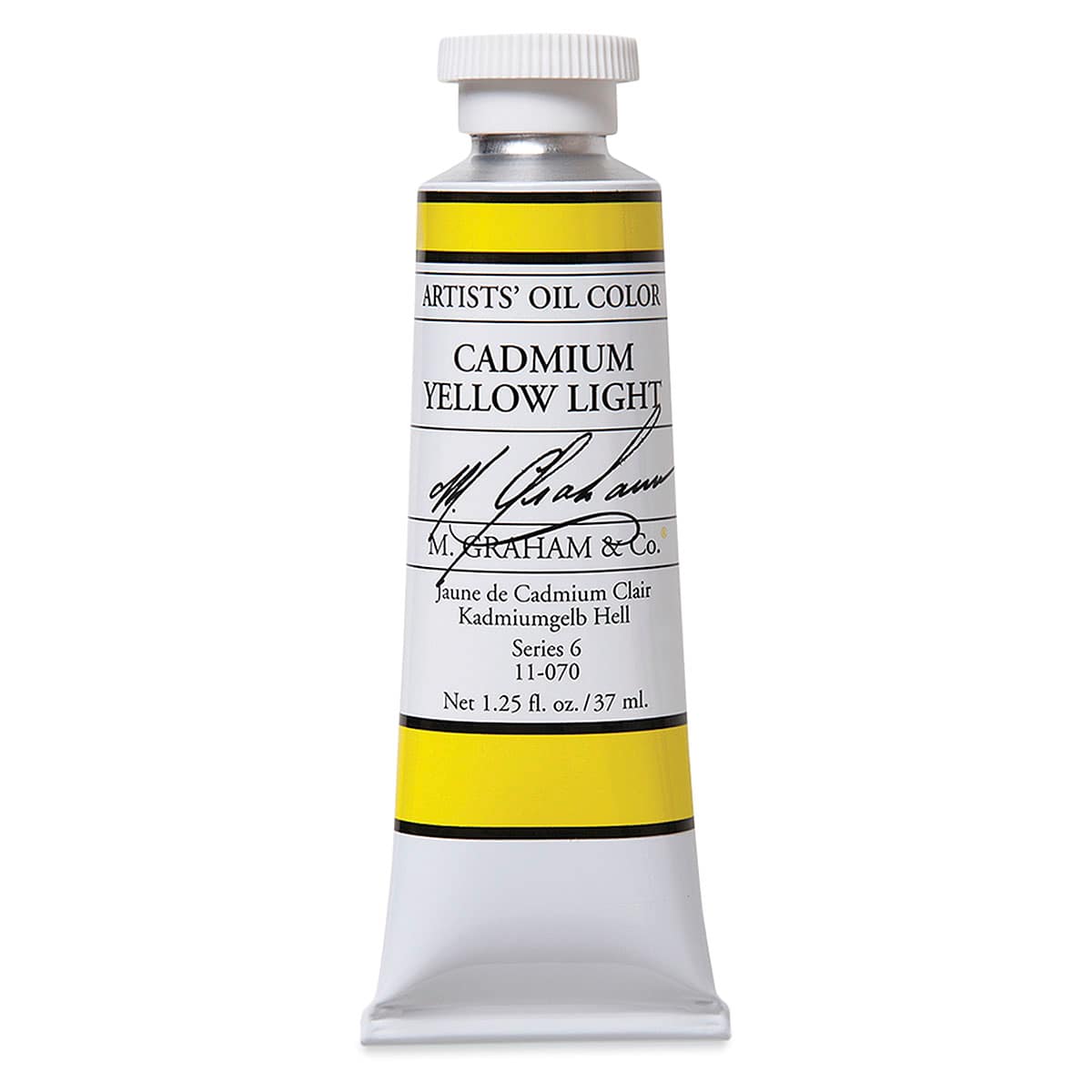
M. Graham Artists' Oil Color - Cadmium Yellow Light, 37 ml tube

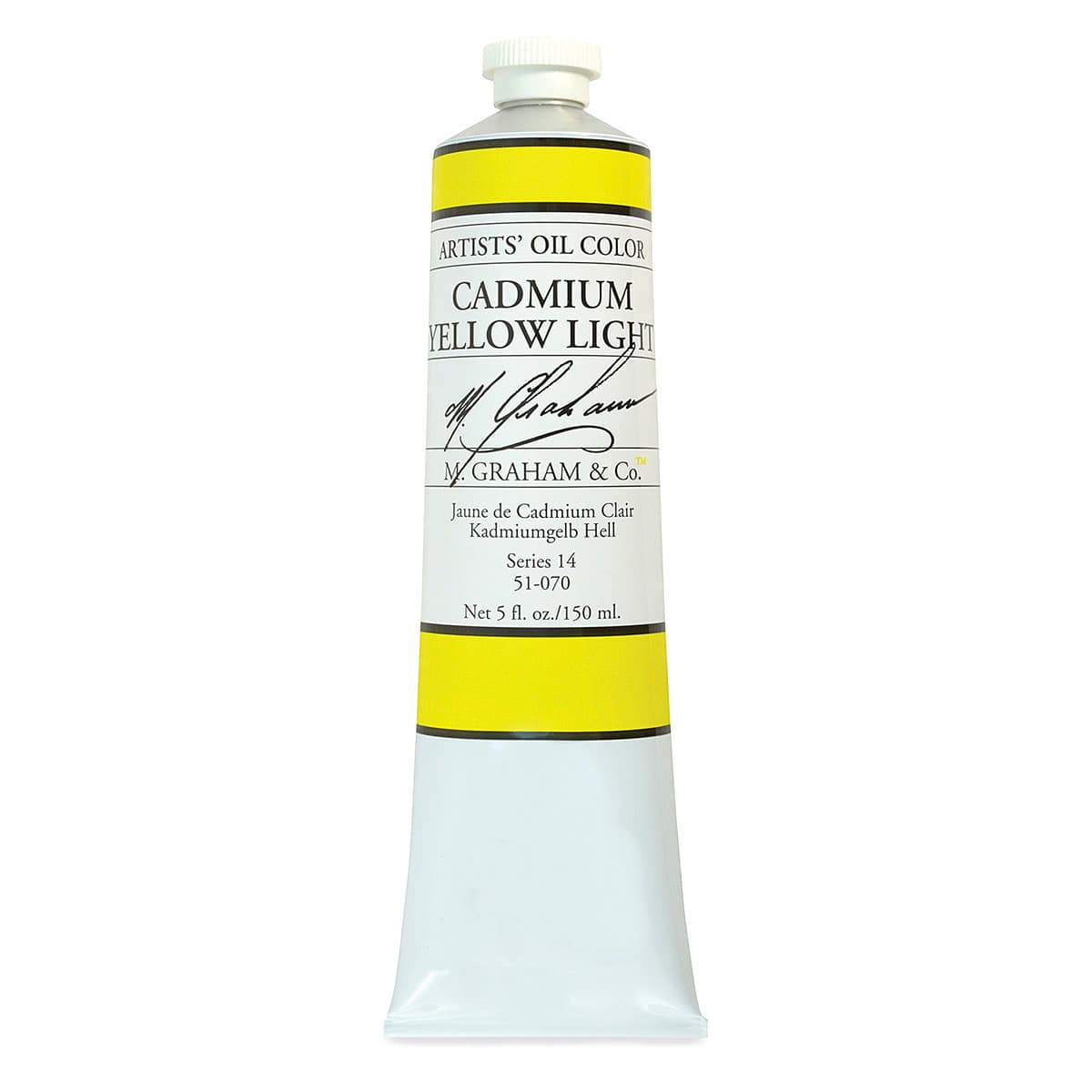
M. Graham Artists' Oil Color - Cadmium Yellow Light, 148 ml tube

M. Graham Artists' Oil Color - Cadmium Yellow, 37 ml tube

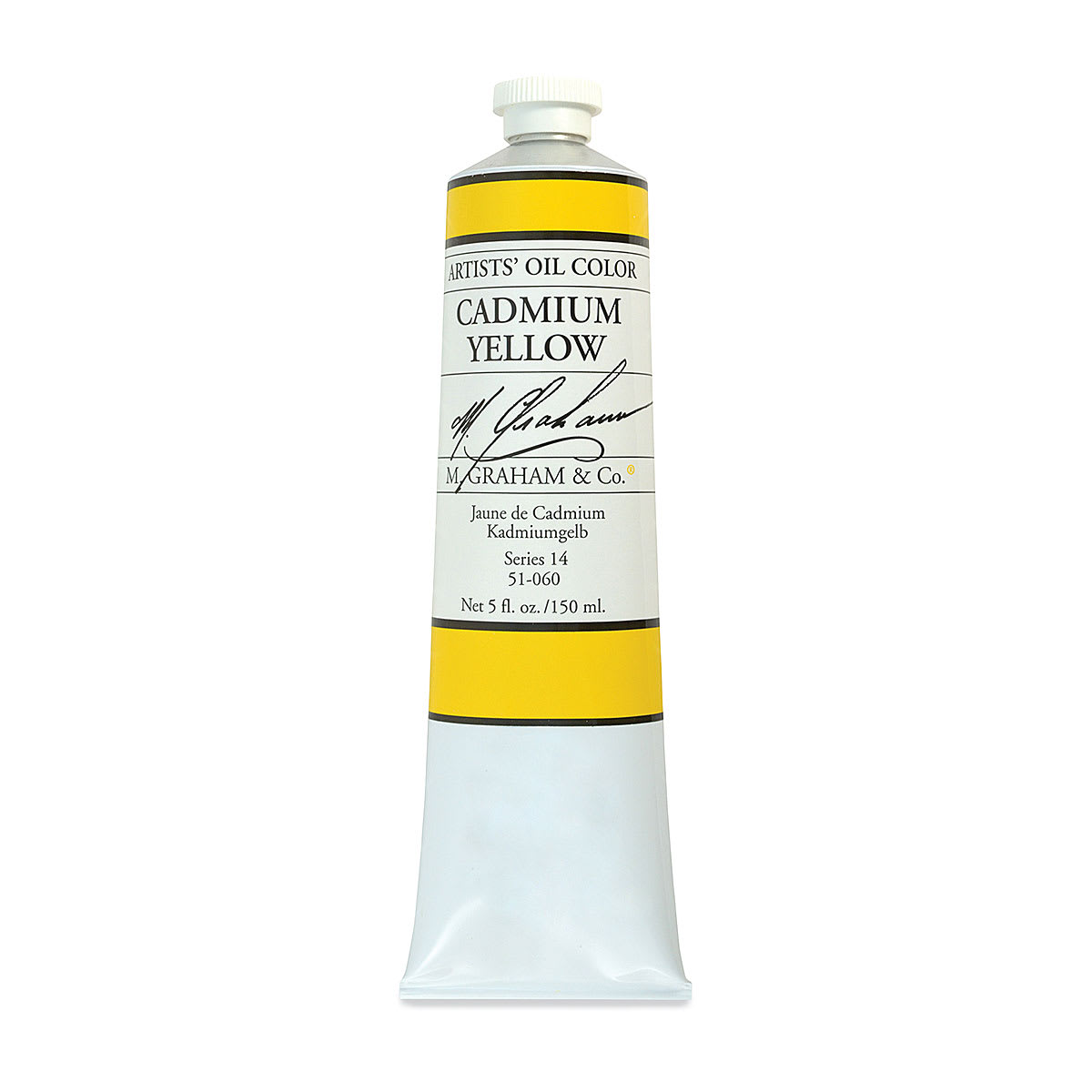
M. Graham Artists' Oil Color - Cadmium Yellow, 5 oz tube

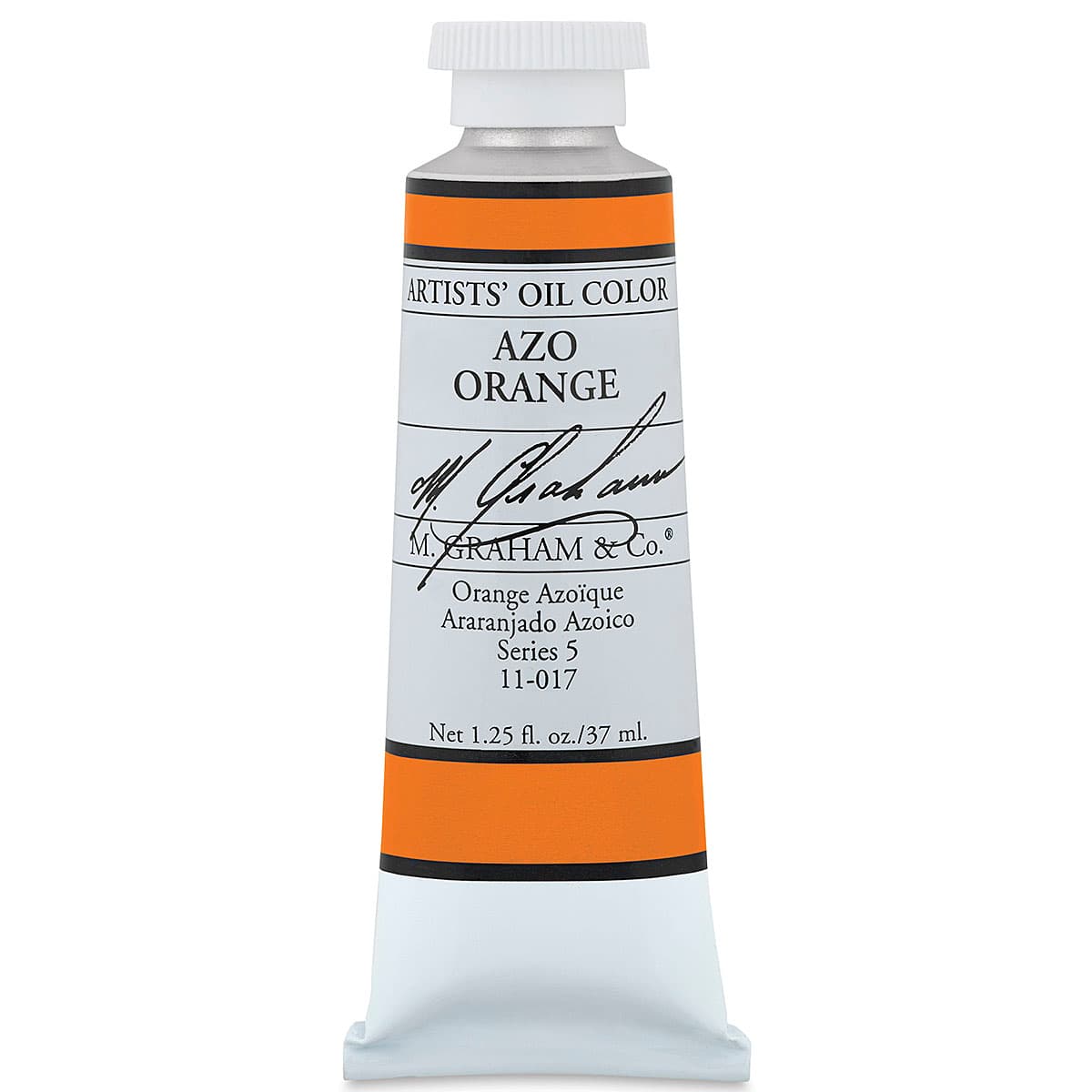
M. Graham Artists' Oil Color - Azo Orange, 37 ml tube

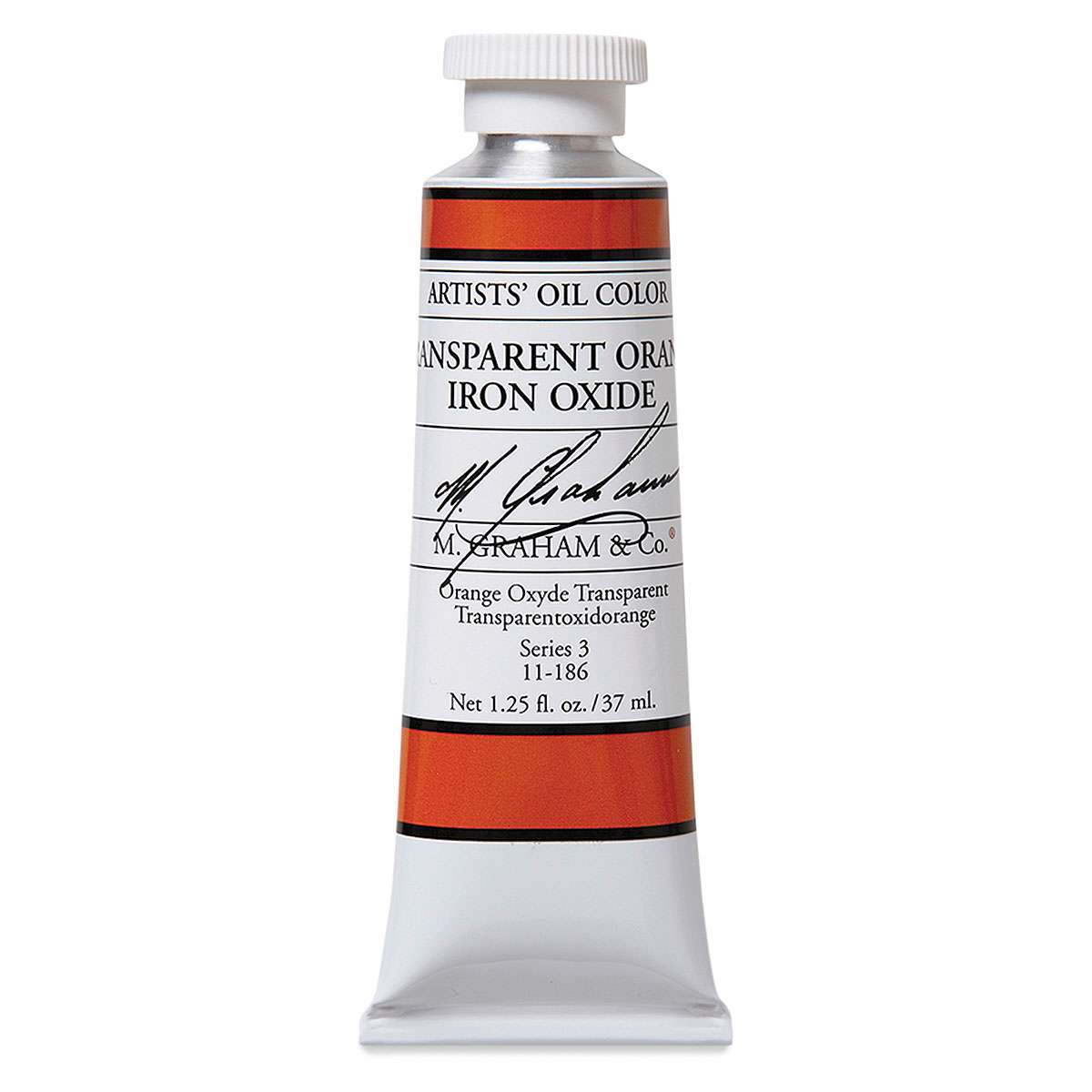
M. Graham Artists' Oil Color - Transparent Orange Oxide, 37 ml tube

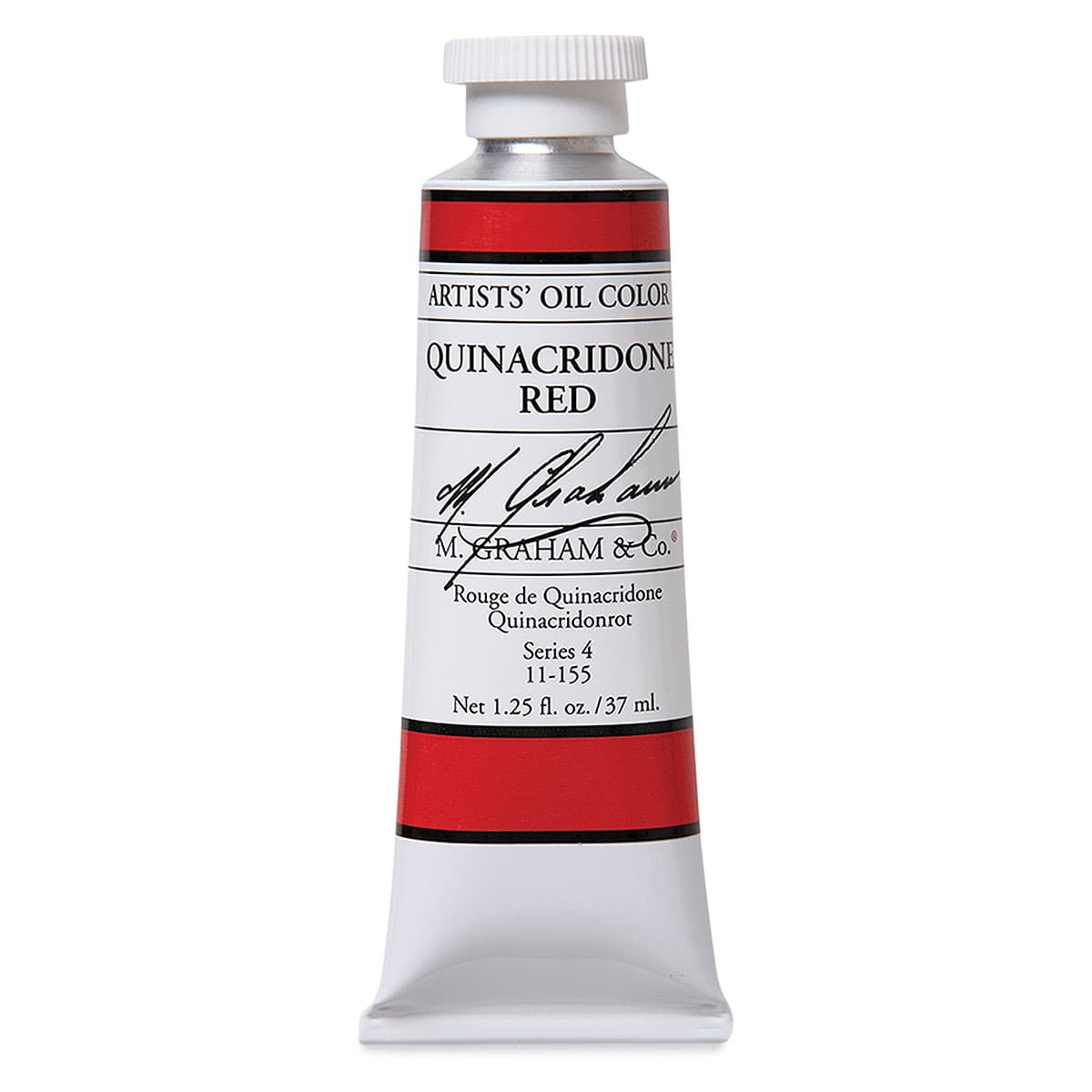
M. Graham Artists' Oil Color - Quinacridone Red, 37 ml tube

M. Graham Artists' Oil Color - Maroon Perylene, 37 ml tube