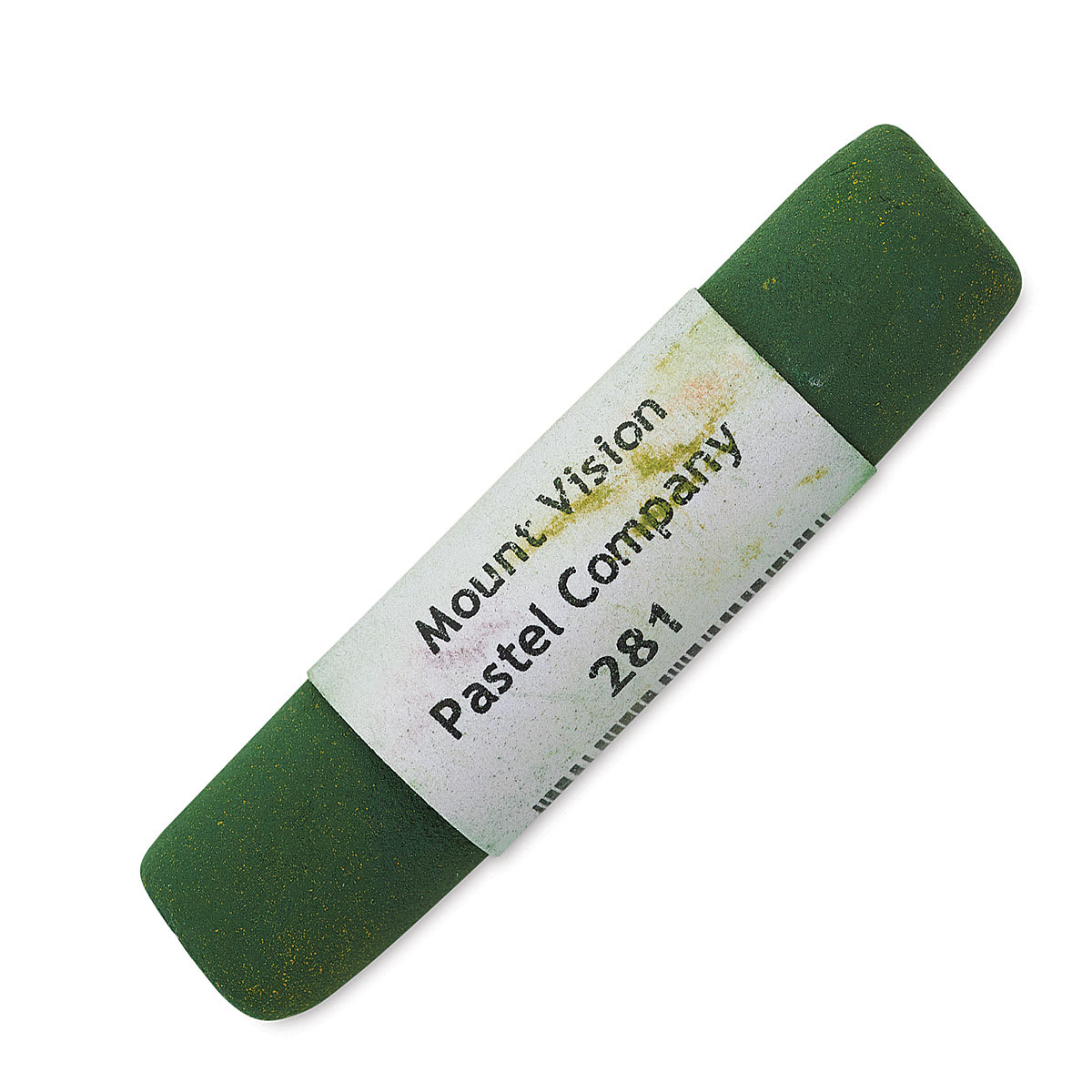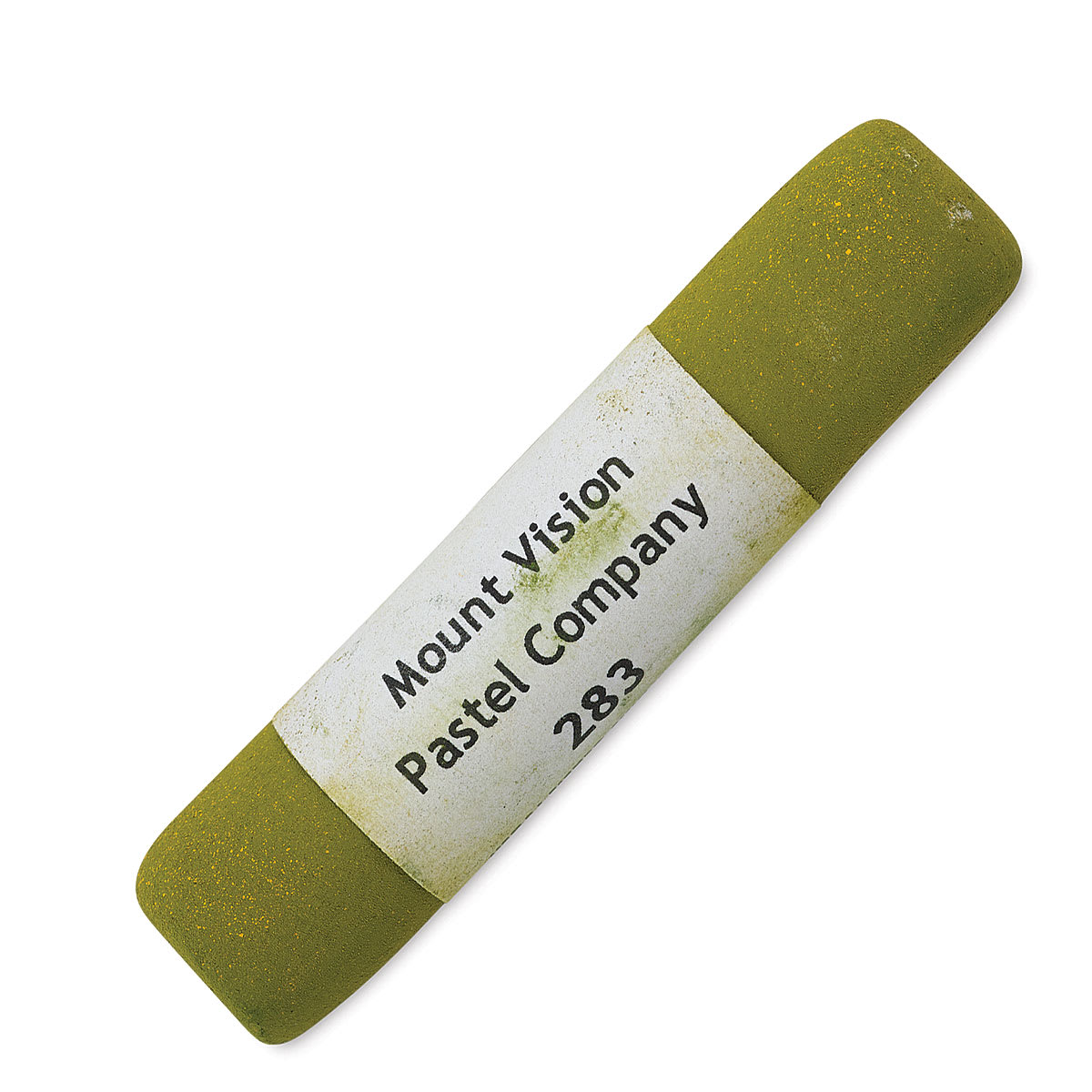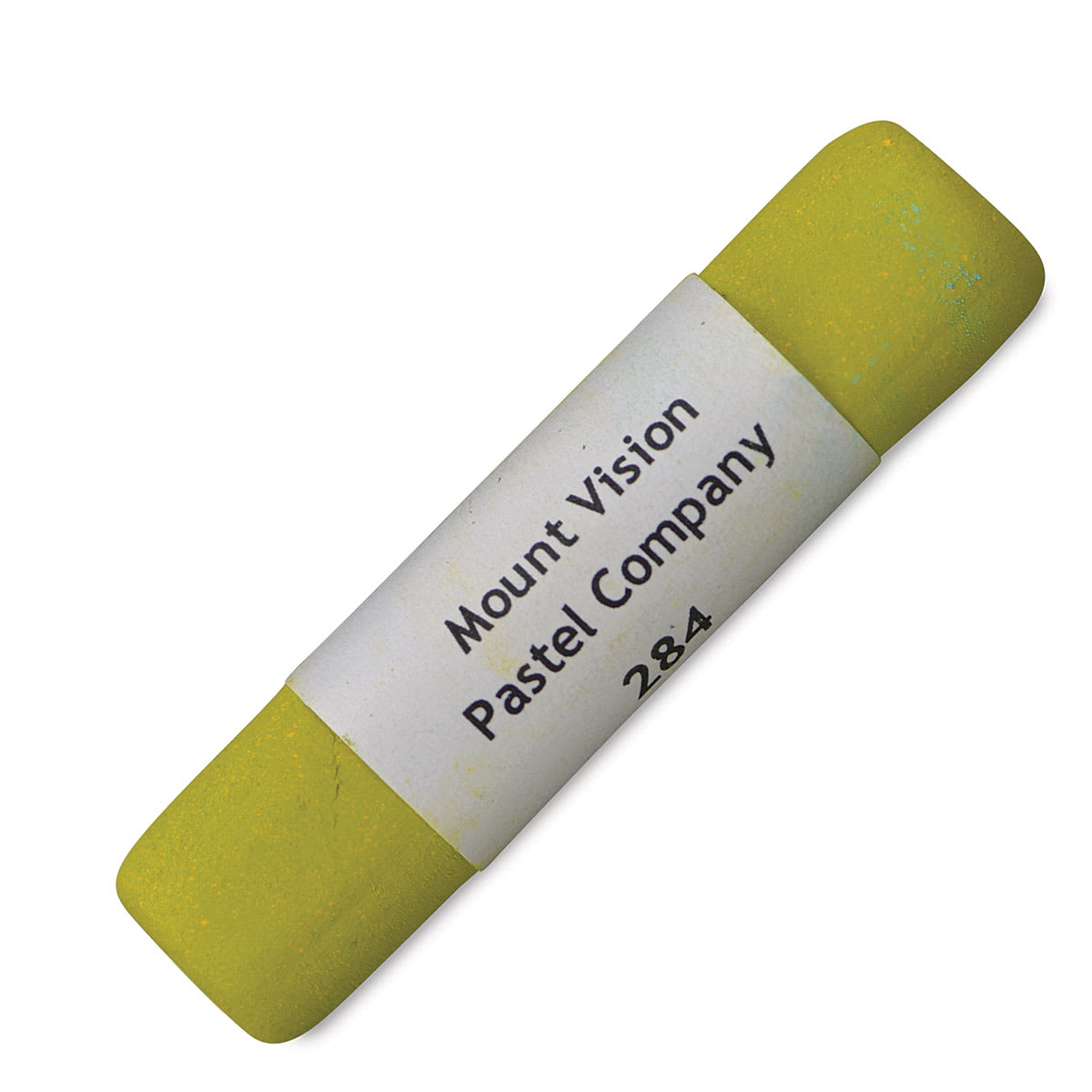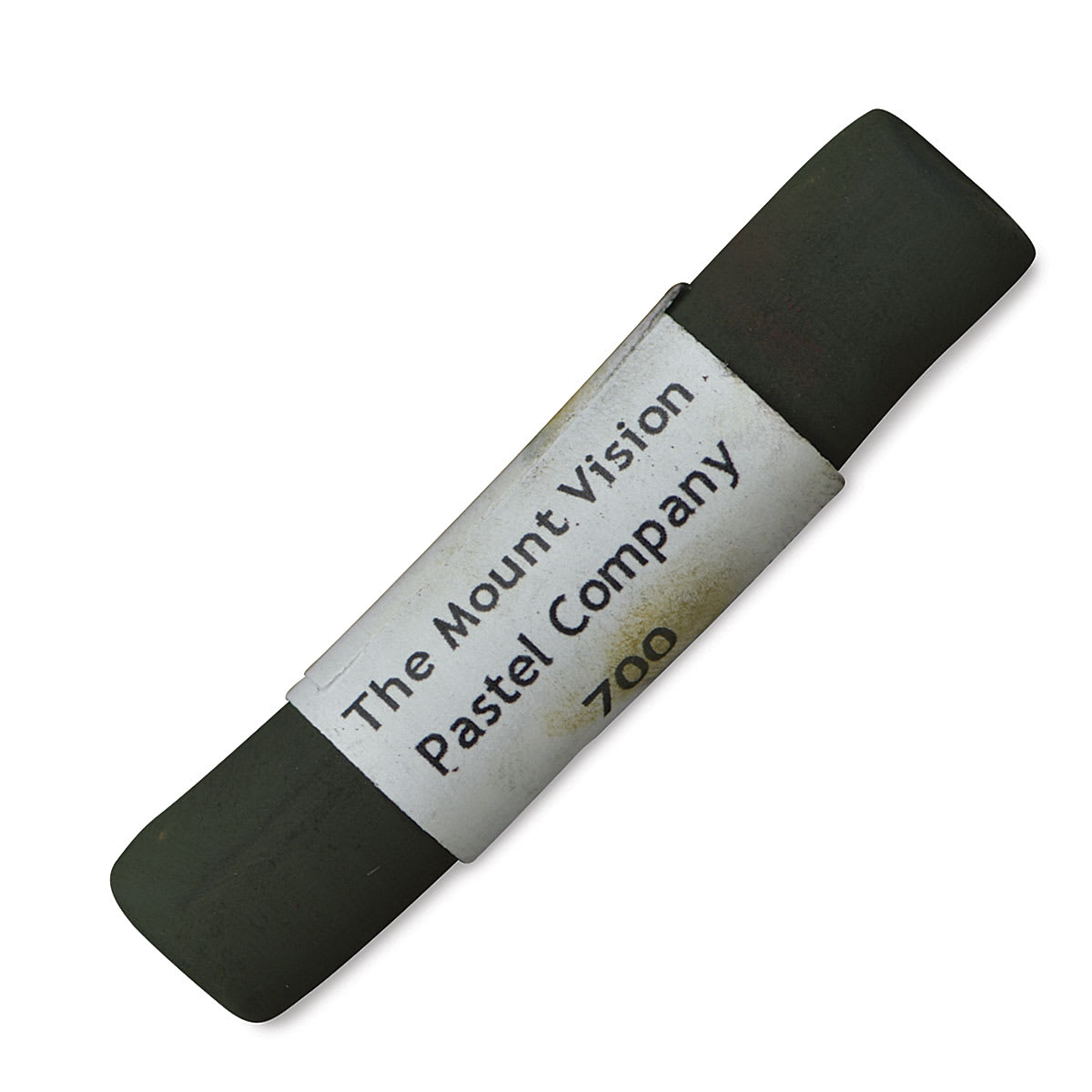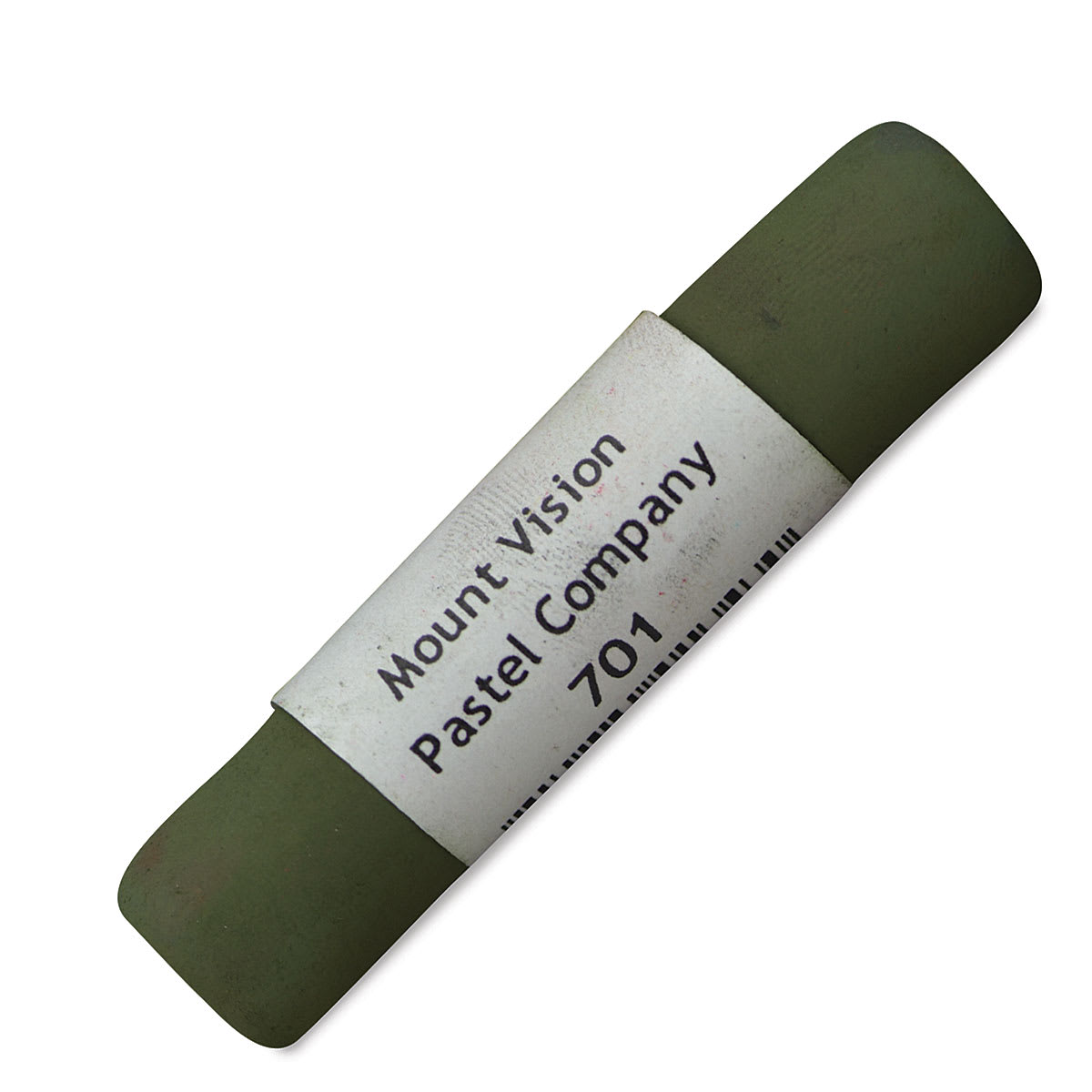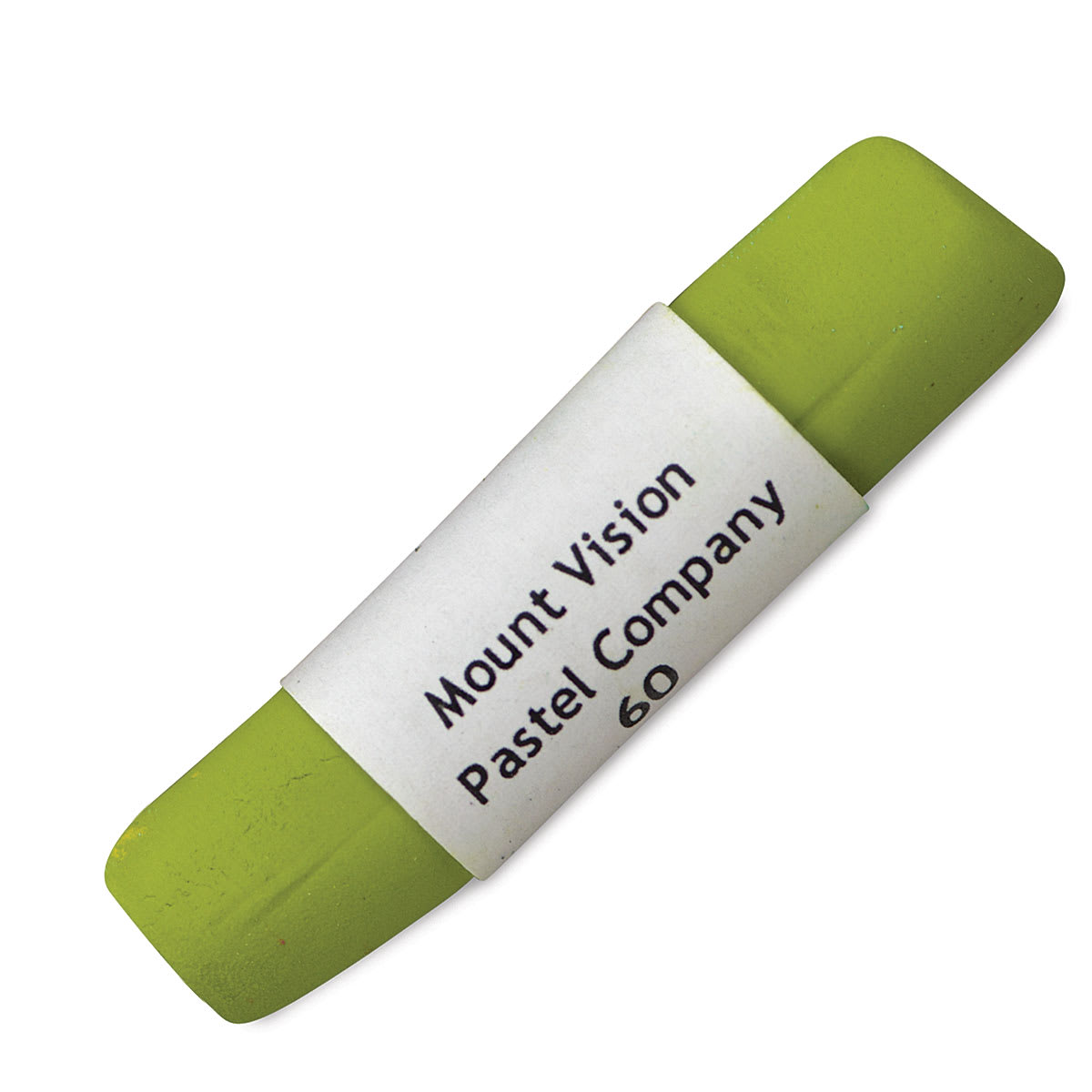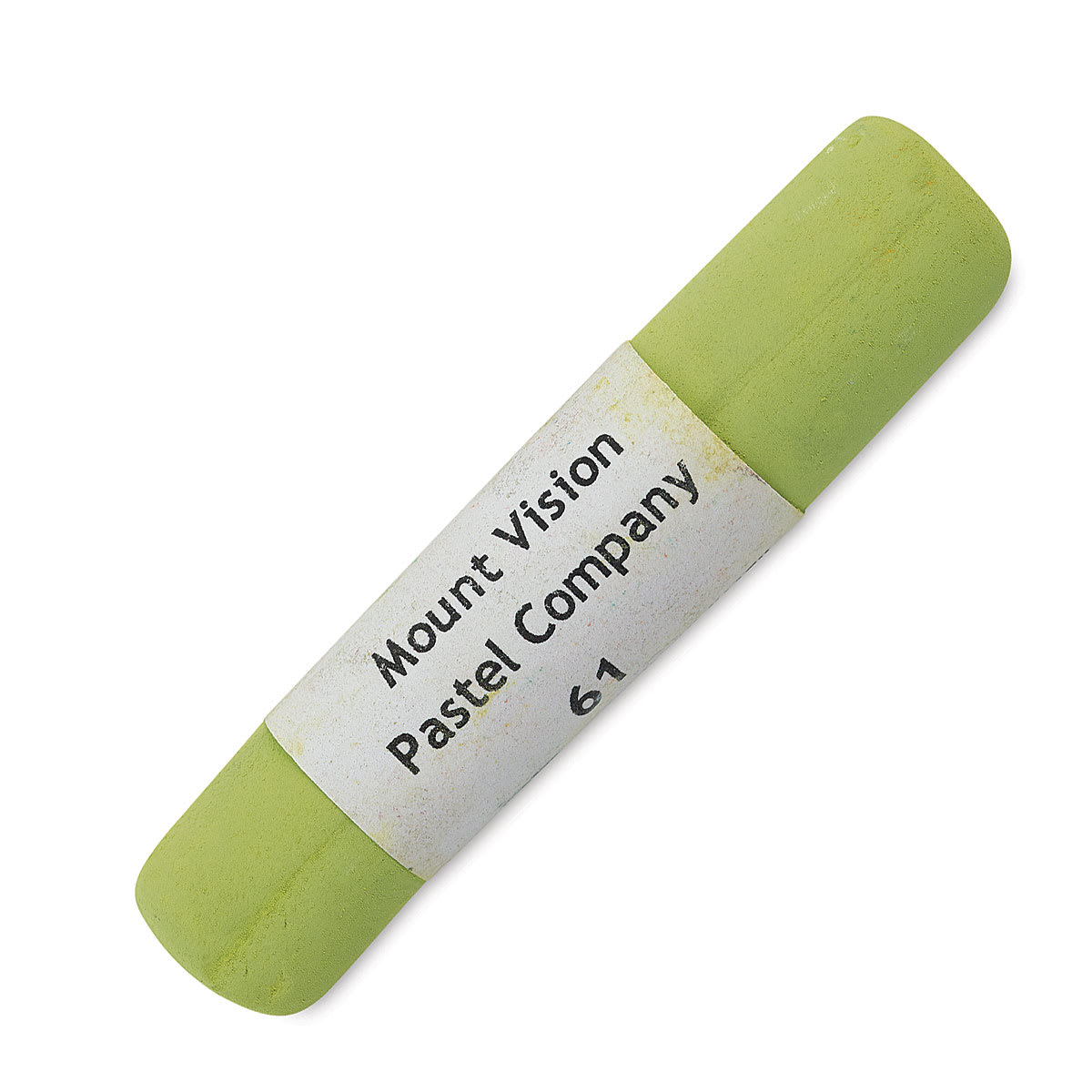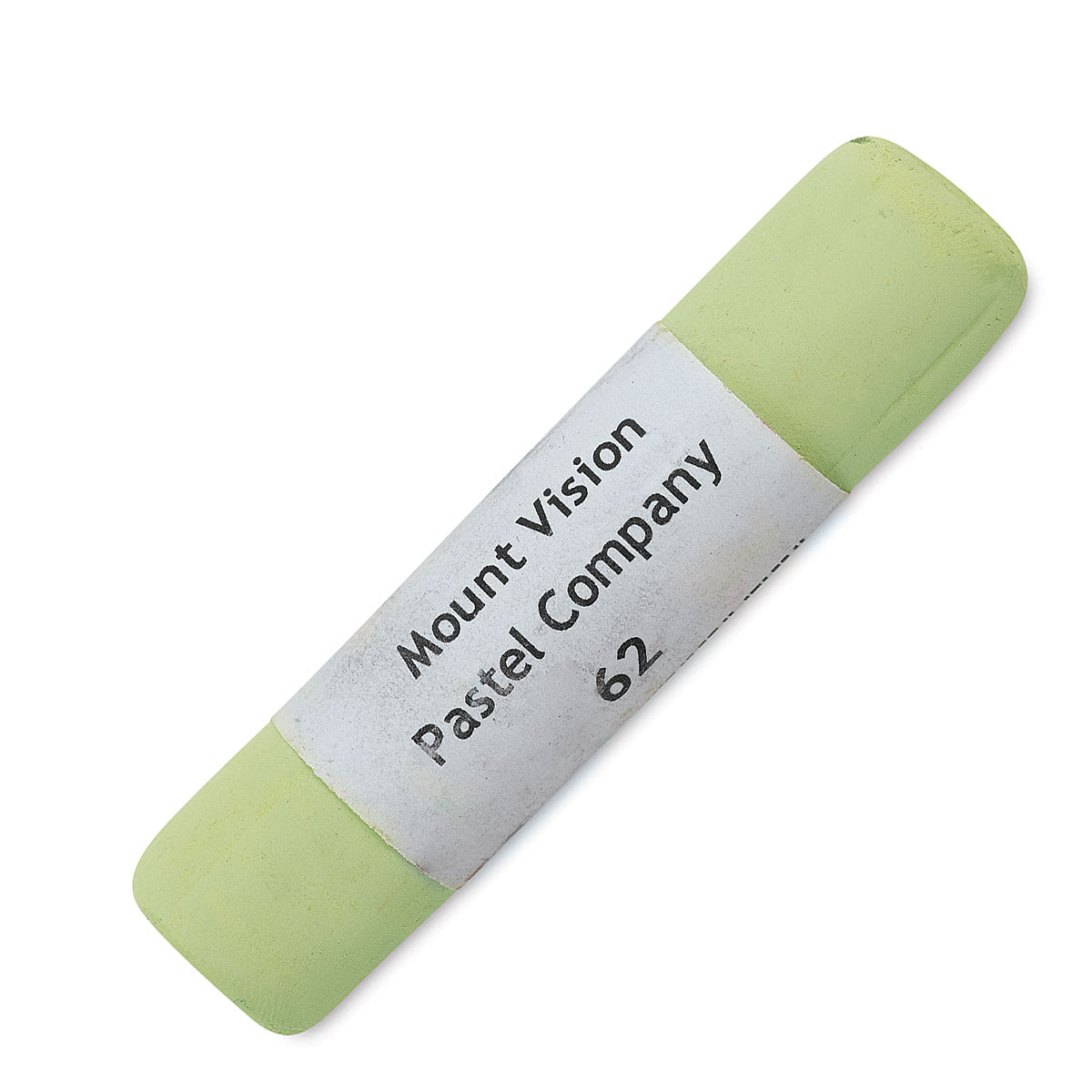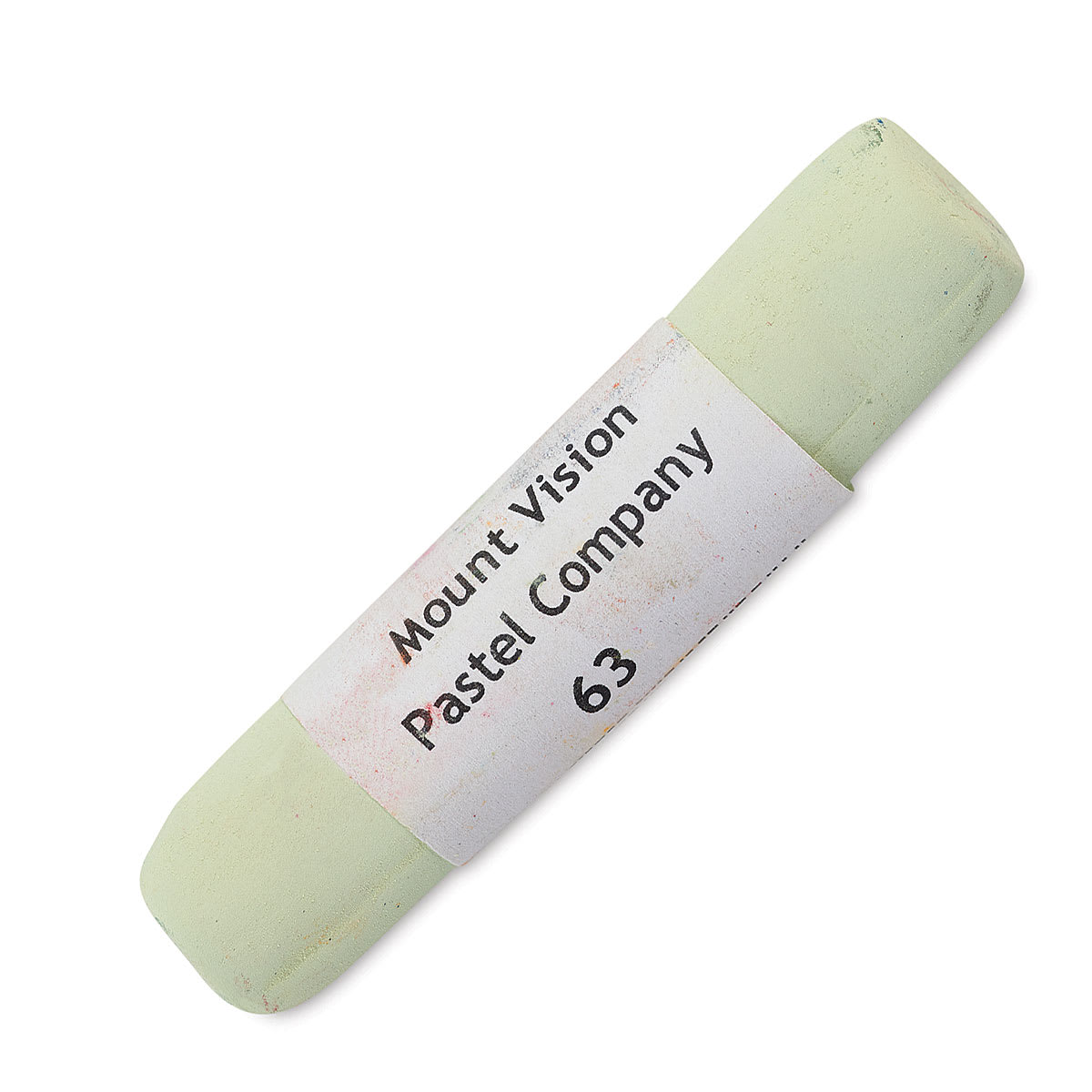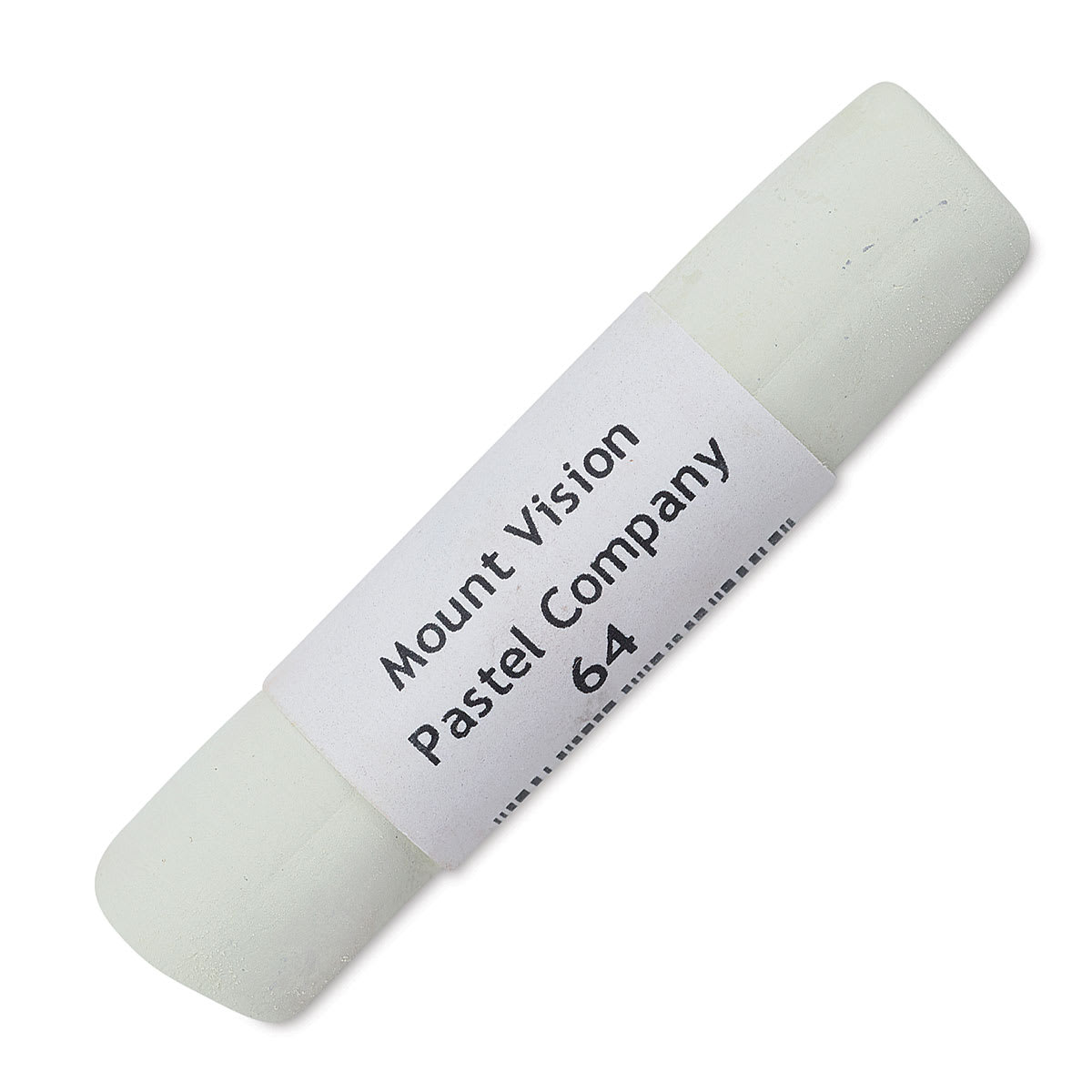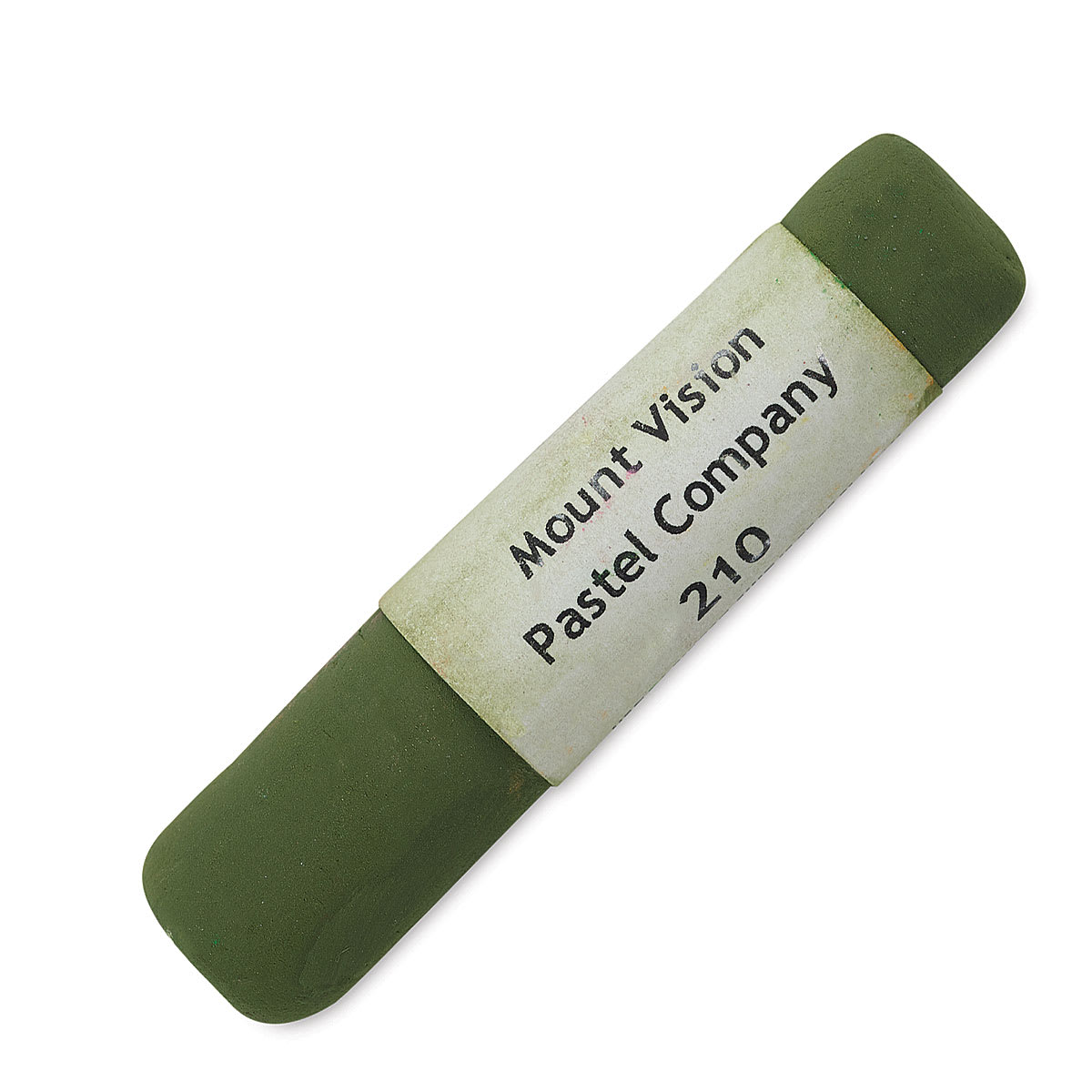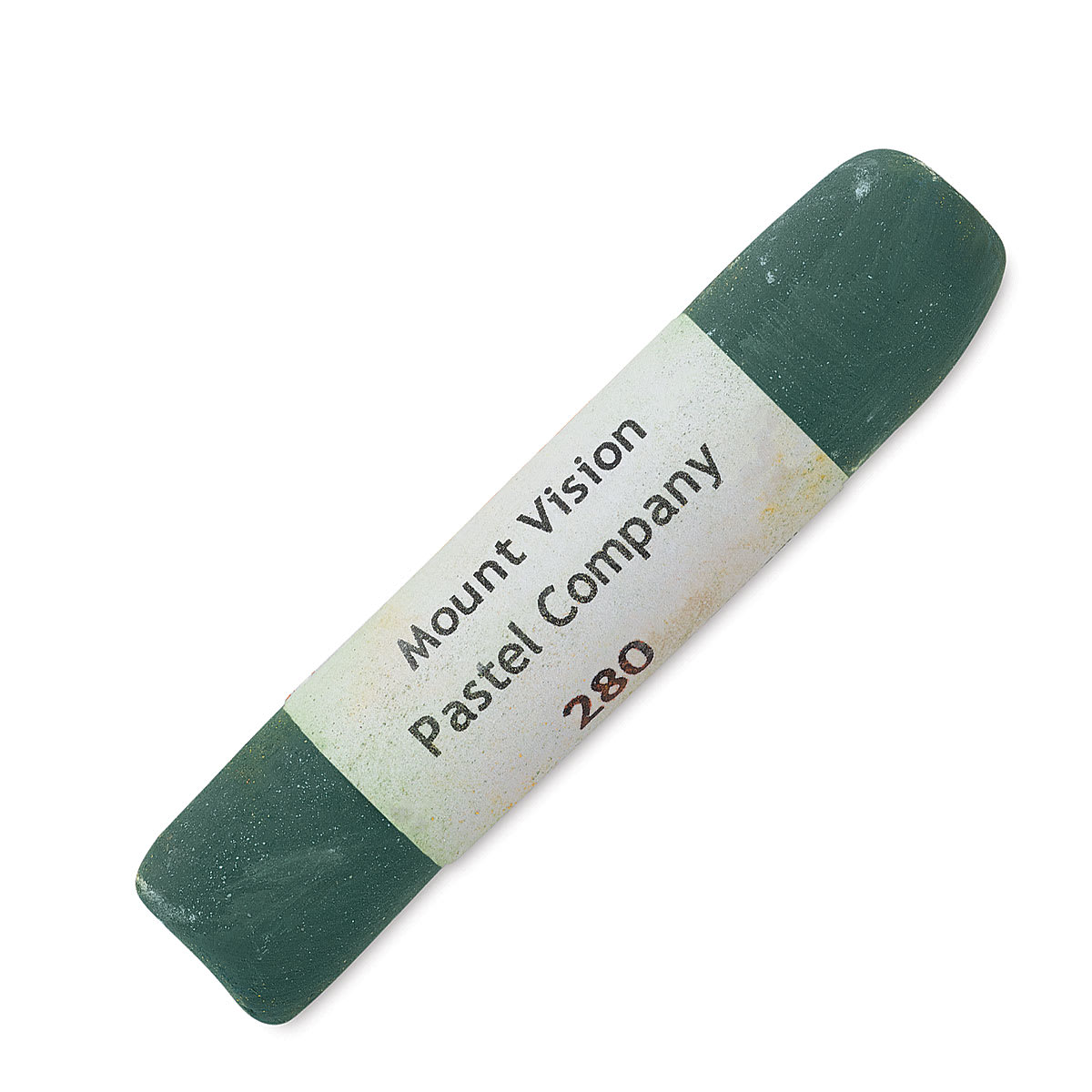
Mount Vision Handmade Pastel - Green Earth 282

Soft Pastel

Store price

Listed prices, not live quotes. Check delivery, tax and stock at the shop.

  • Blick Art Materials
    $4.84 USDShop
    Recorded Oct 21, 2026, 8:15 AM UTC

Saving an item to My Stash does not start price monitoring.

Product details
Blick SKU
21949-7282
About this product range

The "feel" of a pastel — or how a pastel releases to paper — depends on the individual pigments used and the base they’re mixed with. Karl Kelly, owner of Mount Vision Pastel Company, understands that. By combining his technical expertise and artistic background, Kelly has translated the vivid color and unique density of individual pigments into high-quality, affordable pastels for the artist who sees beyond the expected when it comes to color.

Each hand-rolled stick contains a unique combination of traditional and synthetic pigments, combined to bring out their inherent beauty, enrich their undertones and make each color sing, both individually and together. Combined in varying degrees with marble dust, chalk and clay to assure a consistently smooth and buttery feel, colors lay down with minimal resistance, allowing several layers to accrue without becoming too thick.

Each stick measures 2-1/2" Long x 1/2" Dia. (64 mm × 13 mm).

Pigment information

General reference notes about pigments can describe other media (such as oil). They do not verify this product’s exact formulation or behavior.

Slate Gray

Pigment code
PBk19
Type
inorganic
Chemical name
hydrated aluminum silicate
Properties
Slate Gray is a semi-opaque, neutral gray pigment produced from powdered slate.
Permanence
Slate Gray is absolutely lightfast.
Toxicity
Hydrated aluminum silicate is not considered toxic, however pigment from natural sources may contain impurities.
History
Mineral sources of Slate Gray have been used as a colorant since prehistoric times.
Description
Powdered Slate.

Raw Sienna

Pigment code
PBr7
Type
earth
Chemical name
hydrated iron oxide
Chemical formula
α-FeO3+(OH) or Fe2O3
Properties
Raw Sienna is a moderately dull deep earth yellow with medium tinting strength and excellent transparency. It is one of the basic permanent artists' pigments and is made from a form of limonite clay whose yellow-brown color results from ferric oxides. Raw Sienna is preferable to Yellow Ochre for creating flesh tones, due to its higher subtlety of color when mixed with white. It creates a bright Ochre when mixed with Cadmium Yellow and creates greens and grays when mixed with Ultramarine. Raw Sienna dries quickly.
Permanence
Raw Sienna has good permanence.
Toxicity
Raw Sienna has no significant hazards.
History
Raw Sienna has been used as a pigment since prehistoric times, although its current name came about during the Renaissance. It comes from the city of Siena, in Italy, and is short for terra di Siena, meaning earth of Siena. Sienna was famous for the mining and production of earth pigments from the Renaissance until World War II. Due to the depletion of clay deposits in Tuscany, Italian siennas now come from other areas, including Sicily and Sardinia.
Description
Italian Earth, Natural Brown Iron Oxide, Sienna.

Phthalo Blue

Pigment code
PB15:3
Type
organic
Chemical name
beta copper phthalocyanine
Chemical formula
C32H16CuN8
Properties
Phthalo Blue PB15:3 is a structural variant of Phthalo Blue PB15 that produces more greenish tones.
Permanence
Phthalo Blues are completely lightfast and stable and are permanent for all paint uses. They are currently used in inks, coatings, and many plastics due to their stability and are considered a standard pigment in printing ink and the packaging industry.
Toxicity
Phthalo Blues have no significant hazards, although those made before 1982 contained some PCBs (polychlorinated biphenyls).
History
Developed by chemists using the trade name Monastral Blue, the organic blue dyestuff now known as Phthalo Blue was presented as a pigment in November 1935 in London. Its discovery was accidental. The dark color was observed in a kettle where a dye was being made from a British dyestuff plant. The demand for such a pigment came from commercial printers who wanted a cyan to replace Prussian Blue.
Description
Phthalo Blue Green Shade, Winsor Blue Green Shade

Track this price

New lows for this exact package, across matched retailers.

Loading your account…

Price history

More to explore

Related supplies from the catalog.