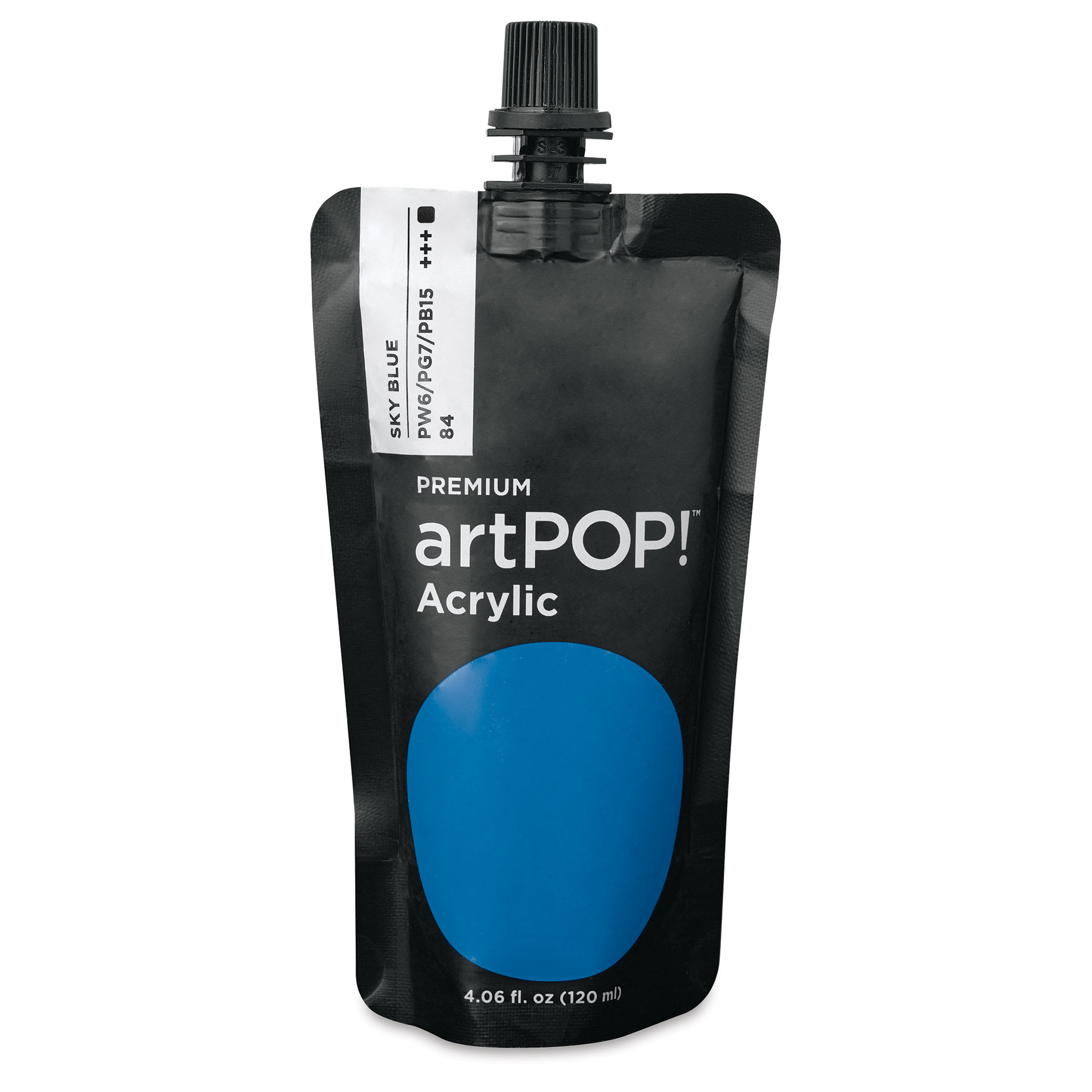
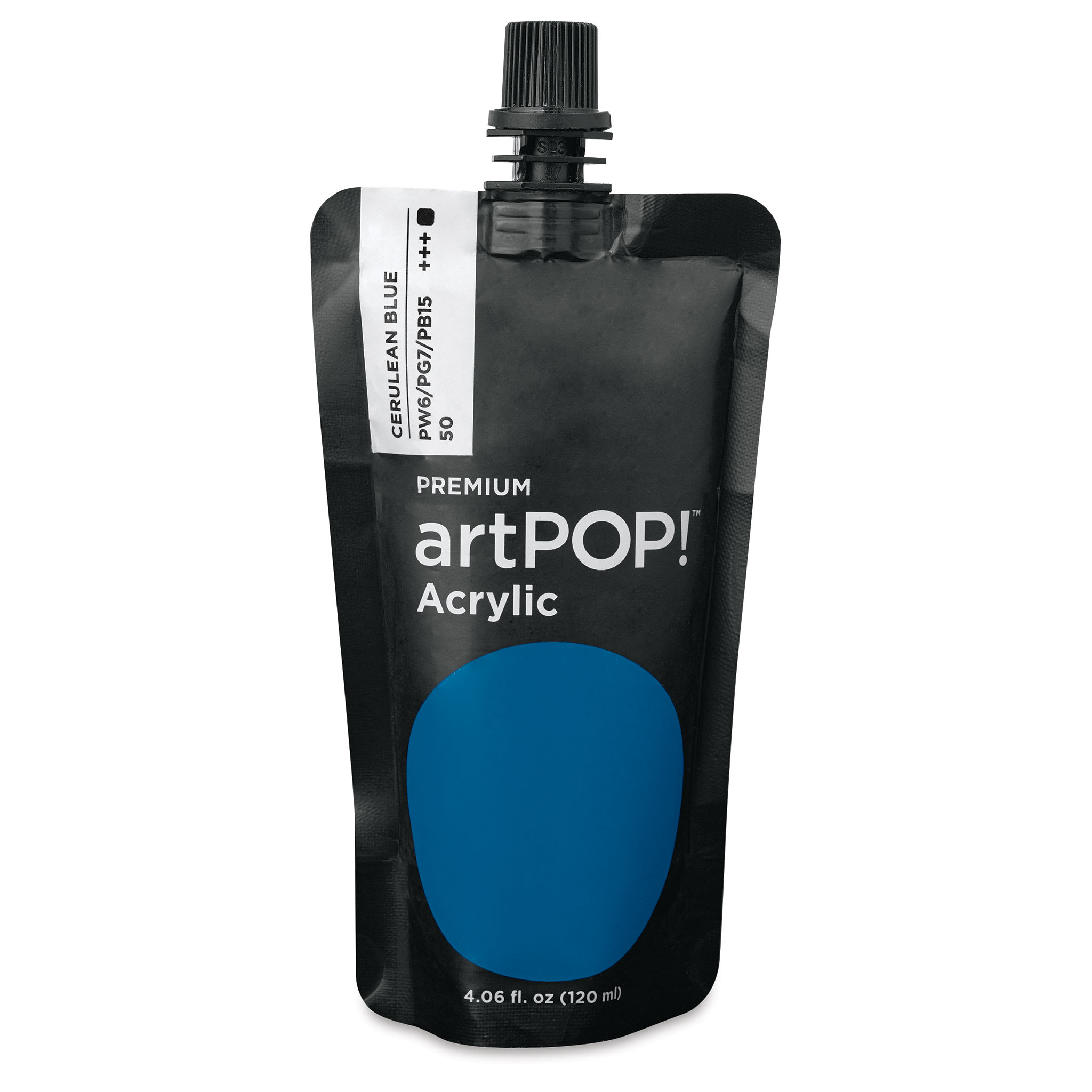
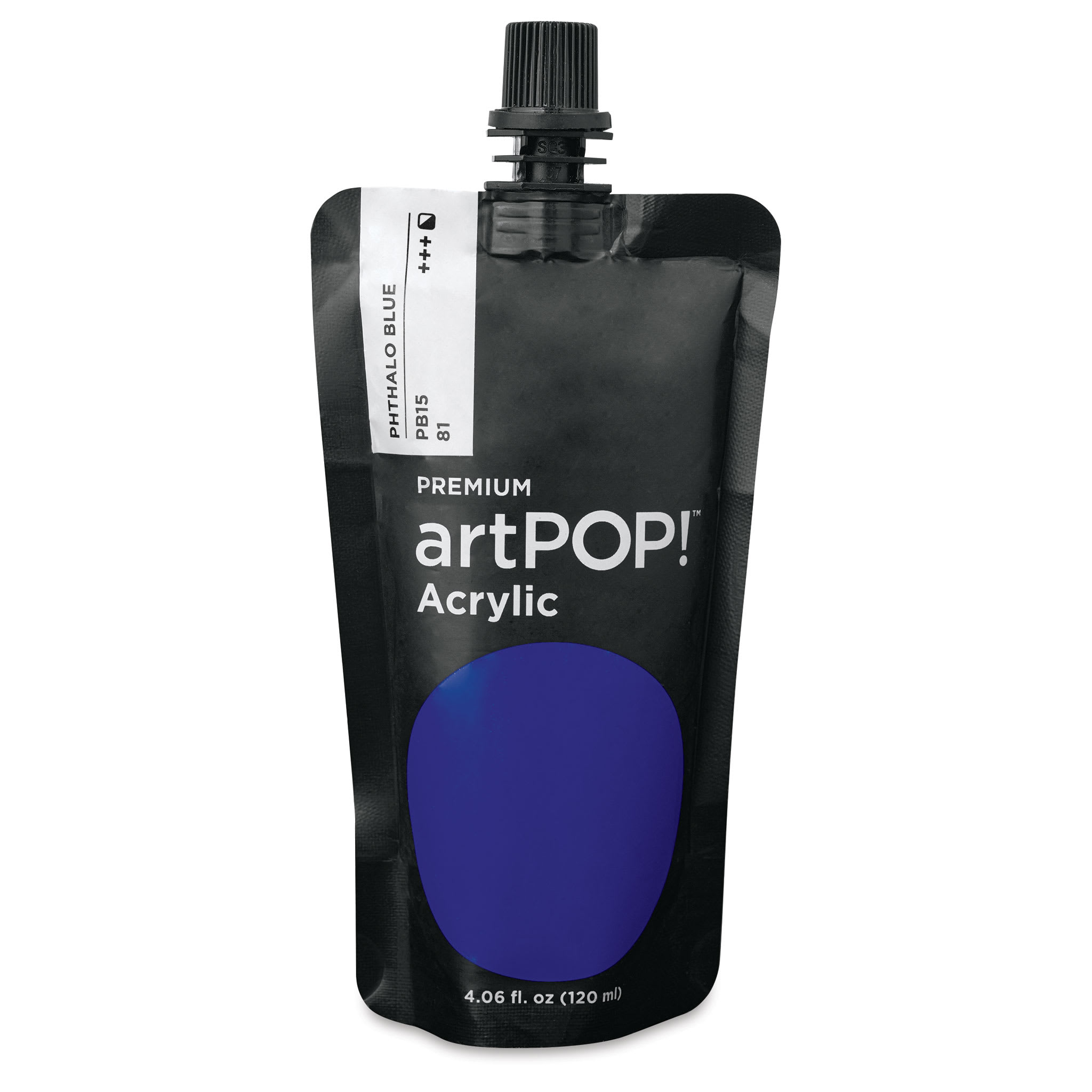
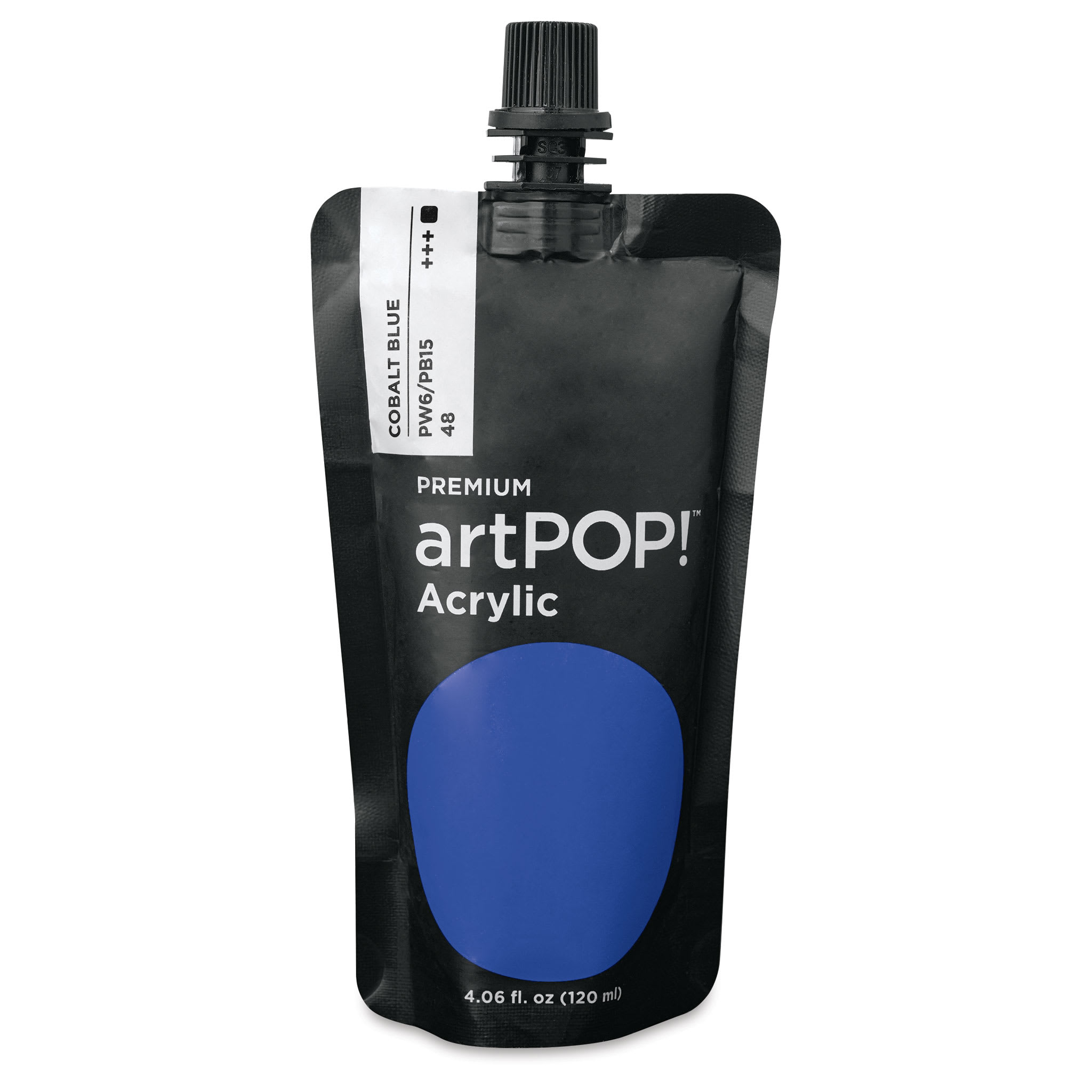
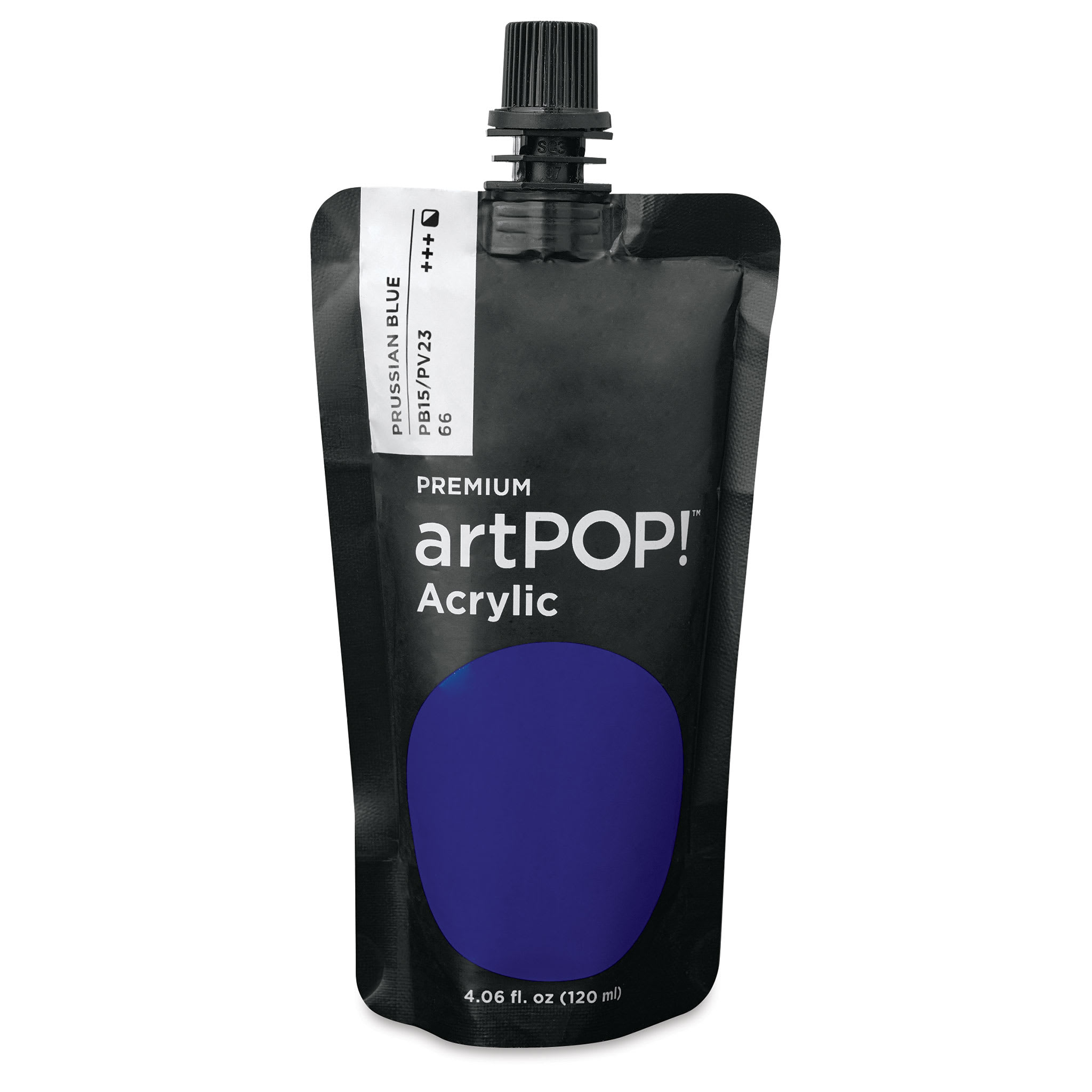
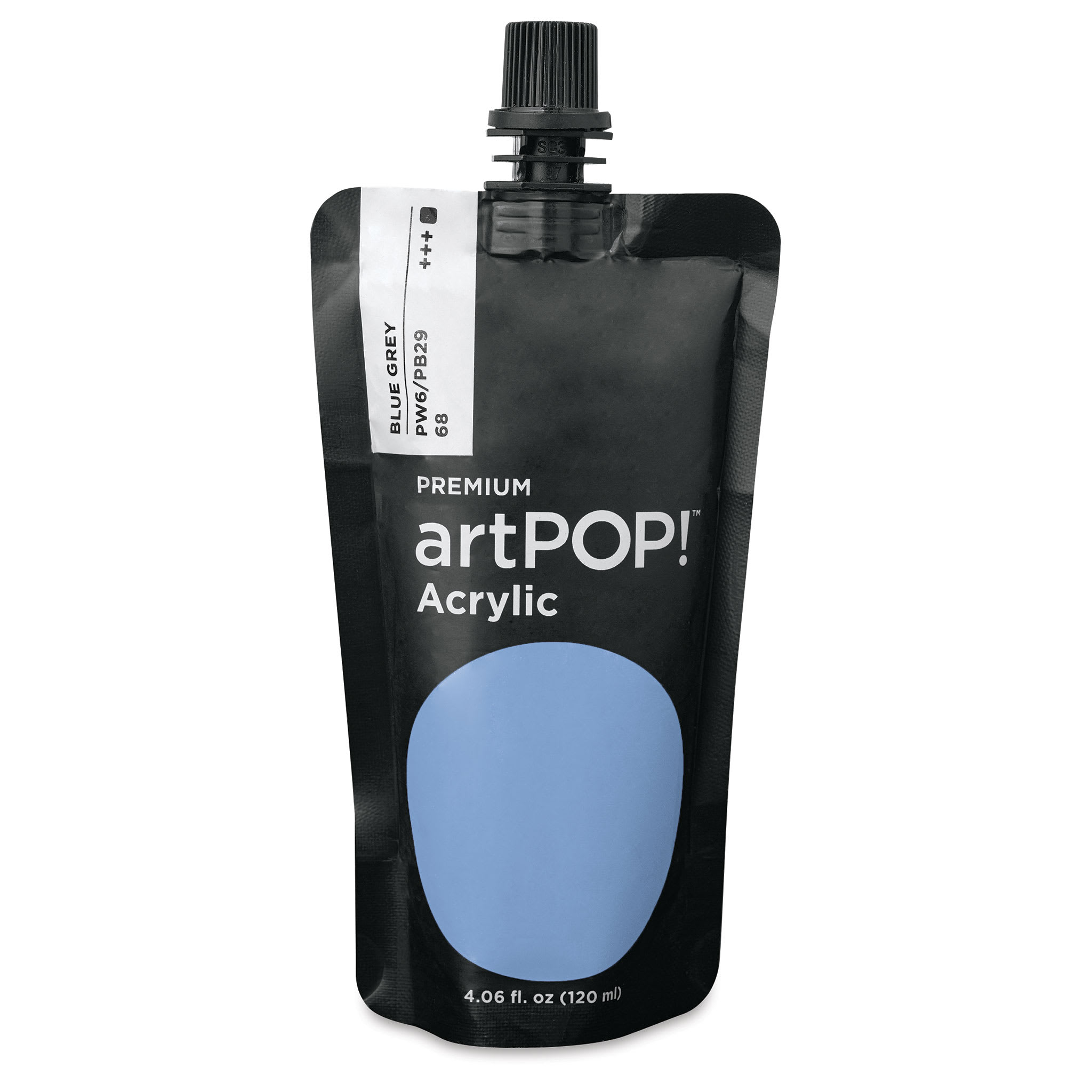
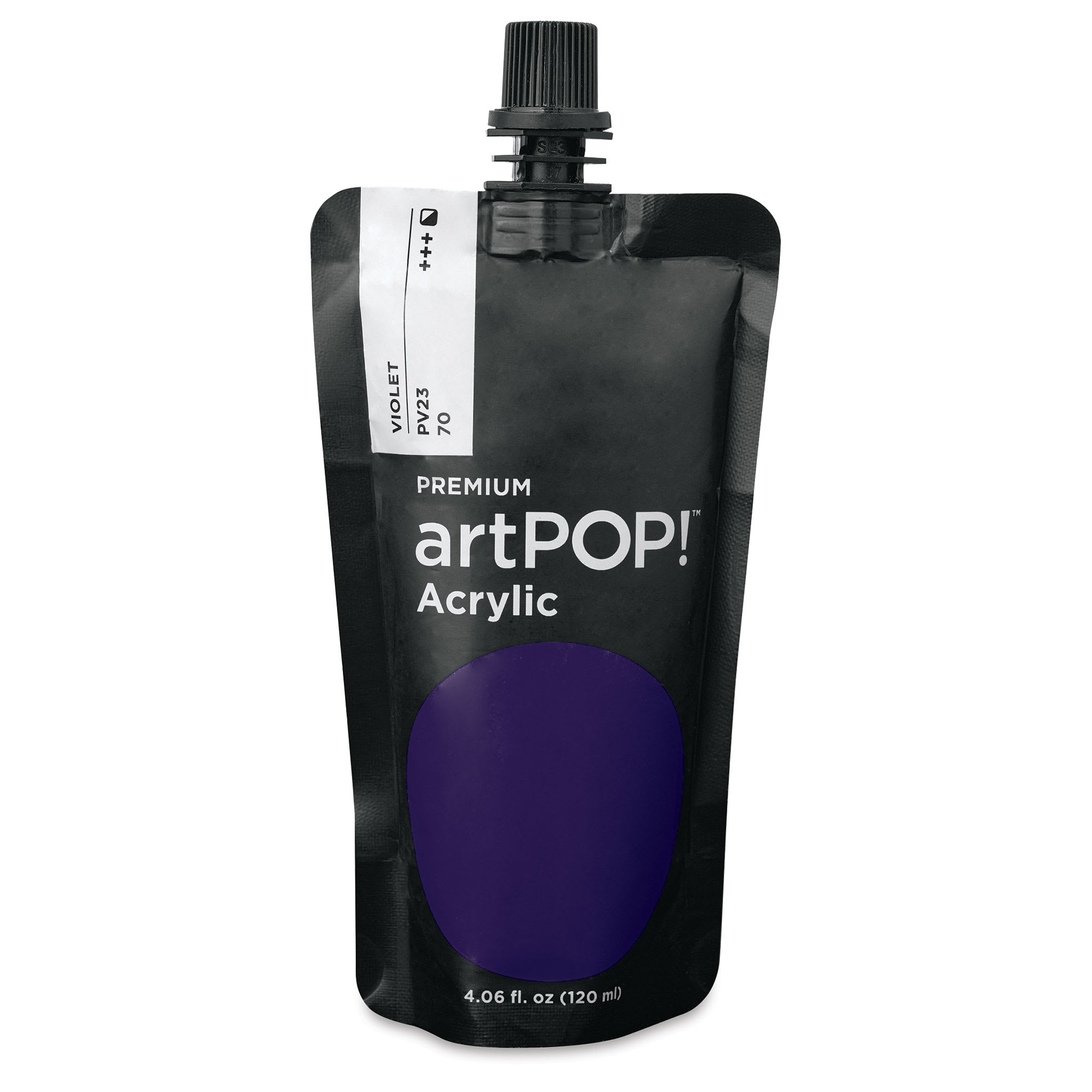
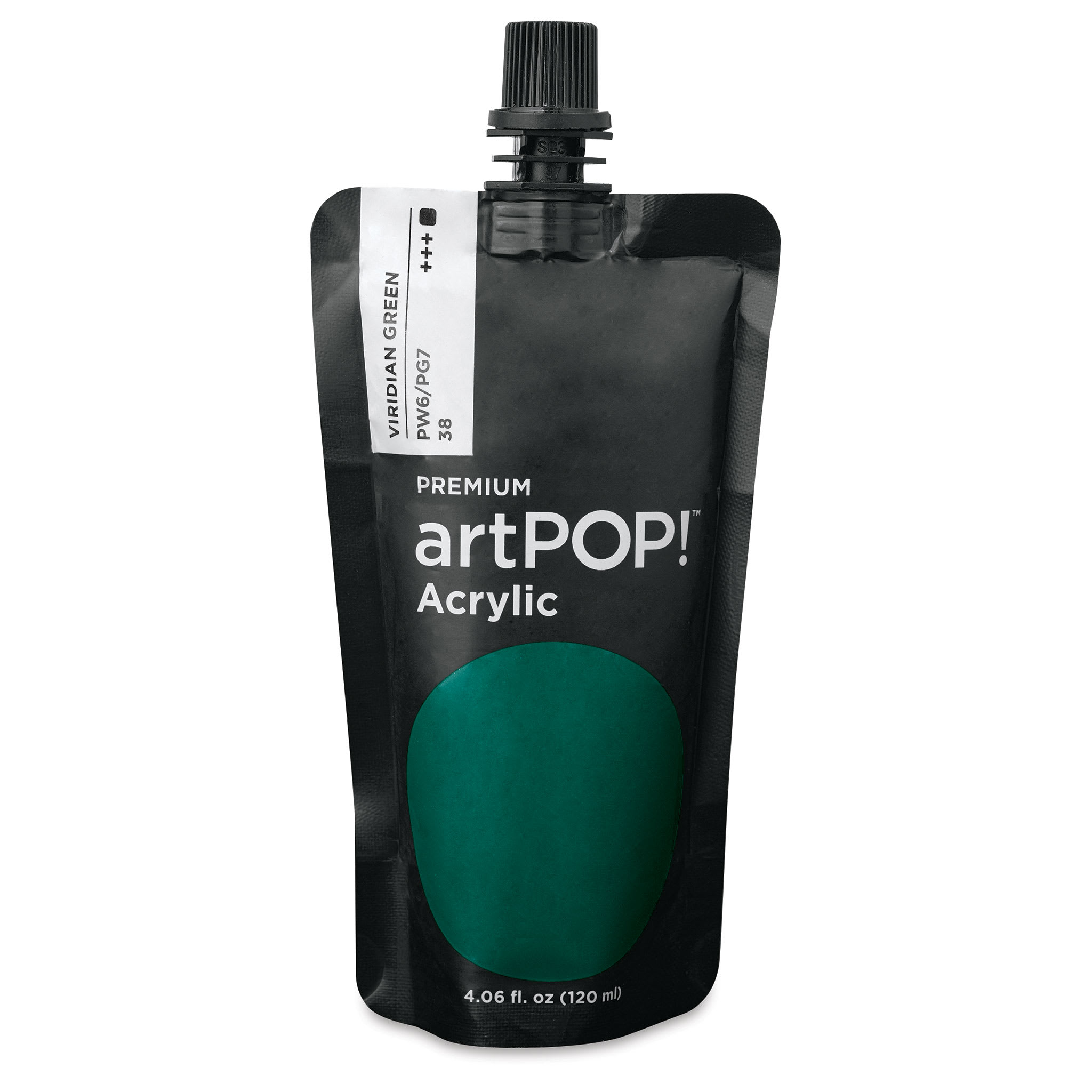
General reference notes about pigments can describe other media (such as oil). They do not verify this product’s exact formulation or behavior.
Ultramarine [Blue]
- Pigment code
- PB29
- Type
- inorganic
- Chemical name
- complex silicate of sodium and aluminum with sulfur
- Chemical formula
- Na8-10Al6Si6O24S2-4 or Na6-8Al6Si6O24S2-4
- Properties
- Ultramarine is the standard warm blue, a brilliant blue pigment that has the most purple and least green in its undertone. It has a moderate to high tinting strength and a beautiful transparency. Synthetic Ultramarine is not as vivid a blue as natural Ultramarine. Ultramarine dries slowly in oil and tends to produce clean, though granular, washes in watercolor. French Ultramarine mixes well with Alizarin colors in oil and watercolor form to create a range of purples and violets. It can dull when mixed with white in acrylic form, but mixes well with other colors. The shade varies based on manufacturer. Considered a great color for glazes, it is not suitable for frescoing.
- Permanence
- Ultramarine has excellent permanence, although synthetic Ultramarine is not as permanent as natural Ultramarine. It may discolor if exposed to acid because of its sulfuric content.
- Toxicity
- Ultramarine has no significant hazards.
- History
- The name for this pigment comes from the Middle Latin ultra, meaning beyond, and mare, meaning sea, because it was imported from Asia to Europe by sea. It is a prominent component of lapis lazuli and was used on Asian temples starting in the 6th century. It was one of the most expensive pigments in 16th century Europe, worth twice its weight in gold, and so was used sparingly and when commissions were larger. Ultramarine is currently imitated by a process invented in France in 1826 by Jean Baptiste Guimet, making blue affordable to artists and extending the range of colors on their palettes.
- Description
- Artificial Ultramarine, French Blue, French Ultramarine, Gmelin's Blue, Guimet's Blue, Permanent Blue, Royal Blue, Synthetic Ultramarine. New Blue describes particular shades of Ultramarine. Armenian Blue and Lazuline Blue are names for genuine Lapiz Ultramarine. Sky Blue is a pale tone of Ultramarine.
 Blick Art Materials