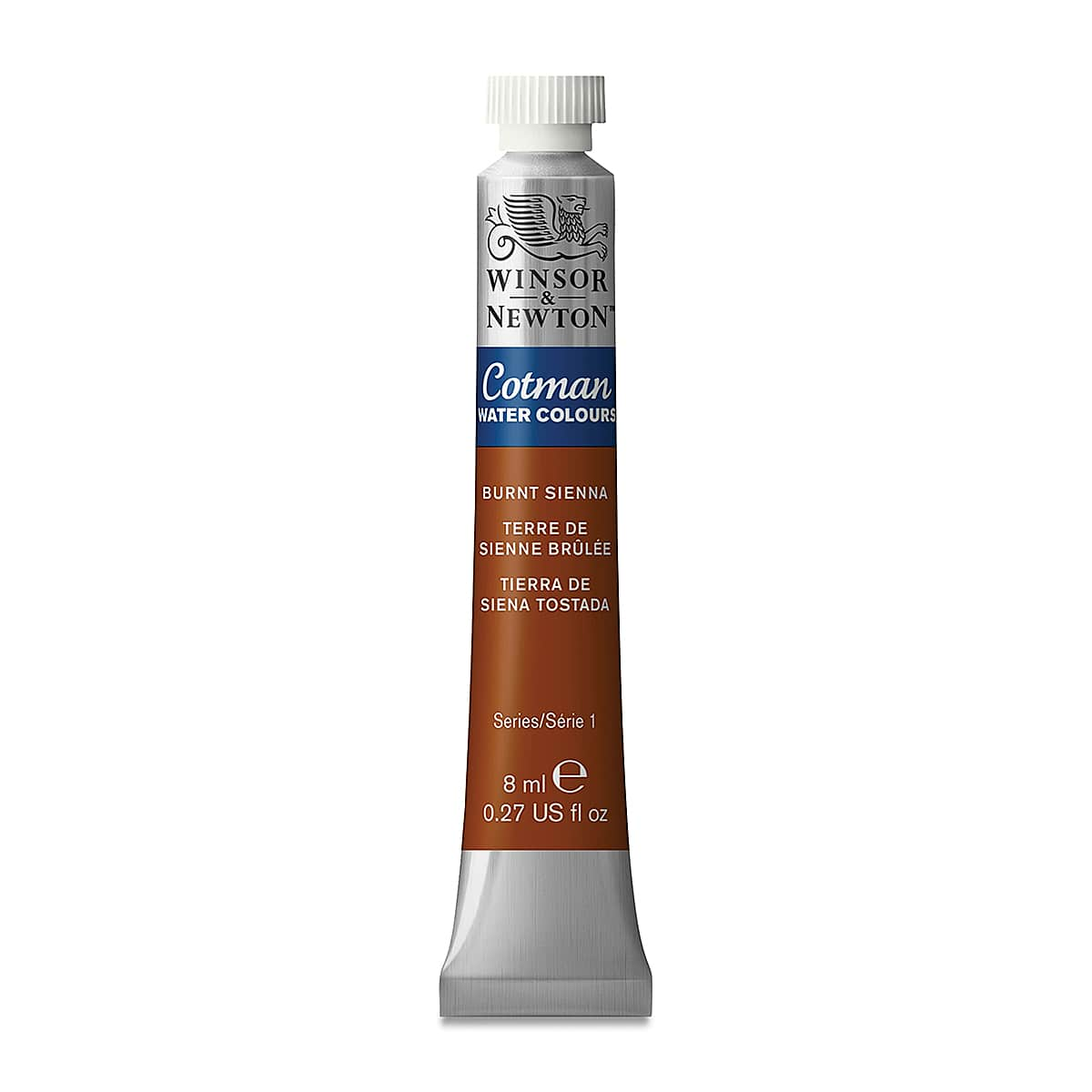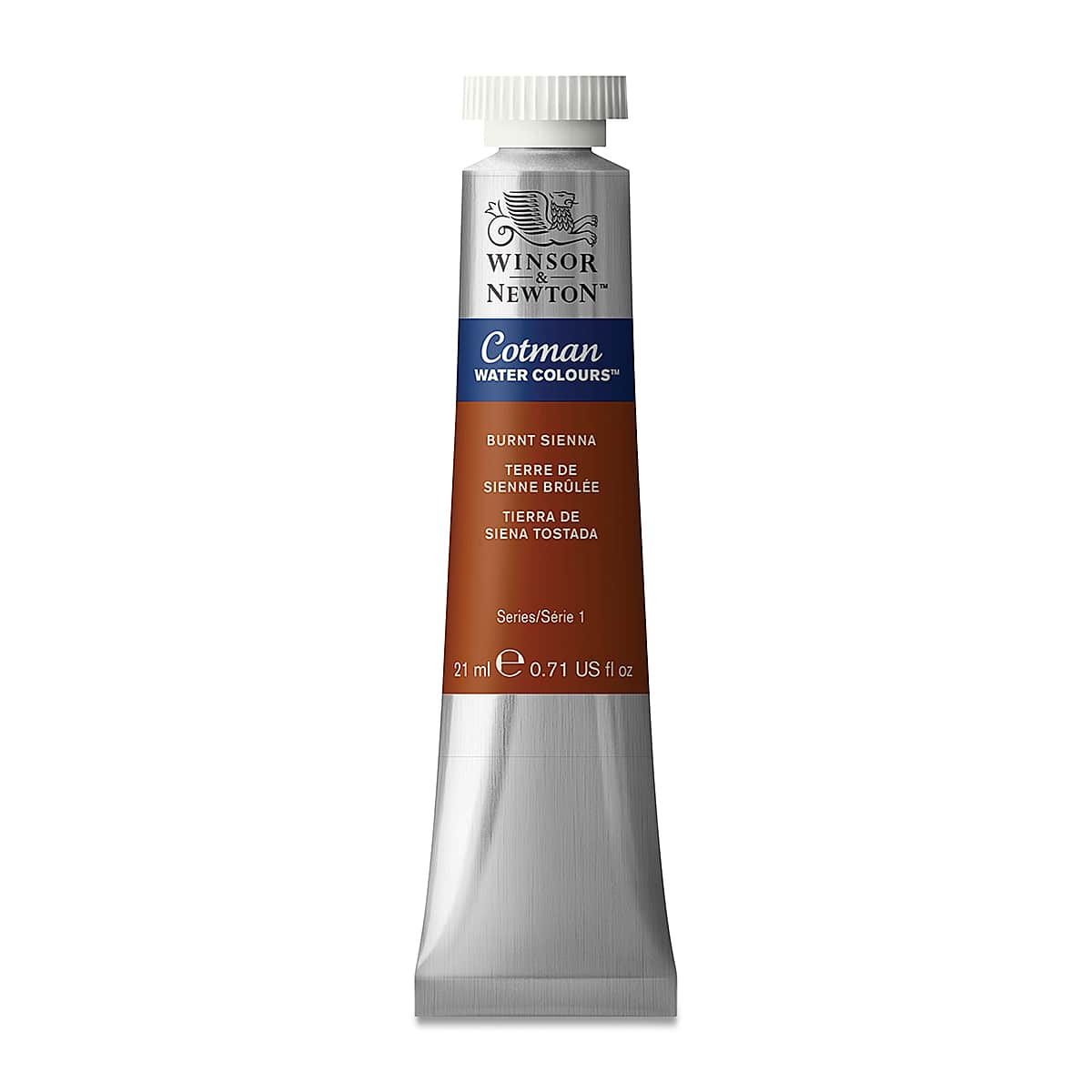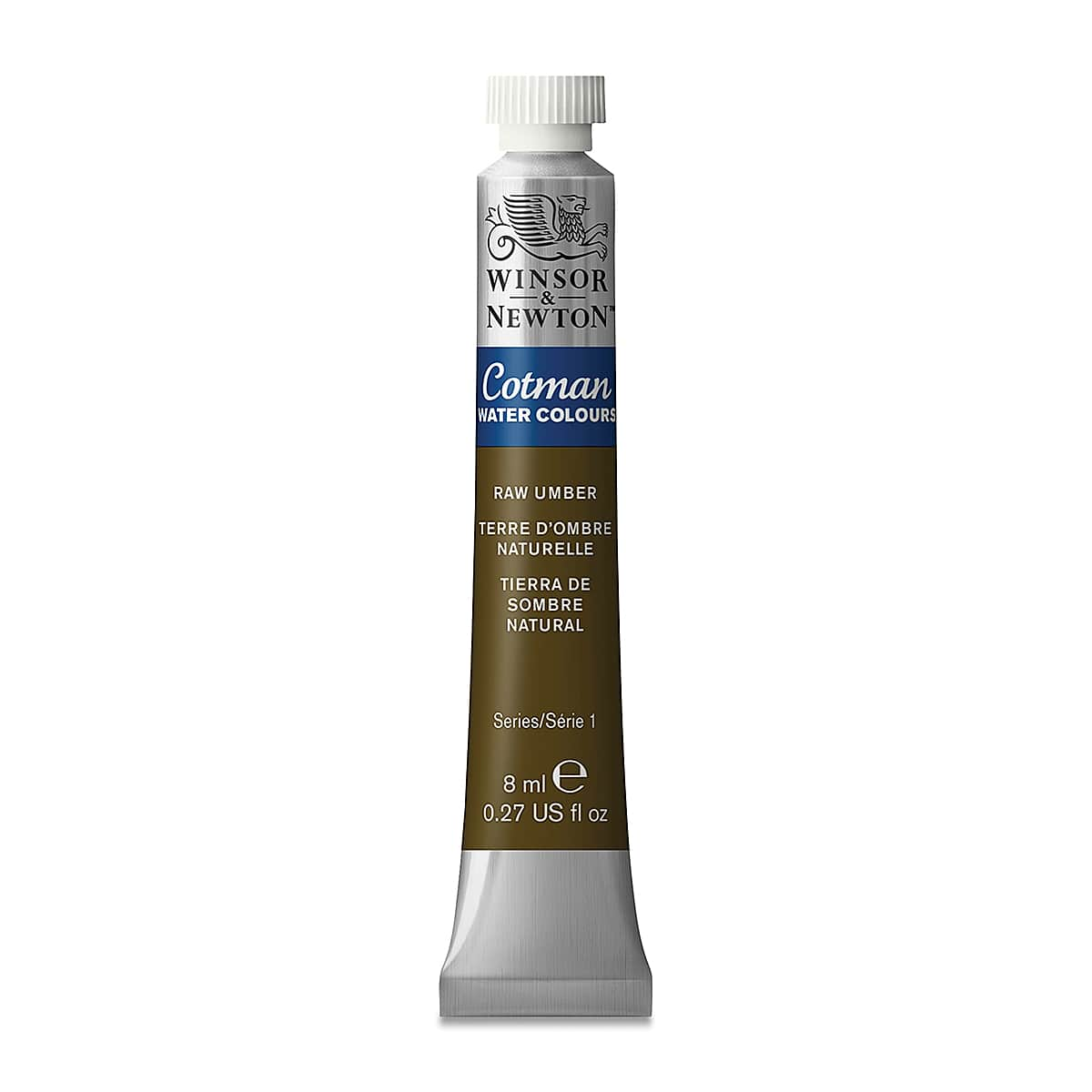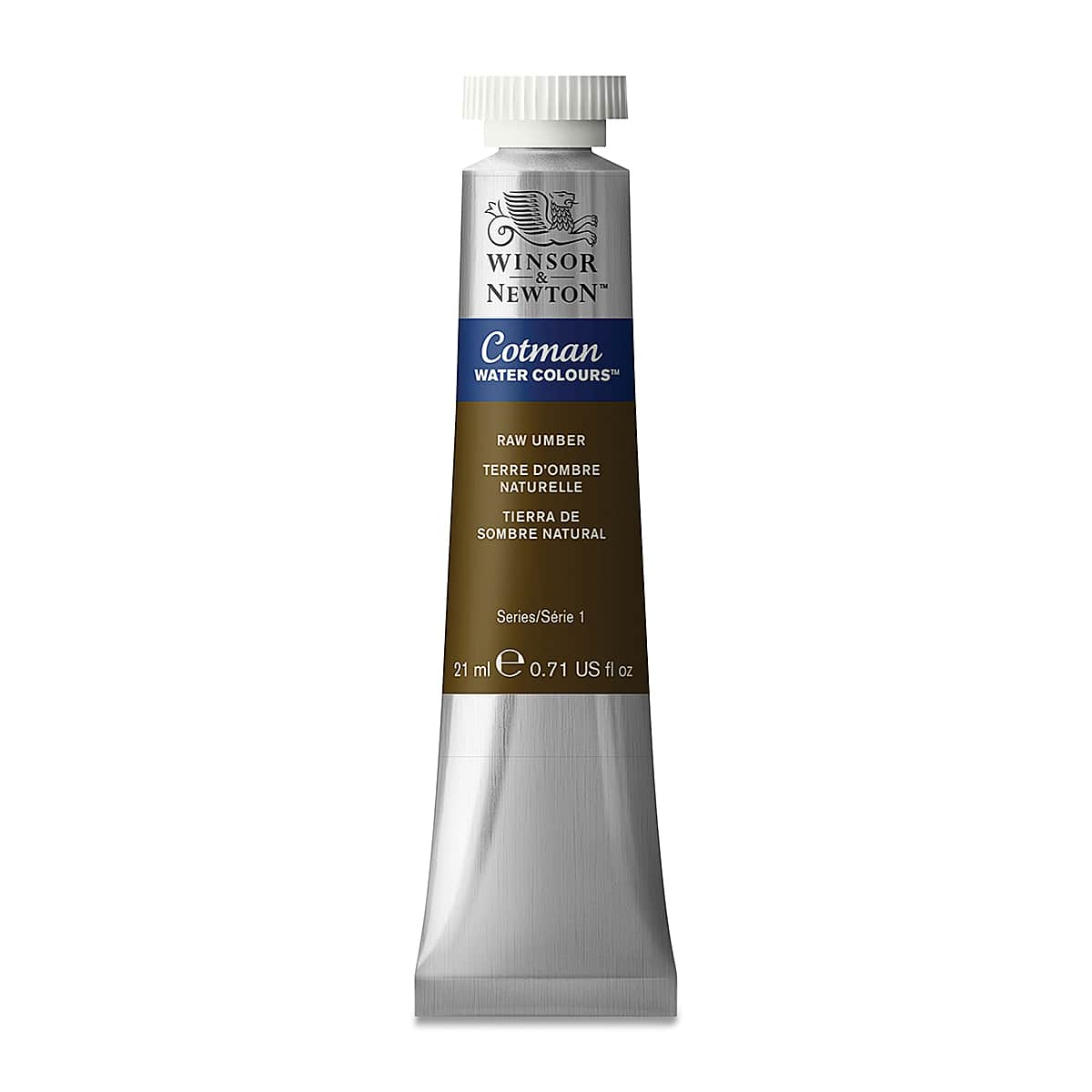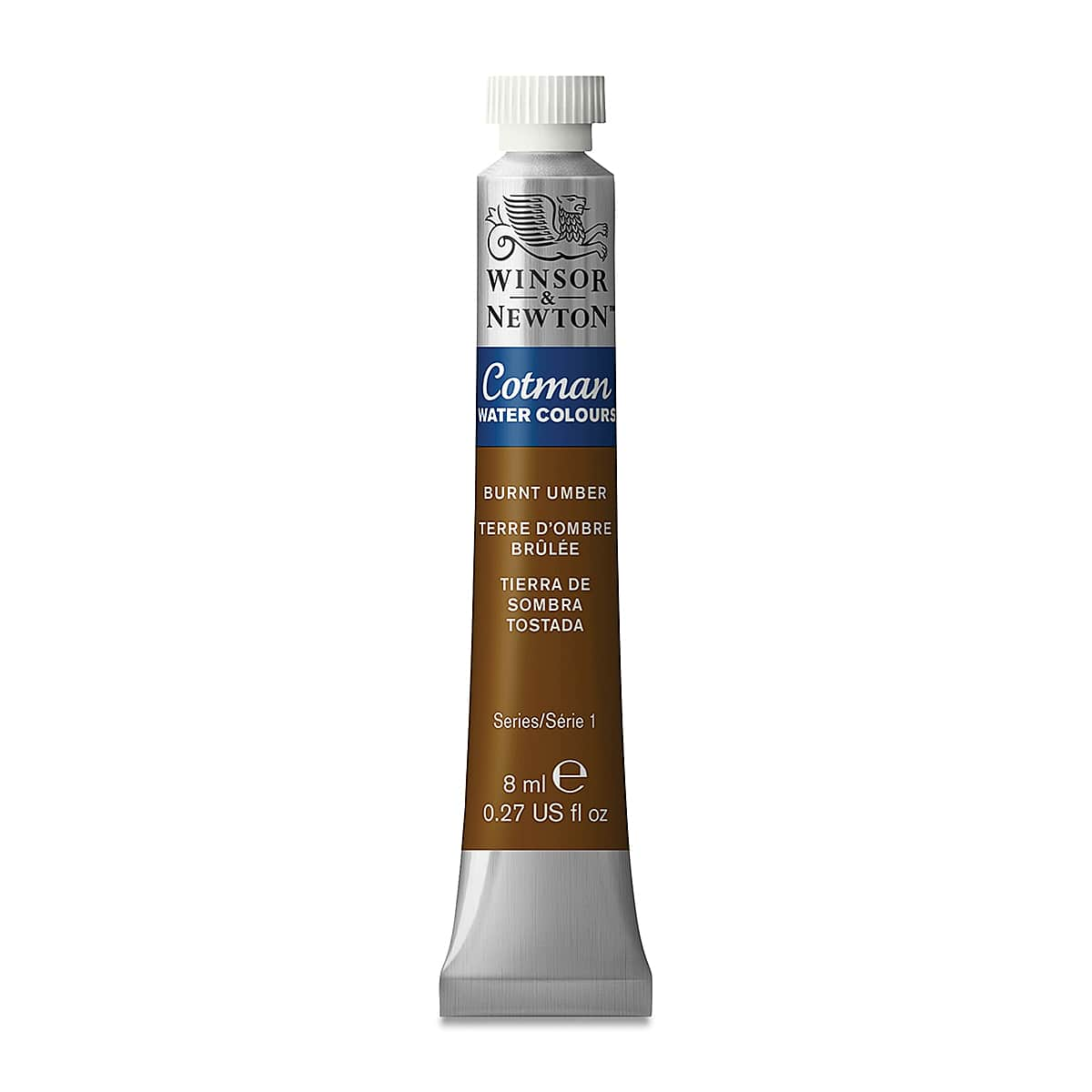
Winsor & Newton Cotman Watercolor - Burnt Umber, 21 ml tube

Cotman Watercolors

Store price

Listed prices, not live quotes. Check delivery, tax and stock at the shop.

  • Blick Art Materials
    $8.02 USDShop
    Recorded Oct 21, 2026, 11:26 AM UTC

Saving an item to My Stash does not start price monitoring.

Product details
Size
21 ml
Blick SKU
00325-8052
About this product range
  • Quality student-grade range
  • 40+ colors, including modern and historic pigments
  • Strong tint strength
  • Reliable transparency and lightfastness
  • Uniform consistency for beginners and students

Cotman Watercolors offer Winsor & Newton's renowned quality at an accessible price for students, beginners, and budget-conscious artists. Available in 8 ml and 21 ml tubes, the range features over 40 colors carefully selected for their tone, undertone, strength, and versatility in mixing.

Formulated with a blend of traditional and modern pigments—from natural earths to vibrant organic pigments—these colors allow for a variety of effects, from easy lifting to subtle washes to expressive, high-staining color. Most colors are transparent, with a smooth, consistent texture that makes them easy to work with, especially for those just starting out.

To keep the range affordable, a few of the more expensive pigments have been replaced with cost-effective alternatives—without sacrificing performance. With good to excellent permanence ratings, Cotman tubes are a reliable, affordable option for anyone looking to build a versatile palette without compromise.

Pigment information

General reference notes about pigments can describe other media (such as oil). They do not verify this product’s exact formulation or behavior.

Burnt Umber

Pigment code
PBr7
Type
earth
Chemical name
iron oxides with manganese silicates or dioxide
Chemical formula
Fe2O3,MnO2 or Fe2O3+MnO2+nH2O+Si+Al2O3
Properties
Burnt Umber is a more intense reddish brown pigment that results from heating the clay pigment Raw Umber. It has medium to excellent tinting strength and high opacity, and it is quick drying in oil form. Burnt Umber is somewhat more transparent than Raw Umber. It has excellent color properties and can create a variety of subtle, clear tints when mixed with white. It can tend towards chalkiness in dark mixes in oil form, but overall it mixes well with other colors. To create a black color in oil form, mix Burnt Umber with Phthalo Blue or Ultramarine. To achieve a similar color in watercolor form, mix it with Ultramarine or Payne's Gray.
Permanence
Burnt Umber has good permanence.
Toxicity
Burnt Umber itself is considered non-toxic. If contaminated by manganese compounds, it may be highly toxic if inhaled and moderately toxic if ingested.
History
This pigment gets its name from the Latin word umbra, meaning shadow or shade. Its full name is listed as terra di ombra, meaning earth of shadow/shade, due to its original extraction from the area of Umbria, Italy. It has been used as a pigment since prehistoric times. Currently, the finest umber comes from Cyprus.
Description
Chestnut Brown, Euchrome, Jacaranda Brown, Mars Brown, Mineral Brown, Raw Brown, Spanish Brown, Van Dyke Umber. Cyprus Umber, Turkey Brown, and Turkey Umber are the best quality umbers.

Yellow Iron Oxide

Pigment code
PY42
Chemical name
iron(III)-oxide, hydrated
Chemical formula
Fe2O3 • H2O
Properties
Yellow Ochre provides artists with earthtones from cream to brown. It has good hiding power, produces a quick drying paint, and can be safely mixed with other pigments. Its transparency varies widely from opaque shades to more transparent ones, which are valued for their use as glazes. If gypsum is present, Yellow Ochre is not suitable for frescoing. (See Brown Ochre, PY43.) PY42 is made from synthetic iron oxides. PY43 is made from natural iron oxide.
Permanence
Yellow Ochre has excellent permanence because ochres are some of the most permanent pigments available.
History
Ochre comes from the Greek word ochros, meaning pale yellow. It was one of the first pigments to be used by human beings, and evidence of its use has been found at 300,000 year old sites in France and the former Czechoslovakia.
Description
Chamois, Iron Yellow, Mars Orange, Mars Yellow, Minette, Ochre, Sil, Yellow Earth, Yellow Ochre, Yellow Oxide. Varieties of Yellow Ochre include Brown Ochre, Flesh Ochre, Roman Ochre, Spruce Ochre, and Transparent Gold Ochre.

Track this price

New lows for this exact package, across matched retailers.

Loading your account…

Price history

More to explore

Related supplies from the catalog.